Thankfully, not everybody was kung fu fighting
Each spring for the past six years, I have taken a look back at the albums that were released 50 years ago and done my best to select what I considered the Top 15. In 2018, sizing up the best LPs of 1968 wasn’t too difficult, because singles still ruled the roost at that point, and there simply weren’t that many superlative albums out there. That began changing in 1969, and each year since has become more and more challenging. The list of albums of 1971 in particular was an embarrassment of riches; I concluded there were upwards of 60 choices that were worthy candidates to make the Top 15 cut.

As I reviewed the roughly 350 albums released during the calendar year 1974, I realized I was going to struggle to find 15 LPs I thought were consistently superb. Frankly, it just wasn’t as great a year musically as the previous five. Sure, there were eight or ten that were easy to identify, but after that, there were a couple dozen “B”-grade choices. How to choose? Some of the year’s biggest sellers (like Marvin Hamlisch’s soundtrack to “The Sting” or Elton John’s “Caribou”) or even the Album of the Year Grammy winner (Stevie Wonder’s “Fulfillingness’ First Finale”) just didn’t light my fire, and paled when compared to the work of lesser known bands that had grabbed my attention that year.
Making “Best Of” lists has always been a subjective endeavor. What is the criteria for developing the list? Are these simply my favorites, or are they perhaps the biggest sellers, or maybe the most influential albums of that particular year?
Consequently, as is almost always the case, many (maybe most) of my readers will vociferously object to some of my selections. You might howl in protest that one of your favorites was demoted to the “honorable mention” bin, or omitted entirely. To that, I say: Sorry ’bout that. This is my blog, and I call ’em the way I see ’em. Feel free to come up with your own list or maybe publish your own blog if you’re sufficiently motivated.
Meantime, I hope you enjoy the Spotify playlists below. The first one features five songs from each of my Top 15 albums of 1974, while the second one includes three songs from each of the honorable mentions that didn’t quite make my list.
***************************

“Court and Spark,” Joni Mitchell
From her modest debut LP in 1968 through her stunning 1972 album “For the Roses,” Joni Mitchell built a fanatical following (mostly women but also men like me) who were thunderstruck by her confessional lyrics and increasingly sophisticated songwriting. In early 1974, the mainstream music audience finally took notice of this unparalleled artiste through the sleek brilliance of “Court and Spark,” the highest charting record of her career (thanks to two hit singles, “Help Me” and “Free Man in Paris,” the album reached #2 on US charts). With the jazzy backing of musical pros like Tom Scott and the L.A. Express, Mitchell’s songs dipped and soared through many moods, from the raw emotion of “People’s Parties” and “The Same Situation” to the breezy rock ‘n roll of “Raised on Robbery” and the intellectual creativity of “Down to You” and “Trouble Child.”

“What Were Once Vices are Now Habits,” The Doobie Brothers
This hard-working band out of San Jose smoked so much pot in their formative days that they chose to name themselves The Doobie Brothers, and they ended up one of the most popular bands of the decade, with three vocalists, two guitarists and two drummers. Their catalog during the 1971-1975 period was evenly split between the no-nonsense rock of Tom Johnston and the more folk/country material by Patrick Simmons. Coming close on the heels of two superb albums (1972’s “Toulouse Street” and 1973’s “The Captain and Me”) came the wryly titled “What Were Once Vices Are Now Habits,” which featured the group’s first #1 single (“Black Water”). This LP is every bit as consistent as its predecessors — fine acoustic tunes like “Spirit,” “Tell Me What You Want” and “Another Park, Another Sunday”; and hard-driving rockers like “Eyes of Silver,” “Road Angel” and “Daughters of the Sea.”

“Pretzel Logic,” Steely Dan
The songwriting duo of Donald Fagen and Walter Becker had reached the Top Ten twice on their debut LP, then stretched out with longer tracks on their 1973 follow-up, “Countdown to Ecstasy.” Beginning with “Pretzel Logic,” Steely Dan ceased being a working band and became more of a studio outfit featuring as many as 20 different guitarists, keyboardists, bassists and drummers appearing on the various songs. And what infectious, well-crafted songs they were: “Parker’s Band,” “Night By Night,” “Barrytown,” “Charlie Freak,” “With a Gun” and the bluesy title track offered fascinating lyrics and Fagen’s immediately identifiable voice. I never much cared for the overplayed single “Rikki Don’t Lose That Number,” but it wasn’t for nothing that it became their highest-charting hit (#4 on US charts). As satisfying as this album is, the best of Steely Dan was yet to come.

“Mother Lode,” Loggins and Messina
In 1970, Jim Messina had left Poco and been hired as a producer at Columbia Records, where he was assigned to work with newcomer singer-songwriter Kenny Loggins. Messina contributed so much to the debut effort that it ended up being titled “Kenny Loggins with Jim Messina Sittin’ In,” and the two men became a best-selling duo over the next six years. Messina’s country rock leanings juxtaposed beautifully with the more emotional songs Loggins was writing, and by 1974, they reached what is arguably their peak on the aptly titled “Mother Lode.” Incredibly, there were no hit singles (whose fault is that?!), but track after track features brilliant musicianship and stellar vocals. Messina’s “Be Free,” “Move On” and “Changes” were memorable, but Loggins’ songs were even better, especially “Brighter Days,” “Time to Space,” “Growin'” and “Fever Dream.”

“Souvenirs,” Dan Fogelberg
Illinois-born Fogelberg got his start as a session musician and songwriter in Nashville, and the debut album he recorded there (“Home Free”) offered appealing folk rock with a strong country influence. His next move was relocating to Los Angeles, where he was taken under the wing of the great Joe Walsh, whose sharp production gave “Souvenirs” an immediate vitality in its rockers and ballads alike. Walsh played electric guitar on most tracks and brought in members of his band, The Eagles and Crosby and Nash to participate. But it was Fogelberg and his material that were the real attraction. While “Part of the Plan” was the upbeat single, “As the Raven Flies,” “Illinois” and “There’s a Place in the World for a Gambler” competed for attention. Meanwhile, softer tunes like “Song From Half Mountain,” “Changing Horses” and “Souvenirs” cemented his reputation as one of the better balladeers of the ’70s.

“Bad Company,” Bad Company
The early ’70s saw the formation of countless “supergroups” comprised of survivors of other bands who teamed up with great hopes for superstardom. Most of these failed to find the necessary personal and musical chemistry necessary to find a big audience. The exception, though, was England’s Bad Company, which brought together vocalist Paul Rodgers and drummer Simon Kirke (both formerly with Free), guitarist Mick Ralphs from Mott the Hoople and bassist Boz Burrell of King Crimson. Launched on Led Zeppelin’s new Swan Song record label, Bad Company’s self-titled debut album took the rock world by storm in 1974, reaching #1 on US album charts as the first of five Top Ten albums. “Can’t Get Enough” and “Movin’ On” were hit singles, but you could hear songs like “Ready For Love,” “Rock Steady,” “Seagull” and the moody title track all over rock radio stations that year.

“461 Ocean Boulevard,” Eric Clapton
The unrequited love that Clapton felt for George Harrison’s wife Pattie may have led to some of the most anguished blues songs in rock history (especially “Layla”), but it also sent him spiraling into heroin addiction that almost killed him in 1971-1973. With the help of friends like Pete Townshend, Clapton found recovery, and began writing more spiritual lyrics and melodies. The result was the noticeably understated LP “461 Ocean Boulevard,” named after the Miami house he rented while the album was being recorded. Low-key tunes like “Give Me Strength” and “Please Be With Me” featured Clapton on Dobro, while shimmering synthesizers highlighted “Let It Grow.” The fiery electric guitar solos Clapton had built his career on were evident only on the closing track, “Mainline Florida.” Perhaps most unexpected was his cover of Bob Marley’s reggae tune “I Shot the Sheriff,” a surprising #1 hit single.

“Feats Don’t Fail Me Now,” Little Feat
The late great guitarist/singer/songwriter Lowell George formed Little Feat in 1970 with keyboardist Bill Payne, drummer Richie Hayward and bassist Roy Estrada. Their first two albums were critically praised but failed to chart, precipitating Estrada’s departure and the arrival of second guitarist Paul Barrère, bassist Kenny Gradney and percussionist Sam Clayton, all of whom added vocals as well. This new lineup still featured George’s slide guitar and vocals, but the songs now took on a New Orleans-style funk, and their first LP, “Dixie Chicken,” attracted a wider audience. It wasn’t until the release of “Feats Don’t Fail Me Now” in 1974 that the band reached the high 30s on the US album charts, thanks to killer tracks like “Oh Atlanta,” “Rock and Roll Doctor,” “The Fan,” “Cold Cold Cold/Tripe Face Boogie” and the title song. I played the hell out of this album that year and became a huge fan from then on.

“Crime of the Century,” Supertramp
Named after the 1908 book “The Autobiography of a Super-Tramp,” this British prog-rock band was led from their founding in 1970 by two singer-songwriters, Roger Hodgson and Rick Davies, who had different backgrounds and musical influences. Hodgson had gone to boarding school and preferred pop rock, while Davies was working class and leaned toward blues and jazz. While they co-wrote a lot of the band’s catalog, they more often wrote separately, each taking lead vocals on their own songs. They first hit paydirt in 1974 with their third LP, “Crime of the Century,” a Top Five album in the UK and Canada and cracking the Top 40 in the US. Hodgson’s light, airy voice took center stage on “Dreamer” and “School,” while Davies meatier, gruff vocals carried “Bloody Well Right” and the title track. Five years later, they had an international #1 album with “Breakfast in America.”

“Slow Dancer,” Boz Scaggs
While in high school in Dallas, William “Boz” Scaggs met Steve Miller, eventually following him to San Francisco, where he joined The Steve Miller Band as its second guitarist, singer and songwriter. After two albums, Scaggs chose to go solo, and his 1969 debut LP, recorded with the famed Muscle Shoals studio musicians in Alabama, also featured a young Duane Allman on the legendary 12-minute blues track “Loan Me a Dime.” He began developing a “blue-eyed soul” sound over his next three releases, and by 1974, his LP “Slow Dancer” received broad critical praise. Motown producer/writer Johnny Bristol co-wrote much of the album with Scaggs, including standout tracks like “Angel Lady,” “You Make It So Hard,” “Hercules” and the title cut. The album gave strong hints of what was to come on his phenomenal “Silk Degrees” album in 1976.
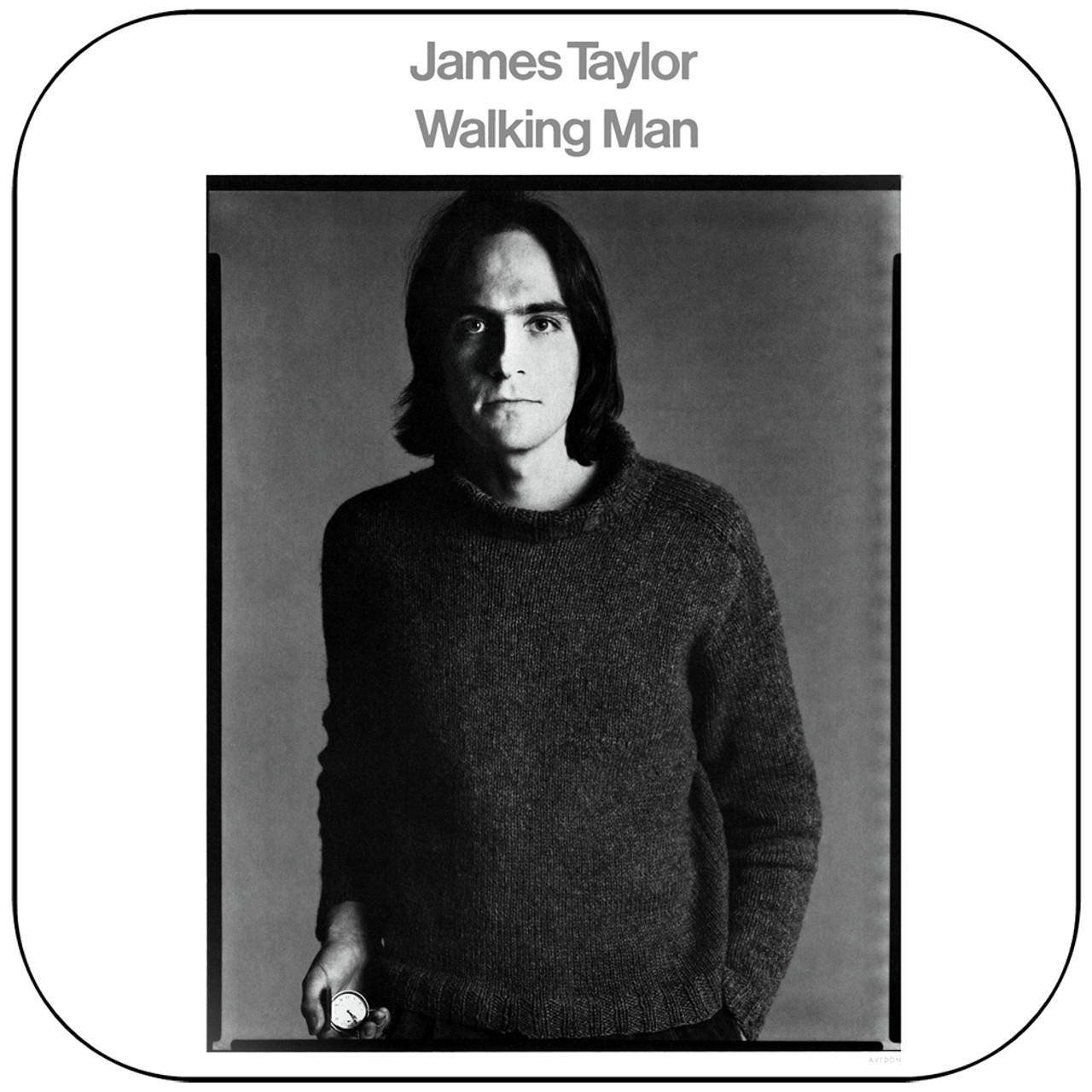
“Walking Man,” James Taylor
I never understood why Taylor’s fifth album, “Walking Man,” was so underrated and underplayed on radio. Critics said it was “listless” and “unremarkable,” but that’s not the way I saw it upon its release in June 1974. Looking for something a little different, Taylor moved from L.A. to a New York studio, employing a different producer and a raft of new backing musicians to support his latest material. The title tune and “Let It All Fall Down” (a diatribe against then-President Nixon), both strong songs, failed to chart as singles, and although the album reached #13, it simply didn’t get the attention it deserved, which is a crying shame. I strongly urge you to check out appealing tracks like “Hello Old Friend,” “Me and My Guitar,” “Ain’t No Song,” “Rock and Roll is Music Now” and Taylor’s cover of Chuck Berry’s “The Promised Land.”
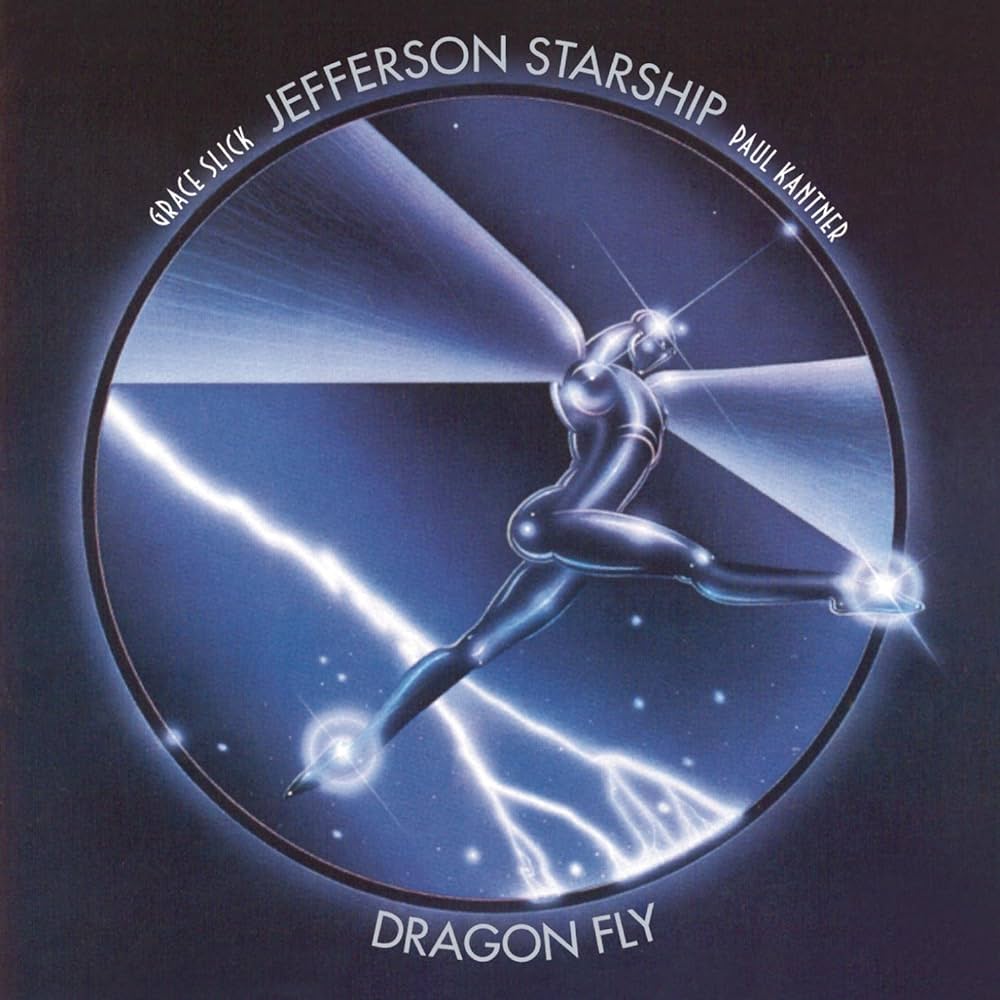
“Dragon Fly,” Jefferson Starship
Jefferson Airplane singer/songwriter/guitarist Paul Kantner, a science fiction buff, put together a remarkable “solo” record in 1970 called “Blows Against the Empire,” which was partially credited to something called Jefferson Starship (actually members of the Grateful Dead and CSNY). When the Airplane broke up a couple years later, Kantner and paramour Grace Slick decided they liked the name Jefferson Starship, recruited guitarist Craig Chaquico and others to the lineup, and released “Dragon Fly,” the first of four strong LPs that charted well in the ’70s. Songs like “Ride the Tiger,” “All Fly Away,” “Devil’s Den” and “That’s For Sure” put the spotlight on the soaring Kantner/Slick vocal blend, while the welcome surprise track “Caroline” featured the return of Airplane founder Marty Balin, who became a mainstay in the group’s lineup for the “Red Octopus,” “Spitfire” and “Earth” albums that followed.

“War Child,” Jethro Tull
After critics incorrectly labeled Tull’s 1971 LP “Aqualung” a concept album, leader Ian Anderson responded by writing “the mother of all concept albums,” the brilliant prog rock piece “Thick as a Brick,” followed in 1973 by its darker cousin, “A Passion Play,” another 45-minute song stretching out over two sides. Fans loved both, but critics pounced on the latter, calling it “difficult to absorb.” Anderson relented on the next project, returning to regular-length tracks with a more festive atmosphere. “War Child” had been envisioned as a fanciful film soundtrack, but the movie was scrapped, and ten of the 20 songs the band had recorded became the next Tull album, an accessible disc that reached #2 and spawned the lightweight single “Bungle in the Jungle.” Far better were meatier tunes like “The Third Hoorah,” “Back Door Angels,” “War Child,” “Sea Lion” and “Skating Away on the Thin Ice of the New Day.”

“So What,” Joe Walsh
You’ve got to give Walsh a lot of credit. He was a triple threat (guitar, voice and songwriting) on the first three James Gang albums in 1969-1971, then established himself in 1972-73 as a formidable solo artist with his “Barnstorm” and “The Smoker You Drink, the Player You Get” LPs. In 1974, he not only produced and made major contributions to Dan Fogelberg’s breakthrough “Souvenirs” LP (see above), but he also simultaneously used the same cast of L.A.-based musical cohorts on his third solo album “So What,” the second of three Top Ten releases. Walsh’s oeuvre was hard rock with strong melodic elements, and this album featured such career highlights as “Welcome to the Club,” “County Fair,” “Time Out,” “Falling Down” and a remake of “Turn to Stone,” first heard on the “Barnstorm” album. By 1976, Walsh became a member of The Eagles while still periodically recording popular solo discs.

“Late For the Sky,” Jackson Browne
As a songwriter, Browne was regarded as a sort of prodigy, composing quality songs like “These Days” while still in his teens. Other artists like Linda Ronstadt, Nico and Tom Rush covered Browne’s songs before he eventually won his own record deal in 1971. Right out of the gate, he found success with his debut album and its singles, “Doctor My Eyes” and “Rock Me on the Water.” The 1973 follow-up, “For Everyman,” was even better, with his own version of “Take It Easy” (a 1972 hit for The Eagles). Less than a year later, critics were falling over themselves raving about “Late For the Sky,” which offers some of the most timeless songs in his career, especially the pensive “Fountain of Sorrow” and heartbreaking ode to a lost friend, “For a Dancer.” Add the title song and the apocalyptic “Before the Deluge,” and you’ve got one of 1974’s most respected works.
*********************
“Dave Mason,” Dave Mason; “Heart Like a Wheel,” Linda Ronstadt; “Walls and Bridges,” John Lennon; “On the Border,” The Eagles; “Living and Dying in 3/4 Time,” Jimmy Buffett; “The Lamb Lies Down on Broadway,” Genesis; “Somethin’s Happening,” Peter Frampton; “Second Helping,” Lynyrd Skynyrd; “Fulfillingness’ First Finale,” Stevie Wonder; “Country Life,” Roxy Music; “Burn,” Deep Purple; “Not Fragile,” Bachman-Turner Overdrive; “Sundown,” Gordon Lightfoot; “Overnight Sensation,” Raspberries; “A New Life,” Marshall Tucker Band; “AWB,” Average White Band; “Eldorado,” Electric Light Orchestra; “Mirage,” Camel; “Bridge of Sighs,” Robin Trower.
**************************







 Hack's Back Pages