Waiting for you like hidden treasures

(Reprinted from Oct 30, 2015 post)

It’s time once again to delve deep into some of the classic albums of the ’60s, ’70s and ’80s and find those superb “deep tracks” that the radio stations never play.  So many of the albums that topped the charts back then have three, maybe four songs that get all the airplay even though there are some jewels just sitting there, waiting to be rediscovered and savored.

This blog has always been dedicated to shining a bright light on a number of neglected tracks from famous albums.  I also enjoy drawing attention to great songs from LPs that were NOT major-selling albums.  But for now, come with me as we expose the wonderful “diamonds in the rough” among the top-selling albums of the glorious decades of 40, 50, 60 years ago.

There’s a Spotify playlist at the end to soak in these great tunes as you read along.

*************************
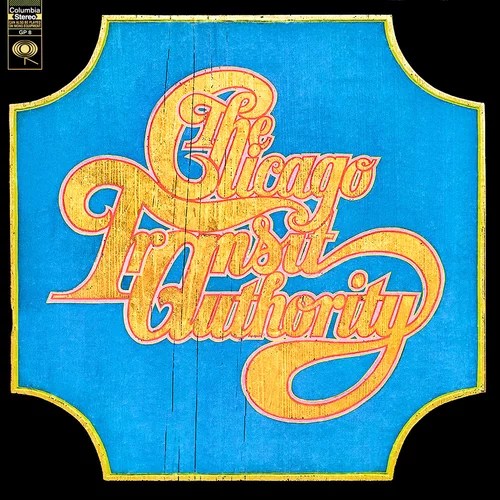
“Listen,” Chicago, 1969

When the band that would be known as Chicago released their debut, the extraordinary “Chicago Transit Authority” in April 1969, they felt they had so much good material that it should be a double album, which takes chutzpah for a new band to claim.  But they were right — not only were there enough worthy tracks to warrant a double LP, their sound was a revelation, a shrewd merger of rock and big band, with fiery guitar solos, exuberant trumpet/trombone/sax passages, and three vocalists each capable of leading the way through instantly likable hit songs like “Does Anybody Really Know What Time It Is,” “Questions 67 and 68” and “Beginnings.”  But like most albums chock full of hits, there are excellent tracks that never got the attention they deserved.  On “CTA,” I nominate “Listen,” the shortest song on an album full of 5-minute-plus tracks, led by Robert Lamm’s great vocals, a strong bass line from Peter Cetera and the ever-present horn section.
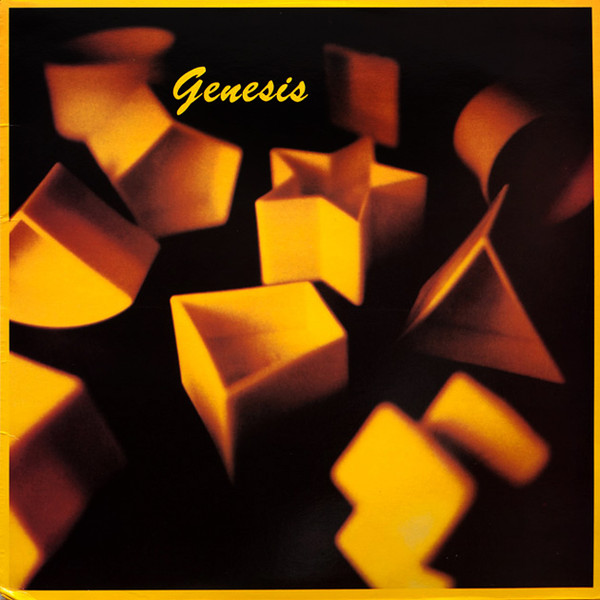
“Just a Job to Do,” Genesis, 1983

Genesis was a fantastic theatrical progressive rock outfit from 1969-1975, with the amazing Peter Gabriel as their vocalist/showman throughout that period…but then he felt the need to leave, spend family time, yada yada, and maybe branch out on his own.  Meanwhile, the remaining members of Genesis — keyboardist Tony Banks, guitarist Mike Rutherford, and drummer/vocalist Phil Collins — soldiered on, and ultimately became a hugely successful commercial act, with multiple hit singles in the ’80s.  Their 1983 album “Genesis” had hits like “Mama” and “That’s All,” but the highlight for me from this period was the track about the reluctant hit man, “Just a Job to Do” (“…and bang! bang! bang! and down you go…”), which has a relentless beat and an irresistible arrangement that just won’t quit.  Genesis was certainly two different bands, with and without Gabriel, but the second one surely had its moments…
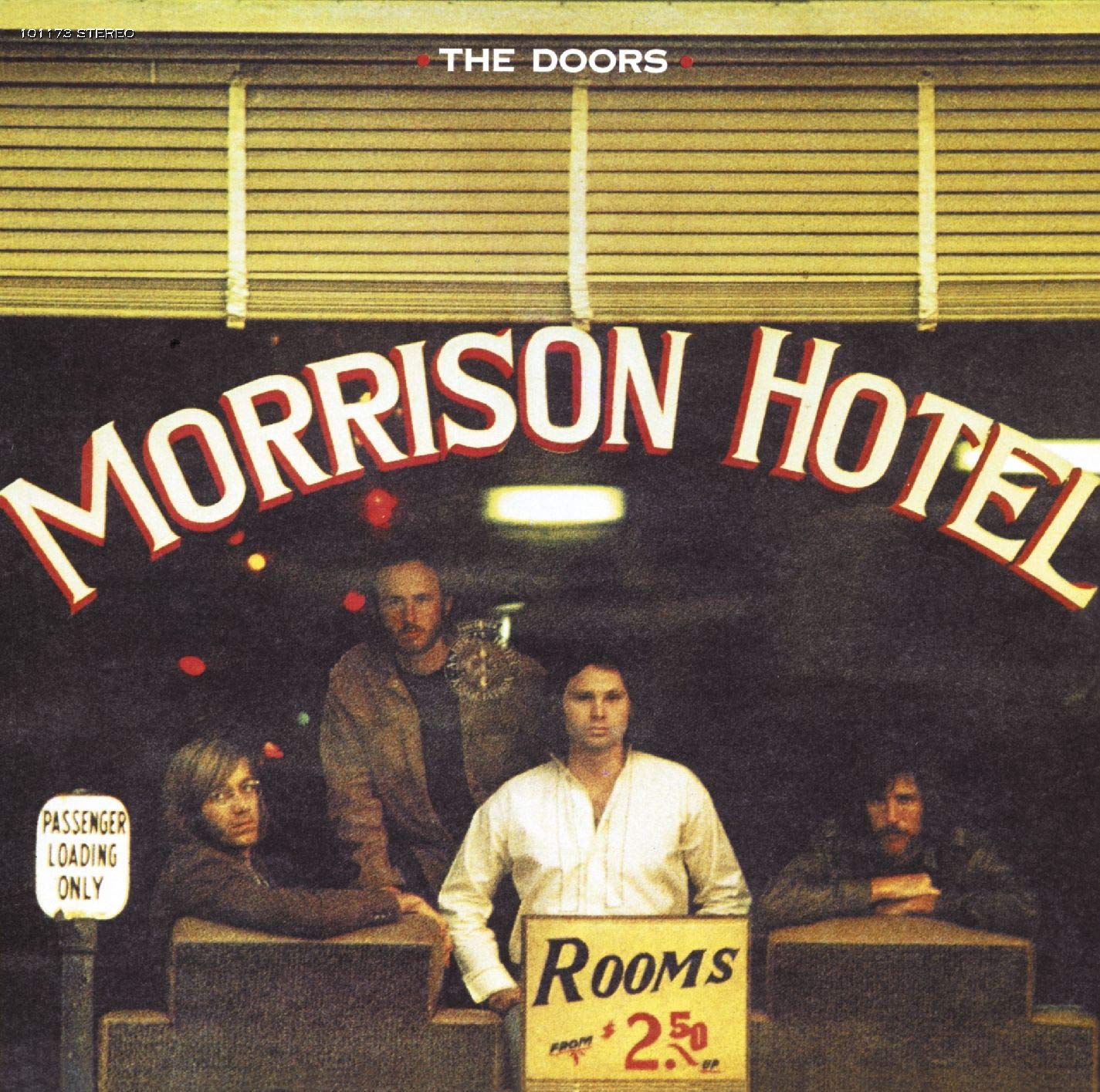
“Peace Frog,” The Doors, 1970

I love the Doors, and inhaled their first two albums especially, and their swan song, “LA Woman,” but somehow never caught on to the “Soft Parade”/”Morrison Hotel” period for whatever reason.  Buried deep on the 1970 “Morrison Hotel” album is a great little track called “Peace Frog,” which my daughter Rachel did a very cool dance to in 2010 in her jazz dance class/recital, and I rediscovered the song amidst the overplayed Doors tracks on classic rock radio.  I recently was pleased to hear it again on the season premiere of the James Spader TV series “The Blacklist,” which proves how classic tracks have staying power and can resurface when and where you least expect them.  I urge you to dig this one out of the archives.
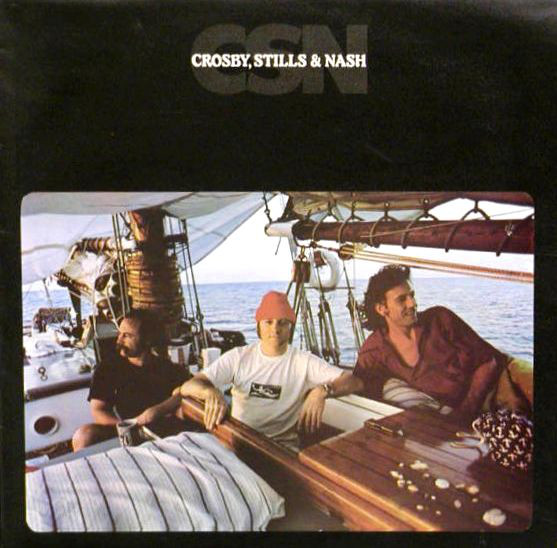
“I Give You Give Blind,” Crosby Stills and Nash, 1977

CSNY had always been a volatile mix.  David Crosby, Steve Stills, and Graham Nash had already brought an excess of talent and ego to the party when they first formed in 1969, so when they added the moody and enigmatic Neil Young to the mix, the result was a predictable implosion, and they soon went their own ways.  So, what a delight when, in 1977, the original trio reconvened with the superb “CSN,” which included Nash’s hit “Just a Song Before I Go” and the haunting “Cathedral,” and Crosby’s “Shadow Captain” and “In My Dreams,” and Stills’ “Fair Game” and “Dark Star.”  All great songs — in fact, there’s not a dud on the album — but the one I find most spellbindng is the Stills closer, “I Give You Give Blind,” which includes not only the trademark CSN three-part harmonies but a fiery, full-band attack not often heard on a CSN recording, a sound sparked by Stills’ guitar work.  Fantastic.
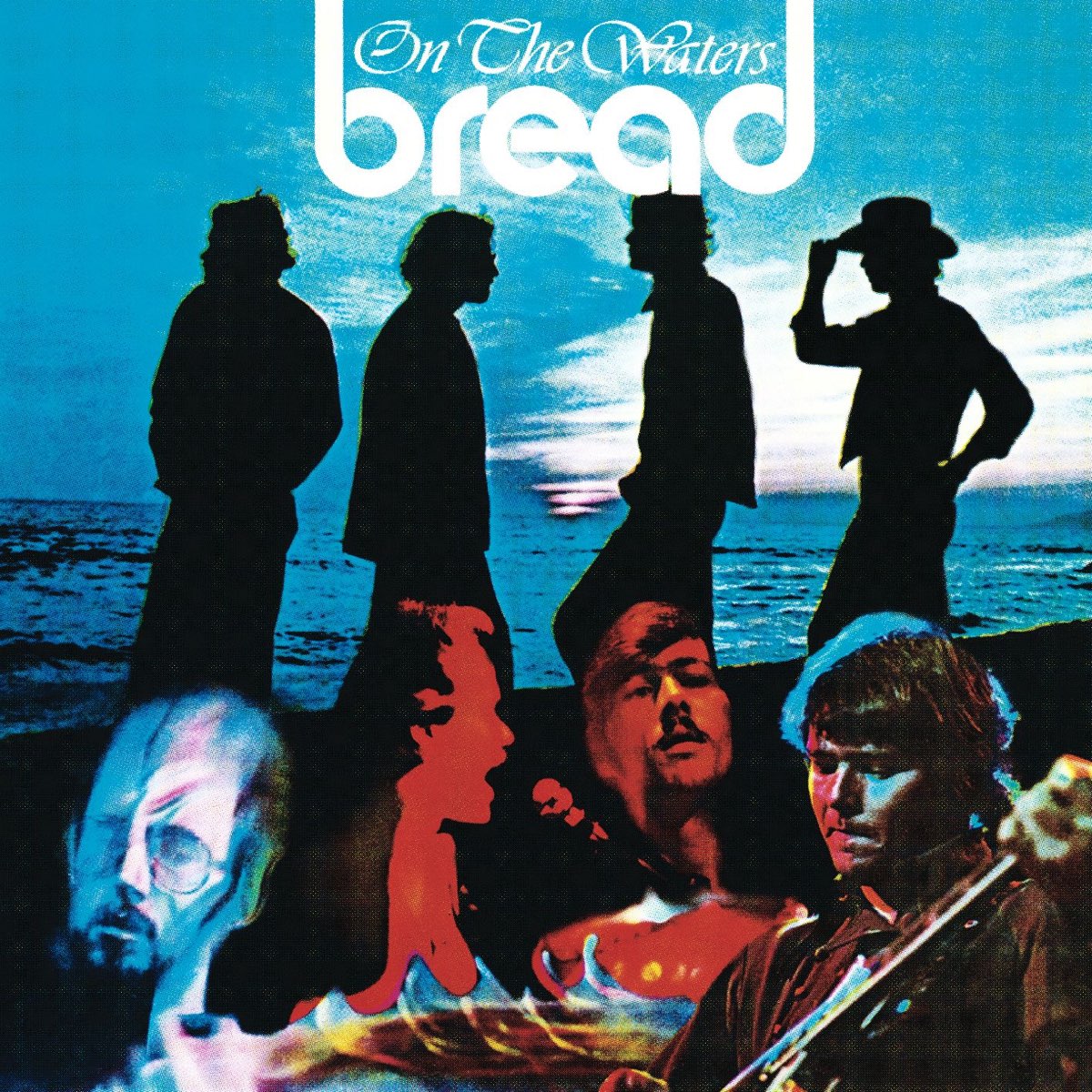
“Been Too Long on the Road,” Bread, 1970

Bread?!  Yes, Bread.  Everybody has their guilty pleasures, and Bread is one of mine.  I was 15 and full of puppy love when they showed up, and I loved their hits like “Make It With You,” “It Don’t Matter to Me” and “Baby I’m-a Want You.”  But Bread was more than just the syrupy ballads of David Gates; they had some album tracks with tasty guitar licks and a rock backbeat.  Witness the minor hits “Mother Freedom” and “The Guitar Man.”  Hidden deep on their 1970 album “On the Waters” was a delicious little song called “Been Too Long on the Road,” which had a catchy melody and mature lyrics about how touring can kill a relationship.  Make fun of me if you must, but at least check out this song.  It’s a keeper.
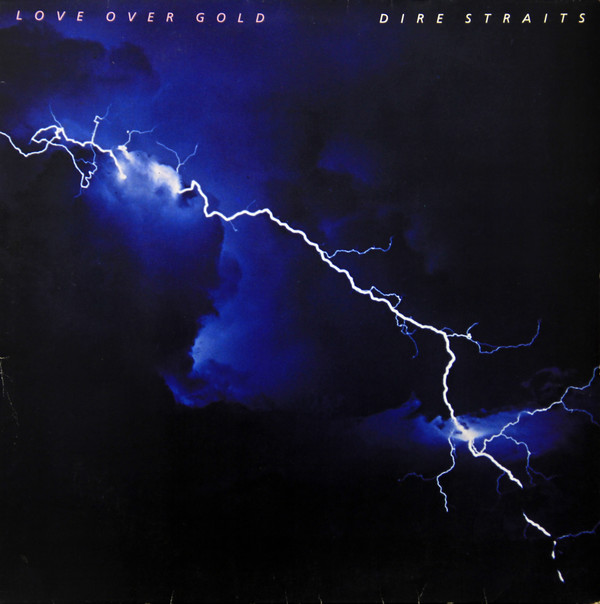
“Telegraph Road,” Dire Straits, 1982

Mark Knopfler, one of the great guitar players of my lifetime, will forever be known mostly for his Dire Straits debut single “Sultans of Swing” and the 1985 MTV hit “Money for Nothing.”  But his output is so much broader and deeper than those two monster hits.  Since Dire Straits’ breakup in 1994, he has released a dozen amazing records full of tasty guitar passages and Celtic folk material, and I could go on and on about the worthiness of his solo stuff.  Still, let’s just examine the incredible tracks that make up the six Dire Straits studio albums:  “Down to the Waterline,” “Lady Writer,” “Romeo and Juliet,” “Skateaway,” “Your Latest Trick,” “Brothers in Arms,” “Calling Elvis,” “Planet of New Orleans,” and many many more.  The one that stands out most for me, though, is “Telegraph Road,” the 15-minute masterpiece from their 1982 album, “Love Over Gold.”  It starts quietly, builds for a while, gets quiet again, and then hits a point just past halfway through where it goes into a relentless crescendo that leaves your jaw scraping the floor once it finally fades out.  Do yourself a favor and put this one on when you’ve got a 15-minute nighttime drive home ahead of you.
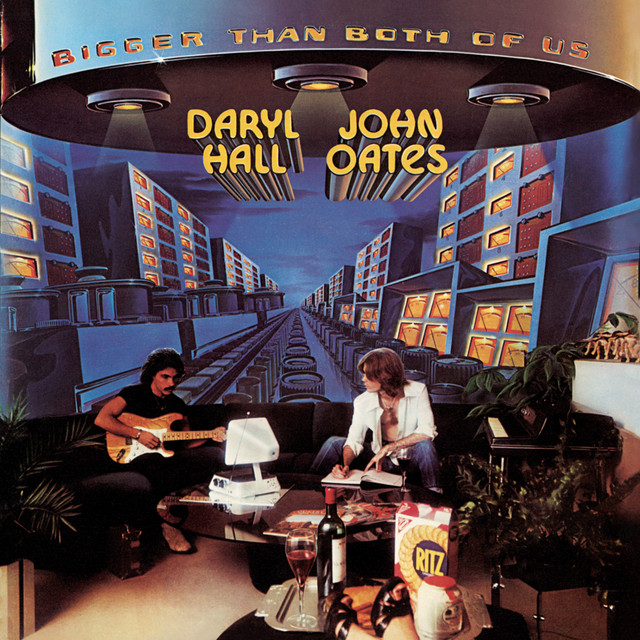
“Do What You Want, Be What You Are,” Hall and Oates, 1976

For my money, Daryl Hall and John Oates never topped the incredible blue-eyed soul classic “She’s Gone,” released in 1973 on the duo’s overlooked second album, “Abandoned Luncheonette.”  Of course, they went on to become the most successful pop duo of all time in the late ’70s/early ’80s with “Sara Smile,” “Rich Girl,” “Private Eyes,” “I Can’t Go For That,” “Maneater” and many more.  Buried on their 1976 LP “Bigger Than Most of Us” is a super sexy slow song called “Do What You Want, Be What You Are,” on which Hall hits high notes no man should be able to reach.  This beautifully produced track is music to undress to.

“Let It Roll,” George Harrison, 1970

The triple album “All Things Must Pass” got a lot of attention, largely because the quiet ex-Beatle had substantially eclipsed his compatriots’ first solo albums, and because his hit single, “My Sweet Lord,” was simply effervescent.  Clearly, he’d been sitting on a stockpile of great songs while waiting for the chance to come out from underneath the shadow of the Lennon-McCartney songwriting axis to shine in his own way.  The album was chock full of great songs, including hits like “What Is Life” and “Awaiting On You All,” but to me, the unsung hero on the album is “Let It Roll (The Ballad of Sir Frankie Crisp”), which would have fit quite nicely among the tracks on the celebrated Beatles’ “White Album” two years earlier, when it was written.

“Punky’s Dilemma,” Simon and Garfiunkel, 1968

Director Mike Nichols was enamored with the work of Simon and Garfunkel and wanted Simon to write songs for his coming-of-age film “The Graduate” in 1967.  Simon obliged with 3-4 songs, but Nichols rejected them, instead preferring to use “The Sounds of Silence,” “Scarborough Fair” and other existing songs from the S&G catalog in the background of his film.  Simon was successful in getting “Mrs. Robinson” into the film in abbreviated form (because he hadn’t finished it yet).  But left on the side of the road were amazing songs like “Overs” (about a marriage that had reached its end) and the winsome track “Punky’s Dilemma,” about a young man who wants to be anything (even a Kellogg’s corn flake or an English muffin) instead of a draftable college graduate in the late ’60s.  The song ended up on the #1 1968 album “Bookends.”
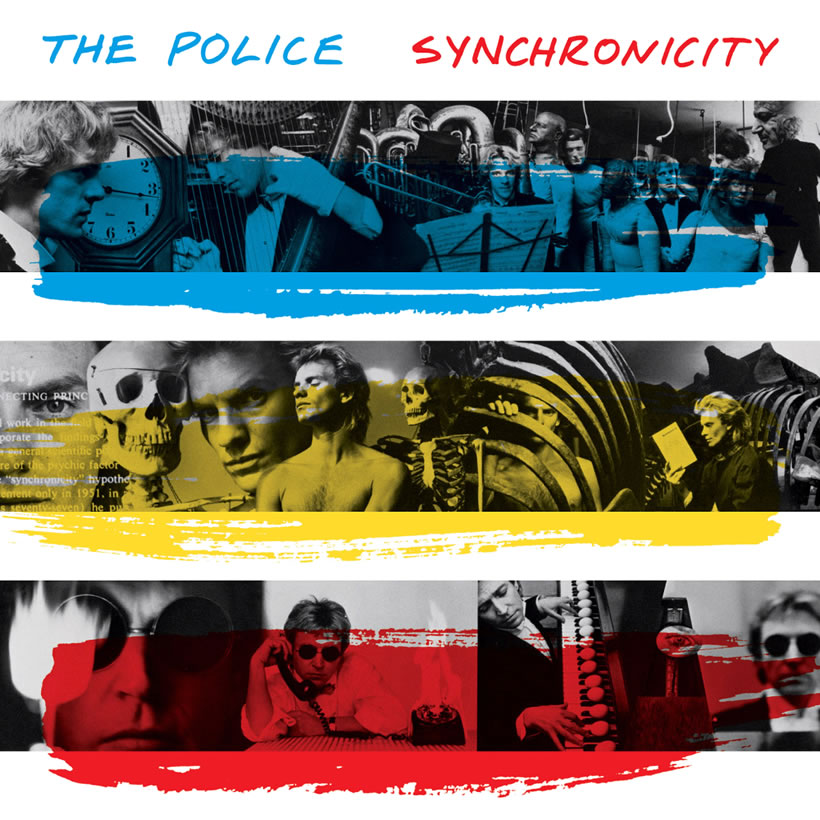
“Murder By Numbers,” The Police, 1983

Between 1978 and 1983, The Police just kept getting better and better, starting with “Roxanne” and “Message in a Bottle” and improving with “Don’t Stand So Close to Me” and “Every Little Things She Does is Magic.”  The trio of drummer Stewart Copeland, guitarist Andy Summers and bassist/singer/songwriter Sting (Gordon Sumner) peaked with their #1 album (and swan song) “Synchronicity” in 1983, which featured “King of Pain,” “Wrapped Around Your Finger,” the title track and the international #1 hit, “Every Breath You Take.”  Left off the vinyl version but included on the CD was the sleeper classic “Murder By Numbers,” a creepy but compellingly great track about a serial killer.

“Rock and Roll Suicide,” David Bowie, 1972

The enigmatic “chameleon of rock” was still relatively unknown in the US in 1972 when he made an indelible impression as the androgynous stage persona called Ziggy Stardust, an orange-haired rocker from another planet who single-handedly invented “glam rock.”  David Bowie went on to adopt other personas over the decades, some commercially successful, others defiantly not, but he will always be known most for “The Rise and Fall of Ziggy Stardust and the Spiders From Mars,” one of the most astounding records in rock history.  “Suffragette City” and “Starman” got most of the airplay, but the incredible finale, “Rock and Roll Suicide” (“YOU’RE NOT ALONE!  GIMME YOUR HANDS!”), leaves the listener gasping for breath when it ends with emphatic violins.

******************************

For the coup-de-gras, they’re outrageous

It’s no secret among readers of this blog that I absolutely love Steely Dan. The seven albums Donald Fagen and Walter Becker put together during their initial run (1972-1980) are so consistently excellent as to defy comparison with any other artist of the same period, or maybe any period.

They started out as staff songwriters for ABC/Dunhill Records, but their songs were so idiosyncratic and quirky that no one else would touch them, so they formed their own group and recorded the songs themselves. They had hit singles right out of the gate — “Do It Again” and “Reelin’ in the Years” — but Steely Dan fairly quickly evolved into a two-man studio outfit, with Fagen and Becker bringing in dozens of seasoned session musicians to record individual tracks.

The songs offered some of the most literate, enigmatic lyrics in the business — puzzling, alluring, always entertaining wordplay often centering on strange characters engaged in nefarious activities.

In another installment of my Hack’s Back Pages Lyrics Quizzes, I have selected 20 Steely Dan song lyrics for you to mull over. See how many you can identify, and then scroll down to see how well you did, and read a little about the meaning or circumstances behind each one. There is, as always, a Spotify playlist at there end so you can listen to these tracks again, perhaps more closely than before.

Rock on!

******************************

1 “When you need a bit of lovin’ ’cause your man is out of town, /That’s the time you get me runnin’, and you know I’ll be around…”

2 “Tonight when I chase the dragon, the water may change to cherry wine…”

3 “Got a case of dynamite, I could hold out here all night, /Yes, I crossed my old man back in Oregon…”

4 “She’s the raw flame, the live wire, /She prays like a Roman with her eyes on fire…”

5 “Are you crazy? Are you high? Or just an ordinary guy? /Have you done all you can do?…”

6 “On that train, all graphite and glitter, undersea by rail, /Ninety minutes from New York to Paris, well, by ’76 we’ll be A-OK…”

7 “I stepped up on the platform, the man gave me the news, /He said, ‘You must be joking, son — Where did you get those shoes?’…”

8 “Hush, brother, we cross the square, act natural like you don’t care, /Turn slowly and comb your hair, don’t trouble the midnight air…”

9 “The girls don’t seem to care what’s on, as long as they play till dawn, /Nothin’ but blues and Elvis…”

10 “California tumbles into the sea, /That’ll be the day I go back to Annandale…”

11 “Honey, how you’ve grown, like a rose, /Well, we used to play when we were three…”

12 “You been tellin’ me you’re a genius since you were seventeen, /In all the time I’ve known you, I still don’t know what you mean…”

13 “So useless to ask me why, throw a kiss and say goodbye, /I’ll make it this time, /I’m ready to cross that fine line…”

14 “An independent station, WJAZ, with jazz and conversation from the foot of Mt. Belzoni…”

15 “We hear you’re leaving, that’s OK, I thought our little wild time had just begun…”

16 “All those day-glo freaks who used to paint the face, they’ve joined the human race, /Some things will never change…”

17 “Attention all shoppers, it’s Cancellation Day, /Yes, the ‘big adios’ is just a few hours away…”

18 “She’s a charmer like you never seen, singing ‘Voulez voulez voulez vous?’…”

19 “Then you love a little wild one, and she brings you only sorrow, /All the time you know she’s smilin’, you’ll be on your knees tomorrow…”

20 “The Cuervo Gold, the fine Colombian make tonight a wonderful thing…”

*****************************

*

*

*

*

*

*

*

*

*

*

*****************************

1 “Dirty Work,” from “Can’t Buy a Thrill” (1972)

Most Steely Dan songs are too enigmatic and non-commercial for other bands to consider covering, so the fact that a half-dozen other artists (Ian Matthews, Melissa Manchester, The Pointer Sisters) took a stab at “Dirty Work” tells you how conventional its structure is. Fagen, describing an affair between a single man and a married woman, didn’t want to sing it himself and so had vocalist David Palmer handle it on the band’s recording.

2 “Time Out of Mind,” from “Gaucho” (1980)

This immaculate track from “Gaucho,” which features the great Mark Knopfler of Dire Straits guesting on guitar, is a thinly veiled song about a young man’s first experience with heroin, introduced to him by a quasi-hipster who talks of “chasing the dragon.” Three years in the making, “Gaucho” has been maligned as “a yacht rock masterpiece” but is also considered “a classic lost in the shadow of ‘Aja’ and the changing tides of music in 1980.”

3 “Don’t Take Me Alive,” from “The Royal Scam” (1976)

Becker said this song was inspired by a series of news articles in Los Angeles about troubled people who barricaded themselves with a huge arsenal of weapons. The lyrics allude to the sense of fear and madness that the unhinged narrator feels (“A man of my mind can do anything,” “Here in this darkness, I know what I’ve done, I know all at once who I am“), creating one of the songwriters’ darkest vignettes on what is their most isolated, alienated album, “The Royal Scam.”

4 “Josie,” from “Aja” (1977)

Before they were signed to a recording contract, Becker and Fagen were hired as songwriters, and they cut demos of many of those tunes, some of which are available if you look for them. One is “Ida Lee,” with lyrics that resurfaced in a different way for “Josie,” which also focuses on a badass woman who returns to her old neighborhood with a few nefarious characters in tow. It ended up as an “Aja” single, reaching #26 in 1978.

5 “Doctor Wu,” from “Katy Lied” (1975)

Said Fagen about this irresistible song, “It’s about a love-and-drugs triangle. The girl meets somebody who leads another kind of life and she’s attracted to it. Then she comes under the spell of someone else, which ends or significantly alters the relationship. The someone else, in this case, is a drug habit, personified as Doctor Wu.” It’s probably the best track on “Katy Lied,” although there at least six others of similar worth competing with it.

6 “I.G.Y. (What a Beautiful World),” from Donald Fagen’s “The Nightfly” (1982)

The International Geophysical Year (I.G.Y.) was an international scientific project in 1957-58 that promoted collaboration among the world’s scientists, presenting an optimistic vision of futuristic concepts such as solar powered cities, a transatlantic tunnel and permanent space stations. Fagen said he remembered being excited by the prospects of a “gleaming future,” and he wanted the song to offer an uplifting look back at that rosy promise.

7 “Pretzel Logic,” from “Pretzel Logic” (1974)

Fagen and Becker were both science fiction fans and fascinated by the idea of time travel. The lyrics of this superb blues shuffle mention different time periods that were of interest to the songwriters — the American South during the time of minstrel shows in the late 1800s, and the years when Napoleon ruled France before he lost his mind. The reference to “the platform” was the teleportation device that would send them off to other centuries.

8 “Chain Lightning,” from “Katy Lied” (1975)

I went bonkers for the “Katy Lied” album when it came out, and always loved the groove of this track even if I didn’t really know what the lyrics were getting at. Fagen and Becker rarely talked about their lyrics back then, but more recently, Fagen has been more forthcoming. Turns out it’s about two scenes, 40 years apart: The first verse describes a well-attended fascist rally during Hitler’s reign, while the second verse depicts a revisiting of the same site decades later for guilty reminiscence.

9 “FM (No Static at All),” from the soundtrack for the film “FM” (1978)

The film “FM” bombed, but its soundtrack album was a multi-platinum success, led by Fagen and Becker’s marvelous title track. The phrase “no static at all” served as an FM station slogan but also underscored how FM radio by then had become more predictable than in the freewheeling days when deejays wielded more control over what was aired. Some AM stations refused to play a song that touted FM radio, but it still managed to reach #22 on US pop charts.

10 “My Old School,” from “Countdown to Ecstasy” (1973)

Fagen and Becker met in college in 1968 at Bard College, and their experiences there proved to be rich fodder for “My Old School,” with its comical sarcasm about never going back to Annandale, the city on the Hudson River where Bard is located. The lyrics use both factual and fictionalized anecdotes about a campus drug bust and the ensuing fallout for the songwriters and some of their friends. It was released as a single but inexplicably stalled at #63 in 1973.

11 “Cousin Dupree,” from “Two Against Nature” (2000)

Twenty years after Steely Dan’s last album, “Gaucho,” the duo at last reconvened to produce “Two Against Nature,” which, while not as strong as their Seventies work, still won the Album of the Year Grammy in 2001. By far the best track is the lyrically creepy “Cousin Dupree,” which tells the tale of a deadbeat relative who harbors lust for his younger cousin, hoping she’ll reciprocate the feelings, to no avail. “How about a kiss for your cousin Dupree,” indeed…

12 “Reelin’ in the Years,” from “Can’t Buy a Thrill” (1972)

The lyrics to this iconic classic rocker amount to a conversation between a man and woman who were once a couple but the woman fell for someone else. The man belittles his ex (“You wouldn’t even known a diamond if you held it in your hand“) while she points out it was his ego that she couldn’t abide (“You’ve been telling me you were a genius since you were seventeen“). A sizzling Elliott Randall guitar solo and full-bodied chorus helped lift this song to #11 on the charts.

13 “Deacon Blues,” from “Aja” (1977)

Fagen was watching football one fall afternoon and made an observation: “If a college football team like the University of Alabama could have a grandiose name like the Crimson Tide, then the nerds and losers should be entitled to a grandiose name as well.” Borrowing the name Deacon from Pro Bowl star Deacon Jones, he came up with the title character, who Becker said was “a broken man with a broken dream leading a broken life.”

14 “The Nightfly,” from Donald Fagen’s “The Nightfly” (1982)

As a kid, Fagen had always loved listening to jazz on late-night radio, and dreamed of becoming a deejay someday. He never did that gig, but this track from his solo album of the same name provides, as writer Arthur Phillips put it, “a portrait of a late-night D.J. in Baton Rouge, taking lunatic phone calls from listeners, smoking Chesterfield cigarettes and drinking coffee, all the while silently battling his own loneliness and regret.”

15 “Rikki Don’t Lose That Number,” from “Pretzel Logic” (1974)

Steely Dan’s highest-charting single (#4) is about a real person Fagen knew in college. Rikki Ducornet was a novelist and the pregnant wife of a member of the Bard faculty, and Fagen had a big enough crush on her that he gave her his phone number in the hopes that she would call. “He thought I was cute,” she recalled, “and I thought he was brilliant. I never did call him, though.” She moved to France, and upon her return to the US, she was stunned to hear Fagen’s voice singing her name on the radio.

16 “Kid Charlemagne,” from “The Royal Scam” (1976)

This arresting portrait of a Bay Area drug dealer is loosely based on infamous LSD manufacturer Augustus Owsley Stanley, with lyrics that make overt references to his reputation and how it can all come crashing down: “You were the best in town,” “Yours was kitchen clean,” “You are obsolete,” “You are still an outlaw in their eyes.” Jazz guitarist Larry Carlton takes this tune to another level with some of the finest soloing you’ll find anywhere in The Dan’s catalog.

17 “The Last Mall,” from “Everything Must Go” (2003)

Becker and Fagen had always been intrigued by stories involving the apocalypse having grown up in the age of bomb shelters and air raid drills. How typical of them to write a song making light of the fact that people might prepare for the end of the world by making one last outing to the shopping mall. It’s arguably the best track on their lackluster 2003 follow-up to “Two Against Nature,” which brought the Steely Dan studio album collection to a close.

18 “Pearl of the Quarter,” from “Countdown to Ecstasy” (1973)

This charming tune from the underrated “Countdown to Ecstasy” album may be the only one in Steely Dan’s catalog that qualifies as a love song. The narrator confesses that the prostitute from New Orleans — the “pearl of the (French) Quarter” — has captured his heart, and he reassures her she’ll always have “a place to go” if she chooses to retire from her profession. It was written in the duo’s early days, passed over for the debut LP, then resurrected in 1973. Sweet pedal steel guitar by Jeff “Skunk” Baxter.

19 “Do It Again,” from “Can’t Buy a Thrill” (1972)

Right from the get-go, for the song that introduced the world to Steely Dan, the lyrics of Fagen and Becker were populated with outlaws and malcontents. The central character is arrested for murder but is let off easy, only to “go back, Jack, do it again,” turning to gambling and sex addiction, showing himself to be unable to change his ways. The Latin-flavored song made it to #6 on US pop charts in the winter of 1972-73, setting the stage for a long line of outliers and mavericks in the group’s lyrics.

20 “Hey Nineteen,” from “Gaucho” (1980)

When Becker and Fagen wrote this catchy tune about an older man dating a much younger woman, they were in their early 30s, so a generation gap between themselves and a 19-year-old could still be felt: “She don’t remember the Queen of Soul,” “No, we got nothing in common,” “No, we can’t talk at all.” The age difference between the two characters makes you wonder whether the tequila and the cocaine that “make tonight a wonderful thing” were being used by the man alone after the woman ditched him…

********************************

The Spotify playlist includes all 20 songs featured in the lyrics quiz, in order.