Have you got the information??

Here at Hack’s Back Pages,” I’m continually providing bits of what I hope you find interesting music trivia, and now and then, I like to share these facts in the form of a quiz to test my readers’ knowledge.

Go ahead, give Rock Music Trivia Quiz #4 a shot! You might know more than you think you do.

*****************************

1. Who was the first of these female artists to have a #1 single in the U.S.?

Petula Clark

Dusty Springfield

Lesley Gore
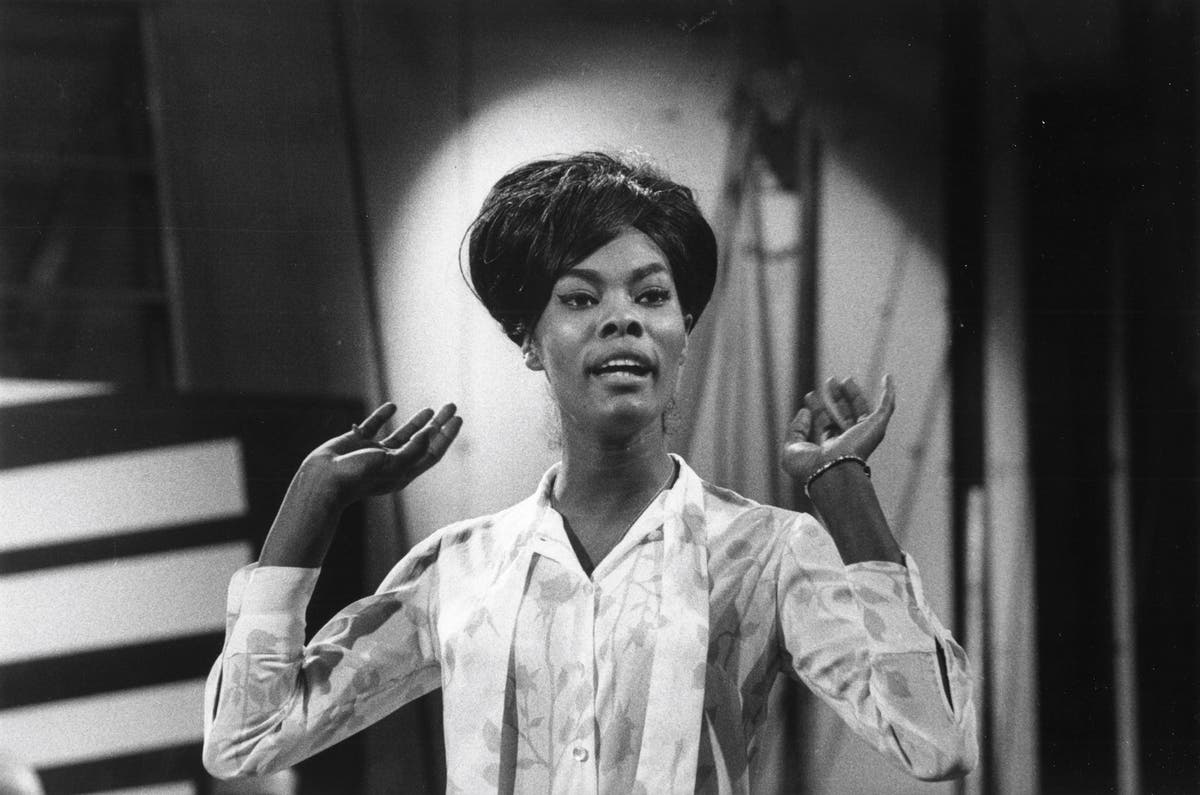
Dionne Warwick

2. Which David Bowie album features Stevie Ray Vaughan’s guitar work on most tracks?

“Scary Monsters” (1980)

“Let’s Dance” (1983)
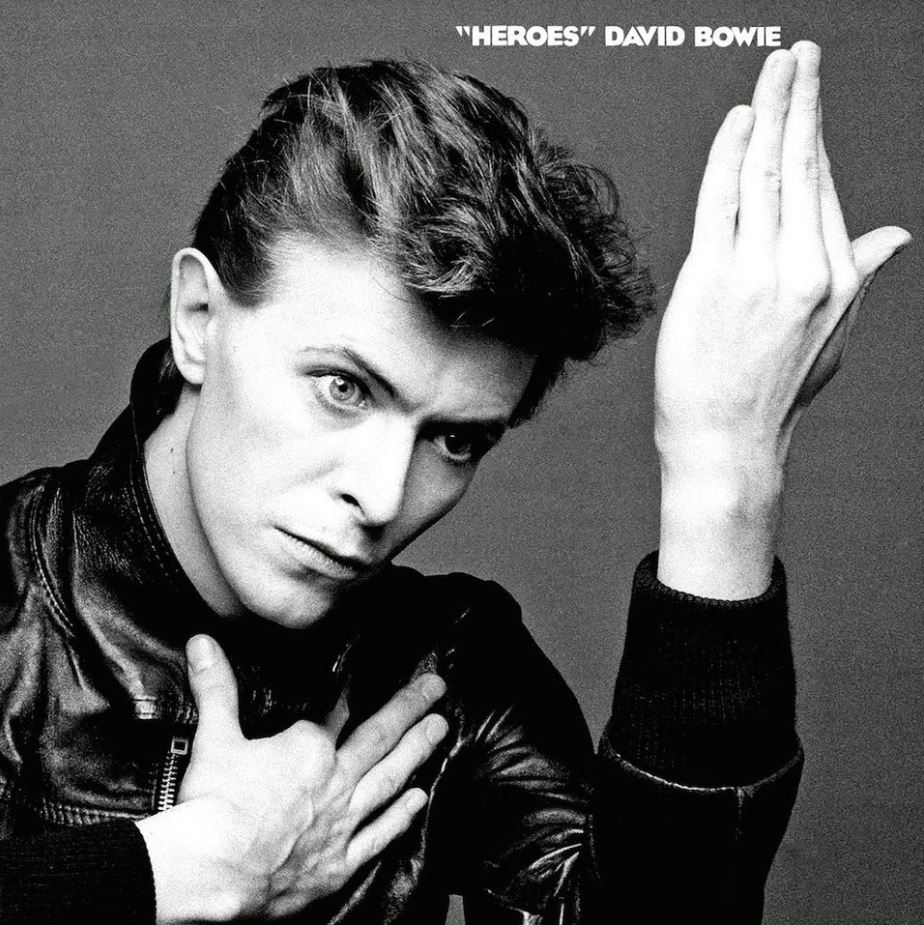
“Heroes” (1977)

“Tonight” (1984)

3. Which of these four songwriters did NOT have one of their songs turned into a Three Dog Night hit single?
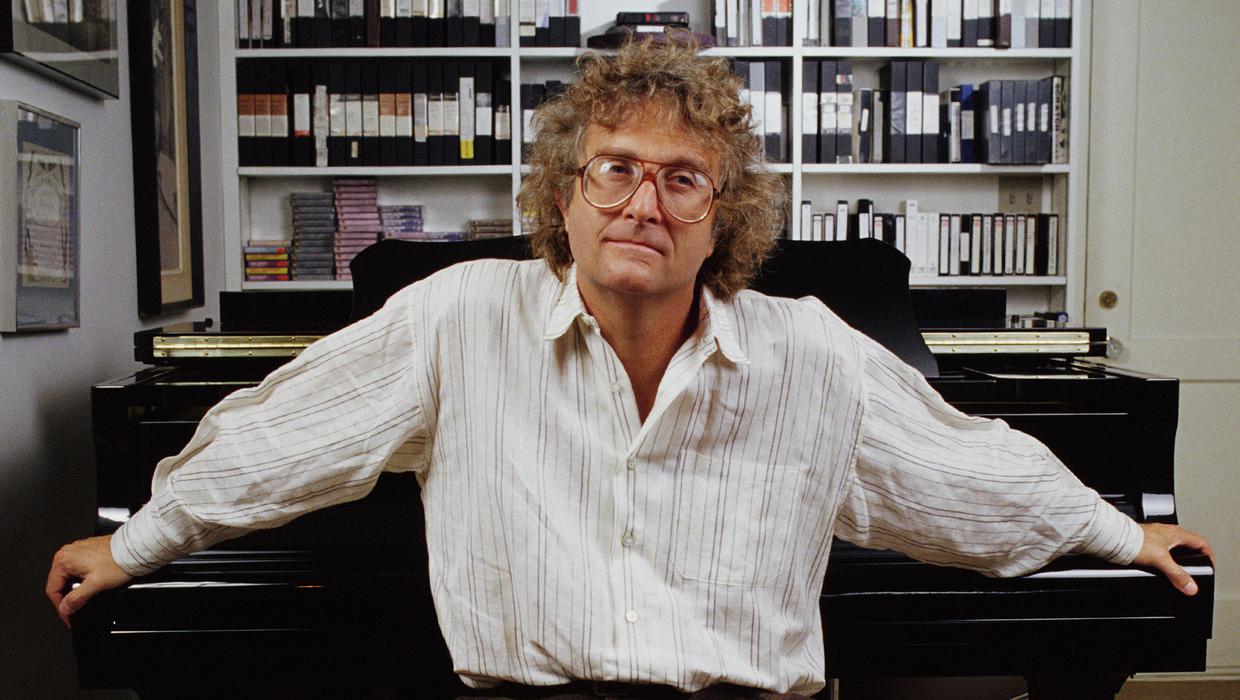
Randy Newman

Laura Nyro
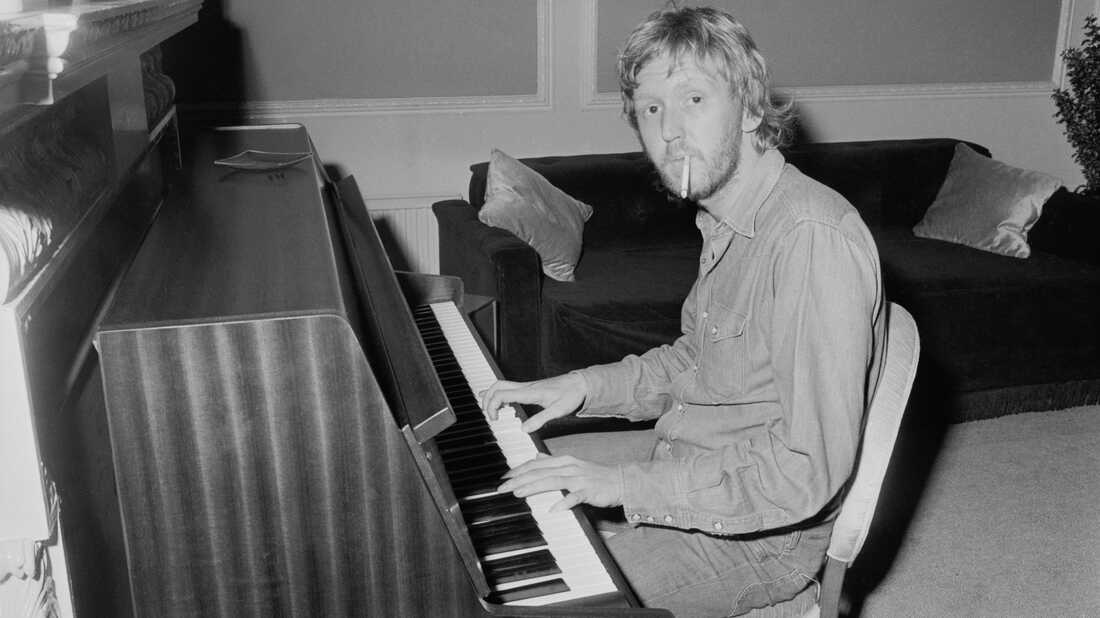
Harry Nilsson

Carole King

4. Who was Neil Young singing about in his hit “Old Man”?

His grandfather

The caretaker of his ranch

His high school music teacher

B.B. King

5. Which major songwriter wrote this iconic line of lyric: “I was so much older then; I’m younger than that now”?

Paul Simon
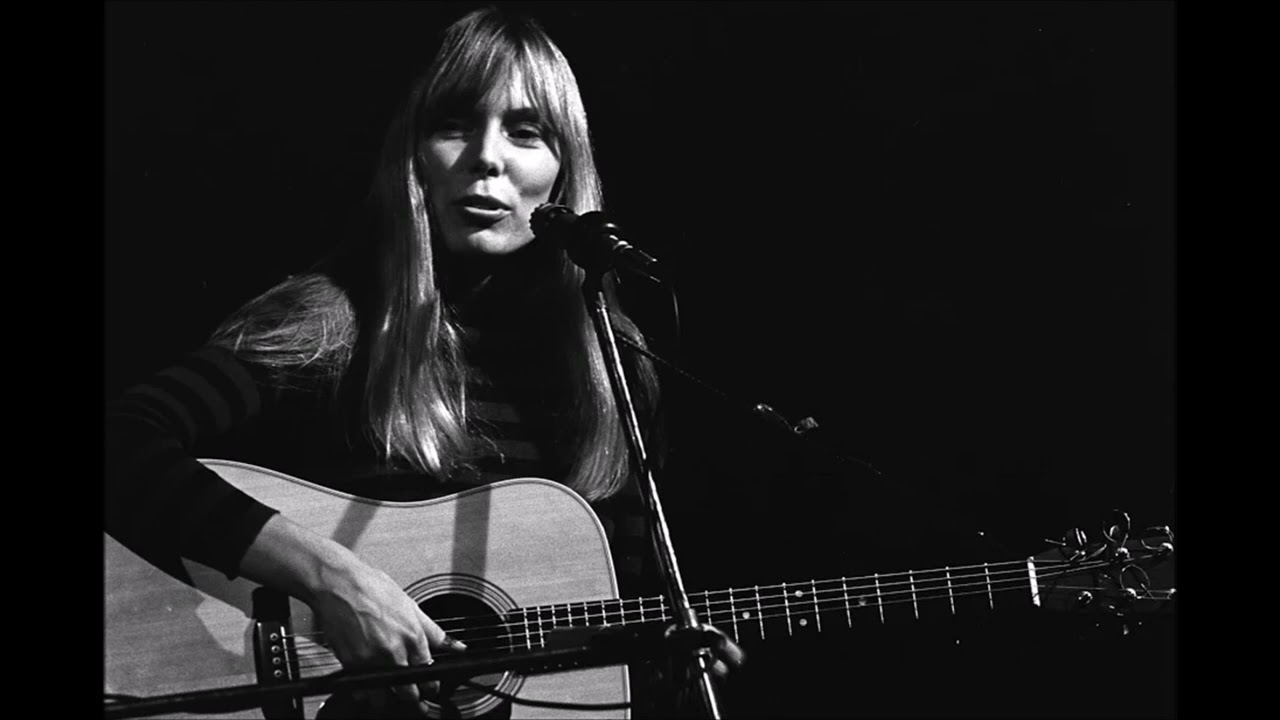
Joni Mitchell

Bob Dylan

John Lennon

6. Which of these fine guitarists did NOT made a guest appearance on a Steely Dan record?
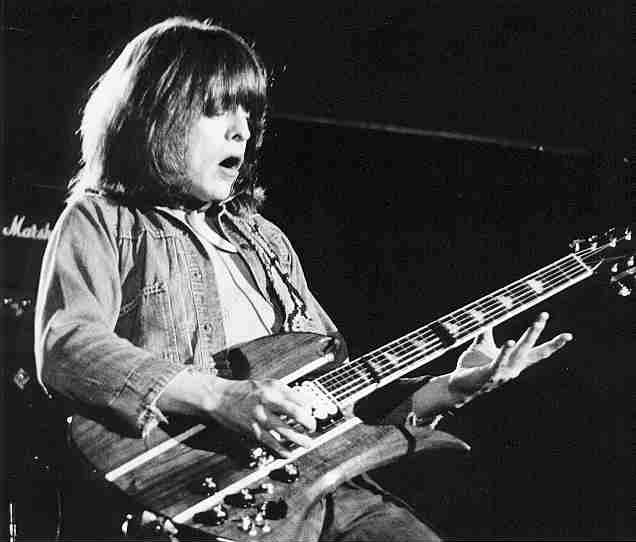
Rick Derringer
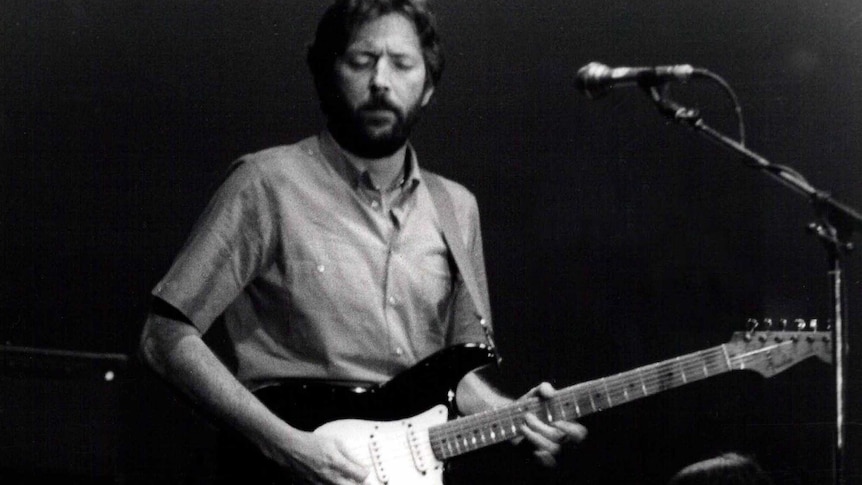
Eric Clapton
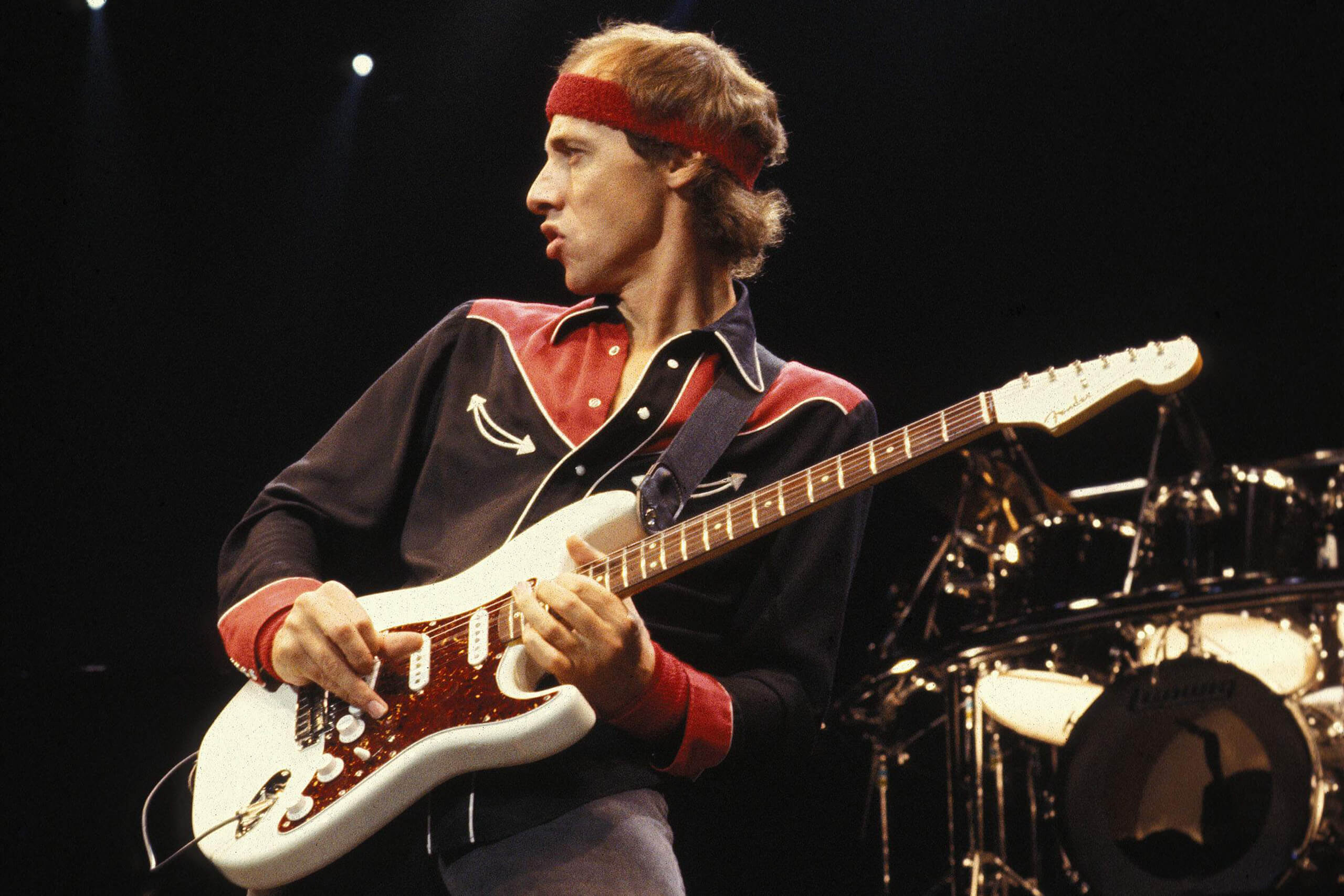
Mark Knopfler
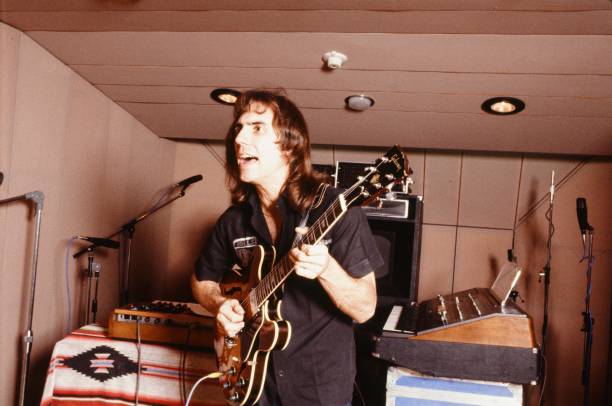
Larry Carlton

7. Who had the most Top Ten singles on U.S. charts during the disco era (1974-1980)?

The Bee Gees

Donna Summer

K.C. & The Sunshine Band

Kool and The Gang

8. What album from 1973 is the only solo Beatles album to feature all four Beatles on it?

“Mind Games,” John Lennon

“Ringo,” Ringo Starr

“Band on the Run,” Paul McCartney

“Living in the Material World,” George Harrison

9. In the 1980s, Michael Jackson’s “Thriller” was far and away the most popular album, holding on to the #1 spot on Billboard’s Top Albums an incredible 37 weeks in 1983-84. What album ranked second behind “Thriller” for most weeks at #1 in the 1980s?

“Synchronicity,” The Police
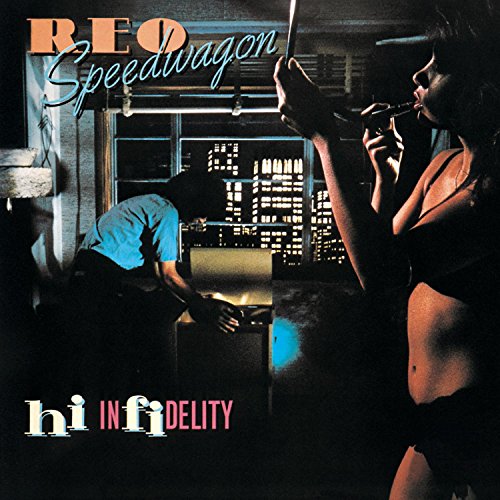
“Hi Infidelity,” REO Speedwagon

“Purple Rain,” Prince

“Whitney Houston,” Whitney Houston

10. Which hit single by Creedence Clearwater Revival was NOT written by singer John Fogerty?
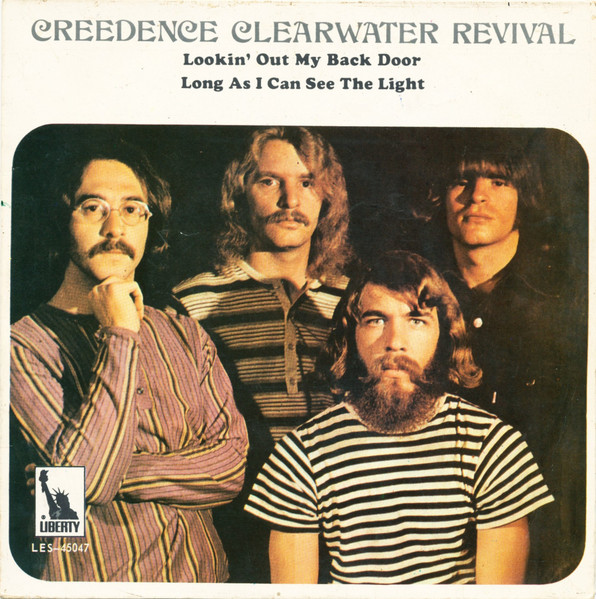
“Lookin’ Out My Back Door”

“Fortunate Son”

“Suzie-Q”
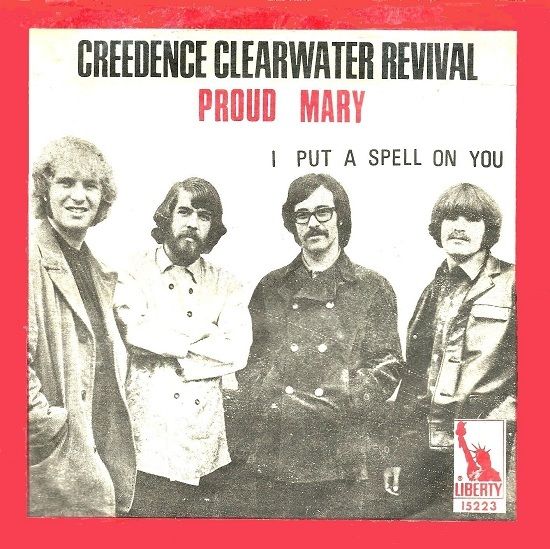
“Proud Mary”

Extra credit question!

There are several examples of different Top Ten songs that share the same title. Which song title below has been used on more Top Ten hits than the others?

“Magic”

“Venus”

“Lady”

“Fire”

*

*

*

*

*

*

*

*

*

*
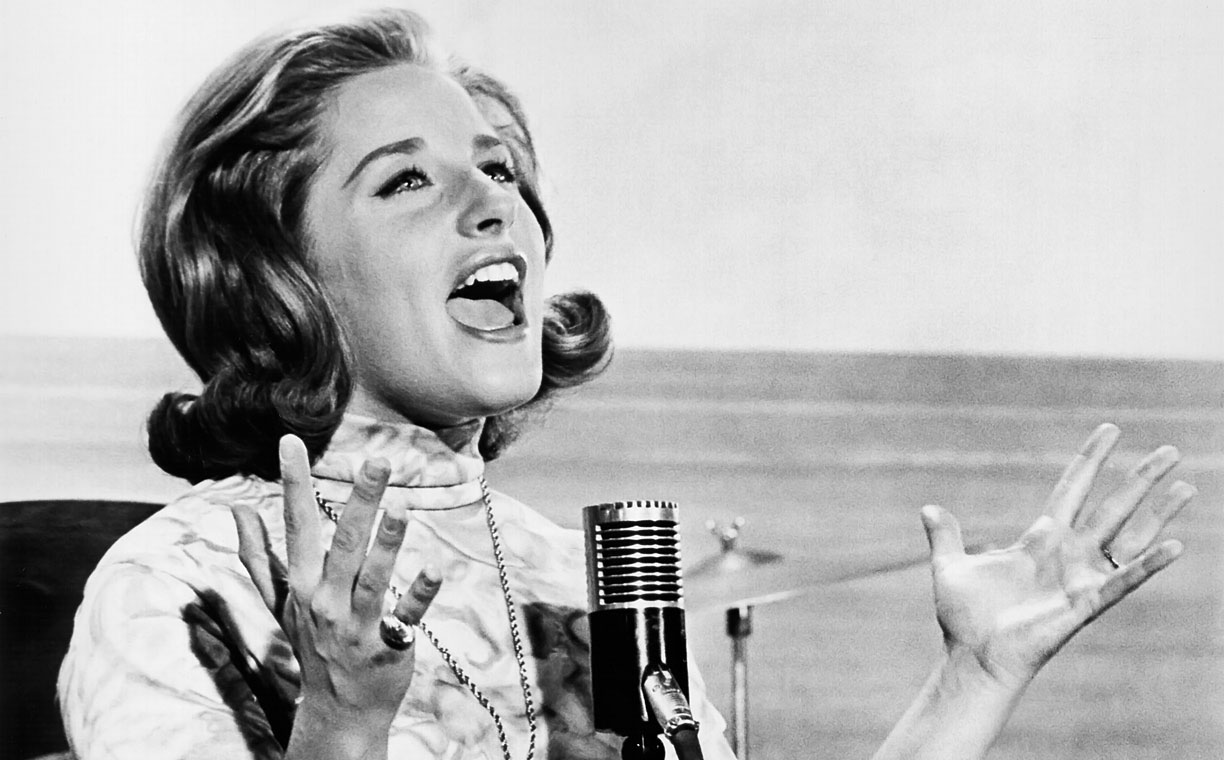
1 Lesley Gore

Gore was only 17 when “It’s My Party” rocketed to #1 in June 1963. Petula Clark’s #1 hit “Downtown” didn’t come until January 1965. Dionne Warwick’s early hits failed to reach #1, and she didn’t reach the top spot until 1974 with “Then Came You.” Dusty Springfield’s “You Don’t Have to Say You Love Me” was #1 in England in 1966 but peaked at #4 in the U.S.; she never had a #1 hit here.

Stevie Ray Vaughan and David Bowie, 1983

2 “Let’s Dance”

In 1982 at the Montreux Jazz Festival in Switzerland, Bowie first heard Austin, Texas-based blues guitarist Stevie Ray Vaughan, then mostly unknown, and when the time came to record “Let’s Dance,” Bowie tracked Vaughan down and enlisted him to overdub lead guitar solos on six of the album’s eight tracks, most notably on “Criminal World,” “Cat People (Putting Out Fire)” and the title track. It was the only time Vaughan appeared on a Bowie album.
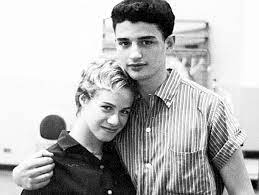
Carole King and Gerry Goffin

3 Carole King

King, usually with her then-husband Gerry Goffin, wrote many hits for other artists (“I’m Into Something good” for Herman’s Hermits, “Don’t Bring Me Down” for The Animals and “Pleasant Valley Sunday” for The Monkees, among others). But Three Dog Night never recorded one of her tunes. The vocal trio did record Randy Newman’s “Mama Told Me Not To Come,” Laura Nyro’s “Eli’s Comin'” and Harry Nilsson’s “One.”
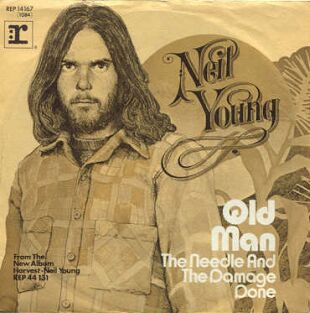
4 “Old Man” was written about the caretaker on Neil Young’s ranch

In 2006, Young explained the origin of “Old Man”: “Being a rich hippie for the first time, I had purchased a ranch, and there was a couple living on it who were the caretakers, an old gentleman named Louis Avila and his wife Clara. Louis took me for a ride in his blue Jeep, and he gets me up there on the top side of the place, and there’s this lake up there that fed all the pastures, and he says, ‘Well, tell me, how does a young man like yourself have enough money to buy a place like this?’ And I said, ‘Well, just lucky, Louis, just real lucky.’ And he said, ‘Well, that’s the darnedest thing I ever heard.’ And I wrote this song for him.”

5 Bob Dylan wrote “I was so much older then; I’m younger than that now” in “My Back Pages”

By the time of his fourth album, appropriately titled “Another Side of Bob Dylan,” he had begun to veer away from what he called “finger-pointing songs” that took issue with political leaders. Music critic Tim Riley said the new material “constituted a decisive act of non-commitment… in which he renounced his over-serious messianic perch and disowned false insights.” Dylan would occasionally return to so-called protest songs in his career, but at that point, he was eager to show a sense of humor and idealism, as shown in the song “My Back Pages.”

6 Eric Clapton

Rick Derringer played on three Steely Dan songs — “Show Biz Kids,” “Chain Lightning” and “My Rival.” Mark Knopfler guested on the single “Time Out of Mind.” Larry Carlton was almost a regular member, playing on “Daddy Don’t Live in New York City No More,” “Kid Charlemagne,” “Don’t Take Me Alive,” “Everything You Did,” “The Royal Scam,” “Third World Man” and five out of seven tunes on the “Aja” album. Eric Clapton was either never asked or declined to participate in any Steely Dan session.
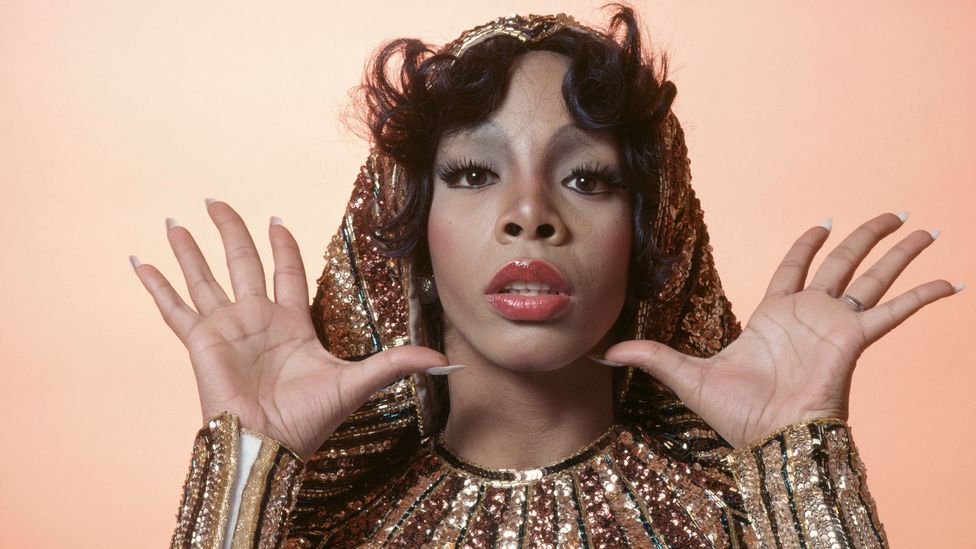
7 Donna Summer

“The Queen of Disco” compiled 10 Top Ten disco hits between 1974-1980: “Love to Love You Baby,” “I Feel Love,” “Last Dance,” “MacArthur Park,” “Heaven Knows,” “Hot Stuff,” “Bad Girls,” “No More Tears,” “On the Radio,” “The Wanderer.” KC & The Sunshine Band accumulated seven hits in the Top Ten in those years; and The Bee Gees and Kool and The Gang both had five Top Ten disco hits (they had more hits before and after the era in question, of course).

8 “Ringo”

As the album’s back cover indicates, the “Ringo” album includes songs written by each of Starr’s former bandmates. Lennon wrote, played piano and sang on “I’m the Greatest”; McCartney wrote, played keyboards and sang on “Six O’Clock”; and Harrison wrote or co-wrote, played guitar and sang on “Photograph,” “Sunshine Life For Me” and “You and Me Babe,” although the four of them never played together on the same track. Ringo played drums on George’s “Living in the Material World” LP, but no other ex-Beatle played on John’s “Mind Games” nor Paul’s “Band on the Run.”
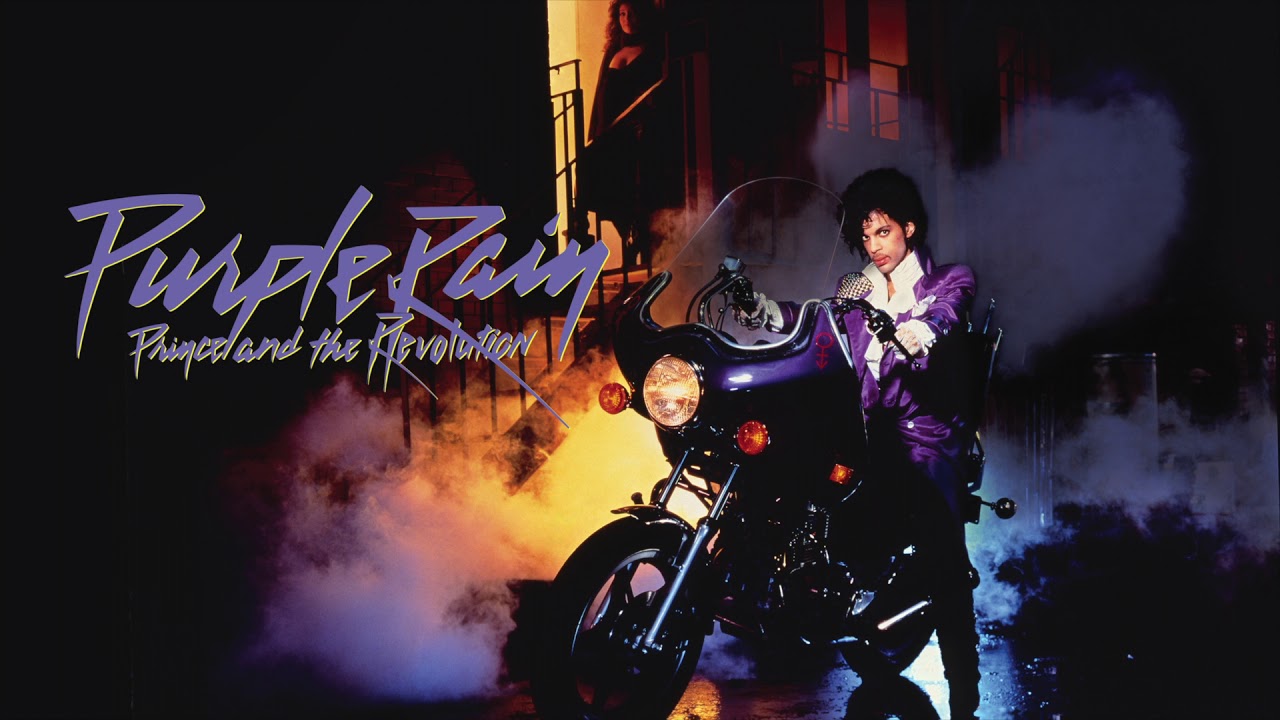
9 “Purple Rain,” Prince and the Revolution

A few months after “Thriller” completed its amazing reign at #1, Prince’s soundtrack album to his “Purple Rain” feature film began its own remarkable run as the #1 album, lasting 24 weeks. REO Speedwagon’s “Hi Infidelity” cornered the market as the #1 album for 21 weeks in 1981; The Police’s final album “Synchronicity” held the top spot for 17 weeks in 1983; and Whitney Houston’s debut album was #1 for 14 weeks in 1985.

10 “Suzie-Q”

Virtually every song Creedence Clearwater Revival ever recorded was written by their singer/guitarist, John Fogerty. There were exceptions — they did some fine cover versions of songs like “Good Golly Miss Molly,” “The Night Time is the Right Time,” “Before You Accuse Me” and even an 11-minute jam on “I Heard It Through the Grapevine,” but these were all deep album tracks. The only bonafide hit single Creedence had that Fogerty didn’t write was “Suzie-Q,” written by Dale Hawkins in 1957, which reached #11 in 1968 as the band’s first chart appearance.

Extra credit: “Lady”

There have been four different hit songs entitled “Lady” — Styx in 1975 (#6); Little River Band in 1979 (#10); Kenny Rogers in 1980 (#1); and The Commodores in 1981 (#8).

Three hit songs use the title “Magic” — Pilot in 1975 (#5); Olivia Newton-John in 1980 (#1); and The Cars in 1984 (#12).

Three hit tunes have the title “Fire” — Crazy World of Arthur Brown in 1968 (#2); Ohio Players in 1975 (#1); and The Pointer Sisters in 1979 (#2). (Jimi Hendrix had a ferocious rocker called “Fire,” but it wasn’t a single.)

As for the title “Venus,” it was a #1 hit for Frankie Avalon in 1959, and then a different “Venus” was a #1 hit for Shocking Blue in 1970, and a cover of Shocking Blue’s tune by Banamarama also reached #1 in 1986.

If only you would listen

In his first big hit, “The Sound of Silence,” Paul Simon, one of our wisest and most articulate lyricists, famously wrote, “People talking without speaking, people hearing without listening…”

There’s an important distinction between hearing something and really listening. Hearing may be accidental or involuntary and require no effort. Listening requires intentional focus that often takes sustained concentration.

It’s a sad truth about the human race. As a rule, we’re not good listeners. We’re distracted by other things, other thoughts. Sometimes our egos get in the way, so we’re thinking more about what we’re going to say next instead of focusing on what is being said to us.

As my mother once taught me, “Listening is very important.  You miss a lot if you don’t listen.  Show interest in what others have to say. Listen to your children, and your friends, and your heart. Listen, even if you’re tired, and you’re angry, and you’d like not to, because you will hear things you may never hear any other time.”

When it comes to music, I’ve found that you’ll get much more out of it if you give it your full attention and really listen, especially to the words, perhaps with headphones or earbuds.

The lesson about being a good listener hasn’t been lost on the lyricists of popular song through the years. I have scoured the vaults and selected 15 classic tunes about listening from the ’50s, ’60s, ’70s and ’80s, and I have written a little about each one. As always, there is a Spotify playlist at the end that allows you to, well, listen to the songs as you read along.

Thanks for reading and listening!

*******************************

“Listen to the Music,” The Doobie Brothers, 1972

Tom Johnston was a talented, inventive guitarist who wrote and sang most of The Doobie Brothers’ early singles, and recalls how their first big hit came to be. “The chord structure of it made me think of something positive. It occurred to me that if the leaders of the world got together, sat down and just listened to music and forgot about all this other bullshit, the world would be a much better place. It was very utopian, but it made for a fun song that’s still popular 50 years later.” It appeared on their “Toulouse Street” album and reached #11 on the U.S. Top 40 in 1972.

“Listen,” Chicago, 1969

As the “rock band with horns” that first called themselves Chicago Transit Authority were still playing Chicago area clubs, they were just grateful for the chance to perform. Keyboardist/vocalist Robert Lamm wrote a riveting rocker about how they were convinced people would like their music if they just took the time to hear it: “If it’s good, you can tell us all, /Or you can smile, that’s all right, my friend, /It could be so nice, you know, if only you would listen…” It’s the shortest, punchiest track on Chicago’s debut LP.

“Listen For the Laugh,” Bruce Cockburn, 1994

Cockburn has been a huge star in Canada for decades, but his only chart appearance in the US was 1979’s “Wondering Where the Lions Are,” which reached #21 and earned him a slot on “Saturday Night Live” that year. “Listen for the Laugh,” which came 15 years later, was one of the more philosophical songs he started writing at that point in his career: “It’s not the laughter of a child with toys, it’s not the laughter of the president’s boys, /It’s not the laughter of the media king, this laughter doesn’t sell you anything, /It’s the wind in the wings of a diving dove, you better listen for the laugh of love, /Whatever else you might be thinking of, you better listen for the laugh of love…”

“Listen To Me,” Buddy Holly, 1958

After a debut album as a member of The Crickets, Buddy Holly emerged as the star, with the next record issued under his name, with The Crickets as supporting musicians. On that album, chock full of radio hits like “Peggy Sue,” “Everyday” and “Rave On,” one of the deep tracks was “Listen to Me,” which could have arguably been a single in its own right. Holly co-wrote it with his producer, Norman Petty, who owned a studio in small-town New Mexico where most of Holly’s songs were cut: “Listen to me, hear what I say, our hearts can be nearer each day, /Hold me darling, listen closely to me…”

“Listen to Your Heart,” Roxette, 1988

Per Gessle, the guitarist from the Swedish duo Roxette (with Marie Fredriksson on vocals and keyboards), described “Listen to Your Heart” as “the big bad ballad.” He went on, “This is us trying to recreate that overblown American FM-rock sound to the point where it almost becomes absurd. We really wanted to see how far we could take it.” The lyrics were inspired by a close friend who was “in emotional turmoil, stuck between an old relationship and a new love. A year later, I called him up in the middle of the night and told him, ‘Hey, you’re number one in the States.'” “Listen to your heart when he’s calling for you, /Listen to your heart, there’s nothing else you can do, /I don’t know where you’re going and I don’t know why, /But listen to your heart before you tell him goodbye…”

“Lisa, Listen to Me,” Blood, Sweat & Tears, 1971

David Clayton-Thomas, lead singer of Blood, Sweat and Tears in their commercial heyday, co-wrote this song for the group’s “BS&T; 4” LP in 1971. The lyrics hint at something traumatic that happened to “Lisa” in the past, but she is now in a safer place and can speak freely. The fact that Clayton-Thomas had experienced some parental abuse gives the song more compassion and credibility. The narrator implores her to listen, to share her thoughts and know that he will be a caring listener: “He said, ‘Lisa, listen to me, don’t you know where you belong? /Darling, Lisa, you can tell me, you’ve been silent for too long’…”

“Stop and Listen,” Chuck Berry, 1961

Berry had been one of the true pioneers and stars of early rock and roll, but by the time his album “New Juke Box Hits” was recorded and released in 1961, he was in the midst of legal difficulties, which led to a prison term in 1962. The adverse publicity from these legal problems affected record sales, which is a shame, because people missed out on several deep tracks. The slow blues tune “Stop and Listen,” which has a wonderful groove to it, I only recently discovered, in which Berry warns against jumping into a relationship: “Stop and listen, before you make a start, /Stop and listen, before you make a start, /Because if you fall in love, it may break your heart…”

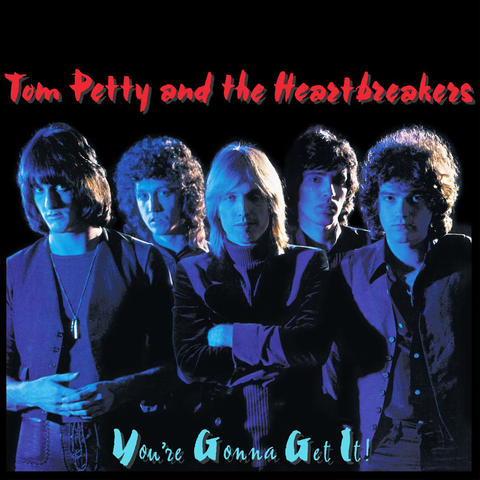
“Listen to Her Heart,” Tom Petty & The Heartbreakers, 1978

Although it peaked at a disappointing #59 upon release in 1978, “Listen to Her Heart” is now considered one of Tom Petty’s best songs. He wrote it at a time when another man had been hitting on his then-wife, and he felt the need to tell him, “Buddy, you don’t even know her.” He played it often in concert during his long career: “You think you’re gonna take her away with your money and your cocaine, /Keep thinkin’ that her mind is gonna change, but I know everything is okay, /She’s gonna listen to her heart, it’s gonna tell her what to do, /Well, she might need a lot of lovin’, but she don’t need you…”

“Listen to What the Man Said,” Paul McCartney and Wings, 1975

Author Vincent Benitez, who wrote at length about McCartney’s solo years, said, “‘The Man’ in this tune is not explicitly identified, but many interpret it to be God. McCartney is advising us to stick with the basics of life, which to him means love.” Wings recorded the track in New Orleans for their “Venus and Mars Are Alright Tonight” album, with Tom Scott providing a masterful solo on sax. “Listen to What the Man Said” is “another fine example of buoyant, optimistic McCartney pop,” said Benitez. “Love is fine, for all we know, /For all we know, our love will grow, /That’s what the man said, /So won’t you listen to what the man said?…”

“Listen,” Al Green, 1972/1989

Throughout the 1970s, Al Green recorded for Hi Records, a small Memphis record label that specialized in gospel-influenced Southern soul. During Green’s commercial peak when he had three Top Ten albums (1972-1973), many extra songs were recorded but set aside for various reasons. Several of those were unearthed in 1989 and compiled on “South Lauderdale Avenue,” a collection of previously unreleased tracks by Green and others on that label. The best is “Listen,” which could have easily been a hit for him.

“Listen Like Thieves,” INXS, 1985

In this catchy track, INXS frontman Michael Hutchence asks us not to believe everything we read and hear. Band member Andrew Farriss said, “I love that phrase, ‘listen like thieves.’ Thieves have to listen closely lest they be discovered committing a crime. I think Michael’s lyric was saying that discerning the truth takes vigilance. The media haven’t been great watchdogs when it comes to news and politics. To get the real story, we need to listen like thieves.”

“Listen To Me,” The Hollies, 1968

This song was the final Hollies track in which Graham Nash participated before leaving to join forces with David Crosby and Stephen Stills. Nash had wanted to move beyond the usual sunny Hollies fare but the rest of the band disagreed. Written by songwriter Tony Hazzard, “Listen to Me” reached #11 in their native UK but went nowhere in the US. Its lyrics ask that we listen as “I’ll sing a song to change your mind” and help us be more optimistic: “Listen to me and very soon I think you’ll find /Somebody wants to help you, somebody seems to care, /And very soon you’ve forgotten that you didn’t care about love…”

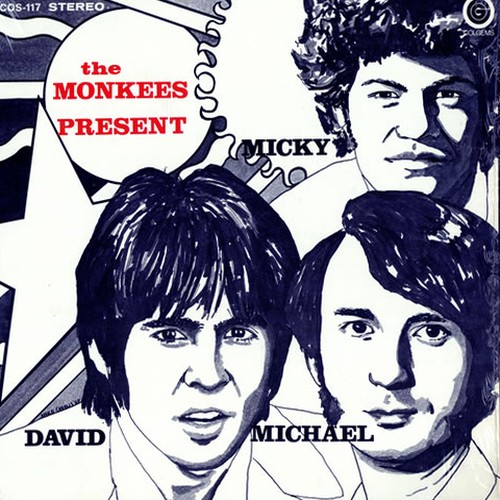
“Listen to the Band,” The Monkees, 1969

Written by Michael Nesmith and recorded in Nashville, “Listen to the Band” was released as the B-side of a single with “Someday Man,” a Paul Williams song sung by usual Monkees lead singer Davy Jones. DJs preferred the country music vibe of Nesmith’s tune, but The Monkees were on their last legs at that point (Peter Tork had left), and the song never made it past #63 on the U.S. charts. The song suggests focusing on the band performing instead of getting caught up in a lost lover: “Weren’t they good? They made me happy, I think I can make it alone, /Oh mercy, woman plays a song and no one listens, I need help, I’m falling again, /Play the drum a little bit louder, tell them they can live without her if they only listen to the band…”

“Listen To Me Baby,” Smokey Joe Baugh, 1955

This early rocker is credited to Baugh, but it’s basically the Big Joe Turner classic “Shake, Rattle and Roll” with new words and a slightly altered melody. Baugh was on Sam Phillips’ Sun Records label, and Phillips figured Baugh’s distinctive, raspy voice would appeal to black audiences even though he (like label mate Elvis Presley) was white. Baugh made dozens of recordings for Sun but they were never issued, mostly because Baugh and Phillips never got along.

“Listen,” Tears for Fears, 1985

Ian Stanley, who served as a member of Tears for Fears for the group’s first three albums, was given chief songwriting credit for “Listen,” the mostly instrumental closing track on the multiplatinum “Songs From the Big Chair” album. It has a spooky, otherworldly vibe dominated by guitar and keyboards, and a brief lyric that implores us to simply “listen…soothe my feeling…now I feel it…” Stanley left the group during production of “The Seeds of Love” in 1989 but went on to produce numerous other artists in the 1990s and beyond, including The Pretenders, The Human League and Tori Amos.

*****************************