If you keep digging, you’ll find dazzling jewels
I was leaning toward the chill side of things this week as I assembled my most recent batch of “lost classics” of deep album tracks from records of the ’60s, ’70s, ’80s and ’90s. Regular readers know I’m a sucker for a pretty melody, tight harmony and gentle instrumental accompaniment, as practiced by many dozens of artists — famous or otherwise — during that period.
I hope you find something in the Spotify playlist you’ve never heard before among this group of songs. Nothing like a great old song that’s new to you!
*************************

***************************

“Rio de Janeiro Blue,” Nicolette Larson, 1980
Larson was tapped first by Emmylou Harris to provide harmonies on her early albums, which led to an introduction to Linda Ronstadt, which led to meeting Neil Young in 1977. “When Neil came to Linda’s Malibu home and ran through some songs he had just written, Linda and I sang some harmonies,” Larson recalled. “Neil was jazzed about what he heard and asked me to sing on his ‘Comes a Time’ LP.” That album included “Lotta Love,” and Larson then covered the song herself on her 1979 debut “Nicolette” and it ended up a Top 10 single for her. The 1980 follow-up album, “In the Nick of Time,” didn’t fare as well, although her duet with Michael McDonald, “Let Me Go, Love,” reached #35. Check out another tune from that LP, “Rio de Janeiro Blue” — great vibe.
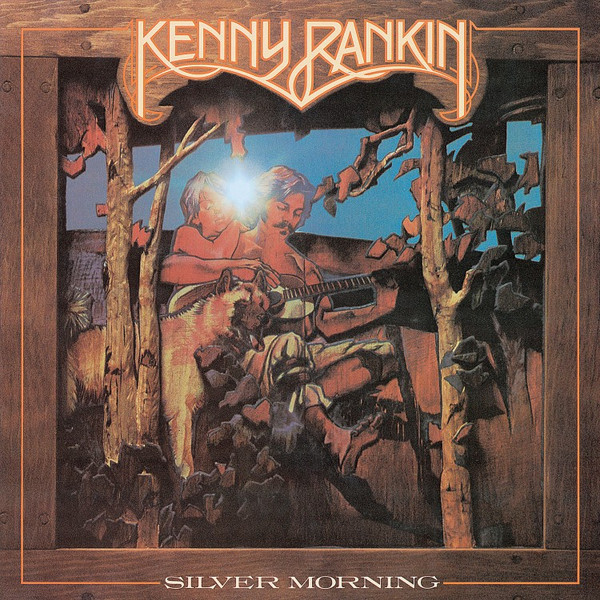
“Haven’t We Met,” Kenny Rankin, 1974/1991
“Above all, I’m a jazz singer who likes to mess with the melody,” Rankin said in 1997. “I sing the songs that touch me in the heart.” He was indeed a fine interpreter of songs by others like Bob Dylan, The Eagles, Leon Russell and Cole Porter, but he also wrote some fine stuff of his own that was recorded by Peggy Lee and Mel Tormé, and Helen Reddy, whose version of “Peaceful” reached the Top 20 in 1973. One of my favorite Rankin tunes is “Haven’t We Met,” a snappy number from his marvelous “Silver Morning” LP in 1974, which is sadly out of print, but he re-recorded it in 1991 for his “Because of You” album, which is the version you can hear here. Rankin was a big favorite of Johnny Carson, appearing on “The Tonight Show” 25 times in the ’70s.

“Magdalena,” Leo Sayer, 1976
Sayer got his start in 1973 writing songs with producer/manager David Courtney, including “Giving It All Away,” Roger Daltrey’s debut single that year. By 1976, Sayer emerged as a pop star in his own right, charting two #1 hits, neither of which I much liked — the disco smash “You Make Me Feel Like Dancing” and the syrupy ballad “When I Need You.” But the LP they came from, “Endless Flight,” has a few deep tracks that perked up my ears, including a cover of The Supremes’ “Reflections” and the contagious “I Hear the Laughter.” Most noteworthy is “Magdalena,” a pretty tune by singer-songwriter Danny O’Keefe, best known for the #9 hit “Good Time Charlie’s Got the Blues” from 1972.
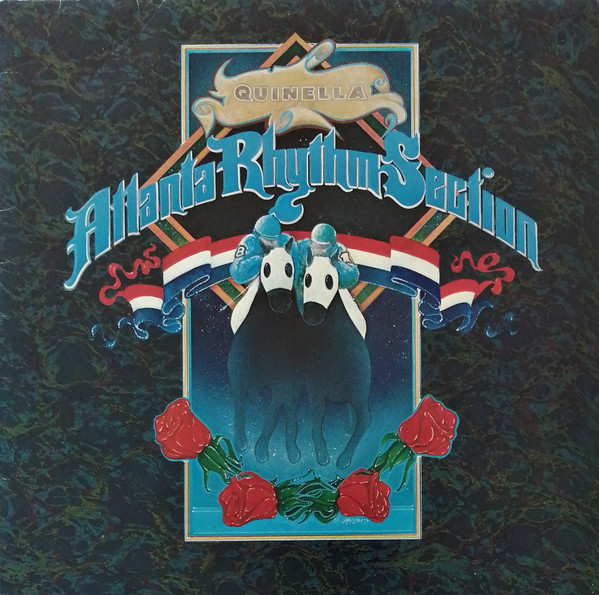
“Outlaw Music,” Atlanta Rhythm Section, 1981
Formed in 1971, ARS struggled along for five or six albums, having some success regionally once lead singer Ronnie Hammond joined the fold. Producer Buddy Buie worked with guitarist J.R. Cobb and keyboardist Dean Daughtry to write six Top 30 singles in the 1977-1981 period, particularly “So Into You,” “Imaginary Lover,” “Champagne Jam” and “Not Gonna Let It Bother Me Tonight.” Their final chart appearance was “Alien” in 1981, culled from their tenth album, “Quinella,” but the song from that LP that stands out is “Outlaw Music,” on which Hammond’s vocals are particularly appealing.
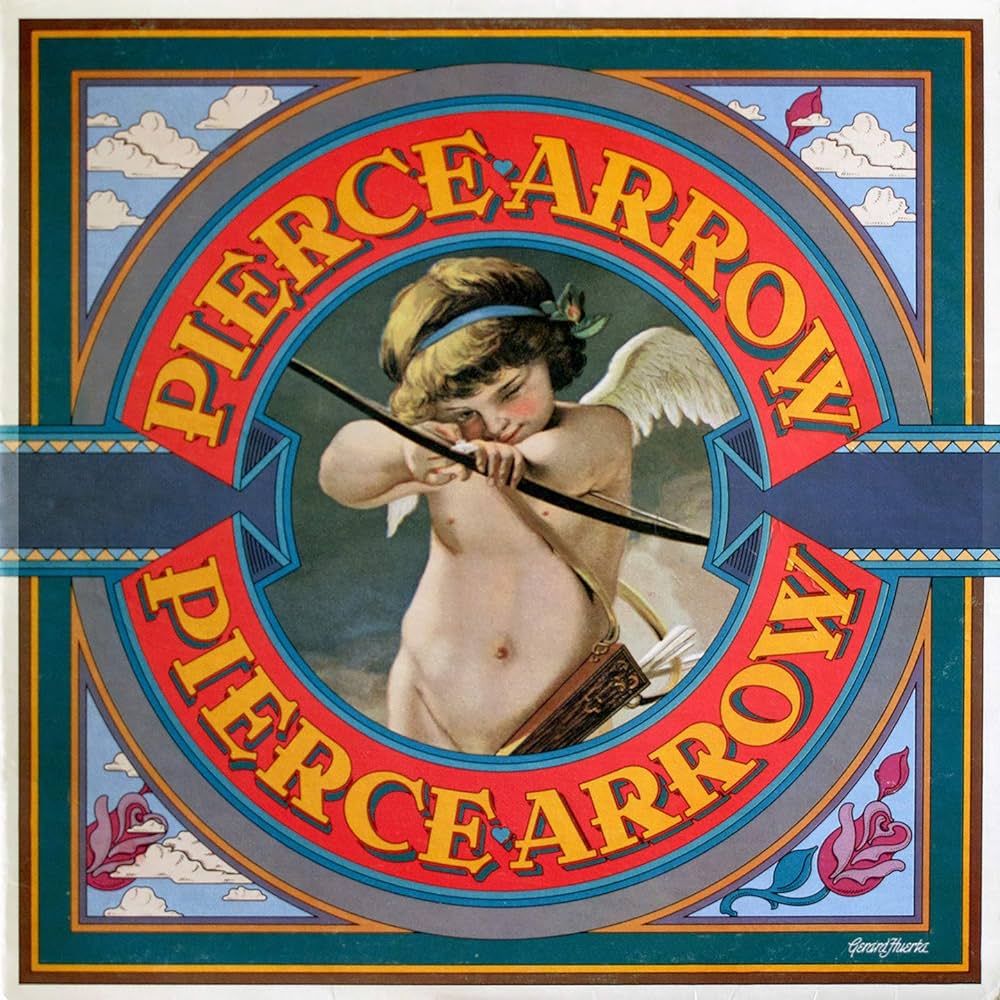
“Ain’t the Sky Just Like a River,” Pierce-Arrow, 1977
A half-dozen top session musicians from New York and Los Angeles pooled their considerable talents to form Pierce Arrow, a pop/rock group that made two damn good albums in 1977-1978. Led by Robin Batteau on guitar, mandolin, violin and vocals, the band toured relentlessly behind The Eagles and similar artists but never seemed to catch on as anticipated. Their self-titled debut LP included the singles “Hot Summer Night” and “You Got to Believe,” but their best track, in my view, is Batteau’s “Ain’t the Sky Just Like a River,” augmented by Jeff Kent’s piano and harmony vocals.
“God Made an Angel,” Timbuk 3, 1991
Timbuk 3 was a Wisconsin-based group described as “a distinctly American band both in its spare, rootsy rock sound and its thematic obsession with the American dream gone awry.” Led by husband-wife team Pat and Barbara MacDonald, they cracked the Top 20 in 1986 with the quirky tune “The Future’s So Bright, I Gotta Wear Shades.” Timbuk 3 made an appearance in the 1988 film “D.O.A.” as a house band in a club. Three years later, their LP “Big Shot in the Dark” made an impression on me, particularly the easygoing “God Made an Angel.”
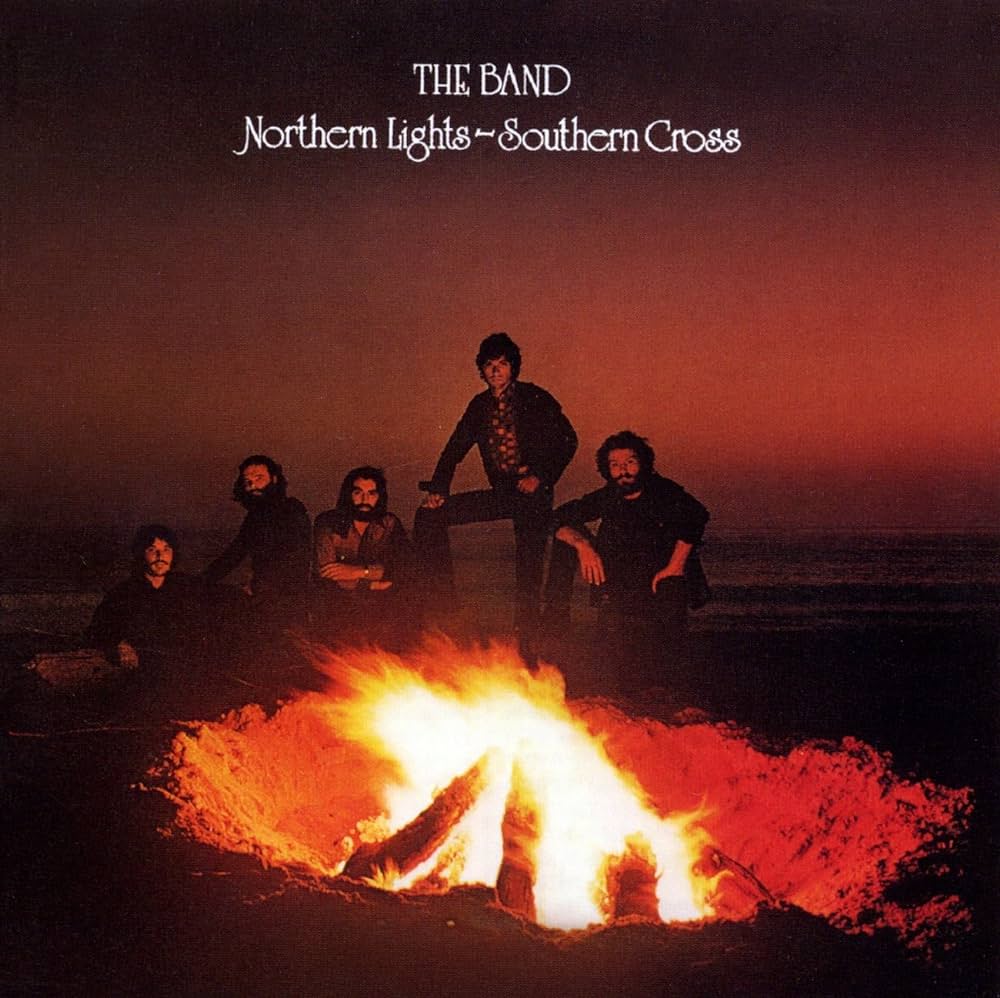
“Acadian Driftwood,” The Band, 1975
Guitarist/songwriter Robbie Robertson was fond of using historical events as the basis for the songs he wrote, and “Acadian Driftwood,” the highlight of The Band’s 1975 LP “Northern Lights – Southern Cross” album, is a great example of that. Acadia was an area of Eastern Canada populated by a French ethnic group that were ultimately uprooted from their land by British forces in the 1700s in a war that presaged the Revolutionary War in the U.S. One critic described the track as “a slightly more complex and ambitious down-north analog to their Civil War ode, ‘The Night They Drove Old Dixie Down.'” Drummer Levon Helm, typically The Band’s chief singer, sat on the sidelines as Rick Danko handled lead vocals on this track.
“Silver Thunderbird,” Marc Cohn, 1991
Cohn grew up in my neck of the woods in Cleveland’s suburbs, emerging in 1991 with an excellent debut LP (“Marc Cohn”) that spawned the marvelous single “Walking in Memphis,” which reached #13 on US pop charts (#3 in Canada). It earned him a Best New Artist Grammy in 1992. Many other engaging tracks can be found on this album — “Saving the Best For Last,” “Perfect Love,” “True Companion,” “Miles Away” — but I’m partial to “Silver Thunderbird,” partly because of its references to two Shaker Heights streets I used to drive down frequently: “Watched it coming up Winslow, down South Park Boulevard, /Yeah, it was looking good from tail to hood, great big fins and painted steel, /Man, it looked just like the Batmobile, with my old man behind the wheel…”
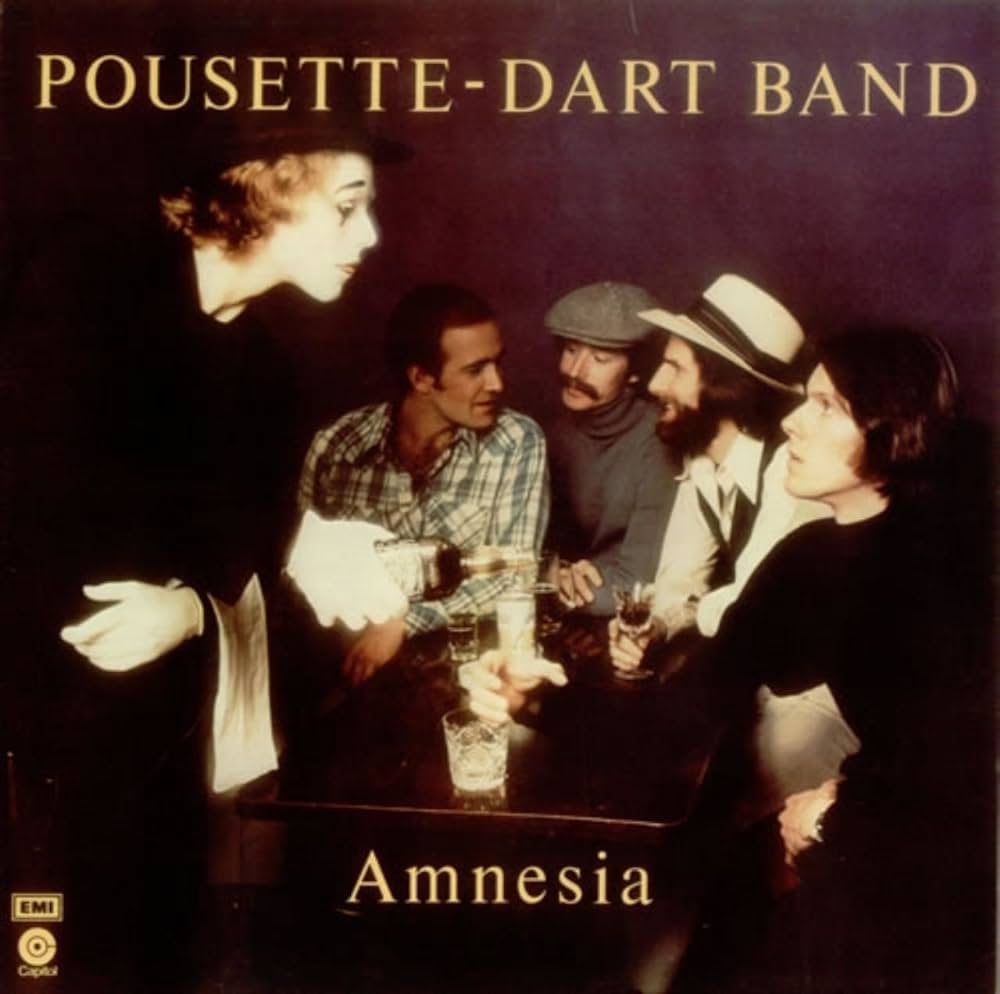
“Winterness,” Pousette-Dart Band, 1977
Conceived in Cambridge, Massachusetts as a string band in 1973, The Pousette-Dart Band evolved their sound into a quasi-soft rock vibe that turned heads throughout the late ’70s and early ’80s. Guitarist/singer Jon Pousette-Dart wrote some catchy, harmonious stuff that graced four albums during that period, most notably “Amnesia,” an album I played often, which featured fine songs like “County Line,” “May You Dance,” “Fall on Me” and the gentle ballad “Winterness.” I saw them perform a fine set once as the warm-up act for Rickie Lee Jones in 1982.

“Much More Than This,” Chris De Burgh, 1984
De Burgh was a well-traveled scholar who settled in England in his 20s and began his musical career in the mid-1970s writing and performing art rock reminiscent of early Genesis. By 1980, he chose a more commercial pop approach that brought him wider recognition, first in 1982 with the single “Don’t Pay the Ferryman” and leading up to the international #3 hit “The Lady in Red” in 1986. In between those two achievements, De Burgh released “Man on the Line,” his most consistent LP, which included the melodic “Much More Than This,” about a couple that contemplates whether their bond is firm enough to withstand trysts with other partners: “Can you still arouse the passions of another man? And if you carry it through, what would I do? /It would take much more than this to break a love so long in the making, /It would take much more than talk or dreams to shake so strong a foundation…”
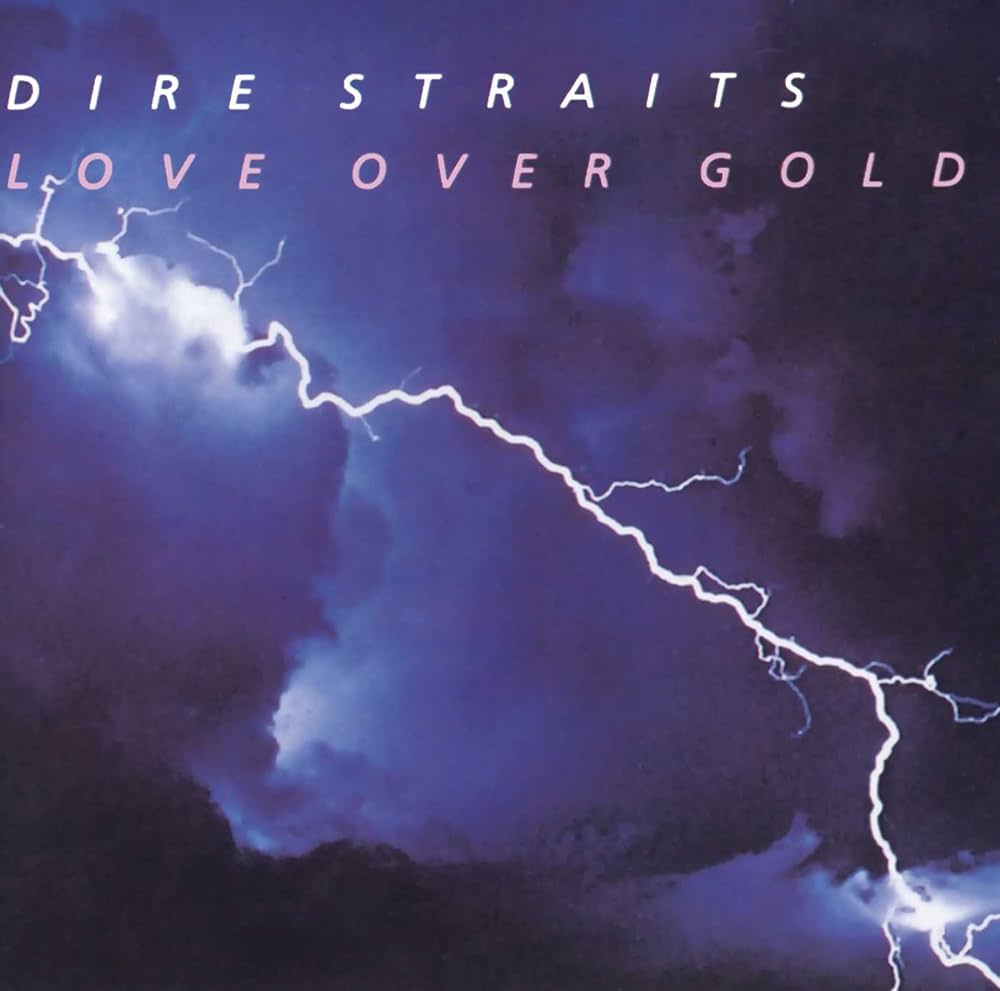
“Love Over Gold,” Dire Straits, 1982
Mark Knopfler, the superb guitarist and chief songwriter of Dire Straits, made a big impression early on with “Sultans of Swing” from their 1978 debut, then reached stratospheric heights in 1985 with the “Brothers in Arms” LP and single “Money For Nothing.” In between those two milestones, the band released several less commercial albums, one of which was 1982’s extraordinary “Love Over Gold.” The 14-minute tour-de-force “Telegraph Road” is its clear highlight, but don’t overlook the stunning title song, which was reviewed as “a whispery ballad that plays the jazzy tingle of vibes against an almost classical piano air and the violinlike pluck of a synthesizer to heighten its images of a casual, even cavalier, sex life.”
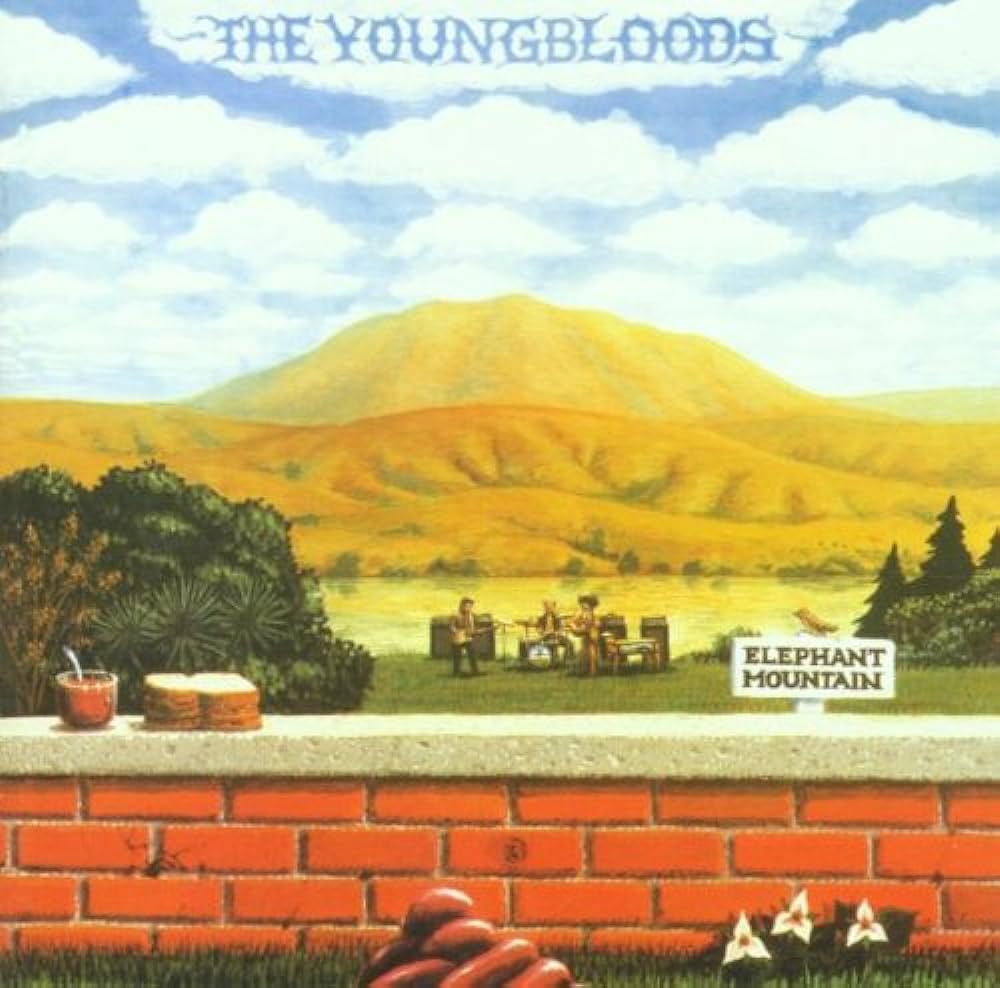
“Sunlight,” The Youngbloods, 1969
Folk-singing guitarists Jesse Colin Young and Jerry Corbett met in Greenwich Village in 1965 and formed The Youngbloods, merging their folk roots with a jazz-rock sensibility. They released three LPs, the first of which included a Chet Powers tune called “Get Together” that became iconic in 1969 when used in public service ads and ended up a Top Five hit that summer. Their 1969 album, “Elephant Mountain,” includes two indelible songs — “Darkness, Darkness” and “Sunlight” — that Young would later re-record and feature prominently in concert during his solo career. I saw Young perform multiple times in the ’70s, and the mellow feeling evoked by “Sunlight” was always a highlight.
******************************
 Hack's Back Pages