While this piece is offered as a respectful tribute, I must be completely honest. For the most part, I find the music of Neil Sedaka to be lightweight, cloying and not at all my cup of tea.
Sedaka, who died last week at age 86, was part of that “teen idol era” that took up space between the disappearance of the pioneers of rock and roll and the arrival of The Beatles — roughly 1959-1963. If you hunt hard, you can find a few great classic songs during those years in the wilderness, but too much of it, to my ears, was inconsequential fluff, puerile bubblegum, and cringeworthy ditties. Still, there was clearly a big audience for it. Much of it topped the charts and still evokes fond memories for those whose innocent pre-teen and teenage years came during those years.
Three of Sedaka’s biggest hits perfectly exemplify what I’m talking about. “Calendar Girl” (“I love, I love, I love my calendar girl”), “Happy Birthday Sweet Sixteen” and “Breaking Up is Hard to Do” each offer earworm melodies that stay in your head (not necessarily in a good way) long after the song is over. In its obituary this past week, The New York Times graciously described Sedaka this way: “He combined a genius for melody, the commercial instincts of a pop savant, a boyish high tenor and an unabashed enthusiasm for performing onstage.” Perhaps this is all true — or at least it’s an opinion shared by many pop music fans of that period — but I’m just not on board Sedaka’s train.
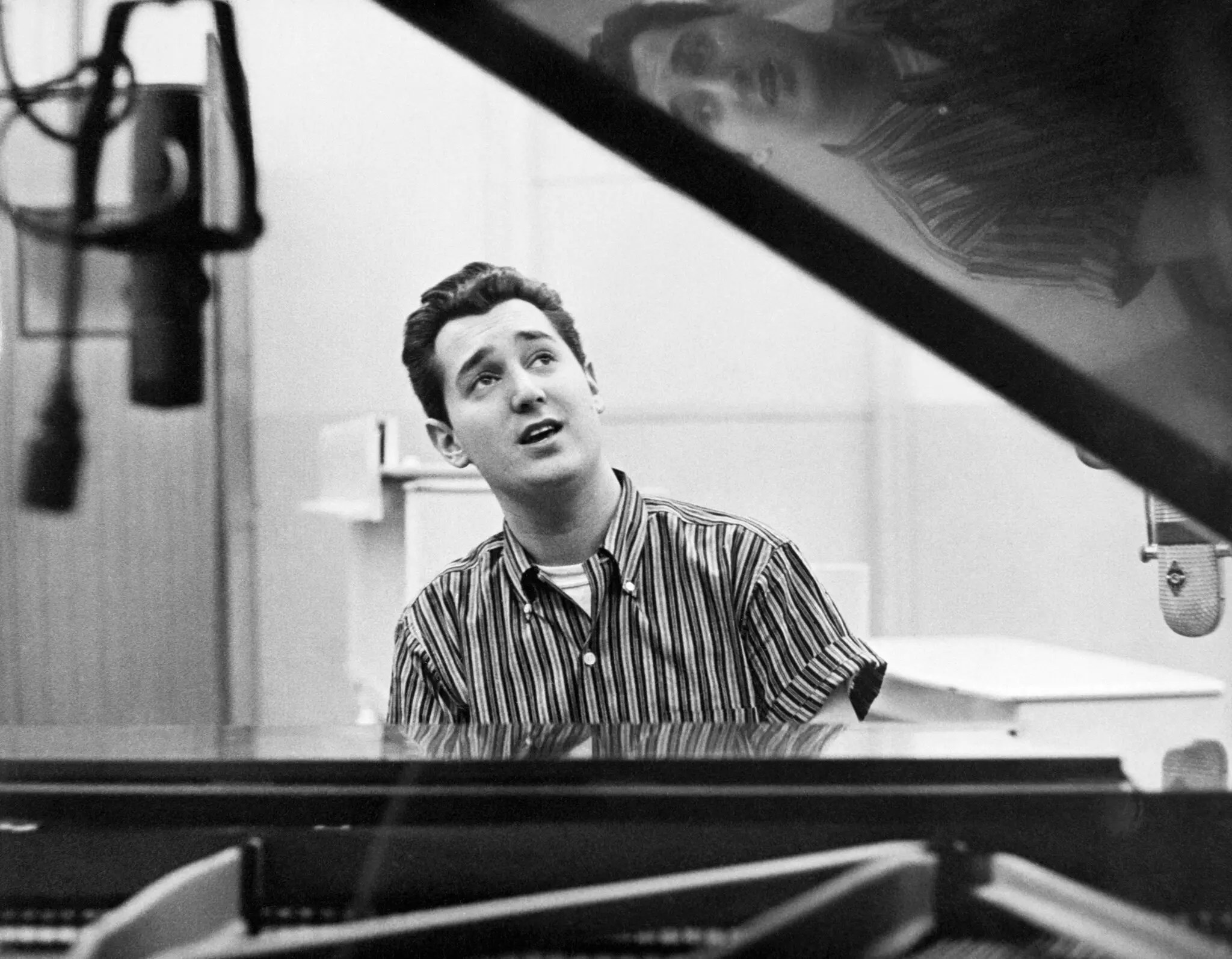
So why devote a blog post to him? There’s no denying he was an integral part of the New York community of songwriters employed at the famous Brill Building in Manhattan, where composers and lyricists plied their trade working for music publishing companies, churning out tunes for recording artists to turn into commercial hits. He and his lyricist partner, Howard Greenfield, once estimated they wrote a song a day for nearly five years, most of them never getting public exposure, but they came up with enough hits to keep their jobs.
Sedaka’s career truly started in 1958 at age 19 when he was tasked with creating a hit for singer Connie Francis, whose first couple of releases had flopped. He and Greenfield wrote “Stupid Cupid,” a song he felt was so silly that Francis (“a classy lady”) would be insulted by it. Instead, she allegedly jumped up and down with excitement when she heard it, and her vocal performance turned that silliness into pop perfection, reaching #14 on US charts.
The duo continued to write for other artists, but Sedaka had his heart set on being a performing artist himself, and he soon got the chance to show off his baby face and high tenor. His first effort, “The Diary,” came from Sedaka’s attempts to persuade Francis to show him her diary as inspiration for teen heartache anecdotes. It’s mostly forgotten now, but it made the charts and, more important, it paved the way for his first Top Ten hit “Oh! Carol,” the song written about his former girlfriend Carol Klein, who had since married Gerry Goffin, changed her professional name to Carole King and became an amiable rival in the Brill Building sweepstakes.
Led Zeppelin fans might find it amusing to learn that Neil Sedaka had a #6 hit in 1960 called “Stairway to Heaven,” which includes these lyrics: “I’ll build a stairway to heaven, I’ll climb to the highest star, I’ll build a stairway to heaven, ‘Cause heaven is where you are.” To say it bears no resemblance to the 1971 classic rocker is a blinding glimpse of the obvious.
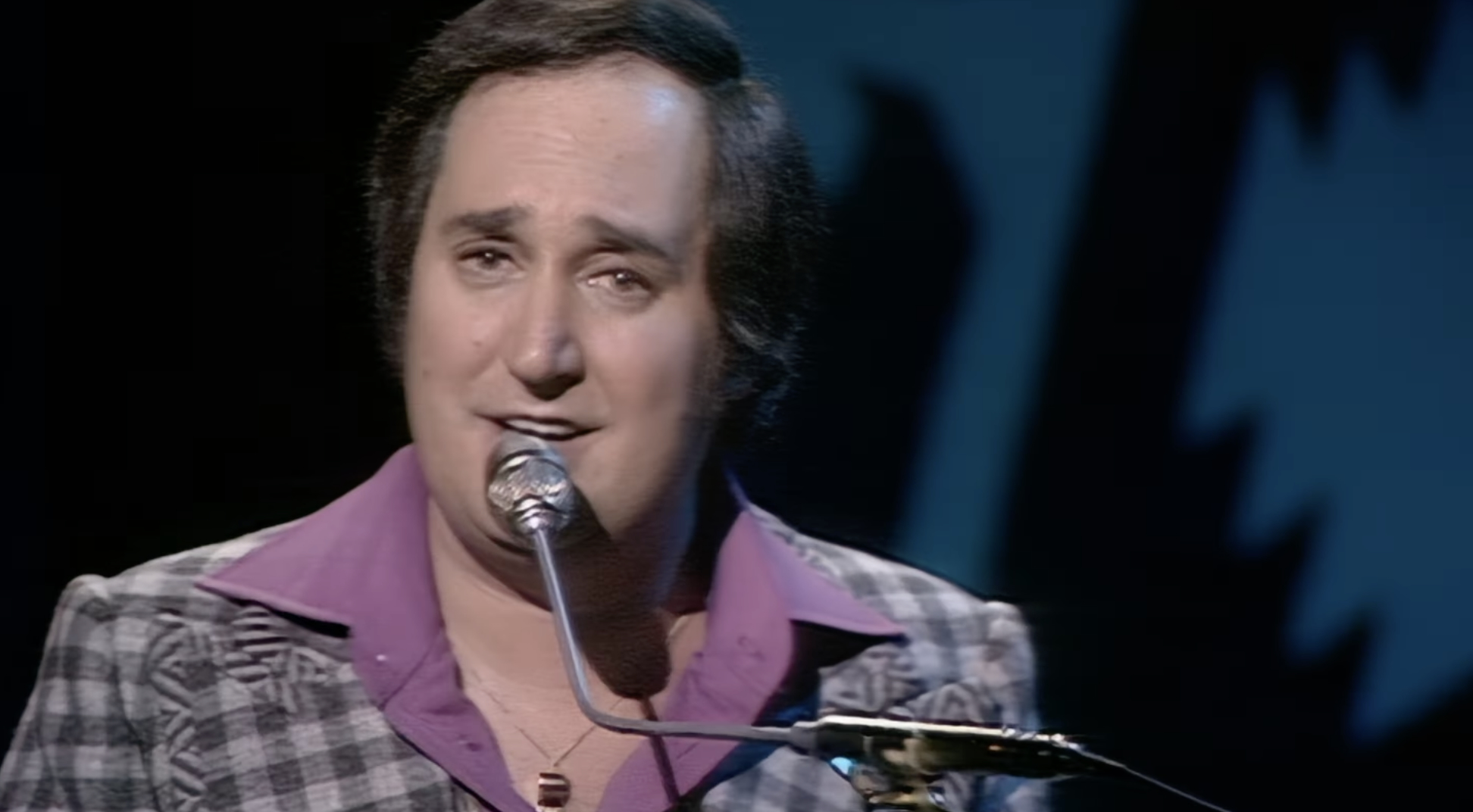
Sedaka had grown up in the same Brooklyn neighborhood as King, Neil Diamond and Barry Manilow, among others. Sedaka’s teachers recognized his musical talent as early as second grade and urged his parents to get him piano lessons, and he took to them enthusiastically. His mother’s goal was for him to become a classical music pianist like their family friend Arthur Rubenstein, but the pop music bug had bitten, and Sedaka pursued that path instead.
He wrote Francis’s signature hit “Where the Boys Are” in 1961, the same year he scored with “Happy Birthday, Sweet Sixteen.” His first #1 hit, “Breaking Up is Hard to Do,” came in 1962, with its insipid “Down dooby doo down down, comma comma” lyrical hook.
Sedaka sold 25 million records during those peak years, touring nationally and internationally. But then, almost overnight, he was gone from the charts, replaced by “I Want to Hold Your Hand” and dozens of other “British Invasion” hits. He was devastated by the apparent betrayal of the fickle American pop music market, where the songs he wrote and released barely eked into the charts for the next ten years, and as a performer, he was consigned to oldies revues while he was still only in his 20s.
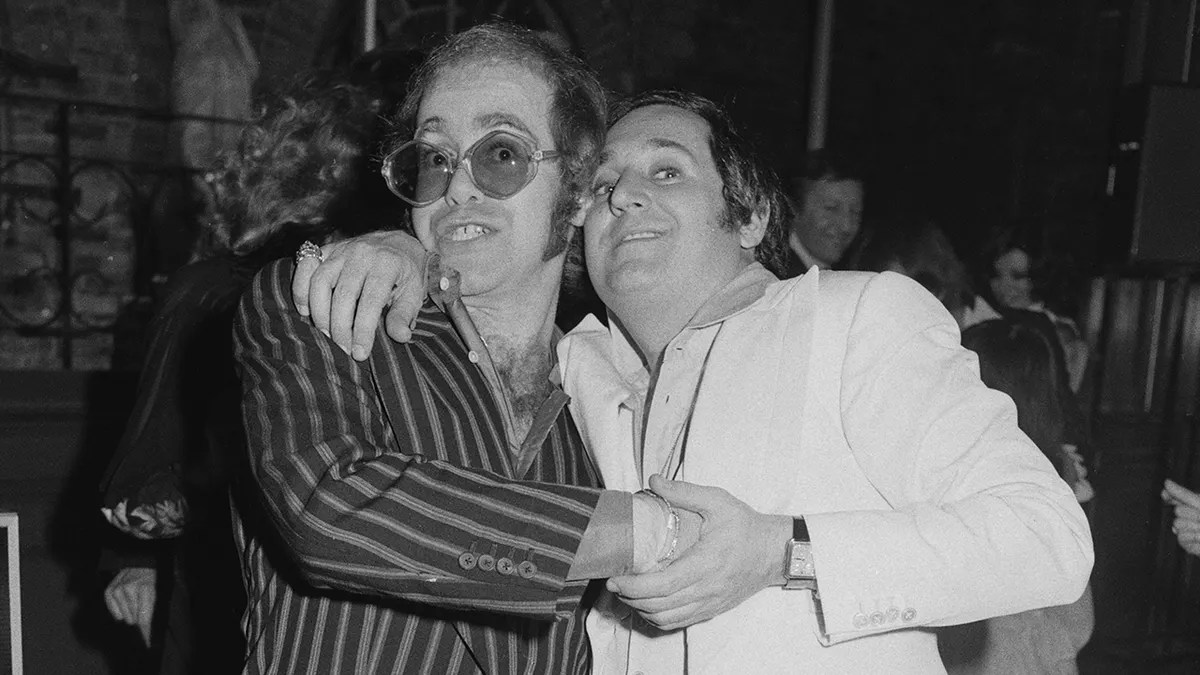
Curiously, though, Sedaka remained a popular concert draw in England, where he moved in the 1970s and tried to rejuvenate his career. None other than Elton John, a fan of his early work, signed him to his Rocket Records label in 1974, and suddenly, Sedaka was back at #1 on US charts with “Laughter in the Rain,” followed by another #1, “Bad Blood,” which featured John on harmonies. Perhaps most surprising was a reimagining of “Breaking Up is Hard to Do” as a jazz-influenced piano ballad, featuring what I think is Sedaka’s best recorded vocal.
Throughout this period, several of his songs became hits for other big stars. “Working on a Groovy Thing” reached #20 for The 5th Dimension in 1969, and “(Is This the Way to) Amarillo?” was a minor hit on country music charts here but reached #1 in Germany in 1971 as recorded by England’s Tony Christie.
I’ll bet you don’t know (I didn’t until this week) that the massive international #1 hit “Love Will Keep Us Together” by The Captain and Tennille was written by Sedaka. So was “Solitaire,” written and recorded to no fanfare by Sedaka in 1973 but turned into a Top 20 hit in 1975 with a poised, heartbreaking vocal by Karen Carpenter.
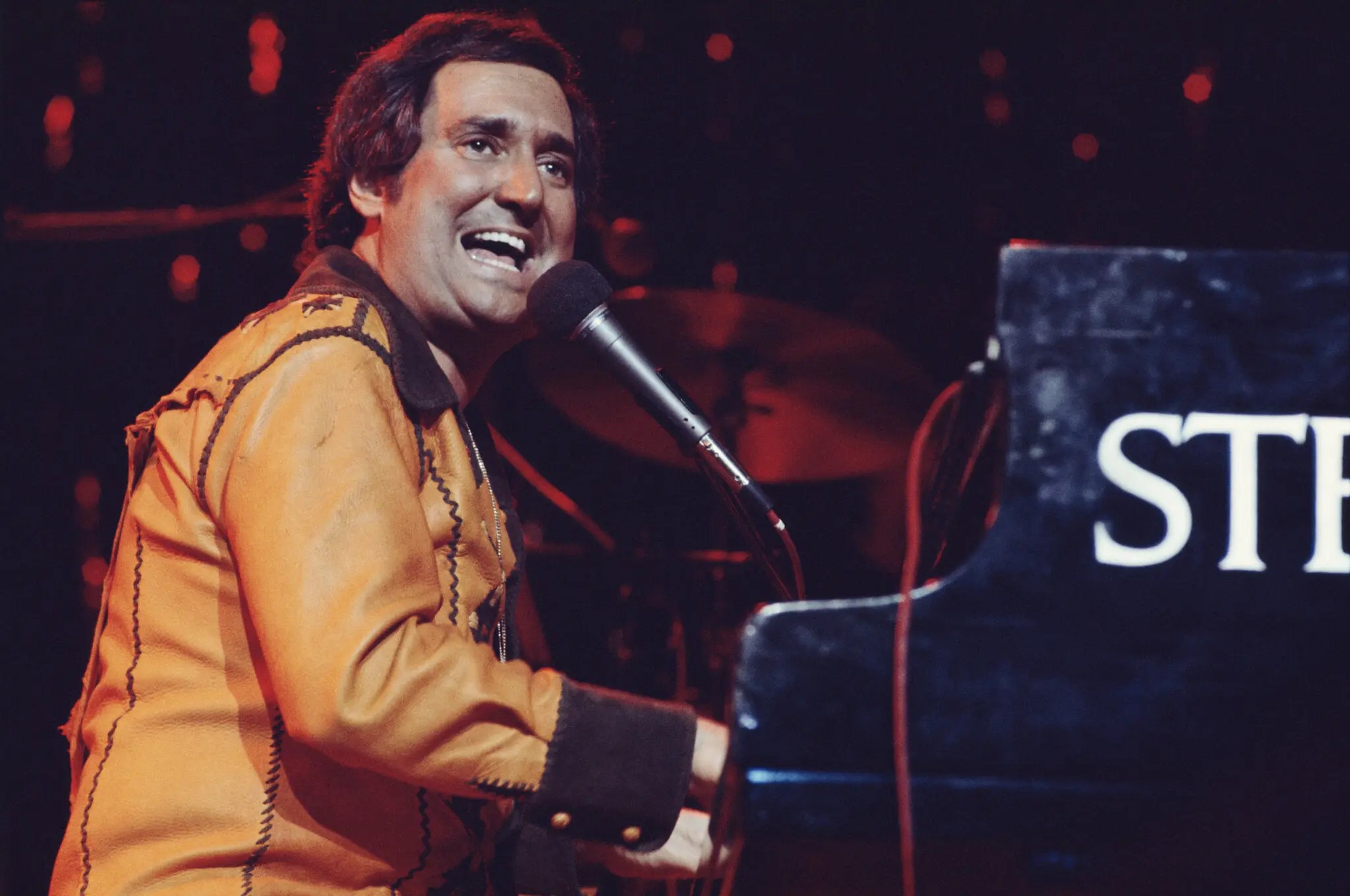
Sedaka managed two more Top 20 chart appearances, in 1976 with his song “Love in the Shadows,” and in 1980 in a duet with his daughter Dara on “Should’ve Never Let You Go.” Throughout the 1990s and 2000s, he released foreign-language singles, live recordings, children’s albums and holiday collections that, while not big sellers, kept his name out there, especially in Europe.
As I was perusing his catalog, a couple of quasi-parody songs caught my eye: Kids evidently responded well to “Waking Up is Hard to Do” and “Lunch Will Keep Us Together” (Weird Al Yankovic, how did you miss out on these?). I added them to the end of the Spotify playlist, just for fun.
I was intrigued when I came across “The Immigrant,” a deep track from his 1974 “Sedaka’s Back” comeback album. Inspired by John Lennon’s struggles with US immigration at the time, he and lyricist Phil Cody wrote this ode as a tribute to their ancestors’ migration from Russia, Poland and Italy, and as encouragement to those from foreign lands seeking a better life here. Fifty years later, it’s still a difficult journey.

Sedaka continued performing well into his 80s and even returned to his classical roots, composing a symphonic piece and a piano concerto, both of which were recorded with the Philharmonia Orchestra of London in 2021.
Rest in peace, good sir.
********************
 Hack's Back Pages