Well, we made it. Today is the vernal equinox. Spring has sprung!
Those of you who, like me, don’t care for cold weather will no doubt agree with Mick Jagger, who, in 1973, sang, “And it’s sure been a hard, hard winter…My feet been draggin’ ‘cross the ground…”
It was colder than usual almost everywhere this winter. Snowfall was greater in many cities, and even moderate Nashville was laid low by a brutal ice storm that brought down trees and power lines, rendering much of the city without power for days on end. But, as George Harrison sang in “Here Comes the Sun,” “Little darling, I feel that ice is slowly melting.”
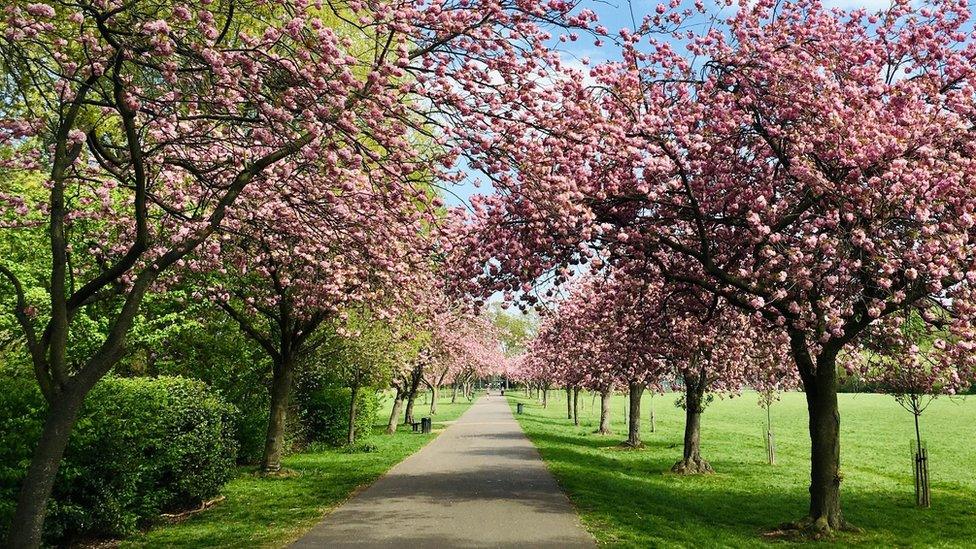
Now it’s time for new hope, rebirth, tulips and baseball, and maybe some spring cleaning when we’re up to it.
New love, new ventures, new opportunities, new perspectives. All of these things have been hinted at or overtly observed in popular song over the years. And while spring is most often identified with positive vibes, those in their twilight years sometimes find spring to be a tad depressing, for it can remind them of the youth and renewal that they can perhaps no longer attain…but there are lovely songs that deftly describe those feelings as well.
On this first week of spring, I’ve assembled an eclectic batch of songs that capture the moods of springtime. Regular readers know I tend to focus on music of the ’60s, ’70s and ’80s, but I was intrigued to find a paucity of songs about spring from those decades and, consequently, had to reach back into the pre-rock years and ahead to much more recent times to flesh out my Spotify playlist, found at the end of this piece.
You’ll also find that most of these songs are unfamiliar to you. I was amazed to discover that songs about spring have rarely graced the Top 40 charts.
Enjoy the season!
**************
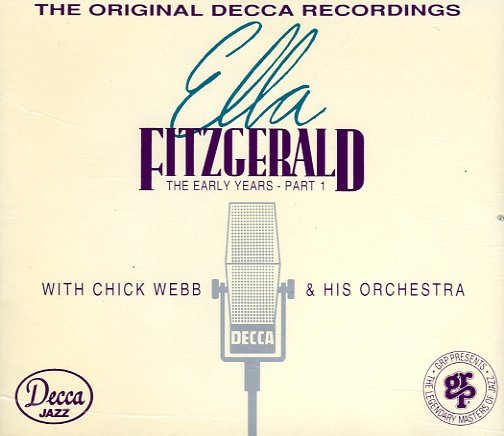
“I Got the Spring Fever Blues,” Chick Webb Orchestra with Ella Fitzgerald, 1936
“I feel so lazy, can’t do a thing, /My mind is hazy, just like a smoke ring, /I’m ridin’ high on the clouds up above, I’ve got the spring fever blues! /The sun is shinin’ all round my room, I feel like I am the man in the moon, /I’m ridin’ high on the clouds up above, I’ve got the spring fever blues…”
Drummer/bandleader Chick Webb and his Orchestra was a lesser known Big Band outfit of the 1930s/1940s, but they sometimes collaborated with high profile vocalists. In 1936, the great Ella Fitzgerald recorded an album with Webb’s orchestra, and one of the better songs in that collection was “I Got the Spring Fever Blues,” a song written by Dave Bauer and sisters Kay & Sue Werner. In the lyrics, the narrator bemoans being cooped up inside during the colder months and is eager for spring to arrive.
“Spring,” Tracy Chapman, 2008
“There’s a cloud, a blue sky darkening that veils the light of the sun, and foretells the rain, /But there’s a bird, there are birds, and some are singing to greet every new day that may come, like the first of spring…”
Chapman burst on the scene in 1988 with an astonishingly accomplished debut LP and its wildly popular single “Fast Car.” Since then, she has released seven more albums of all original material over the next 20 years, winning four Grammys and earning another nine nominations in multiple categories. Her most recent release, “Our Bright Future,” came in 2008, which was nominated for Best Contemporary Folk Album. Closing out that LP is the gentle track “Spring,” on which Chapman sings accompanied only by her own acoustic guitar and minimal piano.
“Southland in the Springtime,” Indigo Girls, 1990
“There’s something about the Southland in the springtime where the waters flow with confidence and reason, though I miss her when I’m gone, it won’t ever be too long ’til I’m home again to spend my favorite season…”
This folk rock duo of Emily Saliers and Amy Ray came out of the Emory University bar scene in Atlanta in the late ’80s and established themselves as two of the better song craftswomen of the 1990s. Their first six albums went gold or platinum, and 1994’s “Swamp Ophelia” and 1997’s “Shaming of the Sun” made the Top Ten. This country-tinged track from 1990’s “Nomads Indians Saints” nicely captures the lure of returning home as winter turns to spring.
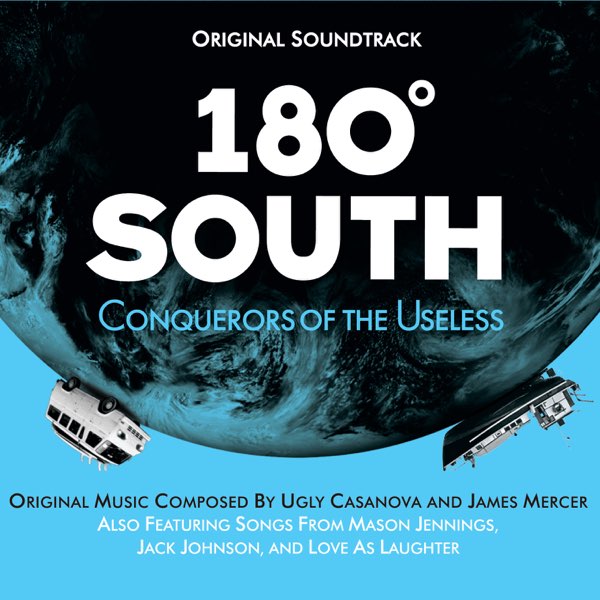
“Spring Wind,” Jack Johnson, 2010
“My friends are gettin older, so I guess I must be too, /Without their loving kindness, I don’t know what I’d do, /Oh. the wine bottle’s half empty, the money’s all spent, /And we’re a cross between our parents and hippies in a tent, /Love calls like the wild birds, it’s another day, /A spring wind blew my list of things to do away…”
“180 Degrees South: Conquerors of the Useless,” a 2010 documentary about the filmmaker’s journey from Ventura County, California to the Patagonia Mountains of Chile, required a compelling soundtrack. Among the contributing artists to this collection was Jack Johnson, the Hawaiian good-vibe singer-songwriter. He came up with a beauty called “Spring Wind,” which accompanied footage that reflected the song’s theme.
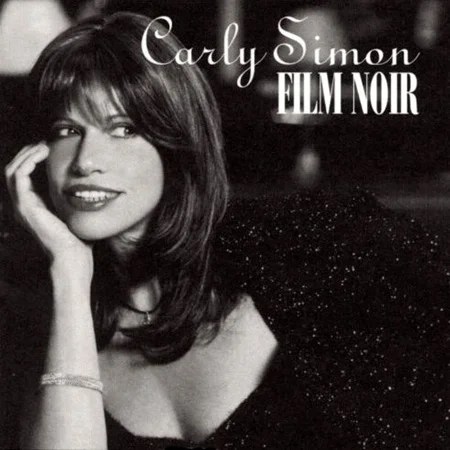
“Spring Will Be a Little Late This Year,” Carly Simon, 1997
“‘Cause time heals all things, so I needn’t cling to this fear, it’s merely that spring will be a little late this year…”
This wistful piece about spring’s tardy arrival was written by the great Frank Loesser, celebrated composer of award-winning Broadway and film songs like “Baby It’s Cold Outside” and the “Guys and Dolls” music. A rendition by Deanna Durbin was featured in the 1944 movie “Christmas Holiday,” then recorded by various jazz combos and vocalists including Red Garland, Roland Kirk, Sarah Vaughan and Ella Fitzgerald. On her 1997 “Film Noir” collection of ’40s classics, Carly Simon did the song serious justice in a duet with songwriter Jimmy Webb.
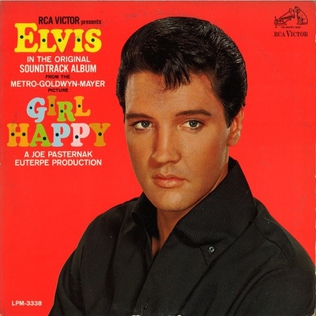
“Spring Fever,” Elvis Presley, 1965
“In every town, there’s excitement to be found, so much is happening, don’t miss the joy of spring, the world’s in love, just look around, spring fever, spring is here at last, spring fever, my heart’s beating fast, get up, get out, spring is everywhere…”
After his legendary run as the King of Rock ‘n Roll in the 1950s, Presley’s output in the 1960s was far more erratic. His manager, Colonel Tom Parker, persuaded him to focus on a movie career, and the soundtrack LPs were filled mostly with inferior, throwaway songs. But a few classic tracks made the cut, including “Can’t Help Falling in Love With You” (from the “Blue Hawaii” movie) and “Return to Sender” (from the “Girls! Girls! Girls!” film). “Spring Fever” wasn’t a hit single, but it was one of the only bright spots in the lame 1965 film “Girl Happy.”
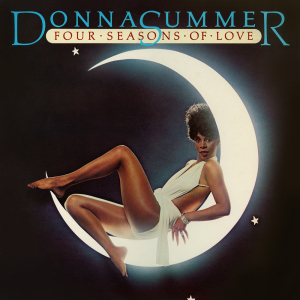
“Spring Reprise,” Donna Summer, 1976
“Ooh, something’s coming over me, ooh, I think it’s got a hold on me, ooh, just the man I hoped you’d be, ooh, just the man to set me free, spring affair, and I’m hung on you, spring affair, and we’ve got something new, me and you…”
Disco diva Summer and her producer Giorgio Moroder were a formidable team in the mid-to-late 1970s with lush dance tracks and platinum-selling singles like “Last Dance,” “Hot Stuff” and “Bad Girls.” The 1976 LP “Four Seasons of Love,” a concept album with four lengthy tracks devoted to each of the four seasons, didn’t do as well as others in her catalog, peaking at #29. “Spring Affair,” which focuses on the beginning of a new relationship, clocked in at more than eight minutes and reached #1 on the disco club charts, but when boiled down to a radio-friendly 3:39 and released as a single entitled “Spring Reprise,” it could manage only #58 on the pop charts.

“Spring Vacation,” The Beach Boys, 2012
“Seems like it could go on forever as long as we can all stay together, /We used to get around, get up and hit up all the hot spots in town, /Spring vacation, good vibrations, summer weather, we’re back together, /Easy money, ain’t life funny? Hey, what’s it to ya?
Hallelujah…”
Brian Wilson and Mike Love collaborated on this fun pop track that was a highlight of the well-received 2012 comeback LP “That’s Why God Made the Radio.” It was their first album of new material in two decades, thanks to a burst of inspiration from Wilson at the time. “Spring Vacation” is overtly biographical, describing The Beach Boys’ successes. Wilson said in a 2013 interview, “I’m amazed I had somehow never written a song about spring vacation until I was almost 70.”
“Spring,” Ed Sheeran, 2023
“I’ll see my friends when all this ends, but now until then, /I’m holding out for spring, we can’t let winter win, /That’s why I’m holding out for spring, oh, what a state we’re in…”
With ten albums, six EPs and a host of unreleased tracks waiting on the shelf, all in less than 20 years, Sheeran has shown himself to be among the most prolific songwriters of his generation. He’s a perceptive lyricist and a wizard at creating melodies, and he sells out wherever he performs. On his second LP of 2023 “Autumn Variations,” he wrote songs meant to symbolize his closest friendships, and “Spring” captures that challenging transitional period when the warmer weather isn’t changing quickly enough to suit us.
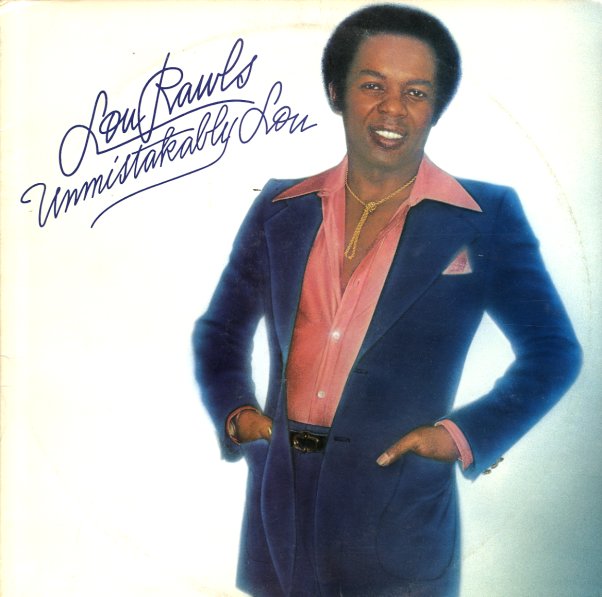
“Spring Again,” Lou Rawls, 1977
“I said it’s spring again, and the grass is turning green again, /The warm air feels so good, summer’s not too far away, /Yeah, I said it’s spring again, don’t it make you feel good when you can take off your winter clothes? /Bright colors everywhere…”
Rawls had been performing and recording soul and jazz tunes since the late ’50s with the likes of Sam Cooke and Les McCann, and won a Grammy in 1971 for his recording of “Natural Man.” In the late ’70s, he signed with Philadelphia International, where he had his biggest success singing richly produced tunes by the songwriting team of Kenny Gamble and Leon Huff, including Rawls’ signature hit, “You’ll Never Find Another Love Like Mine.” From his R&B middle-of-the-road “Unmistakably Lou” LP in 1977 came “Spring Again,” a musical breath of fresh air about springtime romance.
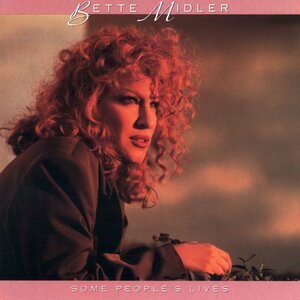
“Spring Can Really Hang You Up the Most,” Bette Midler, 1990
“Morning’s kiss wakes trees and flowers, and to them I’d like to drink a toast, but I walk in the park just to kill the lonely hours, spring can really hang you up the most…”
Lyricist/poet Fran Landesman wrote the words to this song in 1952 for the short-lived Broadway play, “The Nervous Set.” She was inspired by the legendary T. S. Eliot 1922 opus, “The Waste Land,” which opens with, “April is the cruelest month, breeding lilacs out of the dead land, mixing memory and desire, stirring dull roots with spring rain…” It lays out a bonafide paradox: April symbolizes spring, which means rebirth and youth, but if you’re already old, seeing rebirth and youth can be depressing…
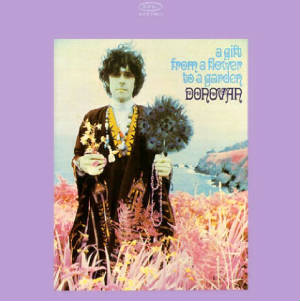
“The Lullaby of Spring,” Donovan, 1967
“Spring has flowered from a drip, slash and trickle running, plant has flowered in the sun, shell and pebble sunning, so begins another spring, green leaves under berries, chiff-chaff eggs are painted by mother bird eating cherries…”
This simple English folk track, which features Donovan accompanied by only his acoustic guitar, celebrates nature’s spring happenings. It was a deep track on the “For the Kids” Disc 2 of the double album package “A Gift From a Flower to a Garden,” released late in 1967. The multi-talented Donovan was a much more celebrated artist in England than in the States, but his legacy on US charts was impressive, with ten hit singles and several Top 20 LPs in the 1966-1973 era.
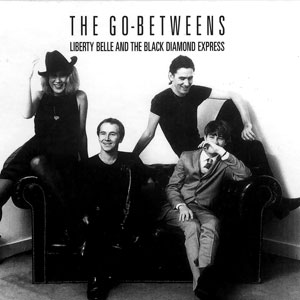
“Spring Rain,” The Go-Betweens, 1984
“When will change come? Just like spring rain, /Fallin’ just like sheets, comin’ down like love, /Fallin’ at my feet, fallin’ just like spring rain…”
This Australian indie rock band found intermittent success in its native land and in the UK during its initial run (1977-1990) and again in its second life during the 2000s, but barely at all in the US. Songwriters Robert Forster and Grant McLennan wrote some catchy stuff that should’ve done better on US charts, but only one song made an impression (1988’s “Was There Anything I Could Do?”). Their 1986 LP, “Liberty Belle and the Black Diamond Express,” spawned the exuberant single, “Spring Rain,” which draws a sweet parallel between an April shower and new love.
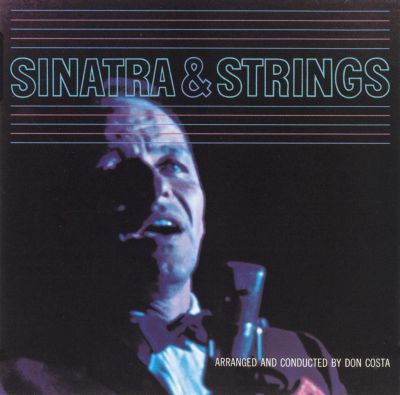
“It Might as Well Be Spring,” Frank Sinatra, 1962
“I’m as busy as a spider spinning daydreams, I’m as giggy as a baby on a swing, /I haven’t seen a crocus or a rosebud, or a robin on the wing, /But I feel so gay in a melancholy way, that it might as well be spring…”
The legendary stage-and-screen songwriting team of Richard Rodgers and Oscar Hammerstein came up with this classic tune for the 1945 film “State Fair” starring Jeanne Crain and Dana Andrews. Among the tunes the duo wrote for the wholesome story was “It Might As Well Be Spring,” which Crain’s character sings to describe her feelings about new romance in early autumn. It won an Oscar that year for Best Original Song, and was recorded numerous times over the years. The best known version is probably by Frank Sinatra, released in 1962.
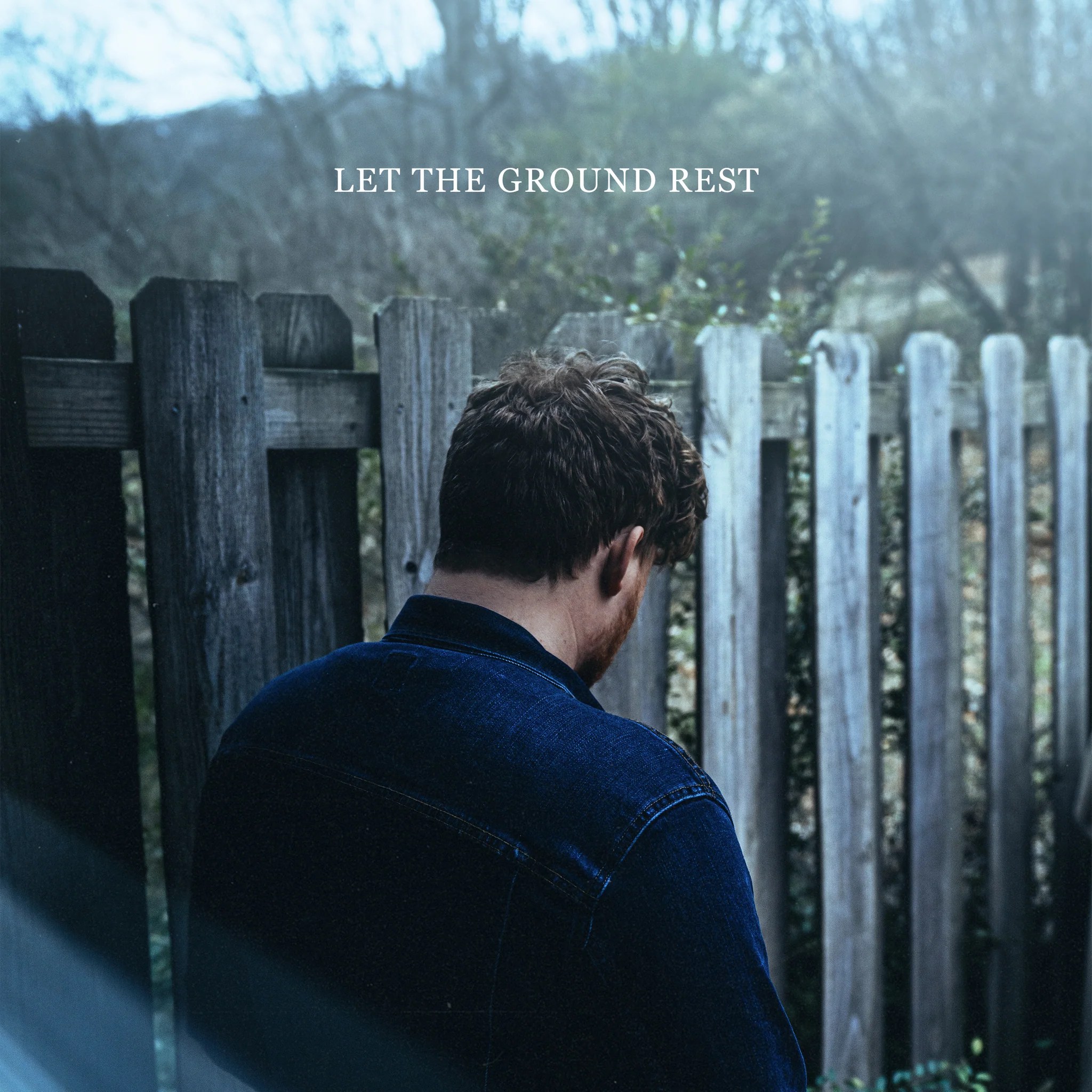
“Springtime,” Chris Renzema, 2020
“We will sing a new song, ’cause death is dead and gone with the winter, /Let “hallelujahs” flow like a river, we’re coming back to life, /Reaching toward the light, your love is like springtime…”
Hailing originally from Grand Rapids, Michigan, Renzema is a talented singer-songwriter now based in Nashville, offering a compelling blend of indie rock, contemporary Christian and folk. He has a half dozen EPs and albums to his credit, and his 2020 release, “Let the Ground Rest,” includes the spiritual tune “Springtime,” which thanks the heavens for the arrival of spring and the cycle of changing seasons.
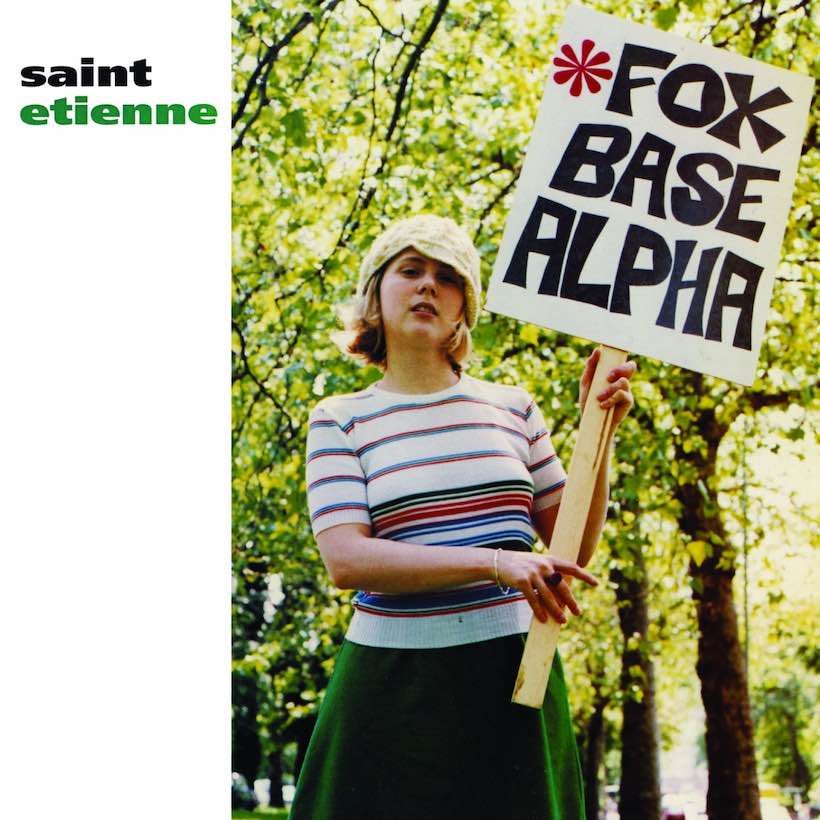
“Spring,” Saint Etienne, 1990
“I’ve been watching all your love affairs three years now, don’t you think I care? /How many times have you looked into my eyes? Don’t you realize we’re two of a kind, /It’s only springtime, you’re too young to say you’re through, love, /It’s only springtime and I’ll be different, I’ll be different, I promise you…”
Saint Etienne, an English band consisting of Sarah Cracknell, Bob Stanley and Pete Riggs, came out of the “indie dance” scene of the 1990s, with music that cleverly blended dance-club culture with Sixties pop. They did well on UK charts in the ’90s and then found an audience in American dance clubs in the 2000-2012 period. From their 1990 debut LP “Foxbase Alpha” is yet another pleasant song entitled simply “Spring,” which reminds me of the late ’80s sound of Swing Out Sister.
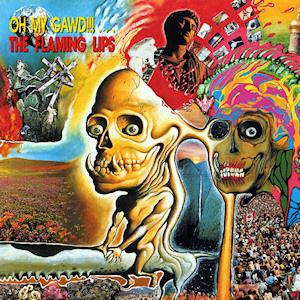
“Can’t Stop the Spring,” Flaming Lips, 1987
“So you can put the clouds up in your own little way, but the sun is gonna come up the very next day… You can crush the flowers, but you can’t stop the spring, no matter what you say…”
This inventive, peculiar band from Oklahoma City, who debuted in 1986 and released more than 20 albums through 2020, is labeled on some websites as “post-punk, alternative-psychedelic-experimental rock,” and that pretty well describes their oeuvre, which is wildly eclectic. Roughly half their LPs and a half-dozen singles made headway on UK charts, while their impact in the US was milder. “Can’t Stop the Spring,” which revels in the season’s inevitable entrance, came from their second LP, “Oh My Gawd!!” It’s a bit out there, but lots of fun.
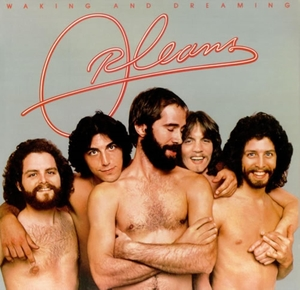
“Spring Fever,” Orleans, 1976
“Spring’s the time to start anew, and make your wildest dreams come true, /You can help it all begin, open up, darling, take me in, /Spring fever (got spring fever), they say that it can go to your head…”
The pop/rock band Orleans, whose original Cajun influences gave the group its name, formed in upstate New York and became popular on Northeast U.S. college campuses. By 1975 and 1976 they score back-to-back Top Five hits with singer-songwriter John Hall’s “Dance With Me” and “Still the One,” and toured with the likes of Melissa Manchester and Jackson Browne. From their fourth LP “Waking and Dreaming” you’ll find the infectious “Spring Fever” (no relation to the Elvis track above), written and sung by founding member Larry Hoppen.
*******************
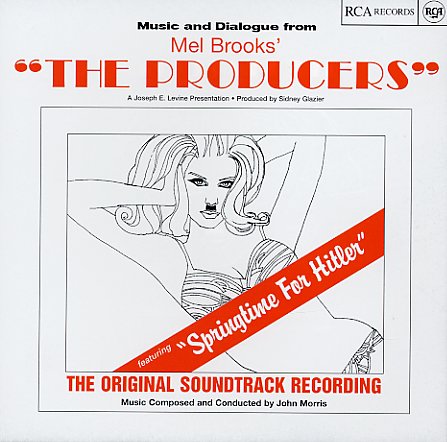
“Springtime for Hitler,” Mel Brooks, 1967
Leave it to Brooks, the king of ’60s/’70s Jewish humor, to conceive of a film that made fun of Adolf Hitler. “The Producers” is a madcap farce about two con men looking to stage a Broadway play so bad that it fails spectacularly and they can abscond with investor money. Instead, the viewing public sees it as a marvelous satire and it gets rave reviews, foiling their plan. When the play debuts on opening night, it starts with an outrageous musical number called “Springtime for Hitler,” with dancing stormtroopers and lyrics that seem to celebrate the Nazi takeover of Europe: “Springtime for Hitler and Germany, Deutschland is happy and gay, /We’re marching to a faster pace, look out, here comes the master race!…”
**************************
 Hack's Back Pages