Back in April, I looked in the rear-view mirror at the music of 50 years ago, offering my selections for the Best Albums of 1976.
As a companion piece, I now offer the latest installment of my “lost classics” series, shining a light on a batch of great songs from the calendar year 1976 that have been neglected, forgotten or never heard before.
The songs on the pop charts in 1976 were, in my view, a pretty sad lot of dreck. I mean, come on: “Silly Love Songs”? “Don’t Go Breaking My Heart”?? “Afternoon Delight”??? Good grief, spare me.
But as always, there are the deeper tracks buried on popular albums, or strong songs found on otherwise humdrum albums. I could name several dozen of these, just from 1976. From that list, I’ve selected a dozen Lost Classics of 1976 to feature here. I suggest you check out the Spotify playlist at the end to listen to them as you read about them.
Here’s to 50 years ago. A half-century. Yikes, feeling a lot older…
************************
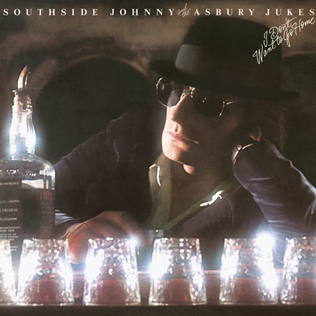
“You Mean So Much to Me,” Southside Johnny & the Asbury Jukes
Regular readers of this blog know that I consider this group to be the most underrated band of the late ’70s/early ’80s. Johnny Lyon has the perfect gruff, R&B-soaked, bar-band voice, and his horns-heavy catalog will have you up and dancing from the first few notes. He emerged from the Jersey Shore in the shadow of his friend Bruce Springsteen, who offered assistance and contributed songs to his first three albums, but the band inexplicably never achieved the chart success they deserved. On the 1976 debut LP “I Don’t Want to Go Home,” two Springsteen tunes emerged as highlights: Southside’s cover of Bruce’s slow smoldering classic “The Fever” and a duet with Ronnie Spector on “You Mean So Much to Me.” Van Zandt produced the record, wrote three songs and played guitar throughout.
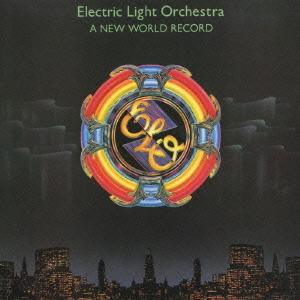
“So Fine,” Electric Light Orchestra
ELO’s first few albums attracted mostly a cult audience, but beginning in 1975, they became international stars with top-charting albums and singles. Jeff Lynne’s notion of prominently using orchestral instruments (mostly cello) in a rock band setting was inspired by latter day Beatles tracks, and by the time of 1976’s “A New World Record,” the world responded enthusiastically. “Livin’ Thing,” “Telephone Line” and a remake of the 1968 rocker “Do Ya” all got a ton of radio airplay, but I’ve always felt “So Fine” would’ve made a killer single, with its upbeat pop arrangement, funky rhythm guitar and harmonies. One critic called it “a bouncing ball of effervescence that’s impossible not to like.” Lynne, a Brit, said, “I wrote and sang it like an American, in an American style, kind of like The Doobie Brothers or something.”
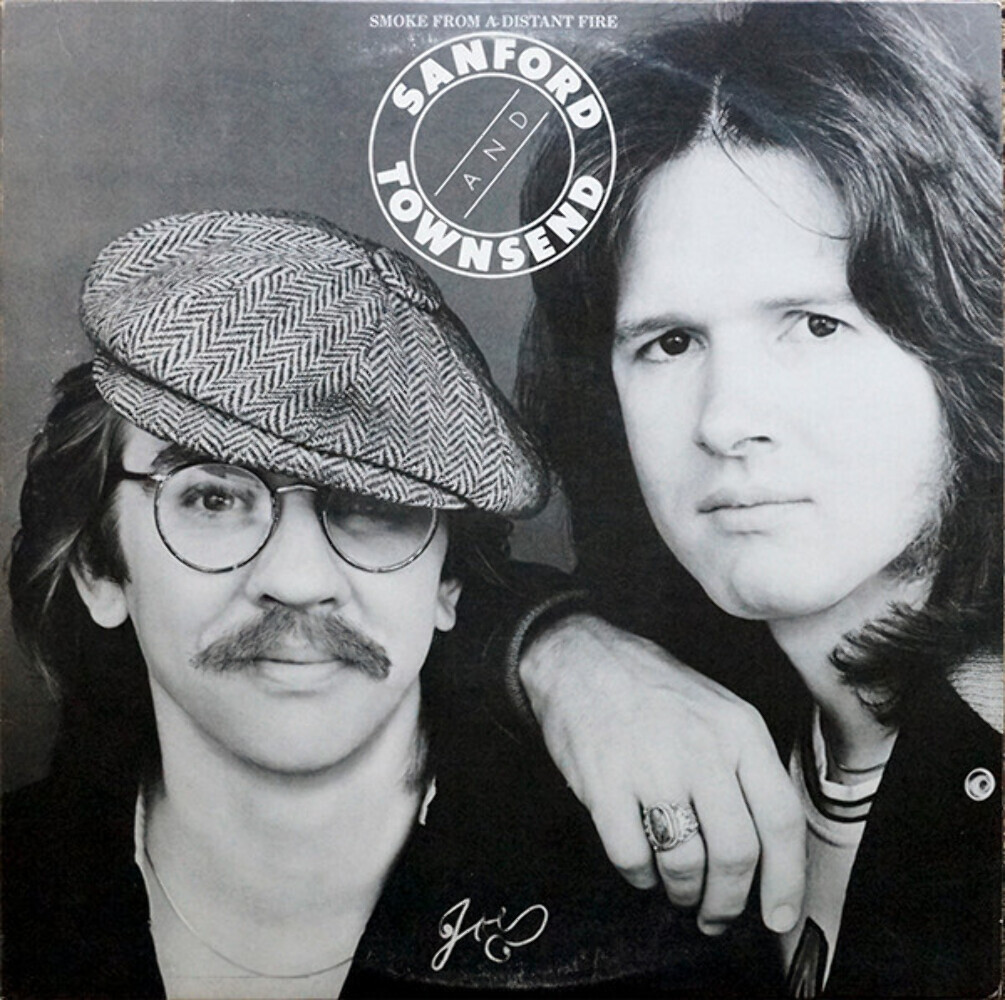
“Does It Have to Be You,” Sanford & Townsend
One of the more invigorating “one-hit wonder” songs of the mid-’70s, in my view, was the 1976 hit “Smoke From a Distant Fire” by Sanford and Townsend, which reached #9 on US pop charts. Ed Sanford and Johnny Townsend had been songwriters and session musicians at the famed Muscle Shoals Recording Studio in Alabama, where they got the chance to record their debut LP. Thanks to the song’s chart success, the duo got a key gig as opening act on a few legs of Fleetwood Mac’s “Rumours” tour in 1977, which allowed them to record two more LPs, but they failed to do much else on the charts. That debut LP, though, is an underrated sleeper, full of great songs like “In for the Night,” “Shake It to the Right,” “Sin City Wahoo” and especially “Does It Have To Be You.” These guys could write great songs!
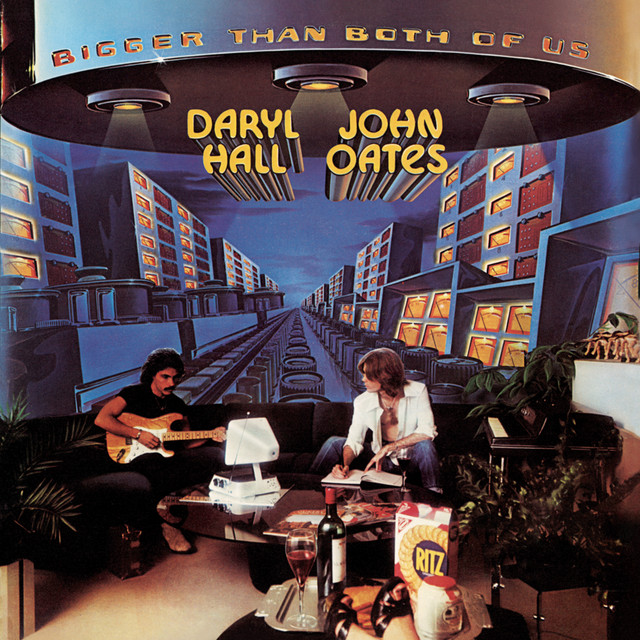
“Back Together Again,” Hall and Oates
The Philadelphia “blue-eyed soul” duo of Daryl Hall and John Oates didn’t make their mark on the charts until their 1975 self-titled fourth album, with its hit “Sara Smile.” That motivated their record company to re-release the magnificent “She’s Gone” from an earlier LP, which became another Top Ten hit in early 1976, setting the stage for their sumptuous fifth LP, “Bigger Than Both of Us.” The first of their six career #1 hits, “Rich Girl,” seemed to grab all the attention, but I recall being jazzed by the sensual “Do What You Want, Be What You Are” and the exuberant album opener, “Back Together Again,” punctuated by regular sax man Charles DeChant’s intro and fills. The track managed to reach #28 as the follow-up single. Hall and Oates went on to become the biggest selling duo in rock history, but this album still gets me going better than anything that followed.
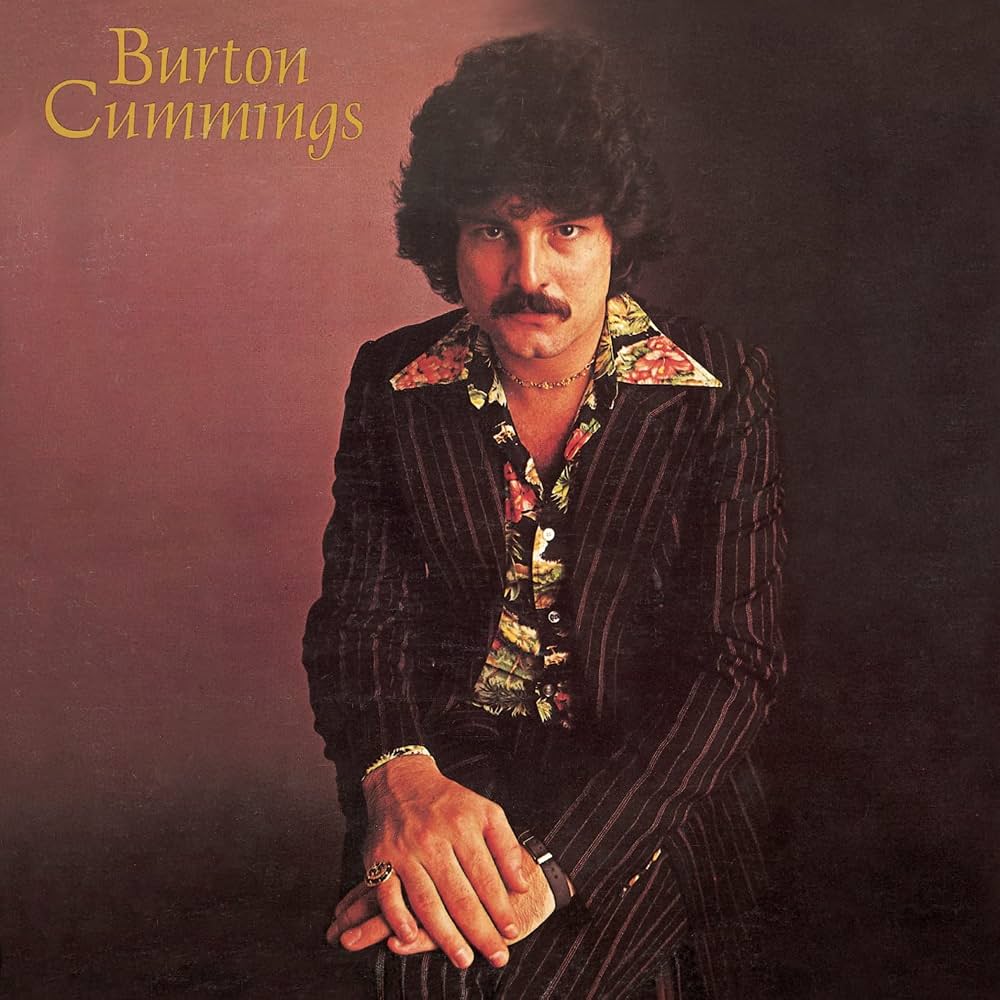
“Is It Really Right,” Burton Cummings
For my money, this guy has one of the best singing voices in popular rock history. Starting with the vocal gymnastics he exhibited on the 1969 single “These Eyes,” Cummings was a force to be reckoned with on the Top 40 in the US as lead singer of Canada’s favorite sons, The Guess Who. He also wrote or co-wrote many of the band’s hits and deeper album tracks (“No Time,” “No Sugar Tonight,” “Share the Land,” “Albert Flasher,” “Your Nashville Sneakers,” “Sour Suite,” “Star Baby”). When the band ran out of gas in 1975, Cummings struck out on his own, scoring Top Ten hits right out of the box with “Stand Tall” and its follow-up, “I’m Scared.” Buried at the end of that 1976 debut LP is the grand, catchy “Is It Really Right,” carried by Cummings’ soaring vocals, deft piano fills and yet another fine pop melody.
“Travelin’ Light,” J.J. Cale
This guy’s voice and guitar style go down like a strawberry smoothie — so satisfying. Emerging from the Tulsa, Oklahoma, scene in the late ’60s, J.J. Cale wrote an infectious little tune called “After Midnight” that Eric Clapton latched on to and made into a signature song in 1970. Cale also wrote “Call Me the Breeze,” a later hit for Lynyrd Skynyrd, and he had a Top 40 hit of his own with “Crazy Mama” in 1972. On his fourth LP, 1976’s “Troubadour,” he recorded his cautionary drug tale “Cocaine” (yet another Clapton hit), but the standout track for me was “Travelin’ Light,” released as a single. The light-touch vocals are as subtle as a whisper, and the relentless, restless beat is carried by Cale’s effortless rhythm guitar and some mighty fine xylophone fills. He went on to release 11 more studio LPs between 1979 and his death in 2013, charting higher in the UK than the US, and in 2006 he released “The Road to Escondido,” a delightful collaborative effort with Clapton.
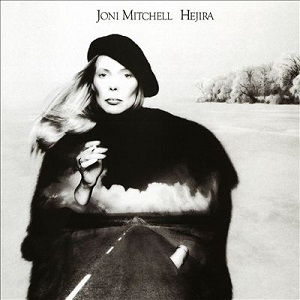
“Black Crow,” Joni Mitchell
Mitchell’s albums “Ladies of the Canyon,” “Blue” and “For the Roses” (1970-1972) set such a high bar in the confessional songwriter genre that it felt startling to some fans when she evolved into something else entirely in the mid-’70s. She had always expressed a yearning to try new styles, and she adored jazz music growing up, so it was exhilarating how deftly she moved into more complex songs, arrangements and instrumentation on LPs like “The Hissing of Summer Lawns” and especially 1976’s masterpiece, “Hejira.” With a virtuoso cast of bassist Jaco Pastorius, guitarist Larry Carlton and drummer John Guerin (among others), Mitchell came up with nine deliciously moody, ethereal songs that followed lyrical themes of traveling and wanderlust. “Black Crow” was the most upbeat of these: “I’ve been traveling so long, how’m I ever gonna know my home when I see it again? /I’m like a black crow flying in a blue blue sky…”
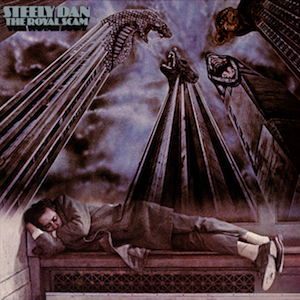
“The Fez,” Steely Dan
After a spectacular 1972 debut album (“Can’t Buy a Thrill”) that spawned two Top Ten hits (“Do It Again” and “Reelin’ in the Years”), Steely Dan’s two maestros Donald Fagen and Walter Becker essentially withdrew from touring and became a studio entity, using upwards of 30 different session musicians and singers to record their quirky, irresistible material. Their fifth LP, 1976’s “The Royal Scam,” is somewhat darker than their previous rock/pop LPs like “Pretzel Logic” and “Katy Lied,” featuring songs populated with devious, outlier characters engaged in illicit and illegal pastimes (“Kid Charlemagne,” “Don’t Take Me Alive,” “Haitian Divorce”). One of the more captivating tracks is “The Fez,” which boasts a funky disco groove along with a mildly Middle Eastern-influenced keyboard line. The main lyric — “No, I’m never gonna do it without the fez on” — is widely interpreted as meaning “I’m not having sex without a condom.”
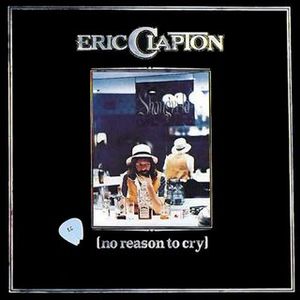
“Hungry,” Eric Clapton
In 1976, Clapton’s career seemed to be in a holding pattern. He’d been through the worst of his heroin addiction but fell into an alcohol dependency that limited his ability to improve and evolve. He’d had his “461 Ocean Boulevard” comeback in 1974 but now needed the support of other musicians he admired to do some of the heavy lifting for him. He camped out at The Band’s home studio in Malibu and got all five members involved, plus Ron Wood from The Stones, and Bob Dylan on one track. Important contributions came from singer-songwriter Marcy Levy, who would later write “Lay Down Sally” for Clapton’s “Slowhand” LP. On the “No Reason to Cry” LP, which managed a #15 charting in the US, Levy sang and co-wrote “Hungry,” one of its best tunes. Two other tracks are also worth noting: the easygoing “Hello Old Friend,” which peaked at #24 on US pop charts, and a cover of the Otis Rush blues classic “Double Trouble,” a regular entry on his concert setlist for the next decade.
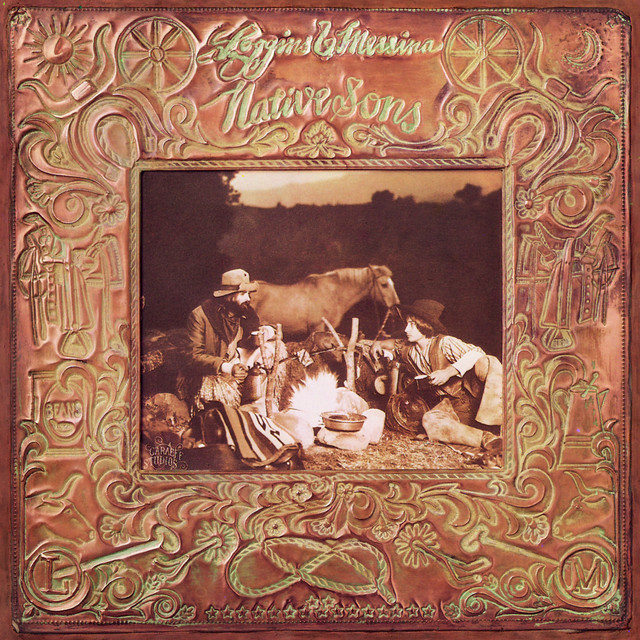
“Wastin’ Our Time,” Loggins and Messina
Loggins was one of a few promising singer-songwriters signed to Columbia Records in the early 1970s. As fate would have it, for his debut LP, he was assigned to producer/musician Jim Messina, whose contributions proved so pivotal that they titled the album “Kenny Loggins with Jim Messina Sittin’ In.” From there, the duo proceeded to have solid chart success, releasing four more studio albums before Loggins finally began his solo career in earnest in 1977. The songs Loggins wrote on the final two L&M albums (1974’s “Mother Lode” and 1976’s “Native Sons”) are among the finest of his career — “Brighter Days,” “Time to Space,” “Get a Hold,” “My Lady, My Love.” The mellow opening and dramatic crests of “Wastin’ Our Time” from “Native Sons” give me chills each time I hear this track.
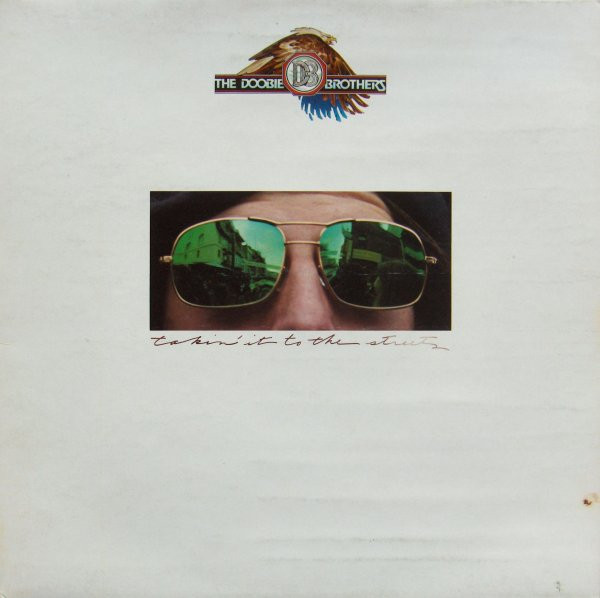
“Losin’ End,” Doobie Brothers
When founder/guitarist/singer/songwriter Tom Johnston was stricken with ulcers and exhaustion in mid-tour 1975, The Doobie Brothers found themselves in a bind. They needed someone to fill in as best they could, and lead guitarist Jeff “Skunk” Baxter suggested a talented guy he’d worked with on a few Steely Dan albums: singer/keyboardist Michael McDonald. He did such a fine job on the remaining gigs that he was invited to take part in the recording sessions for their next album. Naturally, McDonald jumped at the opportunity, and brought four original songs to the mix, which ended up giving The Doobies a shot in the arm and a new direction. The record company was leery about bringing in a new guy, but “Takin’ It to the Streets,” “It Keeps You Running” and “Carry Me Away” all showed off how well McDonald’s husky, smooth vocals and songwriting chops worked. My favorite of his contributions is “Losin’ End,” one of his best melodies and performances.
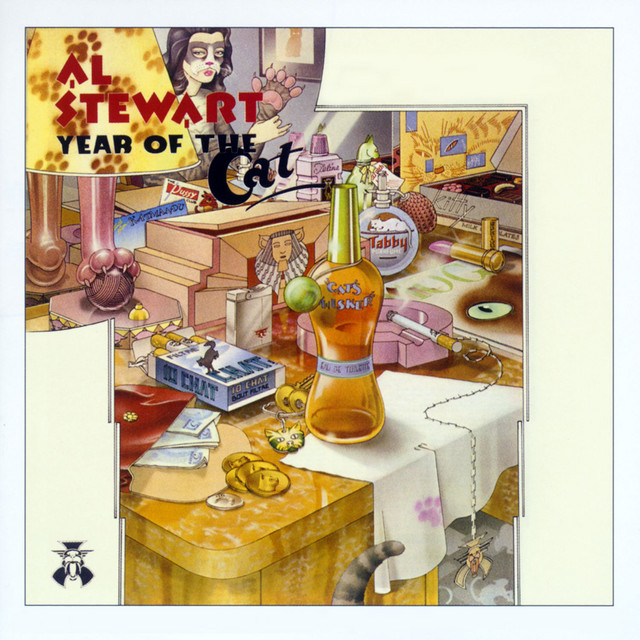
“One Stage Before,” Al Stewart
Stewart writes enigmatic, fascinating story-songs full of historical figures and literary characters. Paired with inventive melodies, imaginative arrangements and lush production values, the tracks are endlessly entertaining and lend themselves to multiple listenings. 1976’s “Year of the Cat,” easily his best and most successful album, overflows with great examples of Stewart’s oeuvre. I’m often drawn to the penultimate track, “One Stage Before,” which deftly uses multiple references to stage plays and the actor’s craft as one of the most respected of the performing arts. Consider the images he conjures up: “They walk the backstage corridors and prowl the dressing rooms, and vanish to specks of light in the picture frames, /But did they move upon the stage a thousand years ago in some play in Paris or Madrid? /And was I there among them then, in some travelling show? /And is it all still locked inside my head for infinity…”
****************************

