If you keep digging, you’ll find dazzling jewels

I was leaning toward the chill side of things this week as I assembled my most recent batch of “lost classics” of deep album tracks from records of the ’60s, ’70s, ’80s and ’90s. Regular readers know I’m a sucker for a pretty melody, tight harmony and gentle instrumental accompaniment, as practiced by many dozens of artists — famous or otherwise — during that period.

I hope you find something in the Spotify playlist you’ve never heard before among this group of songs. Nothing like a great old song that’s new to you!

*************************

***************************

“Rio de Janeiro Blue,” Nicolette Larson, 1980

Larson was tapped first by Emmylou Harris to provide harmonies on her early albums, which led to an introduction to Linda Ronstadt, which led to meeting Neil Young in 1977. “When Neil came to Linda’s Malibu home and ran through some songs he had just written, Linda and I sang some harmonies,” Larson recalled. “Neil was jazzed about what he heard and asked me to sing on his ‘Comes a Time’ LP.” That album included “Lotta Love,” and Larson then covered the song herself on her 1979 debut “Nicolette” and it ended up a Top 10 single for her. The 1980 follow-up album, “In the Nick of Time,” didn’t fare as well, although her duet with Michael McDonald, “Let Me Go, Love,” reached #35. Check out another tune from that LP, “Rio de Janeiro Blue” — great vibe.
“Haven’t We Met,” Kenny Rankin, 1974/1991

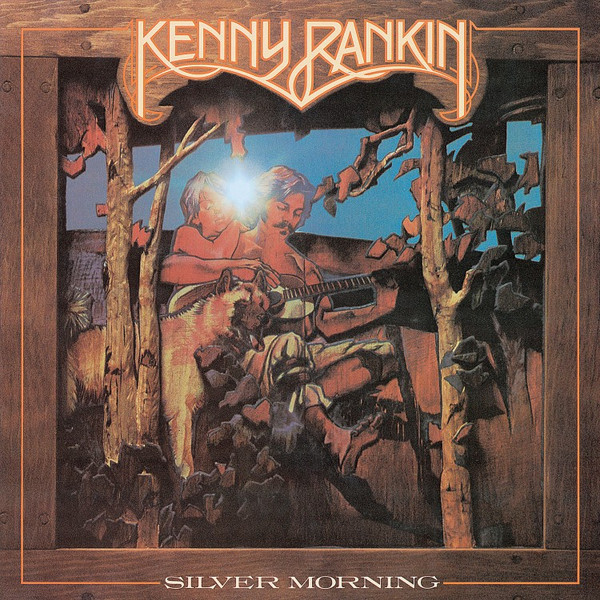
“Above all, I’m a jazz singer who likes to mess with the melody,” Rankin said in 1997. “I sing the songs that touch me in the heart.” He was indeed a fine interpreter of songs by others like Bob Dylan, The Eagles, Leon Russell and Cole Porter, but he also wrote some fine stuff of his own that was recorded by Peggy Lee and Mel Tormé, and Helen Reddy, whose version of “Peaceful” reached the Top 20 in 1973. One of my favorite Rankin tunes is “Haven’t We Met,” a snappy number from his marvelous “Silver Morning” LP in 1974, which is sadly out of print, but he re-recorded it in 1991 for his “Because of You” album, which is the version you can hear here. Rankin was a big favorite of Johnny Carson, appearing on “The Tonight Show” 25 times in the ’70s.

“Magdalena,” Leo Sayer, 1976

Sayer got his start in 1973 writing songs with producer/manager David Courtney, including “Giving It All Away,” Roger Daltrey’s debut single that year. By 1976, Sayer emerged as a pop star in his own right, charting two #1 hits, neither of which I much liked — the disco smash “You Make Me Feel Like Dancing” and the syrupy ballad “When I Need You.” But the LP they came from, “Endless Flight,” has a few deep tracks that perked up my ears, including a cover of The Supremes’ “Reflections” and the contagious “I Hear the Laughter.” Most noteworthy is “Magdalena,” a pretty tune by singer-songwriter Danny O’Keefe, best known for the #9 hit “Good Time Charlie’s Got the Blues” from 1972.
“Outlaw Music,” Atlanta Rhythm Section, 1981

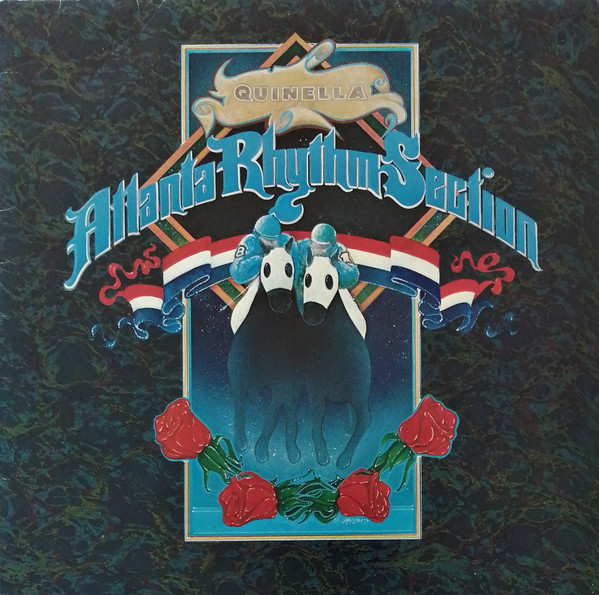
Formed in 1971, ARS struggled along for five or six albums, having some success regionally once lead singer Ronnie Hammond joined the fold. Producer Buddy Buie worked with guitarist J.R. Cobb and keyboardist Dean Daughtry to write six Top 30 singles in the 1977-1981 period, particularly “So Into You,” “Imaginary Lover,” “Champagne Jam” and “Not Gonna Let It Bother Me Tonight.” Their final chart appearance was “Alien” in 1981, culled from their tenth album, “Quinella,” but the song from that LP that stands out is “Outlaw Music,” on which Hammond’s vocals are particularly appealing.
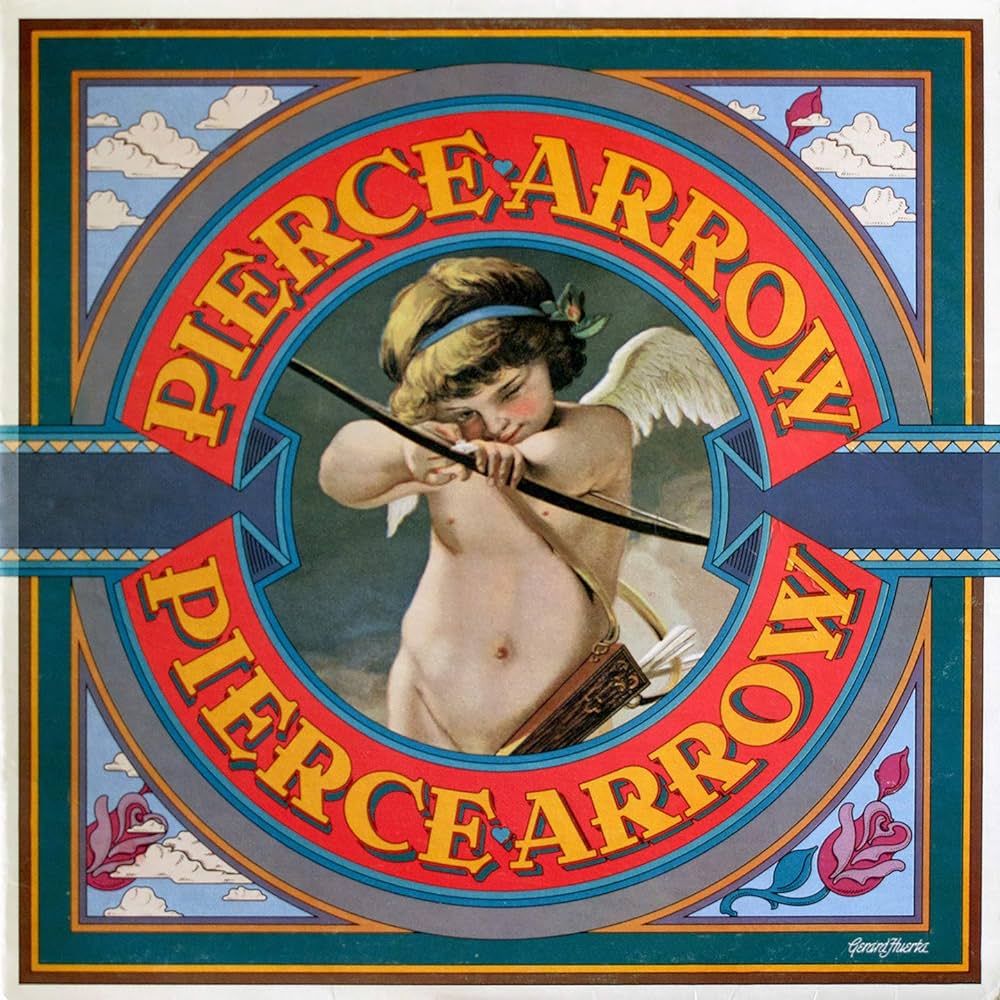
“Ain’t the Sky Just Like a River,” Pierce-Arrow, 1977

A half-dozen top session musicians from New York and Los Angeles pooled their considerable talents to form Pierce Arrow, a pop/rock group that made two damn good albums in 1977-1978. Led by Robin Batteau on guitar, mandolin, violin and vocals, the band toured relentlessly behind The Eagles and similar artists but never seemed to catch on as anticipated. Their self-titled debut LP included the singles “Hot Summer Night” and “You Got to Believe,” but their best track, in my view, is Batteau’s “Ain’t the Sky Just Like a River,” augmented by Jeff Kent’s piano and harmony vocals.
“God Made an Angel,” Timbuk 3, 1991

Timbuk 3 was a Wisconsin-based group described as “a distinctly American band both in its spare, rootsy rock sound and its thematic obsession with the American dream gone awry.” Led by husband-wife team Pat and Barbara MacDonald, they cracked the Top 20 in 1986 with the quirky tune “The Future’s So Bright, I Gotta Wear Shades.” Timbuk 3 made an appearance in the 1988 film “D.O.A.” as a house band in a club. Three years later, their LP “Big Shot in the Dark” made an impression on me, particularly the easygoing “God Made an Angel.”
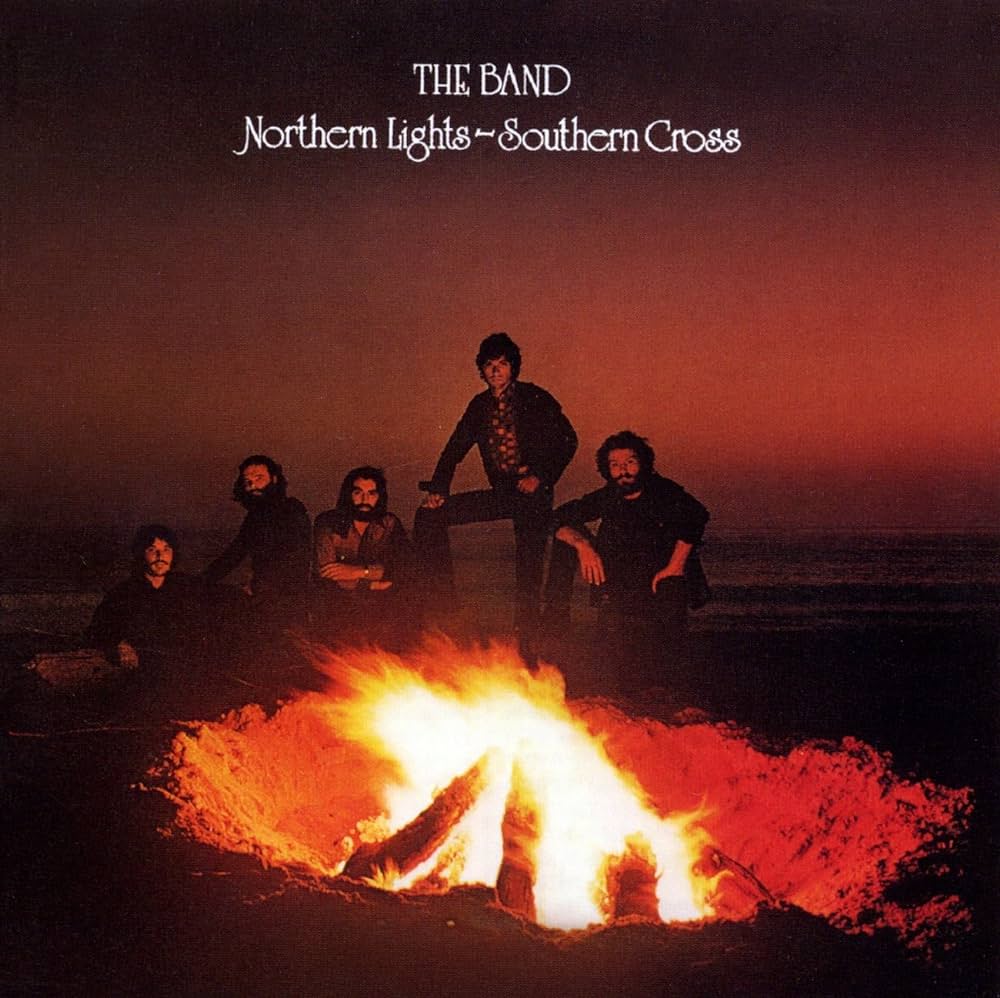
“Acadian Driftwood,” The Band, 1975

Guitarist/songwriter Robbie Robertson was fond of using historical events as the basis for the songs he wrote, and “Acadian Driftwood,” the highlight of The Band’s 1975 LP “Northern Lights – Southern Cross” album, is a great example of that. Acadia was an area of Eastern Canada populated by a French ethnic group that were ultimately uprooted from their land by British forces in the 1700s in a war that presaged the Revolutionary War in the U.S. One critic described the track as “a slightly more complex and ambitious down-north analog to their Civil War ode, ‘The Night They Drove Old Dixie Down.'” Drummer Levon Helm, typically The Band’s chief singer, sat on the sidelines as Rick Danko handled lead vocals on this track.
“Silver Thunderbird,” Marc Cohn, 1991

Cohn grew up in my neck of the woods in Cleveland’s suburbs, emerging in 1991 with an excellent debut LP (“Marc Cohn”) that spawned the marvelous single “Walking in Memphis,” which reached #13 on US pop charts (#3 in Canada). It earned him a Best New Artist Grammy in 1992. Many other engaging tracks can be found on this album — “Saving the Best For Last,” “Perfect Love,” “True Companion,” “Miles Away” — but I’m partial to “Silver Thunderbird,” partly because of its references to two Shaker Heights streets I used to drive down frequently: “Watched it coming up Winslow, down South Park Boulevard, /Yeah, it was looking good from tail to hood, great big fins and painted steel, /Man, it looked just like the Batmobile, with my old man behind the wheel…”
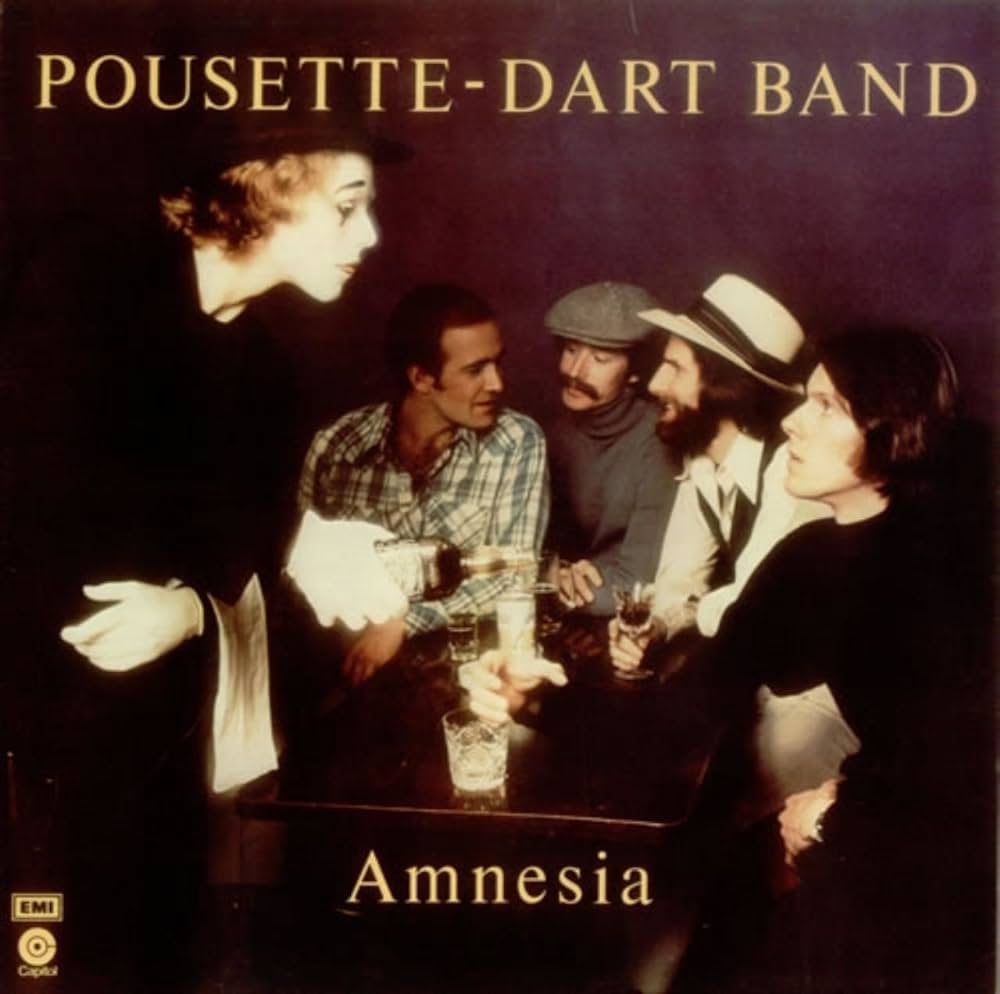
“Winterness,” Pousette-Dart Band, 1977

Conceived in Cambridge, Massachusetts as a string band in 1973, The Pousette-Dart Band evolved their sound into a quasi-soft rock vibe that turned heads throughout the late ’70s and early ’80s. Guitarist/singer Jon Pousette-Dart wrote some catchy, harmonious stuff that graced four albums during that period, most notably “Amnesia,” an album I played often, which featured fine songs like “County Line,” “May You Dance,” “Fall on Me” and the gentle ballad “Winterness.” I saw them perform a fine set once as the warm-up act for Rickie Lee Jones in 1982.

“Much More Than This,” Chris De Burgh, 1984

De Burgh was a well-traveled scholar who settled in England in his 20s and began his musical career in the mid-1970s writing and performing art rock reminiscent of early Genesis. By 1980, he chose a more commercial pop approach that brought him wider recognition, first in 1982 with the single “Don’t Pay the Ferryman” and leading up to the international #3 hit “The Lady in Red” in 1986. In between those two achievements, De Burgh released “Man on the Line,” his most consistent LP, which included the melodic “Much More Than This,” about a couple that contemplates whether their bond is firm enough to withstand trysts with other partners: “Can you still arouse the passions of another man? And if you carry it through, what would I do? /It would take much more than this to break a love so long in the making, /It would take much more than talk or dreams to shake so strong a foundation…”
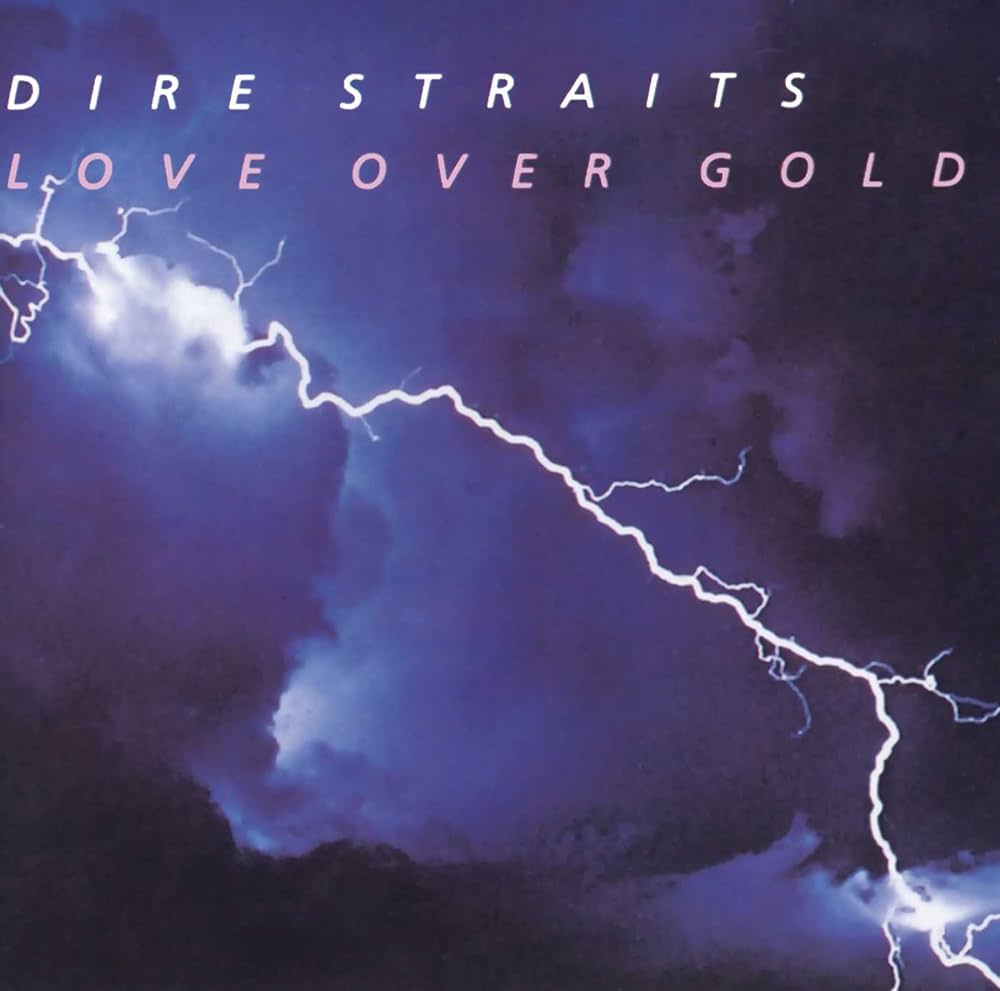
“Love Over Gold,” Dire Straits, 1982

Mark Knopfler, the superb guitarist and chief songwriter of Dire Straits, made a big impression early on with “Sultans of Swing” from their 1978 debut, then reached stratospheric heights in 1985 with the “Brothers in Arms” LP and single “Money For Nothing.” In between those two milestones, the band released several less commercial albums, one of which was 1982’s extraordinary “Love Over Gold.” The 14-minute tour-de-force “Telegraph Road” is its clear highlight, but don’t overlook the stunning title song, which was reviewed as “a whispery ballad that plays the jazzy tingle of vibes against an almost classical piano air and the violinlike pluck of a synthesizer to heighten its images of a casual, even cavalier, sex life.”
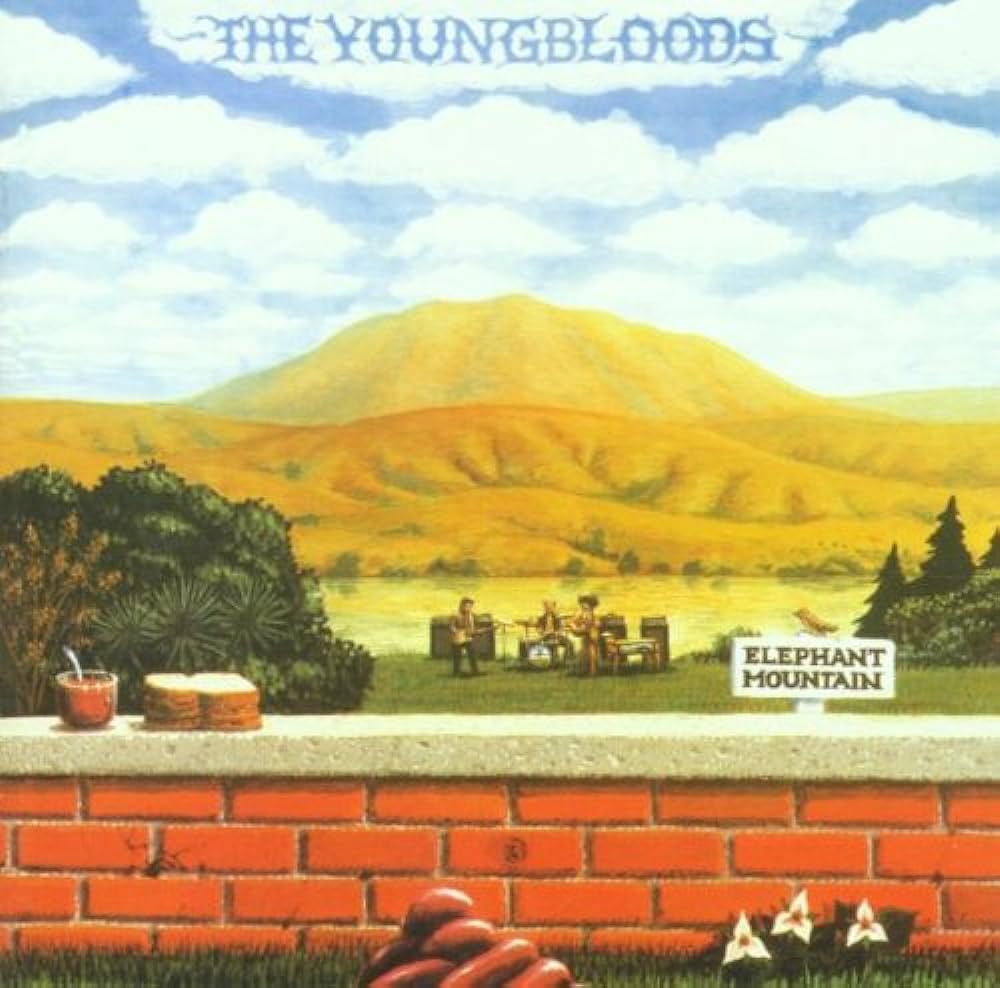
“Sunlight,” The Youngbloods, 1969

Folk-singing guitarists Jesse Colin Young and Jerry Corbett met in Greenwich Village in 1965 and formed The Youngbloods, merging their folk roots with a jazz-rock sensibility. They released three LPs, the first of which included a Chet Powers tune called “Get Together” that became iconic in 1969 when used in public service ads and ended up a Top Five hit that summer. Their 1969 album, “Elephant Mountain,” includes two indelible songs — “Darkness, Darkness” and “Sunlight” — that Young would later re-record and feature prominently in concert during his solo career. I saw Young perform multiple times in the ’70s, and the mellow feeling evoked by “Sunlight” was always a highlight.

******************************
I write the songs that make the whole world sing

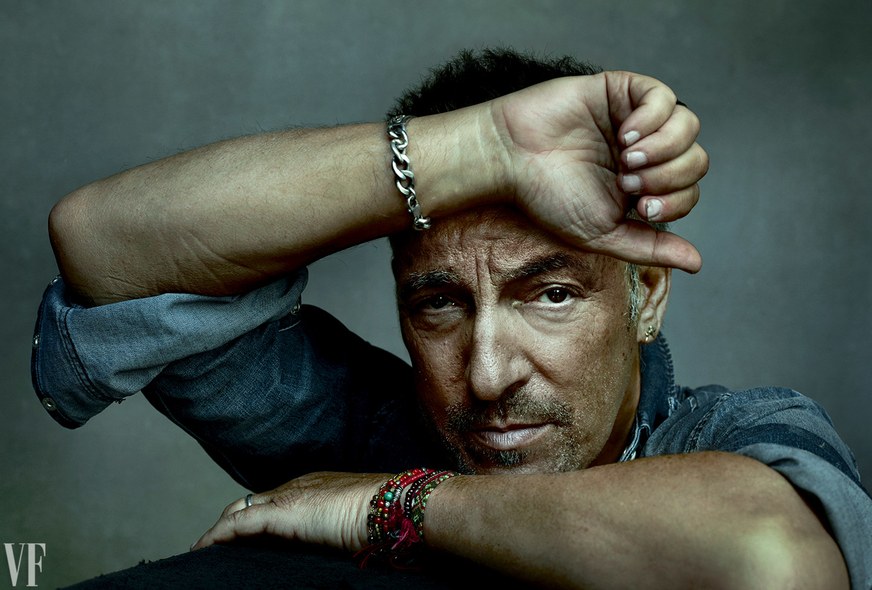
“I would write five songs to get one song.  I’d have a big junkyard of stuff written as the year went by.  If something wasn’t complete, I just pulled out the parts I liked, like taking the parts you need from several cars, and you put them in the other car so that car runs.” — Bruce Springsteen, on the songwriting process

bruce-springsteen-october-2016-ss01

*****************

To the layman, the art of writing a song seems magical, almost otherworldly.

Many people find it hard enough just to write a coherent sentence or a paragraph, let alone an essay, a speech or, God forbid, a book.  The idea of conjuring up song lyrics and then putting them to music is… well, a Herculean task, and pretty much impossible.

So how do the songwriters do it?  How do they do it even once, never mind dozens of times?  How do icons like Bob Dylan or Paul McCartney write memorable song after memorable song just about every year from their teens into their 80s? Clearly, it’s a very rare, God-given talent.  And it is baffling.  Even the songwriters themselves are hard-pressed to explain exactly how it works or where their songs come from.

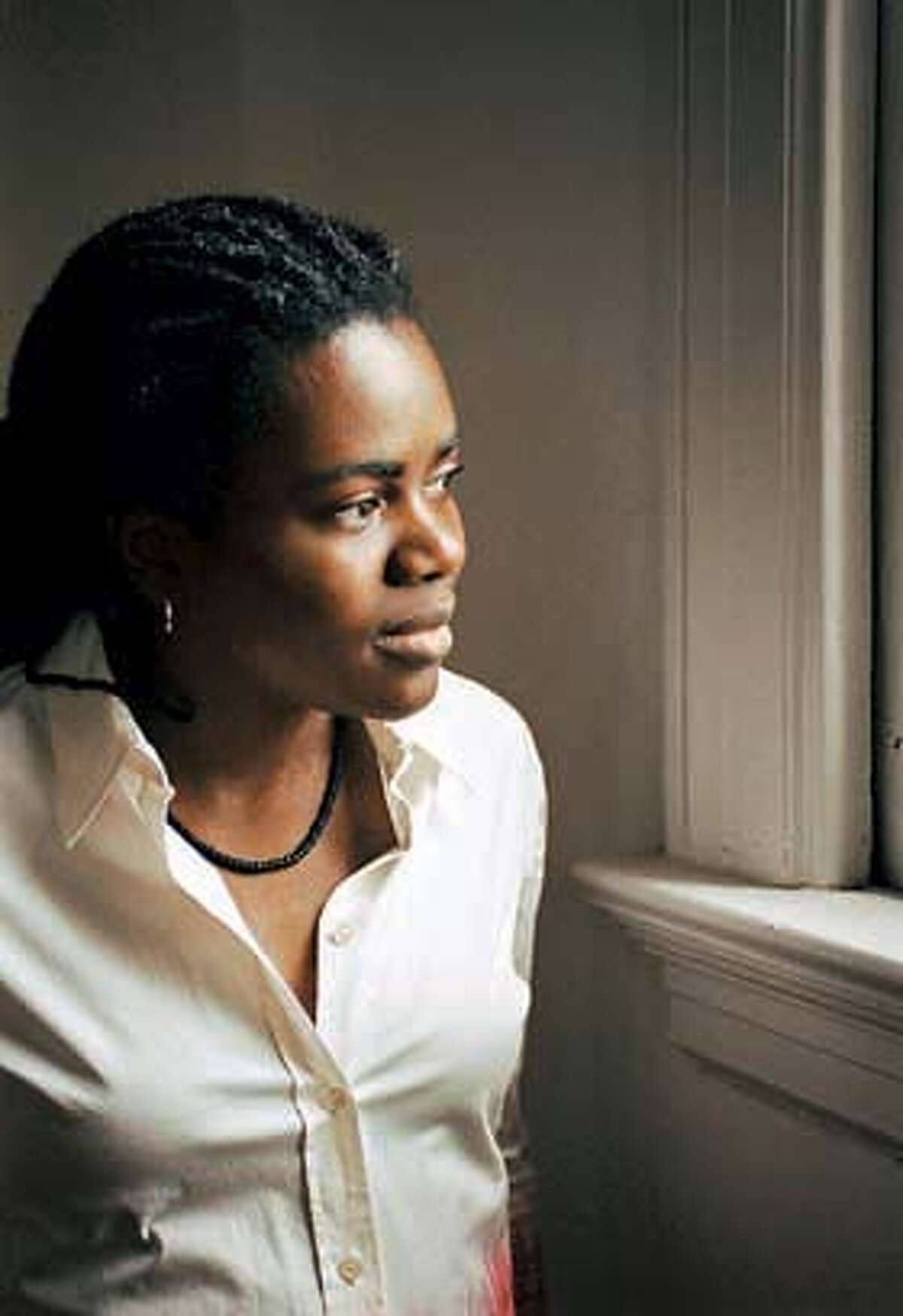
“Songwriting is a very mysterious process.  It feels like creating something from nothing. It’s something I don’t feel like I really control.”  — Tracy Chapman

“If I knew where the good songs came from, I’d go there more often.  It’s a mysterious condition.”  — Leonard Cohen

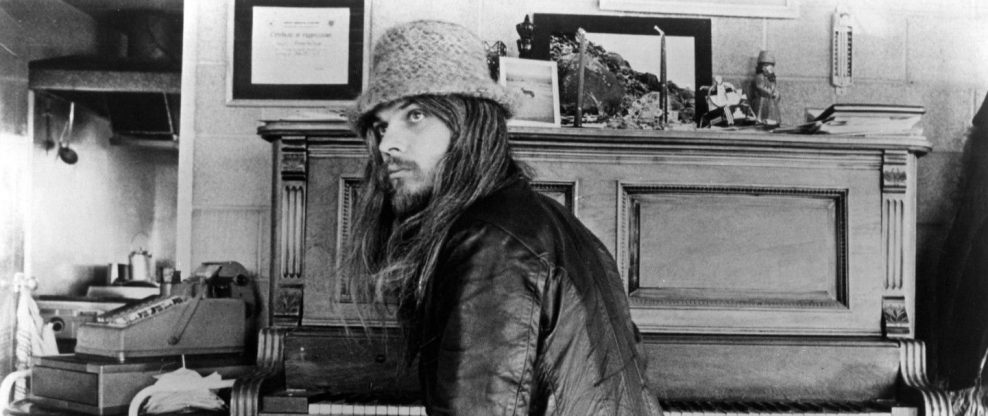
Those fortunate few who have the ability to craft a song concede that they often struggle to produce something they’re satisfied with.  The late Leon Russell, an exceptional pianist, arranger and recording artist, admitted that songwriting never came naturally to him.  “Songwriting was very tough for me.  I would go in and sit, and hope for inspiration to come, but it was rarely forthcoming.”

Most classical music composers studied the intricacies of music for many years before attempting to write an aria, sonata or symphony.  By contrast, many pop songwriters confess that they had little or no musical education.  Paul McCartney, the most successful songwriter of the past half-century, says he can’t read nor notate music.  It just comes to him by playing around with notes and chords as he plays guitar or piano.

“If I was to write a song right now,” McCartney said, “I’d use my usual method:  I’d either sit down with a guitar or at the piano and just look for melodies, chord shapes, musical phrases, some words, a thought just to get started with. And then I’d just sit with it to work it out, like I’m writing an essay or doing a crossword puzzle. That’s the system I’ve always used.”

Brian Wilson says the songs he wrote in The Beach Boys catalog were often begun on bass guitar.  “Knowing how to play bass affects how you write.  If you start with the bass line, you can be sure of having a firm structure.  Then you write the melody and the changes, and it flows from there.”

Neil Diamond may have put his finger on it when he explained what he saw as a major deficiency in his songwriting toolbox.  “I don’t deny now that it would have been nice to have had more background in music theory.  But because I never had any of that, songwriting is easily the hardest part of what I do.”

Paul Simon admits that it takes him a long time to write songs.  “For me, the music — or more accurately, the rhythm — usually comes first, and then a melody will suggest itself.  This may take weeks, even months.  Then I struggle a long time to settle on the lyric.  It’s very helpful to start with something that’s true.  If you start with something that’s false, you’re always covering your tracks.”

Some artists have had considerable success by regarding songwriting as a process.  Here’s Don Henley‘s take on it:  “My process hasn’t changed much at all.  I still use legal pads.  I do a lot of writing in my head when I’m engaged in other activities, like driving, or loading the dishwasher.  I find that when I’m doing menial tasks, my mind lets go of all the clutter, and then the creative stuff can bubble up from the subconscious.”

The late great David Bowie, whose lengthy career underwent numerous stylistic changes, said he found it helpful to have rules and a structural process, but he never minded breaking those rules now and then.  “I think process is quite important. To allow the accidental to take place is often very good.  So I trick myself into things like that.  Maybe I’ll write out five or six chords, then discipline myself to write something only with those five or six chords involved.  Of course, I’ll cheat as well.  If I’ve got the basis of something really quite good coming out of those five or six chords, then I’ll allow myself to restructure it a bit, if I think, well, that could be so much better if instead it went to F-sharp, or something like that.”

Artists of all types talk about having a muse — an intangible inspiration, stimulus or creative influence.  In Greek mythology, the Muses were the nine goddesses (daughters of Zeus) who presided over the arts and sciences, and the Muses could be very unpredictable.

Songwriters point out that their muse ebbs and flows, and can sometimes seem to disappear for long stretches (the so-called “writer’s block”).  Carly Simon offers this recollection:  “My songwriting artistry has gone through many phases, including one time where it has been very quiet and abandoned me completely for a few years.  That was really frightening.  I didn’t know if I’d ever get it back.”

Songwriting is a curious art form that, like most art forms, cannot be rushed.  It is for this reason that artists and their corporate benefactors are often at odds about how much time is necessary to produce quality work.  As rocker Nick Cave puts it:  “My relationship with my muse is a delicate one at the best of times, and I feel it is my duty to protect her from influences that may offend her fragile nature.  My muse is not a horse, and I am not in a horse race.”

Springsteen, a notoriously prolific songwriter for most of his 50-year career, concedes even he has had times when he couldn’t come up with anything:  “I wish I could write every day, but I’ve sometimes gone for long periods of time without writing because I didn’t have any good ideas, or whatever is in there is just sort of gestating.  Sometimes, I’ve had to force myself to write.  I think what happens is you move in and out of different veins.  You’re mining, and you hit a vein, and then you go with that, and then it dries up.”

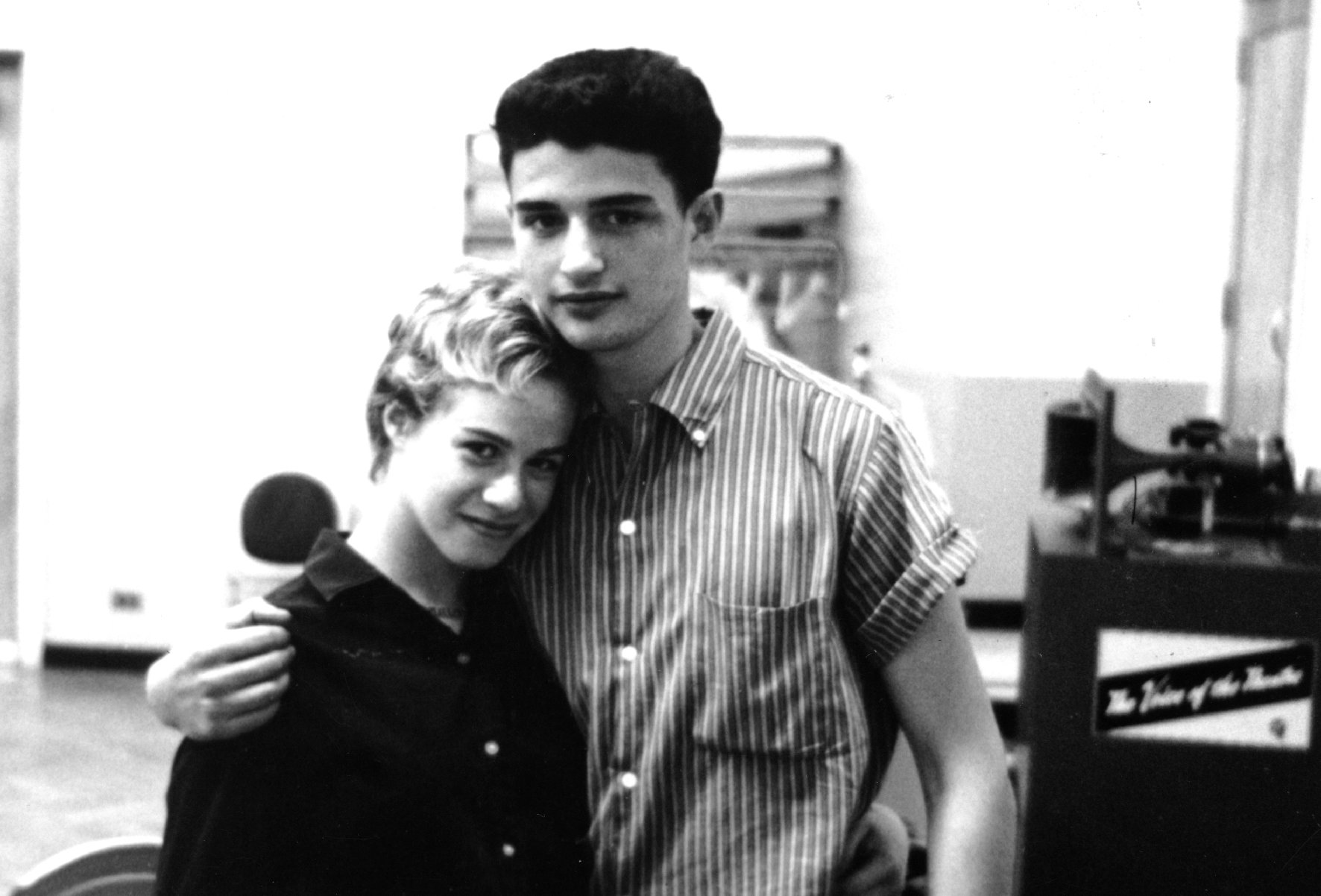
Patience and perseverance are crucial for songwriters, they say.  Many failures come before they hit on a song they really like.  Gerry Goffin, the lyricist and ex-husband of songwriter Carole King, was part of the famous Brill Building stable of songwriting teams who reported for work each day and were expected to crank out hit songs like some sort of factory assembly line.  Goffin was pragmatic about that kind of creative environment:  “You’ve got to realize it’s a hit or miss process.  But my advice would be, Don’t be afraid to write a bad song, because the next one may be great.”

My daughter Emily Hackett is a Nashville-based singer-songwriter who writes on her own or in collaboration with others.  Either way, she says, it’s a process of exploration.  “There’s a lot of discovery in songwriting.  If you’re doing it right, you’re constantly discovering new avenues.  You could take a certain road for five or ten minutes and not get anywhere, but that’s okay.  Try a different road.  Eventually you’ll land on the right path, and the song will unfold.”

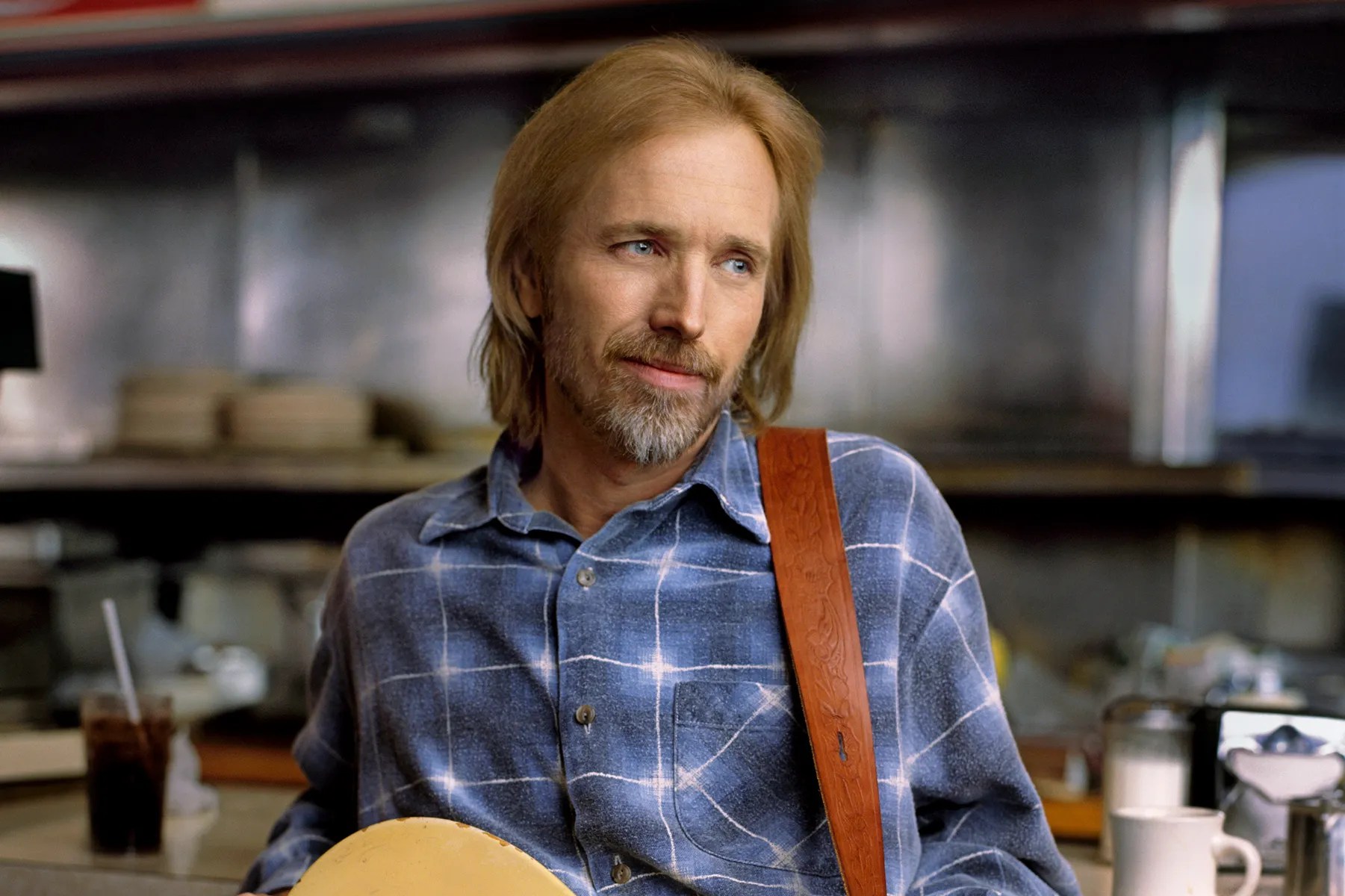
The late Tom Petty drew an analogy between writing a song and catching a fish:  “Songwriting is pretty lonely work.  I think a lot of people don’t have the patience for it.  You’re not necessarily going to get one every time you try.  In fact, most times you try, you’re not going to get one.  It’s like fishing.  You’re fishing, and you either caught a fish, or you didn’t.  If you did, there’s one in the boat; if you didn’t, there’s not.  But you’ve got to go back and keep your pole in the water.  That’s the only way you’re going to get a bite.”

We music lovers should be grateful that songwriters are often almost addicted to their art.  They enjoy writing songs, certainly, but sometimes it becomes an obsession that haunts them, and doesn’t let go until the piece is finished.  John Lennon had this to say about that:  “It’s like being possessed.  It won’t let you sleep, so you have to get up, make it into something, and then you’re allowed to sleep.  That’s always in the middle of the bloody night, when you’re half awake and your critical facilities are switched off.”

Country songwriter Dolly Parton has said she looks forward to those times when she isn’t touring or leading a busy life so she has the opportunity to focus on writing new songs.  “I always long for that block of time and space when I can go on a writing binge, because I’m really addicted to songwriting.”

Some songwriters are amazed when they come up with a great song and wonder why no one had beaten them to the punch.  Says Keith Richards:  “With most of the songs I’ve written, I’ve felt there’s this gap waiting to be filled, and I think, man, this song should have been written hundreds of years ago.  How did nobody else pick up on that little space before?”

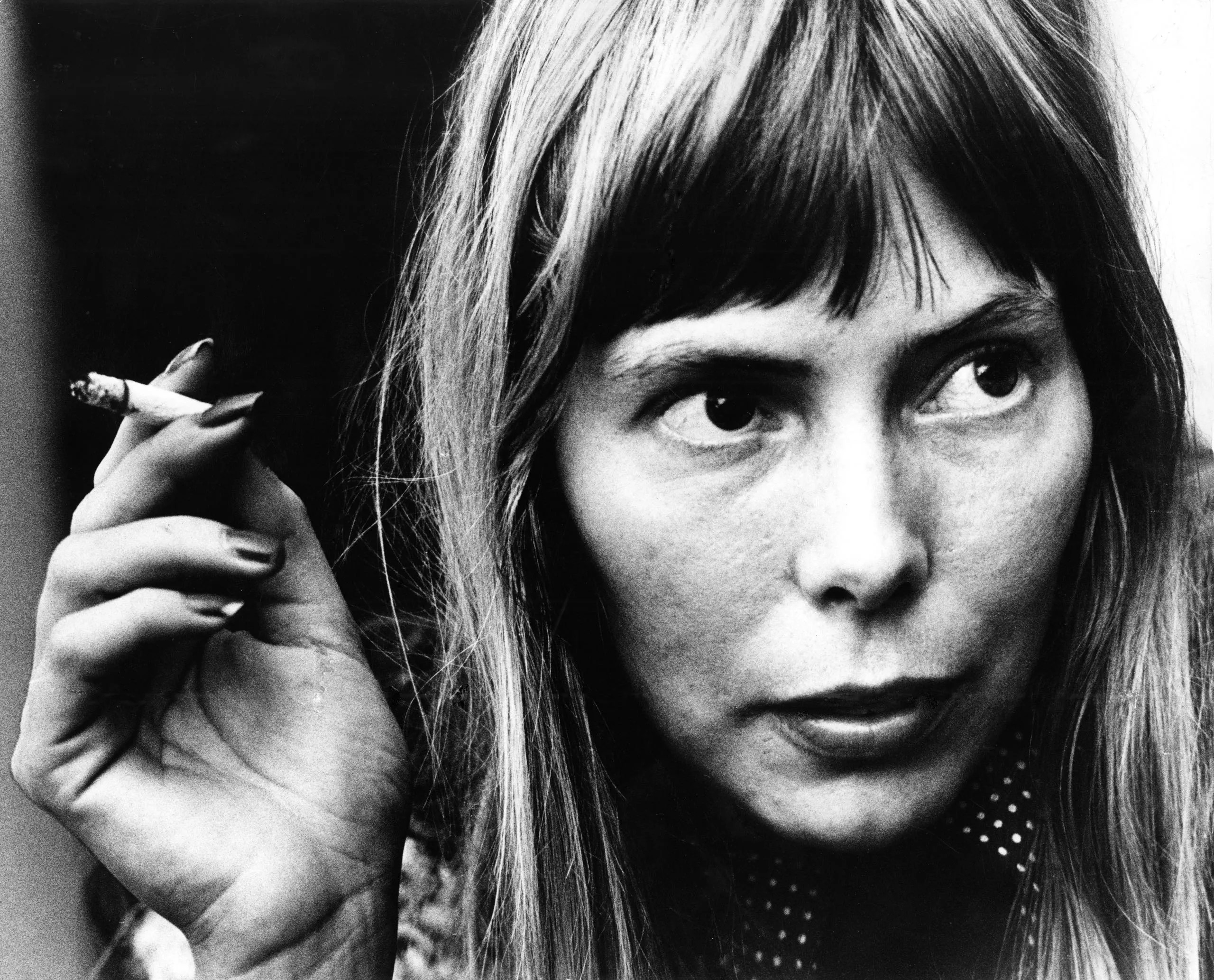
Other tunesmiths are such perfectionists that, once they’ve recorded and released a song, they find themselves forever unhappy with the result.  Here’s Joni Mitchell talking:  “When I listen back to my early music, it’s always, ‘Why didn’t I put a guitar fill there?  Why did I sing the line like that?  And why am I whining?'”

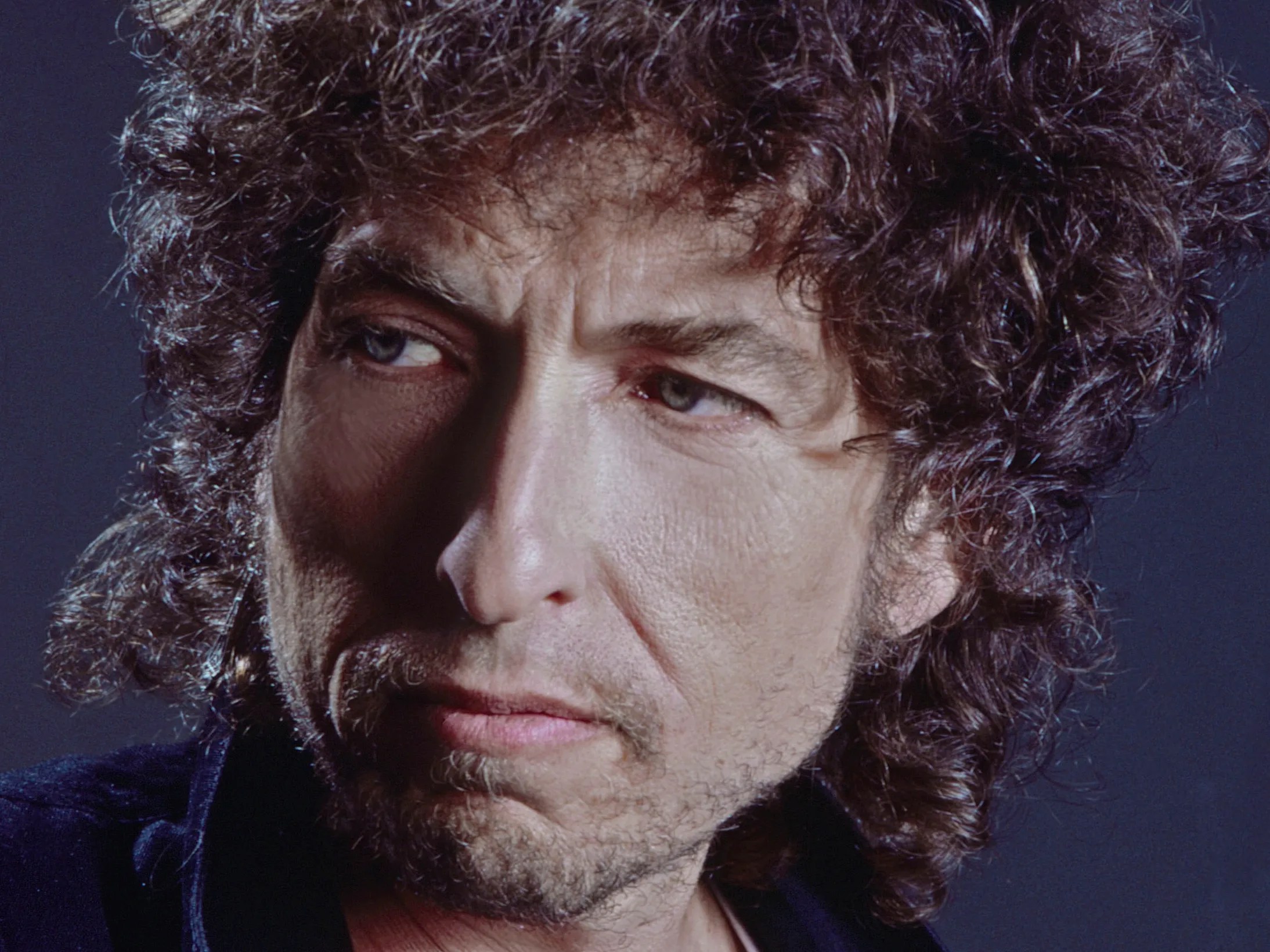
Although he hates to be labeled as a “poet laureate,” Bob Dylan acknowledges that that’s how people see him. And yet, although his lyrics are sharply original, he insists his music is derivative. “You have to understand that I’m not a melodist. My songs are either based on old Protestant hymns, or Carter Family songs, or variations of the blues form. What happens is, I’ll take a song and simply start playing it in my head. That’s the way I meditate. I wrote ‘Blowin’ in the Wind’ in 10 minutes, just putting words to an old spiritual.” 

Some pop songwriters have found themselves facing lawsuits because their song sounds like another song that’s already been written.  In 1976, a court found George Harrison had “subconsciously plagiarized” The Chiffons’ song “He’s So Fine” when he wrote “My Sweet Lord,” and awarded millions in royalties, which later spurred Harrison to write “This Song,” with these lyrics:  “This song has nothing tricky about it, this song ain’t black or white, and as far as I know don’t infringe on anyone’s copyright, so this song we’ll let be…”

Lennon once said:  “You know, there are only so many notes.”  Springsteen maintains, “Everyone steals from everyone else.”  Folk singer Pete Seeger famously wrote, “So sing, change, add to, subtract.  But beware multiplying.  If you record and start making hundreds of copies, watch out.  Write a letter first.  Get permission.”