All the years will come and go and take us up, always up
“See the curtains hangin’ in the window
In the evening on a Friday night,
A little light a-shinin’ through the window
Lets me know everything’s all right…
See the smile awaitin’ in the kitchen,
Food cookin’ and the plates for two,
Feel the arms that reach out to hold me
In the evening when the day is through,
Summer breeze makes me feel fine,
Blowin’ through the jasmine in my mind…”
“That song has always given me this warm feeling — a feeling of security and belonging.” — Dash Crofts, 1989
Me too, and a couple million other music lovers as well. “Summer Breeze,” which reached #6 on US pop charts in the autumn of 1972, is perhaps the quintessential song about domestic bliss and enduring love. A gentle melody, bracing harmonies, inventive instrumentation (yep, that’s a toy piano you hear!) and reassuring lyrics combine to make this track by Seals & Crofts one of the most popular of the singer-songwriter era.
Darrell “Dash” Crofts, one half of the talented singer-songwriter duo responsible for eight albums of sublime melodies and harmonies in the 1970s, passed away last week at age 85. His partner Jimmy Seals died in 2022 at age 80.
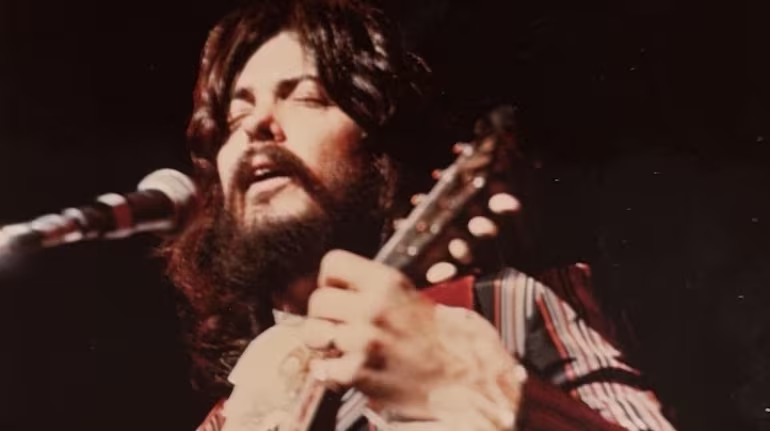
Although the two men had been making music together since high school days in Texas in the late ’50s, and had released three albums as Seals & Crofts between 1969 and 1971, it wasn’t until the 1972 release of their “Summer Breeze” LP that they endeared themselves to audiences nationwide.
At that time, I was heavily into the lovely, earnest music of James Taylor, Cat Stevens and other introspective songwriters, and the work of Seals & Crofts dovetailed nicely. Typically, their songs featured Seals on melody and Crofts on harmony above him as they played rather intricate guitar and mandolin parts, respectively. The lyrics usually had a strong spiritual element, with philosophical observations about life and love (both romantic and universal).
As Seals put it in a 1972 interview, “I think our music is a combination of the Eastern part of the world and the Western. We’ve had people from Greece, Israel, England, France, China, everywhere, listen to our music and say, ‘Oh, it’s music from the old country.’ It really seemed puzzling to us at first because we didn’t realize it ourselves until we started comparing our work with, for example, Persian music, which, when you listen to it, is really very close to ours. We had no knowledge of this at all beforehand. So it’s just something that happened.”
Actually, it’s reasonably simple to see why Eastern culture found its way into their music once you realize that in their early 20s, both Seals and Crofts became strong devotees of a Middle Eastern faith known as Baha’i, which preaches peace and equality among all people and all religions. The gentle nature of those who followed Baha’i teachings would have a profound effect on the music the duo wrote, recorded and performed throughout their careers.
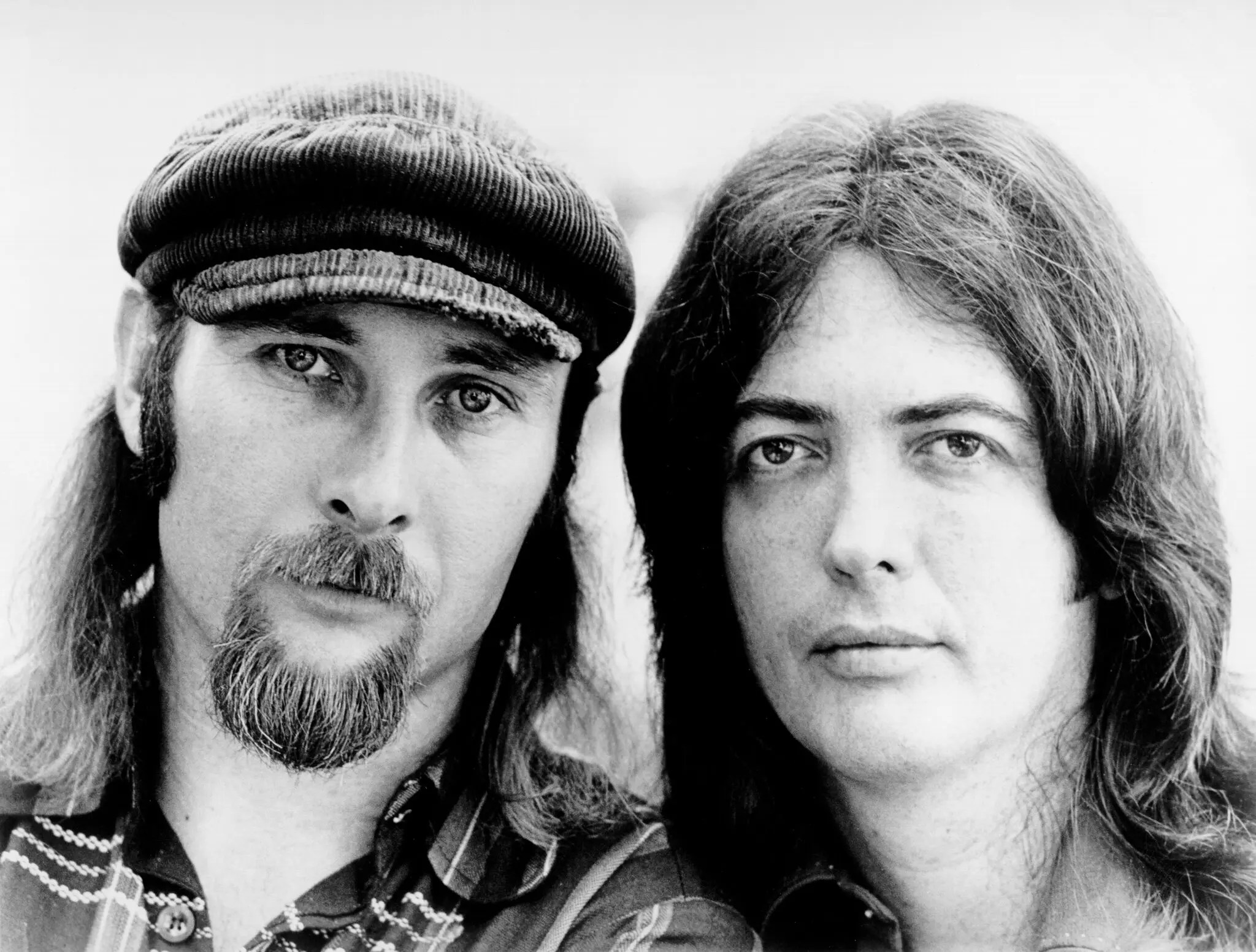
When they first pooled their efforts in the late ’50s, Crofts and Seals had become new members in the lineup of the LA-based rock group known as The Champs, not long after they’d reached #1 with their huge pop hit, the Latin-esque instrumental “Tequila.” Crofts was initially a drummer, while Seals played sax, and they stuck around for six years. In 1965, they played behind Glen Campbell for a spell before he signed with a major label and became an international solo star.
The pair then joined a group called the Dawnbreakers, so named because its founding members were Baha’i followers, and “The Dawn-Breakers” is the title of the written account of the origins of the Persian-based faith in the 1880s. It didn’t take long for Crofts to become a convert by 1967, with Seals following a few months later. They subsequently sought to pursue music of a more relaxing nature. “We were tired of loud music,” Crofts said years later. “We were tired of rock and roll. Jimmy went from sax to acoustic guitar, and I went from drums to mandolin because I wanted to have an instrument that meshed nicely with guitar. The two worked really well together and allowed us to finish writing a lot of the songs that we were already working on.”
Crofts once talked about their sound becoming gentler at that time. “I think our brand of music is hard to classify,” he said. “Some people have called it religious music. It’s not actually religious music, though it is inspired by our religion. But no particular musical group influenced us, and I think that’s one of the reasons that what is coming out is really us.” Crofts said that he and Seals would “come home after some kind of a hard rock gig, and we’d go in the back room and play this kind of music all night. We’d been in the hard rock scene for a long time, and we never mind hearing it and being around it. But playing it gets to be pretty tough physically after a while. It’s such a nice relief to just sit and play pretty stuff for a change.”
Of the spiritual influence, Crofts said, “In living according to Baha’i teachings, we changed many of our concepts, our awarenesses of our lives, and therefore, our music changed, too. It’s actually another awareness — a matter of evolution, so to speak. You start out writing songs like ‘the leaves are green and the sky is blue and I love you and you love me’ – very simple lyrics – but you grow into a much, much broader awareness of life, of love, and of unity. It’s really great to be able to say something real in our music.”
They drew from several traditions: bluegrass, country, folk, classical and jazz (and, only occasionally, rock). In researching the Seals & Crofts catalog, I was happy to discover there were plenty of quality tunes hidden on their largely ignored first three LPs — “Seals & Crofts” (1969), “Down Home” (1970) and “Year of Sundays” (1971). I invite you to listen closely to the first eight songs on the Spotify playlist below for what will almost certainly be previously unfamiliar Seals & Crofts music for you. The guitar-mandolin interplay is especially pleasing on “Springfield Mill,” “Leave” and “Not Be Found,” and Crofts handling lead vocals on “Ashes in the Snow.”
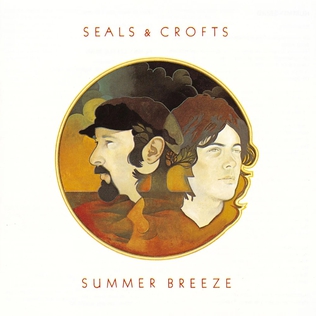
“Summer Breeze” took the duo to new heights, even inspiring a soul-rock cover version by The Isley Brothers in 1974 that made waves on R&B charts. More sunny, positive songs followed: “Hummingbird” from that same album reached #20, with deeper tracks like “Say,” “The Euphrates” and “Advance Guards” adding nuance and depth. You could make a case that their next LP, 1973’s “Diamond Girl,” is an even better, more consistent batch of songs, with both “Diamond Girl” and “We May Never Pass This Way Again” making the Top 20 on US pop charts, and “It’s Gonna Come Down on You,” the bluegrass workout “Dust On My Saddle” and jazzy “Wisdom” fleshing out the diversity of the proceedings.
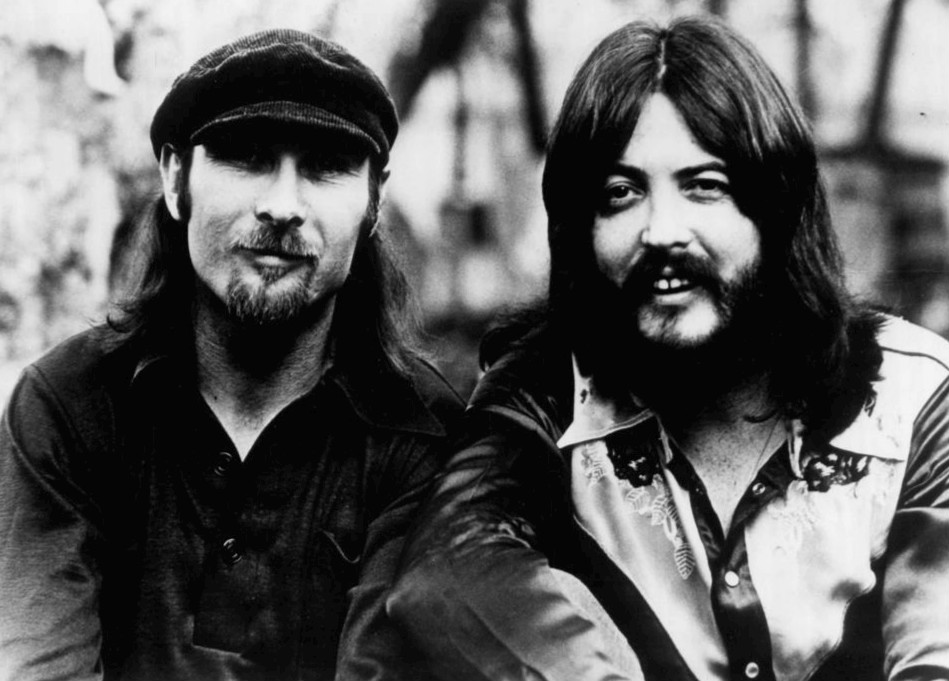
It was around then that I saw Seals & Crofts in concert at a college gymnasium, which wasn’t the best setting in terms of acoustics, but they gamely pulled off a successful evening. As the show ended, they invited those in the crowd who were interested to stick around afterwards to hear them discuss their devotion to Baha’i, which I did, at least for a little while.
Then Seals and Crofts let their fiercely held beliefs get the better of them. They took a calculated risk in 1974 when they released “Unborn Child,” their next single, which took a strong anti-abortion stance in the wake of the Roe vs. Wade Supreme Court decision a few months earlier. “Warner Brothers warned us against it,” said Crofts. “They said, ‘This is a highly controversial subject, and we advise that you don’t do this.’ But we said, ‘You’re in the business to make money; we’re doing it to save lives. We don’t care about the money.'” The duo insisted the song’s message was simply ‘don’t take life too lightly,’ and to reconsider abortion as an option. But the lyrics were too heavy-handed and preachy (“Mama, stop! Turn around! Go back! Think it over!”) and the song was too melodramatic for my tastes, and critics savaged them. The song stalled at #66. (The album “Unborn Child” fared better, peaking at #14, with such pretty tunes as “Desert People,” “The Story of Her Love” and “29 Years From Texas.”)
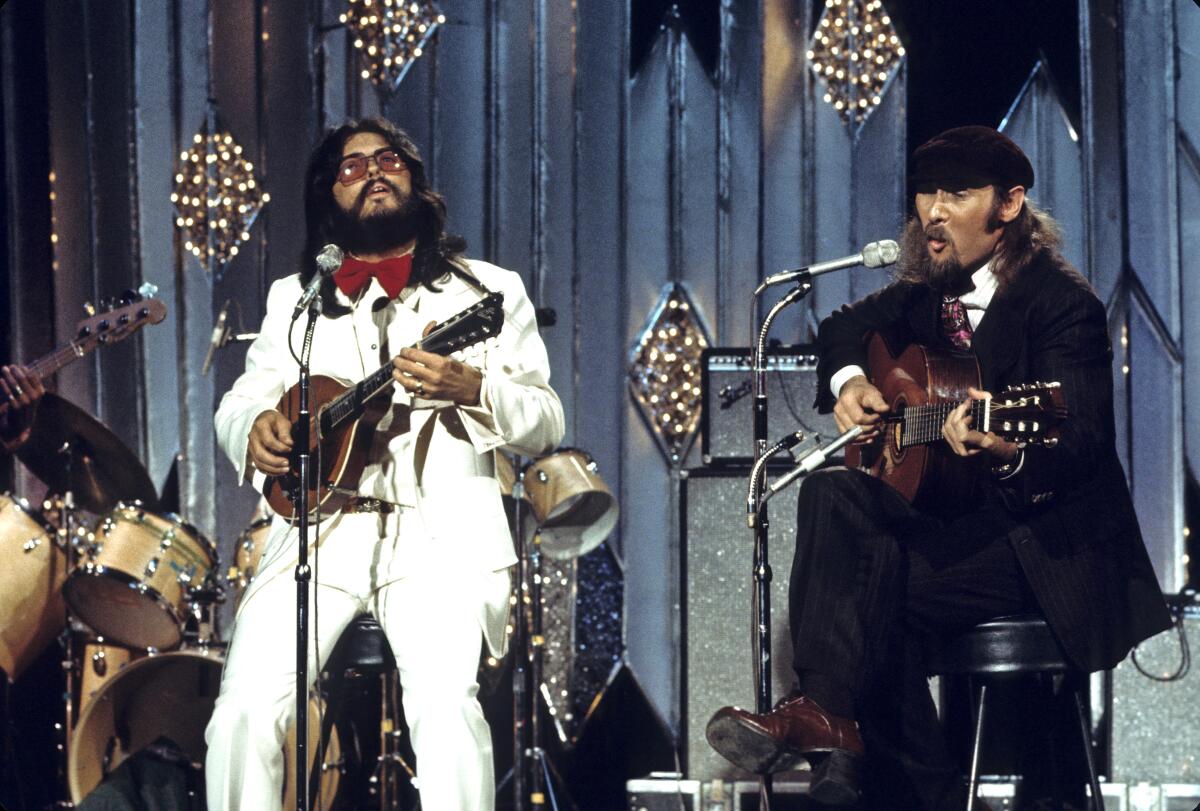
Actually, there were critics who didn’t care for Seals & Crofts no matter what they were singing about. Robert Christgau called their brand of soft rock “folk schlock,” and by the time the duo modified their tunes to adapt to changing times in the latter ’70s, I was inclined to agree with him. Songs from the albums “I’ll Play For You” (1975), “Get Closer” (1976) and “Takin’ It Easy” (1978) sound more formulaic, less unique. Even though they charted another four songs on the Top 40 (including “My Fair Share” from a movie soundtrack and the disco-flavored “You’re the Love”), the bloom seemed to be off the rose. By 1980, Warners dropped them and they called it quits.
Crofts and Seals both later spent time living outside the United States, yet returned to appear together in periodic reunion concert tours. In 1998, Crofts released a solo album, “Today,” which failed to chart, and the duo teamed up again in 2004 with the release of another Seals & Crofts album, “Traces,” which consisted of re-recordings of their most prominent songs. It too failed to chart.
In 1992, Seals said, “In retrospect, ‘Unborn Child’ turned out to change our career path. We lost momentum. I figured it would be accepted on the strength of the song itself, but it ended up causing us to lose a lot of our fan base. We even had people picketing outside our shows. It distracted us from what we had been trying to do.”
Here’s a sidebar story I didn’t know about: First, in 2010, Crofts’ daughter Amelia and Seals’ daughter Juliet formed a singing group called The Humming Birds, but nothing much came of it. More recently, in 2023, Crofts’ other daughter, Lua Crofts, teamed up with Seals’ cousin, Brady Seals, to record and perform as Seals & Crofts 2. “Our voices just click,” Lua said. “I think maybe it’s the Seals & Crofts genetics. When we do one of their classics, I can hear my dad and know what he’s going to do. I know how’s he going to phrase, and he was masterful at that. I think I kind of picked that up from him. I love singing harmonies.”
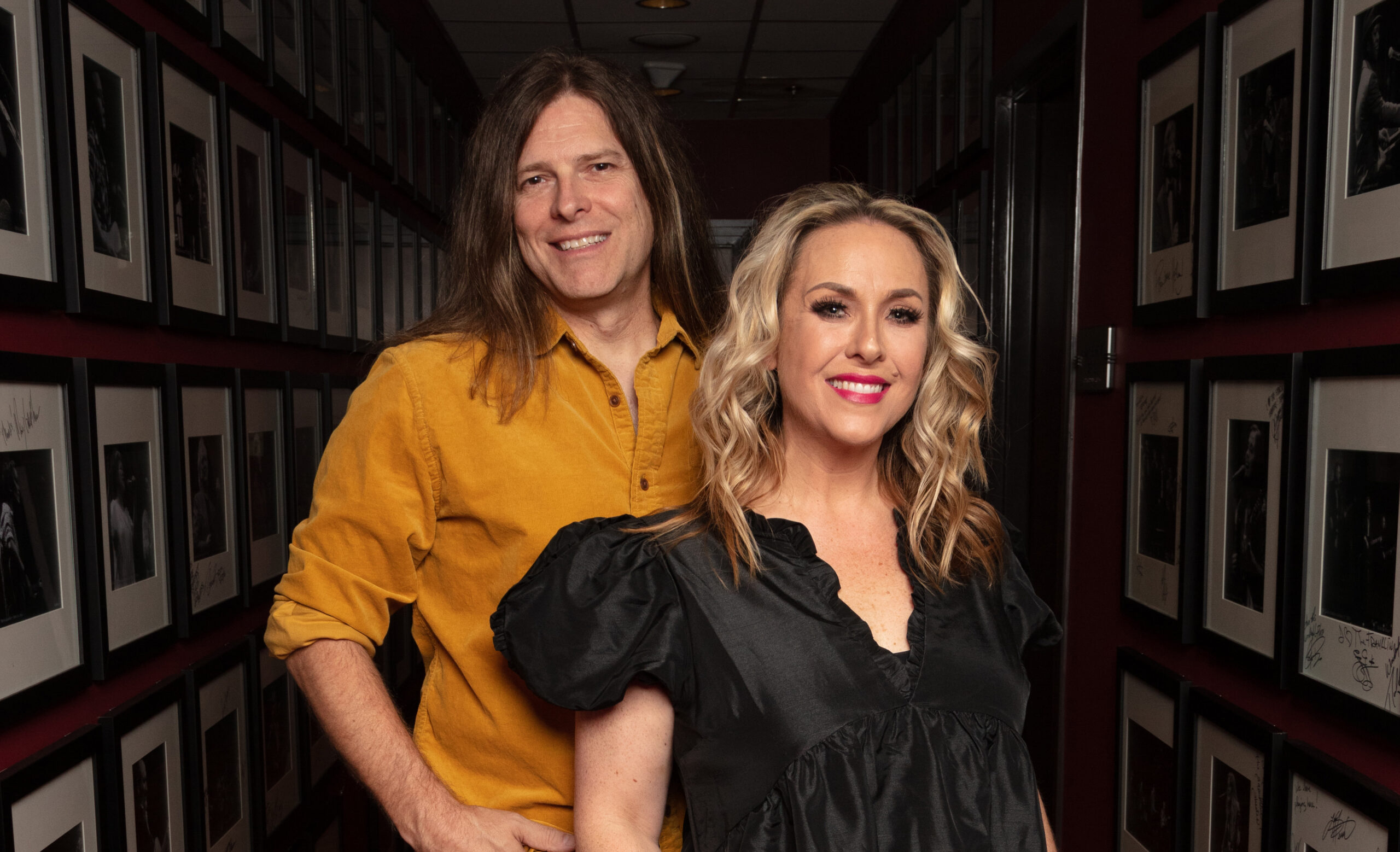
Rest in peace, Dash…and Jimmy. Your songs, and your names, still get attention in 2026.
*****************************


 Hack's Back Pages