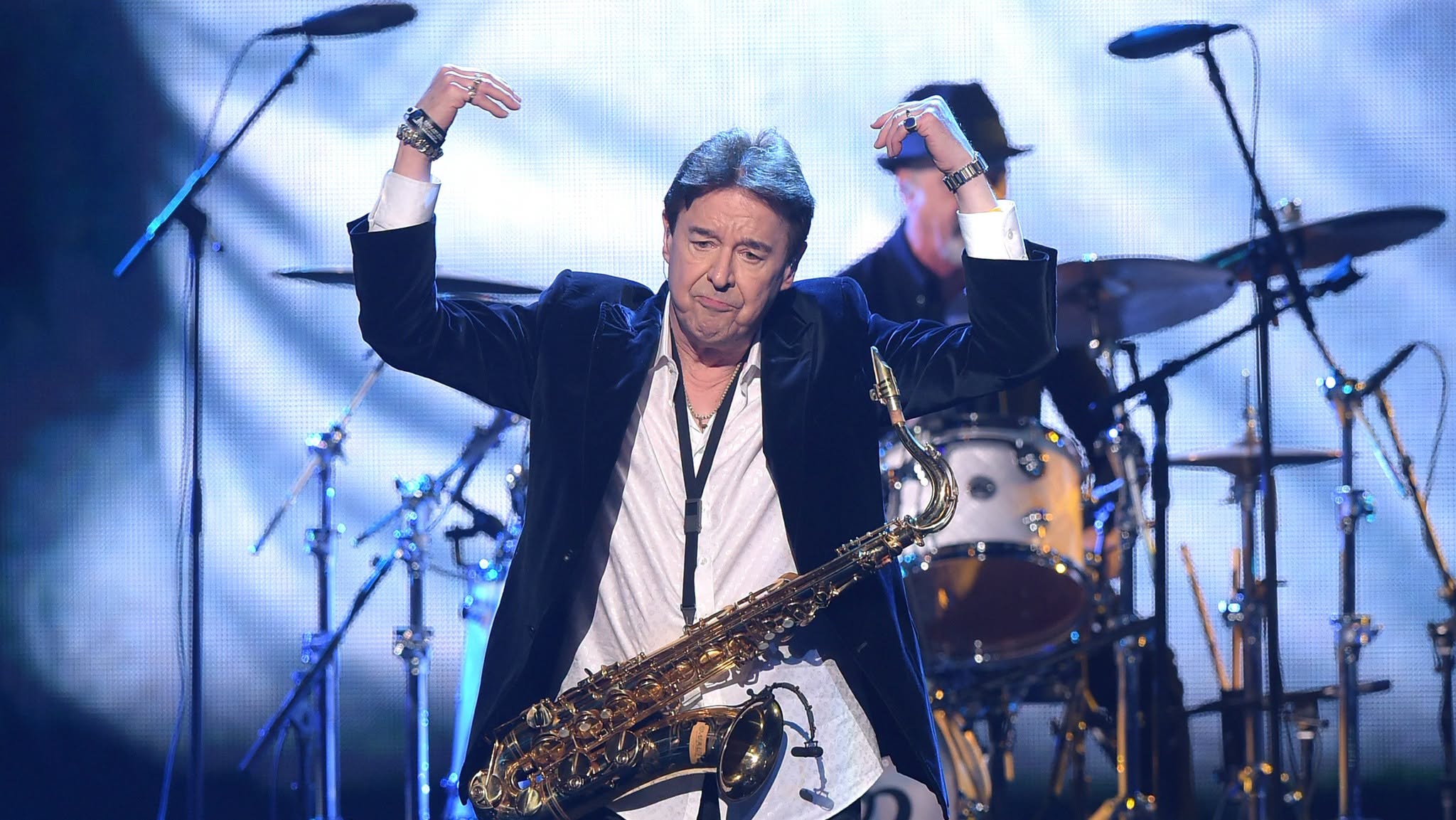
We’ve all got time enough to cry, time enough to die

In the long-ago summer of 1969, I was 14 and seriously ramping up my modest record collection. Six months earlier, I had abandoned the practice of buying 45-rpm singles and embraced the idea of owning albums instead. I bought LPs by The Beatles and Simon and Garfunkel, and I became drawn to the music of more boundary-expanding artists like Cream, Led Zeppelin, Jimi Hendrix, Steppenwolf and Blind Faith.

My friend Steve was similarly tuned into new bands that weren’t Top 40, and he’d periodically show up at my house with albums he thought I might like. One such record was a double album called “The Chicago Transit Authority.” Its most noticeable characteristic was that it had very prominent horns — trumpets, trombones, saxes — on pretty much every track. This was a substantial departure from the guitars-bass-drums-organ lineup of most bands at that time. No rock band I knew at that point used horns beyond the occasional sax solo.

I was totally taken by this music. Growing up in a household with a father who often played Big Band, swing and Sinatra records, I loved the sound of a vigorous horn section, but as a kid of the ’60s, I also loved rock and roll. Now, on this “CTA” album, I had a merger of these two things — a rock band with horns. How cool was that?

The opening track, the aptly named “Introduction,” had lyrics that came right out and explained the group’s mission: 

“We’ve all spent years preparing before this group was born, /With Heaven’s help, it blended, and we do thank the Lord, /So this is what we do, sit back and let us groove, and let us work on you…”

Boy, they worked on me, all right. The great melodies, the infectious rock beats, ferocious electric guitar solos, strong lead vocals and harmonies, and the dominant, thrilling horn parts combined to create something really dynamic. I simply couldn’t get enough of this stuff: “Does Anybody Really Know What Time It Is?,” “Questions 67 and 68,” “Someday,” “South California Purples,” “Listen,” “I’m a Man” and especially the exhilarating “Beginnings,” still one of my all-time favorite songs.

Critics were intrigued by the group. One wrote, “Few debut albums can boast as consistently solid an effort as the self-titled ‘Chicago Transit Authority.’ Even fewer can claim to have enough material to fill out a double-disc affair.” FM radio gave some of the tracks enough airplay to earn the debut album a #17 perch on the US albums chart in 1969, but neither of the singles they released (“Questions 67 and 68” and “Beginnings”) made any impact on Top 40 charts. They toured across the country, headlining mostly smaller venues or, sometimes, as warm-up acts for more established groups.

In early 1970, only eight months after the release of “CTA,” the band made the unheard-of move of releasing another double album as their second release, this time titled simply “Chicago” (because the real CTA, the metro rail system in the Windy City, insisted the band cease and desist in the use of its name). Again, the seven-piece group bowled me over with instantly likable songs (“Movin’ On,” “The Road,” “In the Country,” “Wake Up Sunshine, ” “Fancy Colours”), smart arrangements and solid musicianship across the board. The chief difference this time was that the group soon found themselves riding high on Top 40 charts in 1970 with three big singles from that album: the exuberant “Make Me Smile” (#7), the guitar-driven rock classic “25 or 6 to 4” (#4) and everyone’s favorite prom slow-dance tune, “Colour My World” (#7).

So who were these guys? For the most part, they preferred to remain mostly nameless and faceless, letting the music and the group dynamic do the talking. If they had a frontman, it was either keyboardist Robert Lamm, guitarist Terry Kath or bassist Peter Cetera, all of whom took turns as lead singer on Chicago’s repertoire of songs.

This month, in 2026, I learned that the true founder of the group was sax/flute player Walter Parazaider, who died June 17th at age 81. It was he who, inspired by the Beatles horns-heavy 1966 song “Got to Get You Into My Life,” became enamored of the idea of creating a rock ‘n’ roll band with horns. Not just the occasional use of sax, mind you, but a permanent three-man horn section who would be an integral part of virtually every song.

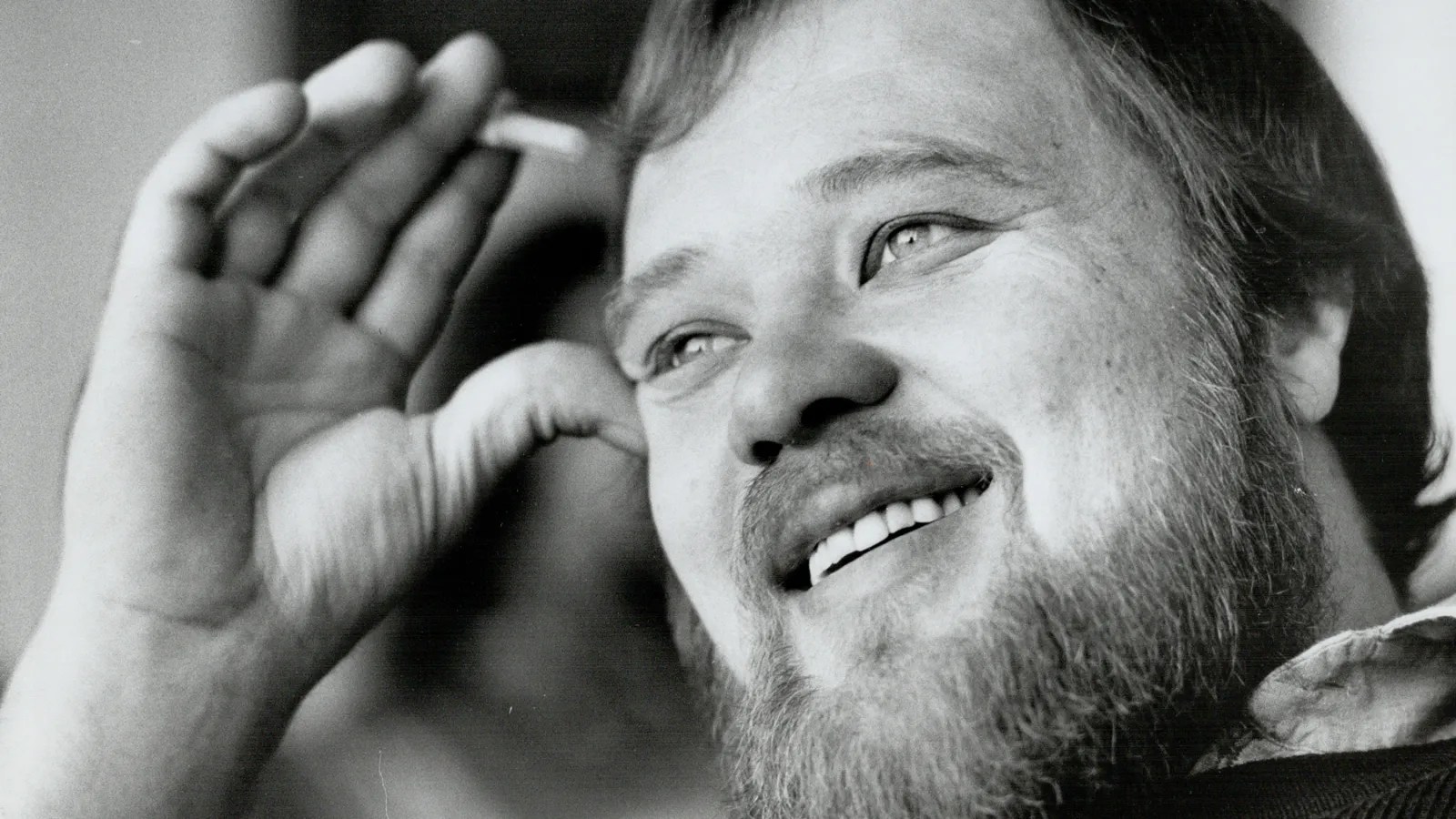
Walt Parazaider

Born in suburban Chicago, Parazaider began playing the clarinet at age 9 and, by his teen years, he and his parents and music teachers had their sights set on having him pursue a career as a professional orchestral musician. He even earned a degree in classical clarinet performance from nearby DePaul University. During his college years, though, he was pulled away from classic by a newly-developed affection for jazz music, and also dabbled in rock and roll once he picked up the saxophone.

He formed a college band, The Missing Links, with future Chicago bandmates Terry Kath and drummer Danny Seraphine, also meeting eventual producer Jimmy Guercio on the DePaul campus. Once they joined forces with keyboardist Bobby Lamm, trumpeter Lee Loughnane and trombonist Jimmy Pankow and changed their name to The Next Big Thing, they began talking seriously about their musical path. Said Pankow years later, “We had a get together in Walter’s apartment on the north side of Chicago. It was Walter, Danny, Terry, Robert, Lee, and myself, and we agreed to devote our lives and our energies to making this project work.” Bassist Cetera was the seventh and final member to join a few months later.

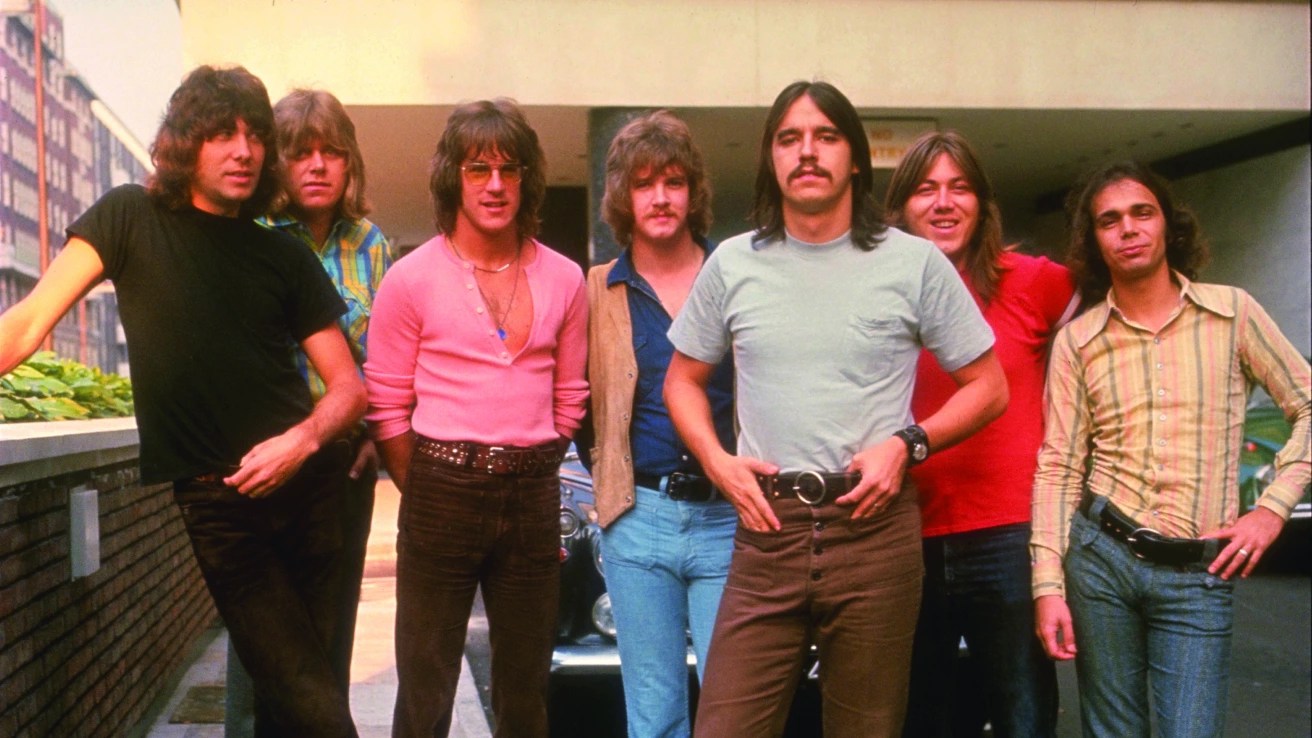
Chicago in 1969 (L-R): Robert Lamm, Peter Cetera, James Pankow, Lee Loughnane, Walter Parazaider, Terry Kath and Danny Seraphine

“When I started the band,” Parazaider said in 2003, “I knew one thing – that the personnel we had in the band were really good musicians who were dedicated, trying to do something great. I knew that we would have some success.”

Lamm emerged as the chief songwriter, with Kath and Pankow contributing a few songs apiece on the first two LPs. Parazaider rarely wrote music, concentrating instead on developing horn arrangements and adding memorable solos (most notably the flute on “Colour My World” and sax on the 1973 hit “Just You ‘n’ Me”).

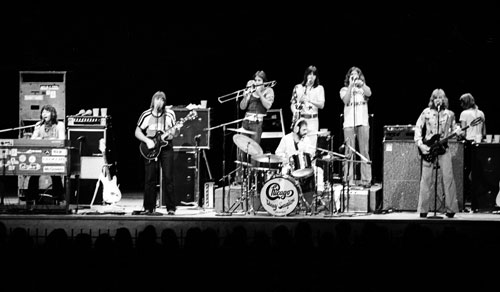
Chicago in concert, 1971

Back in late 1970, I had the good fortune to see Chicago perform in a gymnasium on the campus of John Carroll University, only a couple miles from where I lived, and was immensely impressed by their energy and tight ensemble playing. The band was performing relentlessly, up to 300 gigs a year, and this show had been booked before their success on the charts made them the bigger concert draw they would soon become.

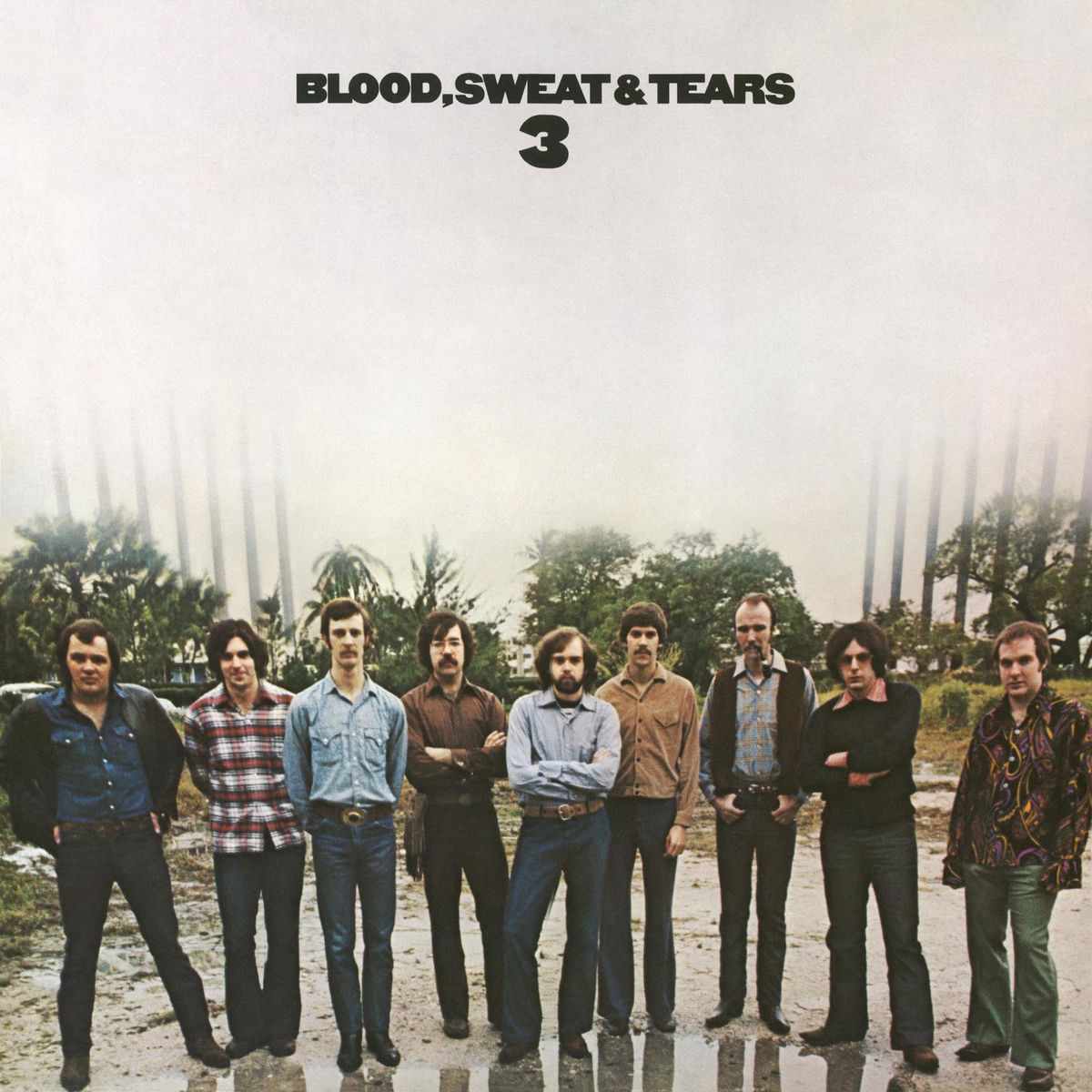
It was astonishing to me when their next move was to release a third double album, “Chicago III,” in early 1971, and I was very disappointed with what I heard. Clearly, they had been overworked and stretched thin, because there weren’t more than two or three memorable tracks to be found. I bought it, and played it a fair amount, hoping the tunes would grow on me, but they simply didn’t match up to the songs on first two LPs. Three sides were taken up by grandiose “suites” filled with listless instrumentals, banal lyrics about eating Spam for breakfast (?) and meandering solos with little melody anywhere. If not for the vibrant singles “Free” and “Lowdown,” it would’ve been pretty much a washout. Even those singles charted only modestly (#20 and #35, respectively), and Columbia Records chose to go back to the debut LP and re-release “Beginnings” and “Questions 67 and 68” as singles, which did much better the second time around and kept Chicago’s star rising.

To make matters far worse, Chicago’s next move was a live album, which was in vogue at the time, but they turned a week-long stint at Carnegie Hall into a bloated four-album set completely lacking in the excitement I’d heard in concert only 10 months earlier. I think I listened to it only once, maybe twice, before getting rid of it. One of my worst album purchases ever.

The venerable horn section: Pankow, Parazaider and Loughnane

The next summer, the band wisely focused on just nine quality tracks to comprise “Chicago V,” a single album that offered a return to solid melodies, integrated horn charts and great vocals. “Saturday in the Park” was one of the most popular singles of the summer of ’72, and just about as much fun as “Beginnings” or “Make Me Smile.” Still, the adventurousness and immediacy which had so enthralled me when they entered the scene in 1969-1970 seemed to be missing (for me, at least), even though “Chicago V” became the first of five consecutive LPs to reach #1 on the album charts.

I need to mention one nagging truth about Chicago that bothered me from the outset. They (mostly keyboardist Robert Lamm, evidently) had a penchant for making political statements in some of their songs that, while well-intentioned, usually came across as simplistic and lame. A typical example is “Dialogue (Parts I and II),” which was curiously popular as a follow-up single in the fall of 1972. With lyrics written as a conversation between an activist and a clueless college student, the track was designed to coax people to take to the streets and speak out against war, injustice, etc. Its awkwardness made me cringe, and still does.

From that point on, I basically lost interest. I can’t deny the continuous stream of hit singles were engaging, even infectious — “Feelin’ Stronger Every Day,” “Just You ‘n Me,” “Call On Me,” “Old Days,” even the Peter Cetera heartbreaker ballad “If You Leave Me Now.” But I couldn’t get motivated to buy the albums. I guess the sheen had worn off for me, and I’d moved on to other bands, other genres, although I still returned to the first two Chicago albums fairly regularly.

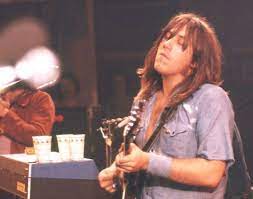
Terry Kath

Chicago had always been one of those bands that remained an essentially faceless entity. Its members could go out in public and be unrecognized, and they seemed to like it that way. Still, I was among many music industry observers who assumed the band would hang it up in 1978 following the tragic death of Terry Kath, Chicago’s inspirational leader and best instrumentalist. He was messing around with a handgun one night and accidentally shot himself fatally. The idea that Chicago was “a rock and roll band with horns” pretty much died with Kath, as his fiery guitar work was the key ingredient in their rock band credentials. Indeed, no less a guitar god than Jimi Hendrix had been quoted back in 1970 as saying, “Terry Kath plays better than me.”

But no. The band chose to soldier on, hiring journeyman guitarist Donnie Dacus as the first of several replacements for Kath in the lineup. Chicago, whose Roman numeral-titled albums were a source of some ridicule by those who labeled their music “corporate rock,” endured a comparatively fallow period during which their so-so chart performance matched their tired formula on the records. By 1982, Columbia Records, their label from the beginning, let them go.

This didn’t stop them from shopping around for another label and producer. Full Moon Records took the bait, and with notorious Canadian pop producer David Foster at the helm, Chicago re-emerged with an altogether different sound. Peter Cetera’s strong tenor had become the group’s primary lead voice, which was fine, but now the group was doing material written by outside songwriters, with almost no horns in sight. Veteran musician Bill Champlin joined the ranks, playing a substantial role in the soft-rock sounds favored by Foster and Cetera. The resulting album, “Chicago 16,” turned off older fans but found a new, younger audience who responded favorably to the ’80s version of the group. Cetera’s smooth “Hard For Me To Say I’m Sorry” put them back at the top of the singles chart.

On tours, Chicago was no longer packing stadiums or arenas, but they filled smaller halls with enthusiastic fans as they built their new audience. I was reviewing concerts for a Cleveland newspaper at the time, and saw them at the Front Row, an intimate theater-in-the-round venue, and was pleasantly surprised by the quality of the show. The new songs didn’t do much for me, but it sure was great to hear the old stuff, both the hits and deeper album tracks.

Peter Cetera

Lamm, who had been such an important singer and composer for the band, became almost invisible as Cetera assumed the role of Chicao’s pretty-boy front man singing songs co-written for him by Foster and others. These tunes charted well — “Hard Habit to Break,” “You’re the Inspiration,” “Along Comes a Woman” — but their success went to Cetera’s head, who left the band in 1986 for a solo career and chose not to maintain ties with the group. (Indeed, he was famously absent when the group was inducted into the Rock and Roll Hall of Fame in 2016.)

A guy named Jason Scheff, a bassist with a tenor voice eerily similar to Cetera’s, joined in 1986, and he and Champlin became Chicago’s primary singers for the next five years, and through the ’90s and 2000s as well. Scheff got off to a rocky start when Foster made the misguided decision to feature a radical, unpleasant reworking of “25 or 6 to 4” as the first single from “Chicago 18,” which justifiably stalled at #48. Still, it was newcomer Scheff’s vocals that carried “Will You Still Love Me?” and “If She Would Have Been Faithful…”, both Top 20 hits.

In the ’90s, Chicago took to touring as part of a double bill with other classic rock bands, taking turns as the evening’s headliner. I saw them perform with The Moody Blues in 1992 at a show when Chicago happened to have top billing, but The Moodies were clearly the better band that night, and we actually ducked out early on Chicago’s below-average gig.

Over the past 30 years, Chicago has toured periodically and released numerous greatest hits packages, a Christmas collection and even a winning tribute to Big Band music (a couple tracks are included in my Spotify playlist). But they’ve bounced around on four or five different labels, and their sporadic albums of new material (“Chicago XXX” in 2006, “Now” in 2014 and “Born For This Moment” in 2022) were met indifferently by press and public alike.

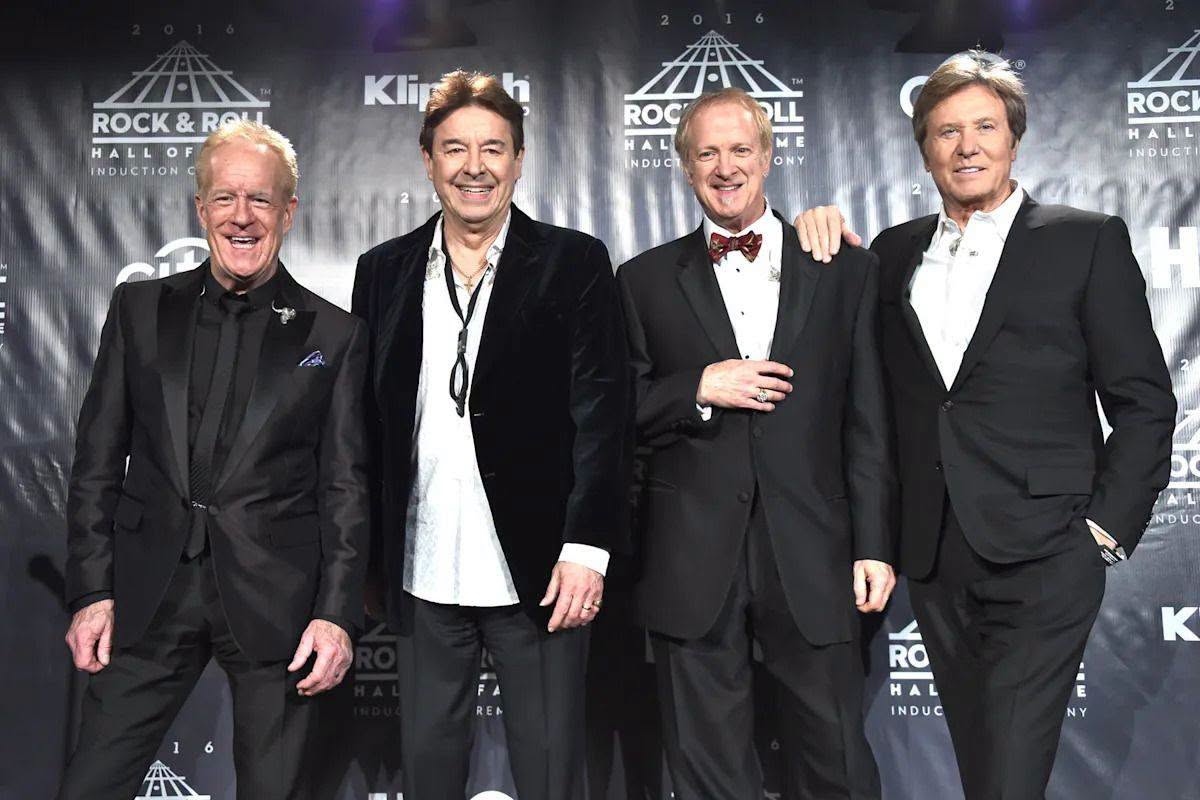
Original members Pankow, Parazaider, Loughnane and Lamm at their Rock Hall induction in 2016

Lamm and the three-man horn section of Parazaider, Pankow and Loughnane continued as the core group, but a raft of personnel changes on bass, guitar, drums, percussion and vocals didn’t do the group much good. Sadly, Parazaider developed a heart condition in 2017 that caused him to retire from live performances, and his health deteriorated in recent years.

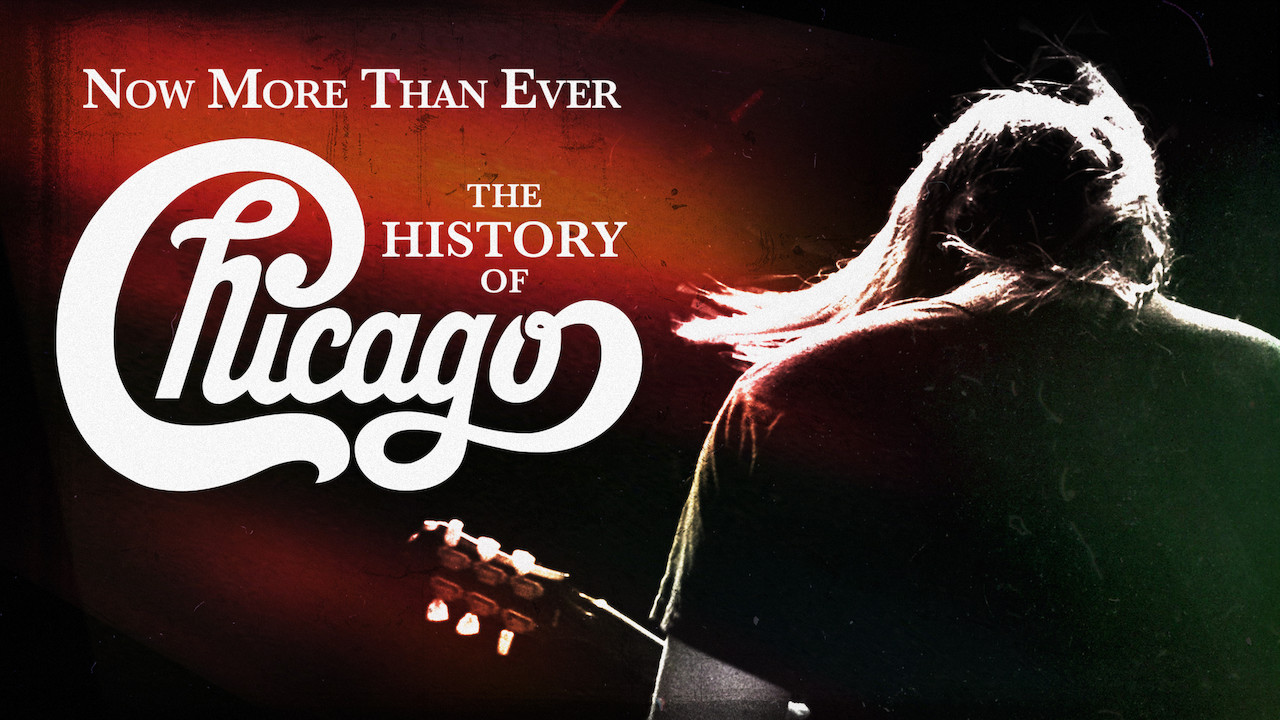
A few years ago, I watched “Now More Than Ever: The History of Chicago,” an award-winning documentary on the band, its successes and struggles, and I gotta tell you, it was an entertaining and eye-opening two hours well spent. It incisively tells the band’s story from initial rumblings up to the mid-2010s, and I urge anyone with even a passing interest in Chicago’s music to check it out.

I learned, for instance, that the excesses that plagued so many ’70s groups — The Eagles, Fleetwood Mac, Led Zeppelin — took their toll on Chicago as well, according to the documentary. Original manager/producer Jim Guercio had played fast and loose with the band’s finances, pouring them into a new studio in Colorado and failing to pay royalties. Cocaine use among the band was rampant and destructive, negatively affecting interpersonal relationships. New members didn’t join the lineup seamlessly.

Chicago has always had its detractors. A review of the documentary in The Chicago Reader described it this way: “It’s an altogether fitting testament to Chicago’s hippie self-absorption and dopey excesses, all far out of proportion with both the amount of listenable music Chicago produced and its musical importance.” Ouch. Unduly harsh, I think, but clearly, they weren’t universally admired.

But I’ll always have a soft spot for Chicago, if only for those first two groundbreaking albums that dared to fully integrate horns into a professional rock band. Thanks, guys, for bringing that dream to fruition all those years ago. And rest in peace, Walter.

**************************

The Spotify playlist below is, as you’d expect, heavy on the first two albums, but there’s also a hefty dose of material from their later work. Nearly every studio album is represented with at least one track in order to provide you with a representative cross section of Chicago’s entire career arc, running more than four hours.

I’m not feelin’ too good myself

If the number of times you’ve seen a musical artist in concert is any indication of how much you enjoy their body of work, then Dave Mason must rank among my Top Five. Between 1975 and 2014, I saw the guy perform nine times. Whether it was at an outdoor amphitheater, a grand music hall, a college gymnasium or a small club, Mason never failed me with his choice of material, his alternately warm/gruff voice and his assured command of the guitar, both electric and acoustic. And for a guy who never sought the spotlight and claimed to feel a bit uncomfortable as a front man, he had an affable way about him that always made for a delightful evening.

This week, sadly, I must report that Mason has died at age 79. He had a mighty colorful career, mostly as a solo artist but also as a founding member of the esoteric British band Traffic and as a collaborative side man with a bevy of other artists over the years. While many of his peers in the business focused on volume or virtuosity, Mason seemed more interested in nuance and feel, combining American blues, English folk and melodic pop into something almost fluid and much more personal.

Here’s Dave Mason in a photo I took at a 1977 concert in Cleveland

Born in 1946, Mason was one of those British kids who, in an attempt to find something to relieve the boredom and hardship of post-war life in England, discovered music. Like John Lennon, Keith Richards, Pete Townshend and others in the same time and environment, Mason found Elvis, Buddy Holly and early rock and roll, and the blues, all American-born genres that excited him, energized him.

Mason was only 15 when, after learning to play guitar, he joined his first band The Jaguars, and then The Hellions, playing clubs in his native Worcester as well as Birmingham and eventually the rock club mecca of Hamburg, Germany, just as The Beatles and others had done. Drummer/singer Jim Capaldi was also in The Hellions, and among the bands they performed with was The Spencer Davis Group, which featured the astounding vocals and keyboards of Steve Winwood.

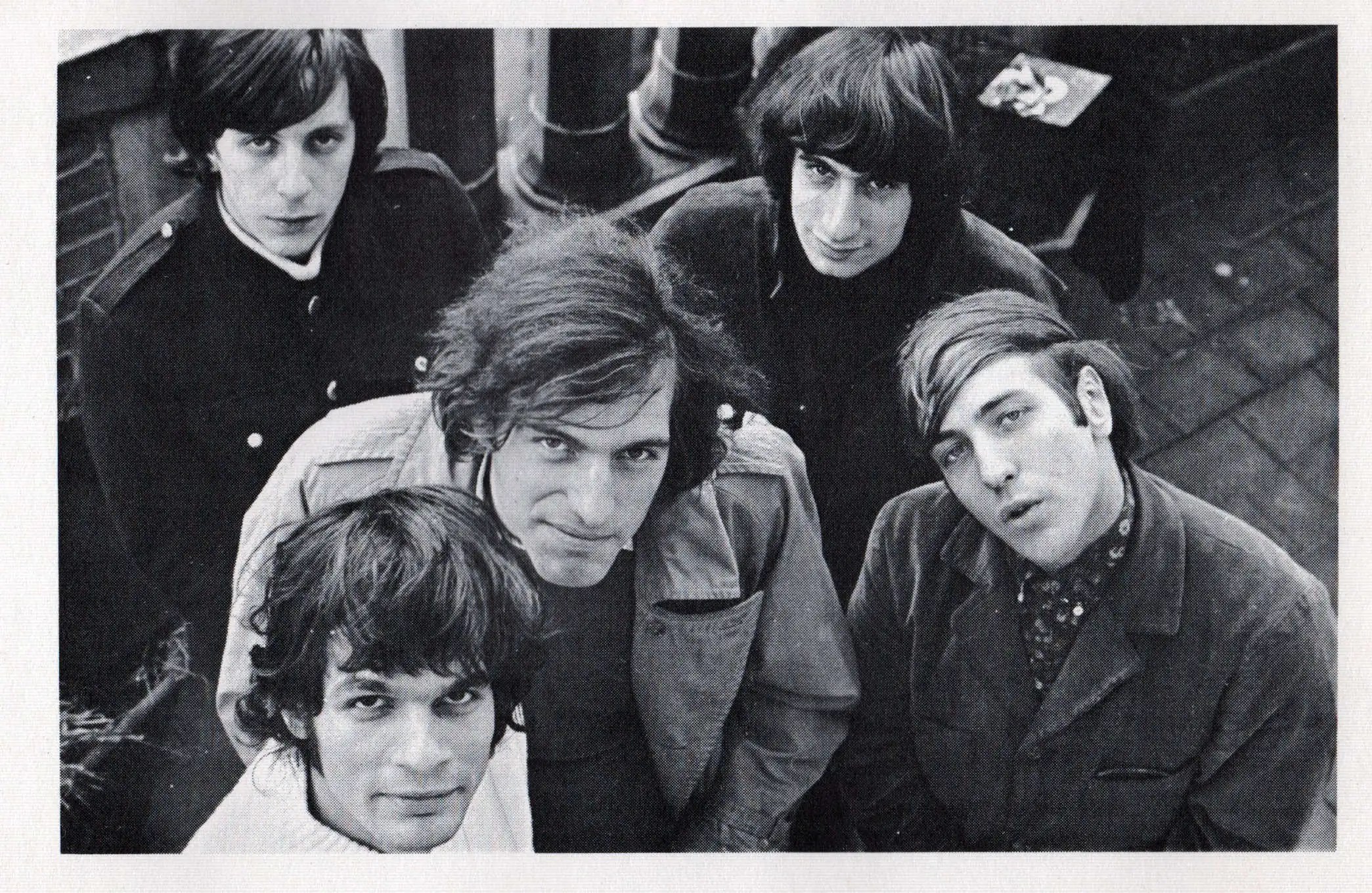
Mason and Winwood in front; Capaldi and Wood in back, 1967

Sometimes Mason and Capaldi would jam with Winwood after shows, bringing in sax and flute player Chris Wood from another band. The foursome found that they enjoyed the music they were making, giving Winwood the reason he needed to leave Spencer Davis, and they formed their own group, which they named Traffic (after waiting to cross a busy street one day, as the story goes).

The music that resulted from the group’s retreat to a quiet cottage in the Berkshires was a fascinating amalgam of folk, jazz, rock and psychedelic pop, using everything from Mellotron and sitar to flute and fuzz guitar. The band’s early work helped redefine what a rock ensemble could be—loose yet precise, pastoral yet experimental. Mason’s simple and straightforward folk-rock songs both contrasted with and complimented the more complex, haunting rock jams the Winwood/Capaldi partnership came up with. Although that diversity was key to the band’s appeal, it also caused an internal tension that was never really resolved.

In 1967, Traffic had back-to-back hits right out of the gate in the UK. The infectious Winwood-Capaldi tune “Paper Sun” was a Top Five hit, and Mason’s quirky “Hole in My Shoe” just missed #1 there. Winwood, who preferred the give and take of jamming to produce a song, made no bones about not liking Mason’s songs much. “‘Hole in My Shoe’ was a trite little song that didn’t mean anything,” said Winwood years later. Mason said he felt like the odd man out, and shortly after the release of Traffic’s debut album “Mr. Fantasy” (a Top Ten success in England), he left the group and headed to London and then Los Angeles to explore musical possibilities there.

“I was young, and the early fame freaked me out a bit,” said Mason. “The other guys had a chemistry and a lifestyle I wasn’t really a part of, so I impulsively decided to try going solo. I hung around London for a while, then moved to the States.”

Hendrix and Mason, 1968

During that period, he befriended Jimi Hendrix and ended up contributing to his “Electric Ladyland” LP, playing acoustic 12-string on “All Along the Watchtower,” a song that he would eventually cover quite convincingly on a solo LP and in concert years later. Mason later described the experience as inspirational, recalling the moment of sitting across from Hendrix and laying down the track as among the most vivid of his career. “Jimi created a space where anything could happen,” Mason said. “You just had to be ready when it did.”

Mason earned a reputation as a sought-after collaborator and sideman, working with all kinds of artists across genres and generations. His adaptability allowed him to move between projects with ease, whether contributing guitar lines, songwriting or production insight. He was invited to add sitar to The Rolling Stones’ “Street Fighting Man” in 1968 and was in on some of the star-studded sessions for George Harrison’s “All Things Must Pass” LP in 1970. Five years later, he guested on guitar for Paul McCartney and Wings’ “Listen What the Man Said.” (In his 2024 memoir, Mason good-naturedly referred to himself as “the Forrest Gump of rock.”)  

“Traffic” album (1968) with Mason pictured upper right

Back in 1968, Traffic was touring the U.S. as a trio, ending up in a New York studio afterwards to work on their follow-up album, entitled simply “Traffic.” The band didn’t have enough material for a whole album, so Winwood reluctantly agreed to ask Mason to return, and Mason came to the conclusion that he may have been rash in leaving. Among the songs he brought to the recording sessions was “Feelin’ Alright?,” which would end up a bonafide rock classic. Some said the song expressed Mason’s ambivalence about his time with Traffic (“Seems I’ve got to have a change in scene…“), but he denied this. “It’s just a song about a girl. It’s just another relationship gone bad.” Traffic’s version is sublime, but it was Joe Cocker’s compelling rendition that got most of the airplay, then and now. Three Dog Night, Grand Funk and Mason himself also recorded it.

Still, the uneasy vibes between Mason and the others remained. Winwood felt Traffic was his band and bristled when Mason’s songs upstaged his. Recalled Mason in his 2024 memoir, “He told me, ‘I don’t like the way you write. I don’t like the way you sing. I don’t like the way you play. And we don’t want you in the band any more.'” He got the message and left again, although it turns out it didn’t much matter, because Winwood put Traffic on hiatus for a spell, choosing to collaborate with Eric Clapton in the short-lived supergroup Blind Faith in 1969.

Mason returned to L.A., where he’d been making friends with many in the red-hot music climate there. He found himself hanging out with the likes of Stephen Stills, Leon Russell, Gram Parsons, Mama Cass Elliot, Delaney and Bonnie and others, and often performed on their albums (credited and uncredited). He and Elliot recorded a fairly decent album together in 1969, with Mason writing the majority of material and Elliot offering up her fine harmonies, but it would be another two years before it was released to a lukewarm reception. (You’d be well advised to listen to “Walk to the Point,” “Too Much Truth, Too Much Love” and “Pleasing You” to hear the best moments.)

Mason and Cass Elliot’s duet LP

By early 1970, Mason had written and recorded demos of a group of eight songs, and pitched them to a few companies. Bob Krasnow and Tommy LiPuma, who would become industry moguls running Warners and Elektra years later, were just starting out their label, Blue Thumb Records, and when they heard the demos, they were eager to sign Mason. “The songs were so strong, you had to be deaf not to hear it,” said LiPuma. “He was such a great player and songwriter.”

They offered the budget to bring in a stellar cast of players for the sessions: Jim Gordon and Carl Radle from Delaney and Bonnie’s band, Leon Russell on keyboards, singers Bonnie Bramlett and Rita Coolidge, and LiPuma himself co-producing with Mason. The result was the aptly titled “Alone Together” (solo but with plenty of help), easily Mason’s best and most consistent LP. Critics loved it and fans flocked to it, and it peaked at an impressive #22 on the US charts.

Mason’s “Alone Together” LP, 1970

The songs were deeply melodic, and Mason’s distinctive 12-string guitar and husky, soulful vocals shone particularly brightly on “World in Changes” and “Sad and Deep as You.” The infectious leadoff track, “Only You and I Know,” had a disappointing showing as the single, stalling at #42 in the US (although Delaney and Bonnie’s cover version the next year reached #22 and turned a lot of heads). Mason was a minstrel at heart, but he also played a mean electric guitar, demonstrated most clearly on “Shouldn’t Have Took More Than You Gave” and especially “Look at You, Look at Me,” where his solo in the final minutes will have you picking your jaw up off the floor.

It was at this point that Mason made a fateful decision to play hardball with his record company. He insisted on making a double album, half studio and half live, and he wanted a better contract too, but the label balked at both demands. He went so far as to abscond with master tapes of the sessions in progress, and that move didn’t work out well. “Mason wanted out because Columbia was offering him a deal,” said LiPuma. “‘Alone Together’ sold well, and he was becoming an arena-rock draw on the road. But instead of negotiating, he took our tapes, which we saw as blackmail.” What Mason didn’t know is LiPuma had a back-up set of masters, and with them, he cobbled together “Headkeeper,” an album made without Mason’s approval that included four new but demo-like studio tracks and five live songs performed at L.A.’s Troubadour in 1972.

Because Mason was unhappy with the unfinished tracks, and he hadn’t approved the album’s song selection, mixing or cover art, he declared it “little more than a bootleg” and urged fans to avoid it. It wasn’t bad, but it could’ve been much better (it could only muster #50 on U.S. charts). It was an ill-advised turn of events that hurt his career momentum.  He couldn’t record elsewhere until the business mess could be resolved, so he went out on the road, touring relentlessly, which made him a lot of money and became a way of life for him.

Columbia ended up signing him a year later and bought out the Blue Thumb contract, and their mostly amicable relationship lasted throughout the 1970s. The Columbia debut, 1973’s “It’s Like You Never Left,” sold reasonably well and was a favorite with Mason fans. Among its high points were a reworked, superior version of “Headkeeper,” a great little instrumental jam called “Sidetracked,” and a lovely ballad, “The Lonely One,” that features Stevie Wonder’s incomparable harmonica.

“It’s Like You Never Left,” 1973

Mason’s solid covers of “Watchtower” and Sam Cooke’s “Bring It On Home to Me” highlight his 1974 album, simply titled “Dave Mason,” which also included excellent originals like “Show Me Some Affection” and “Every Woman.” His 1975 LP “Split Coconut” showed a growing sameness about his songs, but there were still a few tracks that showed he hadn’t lost his touch (“Give Me a Reason Why” and “You Can Lose It”). As Peter Frampton’s juggernaut “Frampton Comes Alive!” soared up the charts in 1976, Columbia rushed out a lookalike package for Mason’s “Certified Live” double album, which was pretty damn good, but sales were flat.

Mason needed the one thing he’d never had yet — a hit single. That came with his guitar compatriot Jim Krueger’s great song “We Just Disagree.” Its lyrics seemed to hit a nerve with the music-listening public; whether you’re married or just dating, when you feel you’re no longer compatible, you throw in the towel, hopefully amicably:  “So let’s leave it alone, ’cause we can’t see eye to eye, /There ain’t no good guy, there ain’t no bad guy, /There’s only you and me, and we just disagree…“. The recording was crisp and polished, as was the excellent “Let It Flow” album it came from. FM radio was good to Mason in 1977, putting “So High,” “Mystic Traveler” and “Let It Go, Let It Flow” in heavy rotation, and “We Just Disagree” reached #12 on the Top 40 charts. One more gold album came in 1978, “Mariposa de Oro,” which sounded like a slightly inferior sequel to “Let It Flow” — gorgeous production but only a few strong songs (“So Good to Be Home,” “Warm Desire” and a cover of “Will You Still Love Me Tomorrow”).

“Let It Flow,” 1977

The pop music scene changed as the Seventies became the Eighties, and Mason found it no longer suited him. His last LP for Columbia, “Old Crest on a New Wave,” alludes to the invasion of new-wave bands (and pop/dance artists) that would dominate the proceedings for the next decade or so. Said Mason in the ’90s, “The latest flavor was something I didn’t want to be any part of. I didn’t fit into the business at that point.” Embroiled in a contractual dispute with Columbia Records, Mason toured with Krueger as a duet act, then released “Two Hearts” on MCA Records in 1987, which turned out to be his last LP on a major label.  

I almost don’t want to mention his short stint in Fleetwood Mac in 1994-95 for the largely forgettable “Time” album, mentioned on a few “Worst Albums of the 1990s” lists. Lindsay Buckingham and Stevie Nicks were gone, and Christine McVie, who had quit touring, was on the sessions only as a favor to the label, so it was a radically different lineup with Mason, rockabilly guitarist Billy Burnette and Southern soul singer Bekka Bramlett, daughter of Delaney and Bonnie. A good time was not had by all.

“26 Letters, 12 Notes,” 2008

It wouldn’t be until 2008 when Mason added to his catalog with “26 Letters, 12 Notes” on a Sony subsidiary label. No one noticed (I admit it went under my radar too), but when I first heard it a few years ago, I was thrilled by the quality of songs and production. The blues groove of “Good 2 U,” the inventive melodic lines of “How Do I Get to Heaven” and “Passing Thru the Flame,” the pretty acoustic/electric instrumental “El Toro” — these rank up there with Mason’s better work, I’m pleased to say. 

Mason was inducted into the Rock and Roll Hall of Fame in 2004 as part of Traffic. Chris Wood had died in 1983, but Mason, Winwood and Capaldi all attended and seemed to get along reasonably well, participating in the end-of-evening jam of “Feelin’ Alright” with Keith Richards, Jackson Browne, Tom Petty, Jeff Lynne, The Temptations and ZZ Top. 

Over the past 15-20 years, Mason had remained active, performing periodically. During the COVID shutdown, just for fun, he convened a virtual band online called Dave Mason and The Quarantines that included Sammy Hagar, Michael McDonald, Mick Fleetwood, and Patrick Simmons, Tom Johnston and John McFee of The Doobie Brothers to cut a new version of “Feelin’ Alright” that’s well worth a viewing on YouTube. A recording is on my Spotify playlist at the end

Mason was significantly active in philanthropies, including Little Kids Rock, a non-profit that promotes music education for disadvantaged children; YogaBlue, which promotes yoga as a therapy for those in substance abuse recovery; and Rock Our Vets, which provides food and clothing and access to computers for homeless veterans.

Mason in 2014

I last saw Mason in 2014 at a members-only private show at the Grammy Museum in L.A., and while he played only 40 minutes, he didn’t disappoint. His voice and guitar skills were still mighty impressive.

Two more Mason LPs came out in recent years that escaped my attention until this week. In 2020, he recorded “Alone Together Again,” on which he revisited the songs from his 1970 LP, most of which were merely serviceable, but his new take on “Look at You, Look at Me” is incredible, so I included it on the playlist below. Then in 2023, he collaborated with guitar wizard Joe Bonamassa and singer Michael McDonald, among others, on a captivating set of songs called “A Shade of Blues” that really impressed me.

In 2024, Mason announced the cancellation of all of his 2025 tour dates due to “ongoing health challenges,” one of which my wife and her friends had been planning to attend. Though he originally planned to reschedule these dates, he ended up retiring from touring while saying he would continue to occasionally release new material.

In light of the public disdain Winwood held toward Mason over the years, it was somewhat surprising (but comforting) that he released a complimentary statement this week in the wake of Mason’s death: “Dave was part of Traffic during its earliest chapter, and played an important role in shaping the band’s sound and identity during that time. Those years remain a special part of the band’s story, and Dave’s contribution to them is not forgotten. His place in that history will always be remembered. His songwriting, musicianship, and distinctive spirit helped create music that has lasted far beyond its era, and continues to mean so much to listeners around the world.”

I like the way a Facebook page called Sunset Blvd. Records summarized Mason: “In songs that explored love, separation and the passage of time, he offered listeners something both intimate and universal. As his voice fades from the stage, it remains preserved in recordings that continue to speak with clarity and grace. His songs never shouted for attention, but they stayed with you, and in the long arc of popular music, that quiet persistence may be the most enduring legacy of all.”

Mason may have put it best himself in a 2020 interview: “I’m not a rock star, let’s put it that way. I never wanted to be. I just wanted to write great music, make some money and have fun.”

Rest in peace, Dave. Your songs, your performances and your inherently good nature will remain a vital part of my musical memories from my formative years and beyond.

****************************