Play it straight through, every song
As I see it, 1969, 1970 and 1971 comprised the best three-year run in the history of album releases. So many iconic LPs came out during that period that, by the time 1972 arrived, there almost had to be a letdown coming.
By and large, 1972 turned out to be a pretty damn good year for new LPs, if not quite in the same league as its three immediate predecessors. It was a transitional year, perhaps the last one before rock and roll became Big Business, and music heroes became Rock Stars, with all the trappings and ridiculous excesses.
It was a diverse group of albums 50 years ago in 1972, representing a broad range of styles, from metal (Deep Purple) to country rock (Poco), from progressive (Genesis) to singer-songwriter (Cat Stevens), from soul (Al Green) to power pop (Raspberries), from syrupy ballads (Bread) to acoustic harmonies (America), from glam (Mott the Hoople) to blues rock (Joe Walsh).

In 1972, record companies signed scores of new artists to complement the existing bands, and the result was well over 500 studio albums of new material released in the calendar year, and another 50 or 60 live LPs and greatest hits collections.
Each year I’ve tried to whittle this huge list down to about 50 that I thought were worthy of further attention, and from that group, I selected 15 that I regard as the Best Albums of 1972. These are the ones where you never have to skip a song — just drop the needle and let it play. No doubt some of my choices will have you scratching your head, or you’ll wonder how I could have omitted a certain album or two. This is a very subjective exercise; my picks are personal, and if you beg to differ, well, you’re free to draw up your own list of the Top 15.
A note on the Spotify playlist at the end: Some of the albums I picked are by artists (Neil Young, Joni Mitchell, Stephen Stills) who have chosen to withdraw their music from the Spotify platform as a political statement due to recent events. Nothing I can do about that, so their music isn’t on the list.
*******************************
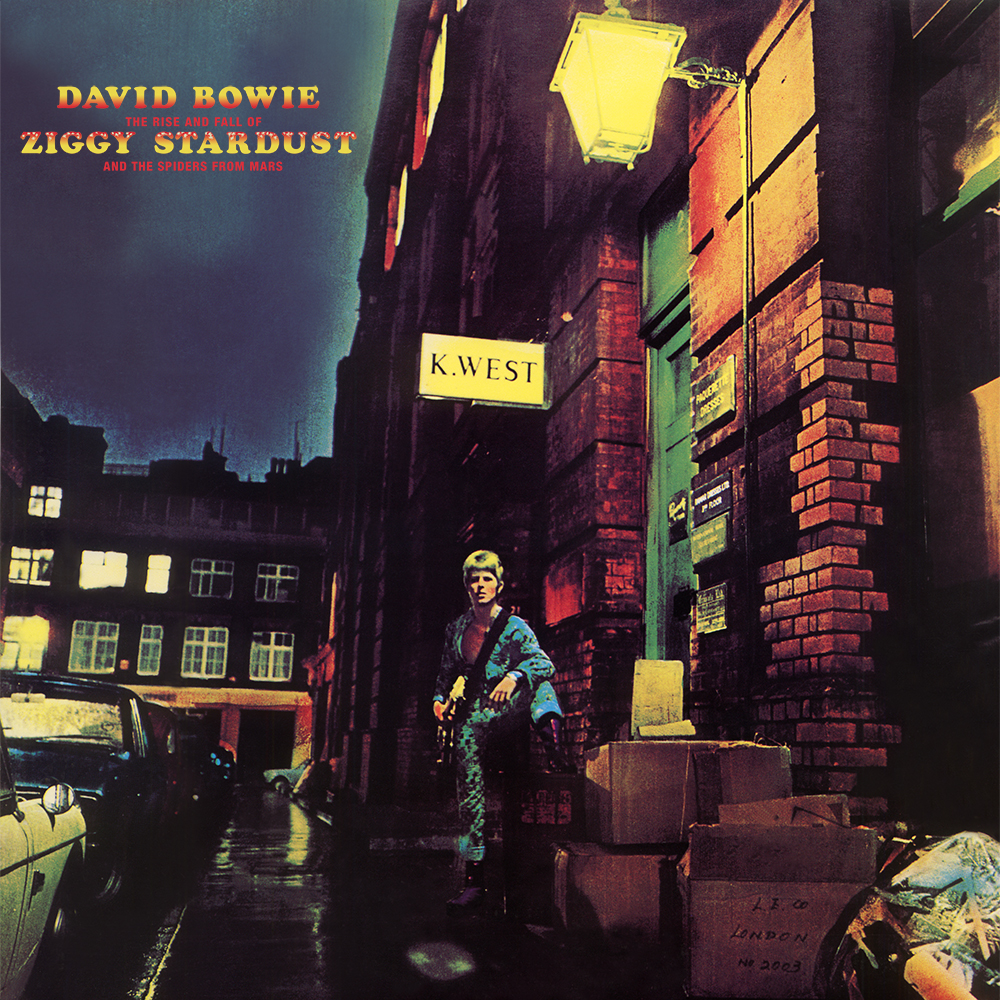
“The Rise and Fall of Ziggy Stardust and the Spiders From Mars,” David Bowie
My hometown FM radio station, WMMS, was famous for giving airplay to bold new music, which exposed me to phenomenal albums like this one. “Suffragette City” was one of those relentless rockers that so impressed me that I felt compelled to buy the LP to hear more. I can’t say I was a big fan of the over-the-top “glam rock” genre, but “Ziggy Stardust” was a revelation, a truly extraordinary cycle of songs by one of the most inventive artists rock music has ever seen. Bowie created a captivating alter ego who sang lyrics that told a story of an androgynous rock star that comes to Earth as a sort of savior. He and his dynamite back-up band came through with memorable tracks like “Moonage Daydream,” “Lady Stardust,” “Starman” and “Rock and Roll Suicide,” leaving us all clamoring for more.
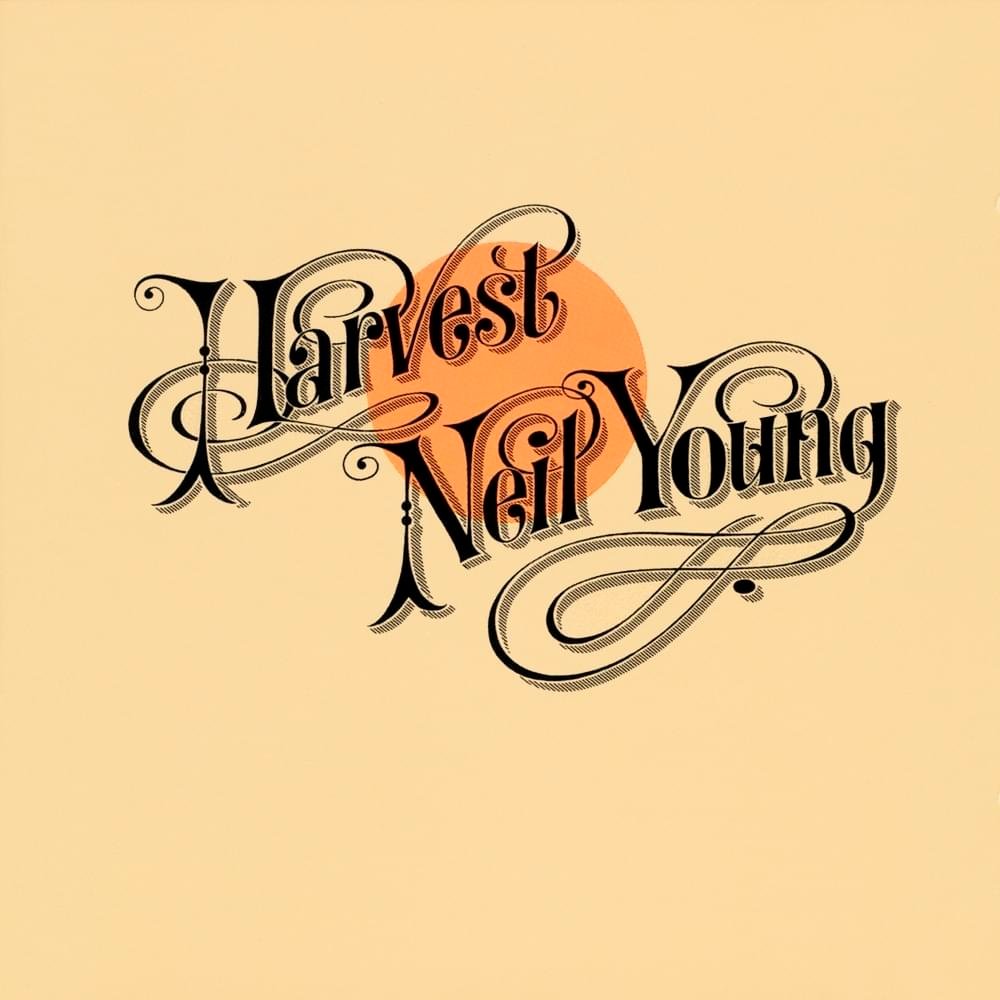
“Harvest,” Neil Young
I have this love-hate thing with Young. Some of his voluminous catalog over the decades has confounded and repulsed me, but a few albums have totally won me over, most notably this one, and its immediate predecessor, “After the Gold Rush.” I guess I prefer his acoustic side when his melodies and plaintive voice are front and center. On “Harvest,” by far his most commercially successful LP, Young offers deceptively simple songs full of memorable lyrics and hooks. Two hits — “Heart of Gold” and “Old Man” — feature harmonies by Linda Ronstadt and James Taylor; two others — “There’s a World” and “A Man Needs a Maid” — are embellished with splendid orchestration, and the tracks that feature Young on electric guitar (“Alabama,” “Words”) complement rather than detract from the album’s overall unplugged mood.

“Thick as a Brick,” Jethro Tull
Who would dare write, arrange and record an album that consisted of one 43-minute piece of rock music spread over two sides? Ian Anderson, that’s who. The leader, composer, singer, flautist and acoustic guitarist of Jethro Tull decided — since their previous LP, “Aqualung,” had been mislabeled as a concept album — that he would create “the mother of all concept albums.” Anderson wrote three- or four-minute sections each day for about two weeks, then brought them to the band to arrange and rehearse, building them into a continuous work with imaginative segues and creative reprises. Granted, “Thick as a Brick” took me a while to fully embrace, but repeated listenings paid off in a big way. I often cite it as my favorite album of all time, certainly in my top five. The ensemble playing is so tight and polished, and Anderson is at the peak of his powers.

“Toulouse Street,” The Doobie Brothers
I remember being knocked out the first time I heard the immaculate sound of guitars and three-part harmonies on The Doobies’ first hit, “Listen to the Music.” I bought the “Toulouse Street” album the next day and was equally impressed by the rest of the tracks: the pounding rock and roll of “Rockin’ Down the Highway,” the pretty acoustic melodies of “White Sun” and “Toulouse Street,” the jaunty island strains of “Mamaloi” and the bold covers of Art Reynolds’ “Jesus is Just Alright” and Sonny Boy Williamson’s blues stomp, “Don’t Start Me to Talkin’.” The two-drummer attack was almost as important to the band’s sound as the songwriting of founders Tom Johnston and Pat Simmons, who also provided the strong lead vocals and harmonies. This was the first of a string of solid Doobies albums in the ’70s.
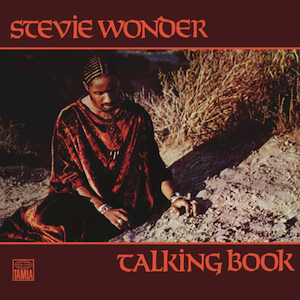
“Talking Book,” Stevie Wonder
Stevland Morris became Little Stevie Wonder at age 12 with a #1 instrumental, “Fingertips,” then put together a string of classic Motown hits (“Uptight,” “I Was Made to Love Her,” “Signed, Sealed, Delivered”). Upon reaching 21, he was free to sign a new contract that gave him full control of his recorded work, and from 1972 through 1977, he gave us four of the best albums of the 1970s, beginning with “Talking Book.” With synthesizer and clavinet dominant in the arrangements, Wonder set out to merge funk with the emotional ballads he was famous for. “I was eager to express the fun of love, the joy of love and the pain of love in these songs,” he said at the time. “Superstition,” “You Are the Sunshine of My Life,” “I Believe When I Fall in Love” and others reinforced his standing as a serious artist with much to offer.
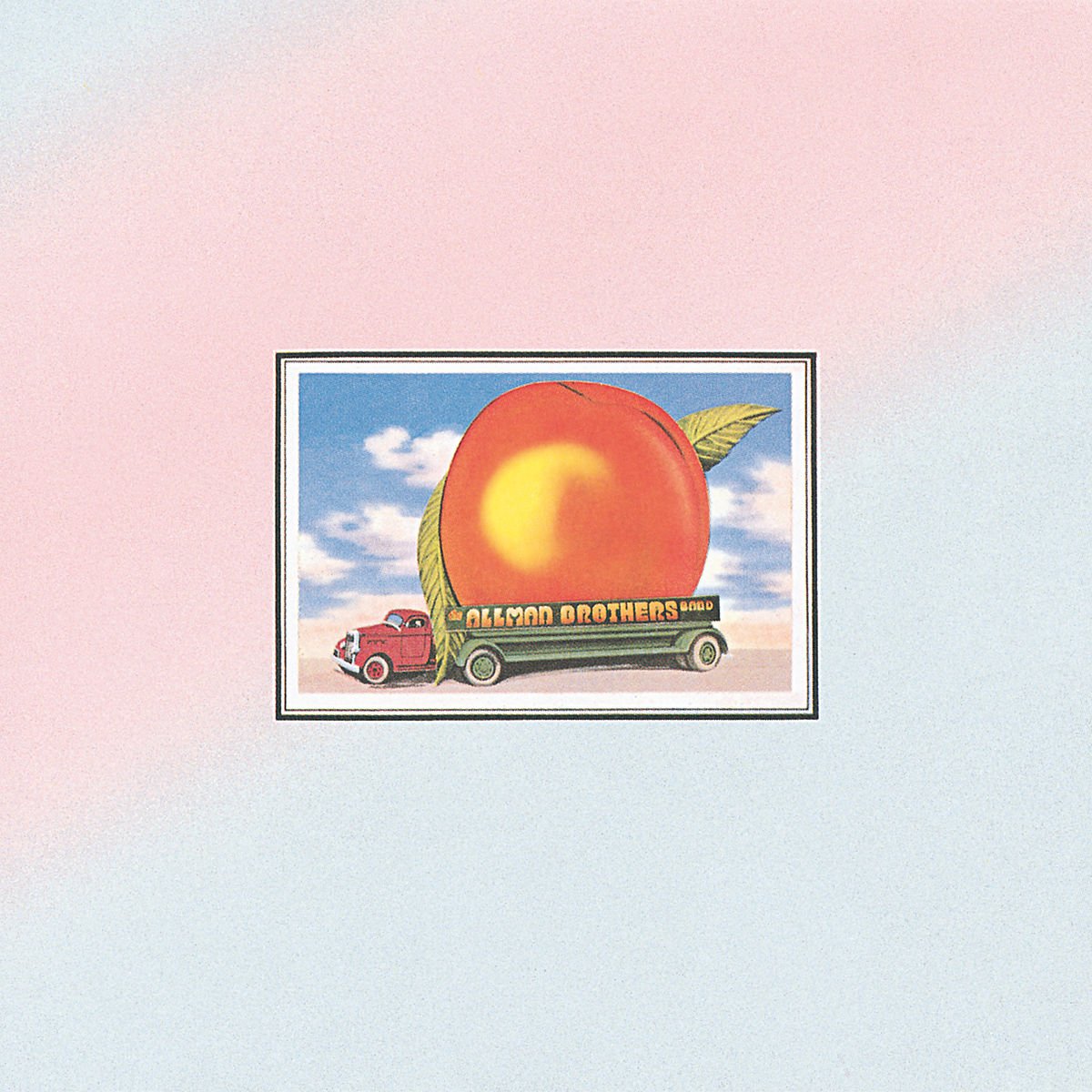
“Eat a Peach,” The Allman Brothers Band
Although their first two studio albums sold poorly, The Allman Brothers Band developed a reputation as a ferocious band in concert, emphatically displayed on their 1971 double live album “At Fillmore East.” Sadly, their spark plug, guitarist Duane Allman, died in a motorcycle accident at age 24, just as the group was really taking off. With brother Gregg and guitarist Dickey Betts singing and writing songs, the band soldiered on, coming up with another double LP, “Eat a Peach,” an exceptional combination of live and studio tracks, some recorded before Duane passed. So much tasty music to be found here, most notably the delightful Betts tune “Blue Sky,” Gregg’s acoustic “Melissa,” their stupendous live take on the blues classic “One Way Out” and the original instrumental, “Les Brers in B Minor.”
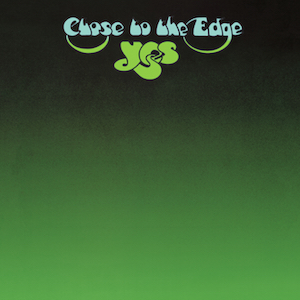
“Close to the Edge,” Yes
From the first time I heard “Yours is No Disgrace,” the spectacular opening track on 1971’s “The Yes Album,” I was a fan. Steve Howe’s fluid guitar and Jon Anderson’s ethereal vocals captured my attention, and Yes only got progressively more interesting when keyboardist Rick Wakeman joined the fold on their “Fragile” LP. The band liked to stretch out with ever-longer numbers, and by the time they released “Close to the Edge” in 1972, there was an 18-minute title track and two more weighing in at 10:12 and 8:56. This was complex, fascinating music, conceived in the studio through relentless rehearsing and recording. The lyrics, while admittedly impenetrable, added to the cosmic nature of their work, and just sounded so good when Anderson sang them.
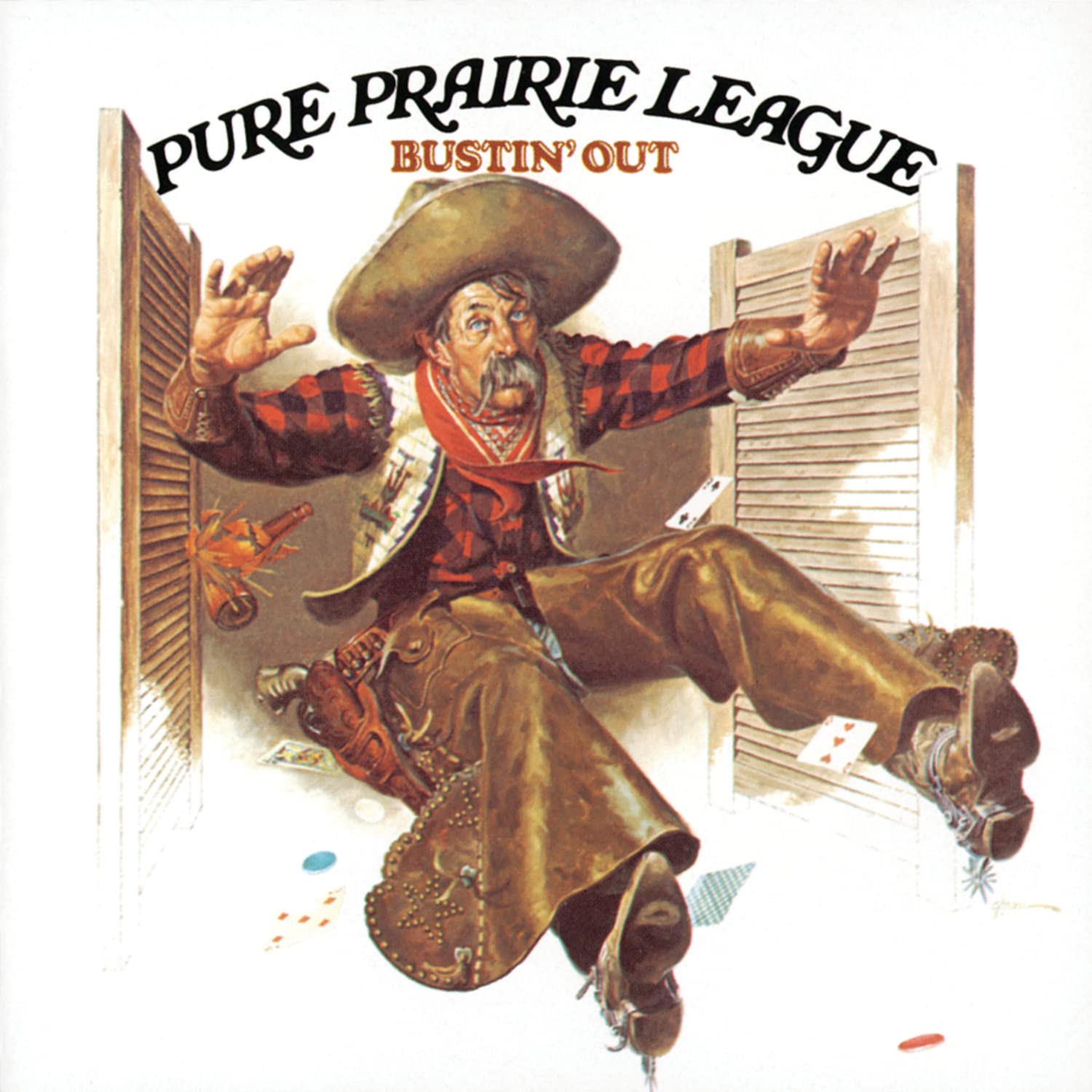
“Bustin’ Out,” Pure Prairie League
From Cincinnati, Ohio, came this unassuming band of country rockers, who released both of their first two albums in 1972. The eponymous debut was a little too country for my tastes, but “Bustin’ Out” was a marvelous blend of folk, rock and country that really grew on me. Pure Prairie League struggled for recognition, which ended up first coming three years after the fact when “Amie” was re-released as a single and became a country rock staple of both AM and FM radio. But there’s much more to this album than that. Note how “Falling In and Out of Love” combines seamlessly with “Amie” in a mini-suite. Craig Fuller was the singer-songwriter behind the group’s artistry, with such excellent songs as “Call Me, Tell Me,” “Jazzman,” “Early Morning Riser” and “Boulder Skies.” This is a quintessential feel-good album.

“Can’t Buy a Thrill,” Steely Dan
I’ve made it abundantly clear in this blog how much I adore Steely Dan’s music, so it should come as no surprise that their wildly entertaining debut LP made my list for 1972. Songwriters Donald Fagen and Walter Becker had intended to write tunes for other artists, but their work was so unusual that they decided it best to form a band and record the songs themselves. The ten songs on “Can’t Buy a Thrill” seemed so fresh and inviting, from the salsa-infused hit “Do It Again” to the terrific rock of “Reelin’ in the Years.” They went on to produce six more LPs over the next eight years, but I have always been fondest of this one. “Kings,” “Dirty Work,” “Change of the Guard,” “Brooklyn,” “Only a Fool Would Say That” — these all have infectious melodies with fun, quirky lyrics. Don’t overlook this album when you think of Steely Dan.
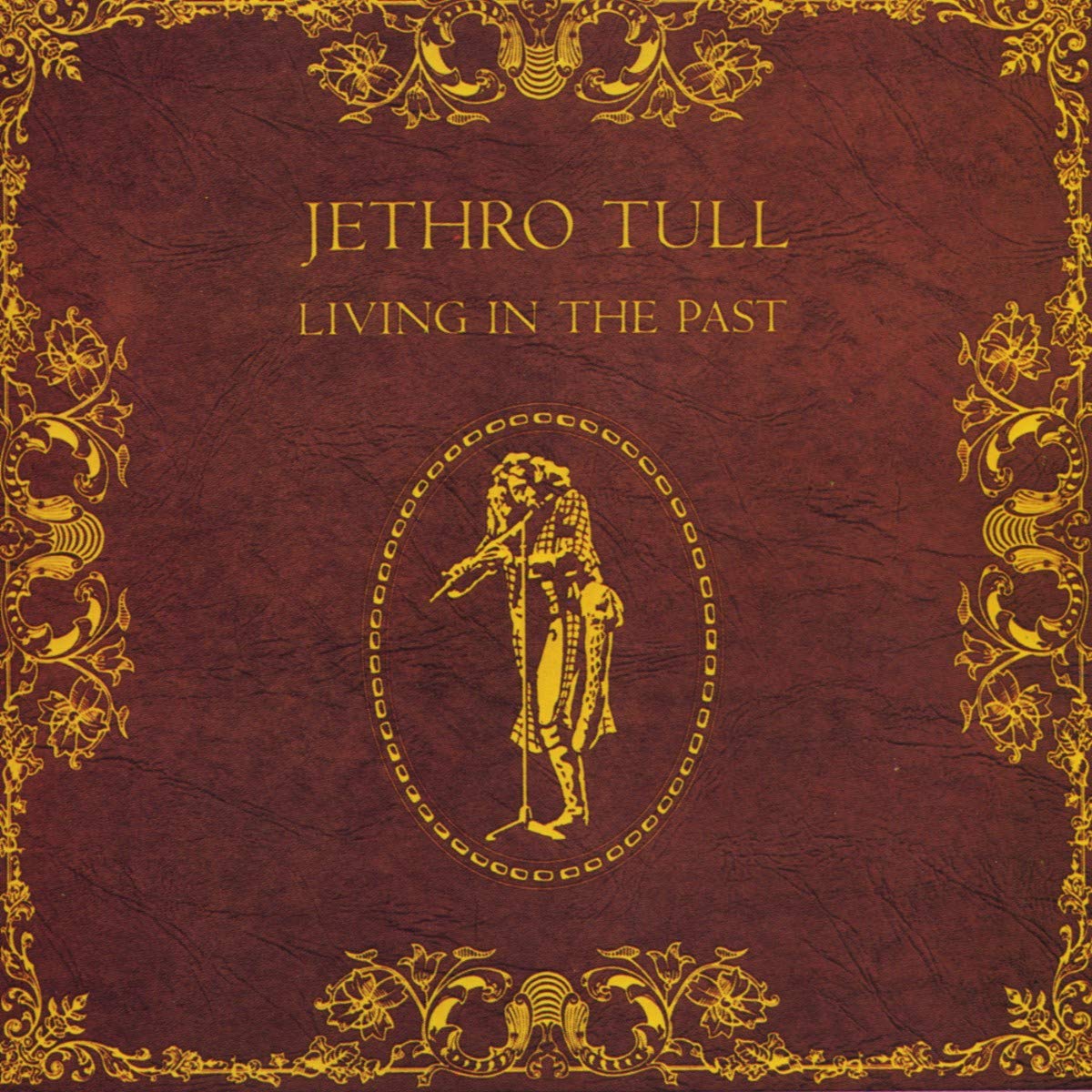
“Living in the Past,” Jethro Tull
Really? Two Tull albums made the list? Well, yes. After absorbing “Thick as a Brick,” I was stunned when the band’s record label put out “Living in the Past,” which was technically a compilation of early recordings and EP tracks that hadn’t been released in the US until packaged in this expansive double album. The title track, which put Tull at #11 on US pop charts in ’72, had been a UK hit in 1969. Other gems from the early Tull catalog included “Sweet Dream,” “Christmas Song,” “Singing All Day” and “The Witch’s Promise,” all of which show off Ian Anderson’s deft songwriting, superb flute and strong singing. Add to that another six tunes from 1971 (especially “Life’s a Long Song” and “Dr. Bogenbroom”), and two live tracks from a 1970 Carnegie Hall concert, and you’ve got a stellar collection (which peaked at #3 on US album charts).
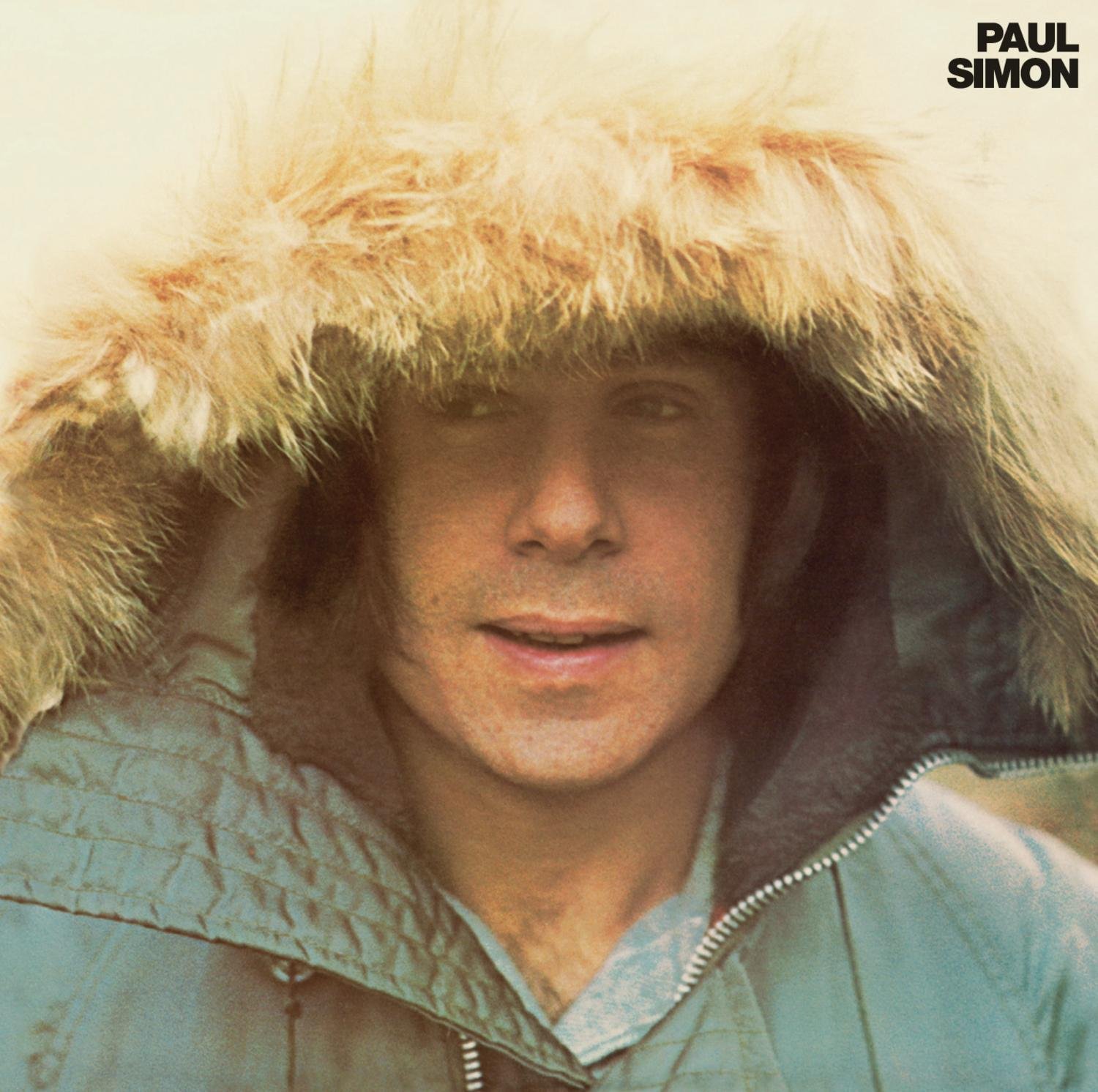
“Paul Simon,” Paul Simon
Columbia Records honcho Clive Davis told Simon in 1971 he was “committing professional suicide” when he announced the breakup of Simon and Garfunkel, one of the biggest-selling acts in pop music at the time. Simon insisted he was interested in expanding his palette beyond the somewhat limited S&G musical motifs, and although some of the songs that showed up on his 1972 solo debut might’ve worked for the duo, he was indeed heading in another direction. The reggae influences in “Mother and Child Reunion,” the Hispanic street beat of “Me and Julio Down By the Schoolyard,” the South American strains heard in “Duncan” and the defiant moan of “Paranoia Blues” announced a new chapter in the life of one of our two or three most gifted musical artists of the past 50 years.

“For the Roses,” Joni Mitchell
Everyone these days fawns all over the confessional songwriting of Joni’s 1971 album “Blue,” which is certainly a very fine set of songs, but I’ve always been partial to her largely overlooked follow-up, 1972’s “For the Roses.” Lyrically, the songs on this one are every bit as introspective and thoughtful, and musically, I think they’re way more sophisticated and polished. “Banquet” explores the inequality of the haves and have-nots; “Cold Blue Steel and Sweet Fire” harrowingly describes the life of the hard drug user; “See You Sometime” captures the pain and longing after a romantic breakup; and “For the Roses” lays bare the brutal realities of success in the music business. Joni again accompanies herself expertly on piano or guitar, but this time with some gentle additional instrumentation from guest players as well.
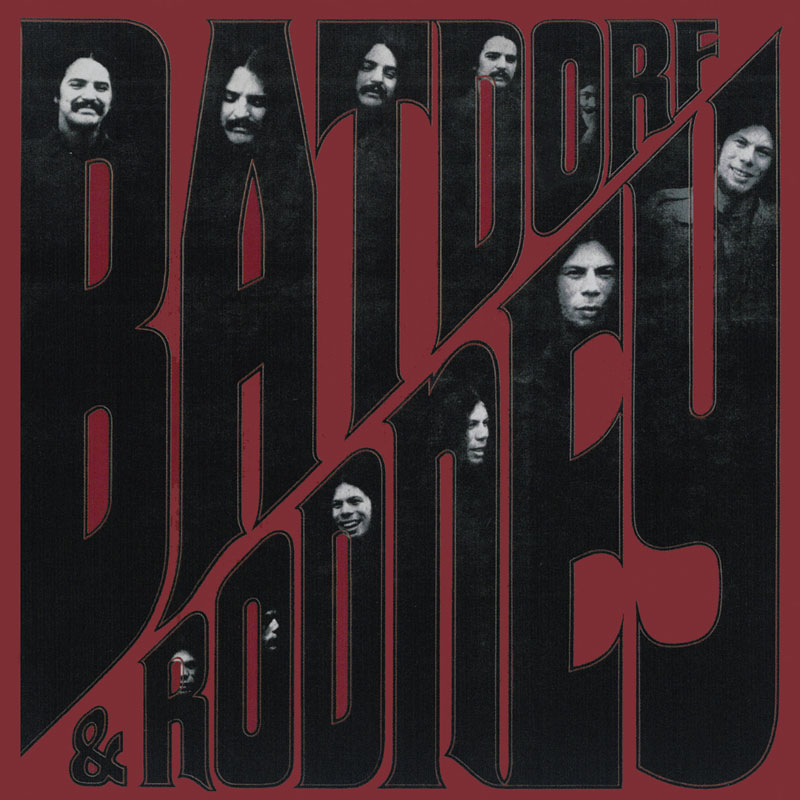
“Batdorf & Rodney,” Batdorf & Rodney
It was late in 1972 when I turned on to this incredibly talented duo, first via their 1971 debut LP, “Off the Shelf,” and its acoustic tour-de-force “Can You See Him.” I still rank their debut among my Top 25 of all time, but the second one, entitled simply “Batdorf & Rodney,” is a very strong album in its own right. John Batdorf, who has continued to write and self-release new music to the current day, penned some real beauties on this collection, recorded with the able collaboration of Mark Rodney’s jazzy lead guitar and sweet harmonies. “Poor Man’s Dream,” “By Today,” “All I Need” and especially “Home Again” are magnificent acoustic entrees that still make me smile all these years later. If you’re not familiar with these guys, now is the time for a welcome discovery.
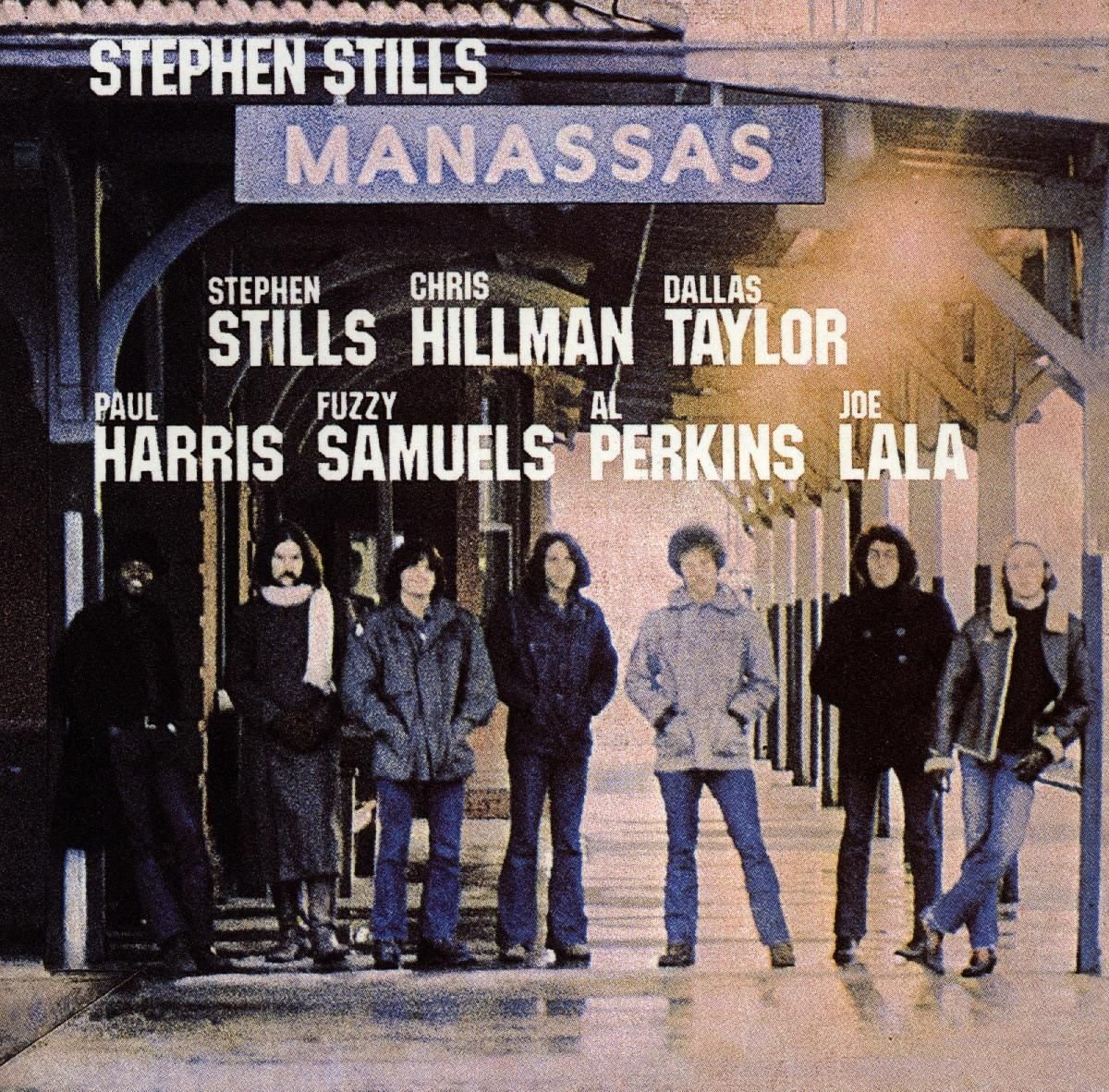
“Manassas,” Stephen Stills and Band
Confession: I was woefully late (around 2005!) in finally recognizing how great this album is. I loved Stills for his songs, his guitar playing and his producing skills on the “Crosby, Stills & Nash” and “Deja Vu” albums, and on his “Stephen Stills” solo debut, but for some reason, I never gave this double album a chance when it was released in April 1972. Holy smokes, what a delicious smorgasbord of great music! Multiple musical styles are represented here, performed by a terrific band that included former Byrd Chris Hillman, pedal steel wizard Al Perkins, percussionist Joe Lala and pianist Paul Harris. There’s country (“Fallen Eagle,” “Hide It So Deep”), rock (“The Love Gangster,” “Right Now”), blues (“Jet Set,” “Blues Man”) and acoustic gems (“Johnny’s Garden,” “Both Of Us”). Get on it, folks!
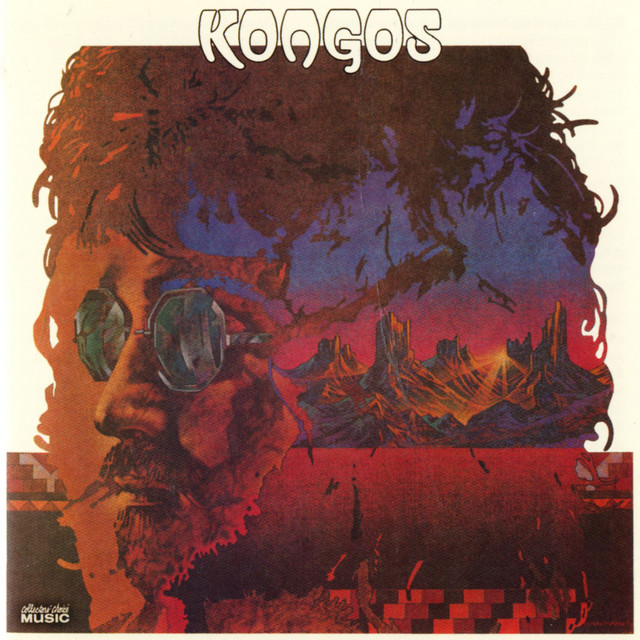
“Kongos,” John Kongos
There was a guy in my college dorm who turned me on to this captivating musician, and I really need to find him to thank him. John Kongos, a South African singer-songwriter living in London, created this excellent LP with the help of Elton John’s former bandmates and production team. His songs on “Kongos” are full of galloping rhythms, sweet melodies and alternately growling and delicate vocals. “Tokoloshe Man,” “Jubilee Cloud” and “He’s Gonna Step on You Again” (a hit single in the UK) grab the listener immediately, while “Try to Touch Just One” and “Gold” grow on you. One song, the lovely “I Would Have Had a Good Time,” sounds eerily like it could’ve been a lost track from Elton’s “Tumbleweed Connection.” This is another artist largely unknown in the US who I heartily recommend to you all.

“Big Bambu,” Cheech & Chong and “Class Clown,” George Carlin
I had to mention these two seminal comedy albums because I listened to them so much that I had the routines memorized. Cheech & Chong’s drug humor is dated now, and a bit sophomoric, but it was pretty daring in 1972. Carlin’s stuff, especially “Seven Words You Can’t Say on Television,” was even more provocative, pushing boundaries of what could be broadcast on public airwaves. Times were changing…
***************************
Honorable mention:
“Something/Anything?,” Todd Rundgren; “Exile on Main Street,” The Rolling Stones; “Saint Dominic’s Preview,” Van Morrison; “Loggins and Messina,” Loggins and Messina; “Sail Away,” Randy Newman; “Summer Breeze,” Seals and Crofts; “Bare Trees,” Fleetwood Mac; “Let’s Stay Together,” Al Green; “Saturate Before Using,” Jackson Browne; “Honky Chateau,” Elton John; “Lady Sings the Blues,” Diana Ross; “Eagles,” The Eagles; “Machine Head,” Deep Purple; “Superfly,” Curtis Mayfield; “Foxtrot,” Genesis; “Caravanserai,” Santana; “Barnstorm,” Joe Walsh; “Catch Bull at Four,” Cat Stevens; “No Secrets,” Carly Simon; “Smokin’,” Humble Pie; “Burgers,” Hot Tuna; “Back Stabbers,” The O’Jays; “A Good Feelin’ to Know,” Poco; “Never a Dull Moment,” Rod Stewart; “Give It Up,” Bonnie Raitt; “Seventh Sojourn,” The Moody Blues; “One Man Dog,” James Taylor; “Raspberries,” The Raspberries; “All the Young Dudes,” Mott the Hoople, “Aztec Two-Step,” Aztec Two-Step.
****************************
Two playlists for you: Three songs each from my Top 15 Albums of 1972, and one song each from my honorable mention list.



 Hack's Back Pages