The autumn moon lights my way

Of the four seasons, I think autumn elicits the widest range of emotions.  Many people I know proudly claim fall as their favorite. The air gets slightly cooler and crisper, the trees turn into dazzling displays of color, festive sports events (games and tailgate parties) are everywhere, Halloween is looming, and thoughts invariably turn to serene or wistful reflection.
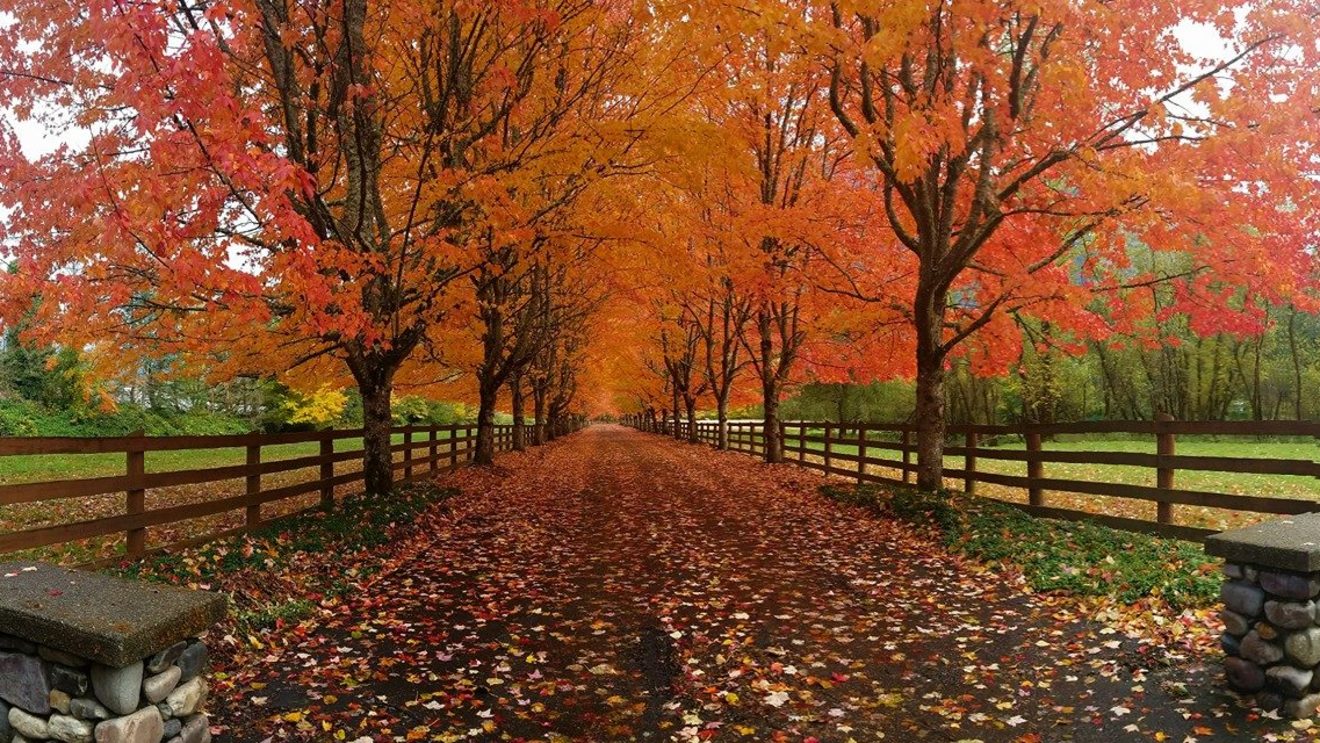
As is so often the case, music has an uncanny way of crystallizing our thoughts, capturing the mood of the moment.  As autumn takes hold, I’d like to take a look at a handful of pretty great songs that explore the many feelings of this multifaceted season.

In my search for songs about autumn, I found the pickings remarkably slim, at least in the rock music genre.  In the ’40s and ’50s, many torch songs about the sadness of autumn were written, and several gems have emerged in more recent years that are worth celebrating.  So I’ve chosen to feature some of them here, even if they don’t strictly adhere to my blog’s usual 1960s-1970s-1980s focus.  I’m bargaining that you won’t mind.

Here’s my diverse list of 20 songs of autumn, with a Spotify playlist at the end for listening along.

**************
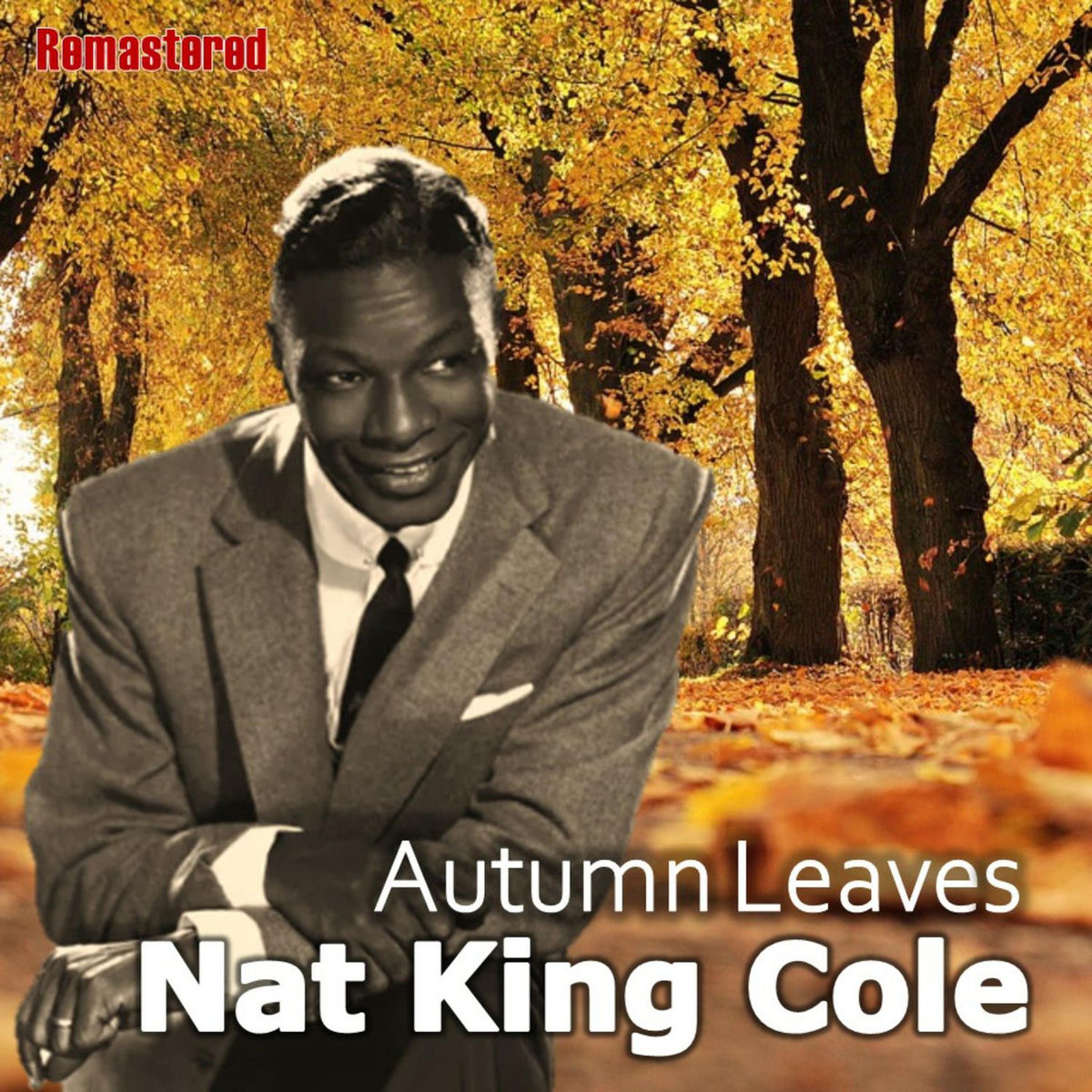
“Autumn Leaves,” Nat King Cole, 1956 

This timeless song from the mid-1940s has been recorded by dozens of pop vocalists and jazz instrumentalists, from Frank Sinatra to Cannonball Adderley, from The Everly Brothers to Barbra Streisand, from Eric Clapton to Rickie Lee Jones. I keep coming back to Nat King Cole’s stunning rendition from 1956, which was so popular that the film in which it was used over the opening credits (The Way We Are”) was actually re-titled “Autumn Leaves” because of it. It’s a quintessentially melancholy song about lost love and how autumn can bring back painful memories: “The falling leaves drift by my window, the autumn leaves of red and gold… Since you went away, the days grow long, and soon I’ll hear old winter’s song, but I miss you most of all, my darling, when autumn leaves start to fall…”
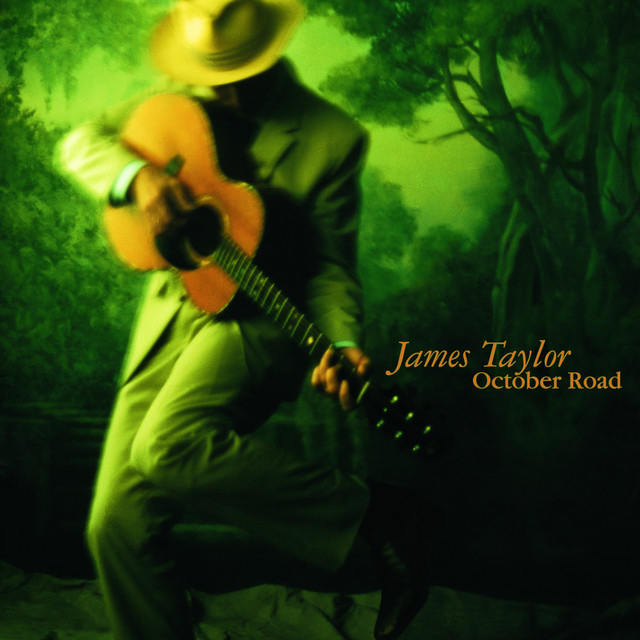
“September Grass,” James Taylor, 2002

One of the best songwriters of the late 20th Century seemed to be running out of gas when he released “October Road” in 2002, a collection of merely average songs instead of the usual high-quality Taylor tunes. Indeed, one of the standout tracks turned out to be John Shelton’s “September Grass,” the only non-original on the LP. Wonderful lyric, pretty melody, altogether perfect for this “Songs of Autumn” playlist: “Well, the sun’s not so hot in the sky today, and you know I can see summertime slipping on away, a few more geese are gone, a few more leaves turning red, but the grass is as soft as a feather in a feather bed, won’t you lie down here right now in this September grass?…”
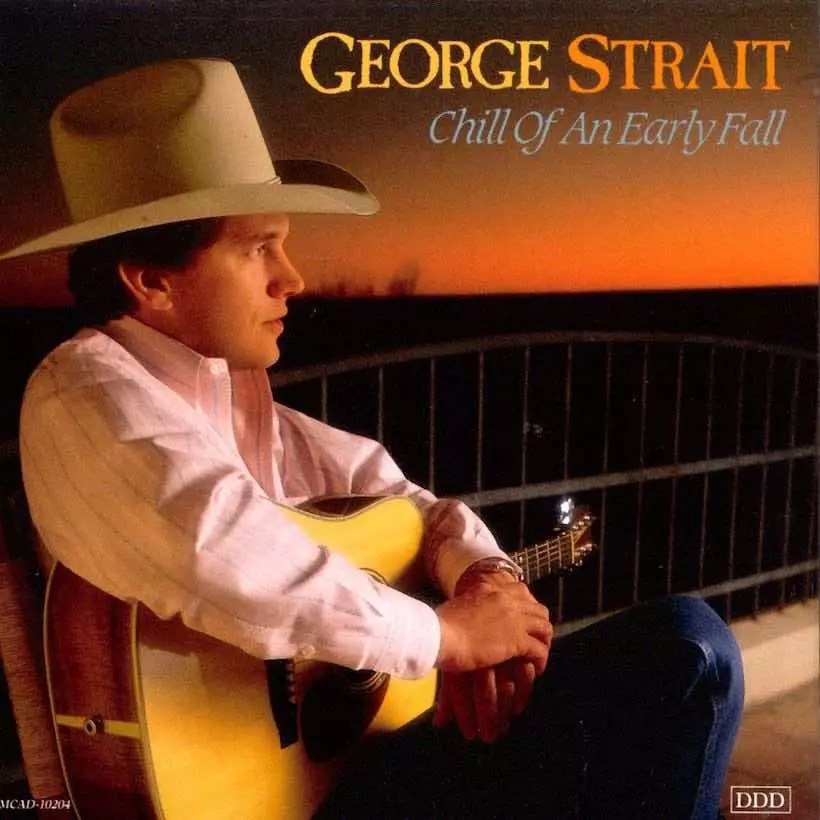
“The Chill of an Early Fall,” George Strait, 1991

Country songwriters Green Daniel and Gretchen Peters teamed up to write this heartbreaker about a person whose lover has cheated in the past, and a former lover who has suddenly come around again to upset the balance.  In 1991, George Strait made the song on the title track on his 11th LP, reaching #3 on country charts that year. It might be reasonable to ask, why does this kind of thing always seem to happen in autumn? “Here it comes again, that same old chilly wind will blow like a cold winter squall, and I’ll begin to feel the chill of an early fall, and I’ll be drinking again, and thinking whenever he calls, there’s a storm coming on…”
“Harvest Moon,” Neil Young, 1992

Young has been something of a chameleon in his lengthy musical career, varying wildly from dissonant grunge (“Rockin’ in the Free World”) to gentle acoustic ballads (“After the Gold Rush”). He rarely leans toward the sentimental side of things, but in 1992 — twenty years after releasing his #1 LP “Harvest” — he came up with “Harvest Moon,” perhaps his most marvelous, delicate love song. It’s a perfect choice for a cool autumn evening: “There’s a full moon rising, let’s go dancing in the light, we know where the music’s playing, let’s go out and feel the night, because I’m still in love with you, I want to see you dance again, because I’m still in love with you, on this harvest moon…”
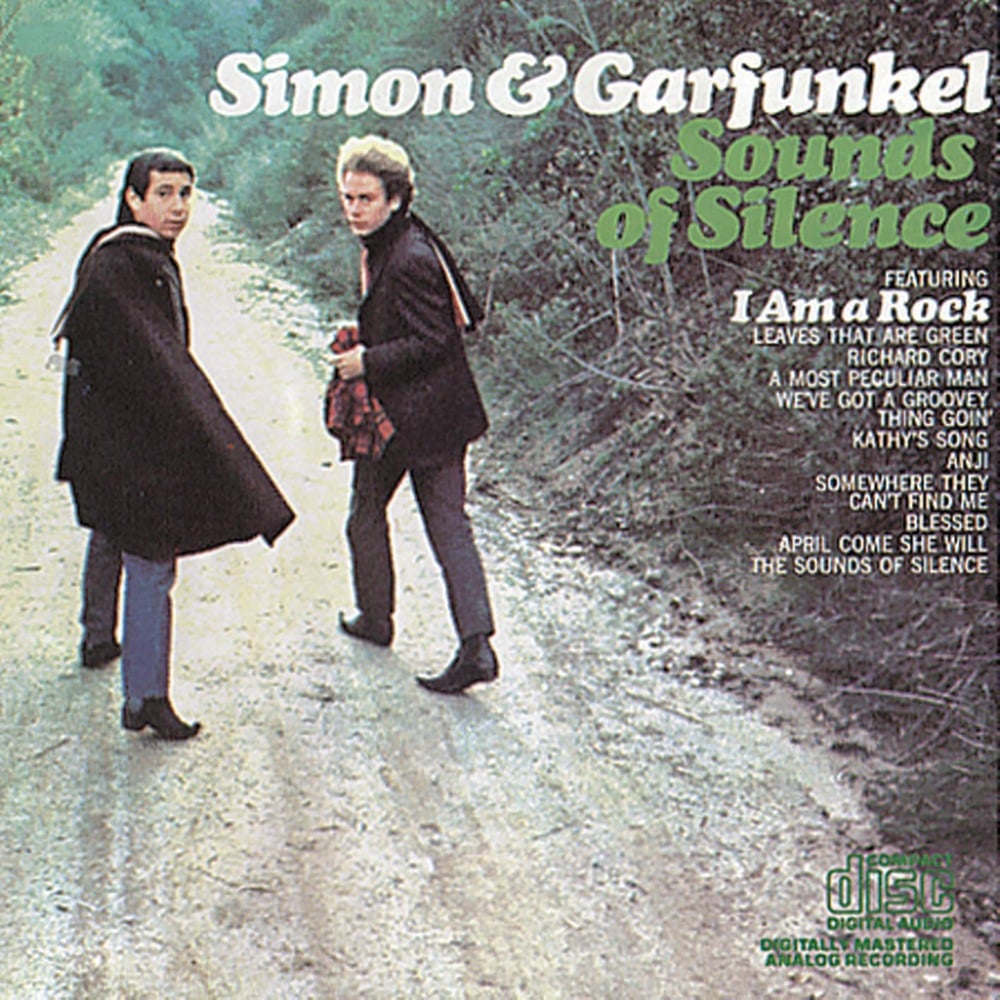
“Leaves That Are Green,” Simon and Garfunkel, 1966

In the early days, Paul Simon’s lyrics were steeped in angst and sadness, painted in isolation (“I Am a Rock”), homesickness (“Homeward Bound”) and quietude (“The Sound of Silence”). And yet, his songs offer achingly beautiful melodies, shimmering harmonies and an undefinable sense of hopefulness.  Witness “Leaves That Are Green,” with lyrics that wistfully remind us how all those gorgeous leaves turn brown and die, but sung to a lilting beat with optimistic bounce.  That takes a rare talent, as we have seen in Simon’s 60+ years of songwriting: “Time hurries on, and the leaves that are green turn to brown, and they wither with the wind, and they crumble in your hand…”
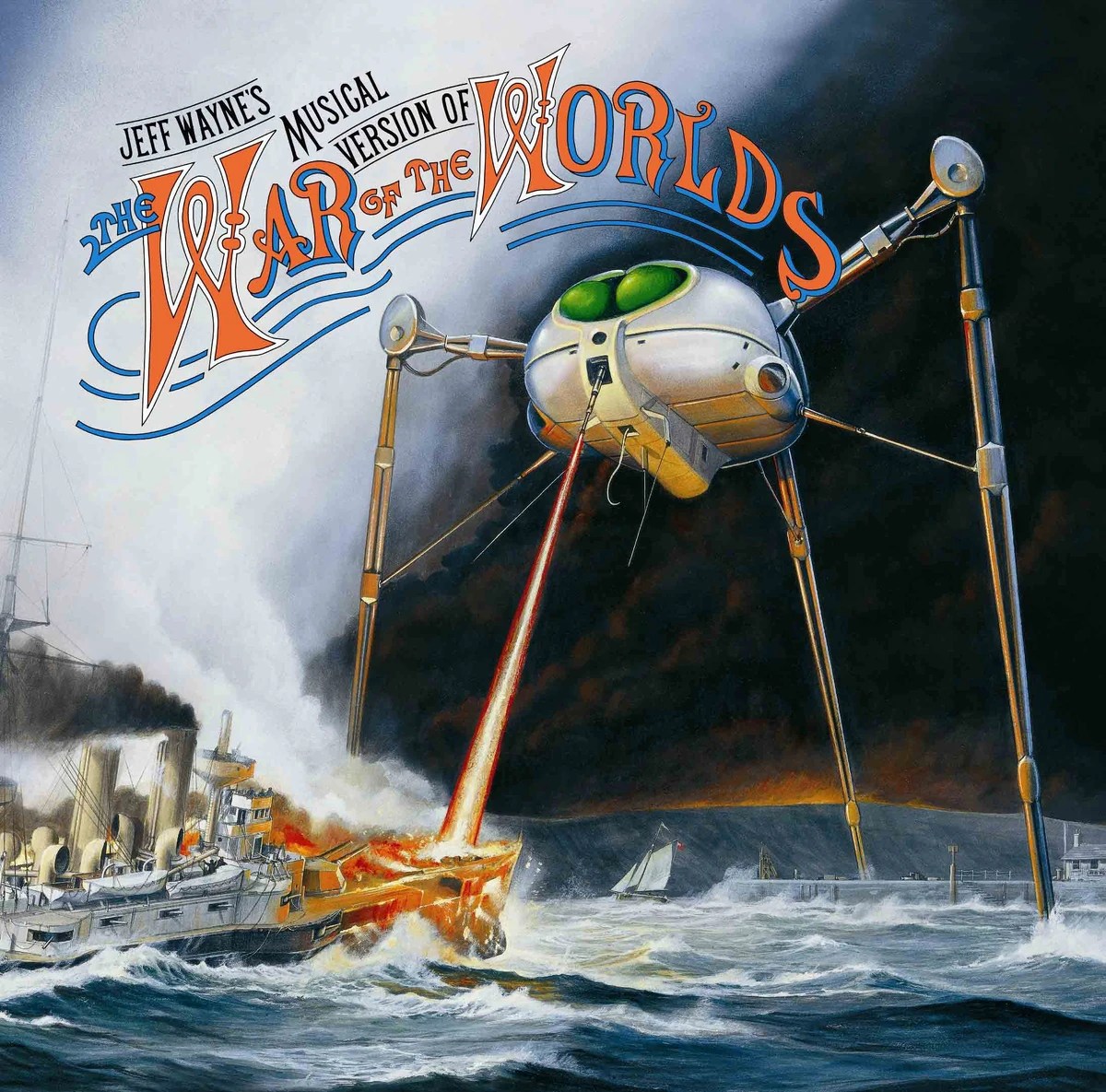
“Forever Autumn,” Justin Hayward, 1978

Incredibly, this melody was first written as a jingle for a Legos commercial in 1969.  Jeff Wayne and Gary Osbourne then added lyrics and released it as a single in 1972, which was a hit in Japan but nowhere else.  Wayne tried again in 1978 as he was compiling the soundtrack for his “Musical Version of War of the Worlds,” and his dream was to have “the voice that sang ‘Nights in White Satin’ sing it.”  His wish was granted when Justin Hayward stepped up, and the result was a #5 hit in the UK (although only #47 in the US).  “Through autumn’s golden gown, we used to kick our way, you always loved this time of year, those fallen leaves lie undisturbed now, ’cause you’re not here…”
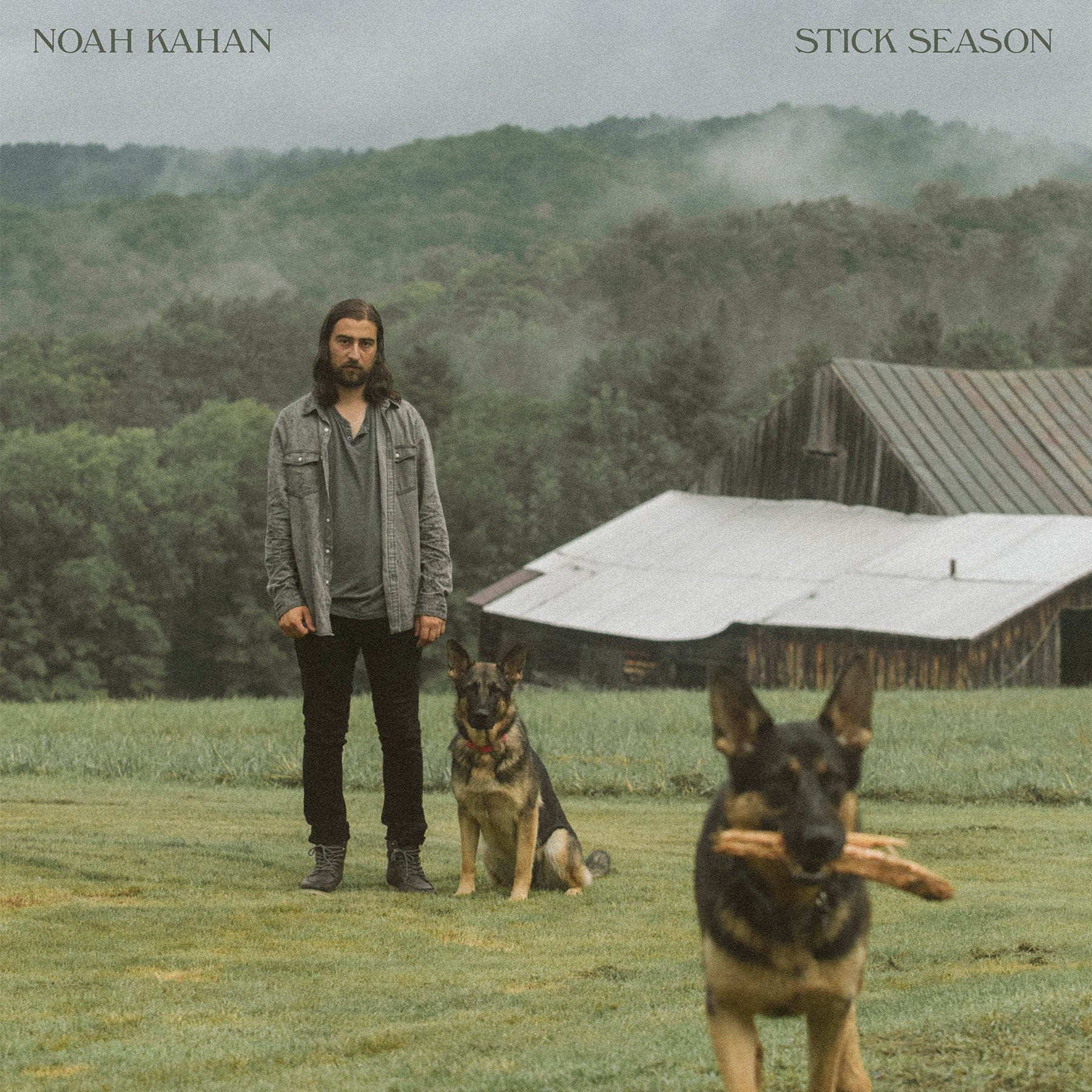
“Stick Season,” Noah Kahan, 2022

Kahan, who started writing songs at age 8, broke out in 2017 with “Hurt Somebody” at age 20, and has recently graduated to headlining a sold-out tour of stadiums in multiple countries. He’s a pensive singer-songwriter whose songs explore such life transitions as leaving home as a young adult, negotiating a pandemic, and getting help for mental health issues. He grew up on a tree farm in Vermont, the inspiration for his 2022 album and title song “Stick Season.” The phrase refers to a term for autumn in New England, for the period after Halloween before the winter snow begins. Said Khan, “It just means that winter is coming soon, which creates a lot of anxiety because nobody really likes it.” “And I love Vermont, but it’s the season of the sticks, /And I saw your mom, but she forgot that I exist…”
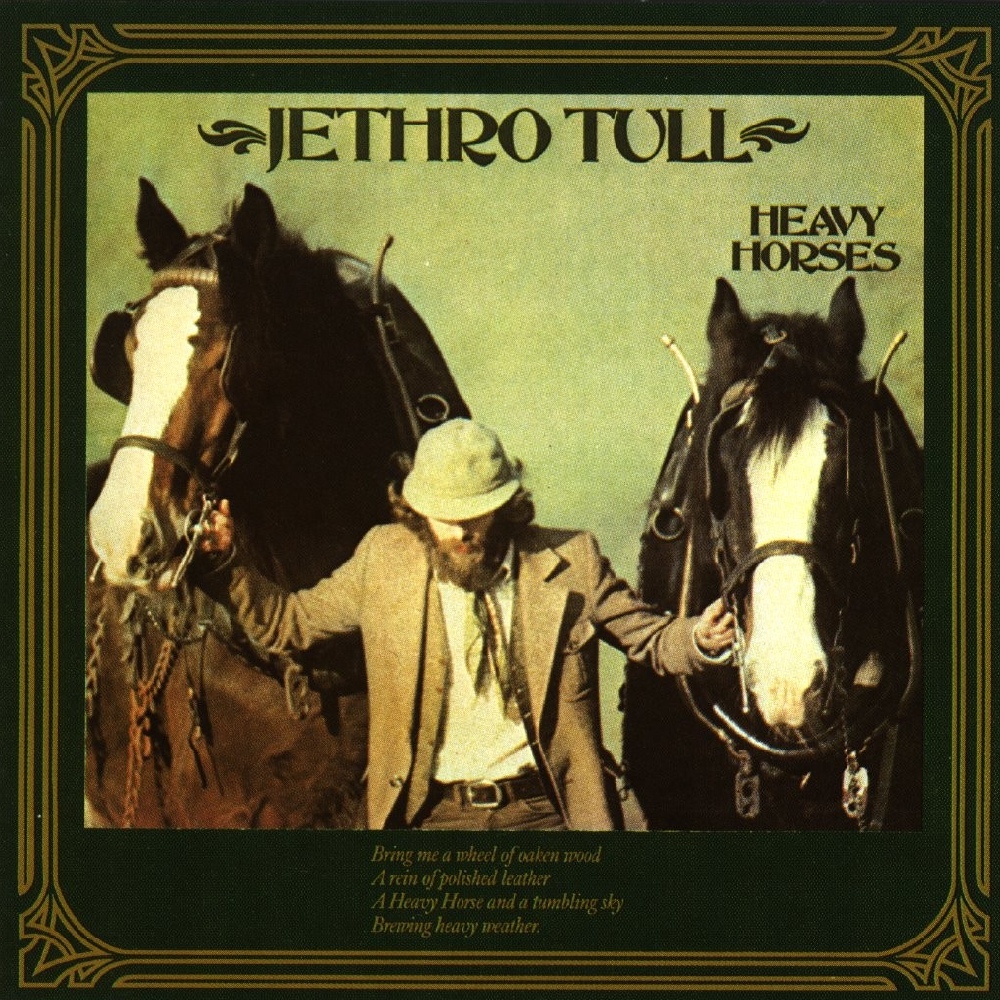
“Heavy Horses,” Jethro Tull, 1978 

In 1976, Tull’s Ian Anderson bought himself a salmon-farming operation in his Scottish homeland, and began spending nearly half of his time settled into a more pastoral, agrarian lifestyle. This new pursuit became an inspiration for songs that showed a more organic bent, beginning with the band’s popular “Songs From the Wood” LP in 1977. Even better is the title track to his 1978 album “Heavy Horses,” a minor masterpiece that runs eight minutes on the album, but a later compilation LP trims it in half for a more concise edit. The lyrics succinctly describe the admirable work of the massive farm horses who have traditionally done the heavy lifting during the toil of harvest time each autumn: “Iron-clad feather feet pounding the dust, an October’s day towards evening… Bring me a wheel of oaken wood, a rein of polished leather, a heavy horse and a tumbling sky, brewing heavy weather…”
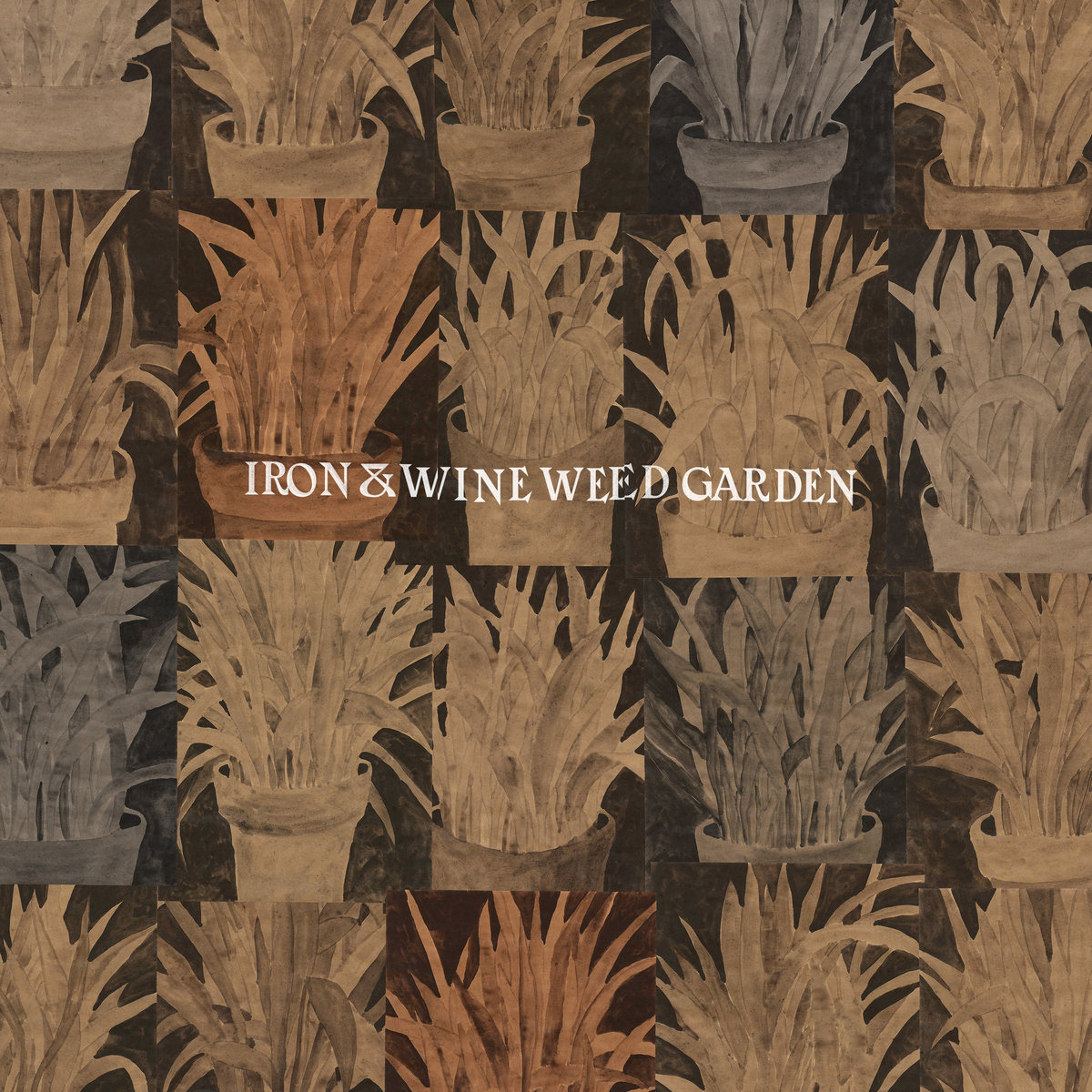
“Autumn Town Leaves,” Iron + Wine, 2018

Sam Beam is a 52-year-old filmmaker and professor from South Carolina who, at age 30, took on the stage name Iron + Wine (from a dietary supplement!) and began writing and recording music. Since 2002, he has released seven albums and four EPs of perceptive acoustic music, becoming something of a critics’ darling while building a modest fan base. On his EP “Weed Garden” in 2018, you’ll find the poignant “Autumn Town Leaves,” which merges spiritual and natural imagery: “In this autumn town where the lights can change, some get mercy and some get blamed, /Some get lost when they feel the river flowing, it’s all holy smoke and the flame dies fast…”
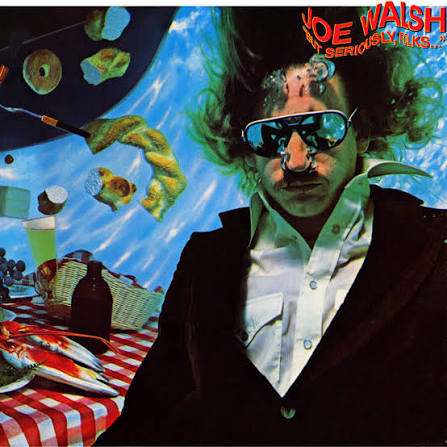
“Indian Summer,” Joe Walsh, 1978

You might not expect an exuberant rock star like Walsh to come up with comforting, melodic soft-rock tunes like this one, but if you examine his catalog (from his James Gang days through solo LPs and Eagles tracks), you’ll find quite a few. One of my favorites is this beauty from his 1978 commercially successful LP “But Seriously Folks,” which is better known for its humorous single “Life’s Been Good.” On “Indian Summer,” he focuses on the reflective nature of the months between summer and winter: “I was taken by surprise by the thunder, sat and stared out at the rain, taken back, I was younger in a vacant lot day, and then fall brought an Indian summer, and plenty of places to play…”
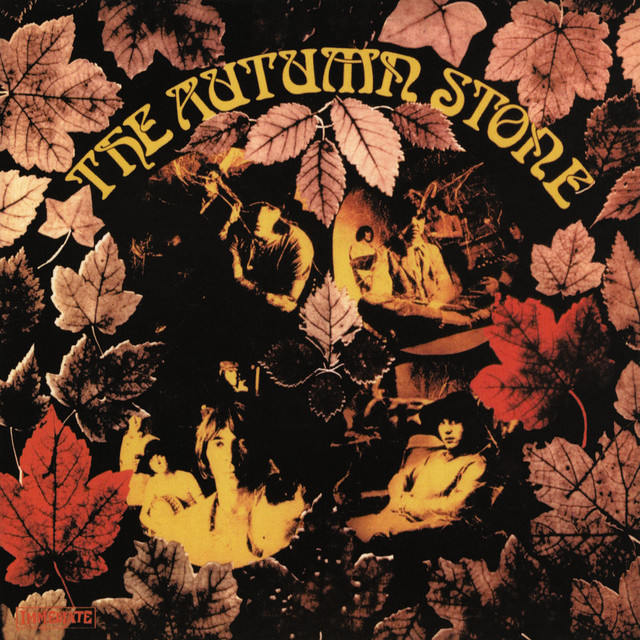
“The Autumn Stone,” Small Faces, 1969

Quite popular in their native England in 1965-68 but virtually unknown in the US except for the “Itchycoo Park” single, The Small Faces were led by guitarist/singer Steve Marriott, who eventually chose to hook up with Peter Frampton and form the more successful Humble Pie in 1969. This double album of odds and ends from previous sessions, plus a few live recordings, was released in late 1969 six months after The Small Faces broke up and three months after Humble Pie’s debut. The title song, written and sung by Marriott, had been intended as a single from “1862,” their projected but unrealized fourth album: “I’m looking for an open door where I can sit and play in peace and quiet, /Tomorrow changes fields of green today, /Yesterday is dead, but not my memory…”
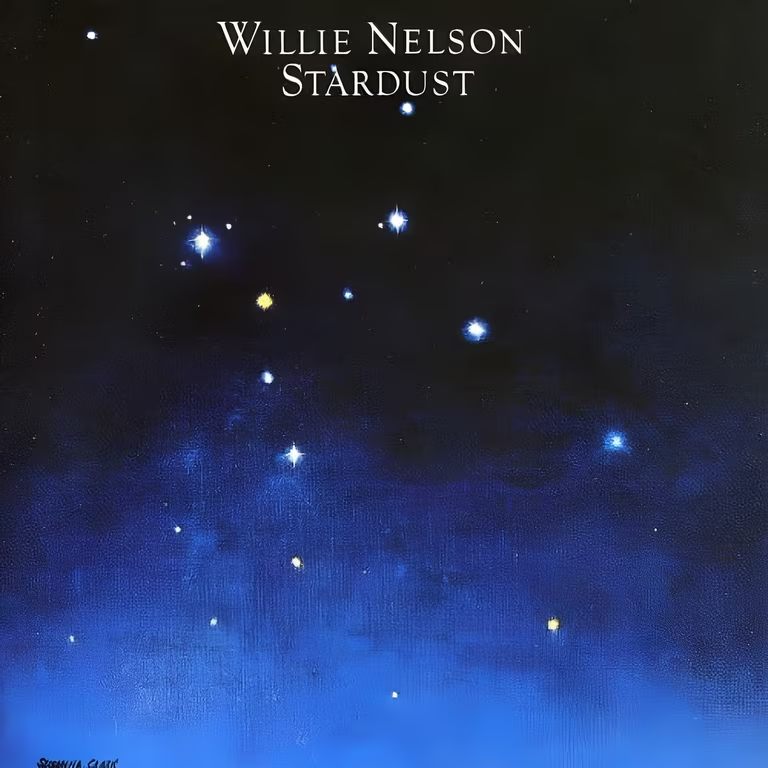
“September Song,” Willie Nelson, 1978

Columbia Records execs were skeptical in 1978 when Nelson, who had carved out a reputation in the outlaw country genre, expressed an interest in doing an album of American pop standards. To everyone’s surprise, the album reached #30 on US pop charts and #1 on country charts, receiving universal acclaim. Along with such well-known tunes as “Stardust,” “Moonlight in Vermont,” “Georgia On My Mind” and “Someone to Watch Over Me” was the Kurt Weill/Maxwell Anderson classic “September Song,” written for the 1938 musical “Knickerbocker Holiday.” The narrator rues the time he wasted in his younger years but is looking forward to spending the precious days he has left with his loved one: “Oh, it’s a long, long while from May to December, /But the days grow short when you reach September, when the Autumn weather turns the leaves to flame…”
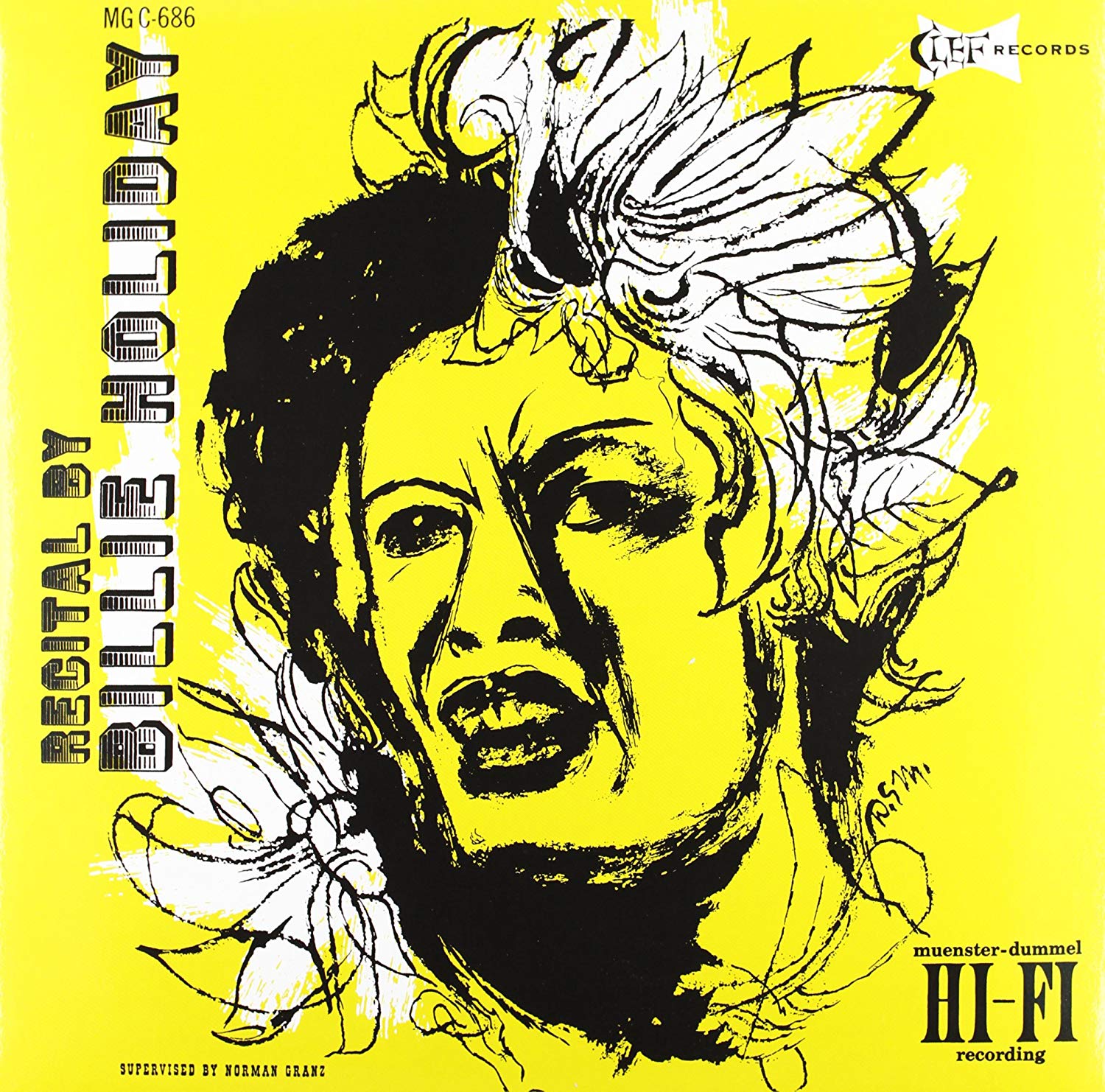
“Autumn in New York,” Billie Holiday, 1952

Composer Vernon Duke wrote this jazz standard way back in 1934 without a commission or for a specific show, and although it ended up being used in the Broadway musical “Thumbs Up!”, it wasn’t published until 1949 when Frank Sinatra recorded it and took it to #27 on US pop charts. It has been recorded by dozens of artists like Charlie Parker, Stan Kenton, Sarah Vaughan, Diana Krall and Harry Connick Jr., but the definitive rendition, to my ears, is the one Billie Holiday recorded in 1952. It conjures up a one-act play of two people who pass each other in Central Park one fine fall day, each wrapped up in their own trials and tribulations and failing to make that chance encounter that would change the course of their lives: “It’s autumn in New York that brings the promise of new love, /Autumn in New York is often mingled with pain, /Dreamers with empty hands, they sigh for exotic lands, /It’s autumn in New York, it’s good to live it again…”
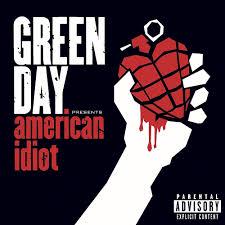
“Wake Me Up When September Ends,” Green Day, 2004

After a splashy debut in the early ’90s, punk/pop band Green Day hit the jackpot with 2004’s “American Idiot,” an album described as “a punk rock opera” that followed the story of an antihero known as Jesus of Suburbia. Steeped in political disillusionment, the LP struck a chord with the generation coming of age. It reached #1 and spawned five hit singles, notably “Boulevard of Broken Dreams” (a Record of the Year Grammy winner) and “Wake Me Up When September Ends,” on which frontman Bille Joe Armstrong ties together the grief of losing his father in September 1982 with the national mourning of September 11, 2001: “Here comes the rain again, falling from the stars, /Drenched in my pain again, becoming who we are, /As my memory rests, but never forgets what I lost, Wake me up when September ends…”
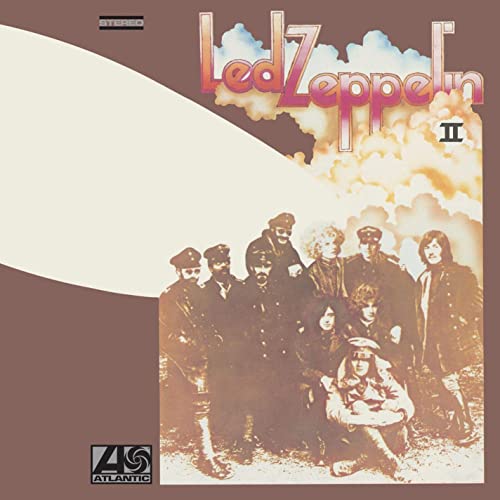
“Ramble On,” Led Zeppelin, 1969

Even a hard blues rock band like Led Zeppelin had something poignant to say about fall. In the opening verse of “Ramble On” from the band’s iconic “Led Zeppelin II” LP, in 1969, vocalist Robert Plant came up with perfect lyrics about moving on before the weather turns bitter. The music Jimmy Page and John Paul Jones put together for this track offers the fine balance they were going for between heavy and light (lead and zeppelin). The rest of the lyrics delve into imagery and characters from “Lord of the Rings,” but those opening lines have always made me think of autumn: “Leaves are falling all around, time I was on my way, thanks to you, I’m much obliged, such a pleasant stay, but now it’s time for me to go, the autumn moon lights my way…”
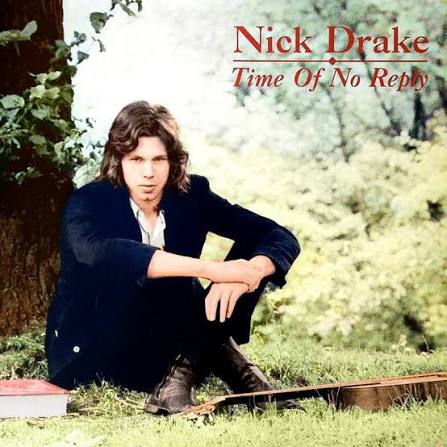
“Time Of No Reply,” Nick Drake, 1968/1987

A sensitive British singer/songwriter tortured by clinical depression, Drake died at only 26 from an overdose of antidepressants. He released three albums between 1969 and 1974 which were all praised by critics, but his aversion to performing kept him from developing any career momentum. Years later, a posthumous collection released in 1987 included a beautiful track called “Time of No Reply,” written in 1968 but left off his debut album. It explores the passing of summer and the onset of the season “when we listen more and speak less,” as he put it: “Summer was gone and the heat died down, and Autumn reached for her golden crown, /I looked behind as I heard a sigh, but this was the time of no reply…”
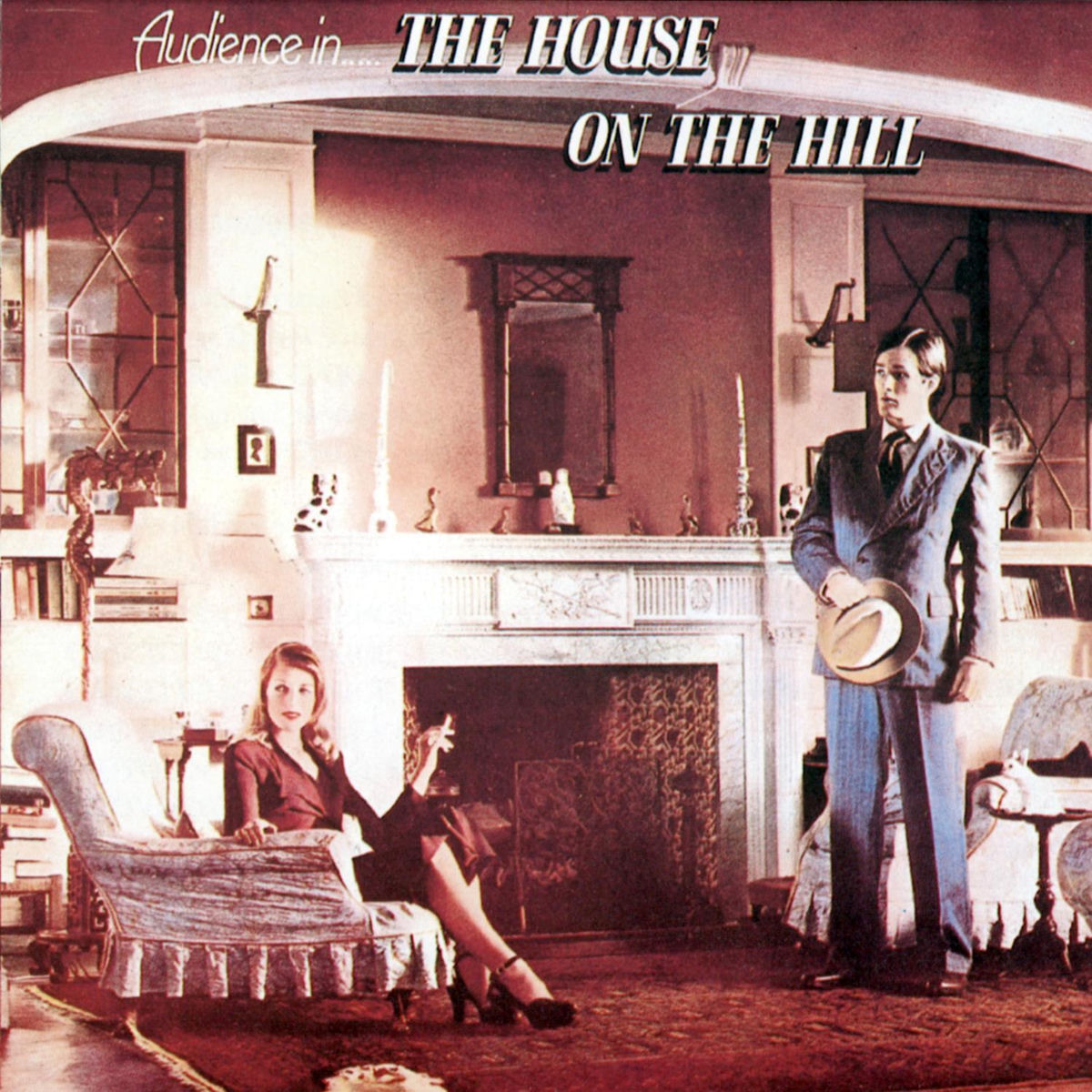
“Indian Summer,” Audience, 1971

The art-rock subgenre was big in England in the late ’60s/early ’70s, and one of its more talented practitioners was Audience, led by singer/acoustic guitarist Howard Werth and sax/flute/clarinet man Keith Gemmell. British critics liked their first two LPs, and they won enough recognition to warm up for Led Zeppelin on a couple of tours in 1970. Their third album, 1971’s “House on the Hill,” was the first released in the US, and is considered a minor classic in some circles, although it never charted. But the single “Indian Summer” managed to reach #74 on US pop charts, and its unique, melodic sound will grab you. Lyrically, it’s a short pastiche about a brief autumn encounter: “Sat where it’s cool and shady, could age take the taste away? /I met a widow lady, couldn’t waste a day, /That was my Indian summer…”
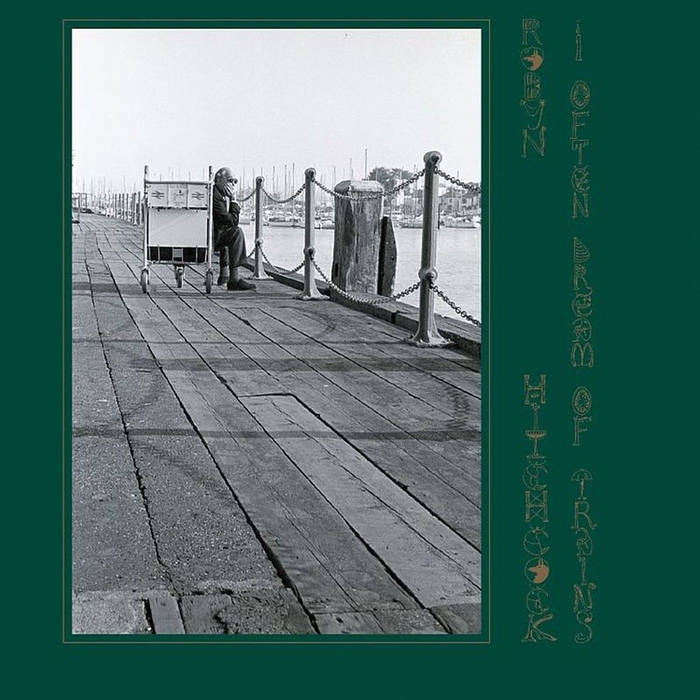
“Autumn is Your Last Chance,” Robyn Hitchcock, 1984

After leading the British rock band The Soft Boys in the late ’70s, Robyn Hitchcock embarked on a solo career that’s still going. He writes sardonic lyrics and specializes in music that has been alternately described as alternative rock and psychedelic folk, and bands like R.E.M. and The Replacements have mentioned Hitchcock as an inspiration. Most of his success has come in the UK, but some of his albums have been praised in the US rock press, notably his 1984 LP “I Often Dream of Trains,” which includes the enigmatic “Autumn is Your Last Chance”: “I walk through the heather underneath the sky, /The leaves have never looked as good as now they’re going to die, but I know why…”
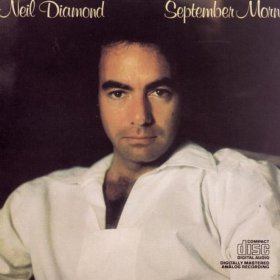
“September Morn,” Neil Diamond, 1979

We all know Diamond was a mainstay on the US pop charts from the late ’60s onward, but it’s amazing to learn that “September Morn,” which reached #17 in 1979, was his 30th Top 40 hit, and it peaked at #2 on the adult contemporary chart, where his music always fared much better than the mainstream chart. Diamond had become the king of the romantic ballad by the late ’70s, reaching #1 with his duet with Barbra Streisand, “You Don’t Bring Me Flowers.” He collaborated with French singer Gilbert Becaud to write “September Morn,” with lyrics that focused more on love than the fall season: “September morn, do you remember how we danced that night away? /Two lovers playing scenes from some romantic play, /September morning still can make me feel that way…”
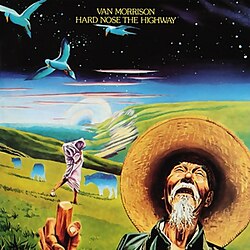
“Autumn Song,” Van Morrison, 1973

Following the run of excellent LPs Morrison released in the early ’70s (“Moondance,” “His Band and the Street Choir,” “Tupelo Honey” and “Saint Dominic’s Preview”), critics found his 1973 album “Hard Nose the Highway” something of a letdown. Out of the 30+ songs he recorded in the sessions, most of which remained unreleased until the late ’90s, he chose only eight, including “Warm Love,” the well-received single, and notably, “Autumn Song,” a 10-minute excursion celebrating the simple joys of autumnal life. Morrison’s always-engaging vocals are complemented by piano trills and guitar fills as the lyrical imagery dances with the lilting melody: “Leaves of brown, they fall to the ground, and it’s here, over there, leaves around… /Pitter patter, the rain falling down, a little glamour, sun coming round, /Take a walk when autumn comes to town…”

***********************************
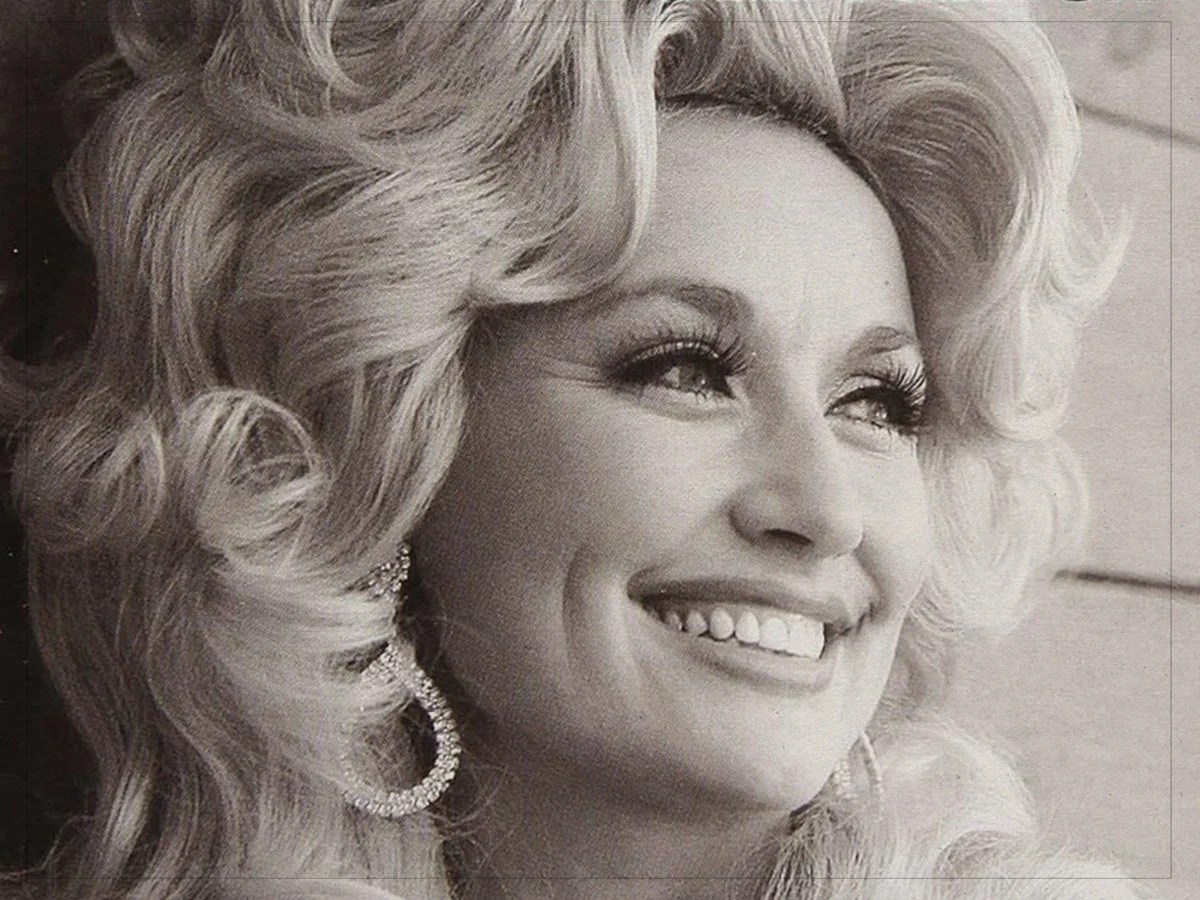
Goodbye, please don’t cry, I will always love you

“I’ve never been offended by all the dumb blonde jokes people tell about me.  You know why?  It’s because I know I’m not dumb… and I also know I’m not blonde.“

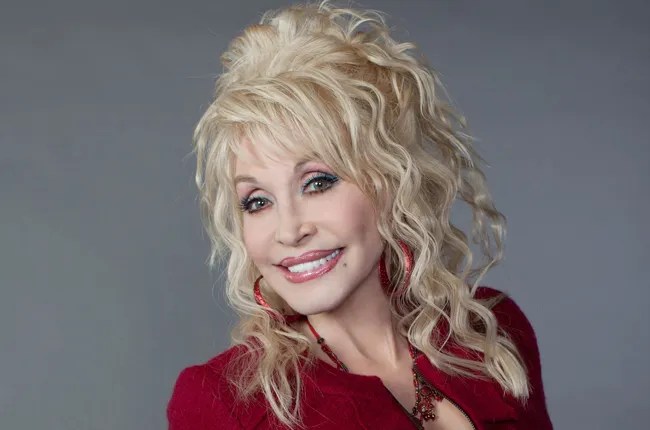
This famous Dolly Parton quote succinctly captures her essence:  Keen self-awareness.  Genuine humility.  Positive attitude.  A wonderful sense of humor.

And now, it seems impossible, but it’s true. Dolly is gone.

This extraordinary woman, who has managed to shine in multiple disciplines (songwriting, singing, recording, performing, films, television, entertainment businesses and philanthropic endeavors), died Tuesday, August 25th, at age 80. As David Graham of The Atlantic put it: “During one of the most divisive eras in modern times, Parton was perhaps the only person in the U.S. who commanded universal affection. Her death leaves an absence that no contemporary cultural figure could dream of filling.”

I’ve written way too many obituaries on this blog since I started it in 2015, but this week I’m finding it especially challenging because Dolly Parton felt to many folks like one of those people who would always be with us. Her influence transcended generations, musical tastes and political lines. It seems that everyone loved her.

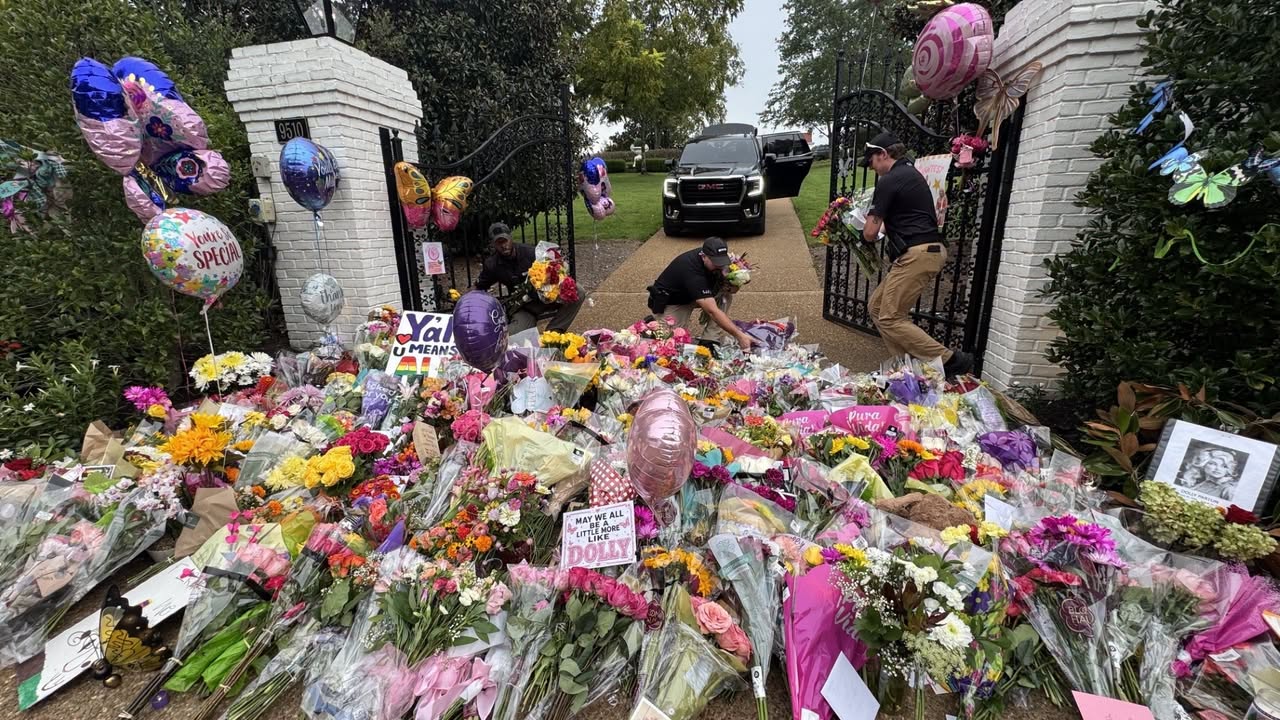
The outpouring of grief and loss and earnest tribute these past few days has been pretty much unprecedented. Her close friends, compatriots and collaborators in the music industry have bared their hearts and souls, of course, as have celebrities in film, politics, community outreach and other professions.

“We are all crushed here at our house,” said Vince Gill. “One of the most beautiful sounds I’ve ever heard was when Dolly and I sang that last note of ‘I Will Always Love You’ the year we performed it on the CMA Awards [in 1995].”

“A world without Dolly doesn’t seem possible, or real, or right,” said Taylor Swift. “She gave us someone to look up to while encouraging us to be who we are as individuals.”

Even British art rocker Peter Gabriel was moved to comment. “Maybe the Smoky Mountains should now have their own giant Rushmore-like carving of their own daughter, Dolly – the little girl who grew up to become the Queen of America.”

The public at large, too, have been crying their eyes out for this truly beloved woman and the kind, selfless way she lived her life. In Nashville, where she has lived for six decades, there’s already a move afoot to rename the airport as Dolly Parton International Airport, and I have little doubt that’ll happen. One man on social media called for a national day of mourning, adding, “We need a Dolly Revolution. Let’s Make America Kind Again.”

In front of Parton’s Nashville estate this week

As much as she accomplished in the entertainment industry, she is being lauded much more for her generosity, her contagious bright light, her inspiring words and actions. A motivational speaker and life coach named Krista Demcher summed it up succinctly in a social media post Thursday morning:

“Imagine spending 80 years on the planet writing more than 3,000 songs, winning 11 Grammys and 10 CMAs, having 55 Top Ten hits, an Emmy and countless other nominations, and at the end of your life, no one talks about that. Instead, they talk about the kind of person you were; how you loved others well, how you stayed true to yourself, how you were generous and would champion others, and how you inspired others to do the same. If that’s not the goal, then I don’t know what is.”

I’d like to tip my hat to a writer named Bill Friskics-Warren, who wrote an exceptional tribute to Parton in The New York Times, published less than 24 hours after she passed away. Here are a few passages:

“Stylistically, Ms. Parton’s music ran the gamut: mountain bluegrass and soul-inflected countrypolitan, disco-era pop and covers of classic rock touchstones written by Neil Young and Led Zeppelin — all of it rendered indelible by her irrepressible spirit and alternately keening and gossamer soprano drawl.”

“Ms. Parton cannily exploited — and transcended — rural stereotypes and kitsch to fashion a down-home chic entirely her own. (‘A country girl’s idea of glam,’ she called it in the 2007 song ‘Backwoods Barbie.’) In the process, she became an international celebrity who headlined stadium tours, starred in Hollywood movies, built a business empire and appeared on the covers of Rolling Stone and Playboy magazines.  Her at times girlish soprano notwithstanding, she was anything but the ‘dumb blonde’ invoked in the title of her 1966 single.

“‘I’ve created this and played it up — the makeup, the whole persona,’ Ms. Parton said, alluding to her plastic surgeries as well as her colloquial Dollyisms. ‘But this isn’t all I am. It’s not even most of what I am. Hopefully, people can see beneath the hair to know there’s a brain, see beneath the boobs to know there’s a heart, and see behind all the other stuff to know there’s some talent.”

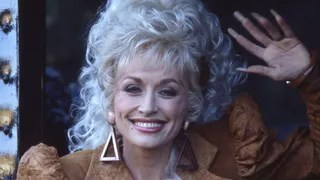
Parton in 1982

If you’re looking for proof that Dolly Parton is not a “dim bulb,” as she might put it, there’s a revealing story about what happened — or what could have happened, but didn’t — with one of her most famous songs.

In 1973, Parton wrote “I Will Always Love You,” which was meant as a fond tribute to her friend and singing partner, Porter Wagoner, with whom she was amicably ending a seven-year professional collaboration.  Dolly recorded it herself, and then watched as it soared to #1 on the Hot Country charts (although it didn’t even make the Pop charts).

None other than Elvis Presley let it be known that he loved the song and wanted to do his own version.  He was all set to record it when Presley’s manager, Colonel Tom Parker, told Parton that it was customary for songwriters to give up half of the publishing rights to Presley for any song he recorded.  While others had gladly agreed to this just to have Elvis sing their song, Parton ended up politely declining.

“I said, ‘I’m really sorry, I just can’t do it,'” she recalled years later, “and I cried all night.  I was still relatively new in the business, and I mean, it was like, ‘Oh, my God, it’s Elvis Presley.’  And other people were saying, ‘You’re nuts. It’s Elvis Presley.’  But I said, ‘I just can’t do that.’ Something in my heart said, ‘Don’t do that.’  And I just didn’t do it. Of course, he would have done a killer rendition…but anyway, so he didn’t.  Then, when Whitney Houston’s version came out years later, I made so much money from it, I could’ve bought Graceland!”

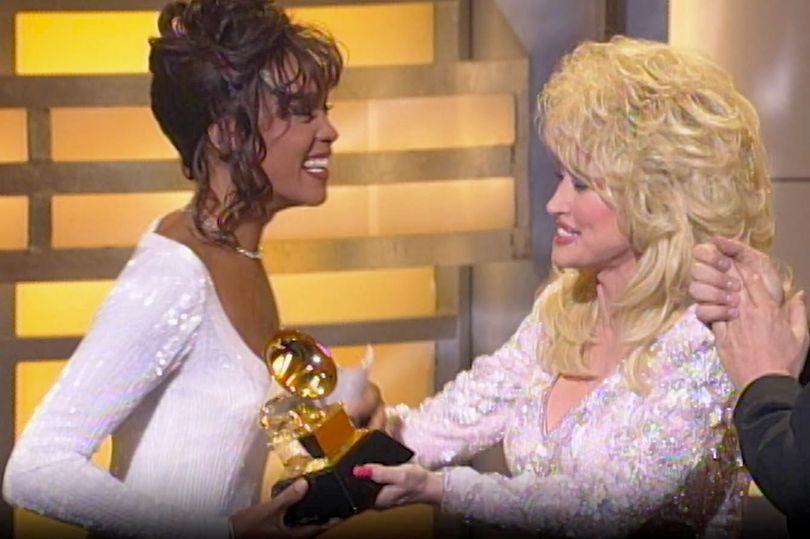
Whitney Houston and Dolly Parton at the 1994 Grammy Awards

Houston’s version of “I Will Always Love You,” released in 1992 on the film soundtrack for “The Bodyguard,” spent an incredible 14 weeks at #1 on the Pop charts, bringing the song to an exponentially wider mainstream audience than Parton’s original had achieved.  It played a large part in turning her into one of the wealthiest songwriters in music history.

And that’s merely the most famous of the thousands of songs she has written since breaking into show business in 1966, earning her a much-deserved spot in the Songwriters Hall of Fame.  “Writing’s just as natural to me as getting up and cooking breakfast,” she said in 2002. “I ain’t never far away from a pencil and paper or a tape recorder. I write every day, even when I’m on a plane, in the tub or on the bus. It burns in me. It’s my way of channeling my feelings and my thoughts, the things I see, the people I care about. I think my head would explode if I didn’t get some of that stuff out.”

Full confession:  I’ve never been much of a country music fan myself.  I’m often amused or touched by the lyrics, but pure country music is simply not my cup of tea. Consequently, my knowledge of and appreciation for Parton’s recorded catalog has until recently been limited to her most well-known songs, particularly 1977’s “Here You Come Again” (the engaging Barry Mann-Cynthia Weil tune that marked her first appearance in the mainstream Top Ten), her perky 1981 #1 international hit “9 to 5” from the hit film comedy, and “Islands in the Stream,” the 1983 chart-topping duet with Kenny Rogers.

Over the past 25 years or so, my wife and two daughters have become big fans of country artists, and since moving to Nashville in 2023, I’ve felt inexorably drawn to give the genre more attention.  Although I suspect I’ll always be a rock and roll guy at heart, I have broadened my horizons to examine and eventually embrace many country songs, including several of Dolly’s.

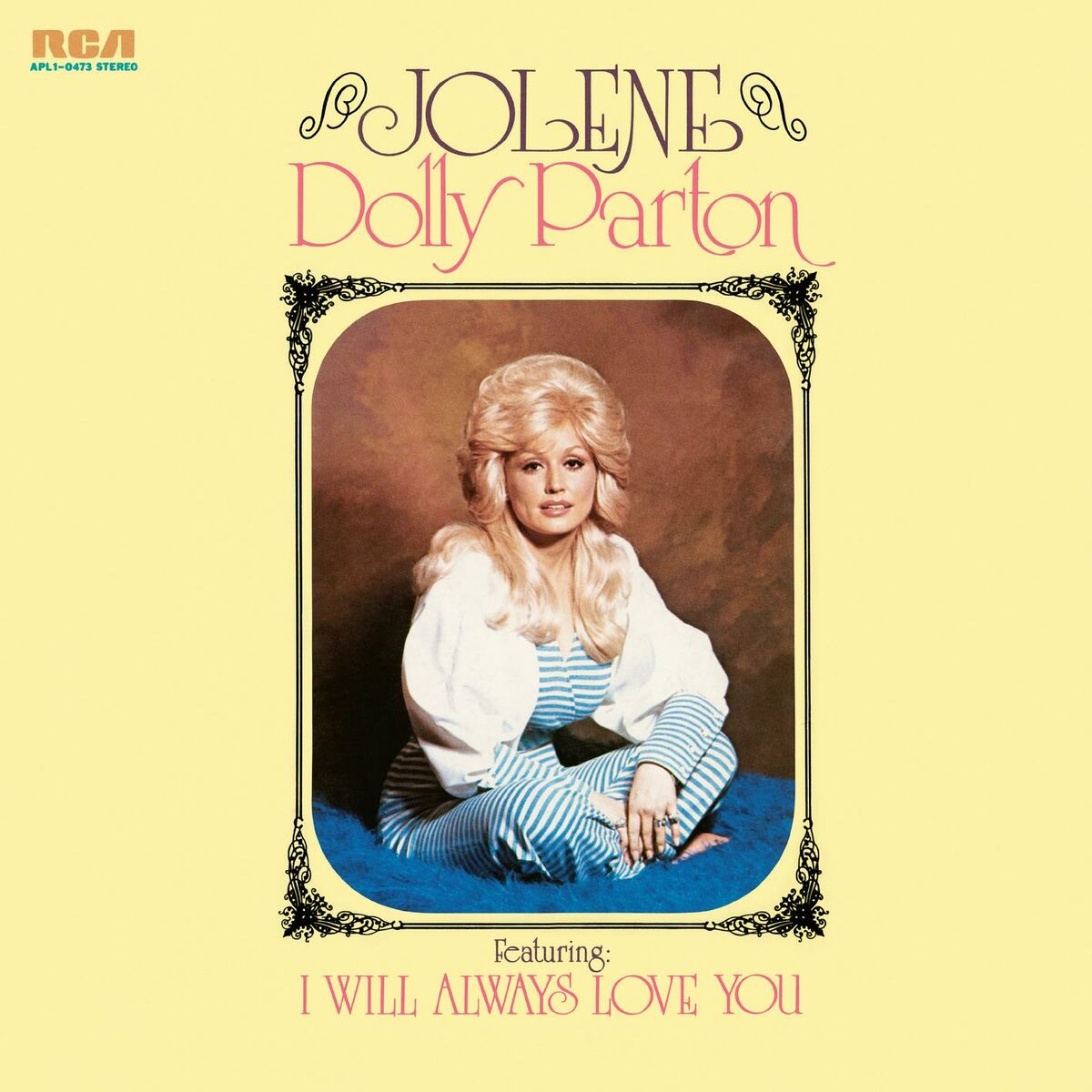
In particular, I’m kind of obsessed over “Jolene,” a marvelous tune she wrote in 1973 whose narrator worries about a gorgeous woman who has been making eyes at her new husband.  “Please don’t take him just because you can,” the lyrics implore, and that sentiment rang true with millions of country fans who sent it to #1 on the country charts.  Even Rolling Stone ranked “Jolene” #214 on its list of “the 500 Greatest Songs of All Time.”

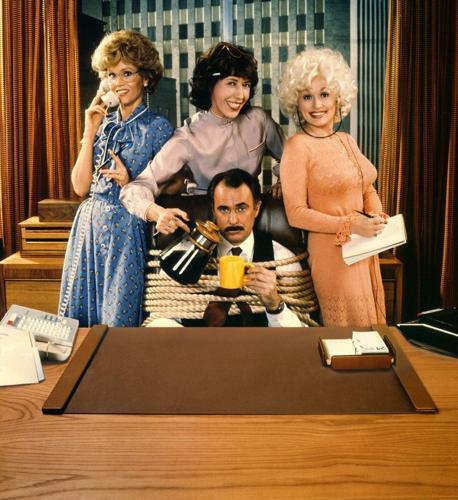
Beyond her voluminous recorded catalog of more than 55 solo albums and another dozen LPs with Wagoner, Parton has also impressed me with her film appearances, especially her hilarious 1980 debut in “9 to 5,” where she steals the movie with her portrayal of secretary Doralee Rhodes, and her award-winning turn as the madam in 1983’s “The Best Little Whorehouse in Texas.”  As in nearly every television performance or interview you can find on YouTube, Parton absolutely lights up the screen with her affable, cheery disposition.

Jane Fonda, Parton’s co-star in “9 to 5,” had this to say about her this week: “Dolly was simultaneously a naughty, playful southern gal from the hollows of Tennessee and a deep, soulful thinker who could see through people right down to their true selves. She was many things…lyricist, songstress, player of many instruments, writer, prankster, visionary, loyal friend. Dolly will always be with us because she was so present, so powerful, so generous and playful that she is woven into all our lives and hearts forever.”

Jane Fonda, Lily Tomlin and Dolly Parton with Dabney Coleman in “9 to 5”

Parton’s gentle philosophy of inclusion, acceptance and tolerance for all people led her to take some brave stands along the way. She firmly declined to get involved in political matters, but her hardscrabble childhood, which included being ostracized by classmates for her rough-around-the-edges clothing, led her to embrace the have-nots and ridiculed of society. She stood up for the LGBTQ+ community by writing and singing “Travelin’ Thru,” the Oscar-nominated song from “Transamerica,” the 2005 movie about a transgender woman seeking to connect with her son. In 2017, Parton collaborated with Miley Cyrus, her goddaughter, to record “Rainbowland,” a tribute to gay pride and liberation.

Said Parton, “I don’t believe that we should criticize and judge other people. I think we should be accepting and loving. We are all God’s children. We are who we are, and we should be allowed to be who we are. I just think that we should be more loving, more caring. We are who we are. If you’re gay, you’re gay. If you’re straight, you’re straight, and you should be allowed to be, you know, how you are, and who you are.”

Brandi Carlile, the openly gay superstar, said this week, “Even before I ever met her, I loved her because she took a risk and accepted me (and all of us) for being gay in a time where she didn’t need to say anything. She has been asked to comment and speak on many things over the years, choosing only to speak on that which brings love and mercy to real people, and shutting down any line of questioning that doesn’t. She never wavered on accepting anyone for who they were.”

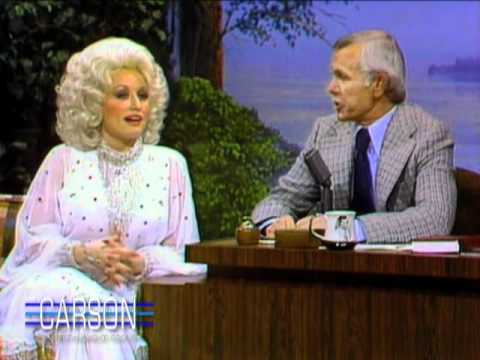
Dolly appearing with Johnny Carson in 1977

Parton’s self-deprecating sense of humor has served her well, particularly in regard to what she called her “substantial bosom.” As a guest on “The Tonight Show” in the late ’70s, she burst out laughing when Johnny Carson said of her outfit, on the air, “I’d give up a year’s salary for one peek under there!” She always took such comments in stride, and often told jokes of her own. A classic: “I was always a feminist but I never burned my bra.  I was afraid it would take the fire department four days to put it out!”

Comedian John Caponera related this funny anecdote yesterday. “In 1995, I was picked to play Dolly’s love interest in a situation comedy called ‘Heavens to Betsy.’ They filmed six episodes but the show never made it to air. There was one episode where there was a scene that called for me to make out with Dolly. That’s right, I made out with Dolly Parton! Am I bragging? Hell yeah!”

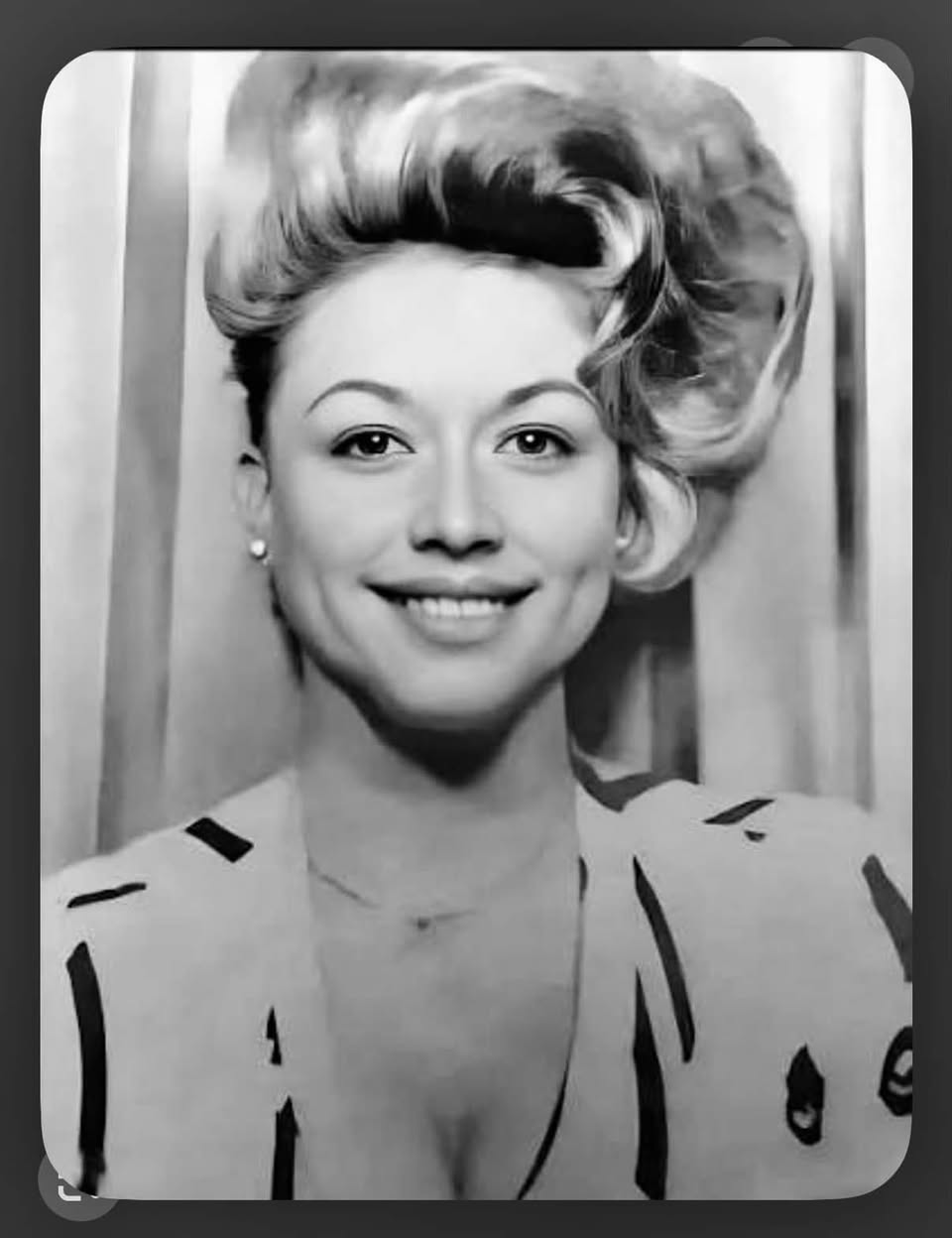
What a remarkable ride she has had — “from the back hills of Tennessee to the Hollywood Hills,” as she put it in 2017. She was born Dolly Rebecca Parton in 1946, the fourth of 12 children brought up in a one-room cabin near the hardscrabble hamlet of Pittman Center in eastern Tennessee, where her father worked the land and her mother struggled to raise the family while instilling in Dolly her love of music and folklore.  Raised in the Church of God where her grandfather pastored, Parton first sang in church at age 6 and started playing guitar and writing songs at age 8.

Dolly Parton in 1966

Appearances on local radio and TV programs eventually caught the eye of industry folks, and upon graduation from high school, she moved to Nashville and signed with Combine Publishing.  Several of her earliest compositions (“Put It Off Until Tomorrow” and “Fuel to the Flame”) became Top Ten country hits, and still others were recorded by major country names like Kitty Wells and Hank Williams Jr.

Parton was always reverential about the artists who so influenced her at an early age.  “Kitty Wells was the first and only Queen of Country Music, no matter what they call the rest of us now.  She was a great inspiration to me as well as every other female singer in the country music business.  In addition to being a wonderful asset to country music, she was a wonderful woman.”

When Monument Records signed Dolly as a recording artist at age 20, it was initially as a bubblegum pop singer, but when that didn’t pan out, and her country songs achieved notoriety as covered by others, she was given the chance to record “Hello, I’m Dolly,” her debut as a country singer.  It didn’t take long for Wagoner, an established country star with multiple #1 hits to his credit, to offer her a regular spot on his weekly syndicated TV gig “The Porter Wagoner Show,” which, at its peak, was reaching three million viewers in 100 markets.

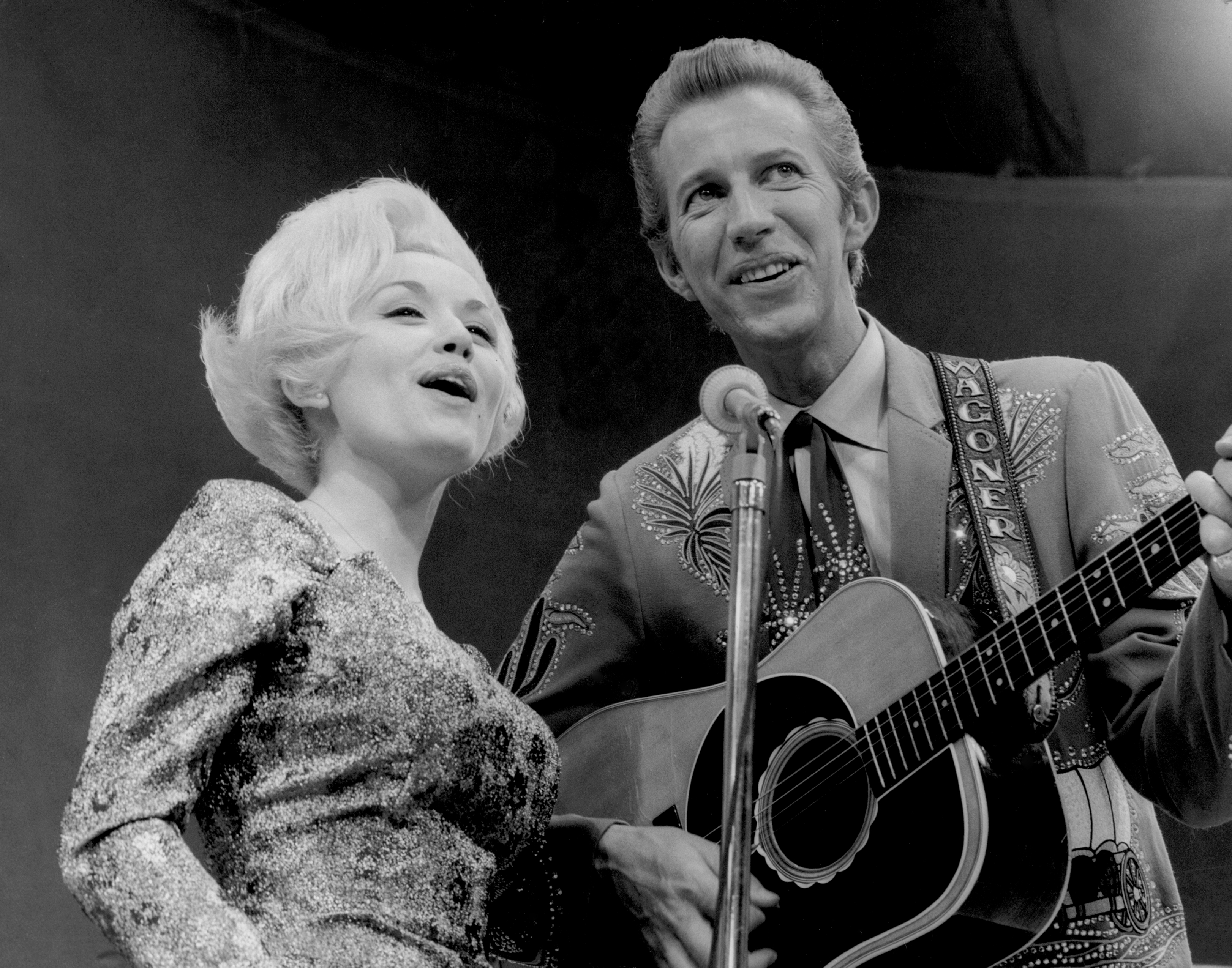
Dolly with Porter Wagoner in 1970

As she and Wagoner scored big with a dozen collaboration albums during this period, Parton aimed her ambitions higher, persevering in the face of reluctant record company people to record solo albums and establish a name for herself outside of her association with Wagoner.  To his credit, Wagoner supported her efforts, both financially and as a friend.

Dolly was a firm believer in pursuing your dreams. “Find out who you are and do it on purpose. And do it with purpose,” she was famous for saying. “Don’t ever sacrifice who you are, your principles and your morals and your values, to just try to get ahead in business. It ain’t worth it.”

Her hard work paid off.  Between 1970 and 1990, Dolly Parton racked up a staggering total of 40 Top Ten country singles, including an incredible 22 reaching #1. Her track record on the Country Album charts during that same 20-year span was nearly as impressive, registering 16 Top Ten albums. From 1990 onward, she managed to maintain her album chart residency, putting 11 LPs in the Country Top Ten, but her singles no longer made much of a ripple.

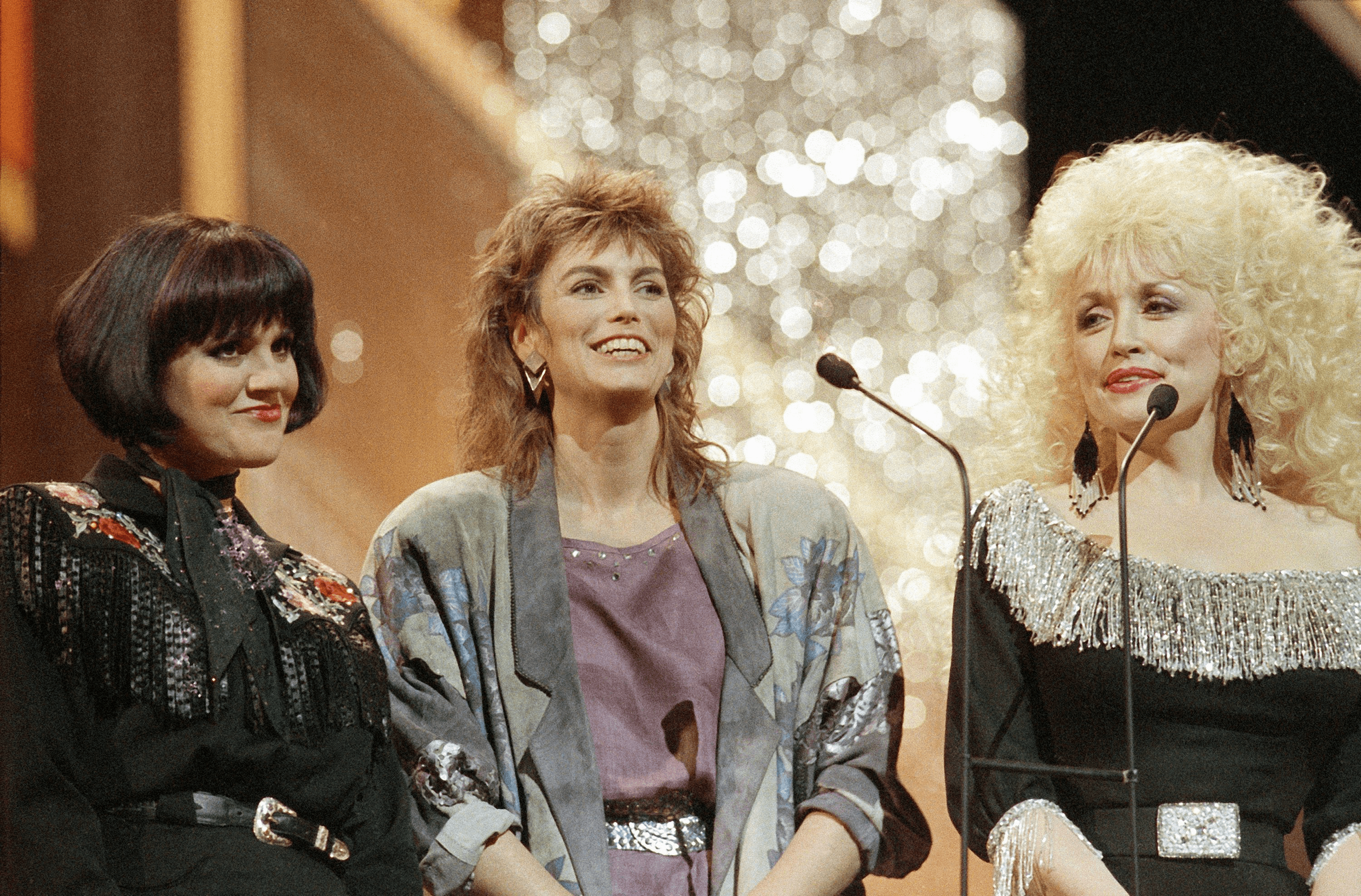
Linda Ronstadt, Emmylou Harris and Dolly in 1987

Among her many collaborative efforts through the years was a hugely successful project with Linda Ronstadt and Emmylou Harris for an album called “Trio” in 1987, which reached #6 on Pop charts, and sparked an encore, “Trio II,” in 1999. Hearing those three voices harmonizing on tracks like Parton’s “Wildflowers,” Alan O’Bryant’s “Those Memories of You” and especially Neil Young’s “After the Gold Rush” will send shivers up your spine.

In 2000, when asked about the ups and downs of her career, Parton said this: “I’ve been as poor as anyone can be, so I had everything to gain and nothing to lose. So I just kind of work without fear because it’s fun for me. If I fail, it’s no big deal. If something don’t work, I’m not afraid of failure, because to me, I never feel like a loser. Even when I’ve lost, I feel like I’m winning because I’m earning some sort of experience I can use somewhere else. But I have a good attitude. I work hard at being happy. I really enjoy my life. I’m happy because I get to make a living at what I love to do.”

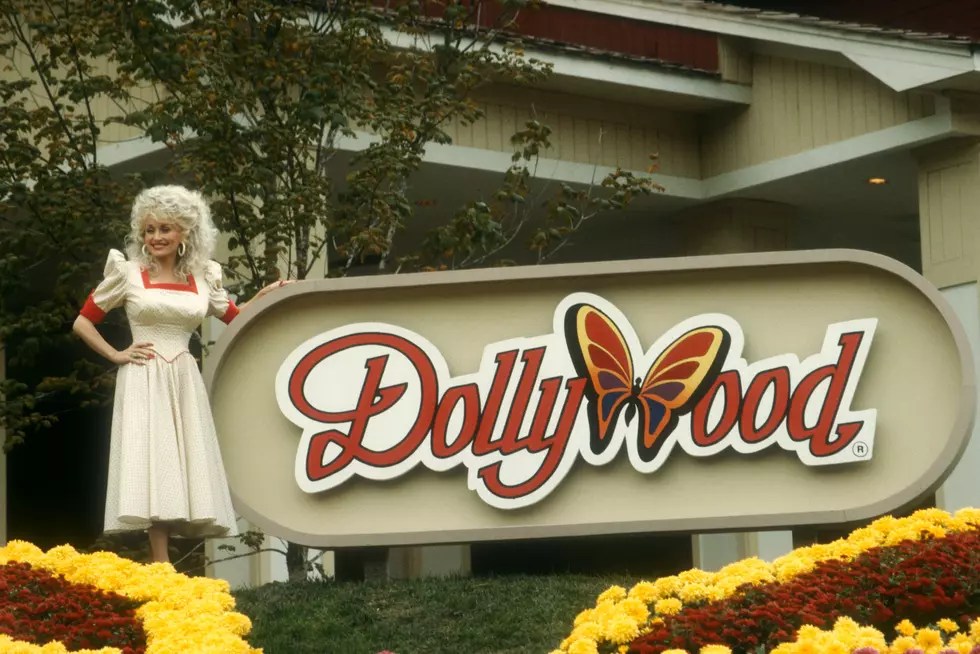
Beginning in the late ’80s, Parton began focusing much of her attention on establishing Dollywood, the amusement theme park in Pigeon Forge, Tennessee, and the Dollywood Foundation, which supports and raises millions of dollars to help with educational and health-related charities, particularly in her home state of Tennessee.  “I always thought that if I became successful at what I had started out to do, that I wanted to come back to my part of the country and do something great, something that would bring a lot of jobs into this area,” she said.

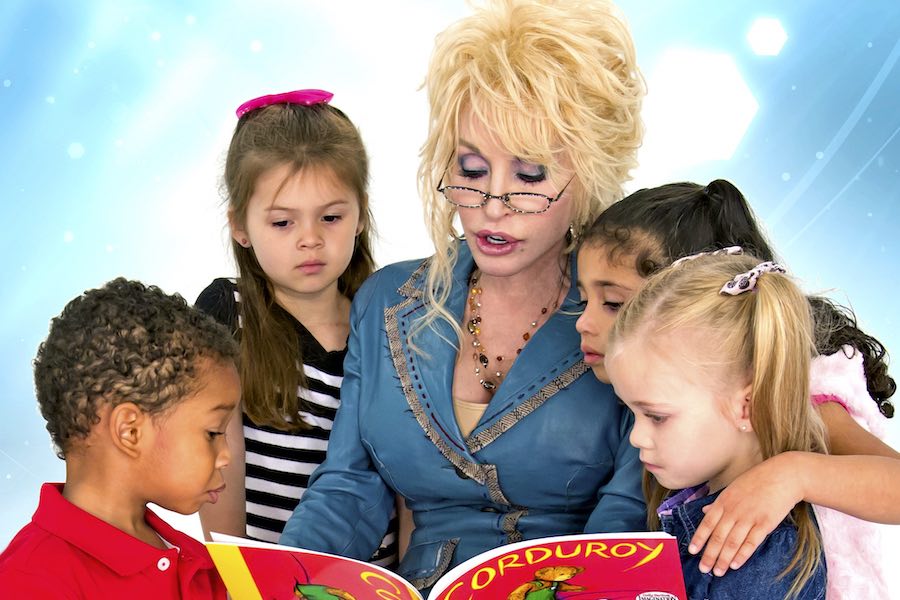
Particularly notable has been her literacy awareness program, Dolly Parton’s Imagination Library, sparked by her devotion to her father, who couldn’t read nor write.  The program seeks to instill a love for books and a yearn to learn how to read at a young age by donating one book every month to each enrolled child.  The Imagination Library currently counts three million children as registered members, and has donated more than 300 million books throughout the US, Canada, the UK and Australia.

“Everywhere I go these days, the kids call me ‘the book lady,’” Parton said.  “The older I get, the more appreciative I am of the ‘book lady’ title.  It makes me feel more like a legitimate person, not just a singer or an entertainer.  It makes me feel like I’ve done something really worthwhile with my life and with my success.”

Indeed. A woman on social media wrote this week, “My seven-year-old daughter heard me say Dolly Parton died, and she got visibly very sad. I said, “Honey, I didn’t know you knew Dolly Parton.” She said, “Well, I didn’t know her, really, but she sent me books.” Wow. Now, that’s a legacy!

Parton and her husband of 52 years, Carl Dean (who died in 2025), never had children.  “I’ve never been fortunate enough to get pregnant, so I just feel God didn’t mean for me to have kids,” she said.  “So I guess I just look at everybody else’s children as mine, and I reach out to help kids in every way I can.”

In recent years, she conceded that people would tease her a bit about her cosmetic surgery, but in her self-effacing way, she always had a ready response: “I don’t think I’ve ever been a natural beauty, so I try to make the best of everything. It takes a lot of money to look this cheap! If I see something sagging, bagging or dragging, I’ll get it nipped, tucked or sucked!”

Her induction into the Country Music Hall of Fame back in 1999 was a foregone conclusion, but many people were scratching their heads when she was selected in 2022 for induction in the Rock and Roll Hall of Fame. She had occasionally stuck her toe into non-country music waters on startling covers of The Temptations’ “My Girl,” Bob Dylan’s “Don’t Think Twice, It’s All Right,” The Four Tops “I Can’t Help Myself,” Petula Clark’s “Downtown,” Cat Stevens’ “Peace Train” and Smokey Robinson’s “The Tracks of My Tears,” but even Parton herself felt uncomfortable being lauded by the Rock Hall.

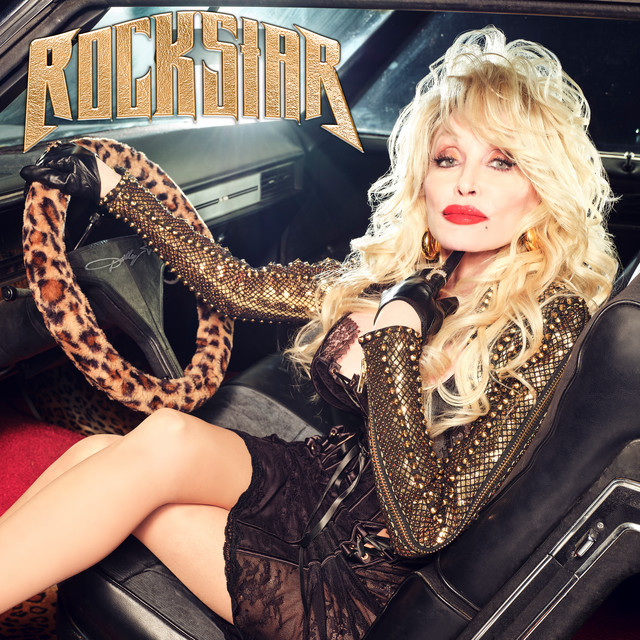
“I didn’t feel like I’d done enough to deserve that,” she said. When the Rock Hall refused her request to rescind the honor, Parton said to herself, “Well, I guess I’m going to have to do a rock album!” She approached a couple dozen rock legends about helping her record some rock classics, and they all enthusiastically jumped at the chance: Elton John, Debbie Harry, Sting, Ann Wilson, John Fogerty, Stevie Nicks, Peter Frampton, Joan Jett, Michael McDonald, Pat Benatar and more can be heard on “Rockstar,” released in 2023 as her final LP, and it reached #3 on the Pop charts, her best showing ever on that listing. Critics called it “monumentally hideous, yet strangely glorious” and wryly described it as “the millennium’s most expensive karaoke party.”

Said McDonald this week: “Few musicians have had their compositions transcend all genre, seen their artistry touch so many hearts worldwide and stayed at the top of their game as a performer for 60-plus years. She was a superstar who somehow managed to live a life of quiet dignity in the midst of it all.”

Sir Paul McCartney, who recorded “Let It Be” with Parton, was moved this week to say, “She was so bubbly and full of life. It’s difficult to take in the news that she has passed. Her songwriting, her singing and her philanthropy were unrivaled in the world of country music, and the music world in general. She was a very clever business woman who understood the value of her music and, most importantly, the effect that she had on the people of the world. There was no greater honour for me than to have her sing my song ‘Let It Be.’ Thanks, Dolly. You were the best.“

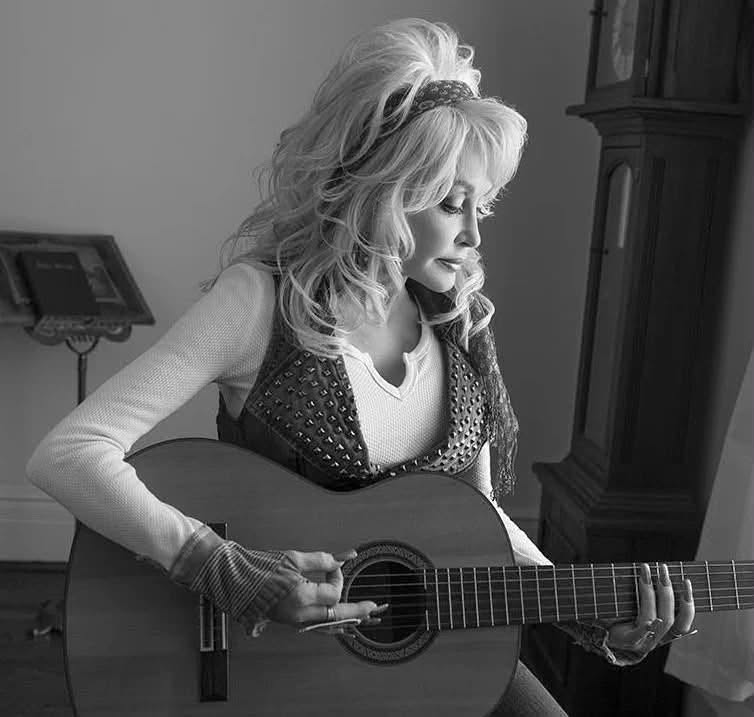
Dolly in 2015

When she was in her 70s, people used to ask Parton, “Why don’t you retire?” Her reply:  “And do what?  What does that even mean?  I always count my blessings more than I count my money.  For me, it’s about the art.  I love the job.  I love to work.”

But her health issues finally caught up with her. She’d struggled years ago with endometriosis, had a hysterectomy in the 1980s and, more recently, had problems with her immune and digestive systems. This month, it was a short bout with cancer that proved to be too much for her.

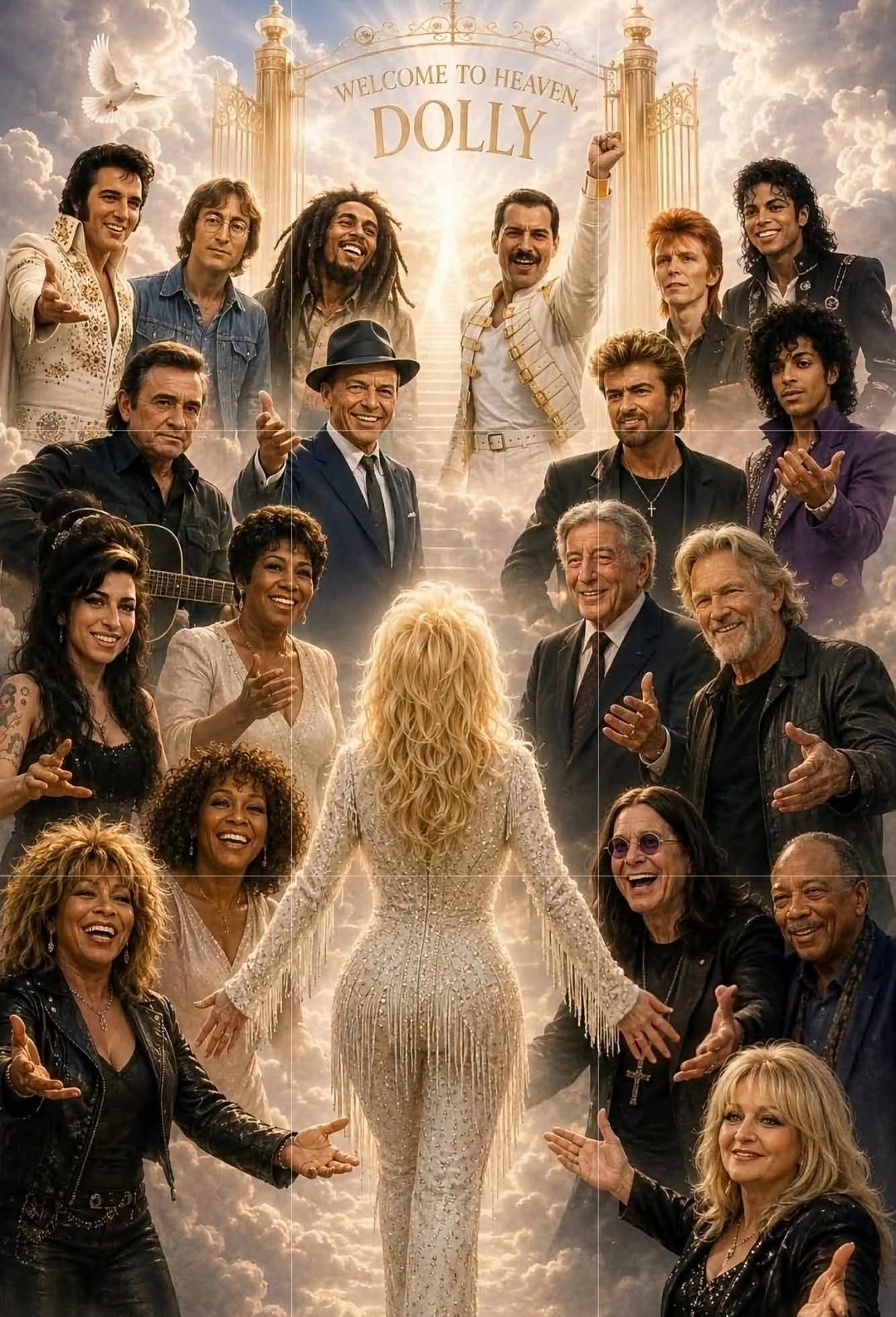
I’ll leave it to Parton’s longtime friend Reba McEntire to have the last words: “Dolly, thank you for all the wonderful things you did for us here on earth. You gave us your love, your music and so much with your huge, huge heart. There will never ever be another you. We will remember and cherish every memory and every note you ever played and sang. Thank you, Lord, for Dolly. She’s gonna have such a blast in heaven, singing all her favorite songs with her family and friends who have gone on before her.”

R.I.P., Dolly. What a void you’ve left behind.

************************
The Spotify playlist of 42 songs I’ve assembled reflect my personal preferences from her substantial catalog, arranged chronologically by date of release. If you’ve been a longtime Dolly Parton fan, no doubt you’ll question some of my choices (or, more accurately, the ones I didn’t choose…)