Sometimes you win, sometimes you lose
 At the February 1981 Grammy Awards, something happened that had never happened before and hasn’t happened again since.
At the ceremony where the best musical work of 1980 was being honored, Christopher Cross won in the Best New Artist category. Okay. Fine. Of the nominees that year, The Pretenders would have been the preferred choice of most rock music fans, but otherwise, you couldn’t really argue with Cross and his likable light rock sound.
But then, incredibly, Cross went on to sweep the remaining “Big Four” mainstream categories: Album of the Year (“Christopher Cross”), Record of the Year for his recording of the hit ballad “Sailing,” AND Song of the Year for composing “Sailing.” The competition wasn’t all that steep in 1980 (although Pink Floyd’s seismic opus “The Wall” was a nominee for Best Album), but no one, especially a newcomer, had ever won all four major awards.
It’s one of several head-scratching stories to be found when you comb through the history of the National Academy of Recording Arts and Sciences’ 57 years of awarding Grammys to honor each year’s biggest musical achievements.
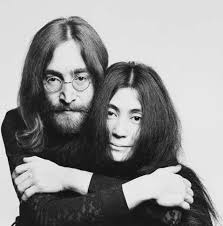 ecause of the part they believe she played in breaking up the world’s best band. Lennon himself would tell them to get over it, that the band was starting to grow apart before she entered his life, and that he had found his true soul mate and was very very happy. Witness “Oh My Love,” Lennon’s touching tribute to Ono from his landmark “Imagine” album. Theirs is clearly one of the great celebrity love stories of our time. Sample lyrics: “I see the wind, oh I see the trees, everything is clear in my heart, I see the clouds, oh I see the sky, everything is clear in our world, oh my love, for the first time in my life, my mind is wide open, oh my lover, for the first time in my life, my mind can feel…”
 “Cupid,” Sam Cooke (1961)
