Let’s get this out of the way right from the start: Sade is pronounced “Shah-Day.”
I remember in 1985 getting unmercifully teased when I said to a musically hip friend, “I love that new song ‘Smooth Operator’ by Sade (rhyming with ‘shade’).” He rolled his eyes, and said, “It’s (‘shah-day’), you nimrod!”
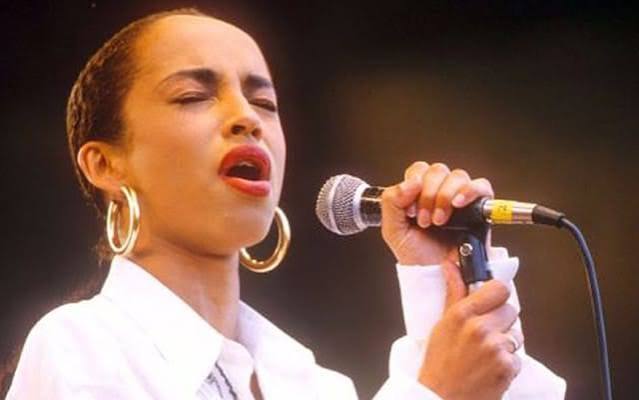
I never made that mistake again. Indeed, I went on to become a huge fan of the singer, her band and her recorded catalog, and I’ve always regretted that I never took the opportunity to see Sade perform in concert. Since her 1984 debut, she has enjoyed a stellar reputation as a powerfully seductive singer with magnetic stage presence and a rather mysterious, private persona.
Sade’s work is a shining example of a musical genre known as “quiet storm” — a smooth, romantic, jazz-influenced style aimed initially at upscale black audiences, peaking in popularity in the 1980s. It was introduced as a radio format in Washington, D.C. in the mid-’70s, named after Smokey Robinson’s 1975 LP “A Quiet Storm.” With a silky smooth on-air voice, disc jockey Melvin Lindsey would play slow, alluring songs by black artists of the ’50s, ’60s and ’70s, melodically soulful music that provided an intimate, laid-back mood for late-night listening. That snowballed into a nationally popular format for both black and white adult audiences, featuring the music of established stars like Sarah Vaughan, Marvin Gaye, Dionne Warwick and Al Jarreau interspersed with newer singers like Sade, Peabo Bryson, Grover Washington, Whitney Houston, Toni Braxton, Luther Vandross, Teddy Pendergrass and Anita Baker.
Now that Sade has been selected for induction in the Rock and Roll Hall of Fame in November, the time seems right for me to profile her music and her career.
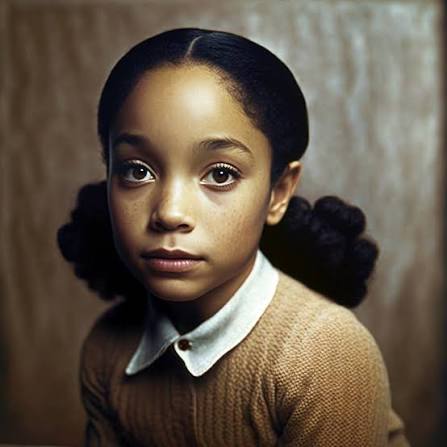
Born in 1959 as Helen Folasade Adu in Colonial Nigeria to a British mother and Nigerian father, Sade moved with her mother to London at age four and was raised and schooled there, developing a keen interest in fashion design and modeling. Concurrently, she was also showing uncommon talent as a singer, providing backing vocals in London clubs in the early ’80s for a jazz/Latin/funk club called Pride.
By 1983, she and three members of Pride — guitarist/saxophonist Stuart Matthewman, bassist Paul Denman and drummer Paul Cooke — spun off to form their own band, named for the singer, writing their own softer-edged material. Epic Records signed Sade that year, and she and her band recorded their debut, “Diamond Life,” in 1984, an exhilarating blend of neo-soul and sophisticated jazz-pop. A New York Times review described the music as “smoldering Brazilian rhythms blended with succinct pop-soul melodies and jazzy harmonies to create a sultry, timeless nightclub ambiance.”
Instead of the heavily synthesized sounds coming out of England at the time, Sade’s production used real pianos and Fender Rhodes electric pianos, augmented by selective use of brass instruments and subtle guitar. Featured front and center, of course, was Sade’s grainy, sensual contralto voice, sometimes compared to legendary jazz singer Billie Holiday.
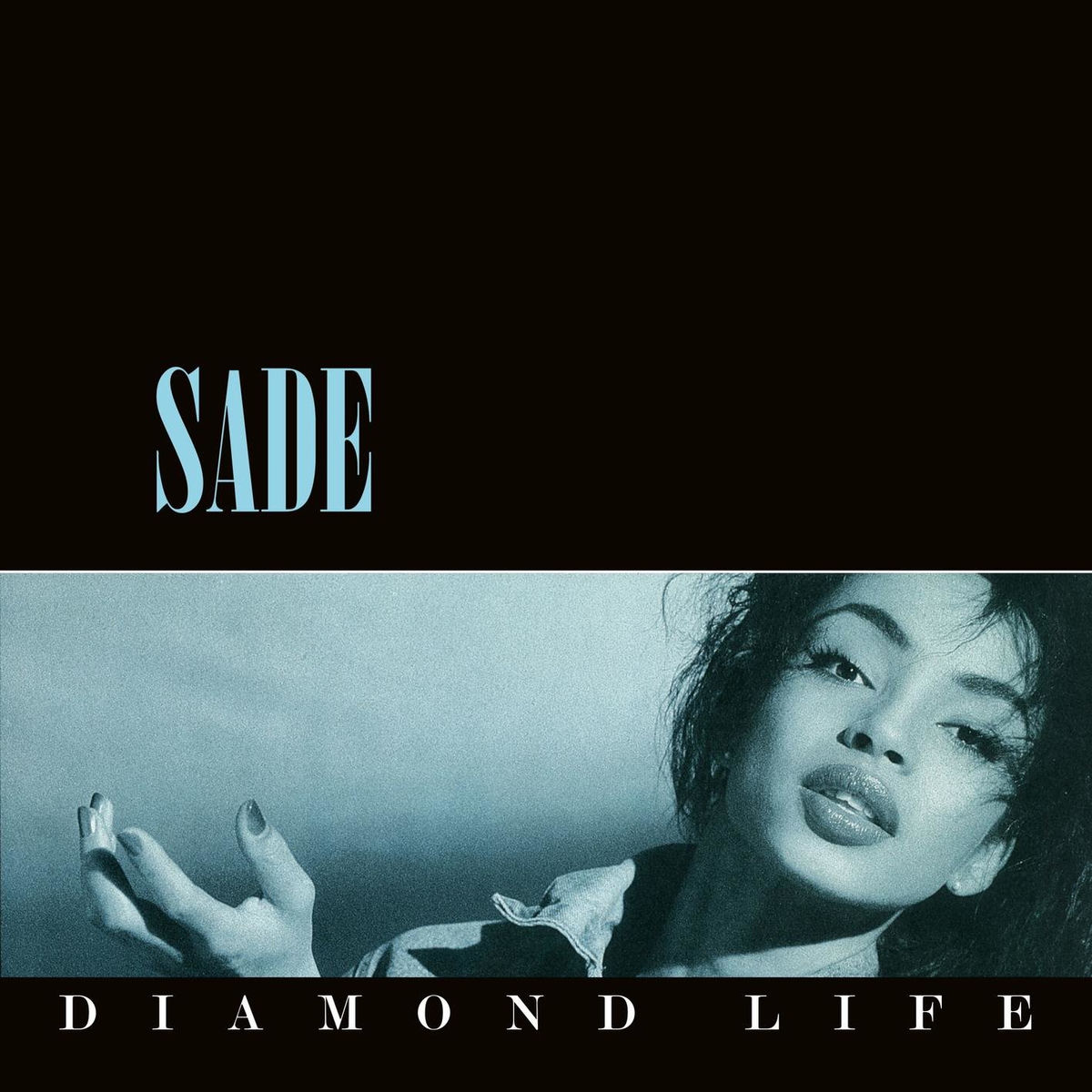
Sade’s first single, “Your Love is King,” reached the Top Ten in the UK but didn’t connect much with US audiences. It wasn’t until the third single, “Smooth Operator,” which she co-wrote, that she became all the rage here, as both the single and the album peaked at #5 on US charts. Elsewhere, the LP reached #1 in nine different countries, selling four million copies worldwide, and won the Brit Award (England’s Grammys, sort of) for Best British Album. To say it has had a lasting impact is an understatement; in 2020, “Diamond Life” ended up ranked 66th among Rolling Stones magazine’s “100 Greatest Debut Albums of All Time.”
(I can’t resist pointing out that there’s a line in “Smooth Operator” that I’ve good-naturedly teased her about: She talks about this wealthy, knowing playboy working his game in multiple locations — “coast to coast, L.A. to Chicago…” Last I checked, if you’re talking coast to coast, it’s L.A. to New York, not Chicago. But I digress.)
Sade and her band spearheaded a new wave of British R&B-oriented artists during the late-1980s and early-1990s that also included Soul II Soul, Simply Red and Lisa Stansfield. Wrote one critic, “Many of the British artists who emerged during that period, particularly Sade, had a neo-soul outlook and were able to blend influences from different eras.”
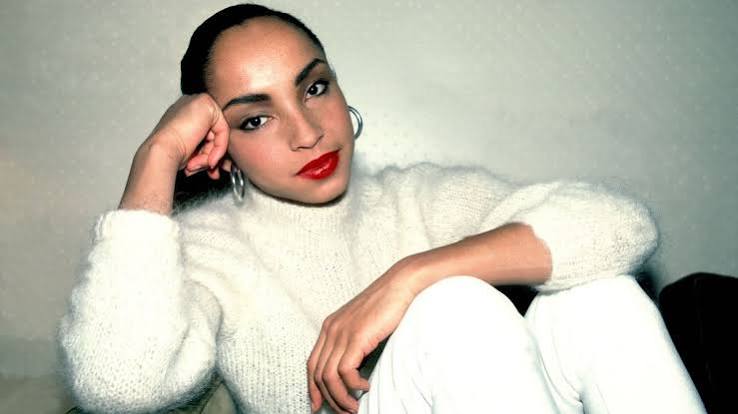
Not even close to being a one-hit wonder, Sade came roaring back only a year later with “Promise,” a #1 LP in the US and the UK with two big hits: “The Sweetest Taboo” and “Never As Good as the First Time.” My choice for best track is the exotically intoxicating “Is It a Crime?” with its “personification of cool, laid-back singing,” as a British review put it. While some critics felt she was limited (“a torch singer without the torch”), others said, “You can wrap yourself up in the lush, elegant music, recall or lament life and love through the lyrics, or fully immerse yourself in both.”
Sade took time out in 1986 to make her acting debut in “Absolute Beginners,” a 1950s-era British film that was a box-office dud but spawned a successful soundtrack LP, which featured David Bowie’s hit title song and Sade’s sultry tune “Killer Blow.”

In 1988, she kept her success streak alive with her third LP, “Stronger Than Pride,” which was self-produced. “I wanted it to be more basic and less embellished, with the quiet songs quieter and the harder songs harder,” she said. “I wanted a sound that was empty and hollow so that you would have the voice just coming at you.” The album’s ten tracks, including the #16 hit “Paradise,” include drumless songs as well as edgier, groove-driven tracks. “They add up to one long plea of desire,” according to one reviewer.
Interestingly, artists in the then-emerging rap/hip-hop genre have mentioned Sade, and this album in particular, as being inspirational to their work. Singer Keri Hilson said, “My father would whistle Sade melodies randomly all the time. As a kid, I used to try to whistle along to ‘The Sweetest Taboo’ or ‘Cherish the Day.’ He was a real Sade fan and made me one, too.”
“Love Deluxe,” released in 1992 as her fourth LP, incorporated elements of hip-hop: metal-like guitar riffs on some tracks, lyrics that sometimes strayed from love themes to address grittier topics like unemployment, and a certain darkness and dread in the arrangements. Still, it was another Top 5 LP in the US, with a modest Top 30 hit, “No Ordinary Love.”
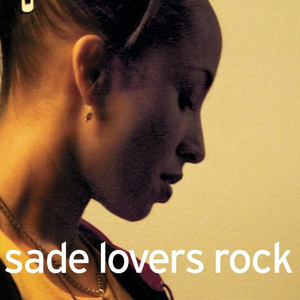
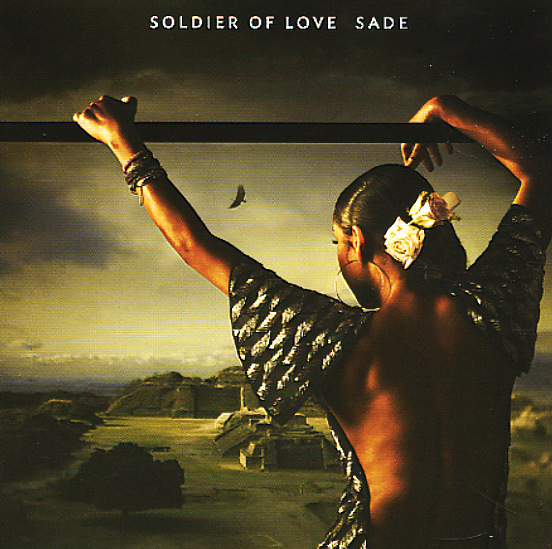
From that point forward, she seemed to withdraw from the scene for many years at a time, releasing only two more studio albums in her career to date: “Lovers Rock” (2000), which won the Grammy for Best Pop Vocal Album, and “Soldier of Love” (2010), which some listeners felt “bordered on ambient in its statuesque stillness.” Others disagreed, saying, “Sade may not be giving us anything radically new, but it’s a pleasure just to have her back doing what she’s always done so well.” Although she has rarely given interviews, she indicated that her periods of inactivity in the 2000s were born of a desire to raise her daughter in her new home in Jamaica. Her record company filled the gaps with “Best Of” compilations and two in-concert albums.
Her output in recent years has been meager. “I am in no rush to release music,” she said in 2020. “I’m not interested in releasing music just for the sake of selling a product.” In 2018, she and her band contributed to two film soundtracks, recording “Flowers of the Universe” for “A Wrinkle in Time,” and “The Big Unknown” for “Widows.” She wrote “Young Lion” in 2024, dedicated to her transgender son Izaak, and a seventh LP has been reportedly in the works for a couple of years now.
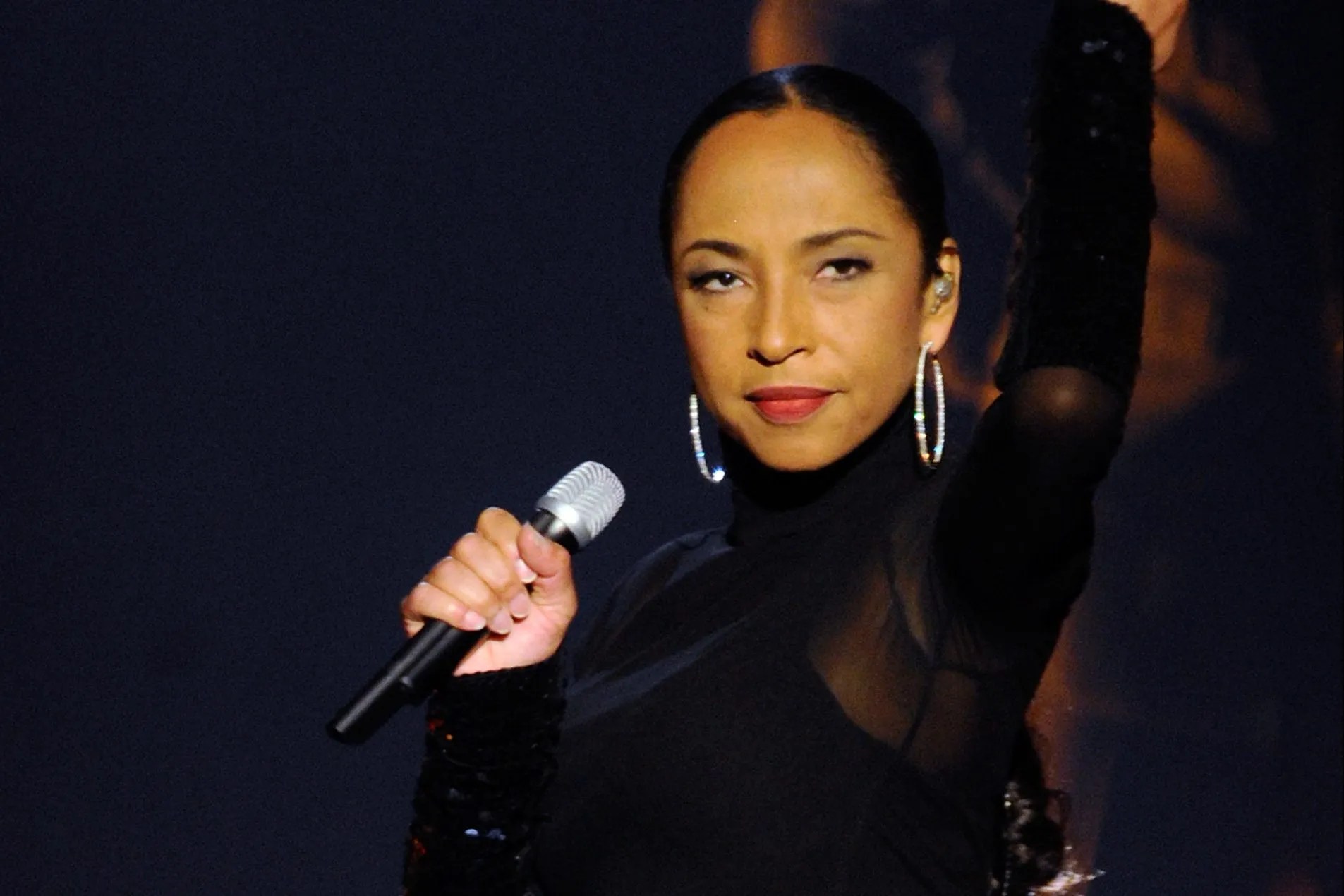
Based on her reclusive nature of late, I wouldn’t be surprised if Sade chooses not to attend the Rock Hall induction ceremonies, but as a fan of her oeuvre, I hope she does, and treats us to a live performance.
**************************
The playlist below features several tracks from each of Sade’s six albums, plus singles culled from her Greatest Hits LP and two film soundtracks to which she contributed.
“Killer Blow,” the tasty tune she sang in the 1986 British film “Absolute Beginners,” is curiously unavailable on Spotify, but you can find a video clip of it on YouTube (https://youtu.be/D5hF-mqUZgg?si=S0ps9m2q5gYK_IpZ . Here, all I could manage was to include a pretty decent cover of the song from a 2007 release by Spanish-American singer Carita Bonoska.

