I have my books and my poetry to protect me
“A reader lives a thousand lives before dying. The person who never reads lives only one.” — George R.R. Martin
I have a dear friend named Kathye, and we’ve known each other for 50 years since we were both editors on the student newspaper at Syracuse University in the mid-1970s. She is a gifted writer of books and essays, and a voracious reader of everything she can get her hands on. In an essay she wrote not long ago about the pivotal role books have played in her life, she quoted the Dutch humanist/philosopher Erasmus, who said, “If I have a little money, I buy books. If I have a little left over, I buy food and clothing.”
A humorous exaggeration, to be sure, but it succinctly expresses how people like Kathye feel about books and reading. “To this day, I always feel at home in a library, or a bookstore. I seek them out to relax. They are havens to me.”

I, too, read a lot, but not as much fiction as I once did, and I hope to resume that practice. These days, I tend to gravitate toward magazines and literary websites for both news and entertainment, and my love for music (which inspired this blog in the first place) leads me to read biographies of musicians I admire, or books about various aspects of music culture.
As practitioners of the arts, songwriters, especially lyricists, have often shown an appreciation for literature, both the books themselves and as a metaphor in song lyrics. I went looking for songs in the popular music catalog that deal with books and reading, and found maybe a couple dozen. I’ve selected 16 tunes that I think are appealing and worthy of your attention, and I’m hoping that the Spotify playlist at the end will be to your liking (and to Kathye’s too).
Read on, and rock on!
*****************************
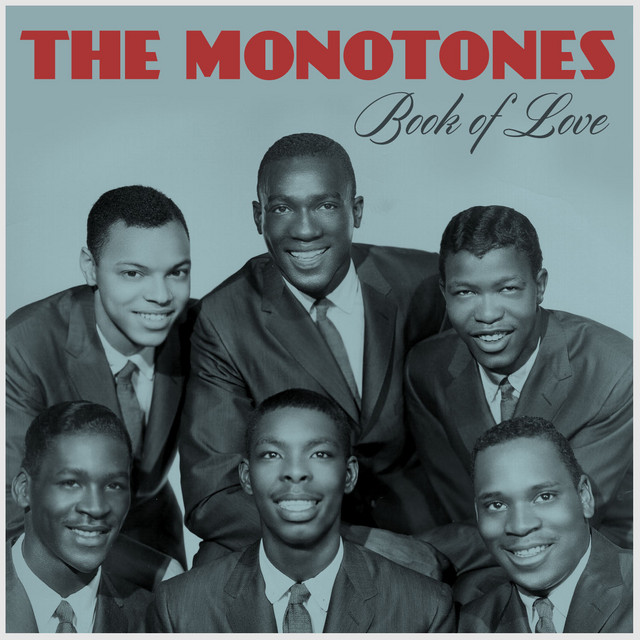
“The Book of Love,” The Monotones, 1957
In 1957, Charles Patrick, lead singer of the New Jersey-based doo-wop group The Monotones, heard the jingle from a Pepsodent toothpaste commercial (“You’ll wonder where the yellow went”), which inspired the opening line of their only Top 40 hit (“I wonder wonder who, who wrote the book of love”). Patrick and two others in the group wrote the song, which reached #5 on US pop charts in early 1958, and it’s considered an early rock ‘n’ roll classic. The lyrics discuss what you’ll find in the various chapters of this fictitious book: “Chapter One says to love her, you love her with all your heart, /Chapter Two, you tell her you’re never never never never ever gonna part, /In Chapter Three, remember the meaning of romance, /In Chapter Four, you break up but you give her just one more chance…”
“Johnny Can’t Read,” Don Henley, 1982
During his time with The Eagles but especially as a solo artist, Henley was known for writing lyrics that were far more incisive than most rock songs. “I began to read when I was five,” he said. “My mother, a former schoolteacher, read to me almost every day, and as I grew, she made sure that there was always reading material in the house that was suited to my age and ability.” On his solo debut LP “I Can’t Stand Still,” he wrote several songs critical of societal ills, including “Johnny Can’t Read,” which bemoans the rampant illiteracy in the country. As the album’s first single, it stalled at #42 on US pop charts, but the accompanying music video was popular on the then-new MTV: “Johnny can dance and Johnny can love, Johnny can push and Johnny can shove, /Johnny can hang out, Johnny can talk tough, Johnny can get down and Johnny can throw up, /But Johnny can’t read…”
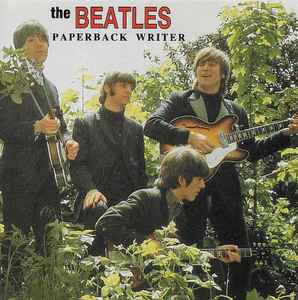
“Paperback Writer,” The Beatles, 1966
Paul McCartney recalled, “Years ago, my Auntie Lil said to me, ‘Why do you always write songs about love all the time? Can’t you ever write about a horse or the summit conference or something interesting?'” He regarded that as a challenge and decided to create a character who struggles to write books in hopes of getting them published. The Beatles’ “Paperback Writer” topped the charts in the US and the UK in the summer of 1966 with lyrics that took the form of a query letter from the author to a publisher: “If you really like it you can have the rights, it could make a million for you overnight, /If you must return it, you can send it here, but I need a break, and I want to be a paperback writer…”
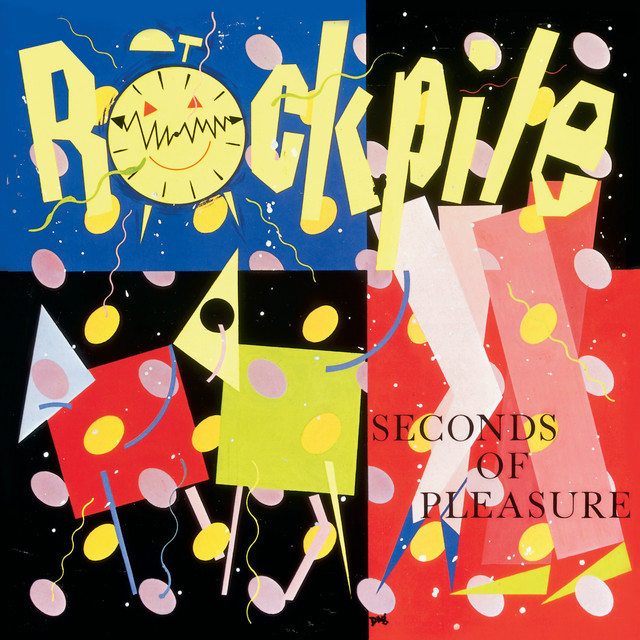
“When I Write the Book,” Rockpile, 1980
Dave Edmunds and Nick Lowe were both relatively popular solo artists in the UK in the ’70s, with hits like “I Hear You Knockin'” and “Cruel To Be Kind,” respectively. In 1980, they joined forces for a brief spell as the band Rockpile, known for strong “pub rock” and power pop influences that inspired many New Wave bands of the ’80s. They recorded enough material for several albums, but only “Seconds of Pleasure” was issued as a Rockpile LP, reaching #27 on US album charts in 1980. Edmunds’ “Teacher, Teacher” was a modest hit, and Lowe got some airplay with his track “When I Write the Book”: “And when I write the book about my love, /t will be about a man who’s torn in half about his hopes and ambitions wasted through the years, /The pain will be written on every page in tears…”
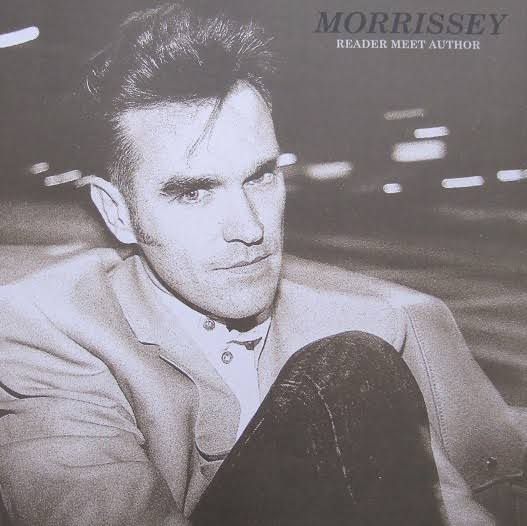
“Reader, Meet Author,” Morrissey, 1995
The British singer-songwriter known simply as Morrissey was first famous as the frontman and lyricist of The Smiths, a quirky Eighties band that was hugely popular in the UK but much less so in the US. In 1987, Morrissey went out on his own with material characterized by lyrical themes of isolation, self-loathing and dark humor. From his sixth solo album, “Southpaw Grammar” (1995), there’s a biting track called “Reader, Meet Author,” in which the writer is exposed as someone who has little knowledge or experience of what he’s writing about: “You don’t know a thing about their lives, they live where you wouldn’t dare to drive, /You shake as you think of how they sleep, but you write as if you all lie side by side, /Reader, meet author, with the hope of hearing sense…”
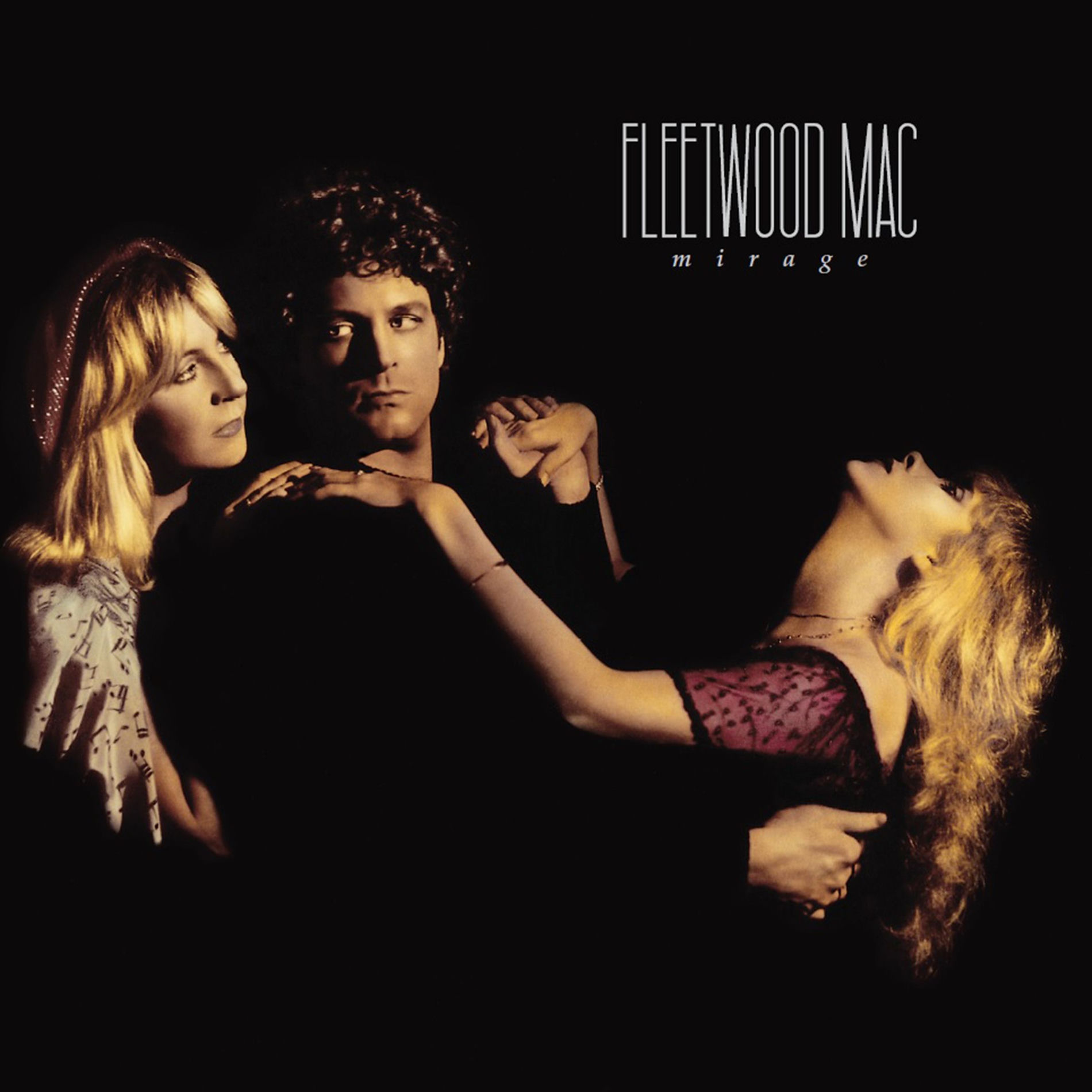
“Book of Love,” Fleetwood Mac, 1982
In 1980, both Stevie Nicks and Lindsey Buckingham chose to branch out from Fleetwood Mac and initiate solo careers. This proved to be a distraction when the group reconvened in 1981 to record their next LP, “Mirage,” which took a while but ultimately showed a combination of the sunny pop of 1977’s “Rumours” and the hit-or-miss experimentation of 1979’s “Tusk.” Buckingham, always a producer at heart, came up with some inventive sounds, particularly for his songs. “Book of Love” (no relation to the ’50s classic) features Buckingham doing all the vocal parts in a shimmering Beach Boys-type arrangement: “Oh, tell me who wrote the book of love, was it somebody from above? /Surely he must know all the rules, knowledge not meant for mortal fools…”
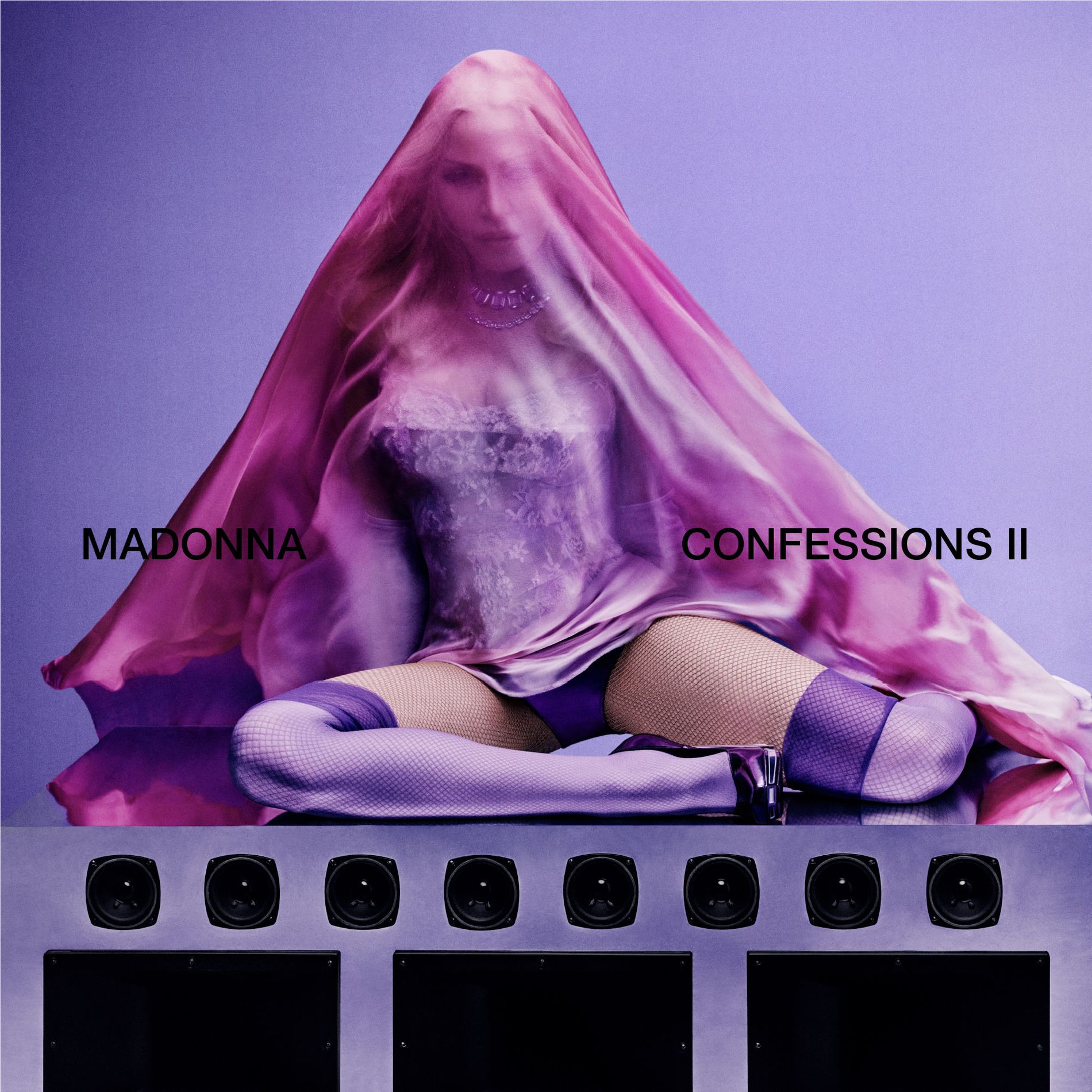
“Read My Lips,” Madonna, 2026
One of the true superstars of ’80s/’90s pop with multiple #1 albums and singles, Madonna has been as controversial as she has been successful while reinventing herself over the years. Since 2020, she has mounted successful tours but her recorded work has been limited to collaborations with other artists like The Weeknd and Sabrina Carpenter. Earlier this year, she partnered with Columbian singer-songwriter Feid to write and record “Read My Lips,” a lively piece that merges Latin pop with South American party music. It was included on her “Collections II” album and the bonus edition of “The Official FIFA World Cup 2026 Album”: “I don’t believe a word that you say, /I wonder if you like it this way, /I know, I know, I know, I know, /You are not my friend, never were, /Read my lips, tell it to my face…”
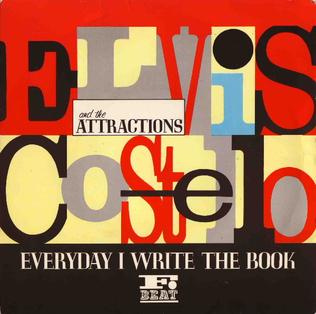
“Every Day I Write the Book,” Elvis Costello, 1983
From his splashy debut in 1977 with the excellent “My Aim is True” LP, Elvis Costello established himself as a pioneer of what became known as post-punk New Wave music in England. His next nine albums went Top Ten in the UK and consistently charted in the mid-30s or better in the US. “Punch the Clock,” his eighth LP, peaked at #28 here, thanks in part to his first Top 40 US single, a melodious bit of R&B called “Everyday I Write the Book.” It uses clever literary metaphors to describe the ebb and flow of a romantic relationship: “I’m a man with a mission in two or three editions, and I’m giving you a longing look, /Everyday, everyday, everyday I write the book, /Chapter One we didn’t really get along, Chapter Two I think I fell in love with you, /You said you’d stand by me in the middle of Chapter Three, but you were up to your old tricks in Chapters Four, Five and Six…”
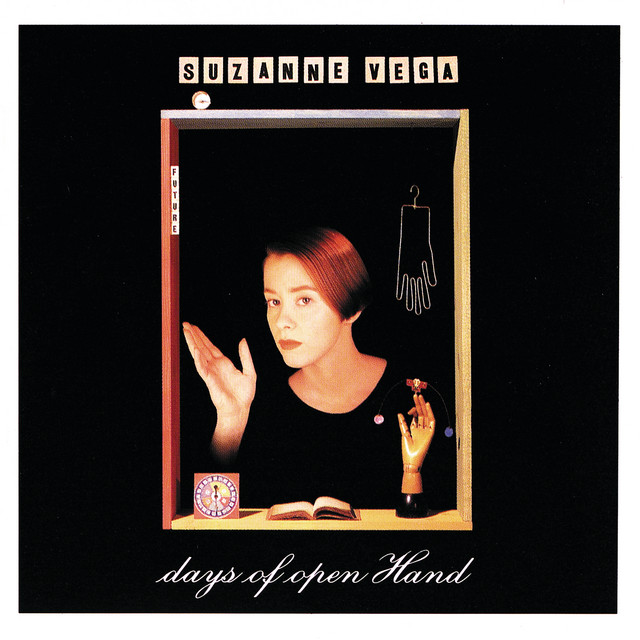
“Book of Dreams,” Suzanne Vega, 1987
Along with Tracy Chapman and Aimee Mann, Suzanne Vega was among the new generation of female singer-songwriters who emerged in the late ’80s to rejuvenate the genre after years in the wilderness. “Marlene On theWall” was a minor single for Vega in 1985, while the child-abuse treatise “Luka” struck a chord that made it #3 on US pop charts in 1987. Her third LP, “Days of Open Hand,” peaked at a modest #50 in 1990, and the single “Book of Dreams” achieved a #8 position on the relatively new Modern Rock Tracks chart: “The spine is bound to last a life, tough enough to take the pounding, pages made of days of open hand, /In my book of dreams… /Number every page in silver, underline in magic marker, /Take the name of every prisoner, yours is there, my word of honor, /In my book of dreams…”
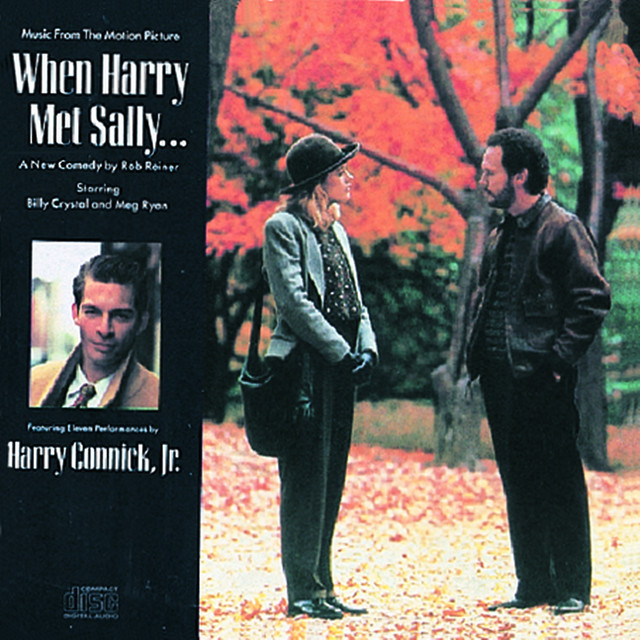
“I Could Write a Book,” Harry Connick Jr., 1989
Richard Rodgers is one of the most celebrated composers in the history of Broadway, from the mid-1920s into the 1970s, first with lyricist Lorenz Hart and then with Oscar Hammerstein. With Hart, Rodgers wrote such winning numbers as “Blue Moon,” “My Funny Valentine,” “The Lady is a Tramp” and “Bewitched, Bothered and Bewildered.” For the play “Pal Joey” starring Gene Kelly, they wrote the standard “I Could Write a Book,” in which the narrator claims he can list a book’s worth of attributes about the love of his life. In 1989, Harry Connick Jr. was selected to revive the song for use on the soundtrack of “When Harry Met Sally…”: “If they asked me, I could write a book about the way you walk and whisper and look, /I could write a preface on how we met so the world will never forget, /And the simple secret of the plot is just to tell them that I love you a lot, /Then the world discovers, as my book ends, how to make two lovers of friends…”

“The Book of My Life,” Sting, 2003
After a remarkable run as lead singer, songwriter and bassist for The Police (1977-1984), Sting went out on his own and became a mainstream success with his solo work, scoring seven Top Ten albums and nine Top 20 singles. In 2003, his LP “Sacred Love” failed to yield a hit single, but his music continued to grow and mature in tracks like “The Book of My Life,” which features British-American sitar virtuoso Anoushka Shankar, daughter of the iconic maestro Ravi Shankar. The lyrics depict a man hesitant to commit his life story to the printed page: “Let me watch by the fire and remember my days, and it may be a trick of the firelight, /But the flickering pages that trouble my sight is a book I’m afraid to write, /It’s the book of my days, it’s the book of my life, and it’s cut like a fruit on the blade of a knife…”
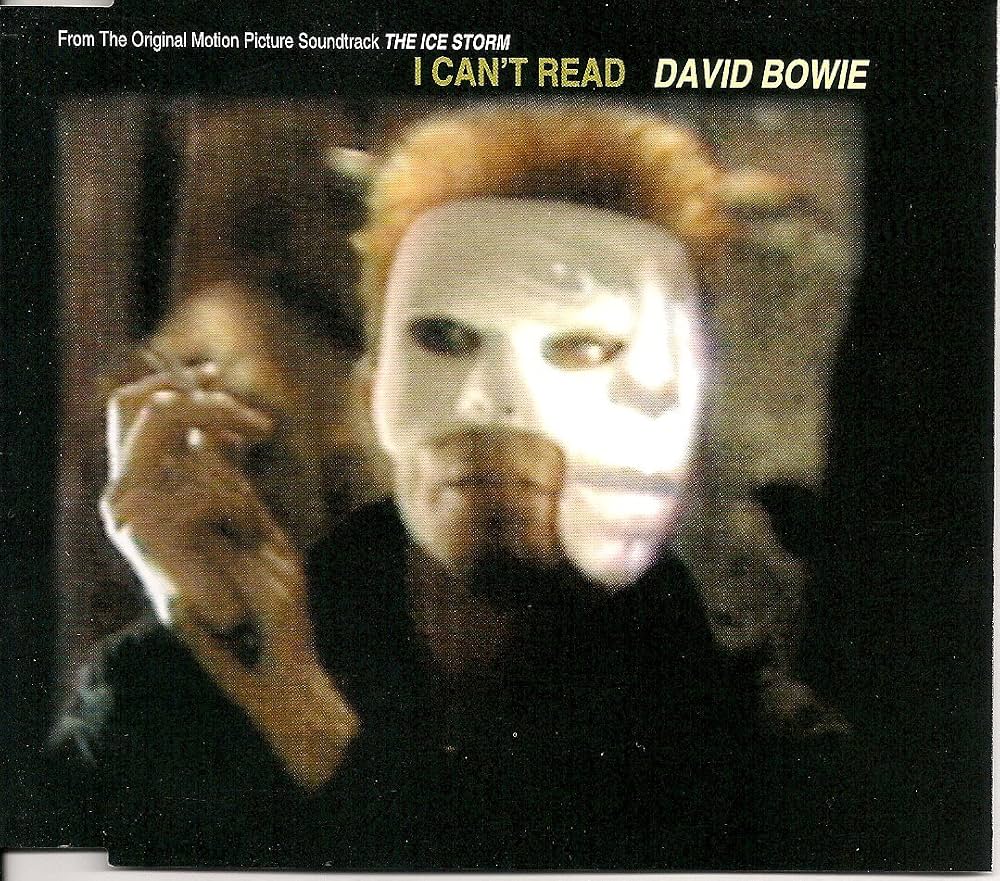
“I Can’t Read,” David Bowie, 1997
Tin Machine was a side project David Bowie undertook in 1989 with guitarist Reeves Gabrels and brothers Tony and Hunt Sales. Bowie and Gabrels co-wrote most of the band’s songs, including the fascinating “I Can’t Read.” Bowie described it as “full of remorse and agony. It’s when jobs go wrong, and home doesn’t really feel warm any more, and you feel you don’t need anybody, and you end up in this state of despair.” In 1996, Bowie recorded a new version of the song for the soundtrack to the dark drama film “The Ice Storm,” which I’ve included here: “I can’t read and I can’t write down, I don’t know a book from countdown, /I don’t care which shadow gets me, all I’ve got is someone’s face…”
“The Book of Love,” Peter Gabriel, 2010
In 2010, Gabriel had the inspired idea of recording an album on which he recorded cover versions of other artists’ songs, simultaneously recording a dozen other artists doing versions of Gabriel’s songs. “Scratch My Back” was released in 2010 while “And I’ll Scratch Yours” was delayed until 2013. One of the best on the former was Gabriel’s rendition of “The Book of Love,” a song by Stephen Merritt and his American group The Magnetic Fields (not remotely related to either of the other two songs on this blog that share that title). Merritt said he found Gabriel’s cover intriguing because he focused on the pathos while Merritt had prioritized the lyric’s humor: “But I, I love it when you read to me, and you, you can read me anything, /The book of love is long and boring, and written very long ago, /It’s full of flowers and heart-shaped boxes, and things we’re all too young to know…”
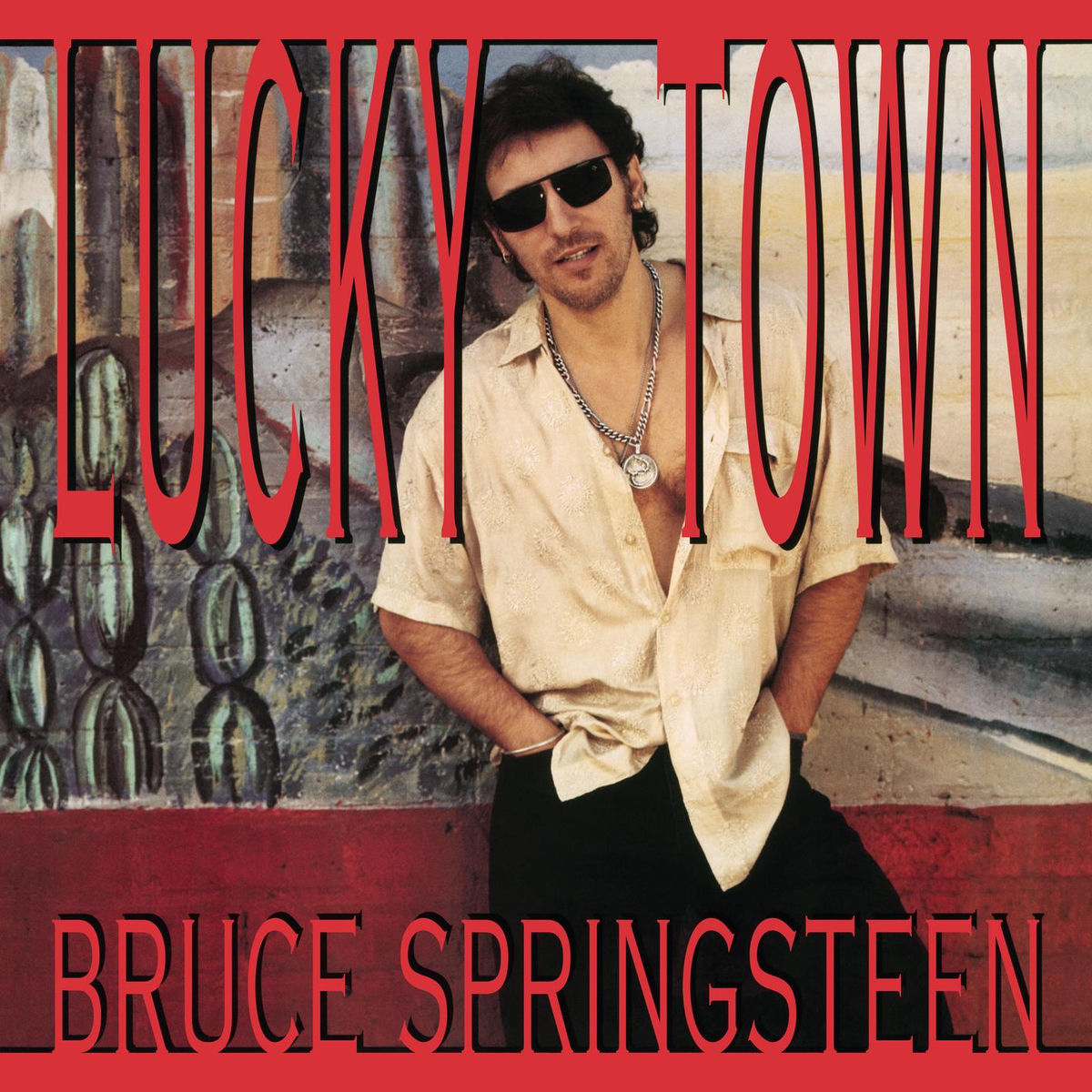
“Book of Dreams,” Bruce Springsteen, 1992
In the late ’80s, Springsteen found himself in a transitional period both personally and professionally, choosing to take a hiatus from The E Street Band and instead working alone and with new musicians. By 1992, he’d recorded enough material for a double album, but chose to release two single albums simultaneously. “Human Touch” was considered something of a disappointment, but “Lucky Town” had much better material, including softer, more reflective songs like “If I Should Fall Behind,” “My Beautiful Reward” and “Book of Dreams” (no relation to the 1990 Suzanne Vega tune). The lyrics to the latter find the narrator outside a wedding party, reflecting on the hope of second chances in his imagined book of dreams: “In the darkness, my fingers slip across your skin, I feel your sweet reply, /The room fades away and suddenly I’m way up high, /Just holdin’ you to me, as through the window the moonlight streams, /Oh won’t you, baby, be in my book of dreams…”
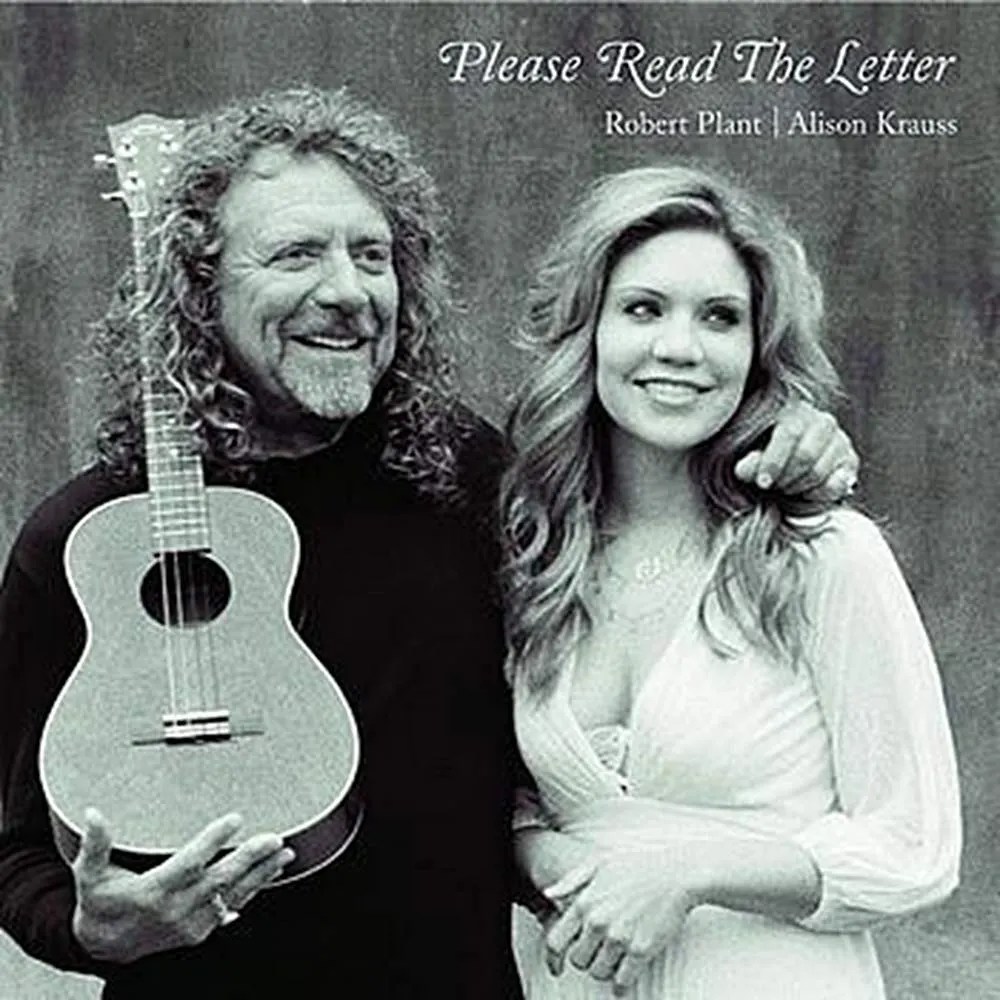
“Please Read the Letter,” Robert Plant & Alison Krauss, 2007
Pairing rock vocalists with bluegrass-country singers has been done before, but never as effectively as when Robert Plant and Alison Krauss partnered on the 2007 LP “Raising Sand,” which won widespread praise for “the delicious harmony vocals of this unlikely duo.” The most notable track was “Please Read the Letter,” written by Plant and Jimmy Page for their 1998 collaborative LP “Walking Into Clarksdale.” Plant and Krauss offered a much more subdued arrangement as they sang the words of confession about unfaithfulness: “Too late, too late, a fool could read the signs, /Maybe, baby, you’d better check between the lines, /Please read the letter, I wrote it in my sleep with help and consultation from the angels of the deep…”
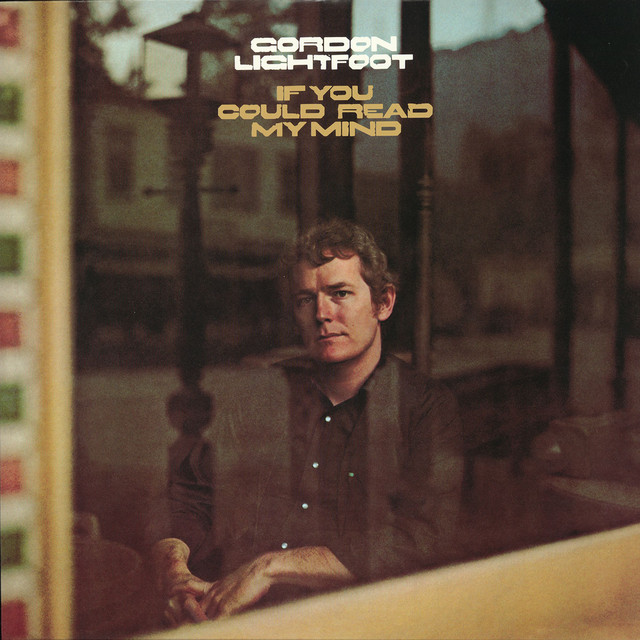
“If You Could Read My Mind,” Gordon Lightfoot, 1970
In 1969, Lightfoot was alone and confused as he reflected on the dissolution of his first marriage. He wrote a song in which he compared the unsuccessful romance to the kind of cheap paperback novels sold in drugstores where the heartbreak of the hero’s failure is so painful that you don’t want to ever read it again. “If You Could Read My Mind” became Lightfoot’s breakthrough hit in the US, reaching #5 on pop charts here, and #1 in his native Canada. This is probably my favorite song that uses books to convey meaning in the lyrics: “If I could read your mind, love, what a tale your thoughts could tell, /Just like a paperback novel, the kind the drugstores sell, /When you reach the part where the heartaches come, the hero would be me, but heroes often fail, /And you won’t read that book again because the ending’s just too hard to take…”
***************************

