When I was young and they packed me off to school
All the rock stars of the ’60s, ’70s and ’80s — every single one of them — started out as a toddler, a youngster, a teenager.
They may have evolved into bombastic vocalists, or hard rock guitarists, or iconic songwriters that changed the direction of rock and roll music. But at one point, they were just darling children, inquisitive kids, awkward adolescents just like the rest of us.
It’s fascinating to think about, and to see these future celebrities at a young age, still innocent and unknowing of what fate had in store for them.
I’ve done some digging in photography archives on the Internet and come up with some great photos of 25 rock and roll legends when they were just kids.

Take a gander at the photos below, make a note of who you think they are, then scroll down to see how you did. You can also read about when and where they were born, their family situations, and how they gravitated toward careers in rock music. I’ve also added a playlist of 25 deep tracks by the 25 artists featured here.
I’m curious to learn how many of these sweet young faces you recognize!
***************************
#1
#2

#3
#4

#5
#6
#7
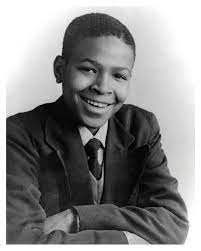
#8

#9

#10

#11
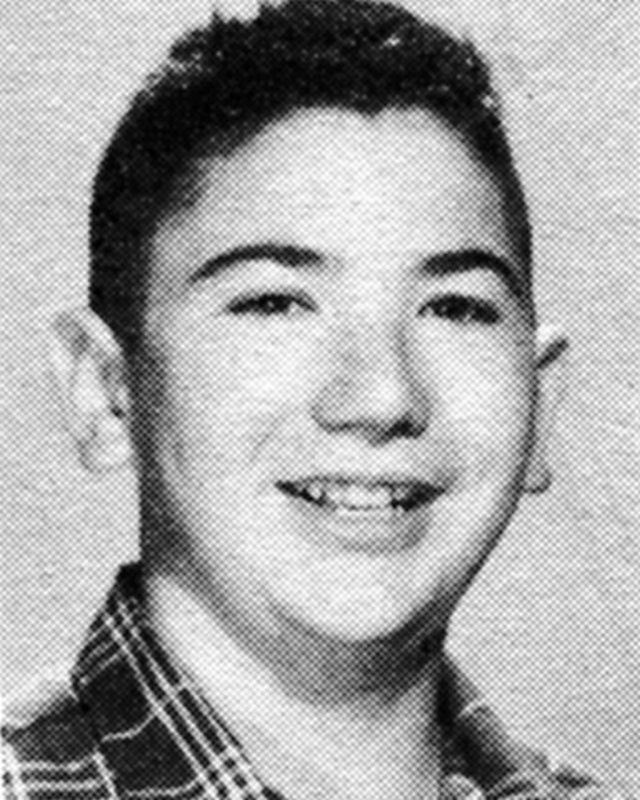
#12
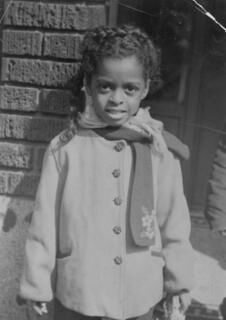
#13
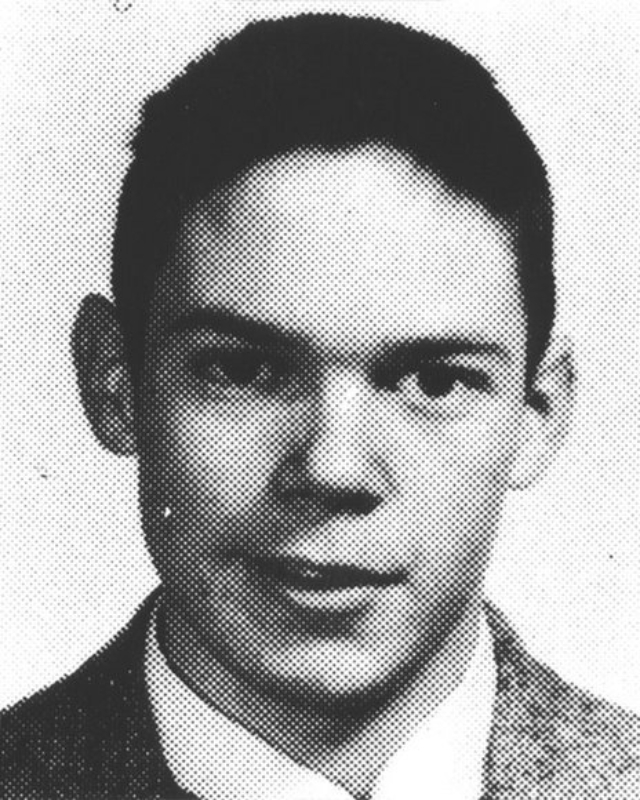
#14

#15

#16
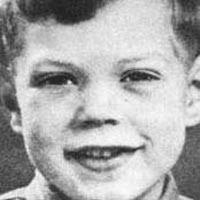
#17
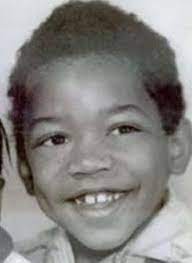
#18
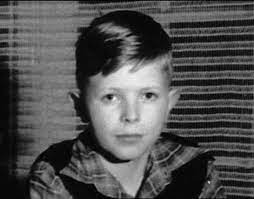
#19
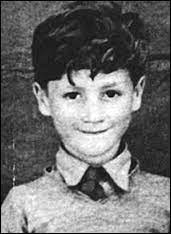
#20
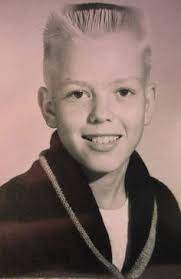
#21

#22
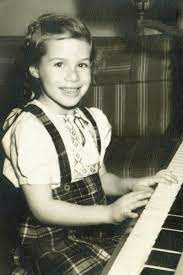
#23
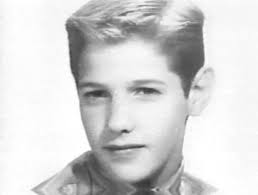
#24

#25
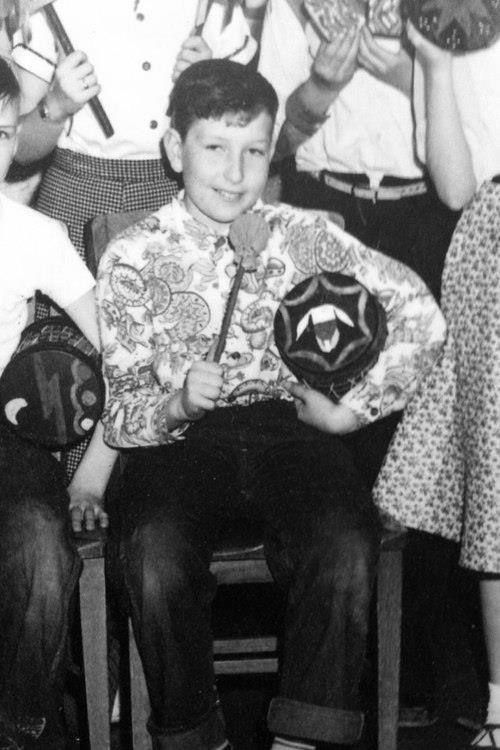
*************************
*
*
*
*
*
*
*
*
*
*
*
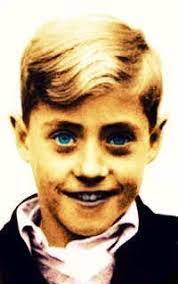
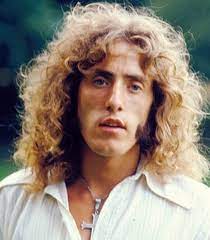
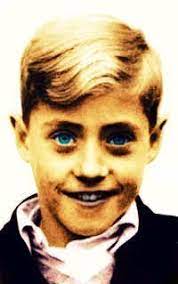
#1: Roger Daltrey
The eventual singer for The Who was born in 1944 in East Acton, just west of London. He was the oldest of three children, and although he got excellent grades in school, he had a bad temper and would use his fists to settle arguments, which resulted in him getting expelled more than once. He played guitar but preferred singing. He’s now 77 and still performs with Pete Townshend as The Who.


#2: Grace Slick
Recognized as the first female rock singer, Slick was born in 1939 as Grace Wing in Highland Park, Ill. She and her brother and parents were moved several times between Chicago, Los Angeles and San Francisco, with the family settling in Palo Alto, CA. She married filmmaker Jerry Slick in 1961 and worked as a model for I. Magnin department store. She wrote music for Slick’s films and also joined his band, The Great Society. She was recruited to join Jefferson Airplane in 1966. She’s now 82.

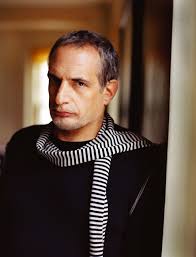
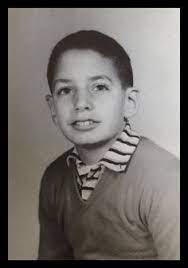
#3: Donald Fagen
Fagen, one half of the spectacular songwriting team behind Steely Dan, was born in 1948 in Passaic, NJ. His mother Elinor had been a swing music singer in her teens. Fagen was 10 when the family moved to the suburbs of South Brunswick, NJ, which he disliked, and he sought solace in late-night jazz radio. He later attended Bard College in New York, where he met like-minded Walter Becker and they began writing songs together. They masterminded Steely Dan’s recording career throughout the ’70s and a resurgence in the 2000s. Now 73, Fagen still performs as Steely Dan.
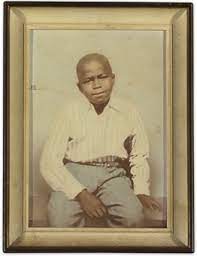

#4: James Brown
The eventual Godfather of Soul was born in 1933 in Barnwell, SC, to a teenage mother and a family in poverty. They moved to Augusta, GA, in 1938, where he coped with an abusive family dynamic and survived on his own much of the time. He won a talent show singing at age 11, but at 16 served time for robbery, where he met Bobby Byrd and other future band mates and began singing both gospel and R&B music. Brown died in 2006 at age 73.
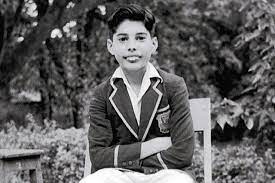
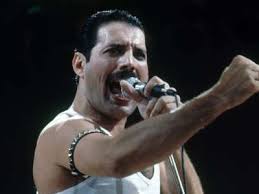
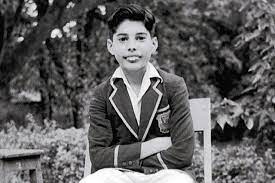
#5: Freddie Mercury
The future lead singer of Queen was born Farrokh Bulsara in 1946 in the British protectorate of Zanzibar (now part of Tanzania) to Parsi-Indian parents. He was born with four supernumerary incisors, to which he attributed his four-octave vocal range. He spent time in British boarding schools in India, where he played rock and roll and Western pop music in bands with school chums. The family moved to Middlesex, England, outside London when he was 12 and pursued a fanatical passion for heavy rock and blues music, eventually changing his name to Freddie Mercury and forming Queen in 1970. He died in 1991 at age 45.

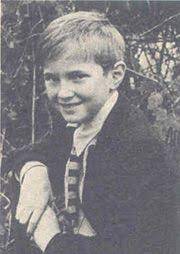
#6: Eric Clapton
One of rock’s finest blues guitarists was born in Surrey, England, in 1945 to a 16-year-old mother who abandoned him, leaving him to be raised by his grandparents. He acquired an instant love for American blues music at age nine, and once he got a quality guitar, he spent many hours every day for years perfecting his technique. Clapton joined a number of groups but grew restless, never staying for long. The Yardbirds, John Mayall’s Bluesbreakers, Cream, Blind Faith and Derek and the Dominos all came and went before his 26th birthday. He is still an active musician at age 76.


#7: Marvin Gaye
One of soul music’s smoothest vocalists of all time was born Marvin Gay Jr. in 1939 in Washington DC. He was the second oldest of four children, and his father was a Pentecostal minister who ran a strict household. He began singing in church at age four and was encouraged at age 11 to pursue a professional singing career, which put him at odds with his violent father. Hesang with doo-wop and R&B vocal groups, began recording at 20 and became hugely popular on the Motown label in the ’60s and ’70s. He was shot to death by his father in 1984 at age 44.

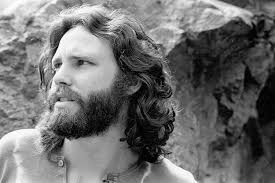
#8: Jim Morrison
Born in 1943 in Melbourne, FL, Morrison was one of three children who were “military brats” whose father was an admiral in the US Navy, requiring multiple moves throughout childhood. They lived in San Diego; Alexandria, VA; Albuquerque; Kingsville, TX, and Alameda, CA and attended college in Florida and at UCLA in California. He was a voracious reader with a passionate interest in philosophy, poetry and film. While in LA, he befriended the musicians who would comprise the lineup of The Doors. He died in 1971 at age 27.


#9: Elvis Presley
“The King” was born in 1935 in Tupelo, Mississippi. His twin brother was stillborn, leaving Presley to be raised an only child to parents who struggled to make ends meet. Presley sang and learned guitar as a grade-school kid, singing mostly gospel and country music. The family moved to Memphis when he was 13. Despite little encouragement from friends, family or teachers, Presley began performing at school and in talent shows. At 19, he recorded a few tracks at Sun Records, where he was discovered and nurtured as a pioneer of the new hybrid musical genre known as rock and roll. Presley died in 1977 at age 42.


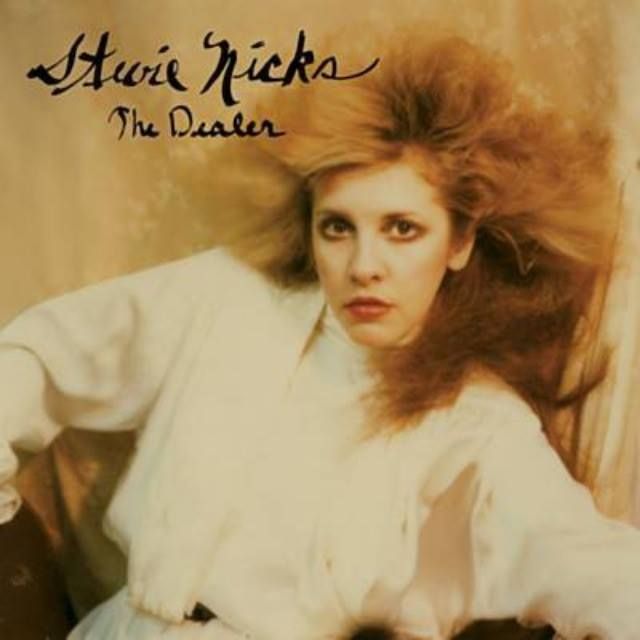
#10: Stevie Nicks
The future star in Fleetwood Mac’s late ’70s lineup was born in 1948 in Phoenix. Nicks was taught by her uncle to sing melodies and harmonies by age four, and her mother instilled a deep love of fairy tales and fantasy literature. Her family moved often, living throughout the West and Southwest US, eventually settling in the Bay Area, where Nicks joined her first band at 19 and met musical and romantic partner Lindsay Buckingham in 1970. Nicks remains an active recording and performing artist at age 73.


#11: Jerry Garcia
The man later known as Captain Trips as leader of The Grateful Dead was born in 1942 in San Francisco to parents of Spanish and Irish-Swedish ancestry. His father died when Garcia was only four, and he and his brother were sent by his mother to live with their grandparents for five years, a period when Garcia was exposed to country music through Grand Ole Opry radio shows. He learned to play piano, guitar and banjo when the family was reunited and lived in Menlo Park, CA. He grew fond of rock and roll and R&B in 1959-60 and and soon met the musicians who would make up the Grateful Dead in the mid-to-late ’60s. Died in 1995.
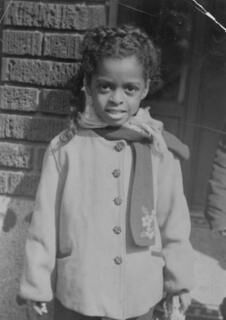
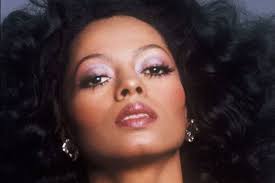
#12: Diana Ross
Ross was born in 1944 in Detroit as the second oldest of seven children. The family lived in a few different neighborhoods in the Detroit area, and Ross excelled at a magnet school where she learned skills to become a fashion designer. At the same time, she pursued an interest in singing by joining The Primettes, a female offshoot of the male group The Primes, and won a talent contest in Windsor, Ontario. The Primates won an audition with Motown in 1959 and soon became the chart-topping Supremes. Ross is now 77.


#13: Neil Young
Young was born in 1945 in Toronto, Canada. His family lived in the small rural town of Omeemee, about 100 miles northeast of Toronto. At age seven he contracted polio during the last outbreak of that disease there. When his parents divorced, he moved with his mother to Winnipeg in the prairies of central Canada, where joined his first band at age 15. He later joined The Squires, who played hundreds of gigs all over Canada in the early-mid 1960s. He met Stephen Stills and later moved to Los Angeles to form Buffalo Springfield. Young is still a very active singer-songwriter at age 76.


#14: Joni Mitchell
Born Roberta Joan Anderson in 1943 in Alberta, Canada, Mitchell and her parents also lived in Saskatoon, Saskatchewan. Like her fellow Canadian Neil Young, she contracted polio at age nine which limited her activities to painting and other art forms. She taught herself guitar, and because the polio had weakened her left hand, she devised alternate tunings to compensate. She grew to enjoy country, jazz and rock music but first pursued folk at coffeehouse venues in Canada and then the US. Her marriage to Chuck Mitchell in 1965 was over by 1967. Mitchell no longer performs due to health issues but still makes public appearances at 78.

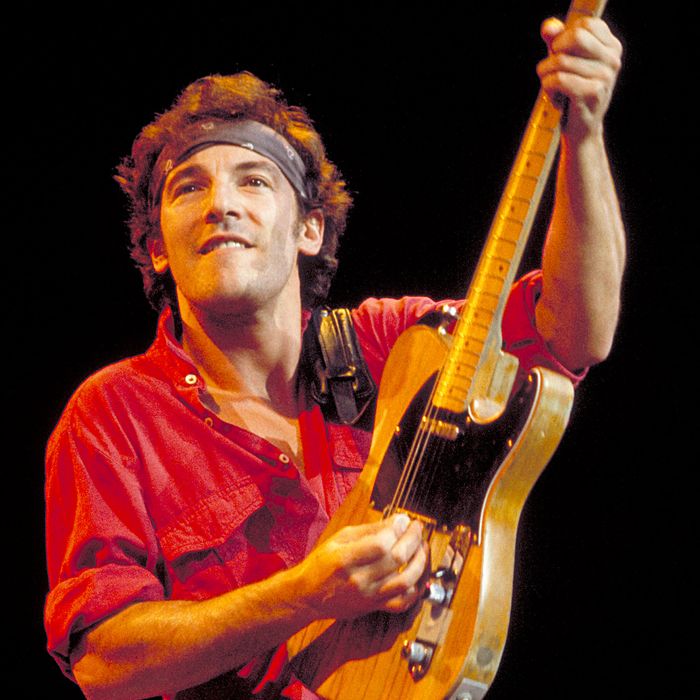
#15: Bruce Springsteen
The Boss was born in 1949 in Freeport, NJ, as part of a working-class family of five. Springsteen had a difficult relationship with his father, from whom he sought refuge in playing rock guitar, first inspired by seeing Elvis Presley and then The Beatles on The Ed Sullivan Show. He became passionate about playing in rock bands and writing his own songs at age 19, heading up four different bands between 1969 and 1972 when he won a contract from Columbia Records. At 72, Springsteen is still writing, recording and performing with and without his collaborators in The E Street Band.

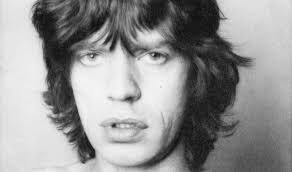
#16: Mick Jagger
Born in 1943 in Kent, England, Jagger was part of a middle-class family of four. He resisted following his father’s career path as a physical education teacher and gymnast, instead committing to being a singer, both in church choirs as well as pickup rock bands. He did well in school and attended the London School of Economics, and even thought about becoming a politician but chose to return to music with his old friend Keith Richards, joining forces with Brian Jones in Blues, Incorporated. Still active, 78.
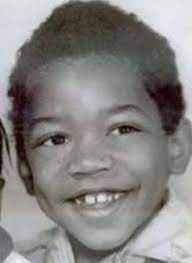
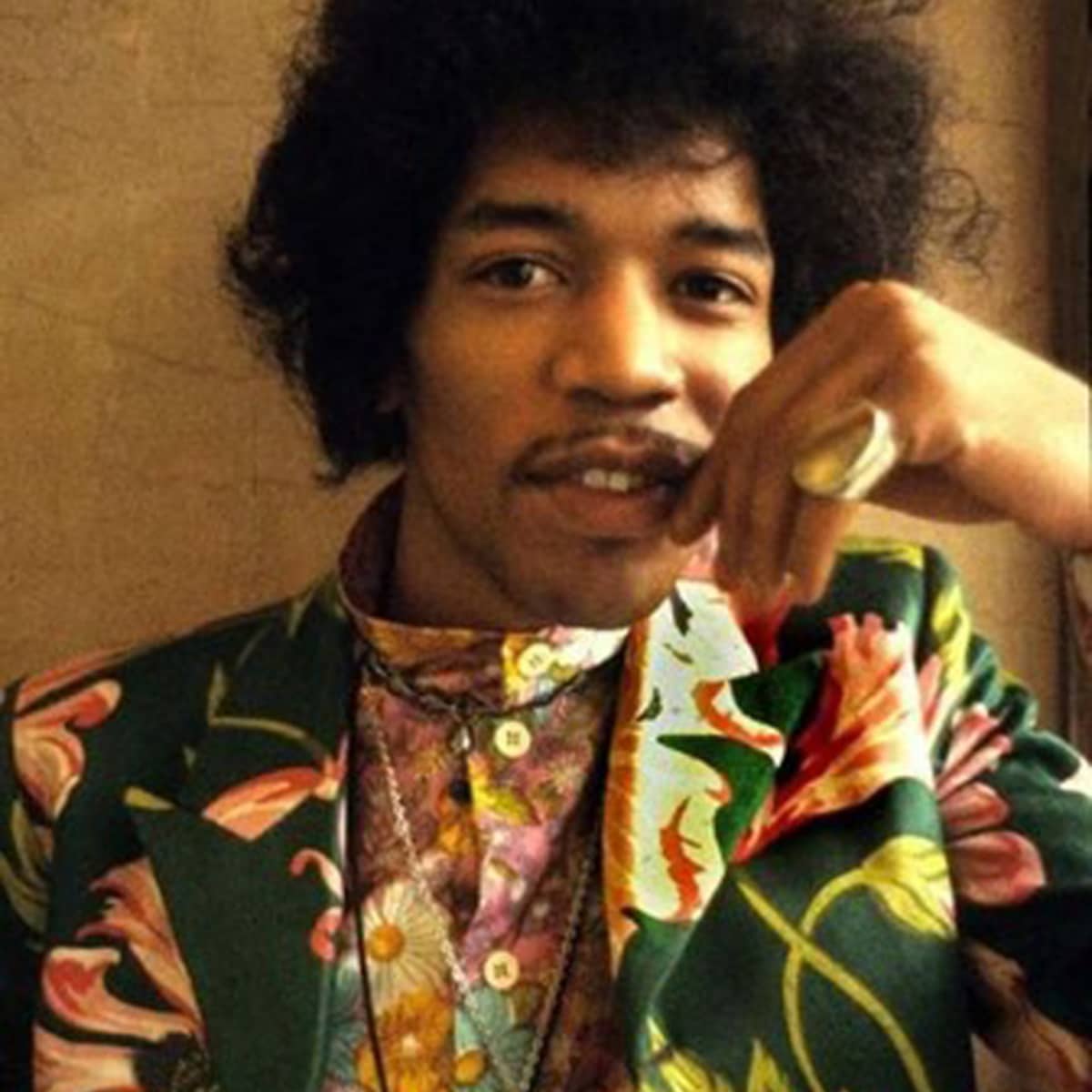
#17: Jimi Hendrix
In 1942 in Seattle, Al and Lucille Hendrix had their first son, Johnny, who they renamed James Marshall Hendrix when he turned four. An unstable family life led him to retreat into music, mostly ’50s rock and roll. He learned guitar by ear, practicing relentlessly while listening to blues records. He served in the Army for less than a year, then pursued as musical career with a vengeance, playing in bands led by King Curtis and Little Richard. He moved to England in 1966 to form The Jimi Hendrix Experience, constantly seeking new techniques and sounds from his guitar. He died in 1970 at age 27.

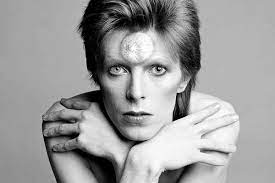
#18: David Bowie
He was born David Jones in 1947 in Brixton, England. He showed significant early aptitude for dance, and his half-brother exposed him to jazz, philosophy, Buddhism, Beat poetry and the occult. He learned guitar, recorder, sax and piano by the time he was 14, and sang in school choirs and vocal ensembles. By the time he was 20, he changed his name to David Bowie to avoid being confused with Davy Jones of The Monkees. Always eager to learn and try new things, his career was marked my numerous stylistic changes. He died in 2016 at age 69.
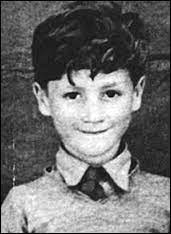

#19: John Lennon
Lennon was born in 1940 in Liverpool, England. His father abandoned the family and his mother felt unable to handle the responsibility of a child, so Lennon was raised by his strict aunt, although his mother lived nearby and exposed him to rock and roll records and taught him the banjo. He drew cartoons and wrote inventive prose for his school paper, later forming a band called The Quarrymen. He met Paul McCartney at age 17 and formed The Beatles in 1959. Lennon was shot and killed in 1980 at age 40.

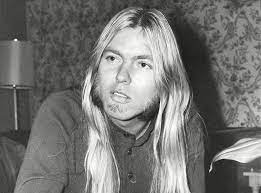
#20: Gregg Allman
Allman was born in 1947 in Nashville as the younger of two sons. His father was killed when Gregg was only two, forcing his mother to return to school to become a CPA, which necessitated the Allman brothers attend a military academy. Going to concerts and discovering blues from a neighbor’s record collection set both boys on a path to music, first in Florida, then California before returning to Macon, Georgia, where they formed the Allman Brothers Band in 1968. Duane Allman died at age 24 in 1971 as the band was becoming a success. Gregg Allman died in 2017 at age 69.
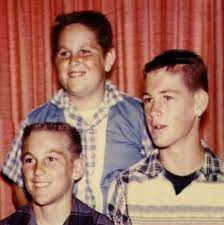
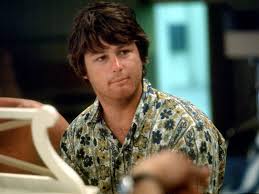
#21: Brian Wilson
Wilson, born in 1942 in Inglewood, CA, was the oldest of three brothers. They enjoyed singing and harmonizing with their cousin and friend, under the tutelage of their father Murry Wilson, a songwriter and aspiring business manager. Brian could learn songs by ear and had perfect pitch, and his father supported his dreams of success in the pop music business, although his volcanic temper traumatized Brian, later requiring years of psychotherapy. The Beach Boys became the country’s most popular group in the early/mid ’60s. Wilson’s brothers Carl and Dennis died in 1998 and 1983, respectively, while Brian is still active in the music industry at age 79.


#22: Carole King
Carol Klein was born in 1942 in Manhattan. Her mother, a teacher, played piano, and it was discovered when Carol was only four that she had perfect pitch. She had a natural talent for playing and singing songs from the radio after hearing them only once. In high school, she changed her name to Carole King and began writing songs, competing with New York contemporaries like Neil Sedaka and Paul Simon. With then-husband Gerry Goffin, King wrote dozens of hits for other artists before striking out on her own in 1970. At age 79, she still performs occasionally, sometimes with longtime friend James Taylor.
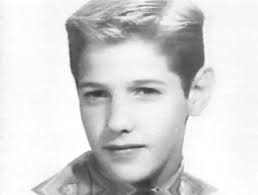
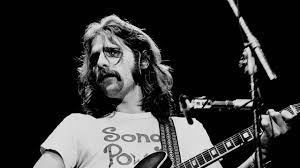
#23: Glenn Frey
In 1948 in Detroit, Frey was born into a suburban family who encouraged music education. Frey played piano in grade school before switching to guitar in order to play in at least a half-dozen different rock groups in his high school and college years. He learned how to do harmony vocals working with a regional vocal group, and met and became close friends with up-and-coming rocker Bob Seger. He moved to L.A. in 1968 at age 20, where he eventually met Jackson Browne, Linda Ronstadt and Don Henley, and formed The Eagles. Frey died at age 67 in 2016.


#24: Janis Joplin
Joplin was born in 1943 in Port Arthur, TX, as the oldest of three children. She was bullied and regarded as an outcast by fellow students in high school, which led her to hang out with other like-minded kids, one of whom had a huge record collection of blues singers like Ma Rainey, and Bessie Smith. Exposure to these artists inspired Joplin to seek a career as a blues singer. At 20, she hitchhiked with a friend to San Francisco, where she became enamored by the vibrant music scene there. Seven years later, she died of a drug overdose in 1970 at age 27.


#25: Bob Dylan
Robert Zimmerman was born in 1941 in Duluth, Minnesota, the older of two boys. He was raised most of his childhood in nearby Hibbing, where his mother’s family roots were. He formed bands while at Hibbing High School, playing Elvis and Little Richard covers. He changed his last name to Dylan, moved to New York City and switched from rock to folk music “because the songs were more serious. I liked the deeper feelings.” He began his career in 1961, becoming arguably the voice of his generation through his original music and lyrics. Dylan is still going strong at age 80.
********************************
To accompany these “deep photos,” I’ve assembled a playlist of 25 deep tracks, one by each of the 25 artists. These aren’t songs you hear very often, but they’re favorites of mine. Enjoy!