A small sliver of something bigger
If you were an album buyer in the ’60s, ’70s and ’80s, I’d be willing to bet there were times you bought, or were very tempted to buy, a new record based almost solely on the captivating cover art.
In the 1960s, ’70s and ’80s, album cover art — be it arresting portrait photography, surreal landscape drawings, erotic paintings or highly stylized logos, to name a few — was an integral, vital component of each new release. In some cases, the art was so striking that it became almost as important as the music on the album within.
There have been so many great album covers displaying fantastic works of art over the years. Trying to list the best of them is a fool’s errand. It’s like trying to list the proverbial “Best 50 Albums of All Time.” Very subjective, and very limiting. It would be easier to list the best photo album covers, the best art covers, the best illustration covers, and so on.

Some album covers from the classic rock era are so recognizable, I think, that many folks will be able to identify them even if they see only a small cropped section of the full cover. Below are “puzzle pieces” that give you just a small glimpse of the complete artwork from 25 well-known albums. How many can you identify in this Album Art Quiz #2?
As you scan down to learn the answers, you’ll also get some details about who created the covers and what went into their design. There’s also a Spotify playlist at the end with one song pulled from each of the 25 albums.
*****************************
#1

#2

#3

#4

#5

#6

#7
#8
#9
#10
#11
#12
#13

#14

#15

#16
#17
#18

#19
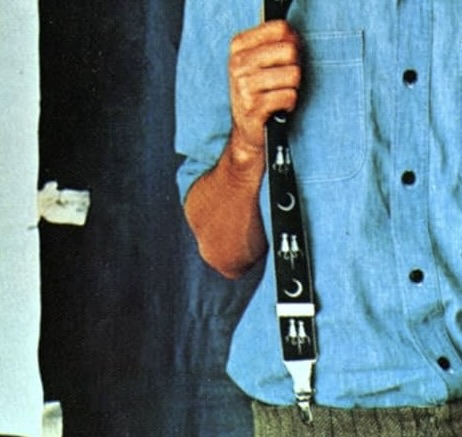
#20

#21
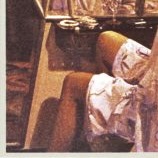
#22

#23

#24

#25
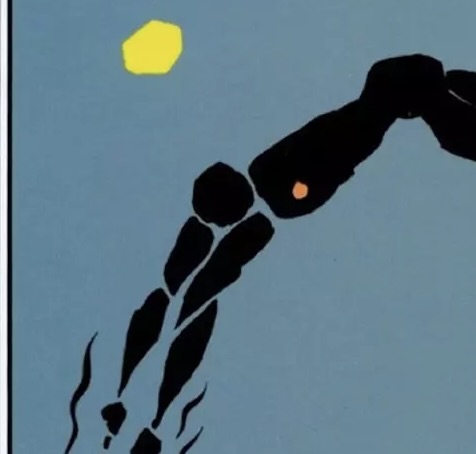
******************************
*
*
*
*
*
*
*
*
*
*
*
ANSWERS:
#1

“Tug of War,” Paul McCartney, 1982
Famed British painter and architectural artist Brian Clarke, known for his large-scale stained glass and mosaic projects, conceived of and executed the pointillism-inspired painting of a photograph of McCartney under the headphones, taken by his wife Linda. The deep blues and reds made the cover of 1982’s “Tug of War” eye-catching in the record stores, which served to complement the ear-catching sounds he came up with for this, his most consistent LP since 1973’s “Band on the Run.”
#2

“Mystery to Me,” Fleetwood Mac, 1973
If you’re looking for a definitive explanation of the strange artwork that graces the cover of Fleetwood Mac’s eight LP, 1973’s “Mystery to Me,” you won’t find it here. Credited to an artist who went by the moniker Modula, it depicts an animal that appears to be part mandrill, part gorilla, crying as he eats both a cake and a book. The back cover (which is part of the same artwork) shows a guru-type wise man apparently trying to impart wisdom to the ape. No one from the band has ever commented on the meaning behind it, so it’s still, um, a mystery to me…and to all of you as well.
#3

“Year of the Cat,” Al Stewart, 1976
The cover is another in the impressive portfolio of designs by the British design studio known as Hipgnosis, known for their work with Pink Floyd, Genesis, Peter Gabriel and Led Zeppelin. Illustrator Colin Elgie took the theme of Stewart’s title track and made it the dominant motif, depicting a woman seen in the mirror dressing up as a cat, perhaps for a costume party, while the array of items on her dresser all have feline elements.
#4
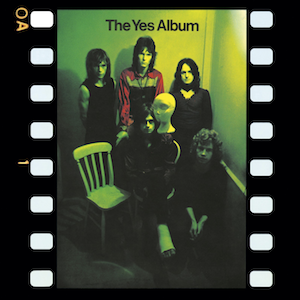
“The Yes Album,” Yes, 1971
Even though the members of Yes had been in an auto accident where keyboardist Tony Kaye had broken his leg, the album cover photo shoot scheduled for the next day went ahead as planned. Photographer Phil Franks wasn’t satisfied with what he shot in the studio, so he took the band to his flat, grabbed a mannequin head and a 1,000-watt bulb, and improvised the setting in his kitchen. Art director Jon Goodchild made the shot look like a piece of 8mm film, with Kaye’s foot in freshly wrapped plaster in the foreground. It became the cover of 1971’s “The Yes Album,” their last before fantasist Roger Dean took over as the band’s graphic artist.
#5
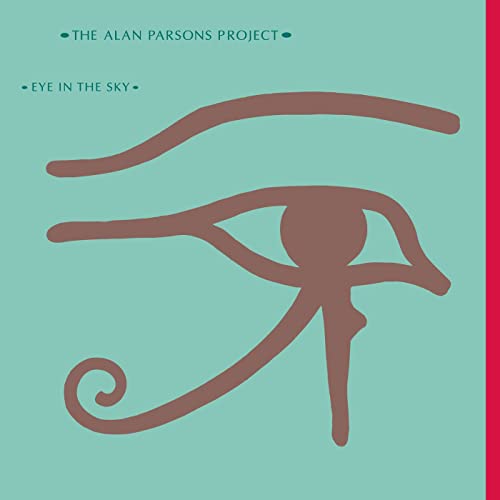
“Eye in the Sky,” Alan Parsons Project, 1982
It’s ironic that the album and song that served as the commercial peak of the Alan Parsons Project (reaching #3 on US charts in 1982) was never one of Parsons’s favorites. The concept behind it had to do with the universal idea that someone is looking down on us all, either spiritually or in terms of governmental surveillance. Eric Woolfson, who co-wrote and sang many of the group’s tunes, allegedly dashed off the line art that became the cover artwork.
#6

“Pretzel Logic,” Steely Dan, 1974
Photographer Raeanne Rubinstein took the cover photo for this album one chilly day in January 1974 in Manhattan. The pretzel vendor had been working the corner of 79th Street and Central Park for more than 30 years. As for the Steely Dan title song, it’s a wonderfully juicy Fagen/Becker blues shuffle about time travel, but it seems to have little to do with the phrase “pretzel logic” (which means illogical thinking that doesn’t stand up to scrutiny).
#7

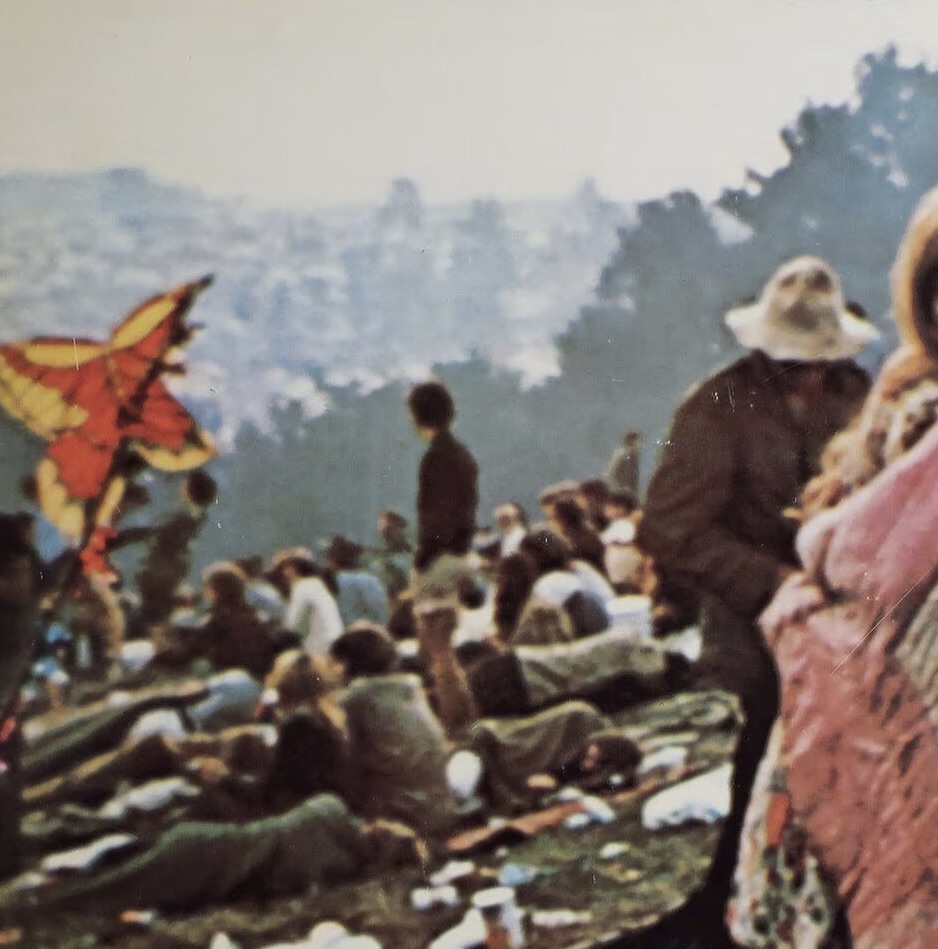
“Woodstock,” various artists, 1970
Former Life Magazine staff photographer Burk Uzzle attended the 1969 Woodstock Music and Arts Fair as a music fan. While other photographers there on assignment focused on the performers, Uzzle was more intrigued with what was going on among the half-million concertgoers. As Jefferson Airplane was bringing up the dawn, Bobbi Kelly and Nick Ercoline, both just 20, suddenly stood up, wrapped in a blanket, and Uzzle captured their hug in the midst of “that sea of humanity.” It became his most famous photo, adorning the cover of the “Woodstock” triple-LP soundtrack.
#8

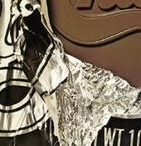
“Chicago X,” Chicago, 1976
Once the band originally known as Chicago Transit Authority were forced by the actual Chicago metro transit system to shorten their name to just Chicago, they chose to use their stylized logo (inspired by the Coca-Cola logo) on every album in their catalog. It appeared in many formats — a flag, a wood carving, embossed leather, a map, a skyscraper, even an unfinished billboard. For the group’s 10th LP, art director John Berg turned it into a partially unwrapped chocolate candy bar and ended up winning the “Best Album Cover” Grammy award in 1976.
#9

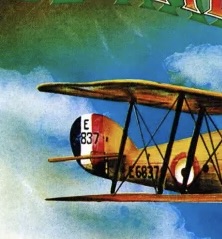
“The Smoker You Drink, The Player You Get,” Joe Walsh, 1973
Jimmy Wachtel, older brother of famed LA session guitarist Waddy Wachtel, designed dozens of album covers in the ’70s and ’80s for some of rock’s biggest names, including Stevie Nicks, Jackson Browne, Warren Zevon, Bruce Springsteen, Bob Dylan and Crosby, Stills and Nash. In 1973, he handled the art design for Walsh’s solo debut, which shows a British Sopwith fighter bi-plane evidently flying upside down (blue sky at the bottom).
#10
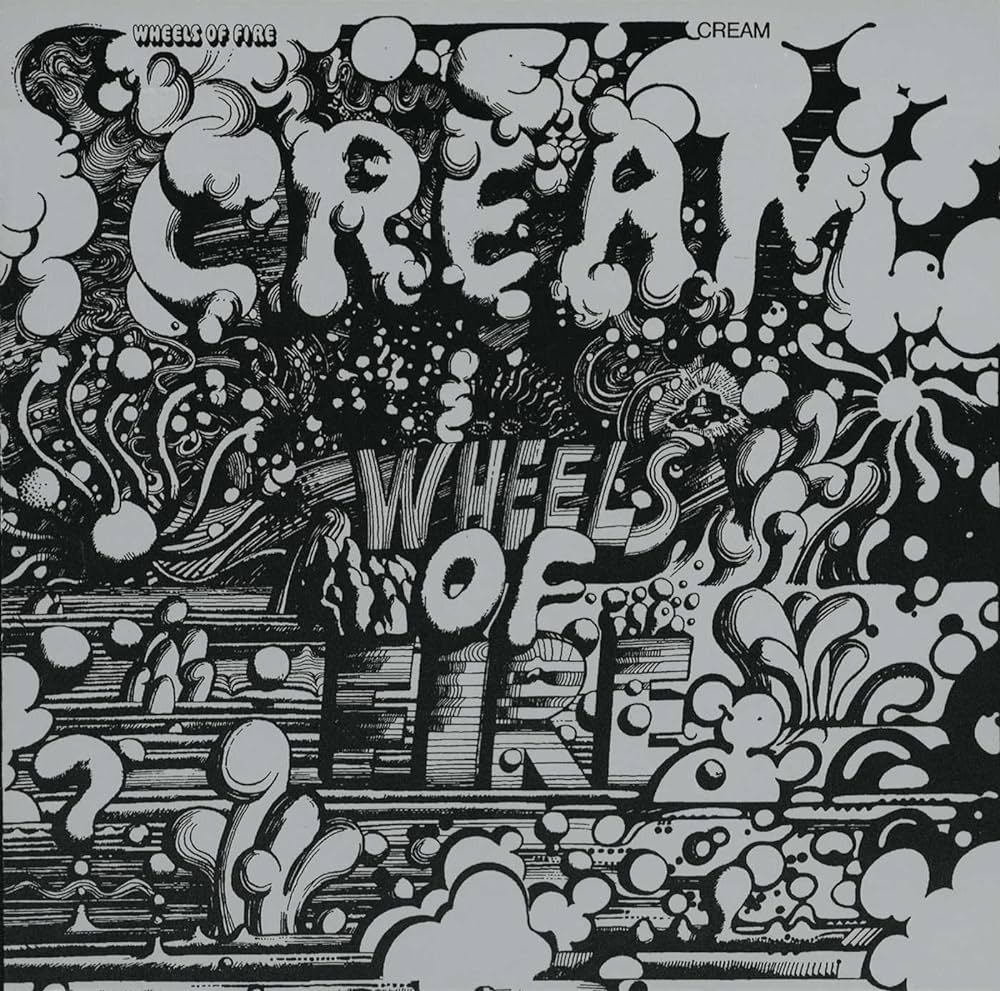
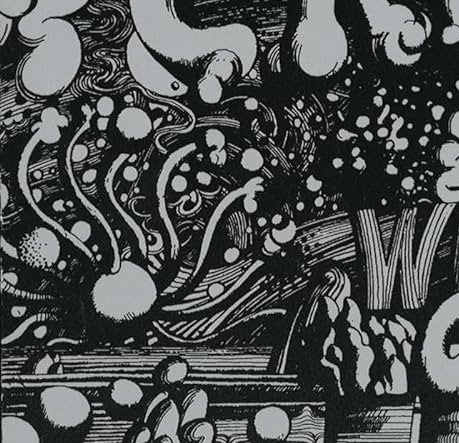
“Wheels of Fire,” Cream, 1968
Martin Sharp, Australian artist/cartoonist/filmmaker, was considered his country’s foremost pop artist in the ’60s and ’70s. He came to the attention of Jack Bruce, bassist for Cream, who suggested Sharp be hired to provide artwork for the band’s 1967 LP “Disraeli Gears.” Its psychedelic montage not only won awards, it led to the equally mind-boggling cover for Cream’s 1968 double album, “Wheels of Fire,” which topped the US album charts that summer. The cover of the original LP featured silver foil paper.
#11
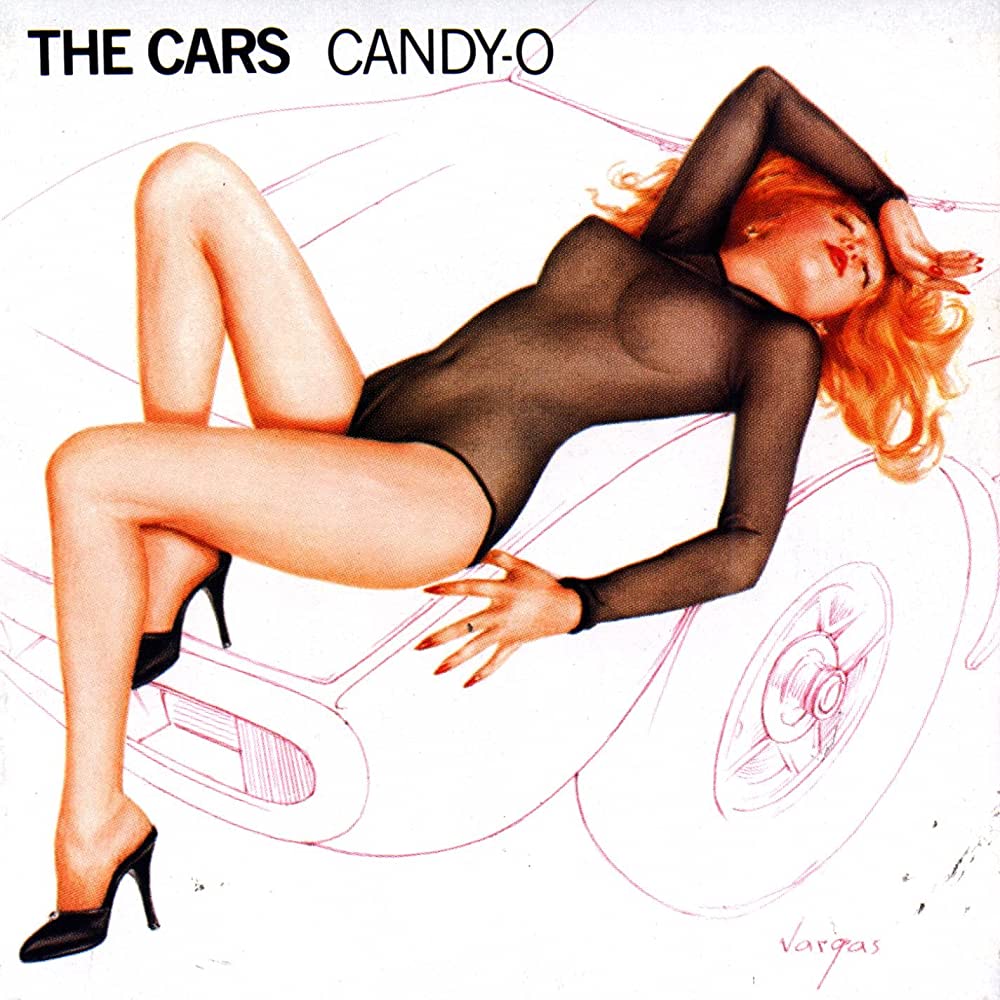
“Candy-O,” The Cars, 1979
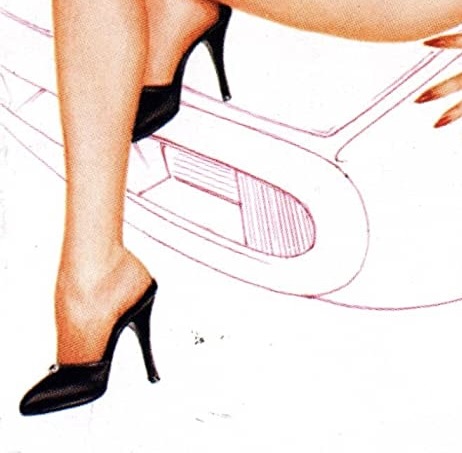
David Robinson, drummer for The Cars, was a collector of pin-ups, especially the work of Peruvian painter Alberto Vargas, who was known for his paintings that appeared in Playboy and Esquire in the ’50s and ’60s. Vargas was 83 and retired by 1979, but his niece, a fan of The Cars, persuaded him to take on the assignment to do the cover for the group’s second album, “Candy-O,” featuring a curvy model stretched out on the hood of a sports car.
#12
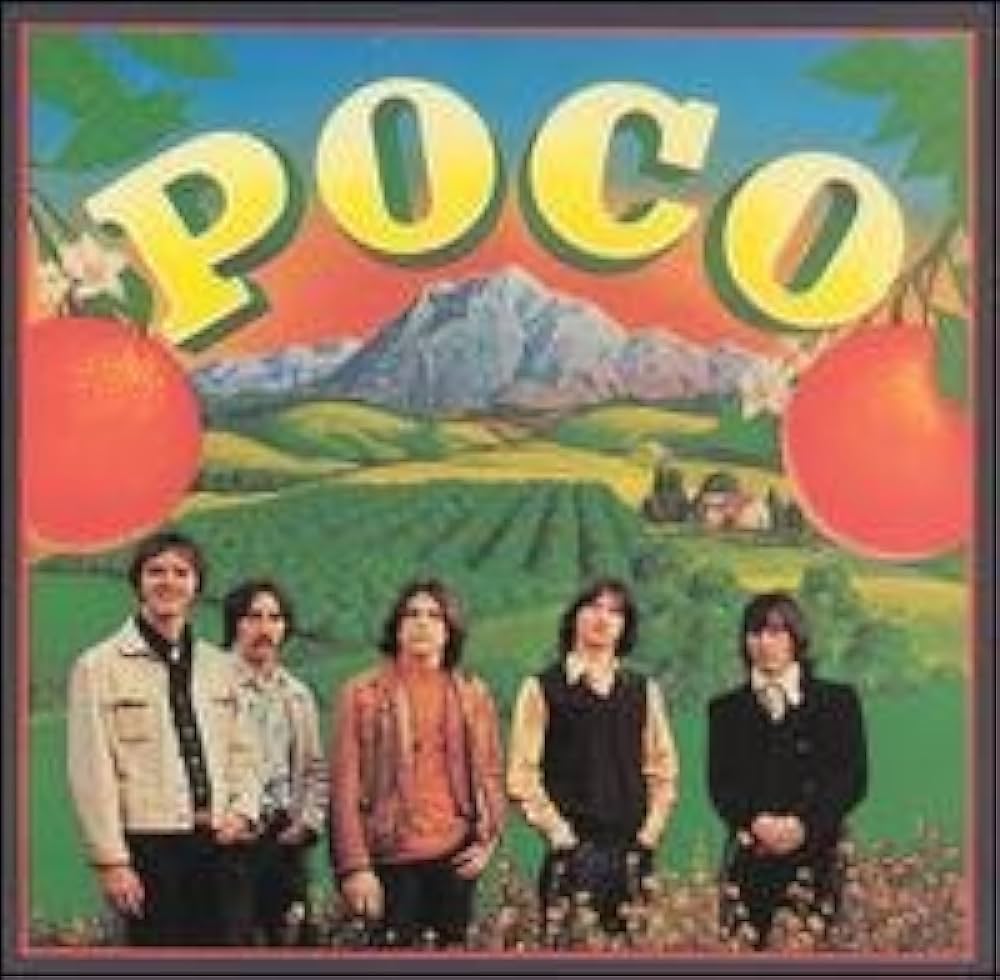
“Poco,” Poco, 1970
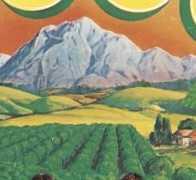
For Poco’s strong second LP, art director Gary Burden took a bucolic drawing of farmland and mountains by Morris Ovsey and superimposed a photo of the band taken by the legendary Henry Diltz. The group, led by Richie Furay and Jim Messina, didn’t really meet chart expectations in the country rock genre, although critics and a rabid fan base felt Poco was the cream of the crop. Following personnel changes, they came up with a few Top 20 successes years later.
#13

“Days of Future Passed,” The Moody Blues, 1967
After early success, The Moody Blues were struggling in 1967 when Decca Records asked them to record an adaptation of a Dvorak symphony for their classical subsidiary label. That instead evolved into “Days of Future Passed,” a suite of songs that pioneered the merging of psychedelic rock and classical forms. It exceeded all expectations and spawned the new “progressive rock” genre. David Anstey, a staff visual artist and designer with Decca in London, created the imaginative painting that depicted the various stages of a typical day (morning, afternoon, evening and night).
#14

“Dixie Chicken,” Little Feat, 1973
Comic artist Martin Muller, known professionally as Neon Park, was responsible for the arresting cover artwork on virtually every album in Little Feat’s catalog, including this curious piece for “Dixie Chicken” that places an elegant woman against a padded wall with a wrap-around accordion. Park’s surreal images also graced the covers for albums by Frank Zappa, Dr. John, David Bowie, and The Beach Boys.
#15

“Duke,” Genesis, 1980
Having survived the departure of lead singer Peter Gabriel and then guitarist Steve Hackett, Genesis in 1980 was a trio in the process of evolving from art rock to a more commercial pop sound. For their next LP “Duke,” they brought in French illustrator Lionel Koechlin, whose children’s book, “L’Alphabet d’Albert,” they admired. Rather than produce something original for the cover, he suggested they use a panel from the book, which seemed to complement some of the storybook lyrics from the songs.
#16

“Quadrophenia,” The Who, 1973
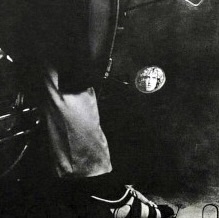
London designer/photographer Graham Hughes, a big fan of The Who, immersed himself in the songs and the melancholy storyline of “Quadrophenia” before coming up with the darkly introspective imagery that became the cover of the 1973 rock opera. Lead character “Mod” Jimmy is pictured on his all-important scooter idling in the London fog, with photos of the four members of The Who dropped into the bike’s side-view mirrors.
#17

“Blow By Blow,” Jeff Beck, 1975
Painter John Collier, no relation to the famed 19th Century portrait painter of the same name, worked in collaboration with seasoned album cover designer John Berg to fashion a soft-edged facsimile of Beck offering a trademark guitar riff for the cover of one of his most acclaimed works, the 1975 instrumental LP “Blow By Blow.” The chalk drawing symbolizes Beck’s transition from harder-edged blues to a more jazz-inflected style on this album.
#18

“The Unforgettable Fire,” U2, 1984
For their 1984 LP “The Unforgettable Fire,” the members of U2 drove around Ireland for a few days with photographer Anton Corbijn looking for “something that symbolized ambiguous mysticism,” as Bono put it. They settled on the ruins of Moydrum Castle, dramatically photographed in black-and-white with the band members standing out front. It turned out to be virtually identical to a photo on the cover of the Simon Marsden book “In Ruins: The Once Great Houses of Ireland,” which required a settlement for copyright infringement.
#19
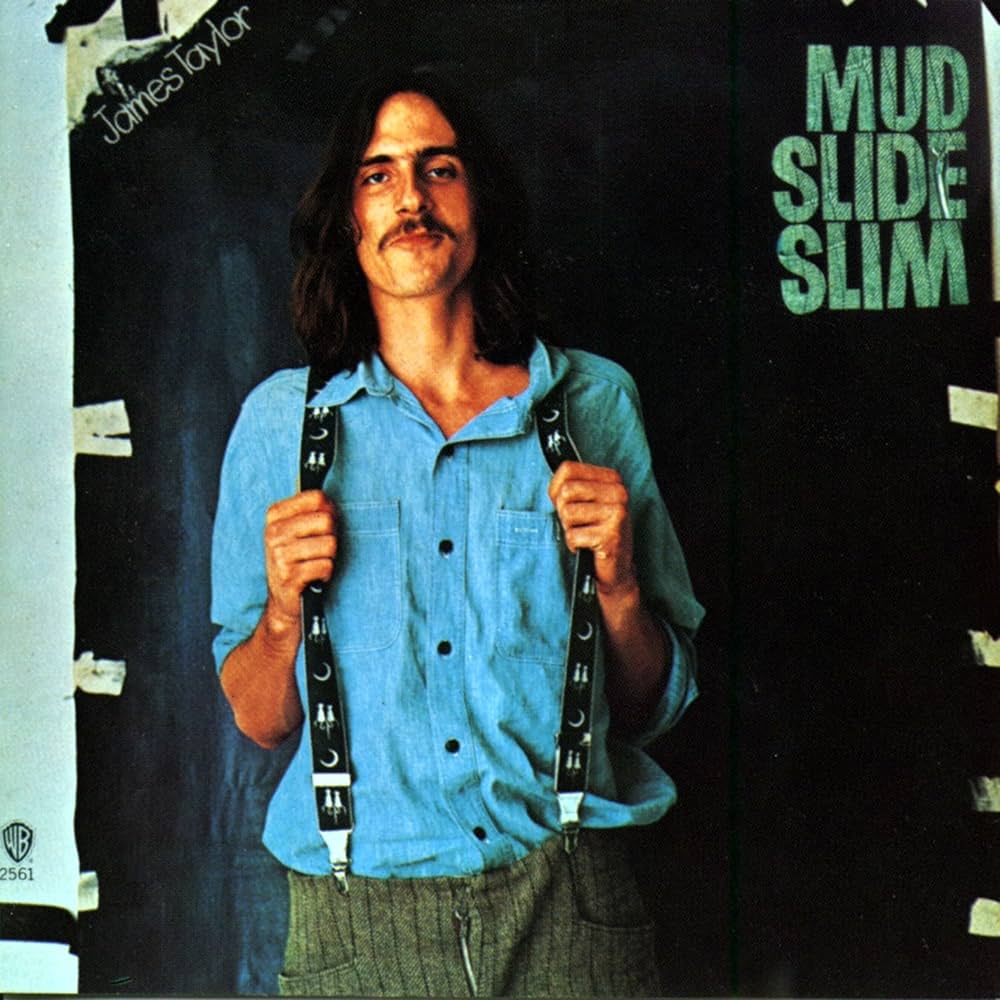
“Mud Slide Slim and the Blue Horizon,” James Taylor, 1971
Ethan Russell is a widely admired rock music photographer who worked with The Beatles, the Stones and The Who, among many others in the classic rock arena. His work graces the famous covers of “Let It Be,” “Get Yer Ya-Ya’s Out” and “Who’s Next,” and he also conducted dozens of photo shoots of the likes of Janis Joplin, Jim Morrison and James Taylor, for whom he captured the image for his “Mud Slide Slim” LP cover. He also worked on films and videos for Joni Mitchell, Paul Simon, Rickie Lee Jones and Emmylou Harris.
#20

“Are You Experienced?” The Jimi Hendrix Experience, 1967
First released in the UK with different cover art, “Are You Experienced” was re-shot for the US release by American designer Karl Ferris at Hendrix’s behest. Ferris found the music “otherworldly” and, imagining the trio traveling through space in a biosphere, used a fisheye lens to photograph the group wearing the latest mod threads from London clothing boutiques. Hendrix was pictured wearing a psychedelic jacket with a large pair of eyes staring back at the viewer.
#21

“Simple Dreams,” Linda Ronstadt, 1977
The British-born artist who went by his last name — Kosh — was a highly regarded member of the London Design & Art Directors Club before relocating to California in the mid-’70s. He earned numerous accolades for his album designs for such major artists as Jimmy Buffett, Bob Seger, Rod Stewart, Dan Fogelberg, Randy Newman, Carole King and others. The cover for Ronstadt’s “Simple Dreams,” a multi-platinum hit LP in 1977, won Kosh one of his three Grammy awards for cover design.
#22

“Breakfast in America,” Supertramp, 1979
British designers Mike Doud and Mick Haggerty came up with the imaginative cover for Supertramp’s “Breakfast in America” LP, showing an artist’s rendering of an aerial view of the Lower Manhattan skyline. They used cutlery, salt shakers, coffee mugs, egg crates and other props spray-painted white to depict the buildings and wharfs, and dressed comedienne Kate Murtagh as a waitress in a stance resembling the Statue of Liberty but holding a glass of orange juice and a menu. It won the Best Recording Package Grammy that year.
#23

“Eldorado,” Electric Light Orchestra, 1974
Jeff Lynne envisioned the concept and storyline for ELO’s 1974 LP “Eldorado” before he’d written any of the music. Its plot followed a daydreamer character who journeys into fantasy worlds to escape the disillusionment of his mundane reality. Designer John Kehe selected an image from one of cinema’s most famous escapist fantasies, “The Wizard of Oz,” showing Dorothy’s ruby slippers protecting her from the clutches of the Wicked Witch of the West.
#24
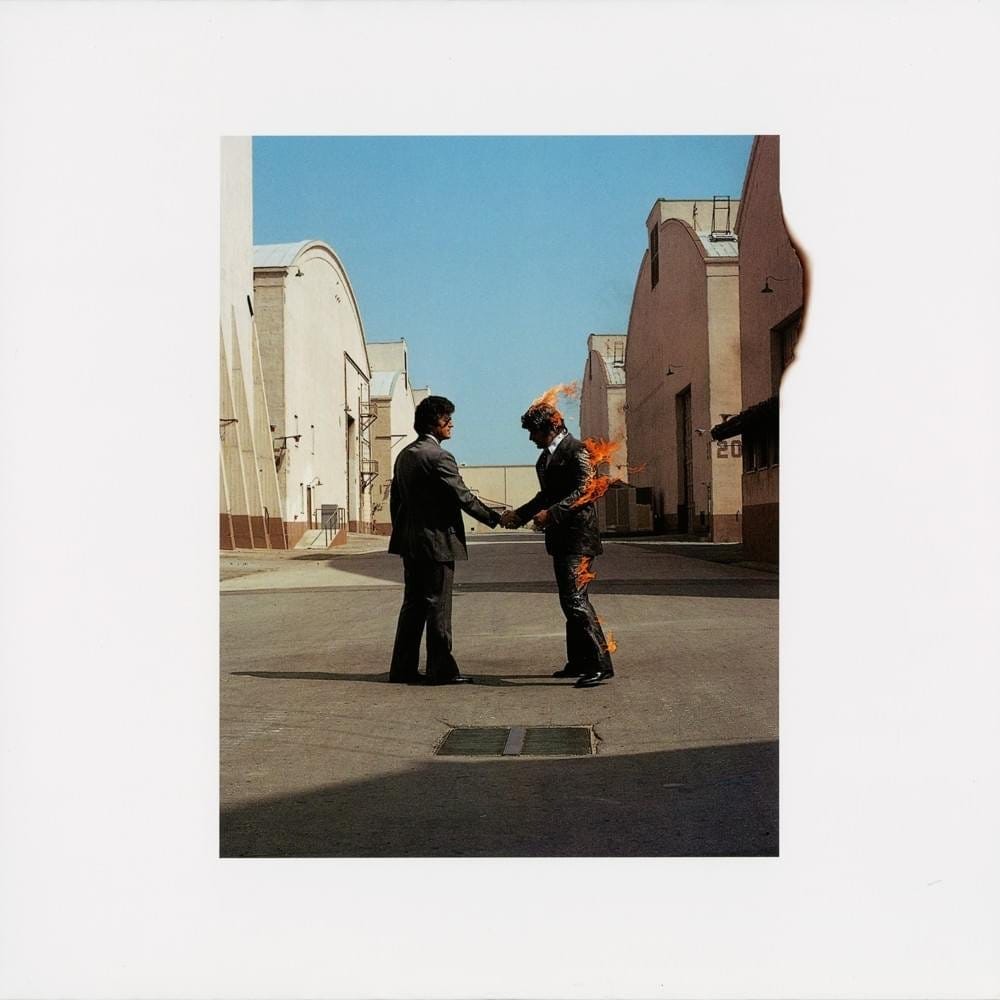
“Wish You Were Here,” Pink Floyd, 1975
Dutch designer Storm Thorgerson, inspired by the idea that people tend to conceal their true feelings for fear of “getting burned,” came up with the image of two businessmen shaking hands, with one man on fire. “Getting burned” was also a common phrase among musicians who were denied royalty payments, including the members of Pink Floyd. Despite precautionary measures, unpredictable winds during the shoot in Burbank caused one stuntman to suffer minor facial burns. The image was initially concealed in a black shrink-wrap adorned with a sticker of two machines shaking hands.
#25
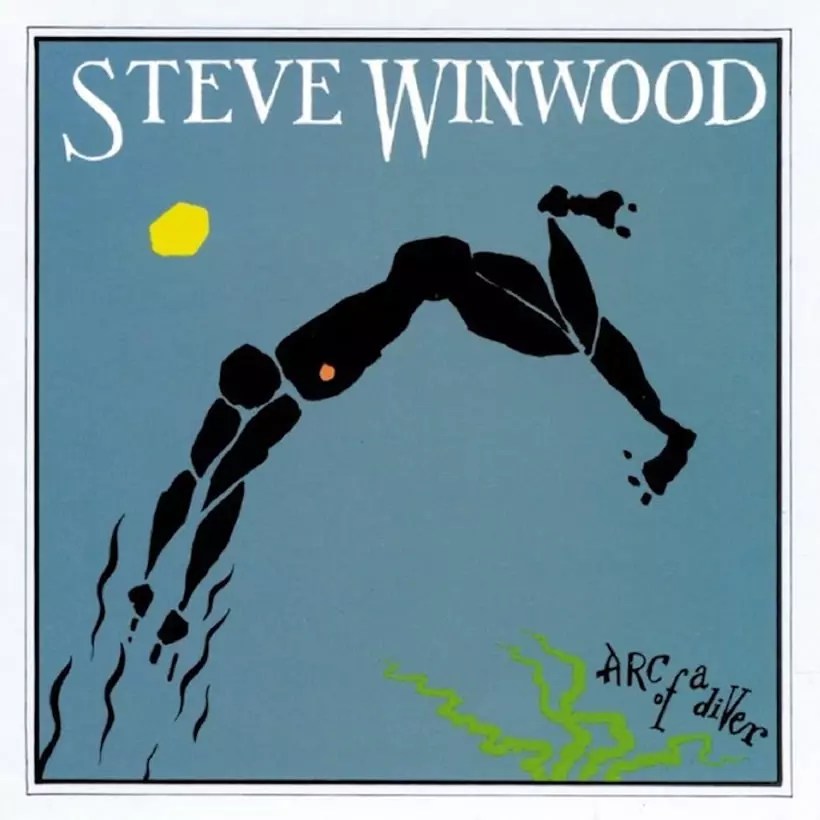
“Arc of a Diver,” Steve Winwood, 1980
British graphic designer Tony Wright, who created notable album covers for Bob Marley, The B-52’s, The Ramones, The Meters and Bob Dylan in the ’70s and ’80s, was responsible for the trendsetting cover of Traffic’s “Low Spark of High-Heeled Boys” album in 1971. A decade later, he was also the artist behind ex-Traffic leader Steve Winwood’s popular solo record, “Arc of a Diver.” Both were named among Rolling Stone‘s list of “100 Greatest Album Covers.”
*****************************









 Hack's Back Pages