Favorite holiday?
Many say Christmas, and with good reason. Others pick Thanksgiving, also a fine choice. Even the Fourth of July gets a nod from a few, and that makes sense as well.

But me? I’ve always loved Halloween. As the leaves turn, the temperatures dip and the sun keeps setting earlier in the day, I get a sense of foreboding that gives me goosebumps. I relish a good scare, whether it’s from negotiating my way through a haunted house or sitting through a marathon of really hair-raising horror movies.
Like other holidays, Halloween comes with its own soundtrack, but I don’t mean the tired, overplayed stuff like “The Monster Mash” or “Werewolves of London.” I’m talking about music that imparts a sense of unease and makes you want to glance repeatedly over your shoulder to be sure there’s no one about to do you harm.
I’ve gathered 15 haunting pieces of music from the classic rock era that should make your trick-or-treat season just a little bit more creepy. They’re all on a Spotify playlist at the end of this post, along with a handful of honorable mentions.
May the ghosts, goblins and monsters from your psyche come visit you this weekend!
****************************
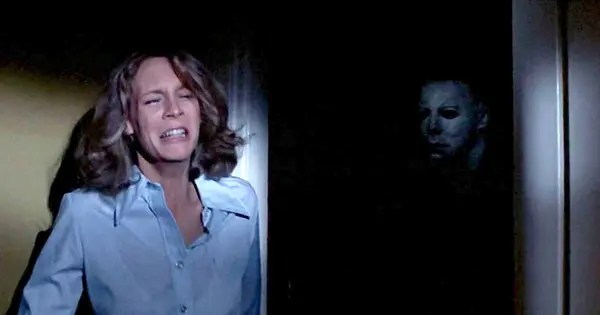
“‘Halloween‘ Theme,” John Carpenter, 1978
Every October, I dial up this horror classic starring a young Jamie Lee Curtis, and it never fails to give me the willies. I was astonished to learn very recently that the frightening soundtrack theme music was written by the movie’s director, John Carpenter. We used to use it every year for the haunted house we staged in our Atlanta neighborhood. It’s such a hypnotic piece, using a 5/4 beat, minor chords, piano and synthesizer to build a relentless heartbeat to what turned out to be the first in a long series of scary movies about the unkillable killer Michael Myers.

“‘Psycho‘ Prelude,” Bernard Herrmann, 1960
I still rank this Alfred Hitchcock masterpiece among my favorite films of all time (not just scary ones), and part of the reason it retains its effectiveness is Herrmann’s incredible score. He uses staccato violins almost exclusively to build tension as he torments the audience while star Janet Leigh struggles with moral issues, and then co-star Tony Perkins as Norman Bates wrestles his inner demons. It might be the most terrifying soundtrack ever created. This piece and two others from “Psycho” were also a regular part of our haunted house music accompaniment.

“Season of the Witch,” Donovan, 1966
It’s hard to decide which version of this classic song grabs me more: Donovan’s five-minute original or the 10-minute track by Al Kooper, Stephen Stills and Co. on the legendary 1968 “Super Session” LP. Donovan, the British mystical folkie responsible for “Sunshine Superman” and other flower-garden reflections of the mid-to-late ’60s, wrote it as a somewhat creepy ode to October. Two years later, Kooper & Stills recorded a remarkable jam on Donovan’s chords that became something else entirely, also haunting and intriguing in its own way. “When I look out my window, so many sights to see, and when I look in my window, so many different people to be, and it’s strange, so strange…”
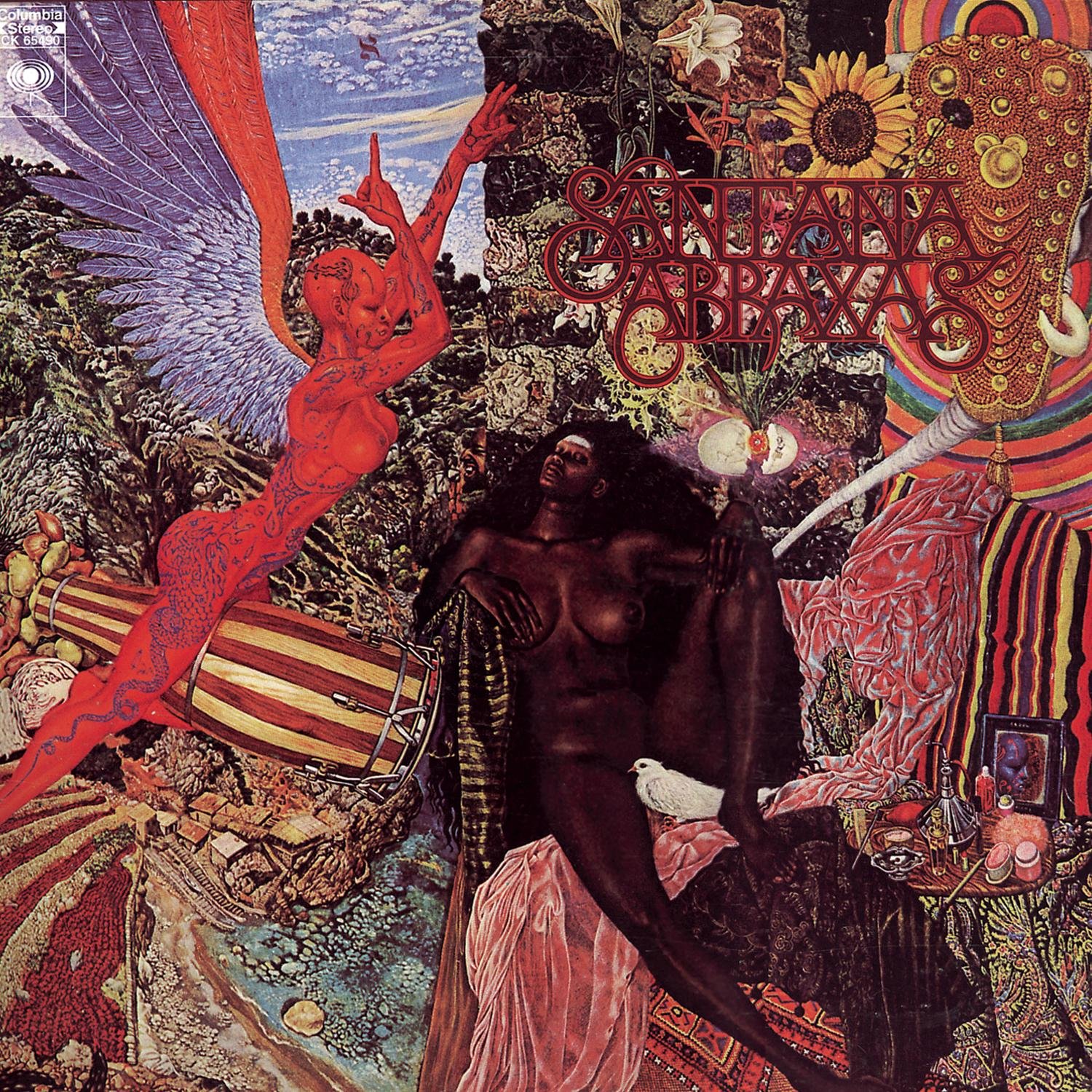
“Black Magic Woman,” Santana, 1970
Written by the great blues guitarist Peter Green and released as a single with his band Fleetwood Mac back in 1968, this song became a huge #4 hit for Carlos Santana and his band in 1970, from “Abraxas.” It was combined in a medley with the 1966 track “Gypsy Queen,” and utilised congas, timbales and Latin polyrhythms to give the whole thing a distinct voodoo feel: “Got your spell on me baby, yes, you got your spell on me baby, you’re turning my heart into stone, I need you so bad, magic woman, I can’t leave you alone…”
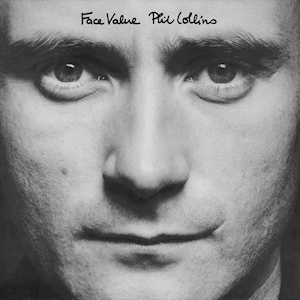
“In the Air Tonight,” Phil Collins, 1981
The relentless touring schedule of Genesis in the late ’70s as they were becoming more commercially successful caused tension and estrangement between Phil Collins and his first wife, culminating in divorce in 1980. The grief this caused for Collins came pouring out in many of the songs on “Face Value,” his debut solo LP in 1981, most notably on the powerful, influential is Nile “In the Air Tonight.” In a 2016 interview, Collins said of the song’s lyrics: “I wrote the lyrics spontaneously. I’m not quite sure what the song is about, but there’s a lot of anger, a lot of despair and a lot of frustration.” The arranger nt has an undeniable spookiness to it, and the words reflect that vibe: “Well, the hurt doesn’t show, but the pain still grows, t’s no stranger to you and me, /And I can feel it coming in the air tonight, oh Lord…”
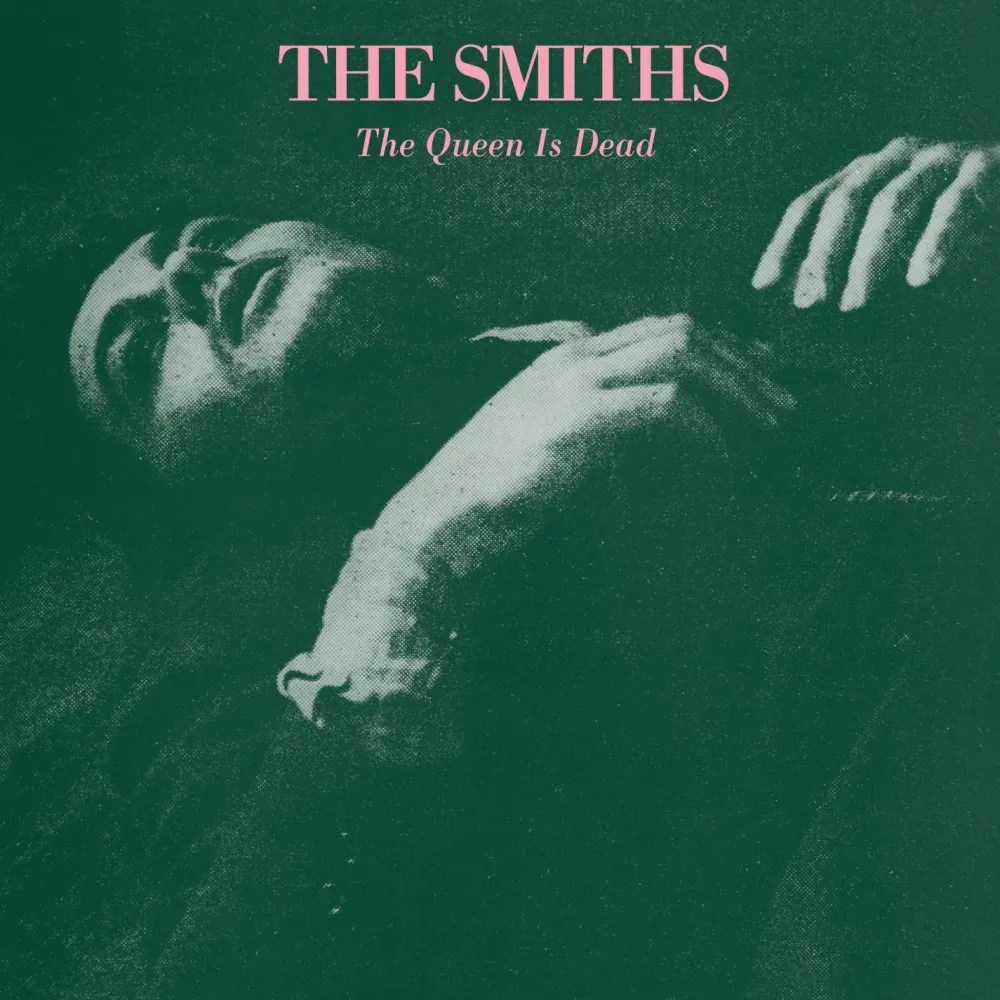
“Cemetery Gates,” The Smiths, 1986
Johnny Marr, guitarist for The Smiths, said he thought the riff he came up with that’s the basis for “Cemetery Gates” wasn’t substantial enough to create a track, but after Morrissey added lyrics about two friends who spend the day in a graveyard, he changed his mind. The song ended up on their 1986 LP “The Queen is Dead” and as the B-side of the single “Ask” the same year: “A dreaded sunny day, so I meet you at the cemetery gates… /So we go inside and we gravely read the stones, all those people, all those lives, where are they now? /With loves and hates and passions just like mine, they were born, and then they lived, and then they died…”

“Thriller,” Michael Jackson, 1982
Jackson’s trailblazing 13-minute music video of his title track “Thriller” broke new ground as a short story, fully choreographed with gory zombie makeup, and the first to be preserved in the National Film Registry…and for the finale, horror movie legend Vincent Price recites the spoken section that ends with his maniacal laugh. It has become a Halloween classic, and rightly so: “It’s close to midnight, and something evil’s lurking in the dark, under the moonlight, you see a sight that almost stops your heart, you try to scream, but terror takes the sound before you make it, you start to freeze as horror looks you right between the eyes, you’re paralyzed…”
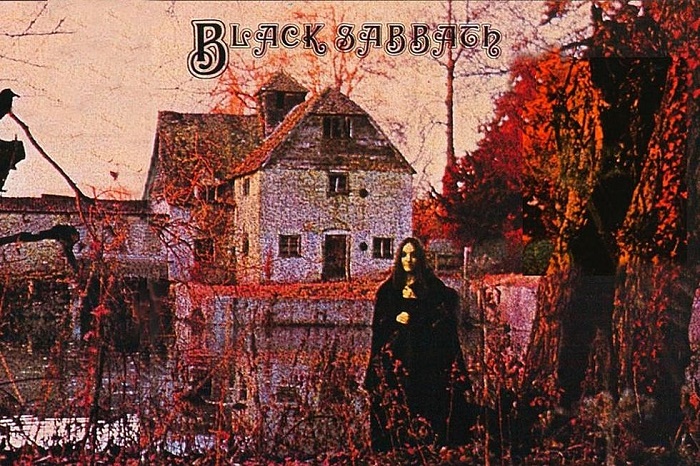
“Black Sabbath,” Black Sabbath, 1970
Death metal, Goth, Satanic rock — the bands who revel in these genres have plenty of disturbing, macabre lyrics that could certainly be deserving of space on a Halloween setlist, but frankly, I don’t claim to know much about them. I do, however, recall the spooky chill that made me shudder the first time I heard the song “Black Sabbath,” the leadoff track from Black Sabbath’s debut LP (and check out that creepy album cover). An ominous tolling bell, a rainstorm with distant thunder, then huge power chords in a minor key, and Ozzy Osbourne demanding to know, “What is this that stands before me?” Brrrrr. If this isn’t appropriate Halloween music, I don’t know what is.

“Too Much Blood,” The Rolling Stones, 1983
Mick Jagger gets the lion’s share of songwriting credit for this strangely compelling dance track from The Stones’ 1983 LP “Undercover” that protests gratuitous violence in 1980s films even while it’s knee-deep in graphic images about that same violence. Sparked by a lurid murder in Paris that year involving dismemberment and cannibalism, the song’s lyrics devolved into rap in the middle third, specifically mentioning the 1974 film “The Texas Chainsaw Massacre” and bemoaning, “I can feel it everywhere, feel it up above, feel the tension in the air, there’s too much blood, yeah, too much blood…”
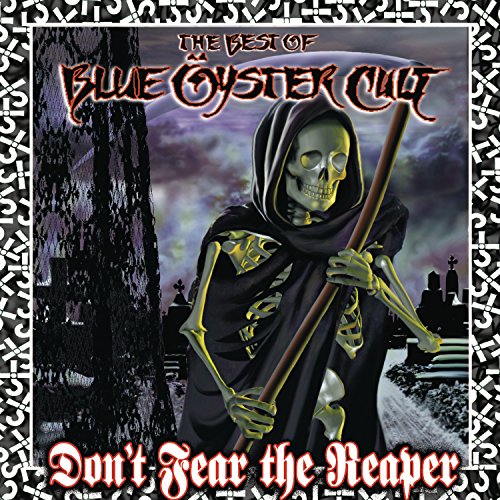
“Don’t Fear the Reaper,” Blue Oyster Cult, 1976
Out of Long Island, New York, in 1971 came Blue Oyster Cult, one of the stalwart hard rock bands of its era. BOC guitarist Donald “Buck Dharma” Roeser wrote this 1976 hit single in his early 20s, imagining an early death for himself. “I wasn’t suicidal,” he said, “just thinking cosmically about eternal love and premature death.” Seems spooky enough to me to be perfect for a Halloween mix… “Then the door was opened and the wind appeared, the candles blew and then disappeared, the curtains flew and then he appeared, saying, ‘don’t be afraid, come on baby, don’t fear the reaper’…”

“D.O.A.,” Bloodrock, 1971
The two-note drone of a European emergency siren is the basic hook on which this gruesome song hangs, and embodies that feeling of dread you might feel in a dark alley or as you approach a haunted house. The lyrics, which caused the song to be censored in some markets, graphically describe the thoughts of a plane crash survivor as he is brought into a hospital: “I try to move my arm and there’s no feeling, and when I look, I see there’s nothing there…Life is flowing out my body, pain is flowing out with my blood, the sheets are red and moist where I’m lying, God in heaven, teach me how to die…”

“Scary Monsters (and Super Creeps),” David Bowie, 1980
Bowie had written an early version of this song called “Running Scared” in 1975, and recorded a demo, but ultimately put it aside until compiling tracks for his 1980 LP that he intended to be more commercial than the so-called “Berlin Trilogy” albums that preceded it. “Scary Monsters (and Super Creeps)” is a punky, heavily distorted track featuring Robert Fripp’s harsh guitar, and Bowie so loved the way it turned out that he chose to make it the album’s title track. The eerie lyrics convey the dysfunction behind a strange relationship: “When I looked in her eyes, they were blue, but nobody home, /Well, she could’ve been a killer if she didn’t walk the way she do, /She opened strange doors that we’d never close again…”
“Devil Woman,” Cliff Richard, 1976
British rock ‘n’ roll legend Richard ruled the UK airwaves in the pre-Beatles years (1957-1962) and is one of the most successful recording artists of all time, but he rarely made a dent in the US charts. In 1976, after he had gone through a softening phase, dabbling in gospel and Christian music, he found himself with a big hit in “Devil Woman,” which reached #6 in the US and sparked four more Top 20 hits here in the late ’70s. The lyrics tell the tale of a man jinxed from an encounter with a stray cat with evil eyes, and his discovery that the psychic whose help he sought to break the spell turned out to be the one responsible for the curse in the first place.

“I Put a Spell on You,” Nina Simone, 1965
Written and originally recorded by “Screamin'” Jay Hawkins in 1956, “I Put a Spell on You” has been covered by more than a hundred different artists, from Creedence and Jeff Beck to Annie Lennox and Bryan Ferry. In 1965, blues/jazz singer Nina Simone recorded an amazing rendition that reached #23 on the R&B charts here and also charted well in England. Hawkins, a blues singer, had established himself in the rock ‘n’ roll pantheon by turning the song into a ghoulish stage centerpiece, rising from a coffin amidst smoke and dry ice to deliver a frightful screaming vocal that gave him his nickname.
“‘The X-Files‘ Theme,” Mark Snow, 1993
Martin Fulterman, known professionally as Mark Snow, has written theme music and incidental score parts for several hundred film and TV series since his first project, “The Boy in the Plastic Bubble,” in 1976. Other series include “Hart to Hart,” “Starsky and Hutch,” “Vega$” and “Cagney and Lacey.” At first, Snow was hesitant to work on “The X-Files” because he thought creator Chris Carter and his staff were “kind of weird.” That weirdness is reflected in the theme he ended up composing, which utilized electronic whistling and spooky piano scales that complemented the often macabre story lines.
*************************
Honorable mention:
“Welcome to my Nightmare,” Alice Cooper, 1975; “Yes, I’m a Witch,” Yoko Ono, 1974/2007; “Evil Woman,” Electric Light Orchestra, 1975; “Spooky,” Classics IV, 1968; “Witchy Woman,” The Eagles, 1972; “Halloween,” The Misfits, 1981; “Hells Bells,” AC/DC, 1980.


Tubular Bells from The Exorcist!
LikeLike