“And so I’m dead,” the young man said
My old college buddy Irwin, an accomplished keyboardist/arranger/music professor in New York, gets in touch now and then to comment on one of my blog posts and/or suggest a topic. He’s a fascinating guy — articulate, talented, with a slightly twisted take on things. Over the weekend, he sent me this email:
“Here’s a request: Category of songs: I’m Dead! (The narrator is dead — not the artist.) It’s a cool category. I think you won’t take this request cause it’s too weird, right?”
Au contraire!
I found the topic rife with possibility, so I started my research, and I discovered that songs with a dead narrator tended to fall into two groups: sad tales that focused on loss and the end of life, or whimsical tunes that treated the subject with refreshing humor.

In recent years, substantial artists like David Bowie, Warren Zevon and Leonard Cohen knew their days were numbered and chose to create final albums with first-person artistic statements about death.
Other major songwriters like Paul Simon, Harry Nilsson and John Prine deftly addressed the heavy topic of death with a much lighter touch, poking fun at what might be in store for us once our lives on Earth come to an end.
And then there’s Bloodrock’s macabre track “D.O.A.” Even Irwin found that one to be “the sickest shit ever.”
In any event, I hope you find these selections to be musically worthy and lyrically interesting.
*********************************
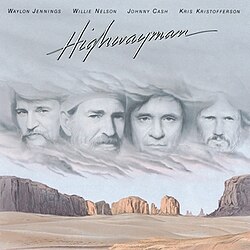
“Highwayman,” The Highwaymen, 1985
The brilliant songwriter Jimmy Webb (“Wichita Lineman,” “By the Time I Get to Phoenix,” “All I Know”) came up with this innovative tune in 1977. He wrote about an ill-fated highwayman who was hanged but, instead of dying, was reincarnated multiple times. Webb recorded the song himself, and then his friend Glen Campbell covered it in 1978. Finally, in 1985, Willie Nelson, Kris Kristofferson, Waylon Jennings and Johnny Cash heard the song and decided to not only record it but to name their collaboration The Highwaymen because it perfectly suited them as always being on the road as outlaws of country music. For each verse, the singers took turns singing in the first person, becoming the different reincarnations of the same soul: the highwayman, a sailor, a dam builder and a starship captain. The compelling track reached #1 on US country charts and won the 1986 Best Country Song Grammy for Webb.
“Knockin’ On Heaven’s Door,” Bob Dylan, 1973
Dylan not only wrote and sang this classic song for the soundtrack of the 1973 Western film “Pat Garrett and Billy the Kid,” he also played a small acting role as the character Alias. In the film, Sheriff Colin Baker, played by Slim Pickens, is mortally wounded in a gunfight, and as his wife holds his head in her lap, he dies while Dylan’s lyrics speak Baker’s last words: “Mama, take this badge off of me, I can’t use it anymore, /It’s gettin’ dark, too dark to see, I feel I’m knockin’ on heaven’s door… /Mama, put my guns in the ground, I can’t shoot them anymore, /That long black cloud is comin’ down, I feel I’m knockin’ on heaven’s door…” The song reached #10 on US pop charts that year and has since been recorded by Eric Clapton, Guns ‘N Roses and Randy Crawford, among others.
“The Afterlife,” Paul Simon, 2011
Simon has written many profound songs of angst and isolation, but he has been equally adept at composing whimsical lyrics that make listeners chuckle. On his excellent, somewhat neglected 2011 LP “So Beautiful or So What,” one of the better tunes is “The Afterlife,” which takes a novel look at what might happen when you die and head to the gates of Saint Peter. The narrator learns that there’s red tape to deal with: “After I died, and the make-up had dried, I went back to my place, /No moon that night, but a heavenly light shone on my face, /Still, I thought it was odd, there was no sign of God just to usher me in, /Then a voice from above, sugar coated with love, said, ‘Let us begin, /You got to fill out a form first, and then you wait in the line…'” As one critic put it, “Simon has suggested that the afterlife is a bureaucratic bummer as bad as the DMV.”
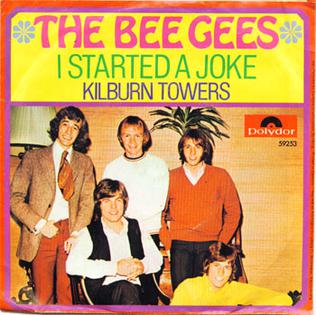
“I Started a Joke,” The Bee Gees, 1968
The Brothers Gibb (hence their stage name The Bee Gees) had a long, hugely successful career with multiple chapters. Their international fame began in 1967 with a series of singles that reached the Top Ten in the US, the UK and elsewhere: “To Love Somebody,” “Massachusetts,” “Words,” “I Gotta Get a Message to You.” In late 1968, “I Started a Joke” became their first #1 in England, reaching #6 in the US. Robin Gibb wrote the lyrics in which the narrator ultimately dies, but when asked about it, Gibb remained vague: “This is a very spiritual song. The listeners have to interpret it themselves. Trying to explain it would detract from the song.” You decide: “I looked at the skies, running my hands over my eyes, /And I fell out of bed, hurting my head from things that I’d said, /’Til I finally died, which started the whole world living, /Oh, if I’d only seen, oh yeah, that the joke was on me…”
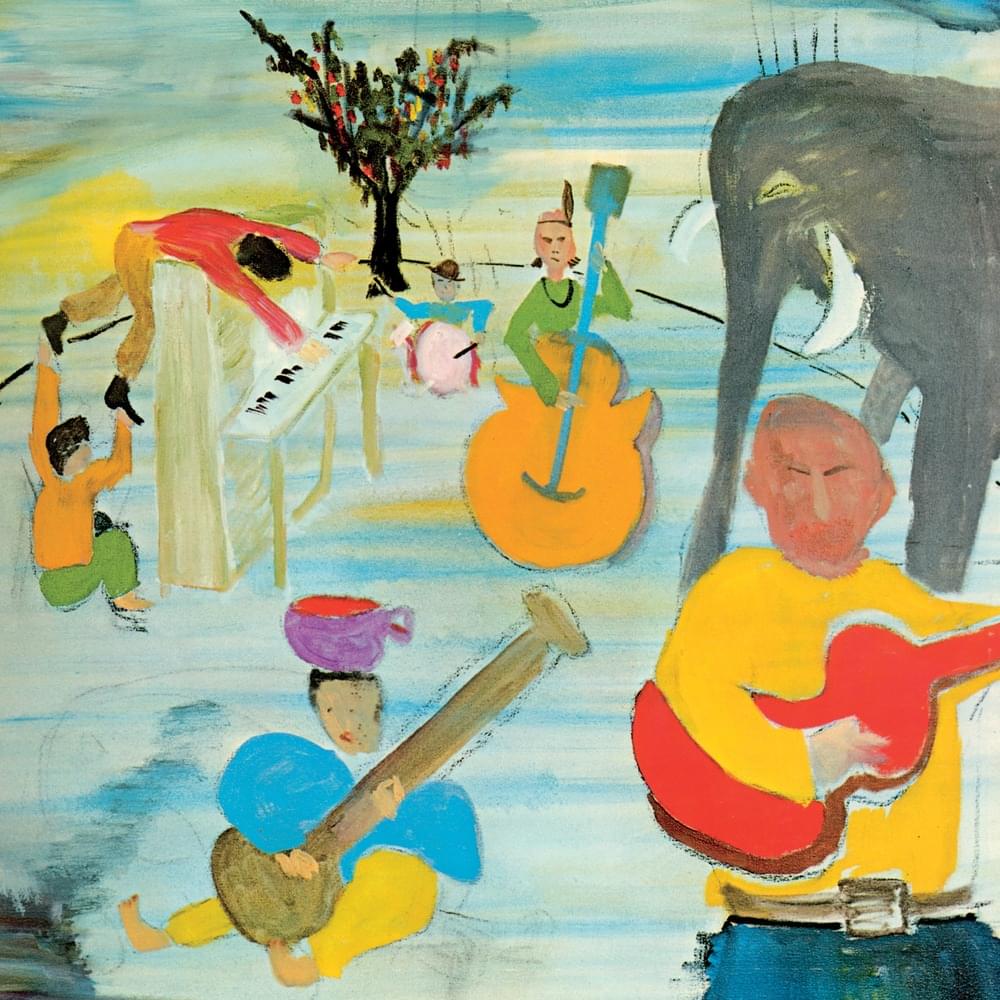
“Long Black Veil,” The Band, 1968
Erstwhile songwriting partners Danny Dill and Marijohn Wilkin wrote this country ballad in 1959, and it has gone on to become an underrated classic recorded by many artists. The lyrics tell the tale of a man falsely accused of murder and executed, which he could have prevented by providing a bonafide alibi, but he refused because on the night in question, he’d been in bed with his best friend’s wife. Rather than admit the truth, he decided he’d rather die. The story is told in the first person: “The judge said, ‘Son, what is your alibi? If you were somewhere else, then you won’t have to die,’ /I spoke not a word, though it meant my life, for I’d been in the arms of my best friend’s wife, /She walks these hills in a long black veil, she visits my grave when the night winds wail, /Nobody knows, nobody sees, nobody knows but me…” The tune was recorded by The Band for their debut LP “Music From Big Pink” in 1968, followed by cover versions by Johnny Cash, Bob Dylan, New Riders of the Purple Sage and The Chieftains with Mick Jagger.
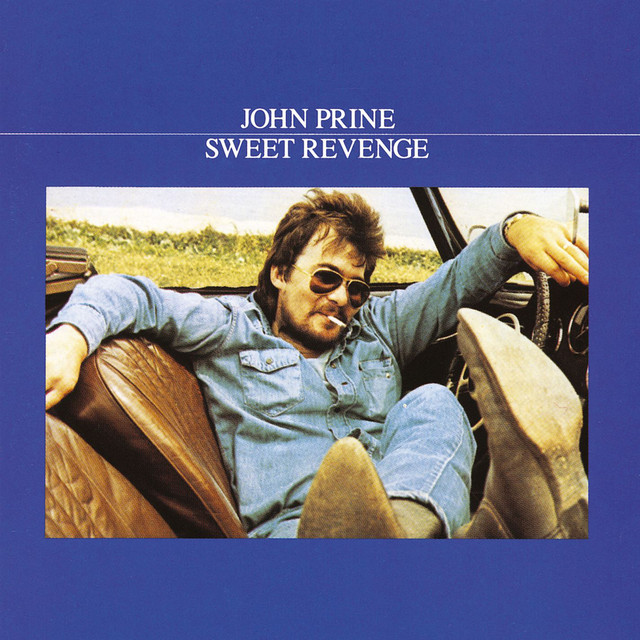
“Please Don’t Bury Me,” John Prine, 1973
You’ve got to love the late John Prine and his extraordinary ability at writing lyrics. Like Paul Simon, he was capable of capturing poignancy and humor, sometimes in the same song. On his marvelous 1973 LP “Sweet Revenge,” you’ll find levity in the toe-tapping “Please Don’t Bury Me,” written when he was just 27. Prine kills off the narrator in the opening lines and then spends the rest of the song having the man cheerfully dole out all his organs to the blind, the deaf, the junkman and the needy: “Woke up this morning, put on my slippers, walked in the kitchen and died, /And oh what a feeling when my soul went thru the ceiling, and on up into heaven I did ride, /Please don’t bury me down in that cold cold ground, no, I’d druther have ’em cut me up and pass me all around…” As Prine put it, “I came up with this idea of the guy just giving all of his organs away. It’s the best organ donor campfire song I know of.”

“Keep Me In Your Heart,” Warren Zevon, 2003
In 2003, Zevon received the distressing news that he would be dead of lung cancer in a matter of months, so he set out to compose a final album worth of songs, most of which revealed his state of mind following the terminal diagnosis. On the album “The Wind,” the last song he wrote and recorded was “Keep Me In Your Heart,” when he was so weak that he was unable to commute to the studio and had a makeshift studio set up at home instead. The lyrics, written in the first person, explain how he wanted his wife to remember him after death: “Sometimes when you’re doing simple things around the house, maybe you’ll think of me and smile, /You know I’m tied to you like the buttons on your blouse, /Keep me in your heart for awhile, /Hold me in your thoughts, take me to your dreams, touch me as I fall into view, /When the winter comes, keep the fires lit, and I will be right next to you…”

“Who Done It?,” Harry Nilsson, 1977
The writer of light, amusing songs like “Cuddly Toy,” “The Puppy Song” and “Coconut” showed he hadn’t lost his sense of humor when, in 1977, he came up with “Who Done It?,” a tongue-in-cheek tune molded into a murder mystery in which the narrator takes the blame. Nilsson had been all the rage in the late ’60s and early ’70s with singles like “Everybody’s Talkin’,” “Me and My Arrow,” “Without You” and “Jump Into the Fire,” but he’d fallen out of favor by the late ’70s. Although his 14th LP “Knnillssonn” didn’t even crack the Top 100 on album charts, he got some airplay out of “Who Done It?” After the narrator eliminates other suspects from the drawing room “whodunit,” he realizes the judge intends to accuse him: “I said, ‘This must be a dream,’ I said, ‘This can’t be real, you don’t believe a word that I’ve said,’ /And then he looked me in the eye and said: ‘Have mercy on his soul,’
/And I was hanged by the neck until dead, have mercy…”
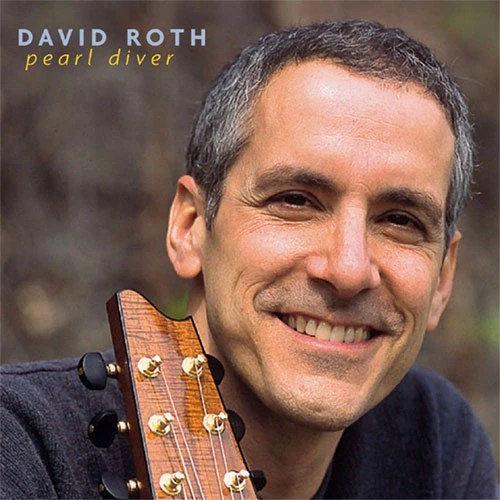
“Pearl Diver,” David Roth, 1995
David Roth was a new name to me until I discovered him in my research this week. Regionally in the Northeast, he has been a respected singer, songwriter, instructor, speaker and music workshop leader. One of his earliest songs, 1995’s “Pearl Diver,” is a beautiful ballad that explores the tragic consequences of greed. In the lyrics, the narrator is tempted by the fortune to be found underwater, but his pursuit of it ends up being the reason for his death: “I was living very happy when they came to me, offered riches for the pearls way down in the sea, /So I became a pearl diver, held my breath as I went down, caught my foot between two rocks and drowned… /My dream is to be cremated, not swaying with the tide, but because I wanted more than God had given me, I died…” He also re-recorded the tune ten years later as the title track of a new collection of songs.
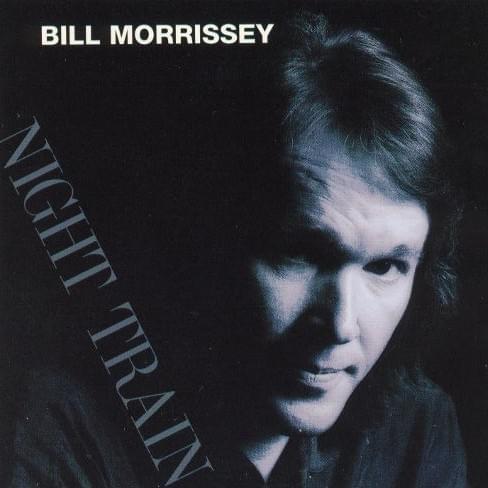
“Letter from Heaven,” Bill Morrissey, 1993
A lifelong New Hampshire resident, singer-songwriter Morrissey was best known for his often dark, literate lyrics, but he could write the occasional funny song like “Party at the UN” and “The Grizzly Bear.” He released eight albums of mostly original music between 1984 and his death in 2011, and on 1993’s LP “Night Train,” he offered “Letter From Heaven,” in which he dies and shares his first-person encounters with famous deceased celebrities from Abe Lincoln and Bing Crosby to Elvis Presley and James Dean: “And me, I couldn’t be happier, yeah, the service here is fine, /They got dinner ready at half-past nine, and I’m going steady with Patsy Cline, /And just last night in a bar room, I bought Robert Johnson a beer, /Yeah, I know, everybody’s always surprised to find him here, /It’s a great life here in Heaven, it’s better than the Bible said, /It’s a great life here in Heaven, it’s a great life when you’re dead…”
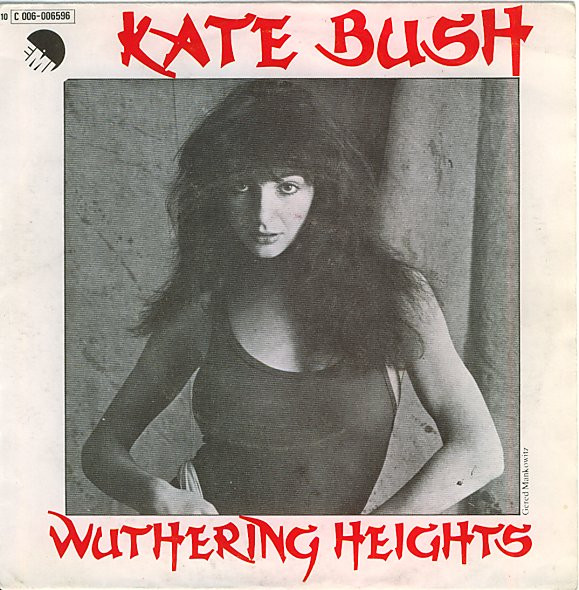
“Wuthering Heights,” Kate Bush, 1978
I became a fan of Kate Bush in 1986 when she did “Don’t Give Up,” a stunning duet with Peter Gabriel on his “So” album. Turns out she had been something of a child prodigy, attracting attention in England while still in her early teens. Her 1978 debut album, “The Kick Inside,” includes the astonishing “Wuthering Heights,” a tune she wrote based on the tragic love tale in Emily Brontë’s 1847 novel. The lyrics are sung from the perspective of the character Catherine Earnshaw, a ghost pleading at lover Heathcliff’s window to be allowed in: “How could you leave me when I needed to possess you? /I hated you, I loved you, too, /Bad dreams in the night, they told me I was going to lose the fight, /Leave behind my wuthering, wuthering, wuthering heights, /Heathcliff, it’s me, I’m Cathy, I’ve come home, I’m so cold…” I found her vocals here to be an acquired taste, but what do I know? The song reached #1 in the UK and all over Europe while making barely a ripple in the US.
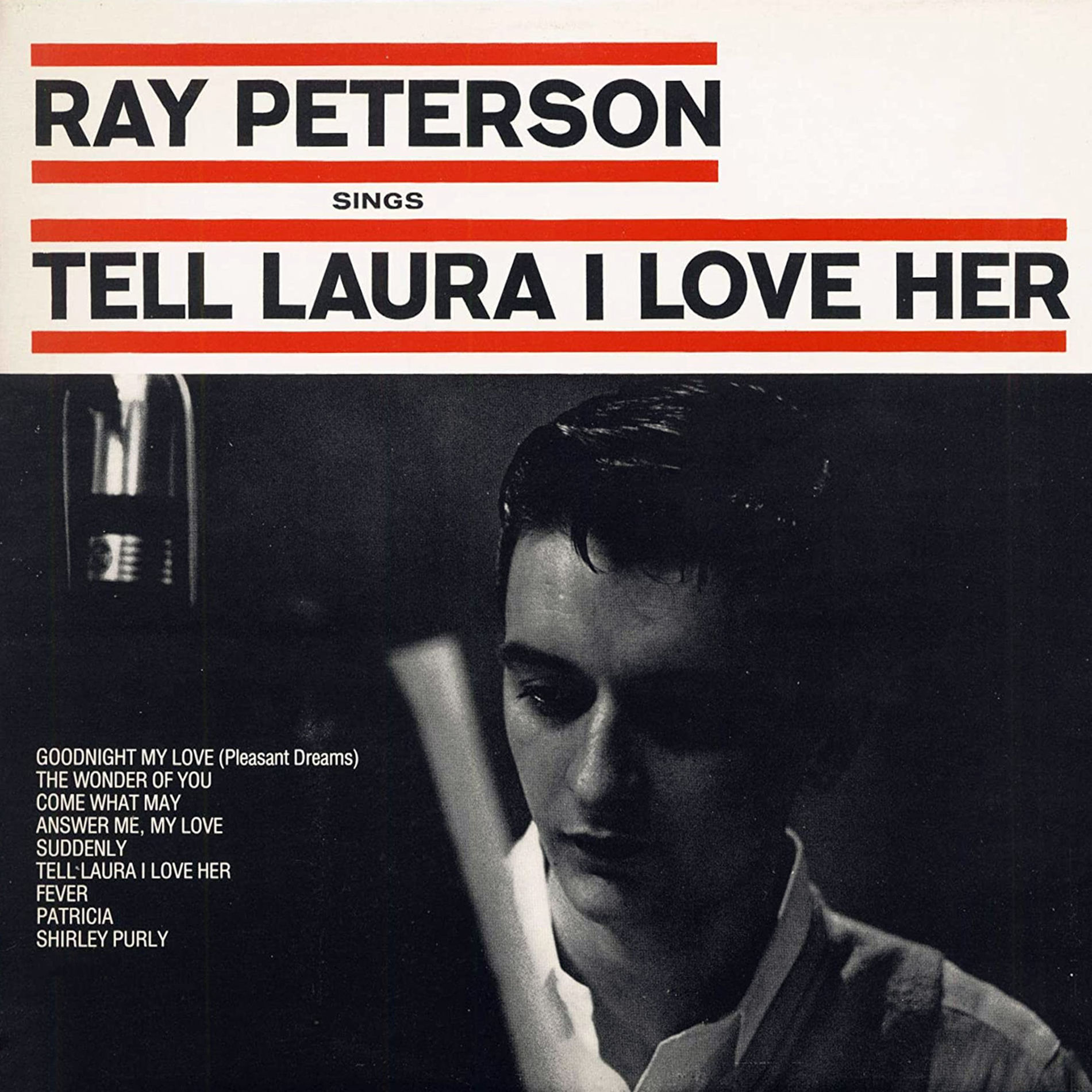
“Tell Laura I Love Her,” Ray Peterson, 1960
For a spell in the early ’60s, “teenage tragedy songs” were all the rage, with lyrical soap operas like “Teen Angel” and “Leader of the Pack” wringing every angst-ridden emotion out of AM radio listeners. Following the chart-topping “Teen Angel” in 1960, Brill Building songwriter Jeff Barry wrote a tune about a cowboy who dies in a rodeo mishap, but he was persuaded to change the setting to a fatal crash in a stock car race. A young man named Tommy is in love with a girl named Laura and, eager to buy her a wedding ring, he enters an auto race hoping to win the prize money. Instead, his car overturns and bursts into flames. His last words, which became the title and chorus lyrics, are: “Tell Laura I love her, tell Laura I need her, /Tell Laura not to cry, my love for her will never die…” Ray Peterson’s record of it reached #7 on US pop charts, and then British singer Ricky Valence took his cover version to #1 in the UK the same year.
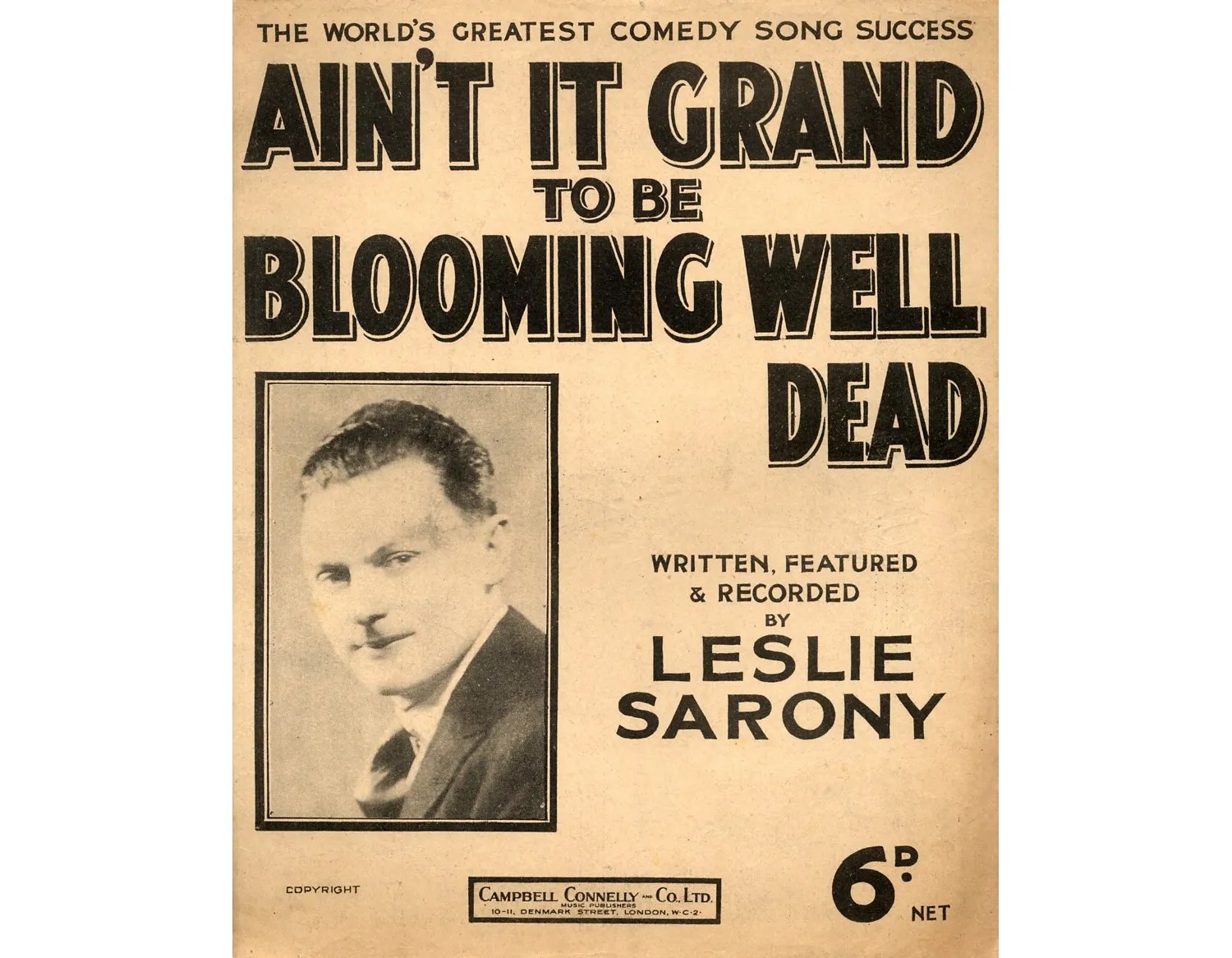
“Ain’t It Grand to Be Bloomin’ Well Dead,” Leslie Sarony, 1932
Let’s go back a hundred years for this one. A fellow by the name of Leslie Sarony was a British singer and actor in the late 1920s and early 1930s, mostly focusing on writing and performing comedy/novelty songs like “Don’t Be Cruel to a Vegetabuel” and “He Played His Ukulele as the Ship Went Down.” In 1932, one of his most popular numbers was “Ain’t It Grand to Be Bloomin’ Well Dead,” in which he reveled at his own funeral about the advantages of being deceased: “Some people there were praying for me soul, I said, ‘It’s the first time I’ve been off the dole,’ /Look at the mourners, bloomin’ well sozzled, ain’t it grand to be bloomin’ well dead! /Look at the children, bloomin’ excited, ain’t it grand to be bloomin’ well dead! /Look at the neighbours, bloomin’ delighted, ain’t it grand to be bloomin’ well dead!…” It was revived in the 1960s by the popular folk act The Clancy Brothers, who recorded it as “Isn’t It Grand, Boys, to Be Bloody Well Dead.”
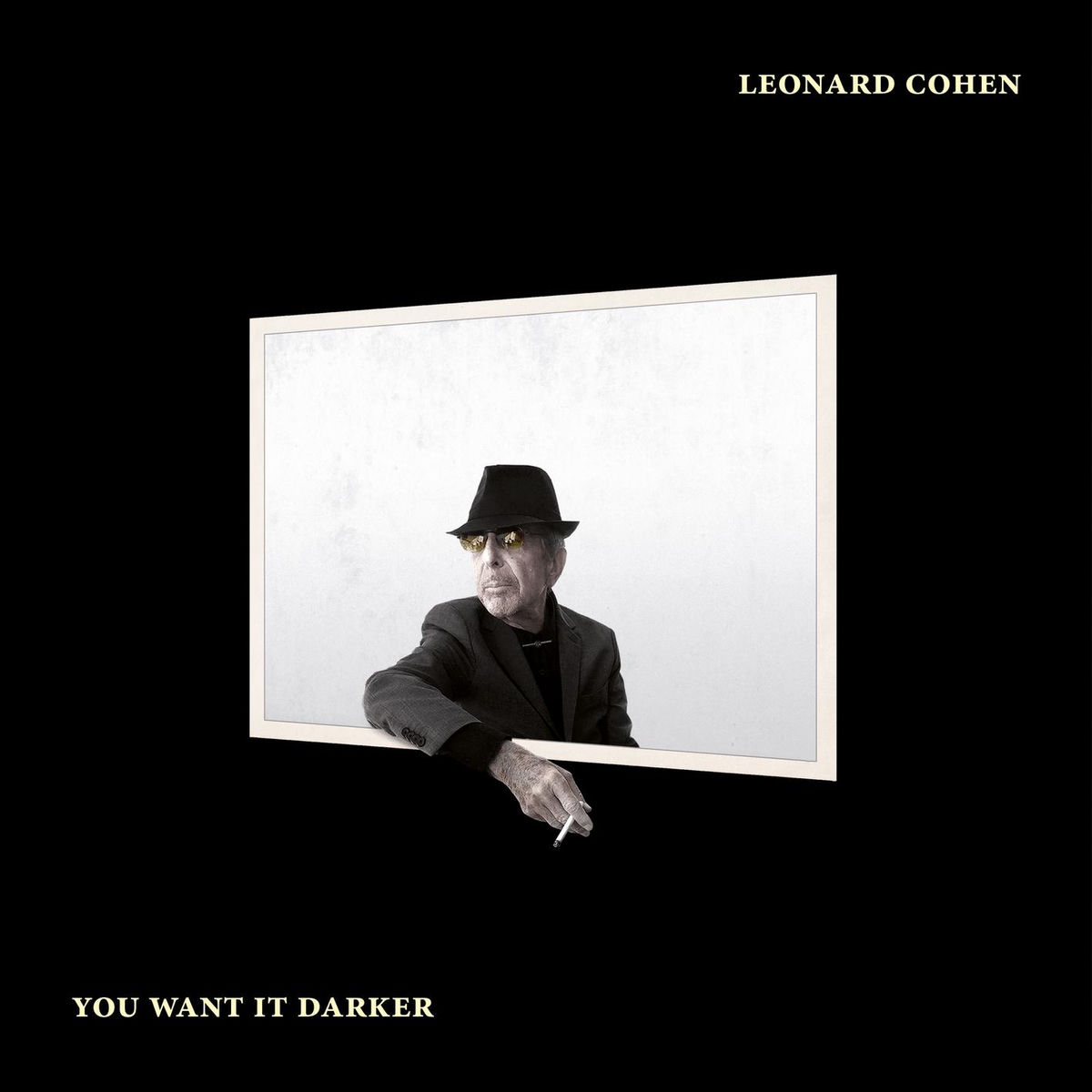
“Leaving the Table,” Leonard Cohen, 2016
Just as Warren Zevon did a dozen years earlier, Cohen chose to spend his final months on earth crafting his last album of songs, this time focusing on death, God and existence. “You Want It Darker” was released less than a month before he passed, and critics were bowled over by its stark music and poetry. The title track sums up his resignation about his exit: “It’s written in the scriptures, and it’s not some idle claim, /You want it darker, we kill the flame.” Perhaps the most powerful song of the bunch is “Leaving the Table,” which used the first-person voice to express both the exhaustion and the clarity of imminent death: “I don’t need a reason for what I became, /I’ve got these excuses, they’re tired and lame, /I don’t need a pardon, no, no, no, no, no, there’s no one left to blame, /I’m leaving the table, I’m out of the game…” One critic said, “It reflects a mature, late-life realization that the sweetness of existence has been tasted, the energy is spent, and it is time to quiet the noise.”
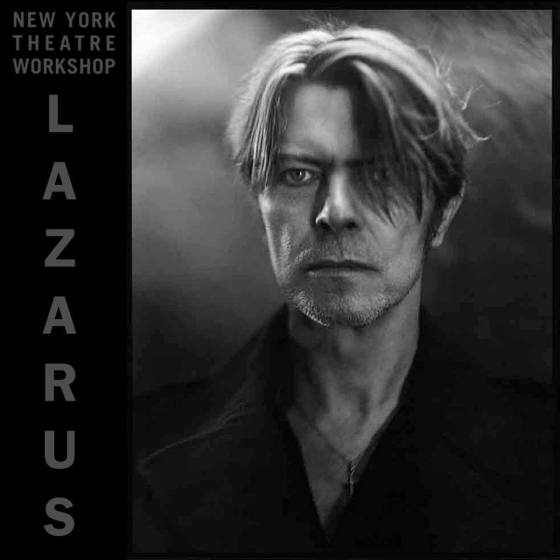
“Lazarus,” David Bowie, 2016
When Bowie died in January 2016, no one except his wife, his children and his producer even knew he had been ill with cancer for 18 months. He, too, liked the idea of making a final statement through his music, but he let no one outside his inner circle know that’s what he was doing throughout 2015. “Blackstar,” his 26th album, was released just two days before he died, although the title song came out as a single in November. “Lazarus” had been written for the 2015 “jukebox musical” stage play that continued the story of Thomas Newton, the humanoid alien from Bowie’s 1976 film “The Man Who Fell to Earth.” Producer Tony Visconti said Bowie intended “Lazarus” to be a self-epitaph and a reference to the musician’s prediction of greater fame following his death: “Look up here, I’m in heaven, I’ve got scars that can’t be seen, /I’ve got drama, can’t be stolen, everybody knows me now, /Look up here, man, I’m in danger, I’ve got nothing left to lose…” He turned his own death into his final masterpiece, leaving the world with beauty instead of silence.
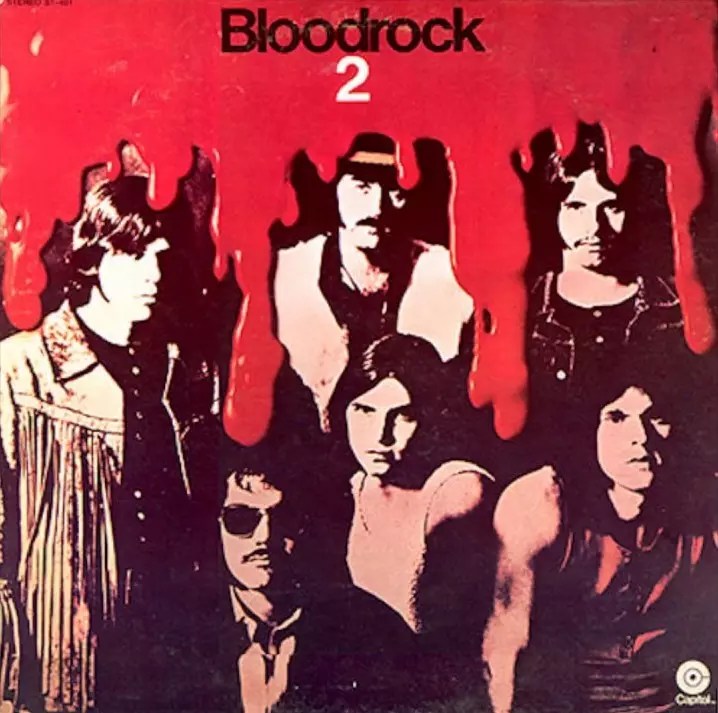
“D.O.A.,” Bloodrock, 1970
Of all the songs I found in which the narrator is speaking from beyond, “D.O.A.” is certainly the most vividly gruesome. Bloodrock guitarist Lee Pickens said it was written after a traumatic incident when he was 17. “I had just gotten out of this little airplane piloted by a guy I knew. Then I watched him take off again, went about 200 feet up, went into a roll, and crashed. It was so awful.” He decided to write “D.O.A.” as a first-person account of someone who survives a plane crash but then dies on the table: “I remember /we were flying low and hit something in the air… /Laying here looking at the ceiling, someone lays a sheet across my chest… /Life is flowing out of my body, pain is flowing out with my blood, /The sheets are red and moist where I’m lying, God in Heaven, teach me how to die…” The song was considered too extreme and was banned in some markets, but the 8-minute album track was nonetheless edited to 4:32 and somehow reached #36 on US pop charts as a single.
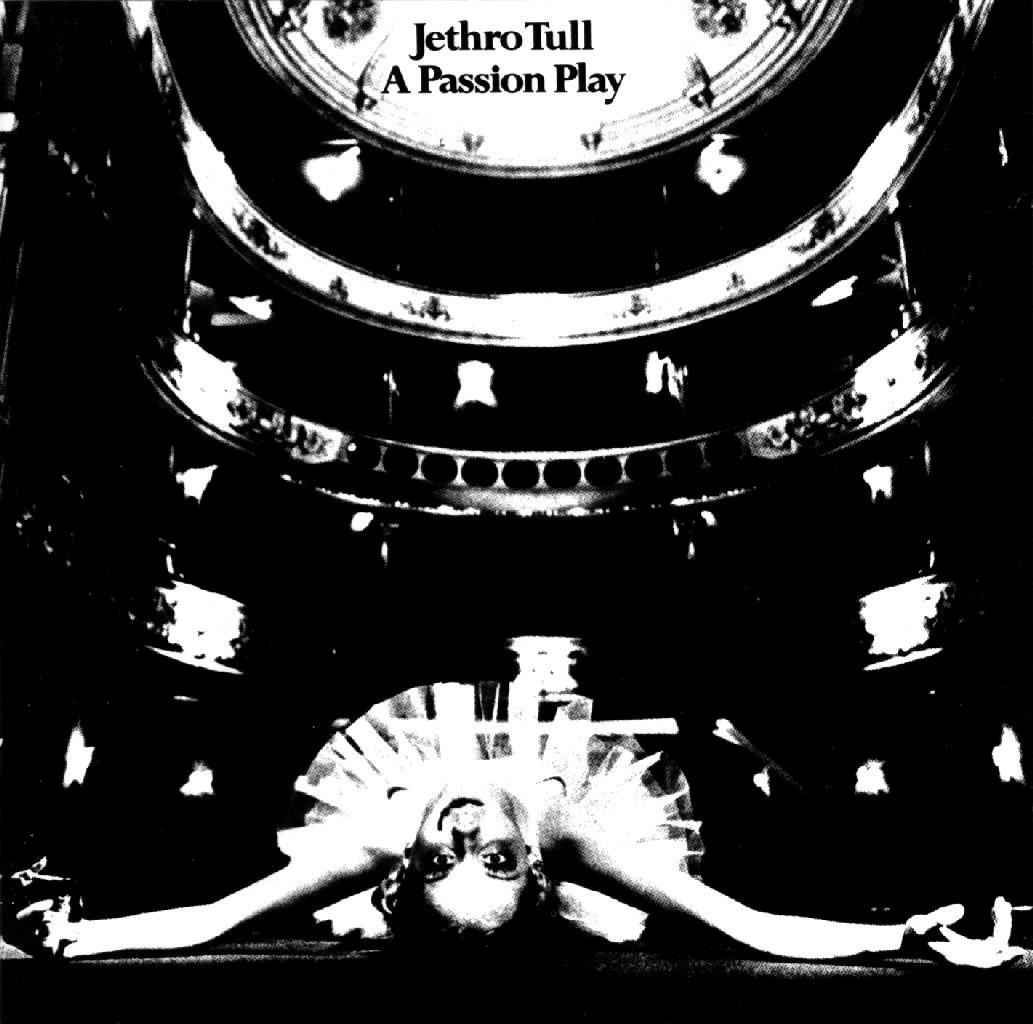
“A Passion Play,” Jethro Tull, 1973
I almost didn’t include this one because it’s a very long piece (45 minutes!) that is rather difficult to digest in one sitting. But I’m a huge Tull fan, and I’ve always loved the album, and its lyrics are unquestionably a provocative treatise about what happens when you die, told mostly in the first person. Composer Ian Anderson had this to say about it: “I had a fascination about the possibility of a hereafter that touches upon the conventions of popular religion. It recognizes that age-old conflict between good and bad, God and the Devil, and tries to bring it to some theatrical life. But basically it’s a kind of slightly tongue-in-cheek look at what might happen when you die.” From the first section of the piece: “And who comes here to wish me well? A sweetly-scented angel fell, /She laid her head upon my disbelief and bathed me with her ever-smile, /And with a howl across the sand, I go escorted by a band of gentlemen in leather bound, /No one, but someone to be found…”
*******************************

