Regular readers are well aware that I’m an unabashed lover of the music of the 1960s and 1970s, when I was coming of age in my teens and early ’20s, when I was buying about a dozen albums every three months and compiling a pretty great collection.
This obsessive hobby continued into the 1980s, even as the pop/rock music scene was evolving with newer genres and bands that, quite frankly, weren’t necessarily to my liking, at least not at the time. With the benefit of hindsight, I have spent a fair amount of time in recent years diving into some of those bands, albums and songs that I had chosen to ignore, and I’ve found much to be admired and enjoyed.
It was quite a decade, the Eighties. You still had popular hard rock bands, singer-songwriters and pop artists of the ’70s (and a few from the ’60s) still writing and releasing new albums. You had new superstars who made wildly popular dance music. You had many dozens of American, British and Australian “New Wave” artists who found a place on US pop charts or forged new paths on more specialized charts (mainstream rock, alternative rock). There was room for all of it, and more.
I’ve been sifting through the catalogs of many of these artists in order to find worthy candidates for a new batch of “lost classics” to spotlight in this blog. Below I’ve assembled 16 songs, an eclectic grab-bag of captivating music released in the 1980s that offers originality, diversity and quality. Some of these songs I’ve known for decades, while others are relatively new discoveries for me. Perhaps the same is true for you.
I’m hoping you’ll enjoy them.
****************************
“Do It Again,” The Kinks, 1984
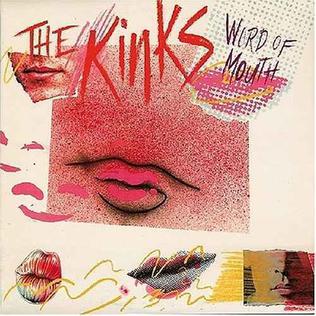
One of the original bands of the 1964 “British Invasion,” The Kinks showed remarkable perseverance and resiliency over the next 20 years. Ray Davies and the boys evolved from an almost proto-punk sound with “You Really Got Me” through the quaint parlor music of “Sunny Afternoon” and the rock-opera period of “Celluloid Heroes,” eventually landing on an accessible pop-rock vibe in the late ’70s that revived their popularity with US audiences. “Low Budget” (1979), “Give the People What They Want” (1981) and “State of Confusion” (1983) all cracked the Top 20 on US album charts, and while 1984’s “Word of Mouth” wasn’t as successful, the songs were still strong. Take, for example, the opening rocker, “Do It Again,” with its “Hard Day’s Night” intro chord and great lyrics about “everybody who gets up in the morning and has to go out and do their job,” as Davies put it. “It applied to touring rock bands too. We had to get up, catch a plane, and go somewhere else and play a show.” Indeed: “Standing in the middle of nowhere, wondering how to begin, /Lost between tomorrow and yesterday, between now and then, /And now we’re back where we started, here we go ’round again, /Day after day, I get up and I say, I better do it again…”
“Misled,” Kool and The Gang, 1984
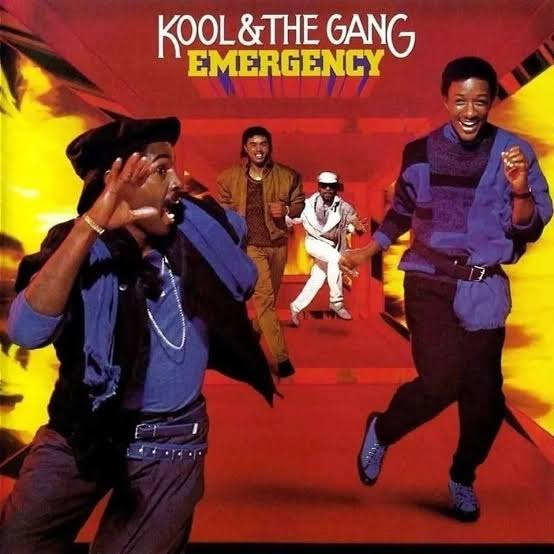
Formed in New Jersey in the mid-’60s, Kool & the Gang consisted of Robert “Kool” Bell, his brother Ronald and six others, playing a variety of musical styles over the next 25 years, from jazz, R&B and soul into funk and disco, and finally pop/rock. Initial chart success came with “Jungle Boogie” and “Hollywood Swinging” in the mid-’70s, and by 1979, they were major disco players with tracks like “Ladies’ Night,” “Too Hot” and the wedding reception staple, “Celebration.” They veered more toward funky rock in 1984 with their “Emergency” LP, which included the ballad “Cherish” and the guitar-driven singles “Fresh” and “Misled.” Ronald Bell and James “J.T.” Taylor co-wrote “Misled,” a powerful song of betrayal and manipulation which ended up reaching #10 on US pop charts and made me a fan: “Thought I knew her, this lady opportunist, /Misled, /Always searching for adventure, like Pandora’s box, /Misled, /And I don’t know what I’m gonna do without her, /Baby, baby, what’s your claim to fame? Got me out of bed, heard you call my name, /What’s this crazy place, you want to take me to? Tell me, what’s the price if I go with you?…”
“Was There Anything I Could Do,” The Go-Betweens, 1988
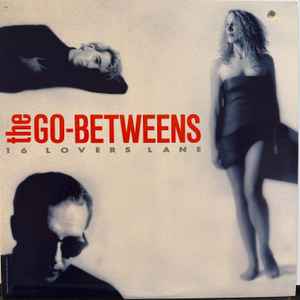
This Australian band fronted by singer-songwriter-guitarists Grant McLennan and Robert Forster formed in 1977 in Australia and struggled there before decamping to the UK in 1981, where they signed a deal and developed a following. “Send Me a Lullaby” and “Before Hollywood” both made the UK album charts before The Go-Betweens slipped back into obscurity for a spell. Their commercial high point came in 1988 with the album “16 Lovers Lane” and a pair of singles. “Streets of Your Town” was a hit in Australia and New Zealand, while “Was There Anything I Could Do?” became their only appearance on US charts (in this case, #16 on the US Alternative Airplay chart). The lyrics painted a picture of a woman slowly unraveling in a destructive way as the narrator wondered what could be done to help her: “She went out with her paint box, paints the chapel blue, /She went out with her matchsticks, torched a car wash too, /I don’t know where she’s living, all I got is a card, /A picture of her at the pyramids, a knife held to her heart, /Was there anything I could do?…”
“Rant and Rave,” Joe Jackson, 1989
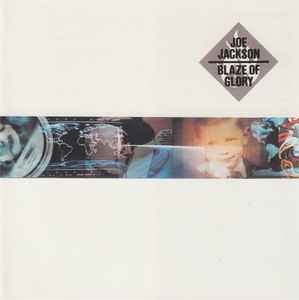
Twelve years into his impressive career as a singer-songwriter-showman, Jackson felt very proud of the creative peak he reached with the music on “Blaze of Glory,” a remarkable cycle of songs that showed him “at his adventurous and ambitious best,” said one critic. “Jackson offers us a diverse collection of moods that knit seamlessly together to tell the story of his life from quizzical child to cynical adult.” The tunes examine his generation as the 1980s were ending — the optimism of the ’50s (“Tomorrow’s World”), the Cold War (“Evil Empire”), materialism (“Discipline”), rockers past their prime (“Nineteen Forever”), musicians who self-destructed (“Blaze of Glory”). One of the best tracks is “Rant and Rave,” in which the narrator reacts with frustration to broadcast news and the feeling that too many people remained unaware or unbothered by what ws happening around them: “I’m gonna rant and rave, I’m gonna lose control if they get me mad, /I’m staring at the TV screen, they’re staring right back, /I got a bottle in my hand, I think I’ll blow them up, /I’m gonna weep and wail, I’m gonna gnash my teeth at the lies they tell, /And half the people in the world don’t even know they’re being had, /I’m gonna wake them up…”
“Chance,” Big Country, 1983
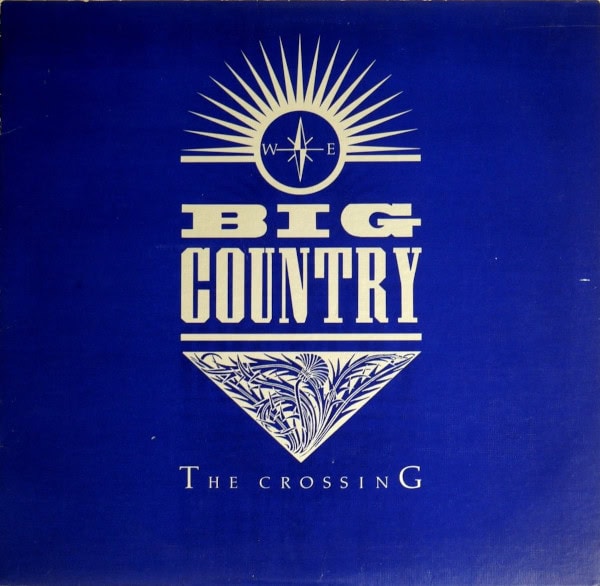
Vocalist/guitarist/songwriter Stuart Adamson was the main man behind a British band that called itself Angle Park before changing the name to Big Country in 1982. Adamson said he liked how it implied “a sense of vastness and open spaces.” The group found success once it collaborated with producer Steve Lilywhite, who began his legendary career working with XTC, The Psychedelic Furs, Peter Gabriel and U2. He solidified Big Country’s sound on “Fields of Fire,” a debut Top Ten single in the UK, and they then doubled down on the band name by titling their second single “In a Big Country,” which became their only charting hit in the US in 1983. “Chance,” the third single from their debut LP “The Crossing,” reached #9 in the UK but was overlooked in the US. I happen to like it despite its forlorn lyrics about missing opportunities by being reckless with relationships: “You played chance with a lifetime’s romance, and the price was far too long, /Oh Lord, where did the feeling go, oh Lord, I never felt so low…” Big Country ended up charting eight LPs in the UK between 1983 and 2013, with four of them reaching the top 10, while in the US, they charted three LPs before falling out of favor here.
“Gimme One More Day,” John Mayall’s Bluesbreakers, 1988
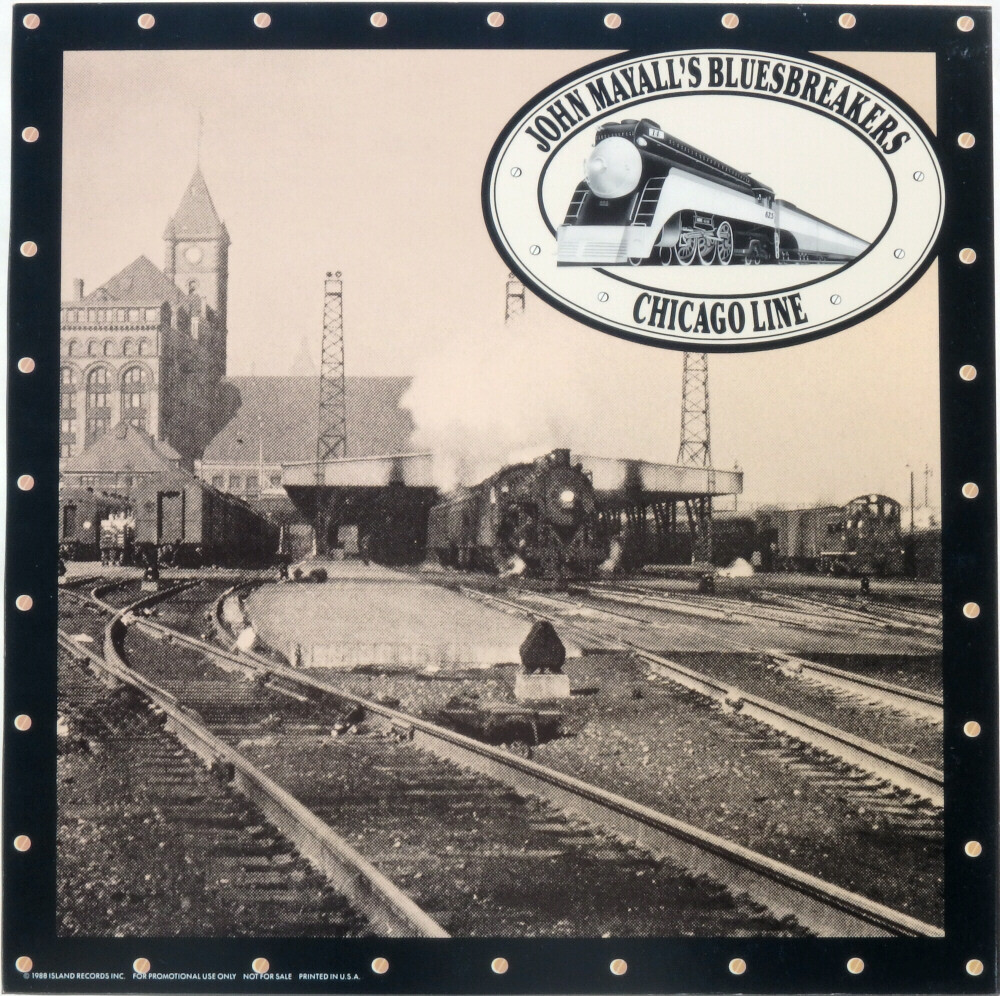
John Mayall, who died in 2024 at age 90, was arguably the most important figure in keeping blues music alive as a genre. As a Brit, he deeply admired the emotion and passion of the Delta bluesmen of the 1940s and 1950s, and became a chief practitioner and cheerleader for the British Blues Revival of the ’60s that spawned the likes of Eric Clapton, Peter Green, Mick Taylor and scores of other like-minded English guitarists and keyboardists. He made many records as a solo artist, but some of his best work surfaced under the Bluesbreakers moniker he used periodically, particularly in 1966-1969. He resurrected the Bluesbreakers name in the late ’80s on albums like “Chicago Line,” featuring the sizzling guitar riffs of Mexican-American axeman Coco Montoya, who stayed in Mayall’s band for nearly a decade. It’s a satisfying album throughout, but I’m partial to “Gimme One More Day,” one of nine Mayall-written originals featuring both the composer and Montoya trading off on sizzling guitar solos.
“Don’t Be My Enemy,” Wang Chung, 1984
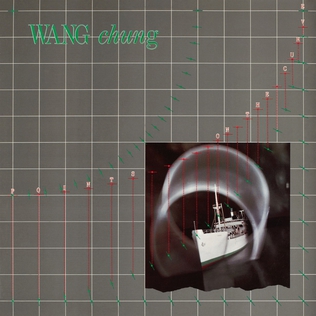
Nick Feldman and Jack Hues were the primary founders of a British New Wave band they chose to call Huang Chung, based on the Mandarin term for “yellow bell” that Feldman had seen in a book he was reading. They attracted the attention of US labels Arista Records and then Geffen Records, who suggested they modify their name to Wang Chung. From their 1984 debut “Points on the Curve,” they had a modestly successful single, “Dance Hall Days” (#16 on US pop charts), which won them a spot on tour with The Romantics and Berlin. Also from that album came the catchy, angst-ridden “Don’t Be My Enemy,” which featured some dynamic sax playing by popular session musician Mel Collins. “You had your dreams, you required a scheme of things that evolved and resolved through the years, And I had my part, but you broke my heart, /Now you spend your whole time trying to burn me to the ground, /Don’t be my enemy, can’t you see what you’re doing to me?…” Wang Chung went on to greater heights in 1986 with their “Mosaic” LP, which spawned the Top Ten US hits “Let’s Go!” and especially “Everybody Have Fun Tonight” (and its oft-repeated tagline “Everybody Wang Chung Tonight”).
“One World,” Dire Straits, 1985
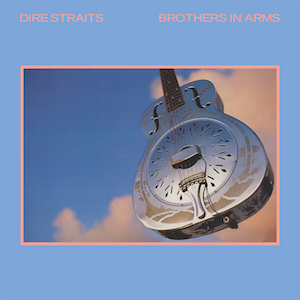
From the first time we heard him coax that spare, sweet guitar sound on “Sultans of Swing” in 1978, Mark Knopfler has mightily impressed us as one of the preeminent guitarists of his generation. Most of his records with Dire Straits (and as a solo artist since the band dissolved in the mid-’90s) have demonstrated an unmistakable signature sound that always favored suppleness over fierceness. Tracks like “Down to the Waterline,” “Lady Writer,” “Tunnel of Love” and the superb “Telegraph Road” feature what I call the smooth Knopflerian vibe. On the multi-platinum “Brothers in Arms” LP, though, he departed from that on a few tracks, showing a rougher edge. Consider “One World,” a guitar-driven blues with lyrics that describe a musician who’s broke, not playing well, and convinced that society and the world are downers: “Can’t get no sleeves for my records, can’t get no laces for my shoes, /Can’t get no fancy notes on my blue guitar, /I can’t get no antidote for blues… /Can’t get no remedy on my TV, it’s nothing but the same old news where they can’t find a way to be one world in harmony…”
“House We Used to Live In,” The Smithereens, 1988
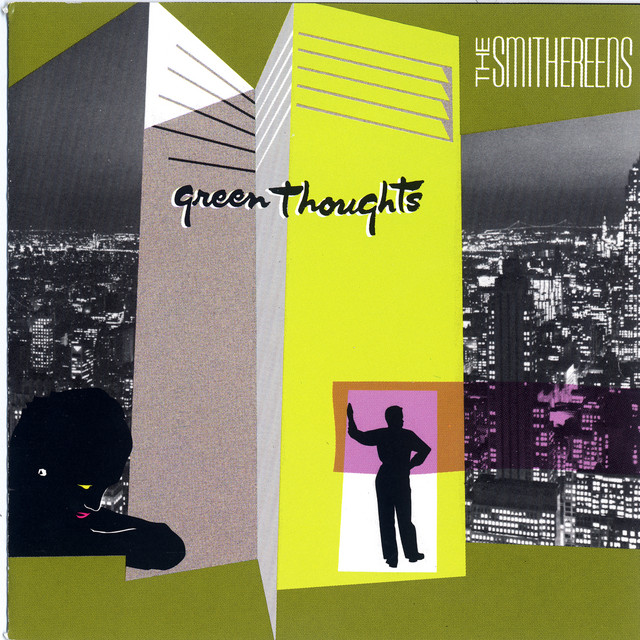
Pat DiNizio, a Jersey-based guitarist/singer-songwriter, had been a big fan of TV cartoons — in particular, Yosemite Sam, who was fond of threatening, “I’m gonna blow ya to smithereens!” He decided that would make a great band name, and it served them well from the mid-’80s into the 2000s. The Smithereens’ first three LPs in 1986-1989 charted in the Top 60 on US album charts, and even higher on UK charts. DiNizio earned a reputation as a pessimistic type who wrote upbeat music with melancholy lyrics, most notably on “Green Thoughts” (1988) and “11” (1989). One writer noted, “Even if Pat DiNizio isn’t the type of guy you’d invite to your party, “Green Thoughts” is the kind of album you’ll want him to bring along.” The Smithereens charted four singles in the Top Ten of the US mainstream rock chart: “Only a Memory,” “A Girl Like You,” “Blues Before and After” and “House We Used to Live In.” The latter drew a comparison between a failed relationship and the condemned home they’d once shared: “This is the house we used to live in, this is the place that I once knew, /This is the house we used to live in where I once shared my life with you, /House that we used to live in, house where I left my heart, /House that we used to live in, falling apart…”
“Jane Says,” Jane’s Addiction, 1988
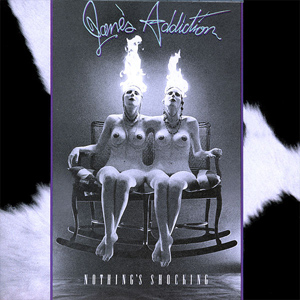
If not for Perry Farrell, the famous Lollapalooza festivals would have never taken place. He was the founder/lyricist/vocalist of the L.A.-based ’80s band Jane’s Addiction, which presaged the grunge rock genre by several years. Their 1988 debut LP, “Nothing’s Shocking,” generally regarded as the first “alternative rock” album, contains the startling alt-anthem “Jane Says,” carried by acoustic guitars, bongos, steel drums and Farrell’s unique vocals. Both the song and the band name were inspired by a woman named Jane Bainter, who lived with Farrell and his bandmates for a while, where her serious dependency on narcotics was the subject of much chaos and internal dissension: “Jane says, ‘I’m done with Sergio, he treat me like a rag-doll,’ /She hides the television, says ‘I don’t owe him nothing, But if he come back again, tell him, wait right here for me, /Or try again tomorrow, I’m gonna kick tomorrow’…” The good news, Bainter later reported, is that “My story has a happy ending” in which she got clean with the help of supportive parents. Meanwhile the band had six hits on the alt-rock chart over the ensuing twenty years.
“This Must Be the Place,” Talking Heads, 1983
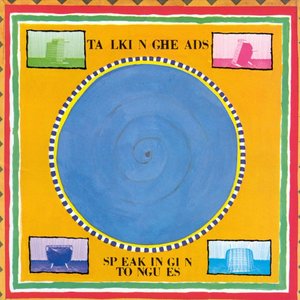
David Byrne and his New York City-based band Talking Heads carved out a memorable niche for themselves in the late ’70s and throughout the ’80s as leaders in New Wave music. Their first few records were full of fascinating originals (“Psycho Killer,” “Once in a Lifetime”) and bold covers (Al Green’s “Take Me to the River”) that combined elements of art rock, punk and world music. By the time of their fifth LP “Speaking in Tongues” in 1983, they were experimenting more with complex polyrhythms and funk (“Burning Down the House,” “Girlfriend is Better”), which made their album closer, “This Must Be the Place,” such a departure in comparison. “That was a love song, a real honest one, and I don’t think I’d ever done one before,” said Byrne. “I tried to write one that didn’t sound stupid or lame the way many do. I think I succeeded. I was pretty happy with it.” Musically, it had “an understated sonic palette, well-compressed instead of bursting at the seams,” as one critic wrote: “Home is where I want to be, but I guess I’m already there, /I come home, she lifted up her wings, /I guess that this must be the place, /I can’t tell one from another, did I find you, or you find me? /There was a time before we were born, if someone asks, this is where I’ll be…”
“Life is Hard,” Timbuk 3, 1986
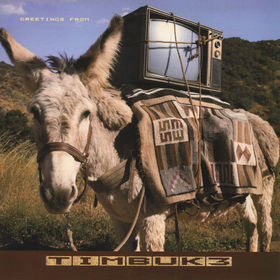
Pat McDonald (guitars, bass, harmonica, vocals, drum programming) and Barbara Kooyman (guitars, mandolin, violin, rhythm programming, vocals) were a husband-and-wife team from Wisconsin who relocated to Austin in the mid-’80s and embarked on a modestly successful career as Timbuk 3. They found fame right out of the gate with their debut LP, “Greetings from Timbuk 3,” and its quirky, wry hit “The Future’s So Bright, I Gotta Wear Shades,” which peaked at #19 on US pop charts in 1986. Their follow-up single, “Life is Hard,” reached #35 on Mainstream Rock charts with compelling lyrics that focus on how challenging the world can be: “Betty’s in a wet T-shirt, feeling foolish and vain, looking like some housecat that got caught out in the rain, /Staring into the mirror at this less-than-pretty picture, feeling ten years older now, and fifty bucks richer, /Life is hard, can’t buy happiness no matter what you do…” The duo ended up releasing six albums between 1986 and 1995 before disbanding.
“Jack-a-Lynn,” Jethro Tull, 1982/2005
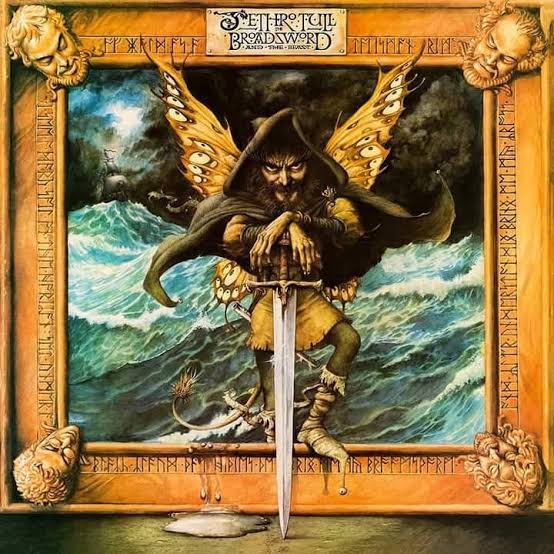
In 1980, Ian Anderson wanted to take a break from Jethro Tull and try a solo album that featured different musicians, more synthesizers and less flute. Chrysalis Records balked and forced him to call it a Tull album, which alienated his former bandmates and many fans. In 1981-82, with guitar stalwart Martin Barre by his side, Anderson wrote and recorded two dozen songs, ten of which comprised the proper (and more well-received) LP “The Broadsword and The Beast.” The tracks that didn’t make the cut eventually surfaced on collections or on the deluxe edition of the CD in 2005. The best of these, in my view, was “Jack-a-Lynn,” written as a love song to his wife, Shona (whose middle name is Jacqueline). It begins with a ballad-like melody and shifts abruptly to hard rock for the song’s final section. While it initially feels like a tender portrait of a woman waiting at home while Anderson is out on tour, some interpret parts of the imagery as references to a prowling pet cat (named Jack-a-Lynn, perhaps?) snooping around the house while he is away: “Funny how long nights allow thoughts of Jack-A-Lynn, /When phantoms tread around my bed to offer restless dreams they bring, /And it’s just the time and place to find a sad song to play for Jack-A-Lynn…”
“New York Minute,” Don Henley, 1989
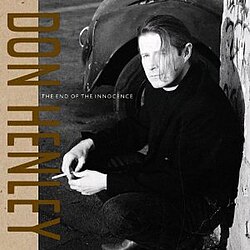
When The Eagles imploded in 1980 after the tour in support of “The Long Run,” songwriters Don Henley and Glenn Frey mounted fairly successful solo careers (and Joe Walsh resumed his solo career as well). Henley in particular wrote and recorded some high-quality work with incisive lyrics about superficial news broadcasts (“Dirty Laundry”), homelessness (“Sunset Grill”), the awkwardness of aging (“The Boys of Summer”) and the reality of dirty politics (“The End of the Innocence”). On his 1989 LP of the same name, Henley offered his most consistent group of songs, including “The Heart of the Matter,” “The Last Worthless Evening” and the ambitious “New York Minute,” co-written with Danny Kortchmar and Jai Winding. The phrase is used to describe something that happens fast, and in the song, Henley employs it to describe how life itself can change quickly, often unpredictably and sometimes drastically: “Lying here in the darkness, I hear the sirens wail, /Somebody going to emergency, somebody’s going to jail, /If you find somebody to love in this world, you better hang on tooth and nail, the wolf is always at the door, /In a New York minute, everything can change, /In a New York minute, things can get a little strange…”
“My Love’s Leavin’,” Steve Winwood, 1986
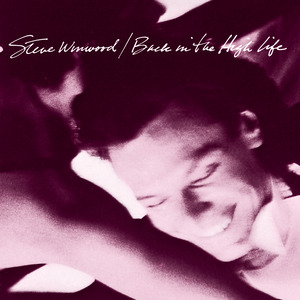
Since his emergence as a teenage phenomenon with Spencer Davis Group in the ’60s, Winwood has earned near-unanimous praise for his vocals, keyboards, guitar and songwriting. His work with Traffic (1967-1974) was legendary, especially “John Barleycorn Must Die” and “Low Spark of High-Heeled Boys.” His career as a solo artist sputtered on his 1977 debut but then took off beginning with 1981’s “Arc of a Diver” and its superb single “While You See a Chance.” Arguably his most consistent LP during his ’80s heyday was “Back in the High Life,” which showed him cranking out compelling, accessible pop rock with the help of veteran lyricists and a large cast of session musicians. In addition to the #1 hit “Higher Love” (with Chaka Khan) and the title track (with James Taylor), the LP includes “The Finer Things,” “Split Decision,” “Wake Me Up on Judgment Day” and the sublimely melancholy “My Love’s Leavin’,” with lyrics by Viv Stanshall: “The empty bed she left me, cold on one side, can’t believe, only me, /Shadows in purple thrill me, /I cry myself awake each night, /I can’t believe that it’s true, here I am, where are you? /Can I cope with today? My love is leavin’ me…”