Giving new life to classic old songs

As someone who’s passionate about music, I’ve always gotten a special kick whenever I hear new recordings of favorite classic rock songs that have been enhanced by the presence of guest vocalists.

Bob Dylan (center) flanked by a Who’s Who of rock legends at a 1992 concert

Sometimes this occurs in the studio when an artist has chosen to re-record a track with another famous voice added to the mix. Other times, it’s a live recording from a concert performance, where a celebrity is brought out on stage to do a duet or provide harmonies. In one memorable instance, a half-dozen luminaries joined Bob Dylan on stage taking turns on verses of one of his classic ’60s tunes at an anniversary concert.

Providing a new ingredient in a tried-and-true musical recipe can result in some tasty moments, but it can’t be denied there are examples of this practice that might be called “failed experiments,” when the addition of the guest vocals not only doesn’t add anything but instead diminishes the song in question.

More often than not, though, it can be an exhilarating new wrinkle on an old tune.

I have spent a few hours this past week locating and listening to mostly recent recordings on which vintage artists have successfully infused their classic rock tracks with vocals by other vintage artists. I’ve selected a dozen here for your listening enjoyment, which you can hear by tuning in the Spotify playlist at the end as you read about how these performances came to be.

**************************
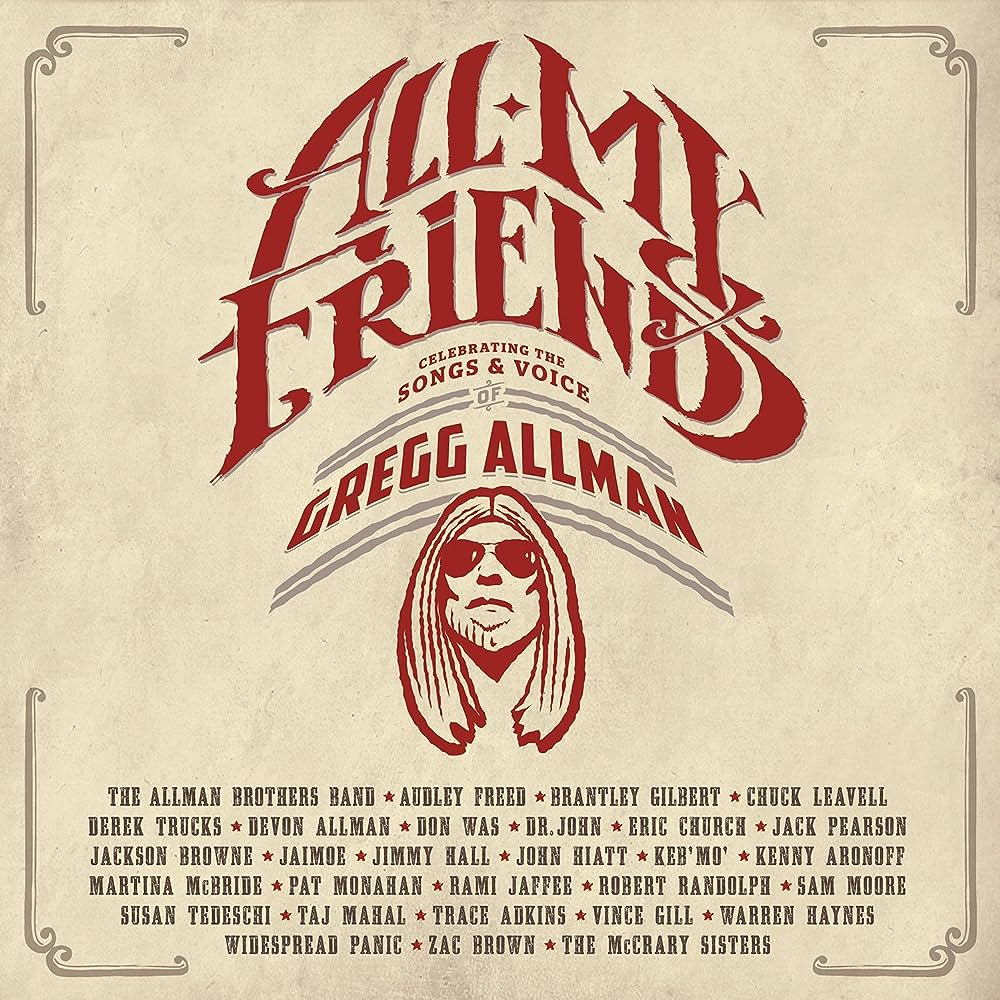
“These Days,” Jackson Browne and Gregg Allman, 2014

A special event at the Fox Theatre in Atlanta nine years ago gathered a broad array of musicians to celebrate the songs and voice of Gregg Allman — and just in time, as it turned out, because Allman passed away in 2017 at age 69. Everyone from Susan Tedeschi and Keb’ Mo’ to Vince Gill and Dr. John turned out to offer spirited covers of Allman’s tunes and, in a few cases, sing them with Allman himself. The best of the bunch, in my view, is Jackson Browne’s stunning duet on “These Days.” Browne wrote it when he was just 16, eventually recording it for his 1973 LP “For Everyman,” and Allman recorded his own version for his solo debut “Laid Back,” which was released almost simultaneously. “He made that song twice as good as it was before,” said Browne of his friend’s rendition. More than 40 years later, they teamed up to perform the song together, using Allman’s arrangement. It appears on the 2014 release “All My Friends: Celebrating the Songs and Voice of Gregg Allman.”
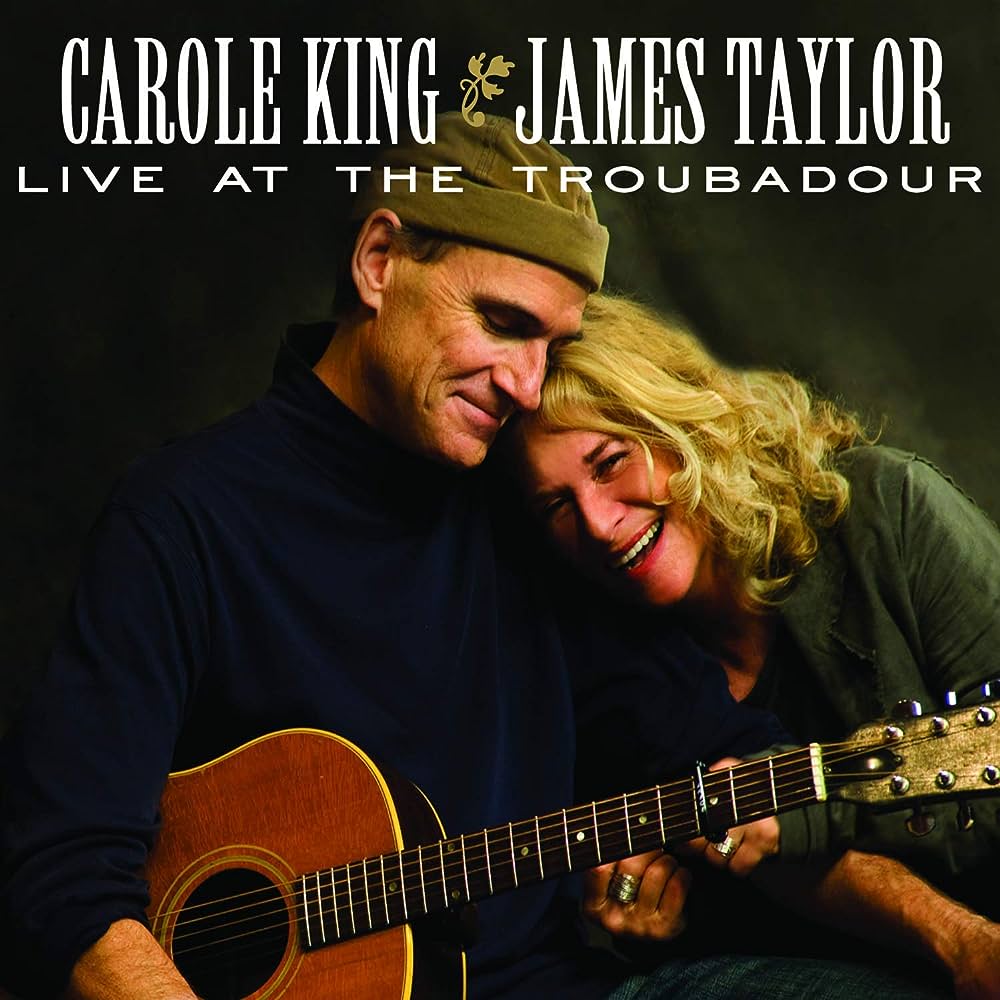
“You’ve Got a Friend,” James Taylor and Carole King, 2007/2010

Taylor and King first met in 1969 in L.A. and musically bonded almost immediately. By 1970, King was playing piano on Taylor’s breakthrough “Sweet Baby James” LP, and they ended up performing together at The Troubadour club in Hollywood that year. When Taylor heard King working on songs that would appear on her upcoming “Tapestry” album, he was knocked out by “You’ve Got a Friend” and asked if he could record it as well, and she graciously agreed. Taylor’s rendition became an enormous #1 hit in 1971 from his “Mud Slide Slim” LP. In 2007, to celebrate the 50th anniversary of The Troubadour, Taylor and King reunited there for six historic shows, and their “Live at the Troubadour” album came out three years later as they mounted a hugely successful reunion tour. They took turns performing their old songs, and then did a heartfelt collaboration on “You’ve Got a Friend” near the end.
“Black Water,” The Doobie Brothers with The Zac Brown Band, 2014

Back in 1974, The Doobies released “Another Park, Another Sunday” as their next single, but it didn’t get much attention until radio stations started playing the B-side instead, a country-ish ditty by guitarist Pat Simmons called “Black Water.” It became the group’s first #1 hit and their fourth of 10 Top Twenty hits during their career. In 2014, Simmons, Tom Johnston, Michael McDonald and John McFee chose to invite country artists like Brad Paisley, Toby Keith, Blake Shelton and Sara Evans to join them in the studio for remakes of a dozen of their hits. It’s great fun to hear the whole “Southbound” LP, but for this playlist, I’ve singled out the new version of “Black Water” featuring additional vocals by Zac Brown Band.
“Riders on the Storm,” Ray Manzarek, Carlos Santana and Chester Bennington, 2010

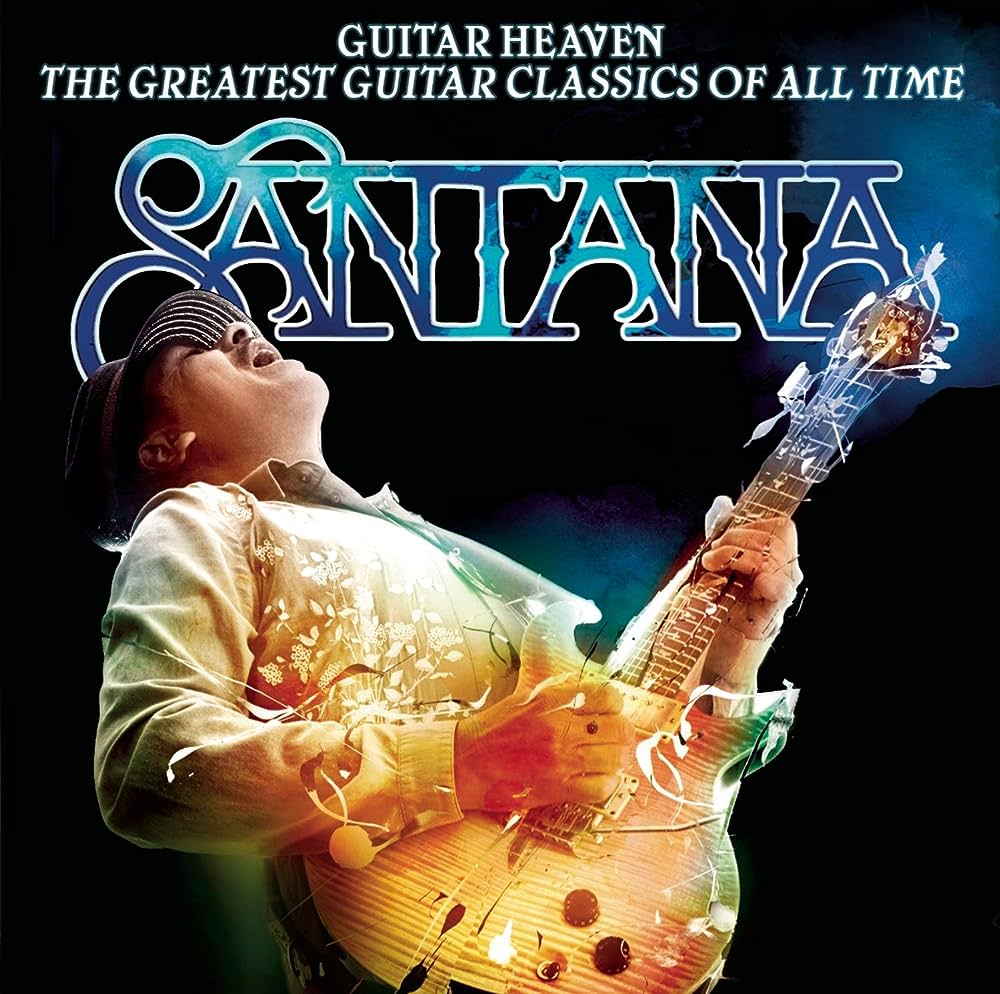
Wondrous guitarist Santana had found a winning formula in 1999 and 2002 when he teamed up on original material with singers like Dave Matthews, Rob Thomas, Michelle Branch and Seal on two successive albums that both topped the charts. In 2010, Santana took a slightly different tack when he released “Guitar Heaven,” an album featuring the maestro covering classic rock songs like “Sunshine Of Your Love,” “While My Guitar Gently Weeps” and “Whole Lotta Love” with a variety of rock vocalists. The whole album is a treat to listen to, but the one that stands out for me is The Doors’ “Riders on the Storm,” on which Doors keyboardist Ray Manzarek provided the underpinning while Linkin Park vocalist Chester Bennington filled in for the late Jim Morrison. It’s a different arrangement, but I think it rivals the 1971 original from The Doors’ “L.A. Woman” album.

“Forever Man,” Eric Clapton with Steve Winwood, 2008/2009

Back in 1966, when Clapton was forming Cream with Jack Bruce and Ginger Baker, he hoped to bring Winwood into the band as well, but the keyboardist/vocalist was in the midst of forming Traffic and declined. Three years later, Clapton and Winwood managed to join forces as Blind Faith, but that lasted for only one album and a short tour. Each musician went his own way for decades, each enjoying successful solo careers before finally reuniting in 2008 for a much-acclaimed extravaganza at Madison Square Garden. They performed more than 20 songs from throughout their careers, including some Blind Faith tracks and Traffic and Cream classics, and released 21 songs on a live LP in 2009. One of the album’s gems is “Forever Man,” a Clapton solo single that reached #26 in 1985 (and #1 on the Mainstream Rock Tracks chart ) and is augmented here by Winwood’s fine vocals on alternating verses.
“Questions,” Stephen Stills with Judy Collins, 2017

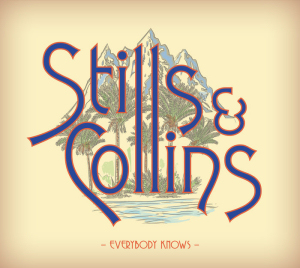
The star-crossed career arc of Buffalo Springfield ended in 1968 with their third and final album, “Last Time Around,” on which most tracks were recorded separately without the full band together. One of those was Stills’ tune “Questions,” virtually a solo song. Stills re-purposed sections of it for the second half of the Crosby, Stills, Nash and Young track “Carry On” on their “Deja Vu” album. Nearly a half-century later, Stills joined up with former paramour Collins (for whom he had written “Suite: Judy Blue Eyes”) for an album, “Everybody Knows,” and a modest tour, and “Questions” was one of the songs Stills chose to include, with Collins adding her distinctive voice.

“Fortunate Son,” John Fogerty with Bruce Springsteen and The E Street Band, 2009

The Rock and Roll Hall of Fame Foundation was founded in 1984, and its Museum opened in Cleveland in 1995. A quarter-century after its founding, the Foundation staged two All-star shows at Madison Square Garden to commemorate the milestone, and a multi-CD collection came out a few moths later. The headliners — Stevie Wonder, U2, Jeff Beck, Aretha Franklin, Crosby Stills and Nash, Paul Simon, Metallica and Springsteen — each invited various other Hall of Fame inductees to participate with them on various classic rock tracks. During Springsteen’s set the first night, the great John Fogerty of Creedence Clearwater Revival took the stage and delivered an impassioned reading of the CCR anti-war screed “Fortunate Son” (a #3 hit in 1969) with The E Street Band providing some stellar backup, including Springsteen’s vocals.

“Gimme Shelter,” The Rolling Stones with Lady Gaga, 2012/2023

In 2012-13, The Stones mounted their “50 and Counting” tour, marking their 50 years in the music business. Their December 2012 show in Newark was originally recorded for a pay-per-view concert, then remixed and released 10 years later in February 2023. The band had invited a few guests to appear on selected songs, including John Mayer, Gary Clark, The Black Keys and Bruce Springsteen. By far the most riveting performance came from Lady Gaga, who was still a relative newcomer at that point with just two albums out (although both multi-platinum). She came on early in the proceedings to handle the female vocal part on “Gimme Shelter,” performed so superbly by Merry Clayton in 1969 on the “Let It Bleed” album.
“Mother and Child Reunion,” Paul Simon with Jimmy Cliff, 2012/2017

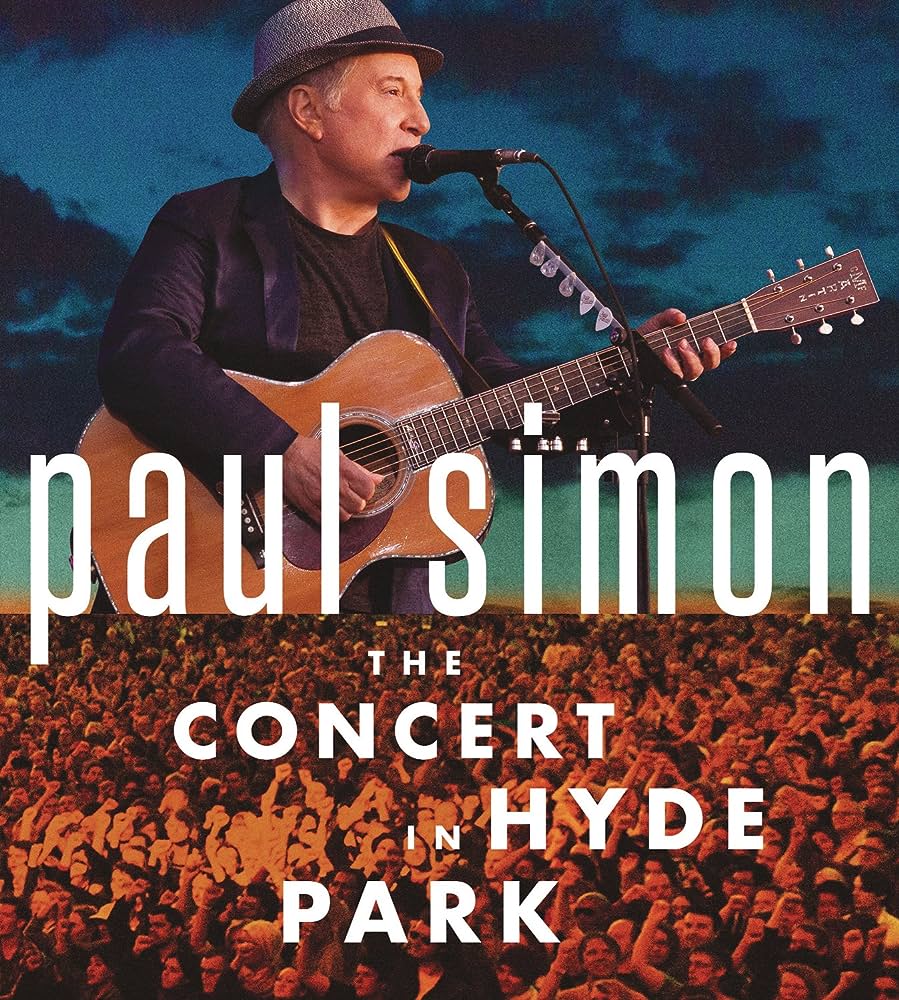
Simon had been intrigued with the rhythms coming out of Jamaica in the late ’60s, and made a half-hearted attempt at a reggae song with Art Garfunkel called “Why Don’t You Write Me” on their “Bridge Over Troubled Water” album. Two years later, he wisely concluded that if he wanted to nail the Jamaican rhythms accurately, he needed to go to the source. He flew to Kingston and hired reggae star Jimmy Cliff’s band to record “Mother and Child Reunion” with him for his “Paul Simon” solo debut, and the single reached #4 in early 1972. It has been a regular part of his concert repertoire over the years, but in 2012 at a concert in Hyde Park in London, he brought Jimmy Cliff himself on stage to flesh out the vocal harmonies on the song. A CD/DVD of the show was released in 2017.

“Let It Be,” Dolly Parton and Paul McCartney, 2023

Last year, Parton said she felt sheepish and uncomfortable when notifgied she was being inducted into the Rockm and Roll Hall of Fame. She’s a titanic star of country music, of course, and has maybe a half-dozen songs in her recorded catalog that might be loosely described as rock, but she didn’t feel deserving of the honor. “If I’m going to be inducted, I’m going to need to make a rock and roll album,” she insisted, and set out to do just that. “Rockstar,” due for release in November, will include 30 selections involving everyone from Sting and Elton John to Miley Cyrus and Joan Jett. The preview single released last week pairs Parton with Paul McCartney on “Let It Be,” also featuring Ringo Starr on drums and Peter Frampton on guitar. It’s an exciting arrangement nicely executed.
“Luck Be a Lady,” Frank Sinatra with Chrissie Hynde, 1994

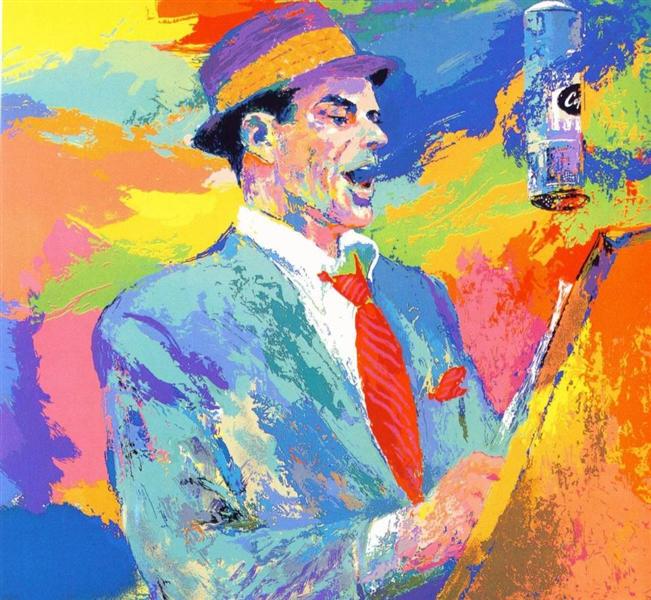
Sinatra was in his mid-70s when he was approached by his record label about putting together a record of duets with easy-listening peers and contemporary artists. He liked the concept, and lined up an impressive list of singers who were eager to participate, but he got cold feet when the time came to enter the studio. He had always been very particular about who was in the room when he was being recorded and, ultimately, he decided that he would sing the songs by himself with an orchestra and his duet partners would be recorded remotely and added after the fact, which has only recently become technically possible. Among the contemporary artists who “phoned in” their parts for Sinatra’s “Duets” (1993) and “Duets II” (1994) LPs were Willie Nelson, Jimmy Buffett, Bono and Aretha Franklin. I’m partial to The Pretenders’ Chrissie Hynde’s contribution to “Luck Be a Lady” from the second collection.
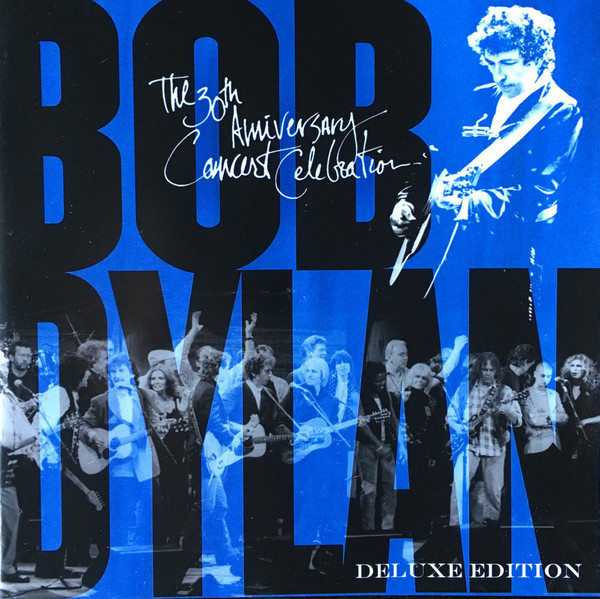
“My Back Pages,” Bob Dylan with Roger McGuinn, Tom Petty, Neil Young, Eric Clapton, George Harrison, 1992/1993

In 1992, the typically taciturn Dylan agreed to be feted at a commemorative concert celebrating his 30th anniversary as a recording artist.  An extraordinary array of artists descended on Madison Square Garden to perform 30 Dylan songs from throughout his career — hits and obscure tracks, chestnuts and recent tunes.  Among the 75 different musicians and singers on stage at various points of the evening that night were Stevie Wonder, Lou Reed, Chrissie Hynde, Richie Havens, Johnny Winter, Tracy Chapman, Eddie Vedder, Johnny Cash, Mary Chapin-Carpenter and John Mellencamp.  As the show drew to a close, Dylan came out to perform three songs, and the best of these, the prescient “My Back Pages,” featured Roger McGuinn, Tom Petty, Neil Young, Eric Clapton, George Harrison and Dylan each taking a verse.  It’s a thrilling confluence of talent sharing the spotlight on an iconic song from 1964. The CD was released in 1993, with a deluxe CD/DVD package re-released in 2014.

***************************

Are you reelin’ in the years?

We are told that there are about a dozen momentous events in our lives that virtually everyone experiences: Going off to kindergarten. Our first kiss. Graduating high school. Losing our virginity. Our wedding day. The births of our children. The deaths of our parents. Our children’s weddings. Retirement. The births of grandchildren.

This weekend, against all odds, I am alive and eager to be celebrating another major life event: my 50th high school reunion. I was quite the party boy for many years, and some of my peers wondered if I’d still be around when this day arrived. What a gas to gather with my long-ago classmates — some of whom are lifelong friends, others I haven’t seen since graduation day — to share memories of the old days and share tales of what we’ve been up to in the five decades since.

For those of us who graduated from high school and headed off to college during the 1973 calendar year, memories of the music of those 12 months seem split between the albums that graced our turntables at home and those that were played in our college dorm rooms. For instance, Elton John gave us two albums in ’73, and while “Don’t Shoot Me, I’m Only the Piano Player” is a senior-year classic, “Goodbye Yellow Brick Road” feels more like a college-freshman staple.

There are also plenty of albums released in 1973 that went under my radar at the time but I became very fond of years later when exposed to them (Tom Waits’ “Closing Time,” Little Feat’s “Dixie Chicken,” Springsteen’s “The Wild, The Innocent & The E Street Shuffle”).

It was a bumper crop of incredible records that were released between January and December of 1973. Upwards of 550 LPs came out, and while some were ignored or instantly forgotten, many dozens, maybe 150 or so, became integral parts of not only our album collections but our permanent musical memories as well.

Trying to whittle down that many candidates to a “baker’s dozen” list of 13 that comprise my choices for the Best Albums of 1973 is damn near impossible. That’s why they’re shown in random order, not ranked #1, #2, etc. I have also included a second list of “honorable mentions” that is more than twice as long as the winners’ list. Some of my readers will no doubt prefer some of those discs instead of my selections…and that’s okay. This is merely a fun, wholly subjective exercise, and I invite you to make your own lists on your own blogs!

At the end, there are two Spotify playlists. The first offers four songs from each of my 13 Best Album choices. The second offers two tracks from each of the 25+ honorable mentions. If you were coming of age in 1973, as I was, I expect you’ll totally enjoy the memories these albums and songs evoke.

***********************

“Innervisions,” Stevie Wonder

Since his debut at age 12 in 1963 through the rest of the Sixties, Little Stevland Morris had earned his stage name Stevie Wonder with one of Motown’s best voices and perhaps the most expressive harmonica playing ever. Most people, though, weren’t prepared for the groundbreaking sounds and songs found on 1972’s “Talking Book” with its hit singles “Superstition” and “You Are the Sunshine of My Life.” Somehow he topped that with the extraordinary “Innervisions” in the summer of ’73. It’s a virtual one-man show — he produced it, sang it, played piano, synthesizer, bass and drums, and wrote all the music and lyrics, and it’s not only revolutionary, it’s still captivating and vital 50 years later. There are ballads (“Visions,” “All in Love is Fair”), gritty urban funk (“Living For the City”), joyous odes to love (“Golden Lady”), political shots (“He’s Misstra Know-It-All”) and a pair of hugely popular dance singles (“Higher Ground,” “Don’t You Worry ‘Bout a Thing”). As one critic put it, “Is the joke on us that a blind man not only romps through visual metaphors, but makes an album more colorful than anything your eyes will get you—funk, soul, and Latin rhythms dancing with keyboards that are so bright and intense they’ll never sound dated?”

“The Dark Side of the Moon,” Pink Floyd

If you smoked weed in the ’70s, you not only owned this album, you memorized every groove. You even knew you could synch it up with “The Wizard of Oz” for some mind-blowing parallels. Pink Floyd’s chief songwriter Roger Waters had been profoundly affected by the mental deterioration of his friend and co-founder Syd Barrett five years earlier, and with “Dark Side of the Moon,” the group created an astonishing thematic work that explores madness, greed, ennui and the cosmos with an unequaled sonic mastery. Credit producer Alan Parsons for much of the technical wizardry, but each band member made important contributions to the overall sound, particularly David Gilmour’s spacey vocals and sublime guitar solos. Bringing in singer Clare Torry to put her vocal acrobatics (no words, just wailing and cooing) on “The Great Gig on the Sky” was a stroke of genius. The use of heartbeats, ticking alarm clocks, loudspeaker voices and provocative speech (“There is no dark side of the moon, really; matter of fact, it’s all dark”) makes for an incredible listening experience. It became one of the best-selling albums of all time.

“The Captain and Me,” The Doobie Brothers

This boogie band from San Jose got a lot of airplay in 1973, both from their 1972 LP “Toulouse Street” (“Listen to the Music” and “Jesus Is Just Alright”) and their excellent follow-up album “The Captain and Me.” Doobies guitarists Tom Johnston and Patrick Simmons constituted a powerful one-two punch as songwriters and singers, with Johnston providing the bulk of their repertoire and lead vocals on the hit singles (“Long Train Runnin’,” “China Grove”) as well as strong album tracks like “Natural Thing,” “Ukiah” and the title cut. Simmons contributed the more melodic, nuanced songs like “Clear as the Driven Snow” and my favorite Doobies song of all, “South City Midnight Lady.” Steely Dan’s Jeff “Skunk” Baxter, who became a full-fledged Doobie Brother a year later, added the sweet pedal steel guitar, and Little Feat’s Bill Payne can be heard playing piano, organ and electric piano on multiple tracks. The Doobies’ career arc, which included “phase two” with Michael McDonald assuming a prominent role, continues to this day, but for my money, “The Captain and Me” remains their most consistent album.

“Brothers and Sisters,” The Allman Brothers Band

Over the course of three years (1969-1971), the six members of The Allman Brothers Band toured continuously, honing their superlative, blues-based talents into an incredible whole that, on some nights, had no peer anywhere. Their spiritual leader, guitar virtuoso Duane Allman, spurred them on to unimaginable heights, culminating in the greatest live album ever made, “At Fillmore East.” Then, suddenly, Allman was gone, killed in a motorcycle accident. The band somehow soldiered on until bassist Berry Oakley died under eerily similar circumstances a year later. Organist Gregg Allman and guitarist Dickey Betts refused to lie down, instead taking the reins and, with pianist Chuck Leavell now on board, they released their best studio album, “Brothers and Sisters,” which reached #1 in the autumn of ’73. Both pop and country radio couldn’t get enough of “Ramblin’ Man,” featuring Betts and guest Les Dudek on dueling lead guitars, and the relentless, driving instrumental “Jessica,” with Leavell and Betts soloing their hearts out. Allman’s bluesy vocals on “Wasted Words,” “Come and Go Blues” and “Jelly Jelly” sealed the deal.

“There Goes Rhymin’ Simon,” Paul Simon

One of the finest songwriters of the past half-century, Simon was first known for his angst-ridden, literary lyrics about isolation, homesickness, grief and depression (“The Sounds of Silence, “Homeward Bound,” “I am a Rock”). But during his days with erstwhile singing partner Art Garfunkel, he showed flashes of whimsy and hope behind all that introspection (“Feeling’ Groovy,” “Bridge Over Troubled Water,” “Cecilia”). He began branching out into more diverse musical genres, and by the time he released his second solo album, “There Goes Rhymin’ Simon,” in the spring of ’73, he demonstrated command of everything from doo-wop (“Tenderness”) to blues (“One Man’s Ceiling is Another Man’s Floor”), from reggae (“Was a Sunny Day”) to Dixieland (“Take Me to the Mardi Gras”), from majestic folk (“American Tune”) to vivacious gospel (“Loves Me Like a Rock”). Throw in an engaging lullaby (“St. Judy’s Comet”) and a stunning love song (“Something So Right”), and you have a veritable encyclopedia of musical styles. He would achieve so much more over the coming decades, but this remains Simon’s most satisfying work.

“Countdown to Ecstasy,” Steely Dan

The brilliant pop hooks and enigmatic lyrics that Donald Fagen and Walter Becker came up with on Steely Dan’s 1972 debut, “Can’t Buy a Thrill,” took the world by surprise and kicked off an epic run of seven LPs that stand as the most ingenious music of the Seventies. By the time of 1977’s “Aja,” Steely Dan had evolved into the Fagen-Becker axis backed by several dozen studio guitarists, saxophonists, pianists and drummers. In 1973, though, it was still a band, and on the criminally underrated “Countdown to Ecstasy,” they were given the chance to stretch out on longer tracks and played with heart and raw talent. In particular, guitarists Denny Dias and Jeff “Skunk” Baxter contributed some sizzling solos and fills on the bluesy “Bodhisattva” and the jazz-inflected “Your Gold Teeth,” and one of the best horn charts ever heard in a pop song carries the exuberant “My Old School.” Meanwhile, the songwriting is wickedly great, from the scathing takedown of the L.A. scene in “Show Biz Kids” and the apocalyptic “King of the World” to the winsome ode to a New Orleans hooker in “Pearl of the Quarter.” What an album!

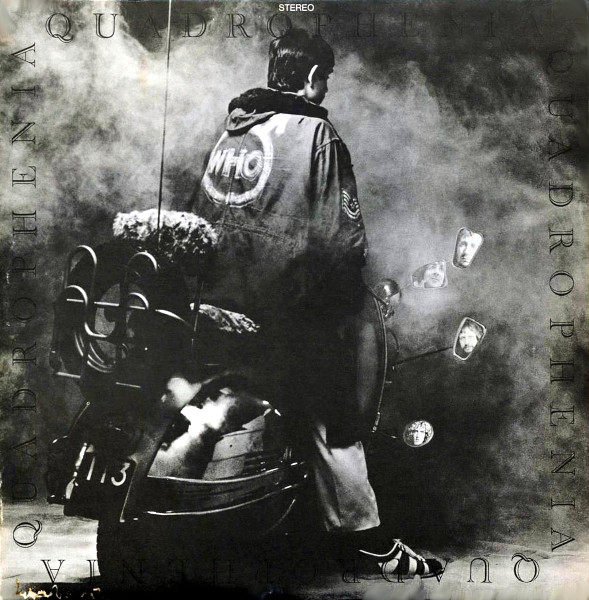
“Quadrophenia,” The Who

In the beginning, The Who fancied themselves a singles band, pumping out hits like “Substitute,” “My Generation,” “The Kids Are Alright” and “Magic Bus.” Then came their rock opera “Tommy,” and from then on, for Pete Townshend especially, it was more about albums and conceptual art. He nearly drove himself crazy trying to realize his vision of a “one pure note” stage show and film called “Lifehouse,” but he ultimately abandoned it and instead released the best tracks as “Who’s Next,” which many consider The Who’s finest album. For their next project, Townshend looked back at the early days of the band and its audience of “Mods” (modernists), creating a character called Jimmy who, riddled with disillusionment, anger, depression and self-loathing, had four personalities (hence, “quadrophenia”). This inspired Townshend to write some of his best songs (“The Real Me,” “5:15,” “Doctor Jimmy,” “Love Reign O’er Me”), and the group, especially singer Roger Daltrey, responded with incredible performances in the studio. “Quadrophenia” is probably the last superb Who LP, reaching #2 in the US in the fall of 1973.

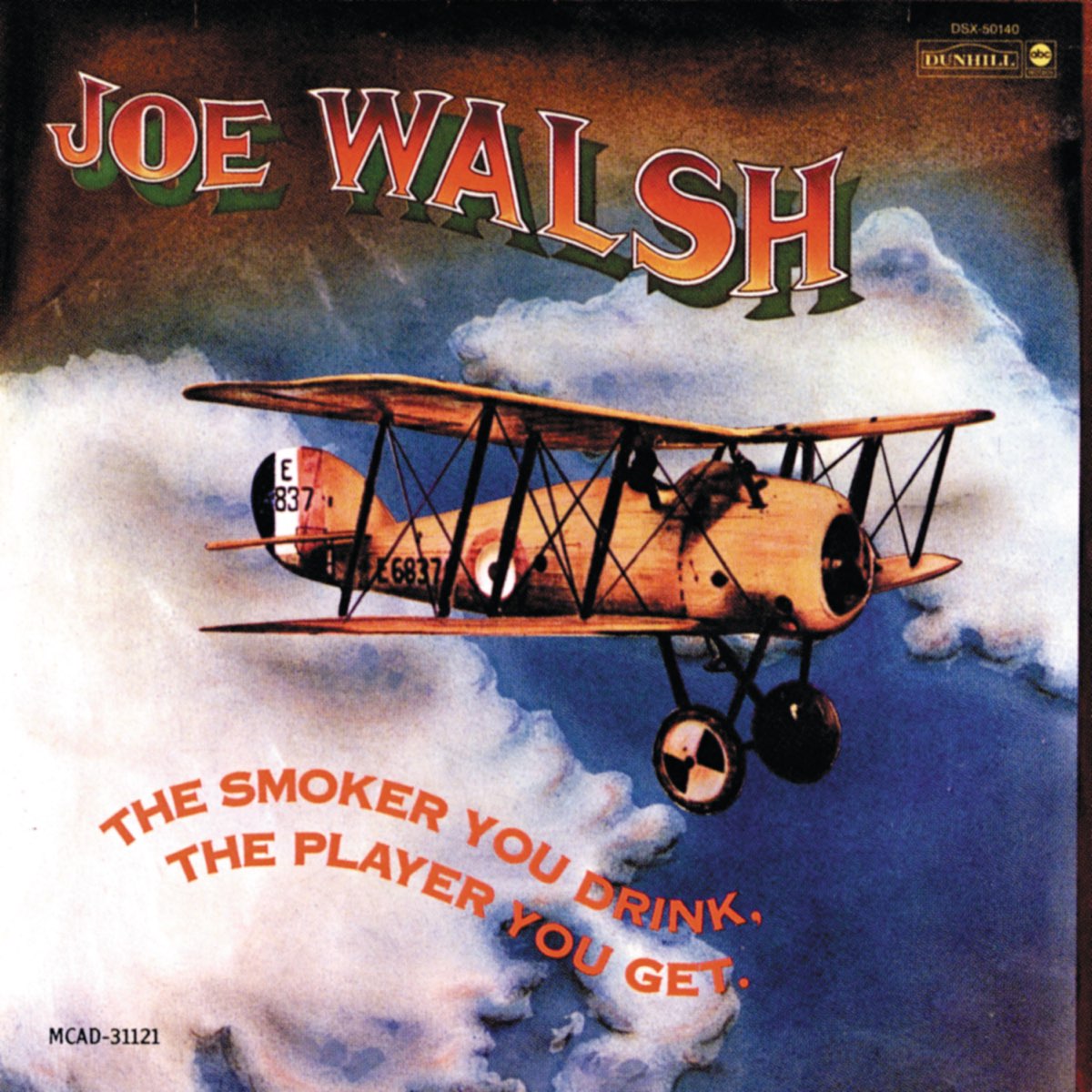
“The Smoker You Drink, The Player You Get,” Joe Walsh

In 1969, I became a devotee of Joe Walsh because of his phenomenal guitar playing and songwriting as de facto leader of Cleveland’s The James Gang. Do yourself a favor and dive into that band’s brilliant debut “Yer Album,” which made Pete Townshend publicly declare Walsh as the hottest new talent in rock. Walsh stuck around for two more laps (“Rides Again” and “Thirds”) before heading out on his own in 1972. He rounded up some talented backup musicians and called the band (and the first album) “Barnstorm,” a hit-or-miss collection that set the stage for his 1973 major breakthrough, the hilariously titled “The Smoker You Drink, The Player You Get.” Walsh is operating at his peak here, dabbling in rock, blues, folk, jazz, even Caribbean genres, all with frisky fun and undeniable enthusiasm. I’m partial to the piano-driven instrumental “Midnight Moodies,” the languid guitar and vocals of “Wolf” and “Dreams” and the pile-driver rock of “Meadows,” while rock radio put the whimsical “Rocky Mountain Way” in heavy rotation. It’s a gorgeously produced record that still sounds fresh today.

“Goodbye Yellow Brick Road,” Elton John

From the moment I heard “Your Song,” I became a passionate Elton John fan…for a while. The “Elton John” and “Tumbleweed Connection” albums, plus his soundtrack to the French film “Friends,” were in constant rotation on my turntable in 1971, as was “Madman Across the Water” in 1972. Since I preferred his melodic stuff so much, I was a bit put off by the emphasis on upbeat funky pop on “Honky Chateau” and “Don’t Shoot Me, I’m Only the Piano Player,” but in August 1973, he found the right chemistry for his magnum opus, “Goodbye Yellow Brick Road,” which offered 20 songs that struck a balance between upbeat and ballads. The high drama of the synthesized “Funeral For a Friend/Love Lies Bleeding” was an electrifying opener, followed by song after song that used the cinema as literal or metaphorical backdrop (“Candle in the Wind,” “I’ve Seen That Movie Too,” “Roy Rogers” and especially the stunning title song). The album sat at #1 in the US for eight weeks, and as far as I was concerned, it was the last Elton John album I bought for a long time…

“Desperado,” The Eagles

I think the reason I like this album so much is because it was largely overlooked, both at the time of its release and in the years since. Let’s face it, The Eagles catalog is easily the most annoyingly overplayed batch of tunes on rock radio, to the point where I change the channel whenever I hear them. (As Jeff Bridges’ character The Dude says to the cab driver in “The Big Lebowski”: “Come on, I’ve had a rough night, and I hate the fuckin’ Eagles, man!”) But “Desperado” … I don’t know, it’s just so charming and melodic, and its cowboy-outlaw theme holds together surprisingly well. And except for “Tequila Sunrise,” you don’t hear these songs on the radio much. Well, maybe “Desperado” too, but damn, that’s one fine tune. The country influence of original Eagle Bernie Leadon is everywhere here, particularly on “Bitter Creek” and the banjo on “Twenty-One.” The egos of Don Henley and Glenn Frey hadn’t yet ballooned into the realm of insufferable, which allowed their great voices and budding songwriting talents to shine through.

“The Wild, The Innocent and The E St Shuffle,” Bruce Springsteen & The E Street Band

It’s not surprising I didn’t find out about this breathtaking album upon its release in November 1973. Columbia Records did virtually nothing to promote it, due in part to the departure of John Hammond and Clive Davis, who had signed Springsteen in the first place. I became aware of the artist and this album in June 1975 when a friend returned from college on the East Coast (where Springsteen had a following), raving about one song in particular, the exhilarating “Rosalita (Come Out Tonight).” I was so pumped by what I heard that I ran out and bought “The Wild, the Innocent and The E Street Shuffle” the next day. What a seismic, glorious masterpiece of an album! The exuberance of “Kitty’s Back” rivaled “Rosalita”; “Incident on 57th Street” and “New York City Serenade” were stunning vignettes that showed an almost operatic sweep, and “4th of July, Asbury Park (Sandy)” captured my heart with its tale of love and lust on the New Jersey boardwalks. I was lucky enough to see him in concert that summer just before the “Born to Run” album dropped, when he was still hungry and desperate to be heard and embraced. I was hooked.

“A Passion Play,” Jethro Tull

Okay, I admit it. This album is not for everyone. Indeed, Tull is not for everyone. Frontman Ian Anderson is an extraordinary composer, flautist and showman, and you need look only at the band’s “Aqualung” and “Thick as a Brick” LPs or attend a Tull concert for clear evidence of that. But some people haven’t the patience to absorb a 45-minute piece of music like “Brick,” so when the band repeated the feat with the even more challenging “A Passion Play” in 1973, he was requiring a lot of his audience, who were somewhat polarized by the dense subject matter (heaven/hell/afterlife). Me? I totally immersed myself in it, listening to it daily for months on end, captivated by tight ensemble playing, thrilling flute passages and some of Anderson’s finest vocals. Incredibly, it reached #1 on the US Top Albums chart, but critics were merciless, calling it self-indulgent and impenetrable. True, there are some jarring segues between some segments, and he dabbles with soprano sax more than I’d like, but in the final analysis, I think it’s a remarkable LP and a welcome addition to Tull’s impressive catalog.

“Houses of the Holy,” Led Zeppelin

How do you follow up what many feel is the greatest rock album of all time? Led Zeppelin’s fourth record — officially released in 1971 without a title but known alternately as “Untitled,” “Zoso,” “Runes” or “Led Zeppelin IV” — is still rocking the world of each new generation since. “Stairway to Heaven,” “Black Dog,” “Going to California,” “The Battle of Evermore,” “When the Levee Breaks,” “Rock and Roll” — it reads like a greatest hits album, for crying out loud. Finally, in the spring of ’73 came “Houses of the Holy,” which, according to critics, was “artistically sophisticated and cloyingly juvenile.” That’s true in places, but it’s a damn fine album anyway. “D’yer Maker” and “The Crunge” are subpar Zep, but dig Jimmy Page’s guitar shadings on the delicate “The Rain Song” and the marvelous acoustic/electric “Over the Hills and Far Away,” John Paul Jones keyboard-dominant “No Quarter” and John Bonham’s stomping finale, “The Ocean.” Robert Plant’s vocals sound a bit tinny compared to previous outings, but playing the album now takes us right back to 1973 which, in rock music history, was a watershed time.

********************

Here are many honorable mentions:

“Laid Back,” Gregg Allman

“Aladdin Sane,” David Bowie

“The Marshall Tucker Band,” The Marshall Tucker Band

“Mystery to Me,” Fleetwood Mac

“It’s Like You Never Left,” Dave Mason

“Let’s Get It On,” Marvin Gaye

“Abandoned Luncheonette,” Hall and Oates

“Life and Times,” Jim Croce

“Selling England By the Pound,” Genesis

“For Everyman,” Jackson Browne

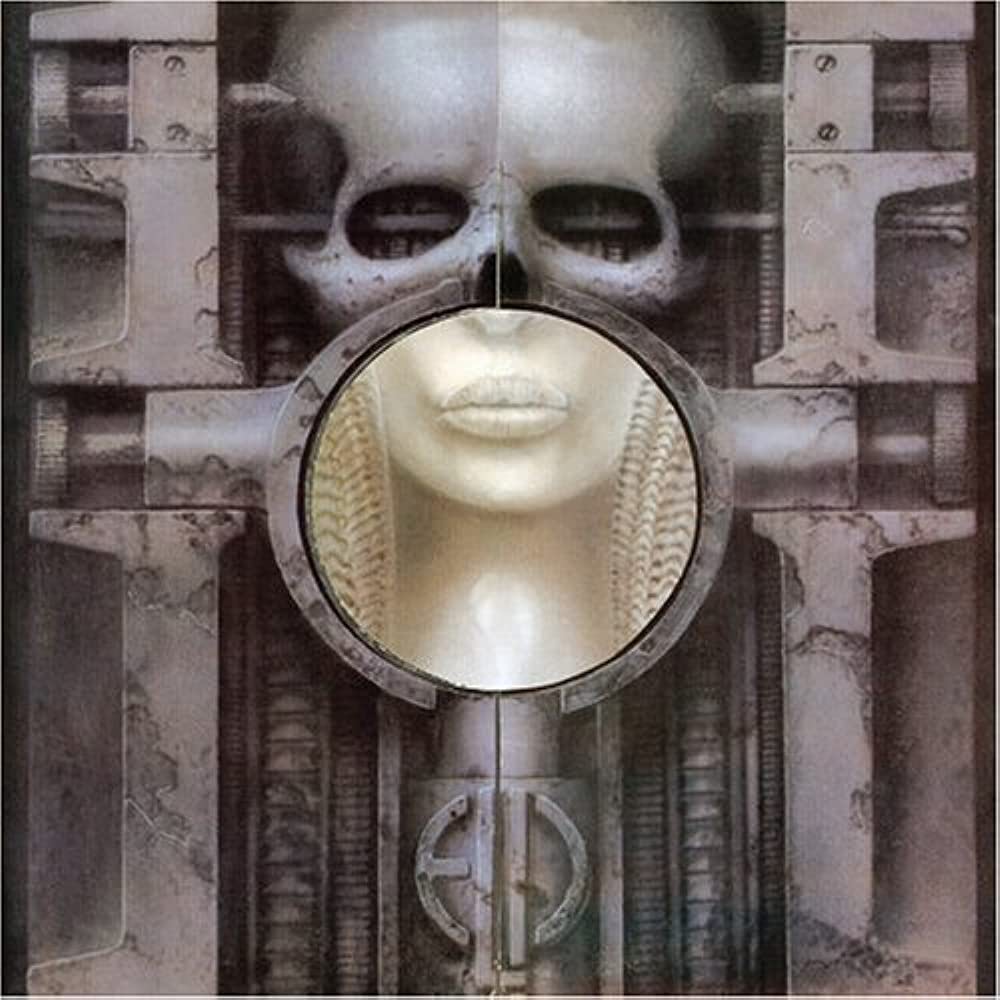
“Brain Salad Surgery,” Emerson, Lake and Palmer

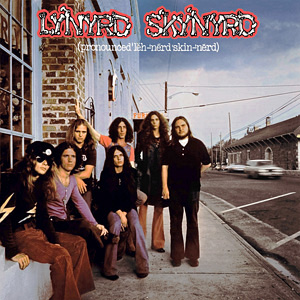
“Pronounced Lehnerd Skinnerd,” Lynyrd Skynyrd

“Diamond Girl,” Seals and Crofts

“Frampton’s Camel,” Peter Frampton

“Foreigner,” Cat Stevens

“Friends and Legends,” Michael Stanley

“Dixie Chicken,” Little Feat

“Don’t Shoot Me, I’m Only the Piano Player,” Elton John

“Closing Time,” Tom Waits

“Over-Nite Sensation,” Frank Zappa

“Ringo,” Ringo Starr

“Bloodshot,” J. Geils Band

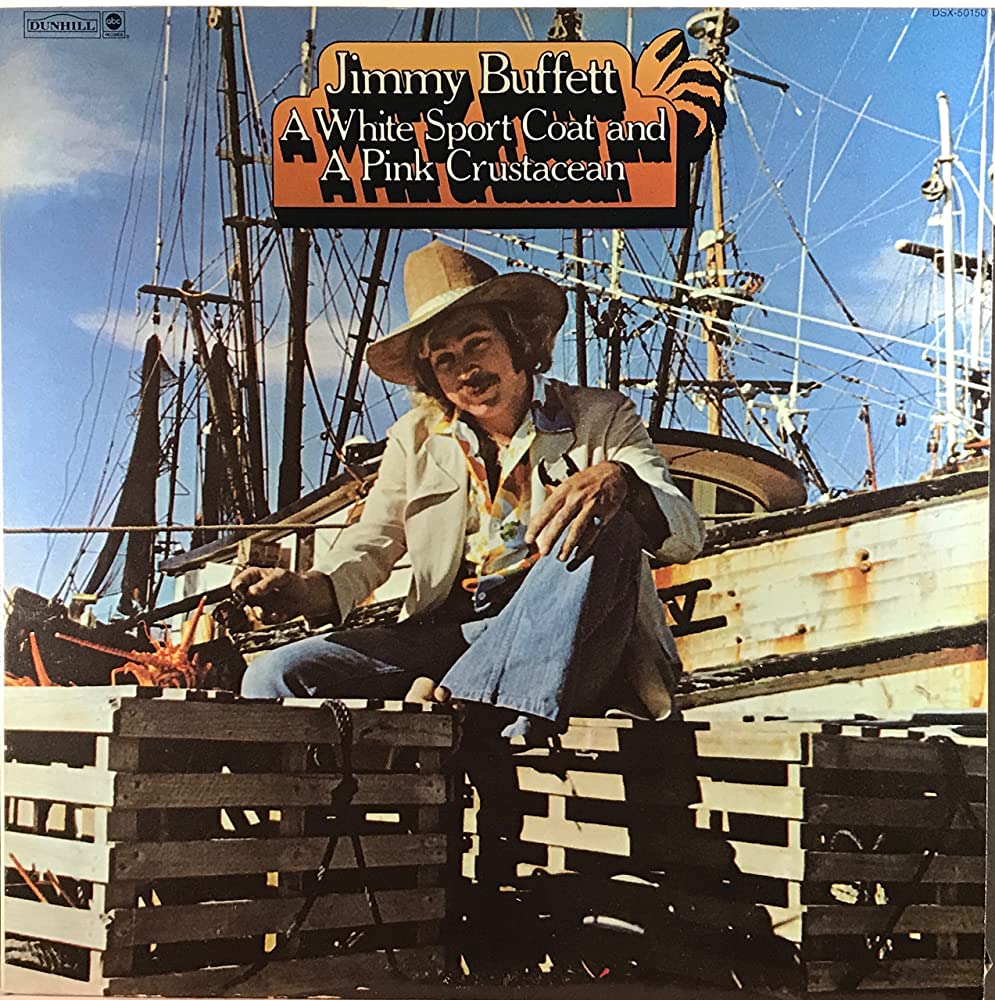
“A White Sport Coat and a Pink Crustacean,” Jimmy Buffett

“A Wizard, A True Star,” Todd Rundgren

“A Fool’s Paradise,” Lazarus

“Buckingham Nicks,” Lindsay Buckingham and Stevie Nicks

**********************