Goodbye, please don’t cry, I will always love you
“I’ve never been offended by all the dumb blonde jokes people tell about me. You know why? It’s because I know I’m not dumb… and I also know I’m not blonde.“
This famous Dolly Parton quote succinctly captures her essence: Keen self-awareness. Genuine humility. Positive attitude. A wonderful sense of humor.
And now, it seems impossible, but it’s true. Dolly is gone.
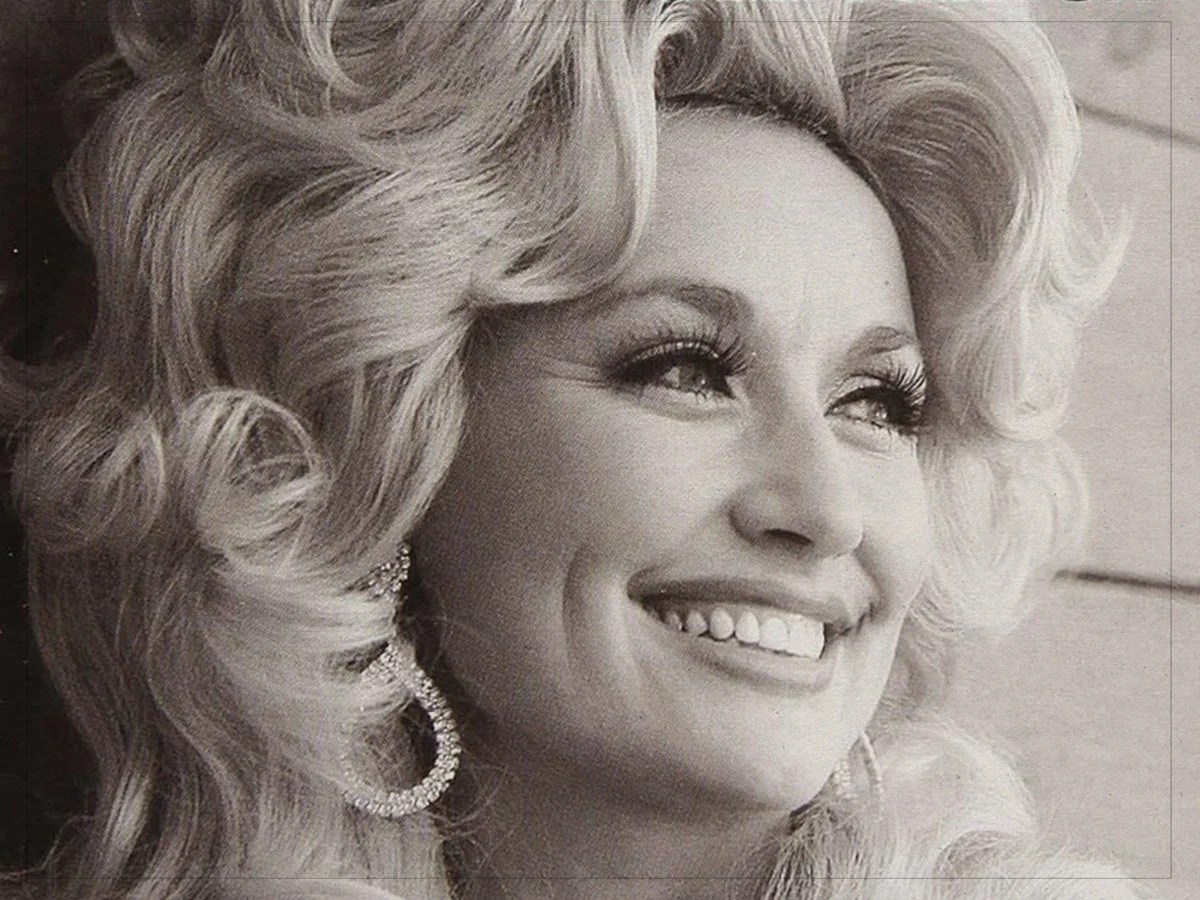
This extraordinary woman, who has managed to shine in multiple disciplines (songwriting, singing, recording, performing, films, television, entertainment businesses and philanthropic endeavors), died Tuesday, August 25th, at age 80. As David Graham of The Atlantic put it: “During one of the most divisive eras in modern times, Parton was perhaps the only person in the U.S. who commanded universal affection. Her death leaves an absence that no contemporary cultural figure could dream of filling.”
I’ve written way too many obituaries on this blog since I started it in 2015, but this week I’m finding it especially challenging because Dolly Parton felt to many folks like one of those people who would always be with us. Her influence transcended generations, musical tastes and political lines. It seems that everyone loved her.
The outpouring of grief and loss and earnest tribute these past few days has been pretty much unprecedented. Her close friends, compatriots and collaborators in the music industry have bared their hearts and souls, of course, as have celebrities in film, politics, community outreach and other professions.
“We are all crushed here at our house,” said Vince Gill. “One of the most beautiful sounds I’ve ever heard was when Dolly and I sang that last note of ‘I Will Always Love You’ the year we performed it on the CMA Awards [in 1995].”
“A world without Dolly doesn’t seem possible, or real, or right,” said Taylor Swift. “She gave us someone to look up to while encouraging us to be who we are as individuals.”
Even British art rocker Peter Gabriel was moved to comment. “Maybe the Smoky Mountains should now have their own giant Rushmore-like carving of their own daughter, Dolly – the little girl who grew up to become the Queen of America.”
The public at large, too, have been crying their eyes out for this truly beloved woman and the kind, selfless way she lived her life. In Nashville, where she has lived for six decades, there’s already a move afoot to rename the airport as Dolly Parton International Airport, and I have little doubt that’ll happen. One man on social media called for a national day of mourning, adding, “We need a Dolly Revolution. Let’s Make America Kind Again.”
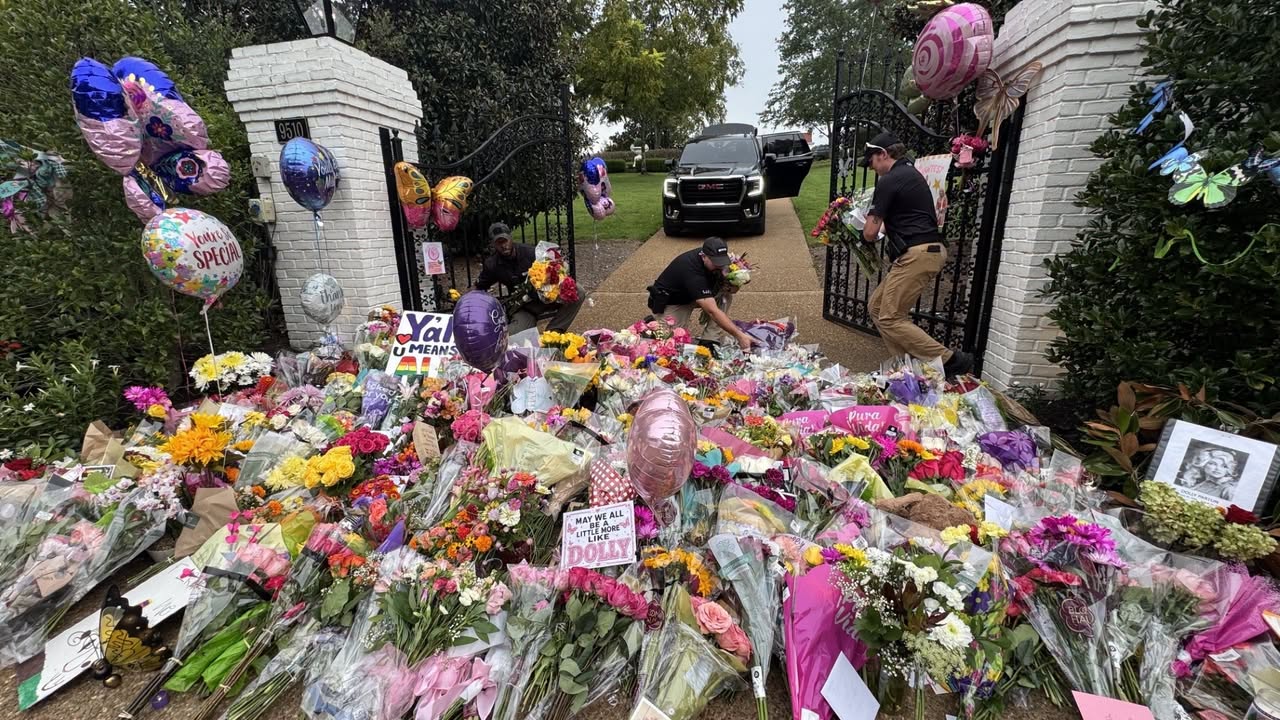
As much as she accomplished in the entertainment industry, she is being lauded much more for her generosity, her contagious bright light, her inspiring words and actions. A motivational speaker and life coach named Krista Demcher summed it up succinctly in a social media post Thursday morning:
“Imagine spending 80 years on the planet writing more than 3,000 songs, winning 11 Grammys and 10 CMAs, having 55 Top Ten hits, an Emmy and countless other nominations, and at the end of your life, no one talks about that. Instead, they talk about the kind of person you were; how you loved others well, how you stayed true to yourself, how you were generous and would champion others, and how you inspired others to do the same. If that’s not the goal, then I don’t know what is.”
I’d like to tip my hat to a writer named Bill Friskics-Warren, who wrote an exceptional tribute to Parton in The New York Times, published less than 24 hours after she passed away. Here are a few passages:
“Stylistically, Ms. Parton’s music ran the gamut: mountain bluegrass and soul-inflected countrypolitan, disco-era pop and covers of classic rock touchstones written by Neil Young and Led Zeppelin — all of it rendered indelible by her irrepressible spirit and alternately keening and gossamer soprano drawl.”
“Ms. Parton cannily exploited — and transcended — rural stereotypes and kitsch to fashion a down-home chic entirely her own. (‘A country girl’s idea of glam,’ she called it in the 2007 song ‘Backwoods Barbie.’) In the process, she became an international celebrity who headlined stadium tours, starred in Hollywood movies, built a business empire and appeared on the covers of Rolling Stone and Playboy magazines. Her at times girlish soprano notwithstanding, she was anything but the ‘dumb blonde’ invoked in the title of her 1966 single.
“‘I’ve created this and played it up — the makeup, the whole persona,’ Ms. Parton said, alluding to her plastic surgeries as well as her colloquial Dollyisms. ‘But this isn’t all I am. It’s not even most of what I am. Hopefully, people can see beneath the hair to know there’s a brain, see beneath the boobs to know there’s a heart, and see behind all the other stuff to know there’s some talent.”
If you’re looking for proof that Dolly Parton is not a “dim bulb,” as she might put it, there’s a revealing story about what happened — or what could have happened, but didn’t — with one of her most famous songs.
In 1973, Parton wrote “I Will Always Love You,” which was meant as a fond tribute to her friend and singing partner, Porter Wagoner, with whom she was amicably ending a seven-year professional collaboration. Dolly recorded it herself, and then watched as it soared to #1 on the Hot Country charts (although it didn’t even make the Pop charts).
None other than Elvis Presley let it be known that he loved the song and wanted to do his own version. He was all set to record it when Presley’s manager, Colonel Tom Parker, told Parton that it was customary for songwriters to give up half of the publishing rights to Presley for any song he recorded. While others had gladly agreed to this just to have Elvis sing their song, Parton ended up politely declining.
“I said, ‘I’m really sorry, I just can’t do it,'” she recalled years later, “and I cried all night. I was still relatively new in the business, and I mean, it was like, ‘Oh, my God, it’s Elvis Presley.’ And other people were saying, ‘You’re nuts. It’s Elvis Presley.’ But I said, ‘I just can’t do that.’ Something in my heart said, ‘Don’t do that.’ And I just didn’t do it. Of course, he would have done a killer rendition…but anyway, so he didn’t. Then, when Whitney Houston’s version came out years later, I made so much money from it, I could’ve bought Graceland!”
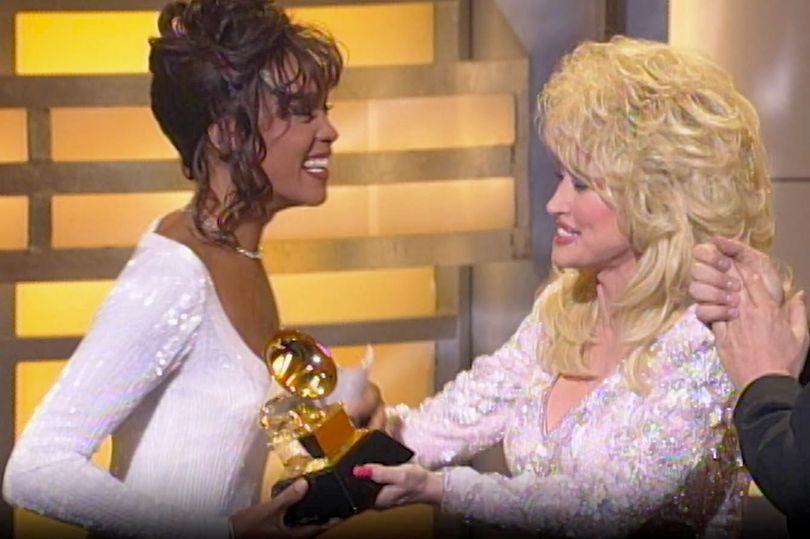
Houston’s version of “I Will Always Love You,” released in 1992 on the film soundtrack for “The Bodyguard,” spent an incredible 14 weeks at #1 on the Pop charts, bringing the song to an exponentially wider mainstream audience than Parton’s original had achieved. It played a large part in turning her into one of the wealthiest songwriters in music history.
And that’s merely the most famous of the thousands of songs she has written since breaking into show business in 1966, earning her a much-deserved spot in the Songwriters Hall of Fame. “Writing’s just as natural to me as getting up and cooking breakfast,” she said in 2002. “I ain’t never far away from a pencil and paper or a tape recorder. I write every day, even when I’m on a plane, in the tub or on the bus. It burns in me. It’s my way of channeling my feelings and my thoughts, the things I see, the people I care about. I think my head would explode if I didn’t get some of that stuff out.”
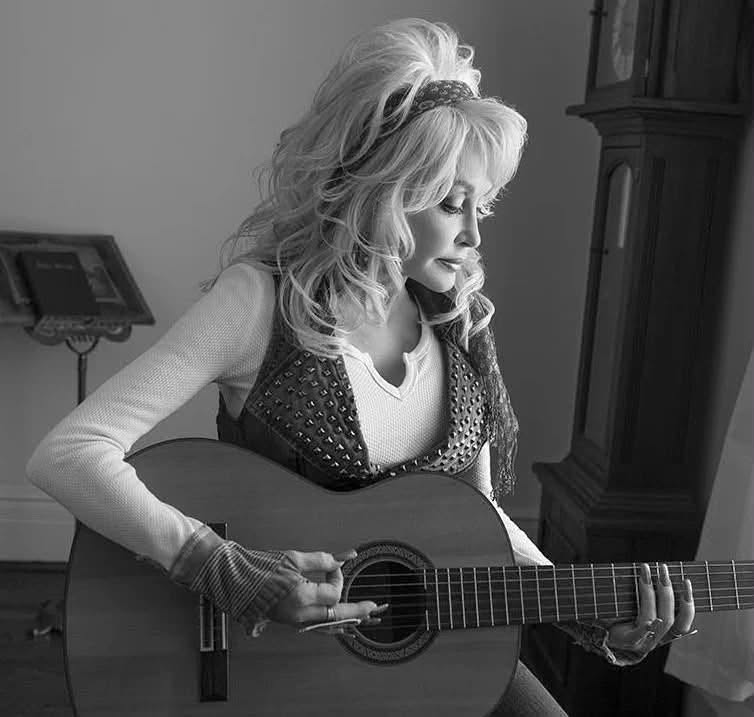
Full confession: I’ve never been much of a country music fan myself. I’m often amused or touched by the lyrics, but pure country music is simply not my cup of tea. Consequently, my knowledge of and appreciation for Parton’s recorded catalog has until recently been limited to her most well-known songs, particularly 1977’s “Here You Come Again” (the engaging Barry Mann-Cynthia Weil tune that marked her first appearance in the mainstream Top Ten), her perky 1981 #1 international hit “9 to 5” from the hit film comedy, and “Islands in the Stream,” the 1983 chart-topping duet with Kenny Rogers.
Over the past 25 years or so, my wife and two daughters have become big fans of country artists, and since moving to Nashville in 2023, I’ve felt inexorably drawn to give the genre more attention. Although I suspect I’ll always be a rock and roll guy at heart, I have broadened my horizons to examine and eventually embrace many country songs, including several of Dolly’s.
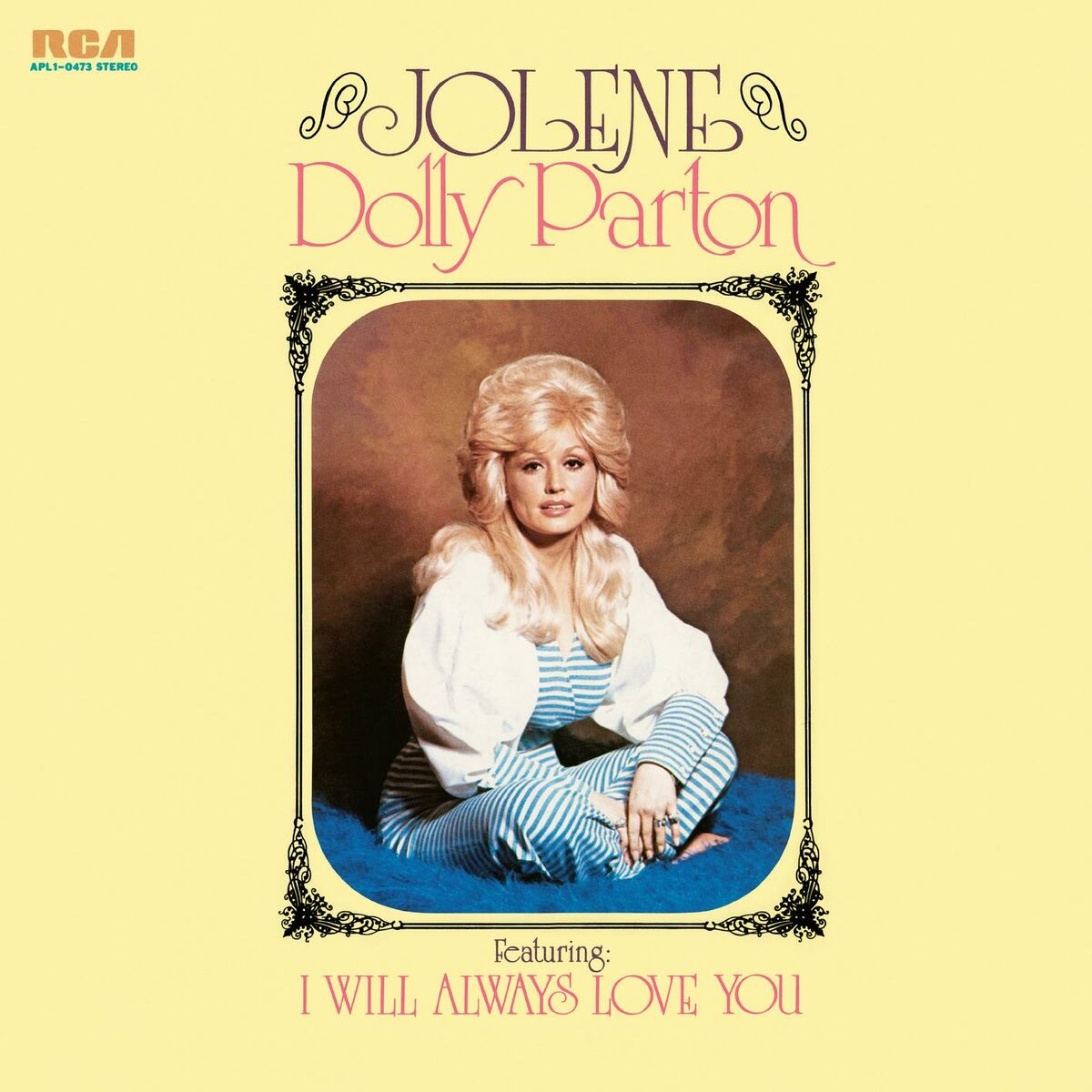
In particular, I’m kind of obsessed over “Jolene,” a marvelous tune she wrote in 1973 whose narrator worries about a gorgeous woman who has been making eyes at her new husband. “Please don’t take him just because you can,” the lyrics implore, and that sentiment rang true with millions of country fans who sent it to #1 on the country charts. Even Rolling Stone ranked “Jolene” #214 on its list of “the 500 Greatest Songs of All Time.”
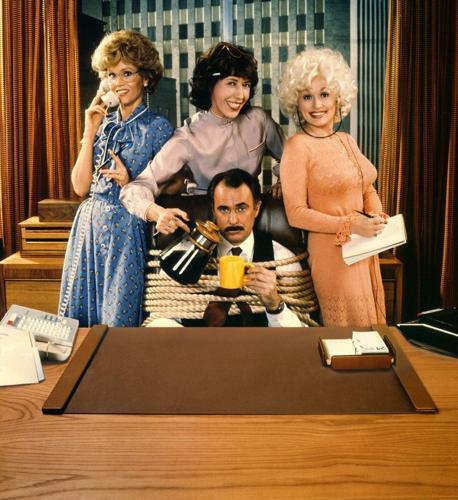
Beyond her voluminous recorded catalog of more than 55 solo albums and another dozen LPs with Wagoner, Parton has also impressed me with her film appearances, especially her hilarious 1980 debut in “9 to 5,” where she steals the movie with her portrayal of secretary Doralee Rhodes, and her award-winning turn as the madam in 1983’s “The Best Little Whorehouse in Texas.” As in nearly every television performance or interview you can find on YouTube, Parton absolutely lights up the screen with her affable, cheery disposition.
Jane Fonda, Parton’s co-star in “9 to 5,” had this to say about her this week: “Dolly was simultaneously a naughty, playful southern gal from the hollows of Tennessee and a deep, soulful thinker who could see through people right down to their true selves. She was many things…lyricist, songstress, player of many instruments, writer, prankster, visionary, loyal friend. Dolly will always be with us because she was so present, so powerful, so generous and playful that she is woven into all our lives and hearts forever.”
Parton’s gentle philosophy of inclusion, acceptance and tolerance for all people led her to take some brave stands along the way. She firmly declined to get involved in political matters, but her hardscrabble childhood, which included being ostracized by classmates for her rough-around-the-edges clothing, led her to embrace the have-nots and ridiculed of society. She stood up for the LGBTQ+ community by writing and singing “Travelin’ Thru,” the Oscar-nominated song from “Transamerica,” the 2005 movie about a transgender woman seeking to connect with her son. In 2017, Parton collaborated with Miley Cyrus, her goddaughter, to record “Rainbowland,” a tribute to gay pride and liberation.
Said Parton, “I don’t believe that we should criticize and judge other people. I think we should be accepting and loving. We are all God’s children. We are who we are, and we should be allowed to be who we are. I just think that we should be more loving, more caring. We are who we are. If you’re gay, you’re gay. If you’re straight, you’re straight, and you should be allowed to be, you know, how you are, and who you are.”
Brandi Carlile, the openly gay superstar, said this week, “Even before I ever met her, I loved her because she took a risk and accepted me (and all of us) for being gay in a time where she didn’t need to say anything. She has been asked to comment and speak on many things over the years, choosing only to speak on that which brings love and mercy to real people, and shutting down any line of questioning that doesn’t. She never wavered on accepting anyone for who they were.”
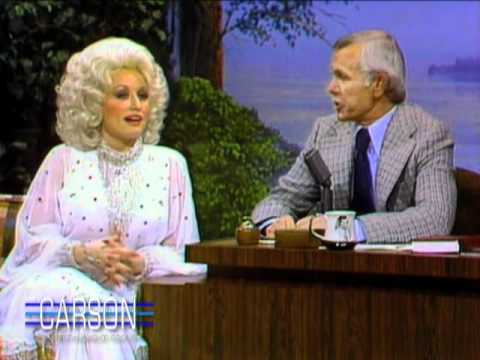
Parton’s self-deprecating sense of humor has served her well, particularly in regard to what she called her “substantial bosom.” As a guest on “The Tonight Show” in the late ’70s, she burst out laughing when Johnny Carson said of her outfit, on the air, “I’d give up a year’s salary for one peek under there!” She always took such comments in stride, and often told jokes of her own. A classic: “I was always a feminist but I never burned my bra. I was afraid it would take the fire department four days to put it out!”
Comedian John Caponera related this funny anecdote yesterday. “In 1995, I was picked to play Dolly’s love interest in a situation comedy called ‘Heavens to Betsy.’ They filmed six episodes but the show never made it to air. There was one episode where there was a scene that called for me to make out with Dolly. That’s right, I made out with Dolly Parton! Am I bragging? Hell yeah!”
What a remarkable ride she has had — “from the back hills of Tennessee to the Hollywood Hills,” as she put it in 2017. She was born Dolly Rebecca Parton in 1946, the fourth of 12 children brought up in a one-room cabin near the hardscrabble hamlet of Pittman Center in eastern Tennessee, where her father worked the land and her mother struggled to raise the family while instilling in Dolly her love of music and folklore. Raised in the Church of God where her grandfather pastored, Parton first sang in church at age 6 and started playing guitar and writing songs at age 8.
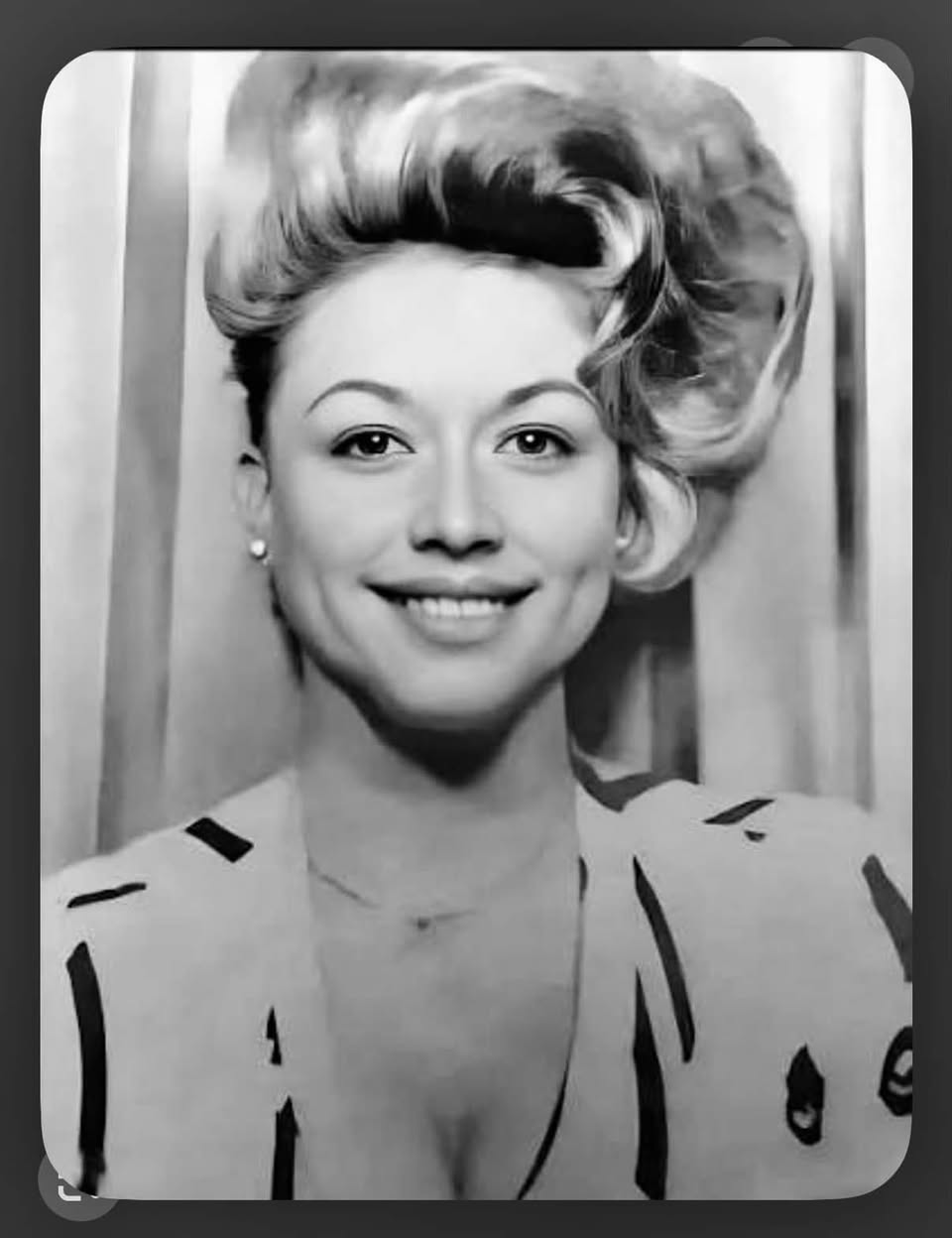
Appearances on local radio and TV programs eventually caught the eye of industry folks, and upon graduation from high school, she moved to Nashville and signed with Combine Publishing. Several of her earliest compositions (“Put It Off Until Tomorrow” and “Fuel to the Flame”) became Top Ten country hits, and still others were recorded by major country names like Kitty Wells and Hank Williams Jr.
Parton was always reverential about the artists who so influenced her at an early age. “Kitty Wells was the first and only Queen of Country Music, no matter what they call the rest of us now. She was a great inspiration to me as well as every other female singer in the country music business. In addition to being a wonderful asset to country music, she was a wonderful woman.”
When Monument Records signed Dolly as a recording artist at age 20, it was initially as a bubblegum pop singer, but when that didn’t pan out, and her country songs achieved notoriety as covered by others, she was given the chance to record “Hello, I’m Dolly,” her debut as a country singer. It didn’t take long for Wagoner, an established country star with multiple #1 hits to his credit, to offer her a regular spot on his weekly syndicated TV gig “The Porter Wagoner Show,” which, at its peak, was reaching three million viewers in 100 markets.
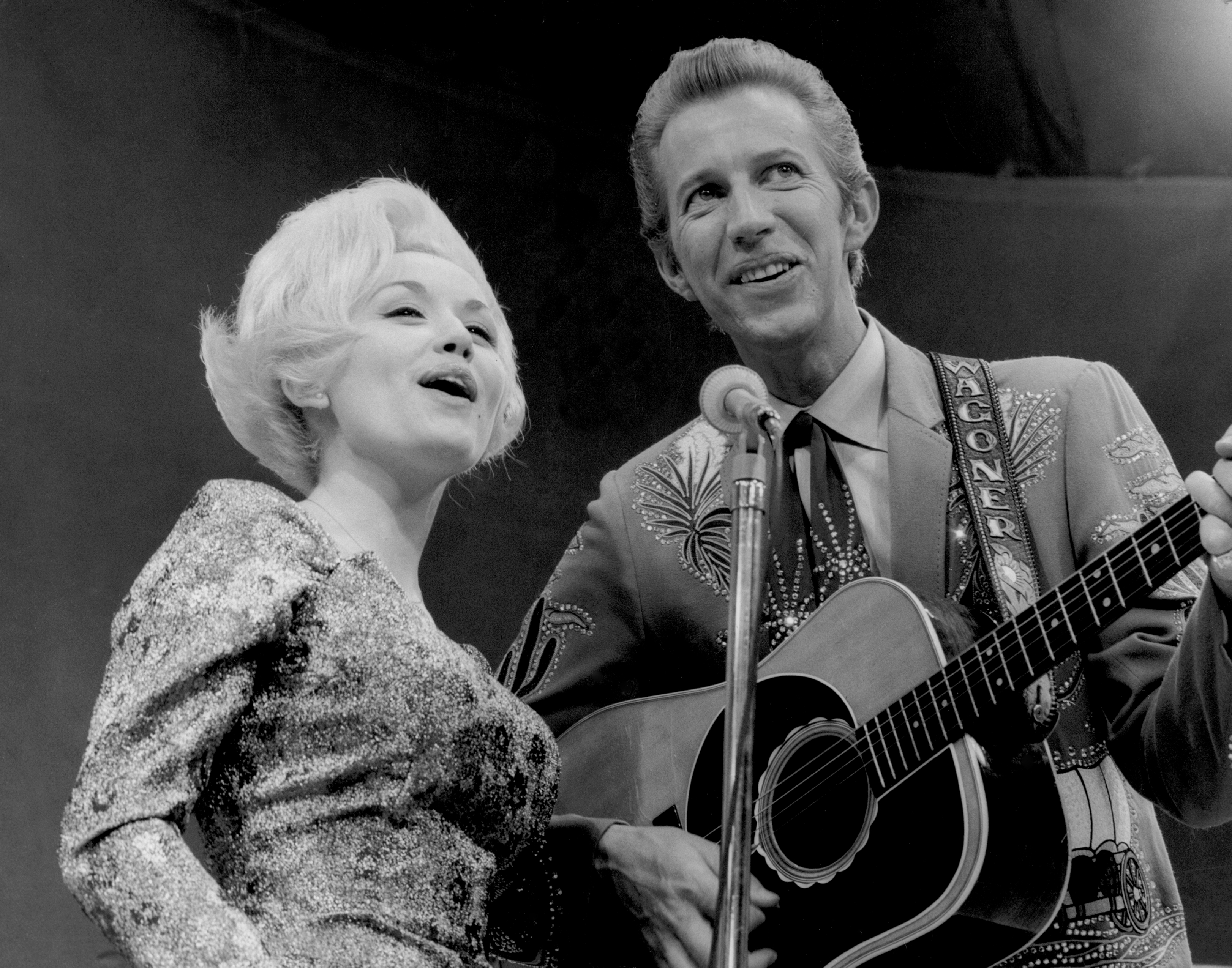
As she and Wagoner scored big with a dozen collaboration albums during this period, Parton aimed her ambitions higher, persevering in the face of reluctant record company people to record solo albums and establish a name for herself outside of her association with Wagoner. To his credit, Wagoner supported her efforts, both financially and as a friend.
Dolly was a firm believer in pursuing your dreams. “Find out who you are and do it on purpose. And do it with purpose,” she was famous for saying. “Don’t ever sacrifice who you are, your principles and your morals and your values, to just try to get ahead in business. It ain’t worth it.”
Her hard work paid off. Between 1970 and 1990, Dolly Parton racked up a staggering total of 40 Top Ten country singles, including an incredible 22 reaching #1. Her track record on the Country Album charts during that same 20-year span was nearly as impressive, registering 16 Top Ten albums. From 1990 onward, she managed to maintain her album chart residency, putting 11 LPs in the Country Top Ten, but her singles no longer made much of a ripple.
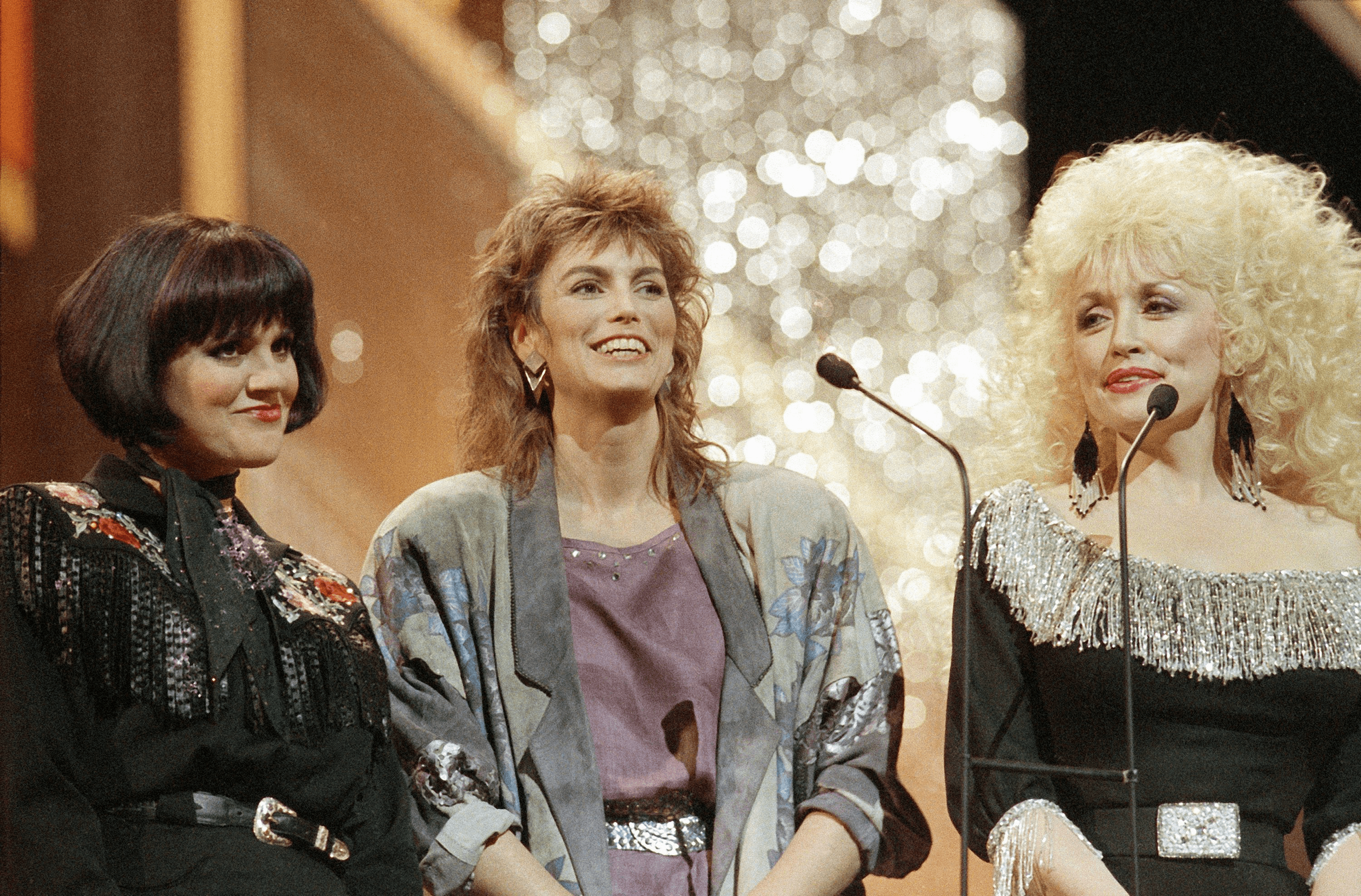
Among her many collaborative efforts through the years was a hugely successful project with Linda Ronstadt and Emmylou Harris for an album called “Trio” in 1987, which reached #6 on Pop charts, and sparked an encore, “Trio II,” in 1999. Hearing those three voices harmonizing on tracks like Parton’s “Wildflowers,” Alan O’Bryant’s “Those Memories of You” and especially Neil Young’s “After the Gold Rush” will send shivers up your spine.
In 2000, when asked about the ups and downs of her career, Parton said this: “I’ve been as poor as anyone can be, so I had everything to gain and nothing to lose. So I just kind of work without fear because it’s fun for me. If I fail, it’s no big deal. If something don’t work, I’m not afraid of failure, because to me, I never feel like a loser. Even when I’ve lost, I feel like I’m winning because I’m earning some sort of experience I can use somewhere else. But I have a good attitude. I work hard at being happy. I really enjoy my life. I’m happy because I get to make a living at what I love to do.”
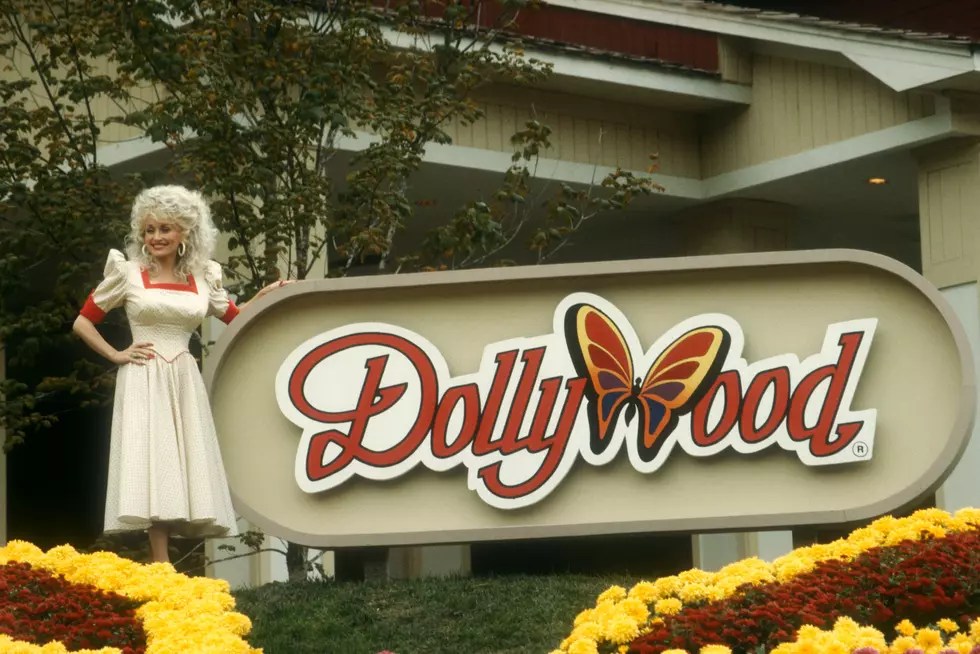
Beginning in the late ’80s, Parton began focusing much of her attention on establishing Dollywood, the amusement theme park in Pigeon Forge, Tennessee, and the Dollywood Foundation, which supports and raises millions of dollars to help with educational and health-related charities, particularly in her home state of Tennessee. “I always thought that if I became successful at what I had started out to do, that I wanted to come back to my part of the country and do something great, something that would bring a lot of jobs into this area,” she said.
Particularly notable has been her literacy awareness program, Dolly Parton’s Imagination Library, sparked by her devotion to her father, who couldn’t read nor write. The program seeks to instill a love for books and a yearn to learn how to read at a young age by donating one book every month to each enrolled child. The Imagination Library currently counts three million children as registered members, and has donated more than 300 million books throughout the US, Canada, the UK and Australia.
“Everywhere I go these days, the kids call me ‘the book lady,’” Parton said. “The older I get, the more appreciative I am of the ‘book lady’ title. It makes me feel more like a legitimate person, not just a singer or an entertainer. It makes me feel like I’ve done something really worthwhile with my life and with my success.”
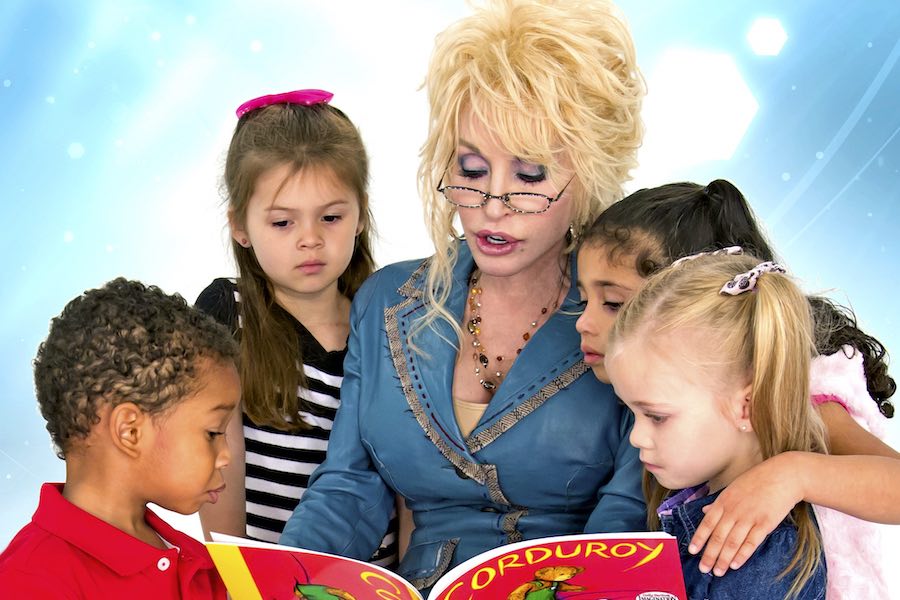
Indeed. A woman on social media wrote this week, “My seven-year-old daughter heard me say Dolly Parton died, and she got visibly very sad. I said, “Honey, I didn’t know you knew Dolly Parton.” She said, “Well, I didn’t know her, really, but she sent me books.” Wow. Now, that’s a legacy!
Parton and her husband of 52 years, Carl Dean (who died in 2025), never had children. “I’ve never been fortunate enough to get pregnant, so I just feel God didn’t mean for me to have kids,” she said. “So I guess I just look at everybody else’s children as mine, and I reach out to help kids in every way I can.”
In recent years, she conceded that people would tease her a bit about her cosmetic surgery, but in her self-effacing way, she always had a ready response: “I don’t think I’ve ever been a natural beauty, so I try to make the best of everything. It takes a lot of money to look this cheap! If I see something sagging, bagging or dragging, I’ll get it nipped, tucked or sucked!”
Her induction into the Country Music Hall of Fame back in 1999 was a foregone conclusion, but many people were scratching their heads when she was selected in 2022 for induction in the Rock and Roll Hall of Fame. She had occasionally stuck her toe into non-country music waters on startling covers of The Temptations’ “My Girl,” Bob Dylan’s “Don’t Think Twice, It’s All Right,” The Four Tops “I Can’t Help Myself,” Petula Clark’s “Downtown,” Cat Stevens’ “Peace Train” and Smokey Robinson’s “The Tracks of My Tears,” but even Parton herself felt uncomfortable being lauded by the Rock Hall.
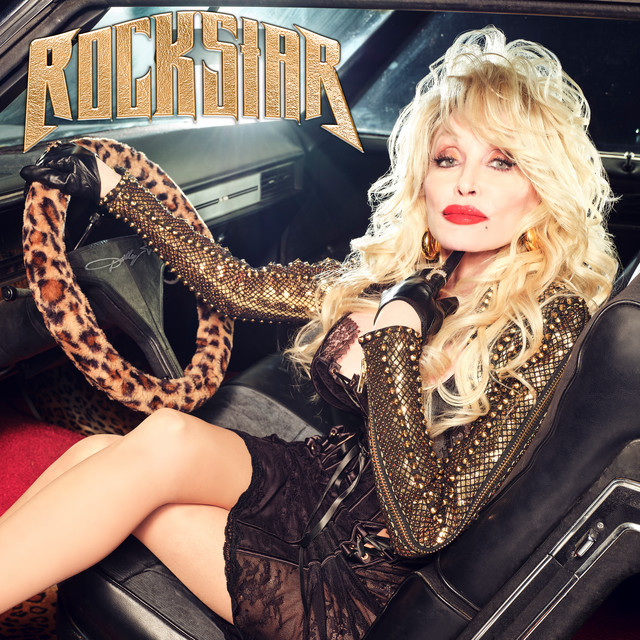
“I didn’t feel like I’d done enough to deserve that,” she said. When the Rock Hall refused her request to rescind the honor, Parton said to herself, “Well, I guess I’m going to have to do a rock album!” She approached a couple dozen rock legends about helping her record some rock classics, and they all enthusiastically jumped at the chance: Elton John, Debbie Harry, Sting, Ann Wilson, John Fogerty, Stevie Nicks, Peter Frampton, Joan Jett, Michael McDonald, Pat Benatar and more can be heard on “Rockstar,” released in 2023 as her final LP, and it reached #3 on the Pop charts, her best showing ever on that listing. Critics called it “monumentally hideous, yet strangely glorious” and wryly described it as “the millennium’s most expensive karaoke party.”
Said McDonald this week: “Few musicians have had their compositions transcend all genre, seen their artistry touch so many hearts worldwide and stayed at the top of their game as a performer for 60-plus years. She was a superstar who somehow managed to live a life of quiet dignity in the midst of it all.”
Sir Paul McCartney, who recorded “Let It Be” with Parton, was moved this week to say, “She was so bubbly and full of life. It’s difficult to take in the news that she has passed. Her songwriting, her singing and her philanthropy were unrivaled in the world of country music, and the music world in general. She was a very clever business woman who understood the value of her music and, most importantly, the effect that she had on the people of the world. There was no greater honour for me than to have her sing my song ‘Let It Be.’ Thanks, Dolly. You were the best.“
When she was in her 70s, people used to ask Parton, “Why don’t you retire?” Her reply: “And do what? What does that even mean? I always count my blessings more than I count my money. For me, it’s about the art. I love the job. I love to work.”
But her health issues finally caught up with her. She’d struggled years ago with endometriosis, had a hysterectomy in the 1980s and, more recently, had problems with her immune and digestive systems. This month, it was a short bout with cancer that proved to be too much for her.
I’ll leave it to Parton’s longtime friend Reba McEntire to have the last words: “Dolly, thank you for all the wonderful things you did for us here on earth. You gave us your love, your music and so much with your huge, huge heart. There will never ever be another you. We will remember and cherish every memory and every note you ever played and sang. Thank you, Lord, for Dolly. She’s gonna have such a blast in heaven, singing all her favorite songs with her family and friends who have gone on before her.”
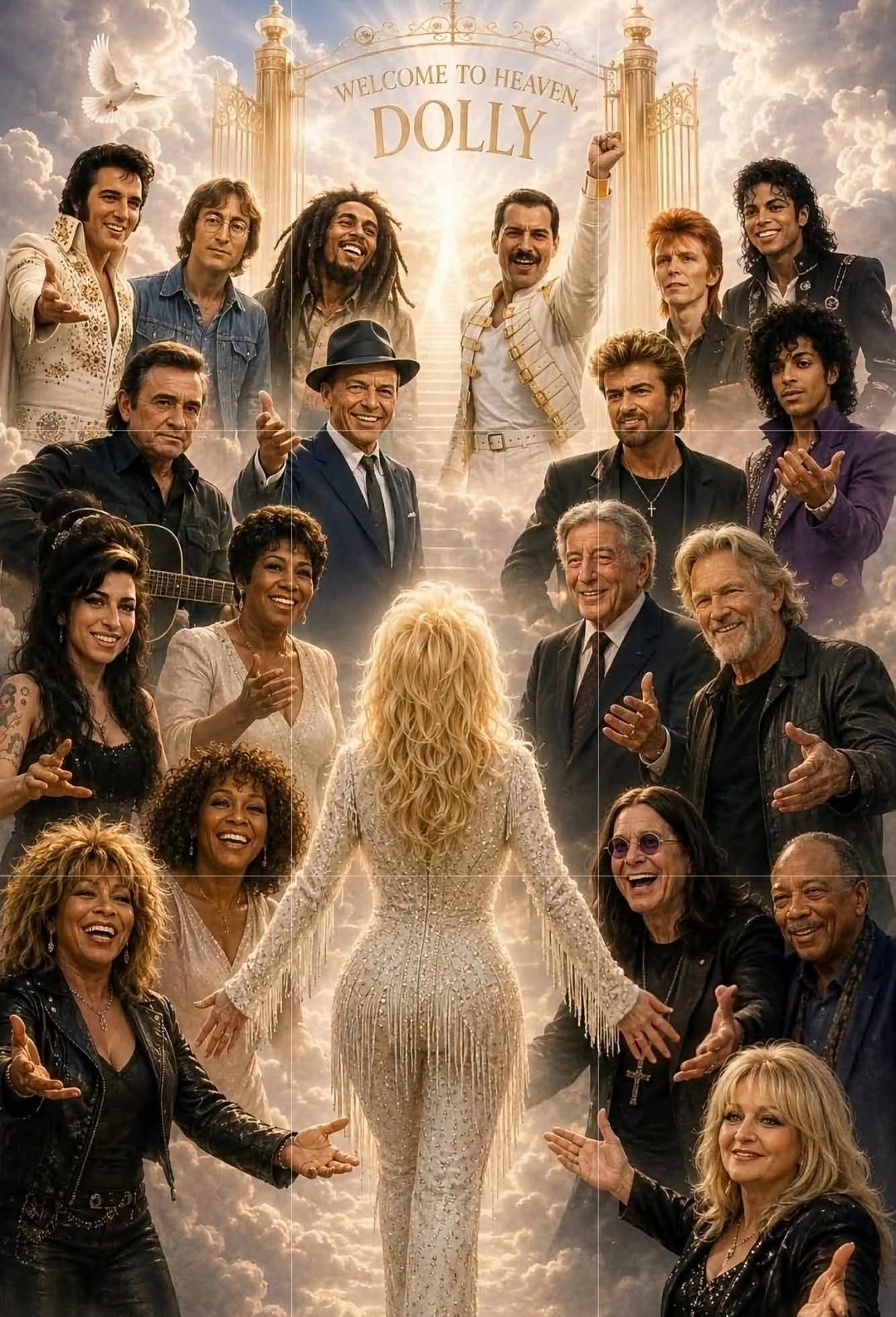
R.I.P., Dolly. What a void you’ve left behind.
************************
The Spotify playlist of 42 songs I’ve assembled reflect my personal preferences from her substantial catalog, arranged chronologically by date of release. If you’ve been a longtime Dolly Parton fan, no doubt you’ll question some of my choices (or, more accurately, the ones I didn’t choose…)