All I ask of dying is to go naturally

I can’t decide if it’s ironic or merely coincidental that I’m ending up writing obituaries/tributes in two consecutive weeks about members of the two trailblazing and most prominent “brass rock” groups of the late ’60s/early ’70s.

Last week, it was founder/sax-flute man Walter Parazaider of Chicago, which you can read here in case you missed it: https://hackbackpages.com/6/26/2026/weve-all-got-time-enough-to-cry-time-enough-to-die

This week, we recognize the passing of vocalist David Clayton-Thomas of Blood, Sweat & Tears, who died June 24 at age 84.

Beyond their imaginative, groundbreaking use of trumpets, trombones and saxophones in a rock band, though, the two groups actually didn’t have all that much in common. Certainly their career trajectories have been wildly different, as has their degree of commercial success. Many decades before anyone had ever heard the term “cancel culture,” BS&T found themselves stuck in a political maelstrom that proved to be, if not fatal, a devastating hit to the group’s momentum.

******************************

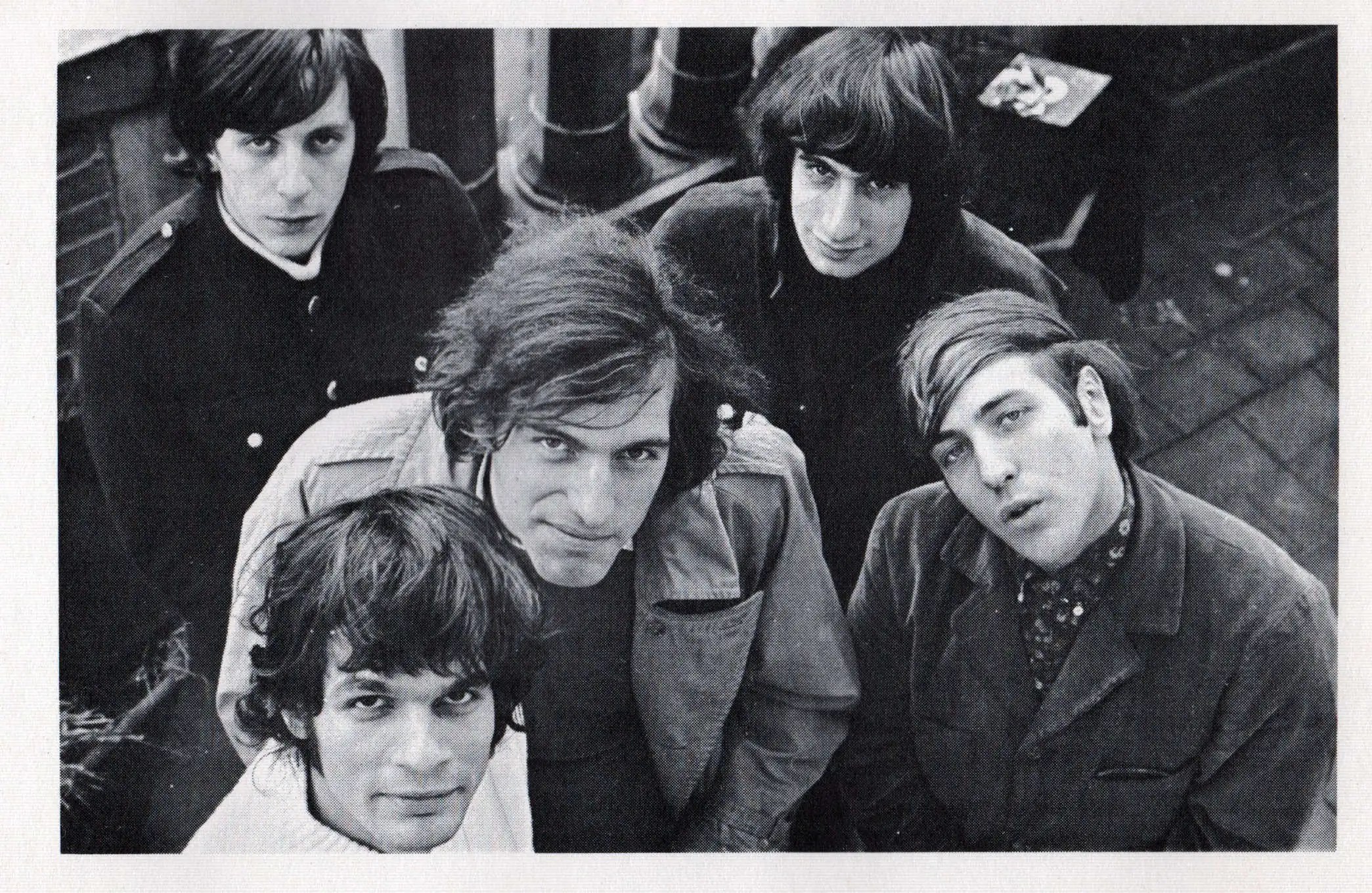
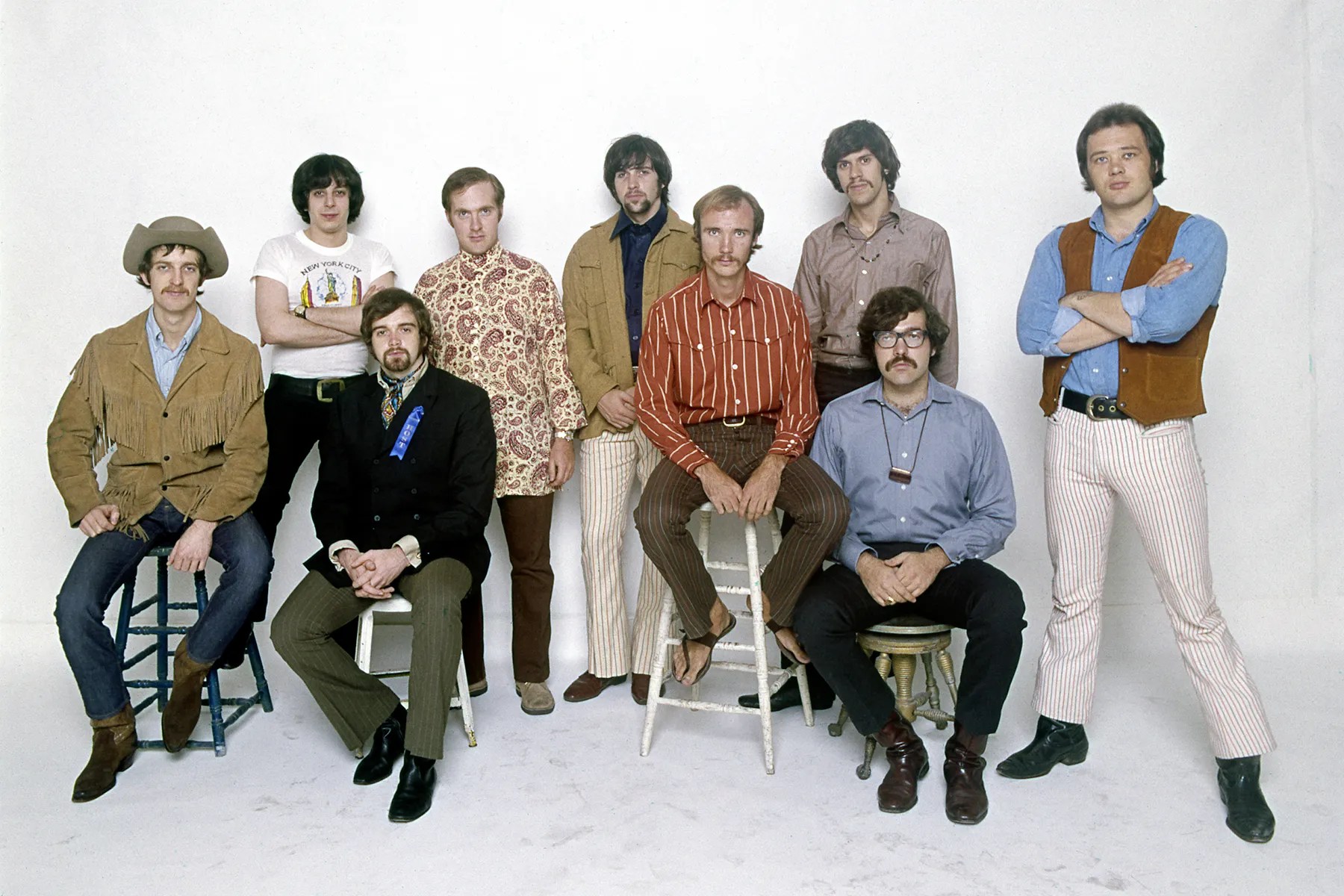
Blood, Sweat & Tears — the band that would become one of the most popular acts of 1969-1970 — has roots dating to 1966 when a ragtag outfit from Greenwich Village, New York, known as the Danny Kalb Quartet changed their name to The Blues Project, featuring guitarist Kalb, guitarist Steve Katz, keyboardist Al Kooper, drummer Roy Blumenfeld and bassist Andy Kuhlberg. Playing an eclectic mix of blues, folk, R&B, jazz and pop, The Blues Project recorded two live LPs and one studio LP on MGM’s Verve label, managing to reach #77, #52 and #71, respectively on US album charts.

The Blues Project, 1966 (Al Kooper, lower left; Steve Katz, upper left)

Kooper, who had been a New York session musician who ended up in Bob Dylan’s 1965 sessions for the seismic “Like a Rolling Stone” anthem, had proposed the idea of bringing in a horn section to broaden the band’s musical options, but bandleader Kalb rejected the concept, so Kooper quit and took his idea with him. Inspired by The Buckinghams, a Chicago-based pop group which featured lively horn arrangements in four Top Ten hit singles in 1967 (“Kind of a Drag,” “Don’t You Care,” “Mercy Mercy Mercy,” “Hey Baby”), Kooper envisioned a group that would use a rock band’s basic instrumental foundation and add a brass section. They would play a mix of musical styles similar to The Blues Project — jazz, blues, rock and pop — with classically trained horn players taking a featured role.

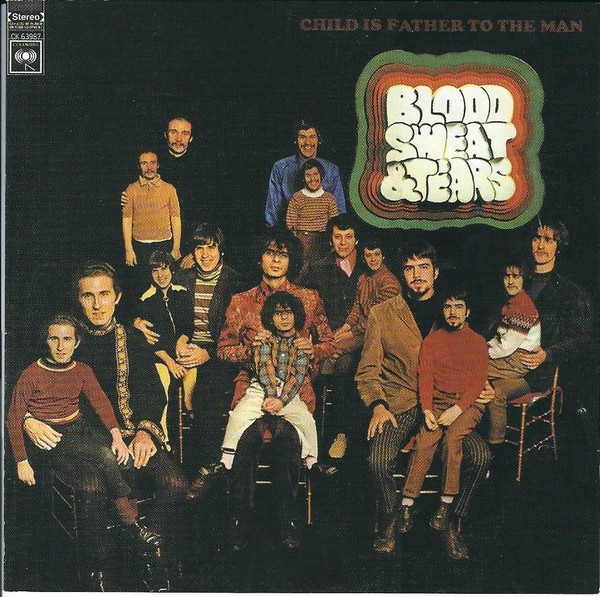
Kooper assumed the role of singer and creative director in addition to keyboard duties. He recruited Katz on guitar, bassist Jim Fielder and drummer Bobby Colomby, and Colomby then drafted multi-instrumentalist Fred Lipsius, trombonist Dick Halligan and trumpeters Jerry Weiss and Randy Brecker. Kooper came up with the name Blood, Sweat & Tears after seeing an early Johnny Cash album with that title, and hired respected producer John Simon, who worked with Simon & Garfunkel, Janis Joplin, Leonard Cohen and The Band. With Kooper writing half the tracks, including the fledgling single “I Can’t Quit Her,” the eight-piece group cut the debut LP “Child is Father to the Man,” released in early 1968 on Columbia. Critics praised its innovative approach; one wrote, “It borrows styles from contemporary folk to acid rock with fresh jazz elements. This is the sound of a group of virtuosos enjoying themselves in the newly open possibilities of pop music.”  It managed to reach #47 on US album charts, and #40 in the UK.

BS&T’s debut LP (Al Kooper is front and center)

But there was dissension in the ranks. Katz, for one, felt Kooper’s vocals were average at best and lobbied hard to hire a new lead singer. The band agreed, and Kooper, who didn’t want to stay if he couldn’t be the vocalist, dropped out (continuing his session work on dozens of albums and eventually becoming a successful producer and manager of groups like Lynyrd Skynyrd and The Tubes, and a published author as well). Weiss also left, as did Brecker, who would go on to greater heights with brother Michael as The Brecker Brothers in the 1970s and beyond.

The band was now in danger of losing their record deal, so they started searching in earnest for a new singer, and it turned out they didn’t have to look too far. Colomby got a call from his friend, folk singer Judy Collins, who told him about a powerful blues singer she’d heard at a club in The Village. His name was David Clayton-Thomas.

Born David Thomsett in England and raised in Toronto, Canada, he suffered beatings from an abusive father as a young boy, leaving home at 14 and sleeping in parked cars and abandoned buildings, stealing food and clothing to survive. He was arrested several times for vagrancy, petty theft and street brawls, and spent much of his teens in various jails and reformatories. He took to singing to pass the time in custody, learning guitar on a battered instrument and developing a kinship with folk and blues music — songs by men who were “dirt-poor working-class hobos with nothing to their name,” he wrote in his memoir. He got enough encouragement to eventually try singing at open-mic nights at some of the clubs in Toronto’s Yonge Street district, which had a vibrant folk and R&B music scene in the ’60s.

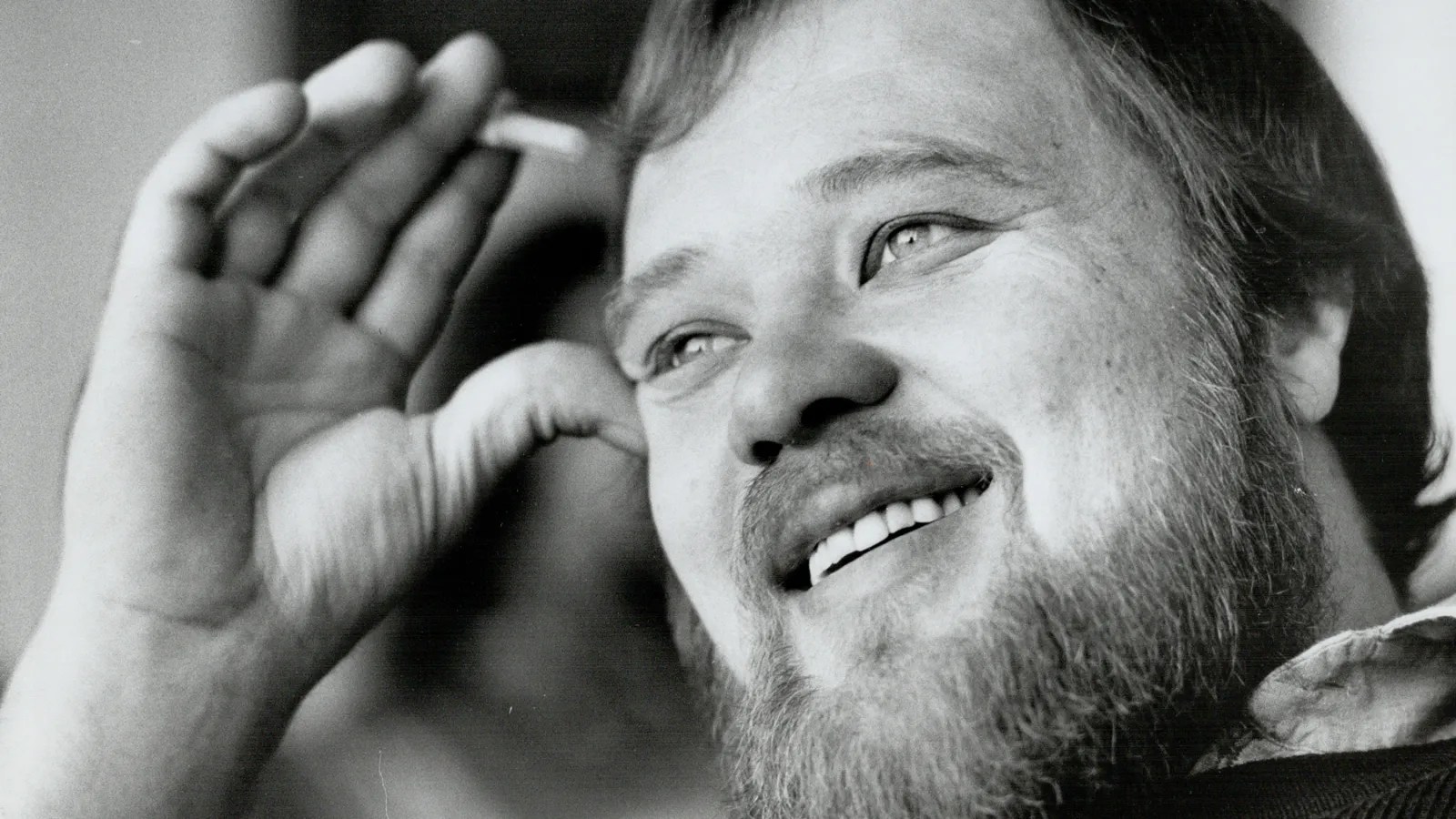
Clayton-Thomas in 1968

Changing his name to Clayton-Thomas to distance himself from his father, he developed a solid reputation singing with various bands and trios, including one called The Bossmen, purportedly one of the first rock bands anywhere to include jazz musicians. He performed with legendary bluesman John Lee Hooker, going with him to New York in 1966 and settling there, although he had no work visa, which would cause serious legal consequences years later.

At the urging of Collins, Colomby checked out one of Clayton-Thomas’s shows in New York and was knocked out by his vocals and his commanding stage presence. As fate would have it, Clayton-Thomas opened his set with a smoldering version of Kooper’s song “I Love You More Than You’ll Ever Know,” which BS&T had recorded for their debut album. “I think I heard about half the song, and I just knew,” said Colomby. “I offered him the job on the spot.”

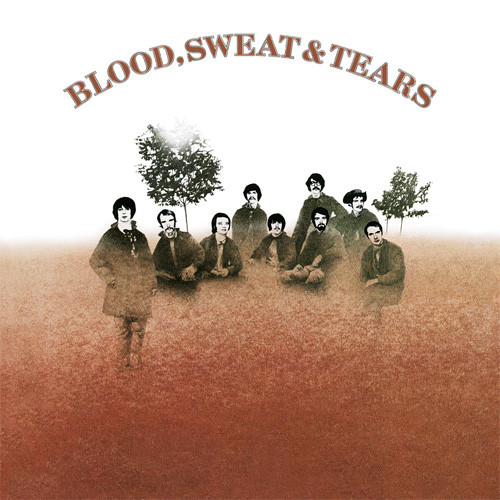
Blood, Sweat & Tears in 1969 (from left): Jim Fielder, Steve Katz, Chuck Winfield, Lew Soloff, Bobby Colomby, Dick Halligan, Fred Lipsius, Jerry Hyman, David Clayton-Thomas

With Clayton-Thomas out front and new horn players Lew Soloff, Chuck Winfield and Jerry Hyman, the reconfigured nine-man lineup did a two-week stand at New York’s Café Au Go Go in 1968. The reaction was so positive that Columbia honcho Clive Davis promptly got them back into the studio, this time with producer James Guercio (who, ironically, was simultaneously producing Chicago’s debut as well). It was recorded in CBS’s New York studio on what was then a new state-of-the-art 16-track machine, and the result was sonically marvelous. They chose only three original tunes, opting instead for covers of material by Billie Holiday, Traffic, Laura Nyro and Brenda Holloway.

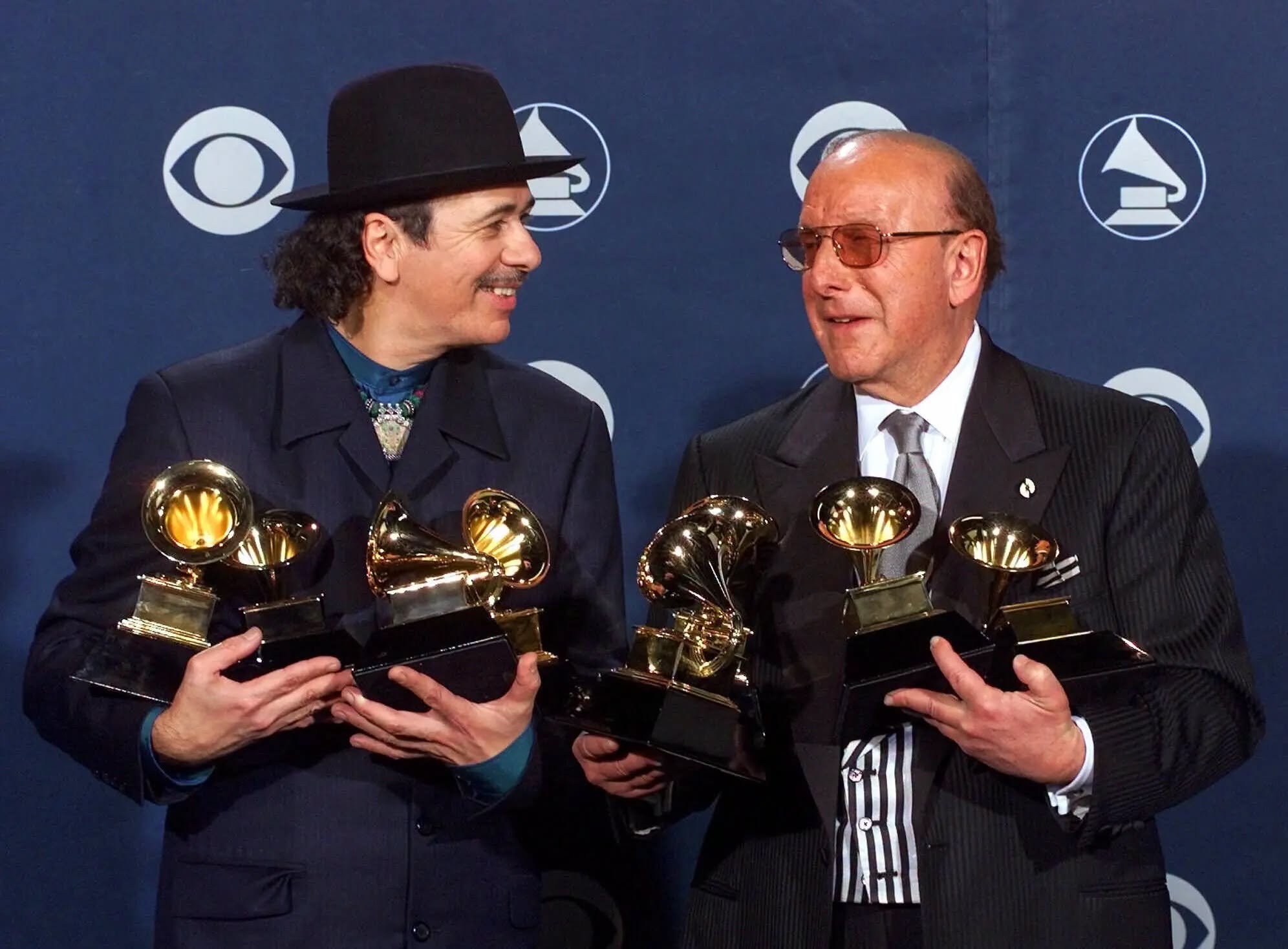
Little did anyone know how rapidly things would explode upon the release of that album, simply titled “Blood, Sweat & Tears,” in December 1968. First came the joyous Motown tune “You’ve Made Me So Very Happy,” which reached #2 in March 1969. Three months later, Clayton-Thomas’s song “Spinning Wheel” also peaked at #2 in July, and finally, Nyro’s gospel-inflected “And When I Die” made it a hat trick of #2 singles in October. The album spent an impressive seven weeks at #1; the band was a featured act at Woodstock in August (although they weren’t included in the film or soundtrack album because their manager foolishly insisted on more money); and when the annual Grammy Awards rolled around, the BS&T album beat out The Beatles’ “Abbey Road” for Album of the Year honors.

Me, I’ve always been crazy about some of the deeper tracks: Katz’s ballad “Sometimes in Winter” (on which he handled lead vocals); a remarkable adaptation of Holiday’s “God Bless the Child”; and the 14-minute “Blues Part II,” a mostly instrumental tour-de-force that’s represented on my Spotify playlist as a five-minute edit that showcases Clayton-Thomas’s vocal section at the longer track’s conclusion.

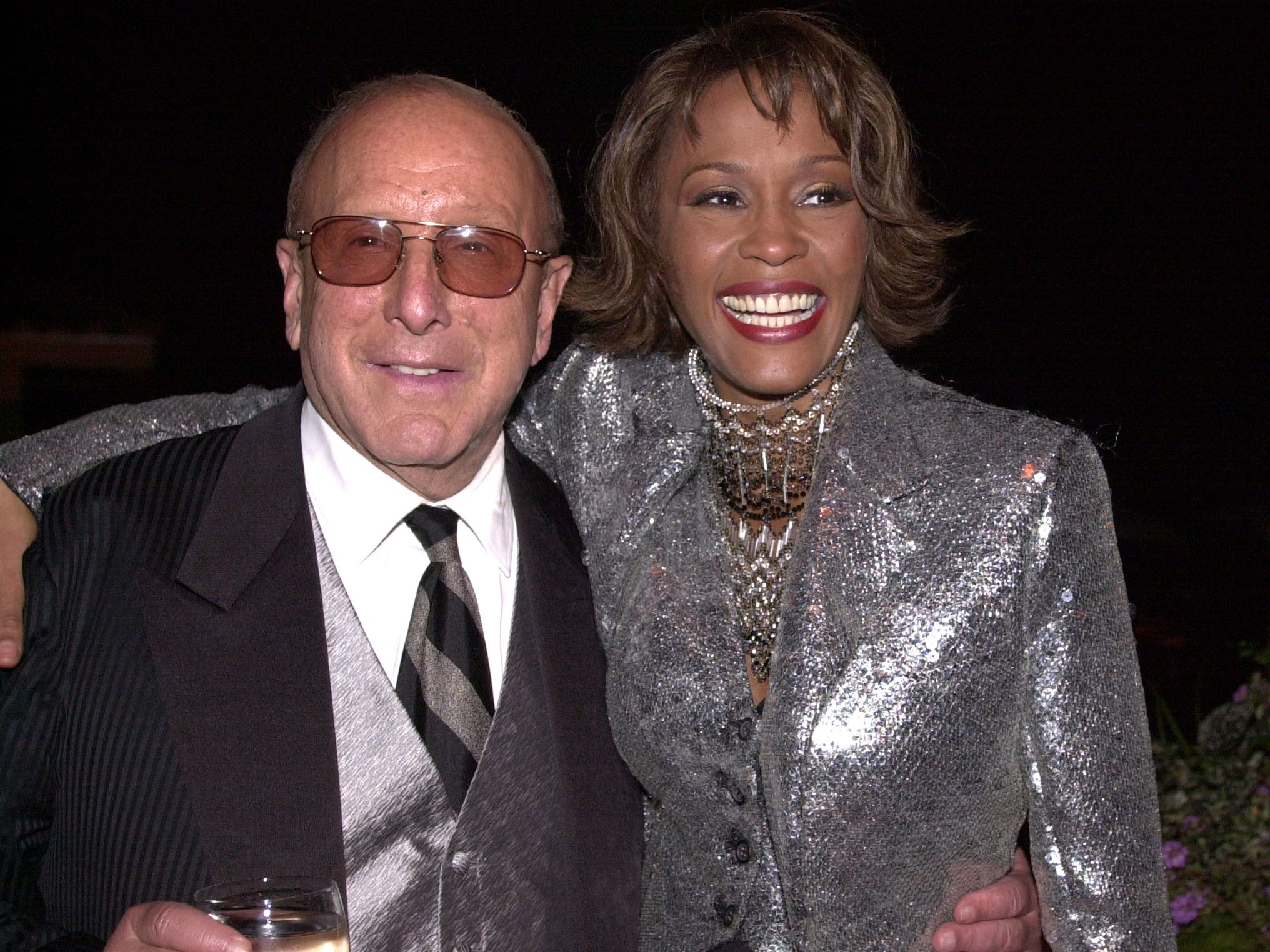
Clayton-Thomas’s charisma, burly physique and indelible tenor, alternately gentle and snarling, had very quickly become crucial to the group’s popularity. Said Davis about the addition of the singer: “He jumped right out at you. He seemed so genuine, so in command of the lyric lines, a perfect combination of fire and emotion to go with the band’s somewhat cerebral appeal. He was almost animalistic.”

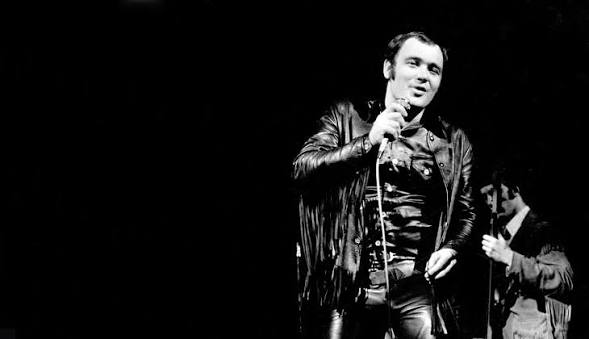
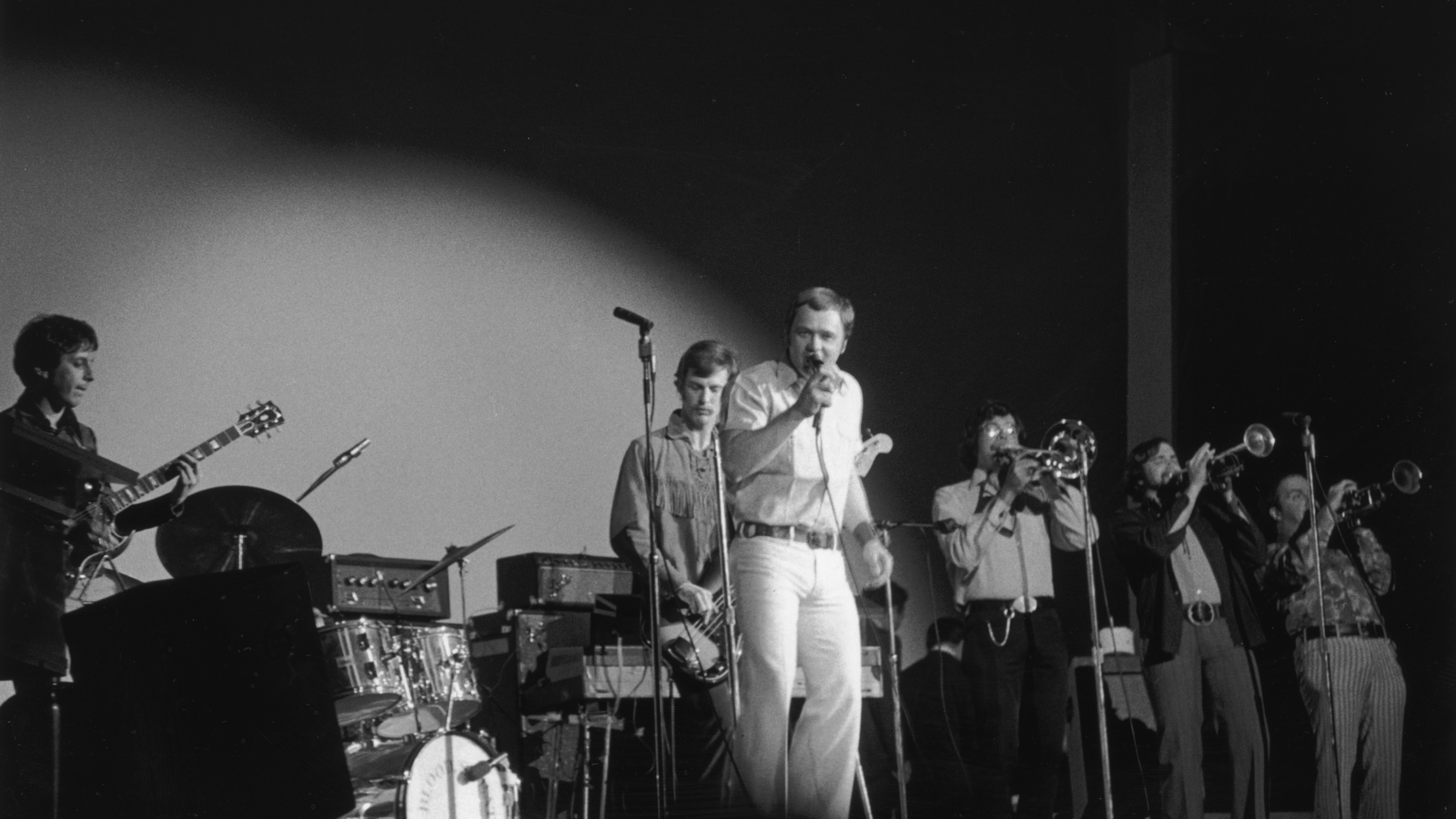
Blood, Sweat & Tears live in 1969

The group played nearly 100 concerts in 1969 in ever-bigger venues to ever-larger audiences from coast to coast. It seemed they could do no wrong…but their one questionable decision was to do a three-night stand at Caesar’s Palace in Las Vegas in December, which the rock press labeled “an un-hip establishment place where your parents’ entertainers performed.” Indeed, Rolling Stone magazine, which tended to look down its nose at anything that wasn’t bonafide rock, said in its review of the album earlier that year, “The listener responds to the illusion that he is hearing something new when, in fact, he is hearing mediocre rock, OK jazz, etc., thrown together in a contrived and purposeless way.” It was clearly a minority opinion, but it stung.

Things would get much, much worse in 1970. Like the majority of rock musicians at the time, BS&T had been vocal about their opposition to the war in Vietnam and other policies of the Nixon administration. They weren’t strident about it, but their remarks attracted enough attention for The White House to take umbrage, particularly coming from Canadian Clayton-Thomas. When they discovered he had been in the country illegally for years, and that he had a prison record in Canada, they brought the hammer down, insisting that the group participate in a State Department-sponsored tour of Eastern European countries as part of a detente effort, or Clayton-Thomas would be deported. Several in the band (especially Katz) didn’t want to do it but felt they had no choice. “It was blackmail, pure and simple,” said Katz.

Their experience there was mixed. They played to enthusiastic audiences in Poland and indifferent crowds in Czechoslovakia, and in Romania, the crowds were so pumped up that the communist authorities used vicious dogs and the military to control them, and they confiscated the film footage that was being shot by a film crew. The band was rattled by the experience, but were even more shaken by the critical reaction they got from the rock press and many of their politically minded fans upon returning to the US. “We were just musicians trying to play music for people,” said Clayton-Thomas. “We were the #1 band in the world. And it turned into this huge political rat’s nest. The political right felt we were too antiwar and anti-Nixon, and the political left hated us for being what they felt were pawns of Nixon. It was insane. It immediately became clear that we were not going to be forgiven by the counterculture for becoming what they saw as sellouts.”

Colomby lamented, “We became the most uncool band in the world. It was so unfair.”

Talk about cancel culture.

Three years ago, a documentary was released called “What the Hell Happened to Blood, Sweat and Tears?” I was stunned as I watched the nearly two-hour film, with long-ago footage and new interviews with band members Katz, Clayton-Thomas, Fielder and Lipsius shedding light on a rather extraordinary tale of deception, strong-arming and political propaganda. One critic wrote this about it: “Did Nixon’s State Department cause BS&T to bleed out prematurely? That’s the film’s implicit premise. It’s an absorbing spy movie made with smuggled footage, and an incisive history lesson about international relations in the ’70s. Above all, it’s a cautionary tale for now about the risks we take when we rush to judgement without all the facts.” I can’t recommend strongly enough that you need to watch this (now on Amazon Prime) to truly understand the answer to its titular question.

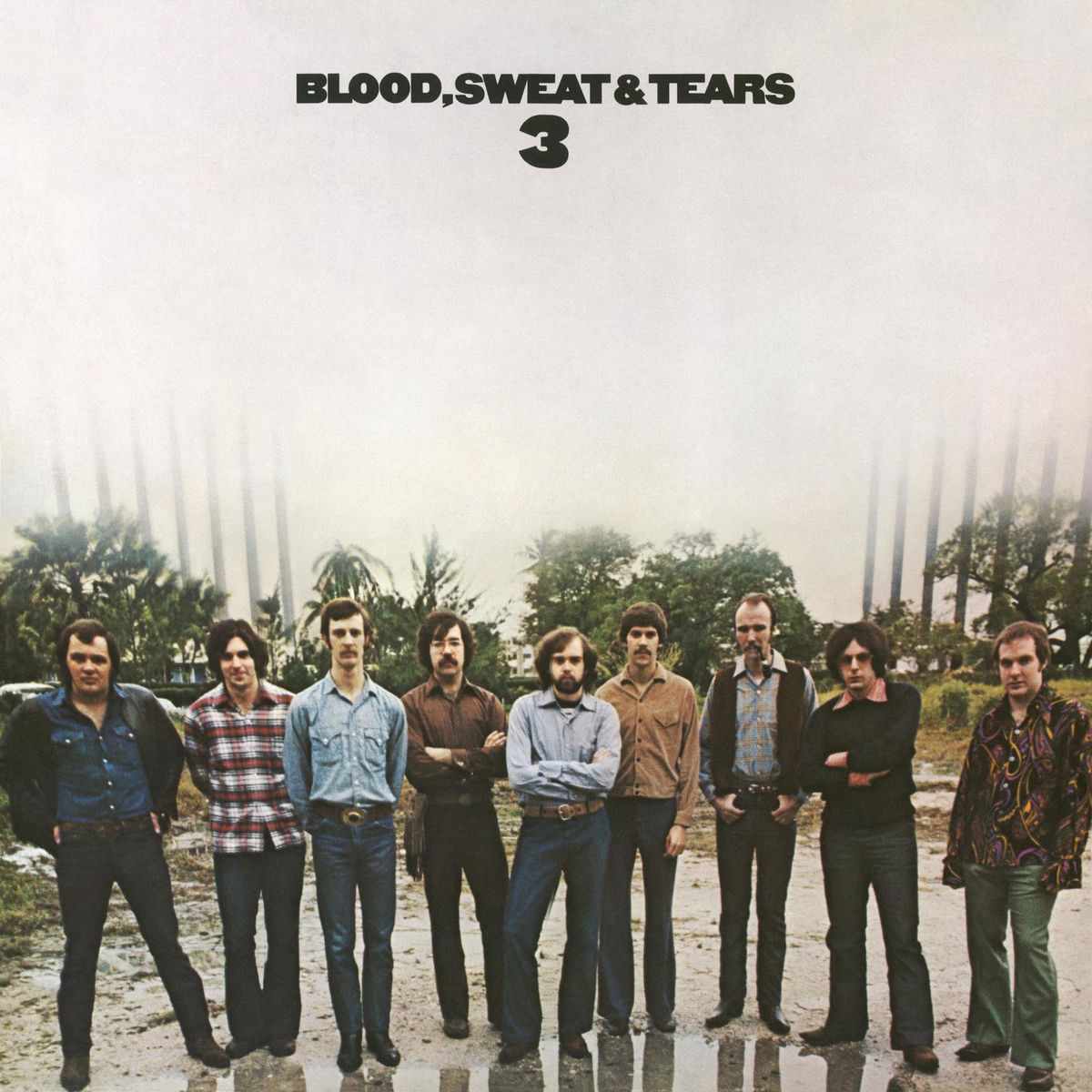
Like most young fans, I knew nothing about the entire incident at the time. Neither the tour itself nor the negative domestic reaction to it were widely reported, and the deal struck between the government and the band to prevent Clayton-Thomas’s deportation was not public knowledge. All I knew was, their next LP, “Blood Sweat & Tears 3,” came out the same month and went right to #1, producing two more hit singles, “Hi-De-Ho” and “Lucretia MacEvil.” (The latter song included the telling lyric, “Hard luck and trouble ’bout to be your claim to fame.”) It wasn’t as strong an album overall, but enjoyable enough, with captivating additional tracks like “Something Coming On” and “He’s a Runner.” To its detriment, the album also included a ghastly cover of The Rolling Stones’ “Sympathy For the Devil” entitled “Symphony For the Devil,” and a lame version of James Taylor’s then-new hit “Fire and Rain.”

Despite how they found themselves victims of character assassination, Blood, Sweat and Tears soldiered on, touring and recording another LP (“BS&T 4”) in 1971, which had two more singles (“Go Down Gamblin'” and “Lisa, Listen To Me,” which barely made the Top 40), but clearly, the bloom was off the rose. To return to the comparison with Chicago, BS&T was on the decline just as Chicago was riding high with multiple singles and high-charting albums.

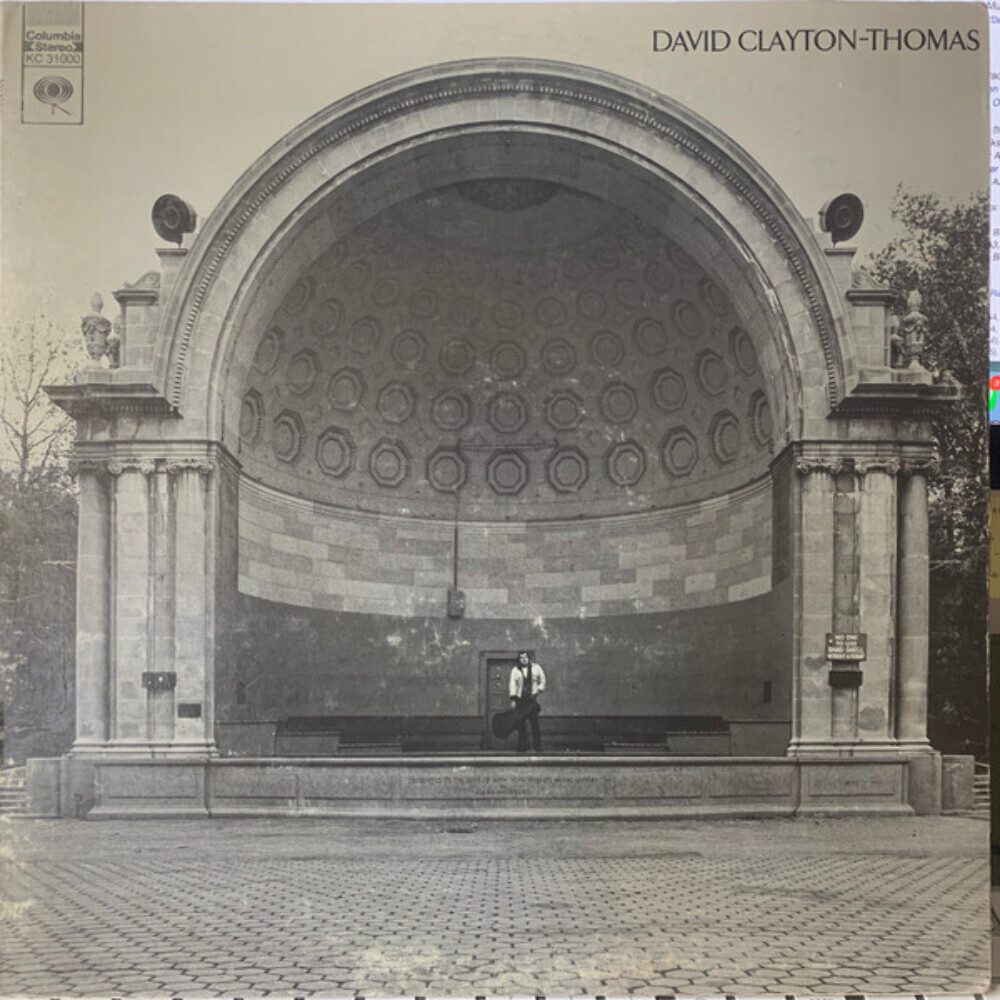
In early 1972, Clayton-Thomas chose to leave BS&T and return to Canada, citing burnout from touring, dueling egos and disputes over the band’s business affairs. He had also developed a reputation for heavy alcohol and drug use, and belligerent behavior. His first solo effort, titled simply “David Clayton-Thomas,” is a pretty decent LP that should have fared better than its anemic #184 showing on the album charts, but there was apparently little interest in him on his own. A couple more solo LPs did no better, despite some bright moments. He struggled professionally and personally, with several divorces and a lawyer who stole most of his money, he said.

Clayton-Thomas’s solo debut LP (1972)

Within a month of his departure, Columbia released a Greatest Hits collection to recapitulate the Clayton-Thomas-era hits, and it has gone on to sell seven million copies.

Difficulties had arisen inside the group between its pop-rock and jazz factions, and Lipsius and Halligan, probably the two most talented musicians in the lineup, also chose to depart when Clayton-Thomas did. The remaining six added two new brass players and, most notably, a singer named Jerry Fisher, a blues singer from Texas with a sizable regional following. He wanted to sing new material instead of the old Clayton-Thomas songs, and the band agreed they needed a fresh re-start, but audiences obviously wanted to hear the big hits, so a balance was struck between the two. They released the aptly titled “New Blood” LP in 1972, with “So Long Dixie” charting modestly on Top 40 charts. When the group brought in Swedish guitarist Georg Wadenius, Katz decided to take his leave as well.

By 1975, drummer Colomby was the only remaining member from the classic lineup. With Clayton-Thomas’s solo career struggling, Colomby was able to woo him back to the new BS&T fold for the next three LPs, “New City,” “More Than Ever” and “Brand New Day,” but each album did progressively worse on the charts, with no singles in sight. A wholesale change brought an entirely new lineup of musicians (except for Clayton-Thomas) for the 1980 release “Nuclear Blues,” which failed to chart and remains the last LP the group ever released.

From then on, Blood, Sweat and Tears has been a performing band with a revolving door of musicians, some staying several years, some staying a few months. On the band’s Wikipedia page in the “Members” section, an astounding list of more than 150 musicians (including a dozen different lead vocalists) are listed as having been part of the group! If that’s not a record, I can’t imagine what is.

For his part, Clayton-Thomas remained as vocal frontman for 20 years until finally calling its quits in 2004. “I discovered, and they discovered, that Blood, Sweat & Tears wasn’t worth much without me — and I wasn’t worth much without them,” he told The Toronto Star in 2020.

In the wake of Clayton-Thomas’s death last week, Steve Katz said, “David and I had a difficult relationship, but we did have those wonderful years and a lot of great music in common. There were nights when David’s singing was just astounding, and it was great to be on the same stage. I would love to have had the chancer to do it all over as the more tolerant and much wiser men we both turned out to be.”

An older Mr. Clayton-Thomas, in a tan sports jacket and blue button-down shirt, sings into a microphone as he gestures with his left hand.
Clayton-Thomas in 2011

Toronto keyboardist Lou Pomanti, who worked with Clayton-Thomas on and off for several decades, praised the man’s vocal chops. “When you pair those blues roots with that raunchy voice, that flexibility and the agility that he had… When you team it with a fantastic jazz band and the great arrangers that they had, it was like nothing anybody had ever heard.”

R.I.P. to a remarkable vocalist.

********************************

The Spotify playlist I’ve assembled offers two tracks from the first incarnation of BS&T, followed by a comprehensive look at the songs from the band’s heyday with Clayton-Thomas (1969-1971). There’s also a healthy dose of material from Clayton-Thomas’s solo work, which includes several convincing covers of classic R&B and blues from one of his final LPs in 2010.

We will offer our tributes of praise

Six months or so ago, I wrote a piece for this blog about how musical artists have periodically inserted other artists’ names in the lyrics to their songs. Steely Dan’s “Hey Nineteen” mentions Aretha Franklin; Neil Young’s “Long May You Run” cites The Beach Boys; Stephen Bishop’s “On and On” tips his hat to Frank Sinatra; Bruce Springsteen’s “Thunder Road” calls out Roy Orbison; and so on. Arthur Conley’s “Sweet Soul Music” makes references to Otis Redding, Wilson Pickett, James Brown, Lou Rawls and San & Dave all in the same song. Hell, Billy Joel’s “We Didn’t Start the Fire” mentions more than 50 different people by name!

This week, though, I thought I’d look at this idea again, but from a deeper perspective. There are several dozen examples of tunes by major artists who have written songs whose main subject, even the title, is about a real person — musician, politician, actor, athlete, painter, even inventor. These songs amount to odes, or tributes, to the person’s life or career.

And by and large, they’re damn good songs, not just lame attempts to ride the coattails of the celebrity’s status as a notable historical figure, bonafide legend or pop idol. I submit that these 21 songs about real people — some very familiar, some probably brand new to you — are worth your time and attention. I suspect you’ll enjoy the Spotify playlist at the end.

************************

“James Dean,” The Eagles, 1974

For their second album in 1973, The Eagles released “Desperado,” a sort of outlaw/cowboy concept album, right down to the cover featuring the band as gunslingers. An outtake from that LP that didn’t quite make the cut, “James Dean,” was reworked, beefed up with Don Felder’s wicked guitar licks, and included on their third album, “On the Border.” Written by Glenn Frey and Don Henley with help from Jackson Browne and J.D. Souther, the song paid tribute to the iconic actor from the 1950s who, as the phrase went, “lived fast, died young, and left a beautiful corpse,” dying at age 24 after making a handful of notable films (“Rebel Without a Cause,” “East of Eden”). Dean has proven to be a lasting symbol of rebellion, youthful defiance, and the restless spirit, which The Eagles aspired to embrace: “You were the lowdown rebel if there ever was, even if you never had no cause, /James Dean, you said it all so clean, and I know my life would look all right, if I could see it on the silver screen…”

“Mandela Day,” Simple Minds, 1989

The Irish-based Simple Minds were huge in England and Ireland for many years, and in the mid ’80s, they had a serious run in the US, including the smash #1 hit “(Don’t You) Forget About Me” from the popular film “The Breakfast Club,” and the #10 album “Alive and Kicking,” with its three singles “Alive and Kicking” (#3), “Sanctify Yourself” (#14) and “All the Things She Said” (#28). Four years later, the band released the superb “Street Fighting Years,” but the political bent of some tracks seemed to make it less commercially appealing. Still, one song in particular, “Mandela Day,” became an FM favorite here, offering compelling music and what turned out to be prescient lyrics about Nelson Mandela, the non-violent leader of the Anti-Apartheid Movement in South Africa. Written for a special 1988 tribute concert, the song was released in 1989, only eight months before Mandela was finally released after 33 years in prison.

“Sir Duke,” Stevie Wonder, 1976

Jazz legend Duke Ellington was a titan of the Big Band era from the 1920s well into the 1950s, setting the gold standard as a pianist, composer and bandleader. When he died at age 75 in 1974, Stevie Wonder was among many dozens of musicians who were moved to pay tribute to his impact and widespread influence. As he was recording his magnum opus LP “Songs in the Key of Life” in 1975-76, Wonder came up with “Sir Duke,” an exuberant, horn-driven celebration of the Big Band genre that called out Ellington and other luminaries by name: “Here are some of music’s pioneers that time will not allow us to forget, /For there’s Basie, Miller, Satchmo, and the king of all, Sir Duke, /And with a voice like Ella’s ringing out, there’s no way the band can lose, /You can feel it all over, people…” The song not only reached #1 as a single, it became a new standard for high school marching bands ever since.

“Steve McQueen,” Sheryl Crow, 2002

By the time her fourth album “C’mon, C’mon” was released in 2002, Crow had already won multiple Grammys and bonafide status as a leading female rock artist at age 40. Her original songs included elements of blues, folk, country and pop but were largely considered mainstream rock. In the wake of the unnerving events of 9/11, Crow said she was eager to write songs that were full of positivity, including the album’s first single, the upbeat “Soak Up the Sun,” her sixth Top 20 hit on US pop charts. For her follow-up single, she picked “Steve McQueen,” a tune she wrote as an homage to the “King of Cool” actor she had admired for his passion for freedom, speed and escape. The corresponding music video features Crow racing around in fast cars and motorcycles as McQueen did in his movies “The Great Escape” and “Bullitt.” Even though the track was basically a flop at #88, it nevertheless garnered her a Best Female Rock Vocal Performance Grammy.

“Hurricane,” Bob Dylan, 1976

Rubin “Hurricane” Carter was a middleweight boxer with a bright future in 1966 when he was accused of a triple murder in New Jersey, convicted in 1967 and given a life sentence.  Carter’s autobiography, written in prison in 1974, told the story of alleged trumped-up charges, prosecutorial misconduct, sketchy testimony and a corrupt judge. When Bob Dylan happened to read about the miscarriage of justice, he was sufficiently outraged to write a lengthy ode about it, titled simply “Hurricane.” Clocking in at more than eight minutes, the 11-stanza track became an unlikely single (in abridged form) that reached #33 in early 1976 and was featured on Dylan’s #1 LP “Desire” the same year. Lawyers for Columbia made him alter some of the lyrics to avoid a libel suit, but the words that remained were damning indeed, and Carter’s case was overturned in 1985. “All of Rubin’s cards were marked in advance, the trial was a pig circus, he never had a chance, the judge made Rubin’s witnesses drunkards from the slum, to the white folks who watched, he was a revolutionary bum…” 

“John Sinclair,” John Lennon, 1972

As a Beatle and as a solo artist, Lennon wrote passionately about himself, his feelings and his beliefs, and that usually translated into memorable songs. Following the triumph of 1971’s “Imagine” LP, he and Yoko Ono moved to New York and became very visible celebrities on the anti-war political scene, culminating in the release of “Some Time in New York City,” a bloated double album full of forgettable tracks protesting everything from sexism and racism to injustice and colonialism. There are only two or three songs on the album worth discussing, one of which is “John Sinclair,” a bluesy shuffle featuring Lennon on dobro and vocals. Sinclair was a self-described “jazz poet,” manager of the Detroit band MC5, and a political radical who was arrested in Michigan in 1971 for giving two joints to an undercover cop and sentenced to ten years in jail. Railing against the unduly harsh punishment, Lennon performed “John Sinclair” at a rally, and when marijuana laws were reformed in Michigan, Sinclair was freed, which reduced the impact of the song when it was released six months after the fact.

“Tim McGraw,” Taylor Swift, 2006

Swift was only 17 when she released her self-titled debut LP in 2006, an impactful album of country music tinged with pop and rock elements. It spent 24 weeks atop the country album charts and reached #6 on the pop album charts as well, helped by five singles. The first of those was “Tim McGraw,” a song she wrote about a summer romance that had passed, in which the narrator pleads with her ex-boyfriend to remember her every time he hears her favorite song by this popular country artist. It barely made the pop charts at #40, but reached #6 on country charts and went on to sell a million copies as Swift’s stardom took off. So what did McGraw himself think about all this? In a 2021 interview, he said he had reservations about it — “Have I gotten to that age now to where they’re singing songs about me? Does that mean I’ve jumped the shark a bit or something?” — but he ultimately enjoyed the song and the attention it brought him, and he and Swift have become good friends.

“Candle in the Wind,” Elton John, 1973

Elton John’s longtime lyric-writing partner Bernie Taupin had always been a big Marilyn Monroe fan, and for their landmark “Goodbye Yellow Brick Road” LP, they decided to write a tribute — using her given name, Norma Jean Mortenson — about her tortured life in the spotlight (“They set you on the treadmill, and they made you change your name…”) and sordid demise (“the press still hounded you…all the papers had to say was that Marilyn was found in the nude…”).  It reached #11 as a single in the UK in 1974, but it wasn’t a big hit here until 1987 when a live version from his popular “Live in Australia with the Melbourne Symphony Orchestra” album peaked at #6 on US pop charts. Then in 1997, Elton and Bernie made the unprecedented move of writing a new set of lyrics to this song to commemorate Lady Diana after her tragic death, turning “Goodbye, Norma Jean” into “Goodbye, England’s Rose”:  “And your footsteps will always fall here along England’s greenest hills, your candle’s burned out long before your legend ever will…”

“Song for Sam Cooke (Here in America),” Dion & Paul Simon, 2020

In 2010, Dion DiMucci (famous for early ’60s hits “Runaround Sue” and “The Wanderer”) was approached by a friend who had read his recently published memoir and suggested that he write a song about an episode he shared about going to a soul dive joint with Sam Cooke in the Deep South in 1962. “Some folks were getting on my case for being there, and Sam stood up for me,” Dion recalled. “He was a real gentleman.” Dion began writing what became “Song for Sam Cooke (Here in America)” but stuck it in a drawer for a few years. In 2019, when he collaborated with other artists on his “Blues With Friends” LP, he worked with Paul Simon to finish the tribute to Cooke, and the two men teamed up to record the song. “Paul saw it like I saw it, as a song about brotherhood and understanding, and that America is about trying to fix things that are wrong.” It was released as a single in 2020, but it failed to chart, although the album was highly praised among blues aficionados. I think it’s extraordinary, and well worthy of your attention.

“Bette Davis Eyes,” Kim Carnes, 1981

You might be as surprised as I was to learn that singer Jackie DeShannon co-wrote this tune in 1974 and recorded it for her “New Arrangement” LP in 1975 in an R&B tempo featuring piano, pedal steel and horns. It remained a deep album track, but in 1981, singer Kim Carnes was encouraged by her producer to record a cover version for her next LP. Carnes didn’t much care for it until her keyboard player, Bill Cuomo, came up with the synthesizer riff that ended up defining Carnes’ reimagining of the song. It became one of the biggest hits of the year, spending nine weeks at #1 and ultimately winning Song of the Year and Record of the Year Grammys. Davis, who was 73 that year, wrote letters to Carnes and DeShannon, thanking them for “making me a part of modern times. My grandson is thrilled about it!”

“Warren Harding,” Al Stewart, 1973

From the very beginning, Al Stewart wove compelling stories in his lyrics, creating interesting characters and developing little vignettes that held the listener’s interest. His biggest hit, 1976’s “Year of the Cat,” is probably the best example of that. Back in 1973, his LP “Past, Present and Future” was a fascinating collection of songs about various people and events in history, from the 16th Century seer Nostradamus to “The Last Day of June 1934.” I’ve always been taken by “Warren Harding,” a thumbnail sketch of America’s 29th President, who served during the so-called Roaring ’20s. Stewart said he found Harding intriguing as a man who seemed to be in over his head in the world’s most challenging position, and ultimately died in office of a heart attack after several scandals: “Warren Gamaliel Harding, alone in the White House, /Watching the sun come up on the morning of 1921… Don’t go down to the docks tonight, the cops are nosing around for the site, /We moved the booze just before daylight, they won’t find it now, it’ll be alright…”

“Harry Truman,” Chicago, 1975

You may have forgotten (or never knew) that Chicago’s first few albums gave evidence of their interest in liberal politics. On the debut LP, there’s “Someday.” On Chicago II, there’s “Poem For the People” and the anti-war “It Better End Soon.” Chicago III included the ecologically minded “Mother” and a tattered US flag as its cover art. The lyrics were sometimes a bit sophomoric, but you got the sense their heart was in the right place. After Richard Nixon resigned in disgrace in 1974, keyboardist/singer Robert Lamm often mentioned in concert how Nixon’s legacy would be increasing Americans’ distrust in government. He drove this point home on their next LP, “Chicago VIII,” with its lead single, “Harry Truman,” which reached #13 on US pop charts in early 1975. Lamb had been reading a biography of Truman and found him to be an inspiring figure by comparison: “America needs you, Harry Truman, /Harry, could you please come home? /Things are looking bad, I know you would be mad to see what kind of men prevail upon the land you love…”

“Moves Like Jagger,” Maroon 5, 2010

The LA-based Maroon 5 came on strong beginning in 2002, scoring three Top Five singles and three Top Ten albums in its first seven years. By 2011, lead singer Adam Levine branched out to become a coach/judge on “The Voice,” and he began a friendly rivalry with singer Christina Aguilera. The two stars combined forces that year to sing “Moves Like Jagger,” an electropop song Levine co-wrote that soared to #1 on US pop charts and in more than a dozen other countries as well. Levine’s lyrics refer to a man’s desire to impress women with his dance moves, citing The Rolling Stones front man as a shining example. Synthesizers and electronic drums dominate the disco-ish arrangement, and critics praised the vocals, particularly Aguilera’s contributions. A music video of the song features archival footage of Mick Jagger dancing, and many would-be singers attempting to mimic his moves. Jagger, certainly one rock’s most dynamic showmen with mesmerizing stage moves, said he was “very flattered” by the song.

“When Smokey Sings,” ABC, 1983

English pop band ABC rode the wave of popularity of the “new pop” movement of the early ’80s, reaching #1 in the UK with their “The Lexicon of Love” LP in 1982. They had a bigger following in their native land and Europe than in the US, but a notable exception was in 1987, when their homage to the great Motown legend Smokey Robinson reached #5 on US pop charts. Adopting the soul groove of Robinson’s work, including the bass line from “Tears of a Clown,” his 1970 hit with The Miracles, “When Smokey Sings” proved to be an irresistible sensation, coincidentally sharing space in the Top Ten simultaneously with Robinson’s “One Heartbeat.” The album version of the song, which appears on ABC’s “Alphabet City” LP, includes lyrical references to Smokey’s contemporaries Luther, Sly, James and Marvin (Vandross, Stone, Brown and Gaye, respectively). When asked what he thought of the tune, Robinson said, “Well, of course, that’s a form of flattery, and I really appreciate it.”

“Springsteen,” Eric Church, 2012

In 2012, country artist Eric Church wanted to tell a story of teenage romance by referencing one of his own favorite musicians (not unlike what Taylor Swift had done six years earlier with her song “Tim McGraw”). Inspired by fond memories of a high school girlfriend and another artist’s song, Church chose to center his new tune instead around Bruce Springsteen, whose work and career he greatly admired. The lyrics to “Springsteen” adroitly allude to The Boss by using a few of his song titles and his habit of painting a picture of listening to oldies on the car radio on a summer evening: “To this day, when I hear that song, I see you standin’ there on that lawn, /Discount shades, store-bought tan, flip flops and cut-off jeans, /Somewhere between that setting sun, ‘I’m on Fire’ and ‘Born to Run,’ you looked at me, and I was done, but we were just getting started… Even though you’re a million miles away, when you hear ‘Born in the USA,’ do you relive those glory days so long ago?…”

“Galileo,” Indigo Girls, 1992

Amy Ray and Emily Saliers were grade-school friends in suburban Atlanta in the 1970s with a mutual interest in music. They went off to different colleges but reunited when they both transferred to Emory University and, when artists like 10,000 Maniacs, Tracy Chapman and Suzanne Vega started making a splash with new strains of folk rock, the two friends joined forces as the Indigo Girls. They charted quite respectably in the late ’80s and early ’90s with a half-dozen albums and a couple of singles, notably “Closer to Fine” in 1989 and “Galileo” in 1992. Saliers wrote the latter track as a tribute to the 17th Century physicist and visionary Galileo Galilei, who played a substantial role in the Scientific Revolution of that period. It was Galileo who helped develop the modern telescope, which in turn supported the findings of Copernicus that the Sun, not the Earth, was the center of the known universe. The lyrics of “Galileo” salute his genius: “How long till my soul gets it right/Can any human being ever reach the highest light/I call on the resting soul of Galileo/King of night vision, king of insight…”

“Brian Wilson,” Bare Naked Ladies, 1992

Formed in 1988 in Toronto, Canada, Bare Naked Ladies was fronted by singer-songwriter-guitarist Steven Page, who had such a passion for music that he would make late-night journeys as a teen to the legendary Sam the Record Man music store in the hip Yonge Street area of town. He wrote about that in “Brian Wilson,” a quirky song about a young man whose life paralleled that of The Beach Boys’ troubled genius composer. Page had idolized Wilson and felt empathy for him during his difficult mental illness challenges, and the lyrics name-check Wilson and his controversial psychologist: “Dr. Landy, tell me you’re not just a pedagogue, /’Cause right now I’m lying in bed just like Brian Wilson did… /I’m lying here, just staring at the ceiling tiles, /and I’m thinking about what to think about, /Just listening and relistening to ‘Smiley Smile’…” The song is one of four hits on Canadian pop charts from the group’s 1992 LP “Gordon,” which didn’t chart in the US but laid the groundwork for greater success here with subsequent releases in the later ’90s and 2000s. Wilson once performed an excerpt of the song in concert.

“The Late Great Johnny Ace,” Paul Simon, 1983

When Paul Simon was just 13, he said he remembered being profoundly affected after reading about the death of early rocker Johnny Ace, who died from an accidental self-inflicted gunshot wound backstage before a show in December 1954. “It was the first violent death that I remember,” Simon said in a 1984 interview. He decided to write about it in 1981 in this darkly creative song that tied Ace’s death to the more recent murders of “two other Johnny Aces” — President John Kennedy and Beatle John Lennon, assassinated in 1963 and 1980, respectively. The song was first performed at the famous “Simon and Garfunkel in Central Park” concert and later became the concluding track on Simon’s 1983 solo LP “Hearts and Bones.” Its concluding passage of moaning violins was written by avant-garde classical composer Phillip Glass.

“Vincent,” Don McLean, 1972

“In the autumn of 1970, I had a job singing in the school system, playing my guitar in classrooms,” recalled Don McLean. “On my breaks, I was reading a biography of Vincent Van Gogh, and a learned a great deal about him and his life. I came to the realization that I had to write a song about him that pointed out he wasn’t crazy, as had been alleged. He had a mental illness, which made it different, in my mind, to the garden variety of ‘going crazy’ because he was rejected by a woman, as was commonly thought. So I sat down with a print of ‘Starry Night’ in front of me and wrote out the lyrics on a paper bag.” The heartbreakingly poignant song struck a chord with listeners, reaching #12 on US pop charts (and #1 in England) as the 1972 follow-up single to “American Pie.” Critics were quite taken by “its bittersweet palette of major and minor chords, soothing melody and artful vocal approach.”

“Elvis on Velvet,” Stray Cats, 1992

Emerging from Long Island, NY, in 1980, the Stray Cats were at the forefront of a rockabilly revival movement that grabbed attention in the US and the UK in the early/mid ’80s with singles like “Rock This Town” and “Stray Cat Strut.” After a hiatus in the late ’80s, the band reunited in 1990, and on their 1992 LP “Choo Choo Hot Fish,” they released what many critics call the Stray Cats’ finest moment, “Elvis on Velvet,” a nostalgic nod to The King. In the lyrics, delivered rapid-fire with plenty of power and attitude by Brian Setzer, the narrator pays homage to Presley’s impact while bemoaning the commercialization of his legend exemplified by crass souvenirs like the popular black velvet paintings that glowed in the dark. The song talks about fans who make the pilgrimage to Memphis to visit Presley’s estate: “Elvis on velvet, somehow it makes me mad, /Elvis on velvet, and I can see him tonight up on the road ahead, /Well, Graceland wasteland, right this way ma’am, one low price to pay, /His life, his love, his home, his stuff, his final resting place…”

“Roll Over Beethoven,” Chuck Berry, 1956

When Chuck Berry was coming of age as a teenager in St. Louis, he and his sister Lucy both took music lessons, and they often had to compete for time on the family piano. Lucy was training to become a classical music pianist, while Chuck was more self-taught, preferring what he then called “rough-and-ready music that made me want to dance.” The hybrid country/blues/gospel genre that would soon be called “rock and roll” inspired him to write his own songs, including “Maybellene,” “Thirty Days,” “Rock and Roll Music” and “Johnny B Goode.” Perhaps his most creative tune, especially lyrically, was “Roll Over Beethoven,” in which he suggested that the new rock and roll was pushing classical music aside. Citing Ludwig van Beethoven and Pyotr Tchaikovsky in the lyrics, Berry produced an anthem, which critics called “a rock & roll call to arms, declaring a new era.” It peaked at #2 on R&B charts in 1956 (#29 on pop charts), and was also a regular on the Beatles’ concert setlist during 1964.

*************************