These days, there seems to be a lot of discussion of masculinity and what it is to be a good man. Some take a look at the stereotypical “he-man” bodybuilder and say it’s archaic or one-dimensional. Surely it should be just as important that men be esteemable male role models on the inside. Can’t men be strong providers and strong husbands/fathers as well?

In honor of Father’s Day next weekend, I started looking at the broad range of songs in popular music that talk about men. Perhaps I shouldn’t have been surprised that there are hundreds, maybe a thousand or more, that focus on men, nearly as many as those that focus on women. Within that group, I was intrigued by the many dozens of tunes whose titles fit a “_________ Man” format, so I decided to zero in on those.
I’ve selected 25 songs, and another 25 honorable mentions, that describe various types and characteristics of men or their professions. They’re all lumped together in a Spotify playlist at the end.
*********************************
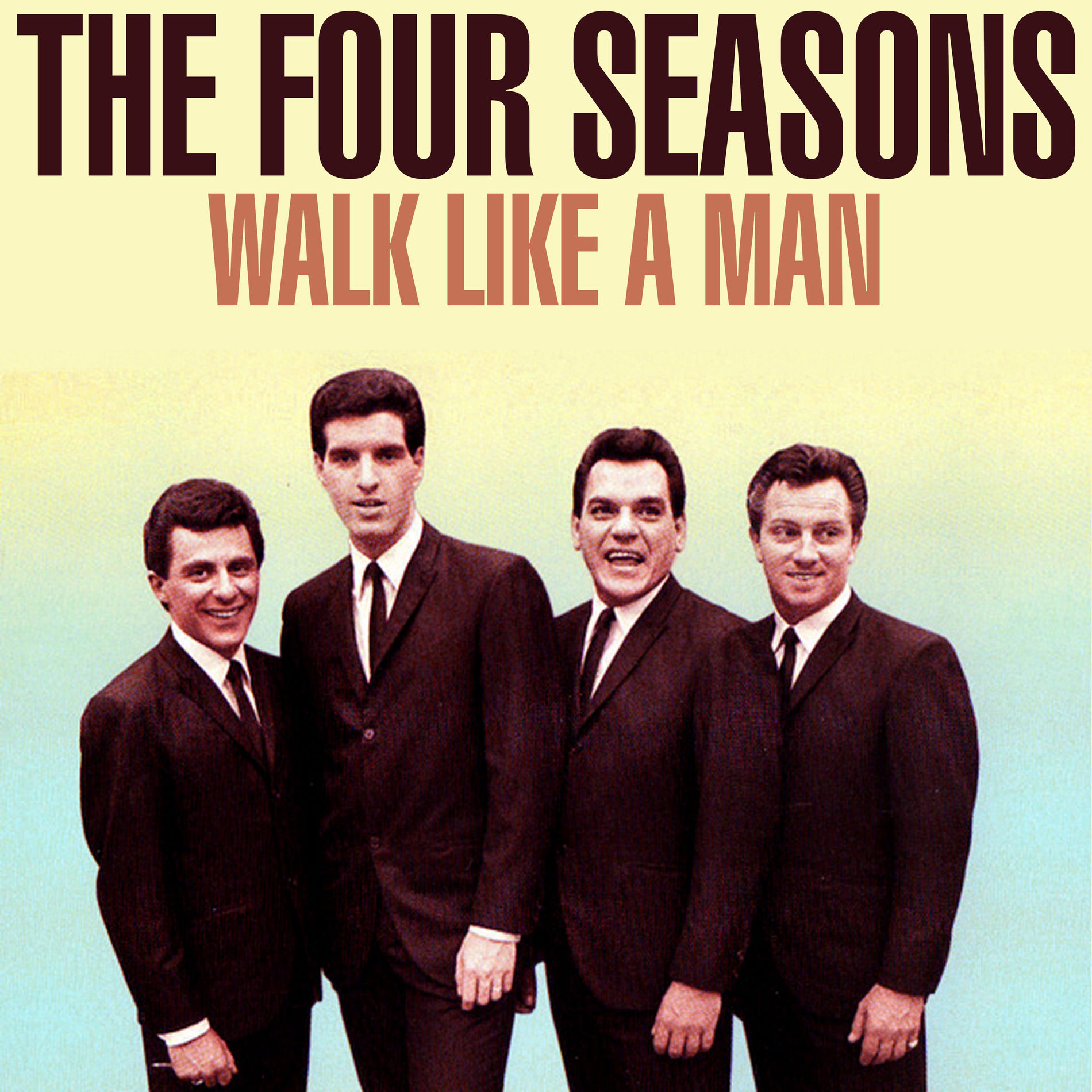
“Walk Like a Man,” The Four Seasons, 1963
This early ’60s classic by The Four Seasons is sung from the perspective of a man whose girlfriend has been belittling him, and his father advises him to “walk like a man” and leave the relationship in order to preserve his dignity. Written by producer Bob Crewe and bassist Bob Gaudio, who wrote many tunes in the vocal group’s catalog, “Walk Like a Man” was their third consecutive #1 hit and one of ten Top Ten hits between 1962 and 1967. “Oh, how you tried to cut me down to size by telling dirty lies to my friends, /But my own father said ‘Give her up, don’t bother, the world isn’t coming to an end, /He said, ‘Walk like a man, talk like a man, walk like a man, my son, /No woman’s worth crawling on the earth, so walk like a man, my son’…”
“Real Man,” Todd Rundgren, 1975
I’ve always found it puzzling why this engaging song wasn’t a solid hit for Rundgren. Both the single and the album it came from — 1975’s “Initiation” — stalled in the mid-80s on US charts. Musically, it’s got a great melody, arrangement and lead vocal, and lyrically, it examines the need to grow up and show some backbone. It borrows from the Bible verse — “When I was a child, I thought as a child, I spoke as a child” — before doing some self-examination about the need to dig deeper and adopt a more mature perspective: “The time comes to everybody when you must decide, /When that day finally comes along, you might wish you’d been a little more strong, /Then you’ll wake up in the morning cryin’ ‘Oh my God, there it is, way down inside me,’ /It’s a real man, you got to grow up sometime, /Be a real man, suffer them slings and arrows…”
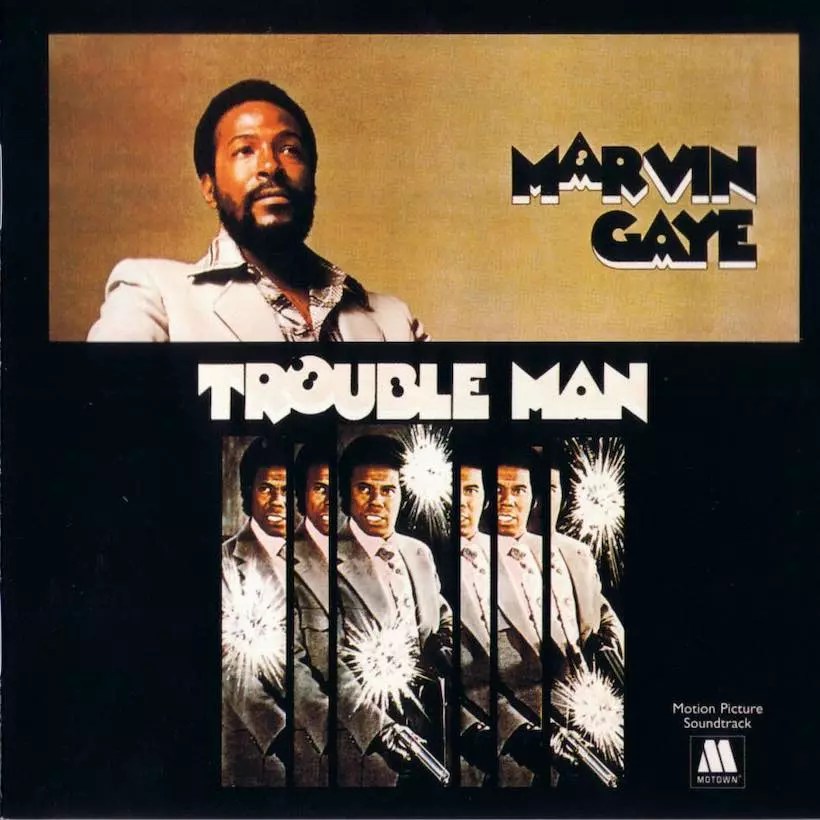
“Trouble Man,” Marvin Gaye, 1972
Following the unanimous praise and international success of his “What’s Going On” LP in 1971, Gaye negotiated a new contract with Motown giving him complete creative control. Spurred on by the popularity of Isaac Hayes’ “Shaft” and Curtis Mayfield’s “Superfly,” Gaye chose to do the film soundtrack for the crime thriller “Trouble Man,” released late in 1972. The title song focused on the movie’s central character, a private detective and “ghetto fixer” who went looking for trouble and usually found it. It was a #10 hit single on US pop charts in 1973. The lyrics explain the character’s rough upbringing and life path: “I come up hard, baby, I’m in for real, baby, /Gonna keep movin’, gonna go to town, /I come up hard, I come up, gettin’ down, /There’s only three things that’s for sho’: /Taxes, death and trouble…”
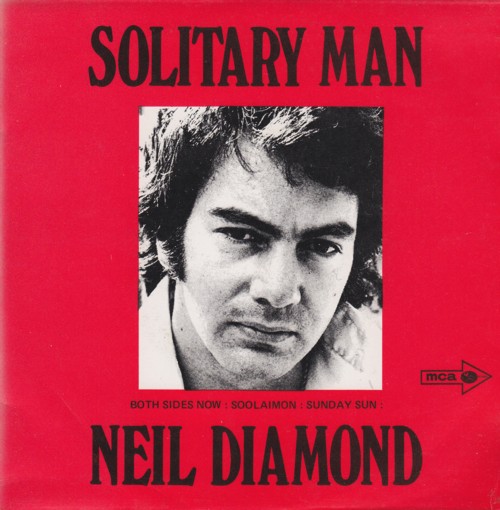
“Solitary Man,” Neil Diamond, 1966
This memorable track, a “ballad of a loner looking for love,” became Diamond’s first hit as a performing artist. Although it stalled at #55 when first released in 1966, it reached #21 upon re-release in 1970, and Johnny Cash’s cover version won him a Best Msaler Country Vocal Grammy in 2000. The theme of the song has been closely identified with Diamond himself, as he admitted in a 2008 interview: “After four years of psycholanalysis, I came to the realization that I had written ‘Solitary Man’ about myself.” The lyrics list some of his relationships and how they ended, and lament, “I know it’s been done, having one girl who loves you,” but he doubts it will happen for him: “Don’t know that I will, but until I can find me the girl who’ll stay and won’t play games behind me, /I’ll be what I am, a solitary man…”
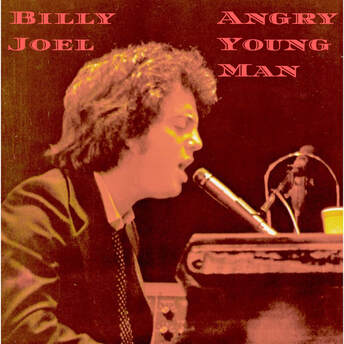
“Angry Young Man,” Billy Joel, 1976
Although not released as a single, “Angry Young Man” emerged as one of Joel’s most popular in-concert songs. On his 1976 LP “Turnstiles,” the song is preceded by a one-minute piano instrumental “Prelude” before jumping right into a character study that satirizes a self-righteous, idealistic youth who, in his restless struggle for causes, becomes increasingly isolated. Joel has said this song is not autobiographical, but the narrator juxtaposes youthful indignation with a more resigned adult viewpoint, suggesting either that he once was the angry young man or has known many like him: “Give a moment or two to the angry young man with his foot in his mouth and his heart in his hand, /He’s been stabbed in the back, he’s been misunderstood, it’s a comfort to know his intentions are good…”
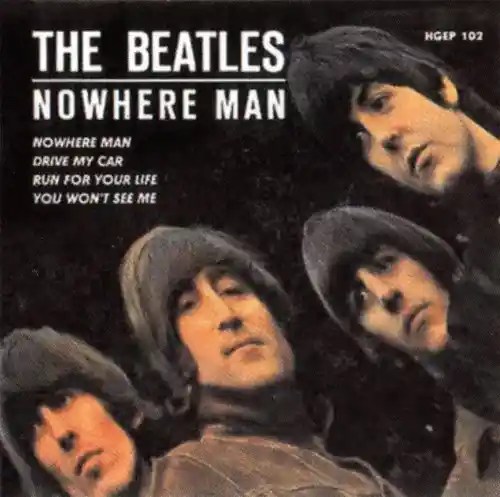
“Nowhere Man,” The Beatles, 1966
As The Beatles were working feverishly writing and recording songs in autumn 1965 for their “Rubber Soul” album so they could release it in time for the Christmas buying season, John Lennon hit a writer’s block. “I’d spent hours and hours that day trying to write a song that was meaningful and good,” he recalled. “I was getting nowhere… Finally I gave up and lay down, and then ‘Nowhere Man’ just came, words and music, the whole damn thing.” It was one of the first Beatles songs not about love and romance, released on the British version of “Rubber Soul” but removed from the US pressing. Instead, it became a #3 single here in early 1966 and then included on the cobbled-together “Yesterday and Today” album a few months later. “He’s a real nowhere man, sitting in his nowhere land, making all his nowhere plans for nobody, /Doesn’t have a point of view, knows not where he’s going to, /Isn’t he a bit like you and me?…”
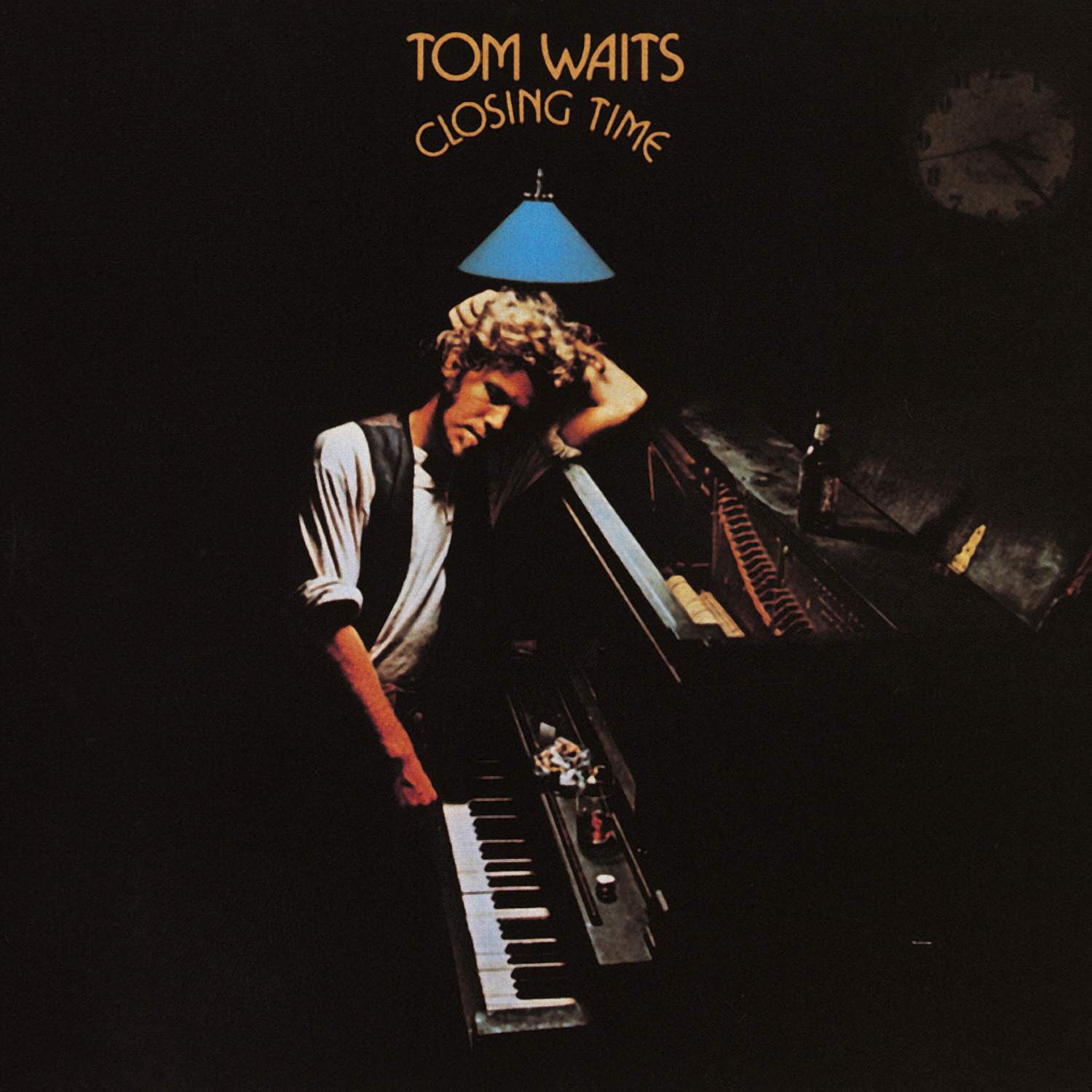
“Ice Cream Man,” Tom Waits, 1973
He hasn’t been all that successful commercially, but Tom Waits has always been a critics’ darling, writing and recording grittily realistic studies of society’s outliers and ne-er-do-wells. In a review of his astounding 1973 debut LP “Closing Time,” he was described as “a boozier, earthier version of Randy Newman who similarly delights in rummaging through the attics of nostalgia and life’s underbelly.” The album is full of vulnerable, emotionally charged lyrics set to downbeat tempos, but the exception is the bright, lustful “Ice Cream Man,” which suggestively equates sweet treats with sex: “I got a cherry popsicle right on time, a big stick, mama, that’ll blow your mind, /’Cause I’m your ice-cream man, I’m a one-man band, yeah, /I’m your ice-cream man, honey, I’ll be good to you…”
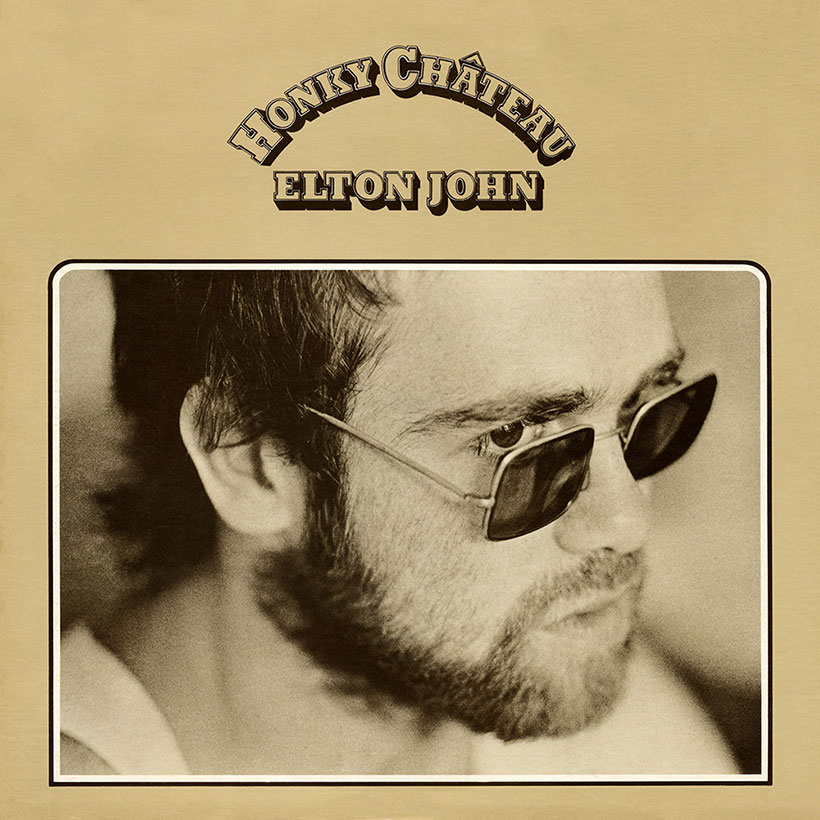
“Rocket Man,” Elton John, 1972
Bernie Taupin, Elton John’s longtime lyricist, recalls how heroic the US astronauts seemed during the early years of space exploration, but by the early ’70s, some of these men felt it was “just their job, their occupation.” Taupin wrote lyrics that described the astronaut’s life as an every-day job, like a traveling salesman, beginning with the opening line “She packed my bags last night, pre-flight.” Some called “Rocket Man” a continuation of the theme David Bowie explored in “Space Oddity” three years earlier, but it became a much bigger song, reaching #6 on US charts and becoming what is often considered Elton’s signature tune, right down to the title of his 2019 biopic. “I miss the Earth so much, I miss my wife, /It’s lonely out in space on such a timeless flight… /And all this science, I don’t understand, it’s just my job, five days a week, /A rocket man…”
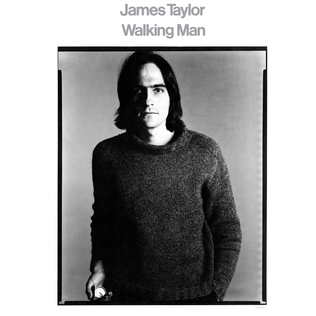
“Walking Man,” James Taylor, 1974
Some people say Taylor’s song “Walking Man” is about the journey of life, walking down the road and looking for direction. Others say it’s about a lonely man, making his way through life with minimal contact with other people. Others say it’s about a restless individual, just wandering through life restlessly. Others say it’s about the passing of time, or the turning of the seasons. Taylor said it was inspired by his father. “It’s about my longing for him,” he explained. “He disappeared for a few years when I was seven, eight and nine. He was drafted into the Navy, and then he volunteered to go to the South Pole. We missed him a lot. My mother had five kids born within six years in the countryside of North Carolina, and here she was waiting for her husband to come home. That always stayed with me.” It’s the title track of his sixth LP, released in 1974: “Walking man walk, walk on by my door, /Well, any other man stops and talks, but not the walking man, /He’s the walking man, born to walk, walk on, walking man…”
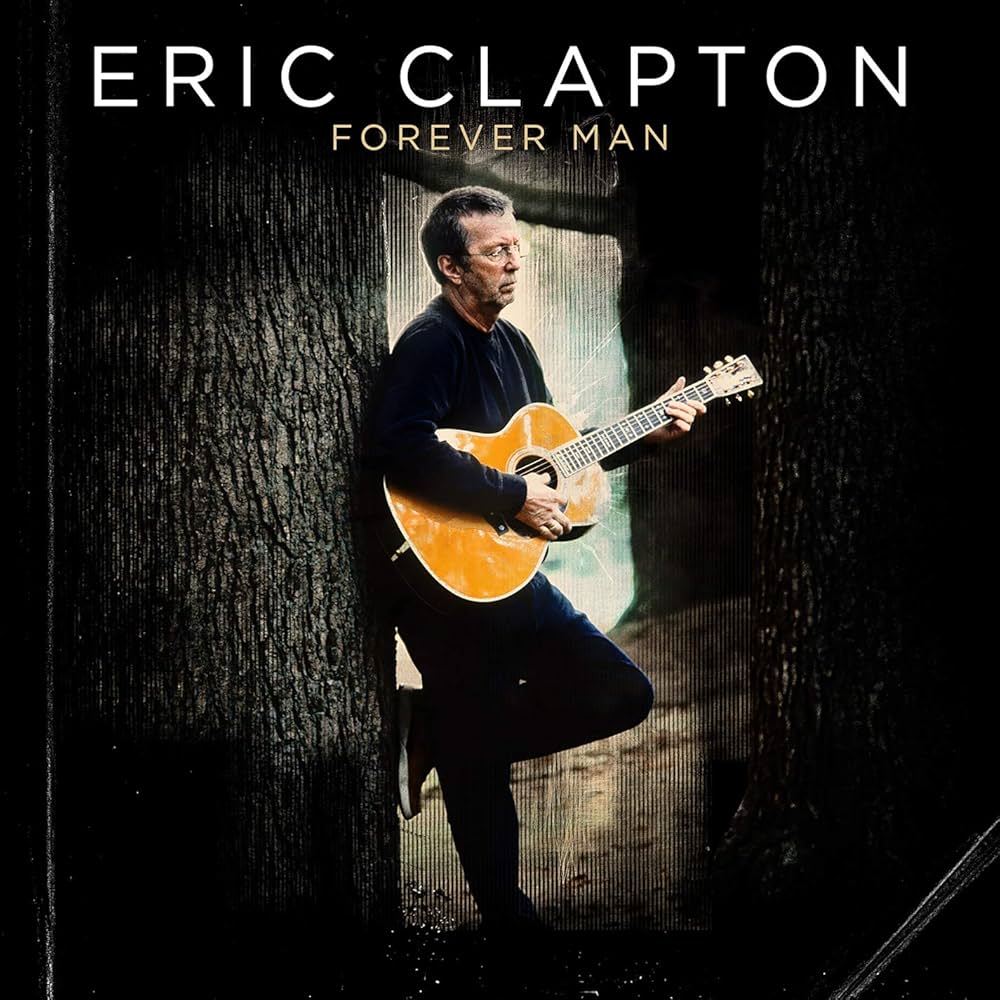
“Forever Man,” Eric Clapton, 1985
Clapton signed a new record deal with Warner Brothers in 1985, but it didn’t start out too well. When he submitted the recordings of his latest songs, the label resisted, saying they didn’t hear any potential hit singles. They insisted he record three additional songs, all by songwriter Jerry Lynn Williams, who had also written material for Bonnie Raitt, Robert Plant and Stevie Ray Vaughan. One of those was “Forever Man,” which turned out to be a #26 hit on US pop charts that year. It’s got a solid poop/rock beat, a textbook Clapton solo midway through, and a spirited lead vocal, singing lyrics about a guy who hopes his undying love will be met with similar permanent feelings from his lady: “How many times must I say I love you before you finally understand? /Won’t you be my forever woman? I will try to be your forever man…”
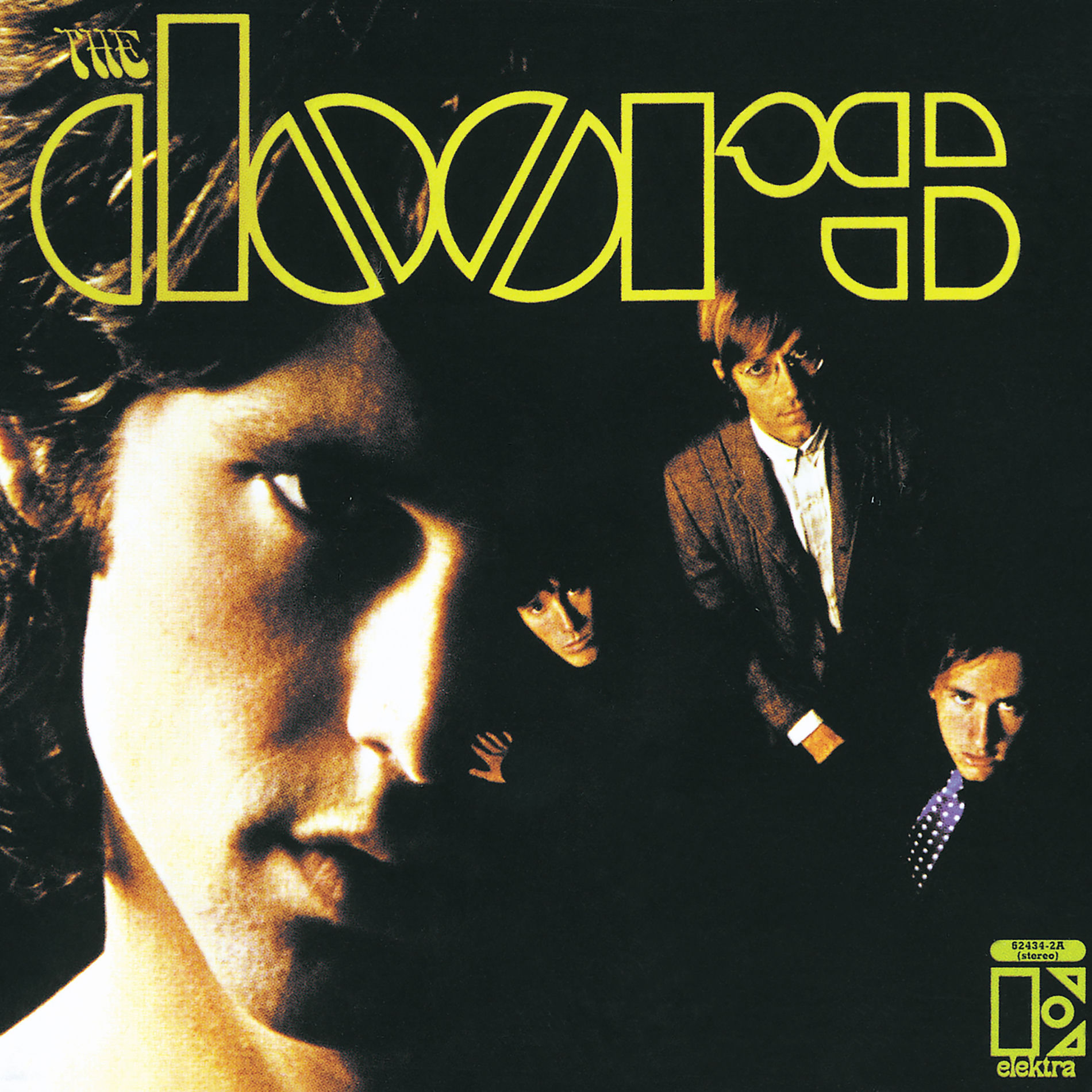
“Back Door Man,” The Doors, 1967
Willie Dixon and Howlin’ Wolf, two blues titans from the Mississippi delta, co-wrote this provocative tune in 1960, the year Howlin’ Wolf first recorded it. In the South, the term “back-door man” referred to a man having a tryst with a married woman, using the back door to escape before her husband catches them in the act. In 1966, Robby Krieger, guitarist for The Doors, heard a blues rock adaptation of the song by John Hammond Jr. and thought it would be a perfect song for the band (and especially Jim Morrison) to cover, and they ended up including a convincing rendition on their explosive 1967 debut LP. Drummer John Densmore called the track “deeply sexual and powerful.” “Hey, all you people that tryin’ to sleep, I’m out to make it with my midnight creep, yeah, /’Cause I’m a back door man, I’m a back door man, /The men don’t know, but the little girls understand…”
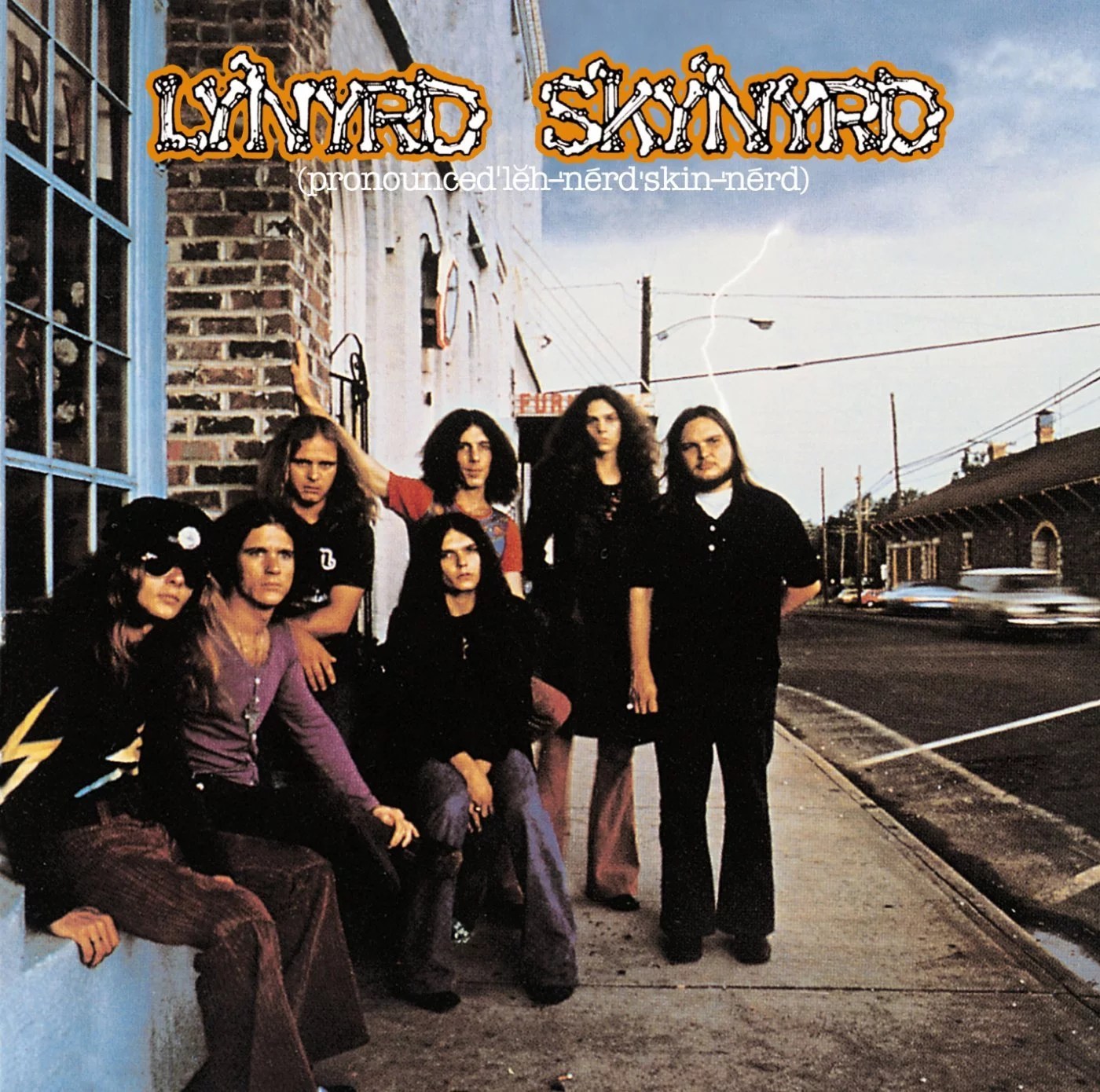
“Simple Man,” Lynyrd Skynyrd, 1973
As “Southern rock” became a thing in the early and mid-1970s, Jacksonville-based Lynyrd Skynyrd became enormously popular with Ronnie Van Zant’s soulful vocal delivery and the band’s three-guitar attack that rallied their growing legion of fans. While the rebel anthem “Sweet Home Alabama” and FM radio warhorse “Free Bird” got the lion’s share of attention, there were at least a dozen other tracks that have remained popular even a half-century later. One of those is “Simple Man,” a Van Zant composition from their audacious 1973 debut LP “Pronounced ‘Lěh-‘nérd ‘Skin-‘nérd.” Inspired by the death of Van Zant’s grandmother, it concerns a mother talking to her child about what’s truly important: “Forget your lust for the rich man’s gold, all that you need is in your soul, /Boy, don’t you worry, you’ll find yourself, follow your heart and nothing else, /And you can do this, oh baby, if you try, All that I want for you, my son, is to be satisfied, /And be a simple kind of man, oh, be something you love and understand…”
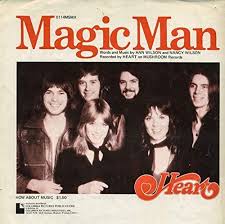
“Magic Man,” Heart, 1976
Ann and Nancy Wilson were the powerhouse singer-songwriter sisters who founded Heart, the Seattle-based band that led the way for women to front rock groups. Among the songs they wrote in the late ’70s that established Heart as a hard-rock force to be reckoned with were “Crazy On You,” “Barracuda” and the autobiographical “Magic Man” (which reached #9 in the autumn of 1976). The lyrics of the latter track are sung from the point of view of a young woman being pursued by a much older man, much to the chagrin of her mother. Ann Wilson later revealed that the song was about her then-manager Michael Fisher, who wanted to turn their relationship from business to personal, and she tried to reassure her mom that he was truly special: “Mama says she’s worried I’m growing up in a hurry, yeah, /’Come on home, girl,’ mama cried on the phone, ‘Too soon to lose my baby yet, my girl should be at home!’ /’But try to understand, try to understand, try try try to understand he’s a magic man, mama…”
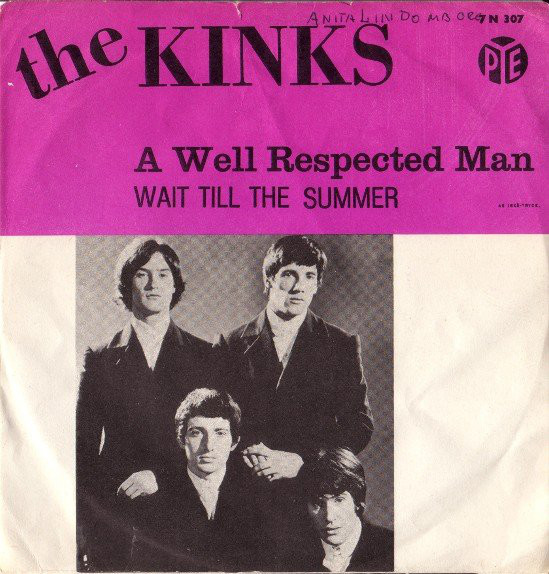
“A Well Respected Man,” The Kinks, 1966
Kinks frontman Ray Davies had a negative experience at a luxury resort in England in 1965, where the upper-class guests surreptitiously made fun of him by coaxing him to join therm for a golf game, all the while belittling his rock star persona and working-class background. “I took an instant dislike to them because they drew me in and pretended to make me one of them, but they were laughing at me behind my back,” Davies said. He came home and wrote “A Well Respected Man,” a scathing parody of these snobby elites, and it reached #13 in the US. “It was one of my first attempts at using words to say more than just “You Really Got Me” and so forth.” “And he plays at stocks and shares, and he goes to the regatta, /And he adores the girl next door ’cause he’s dying to get at her, /’Cause he’s oh so good, and he’s oh so fine, /And he’s oh so healthy in his body and his mind, /He’s a well-respected man about town, doing the best things so conservatively…”
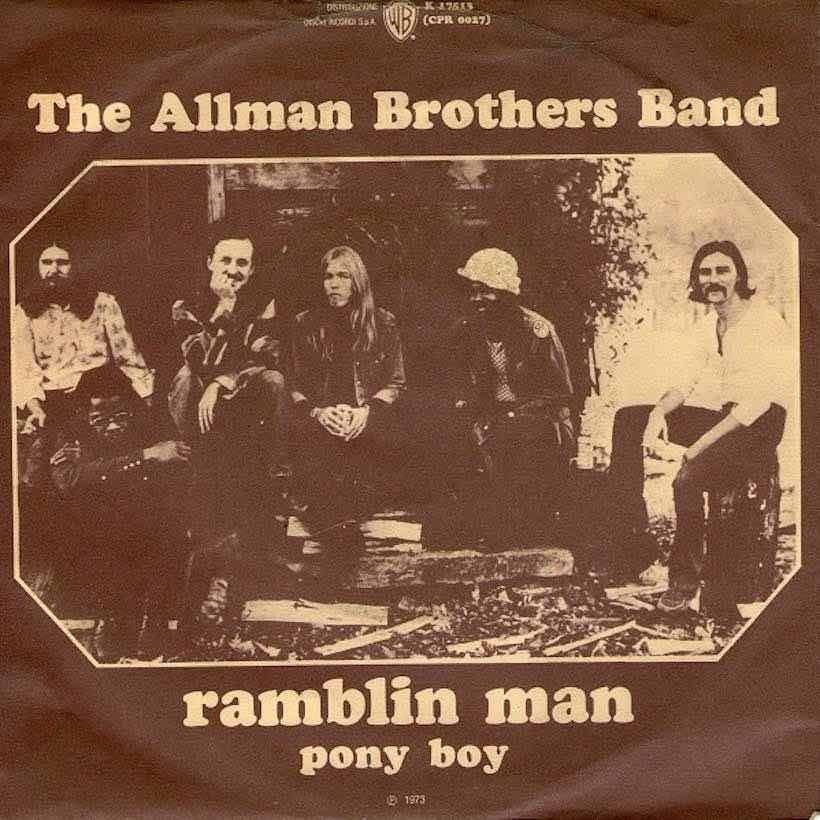
“Ramblin’ Man,” Allman Brothers Band, 1973
After the untimely, tragic death of Duane Allman, the burden of leadership of The Allman Brothers Band fell on second guitarist Dickey Betts when Gregg Allman simply couldn’t handle the stress. Betts had been steeped more in country and bluegrass than blues and rock ‘n’ roll, and it showed up in the songs he was writing. One in particular, “Ramblin’ Man,” seemed so overtly country to his bandmates that they at first resisted recording it, but they were eventually persuaded, and it went on to become one of their signature tunes, thanks to the dual guitar solos between Betts and guest guitarist Les Dudek that closed the track. Betts said he was inspired by the memory of his father taking him on a long bus ride when he was very young. “I was born in the back seat of a Greyhound bus rollin’ down highway 41, /Lord, I was born a ramblin’ man, tryin’ to make a livin’ and doin’ the best I can, /And when it’s time for leavin’, I hope you’ll understand that I was born a ramblin’ man…”
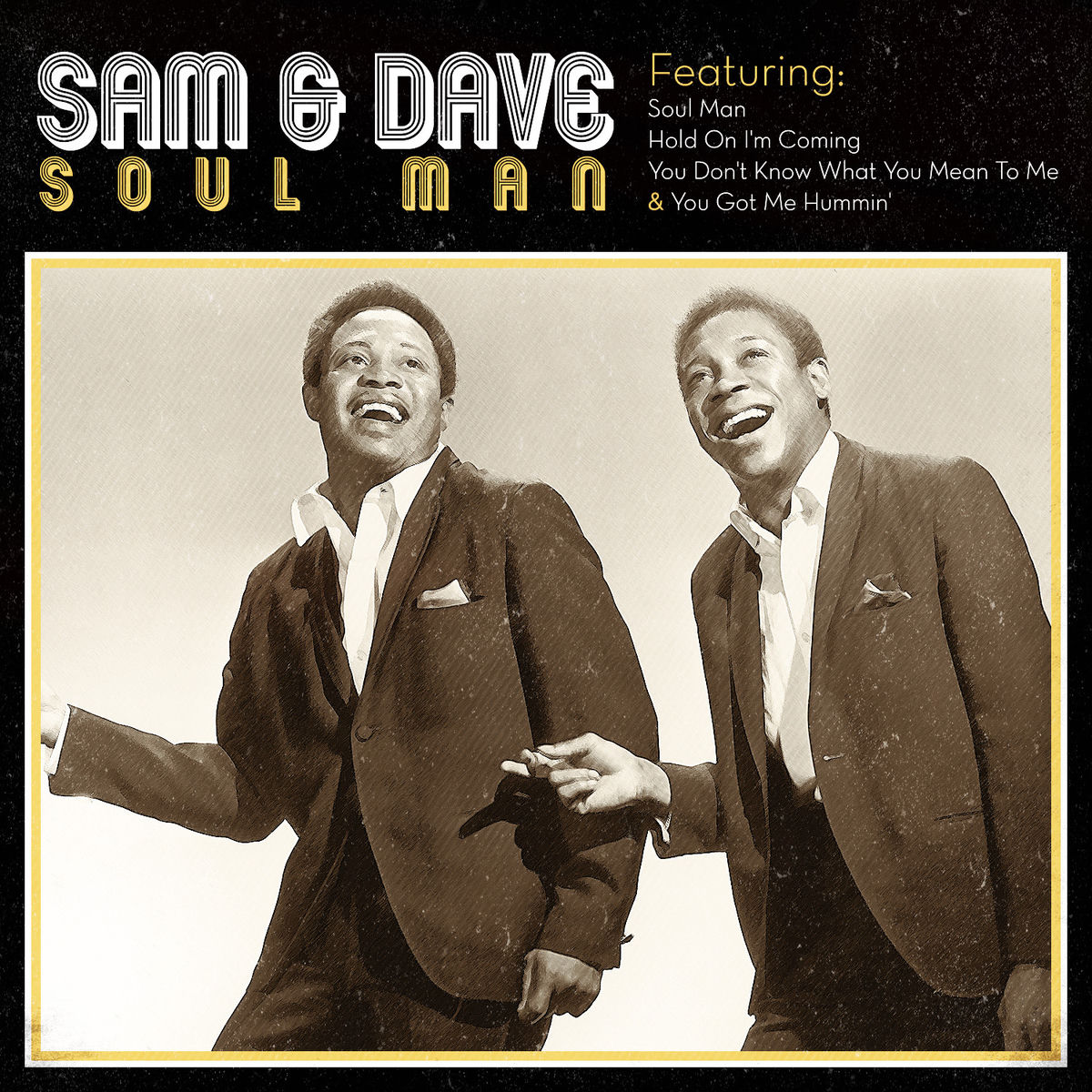
“Soul Man,” Sam & Dave, 1967
The great Isaac Hayes and his songwriter/producer partner David Porter at Stax Records wrote this song in 1966 after reading about the urban riots that plagued a few American cities that summer. “If you listen to the words, you’ll realize it’s about the black man’s struggle to riser above his present conditions,” said Hayes. “It boasts, ‘I’m a soul man.’ It’s a pride thing.” It became a big hit twice, first for the Stax duo Sam & Dave, reaching #2 in 1967, and again in 1979 when John Belushi and Dan Aykroyd and their Blues Brothers soul tribute band reached #14 on US pop charts. “Gots what I got the hard way, and I’ll make it better each and every day, /So honey, don’t you fret, ’cause you ain’t seen nothin’ yet, /I’m a soul man, oh Lord, I’m a soul man…”
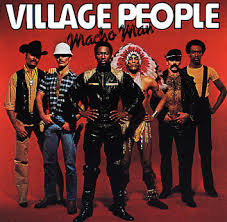
“Macho Man,” Village People, 1978
Two French music producers named Jacques Morali and Henri Bellolo wanted to capitalize on the disco music craze that was building in gay and ethnic dance clubs in New York City. They decided to make their endeavor fun and campy, running an ad in theater trade magazines that said “Macho Types Wanted: Must Dance and Have a Moustache.” They hand-picked actor-dancers to play stage characters who symbolized masculine gay-fantasy personas: cop, cowboy, construction worker, American Indian, GI, leather-clad. “Macho Man” became their first hit (#25 on pop charts, #4 on dance club charts), followed by “In the Navy” and the still-popular “Y.M.C.A.” There’s a pre-MTV music video that exists showing the characters working out and dancing in a gym. “Every man wants to be a macho man, to have the kind of body always in demand, /Jogging in the mornings, go man go, workouts in the health spa, muscles grow, /You can best believe me, he’s a macho man…”
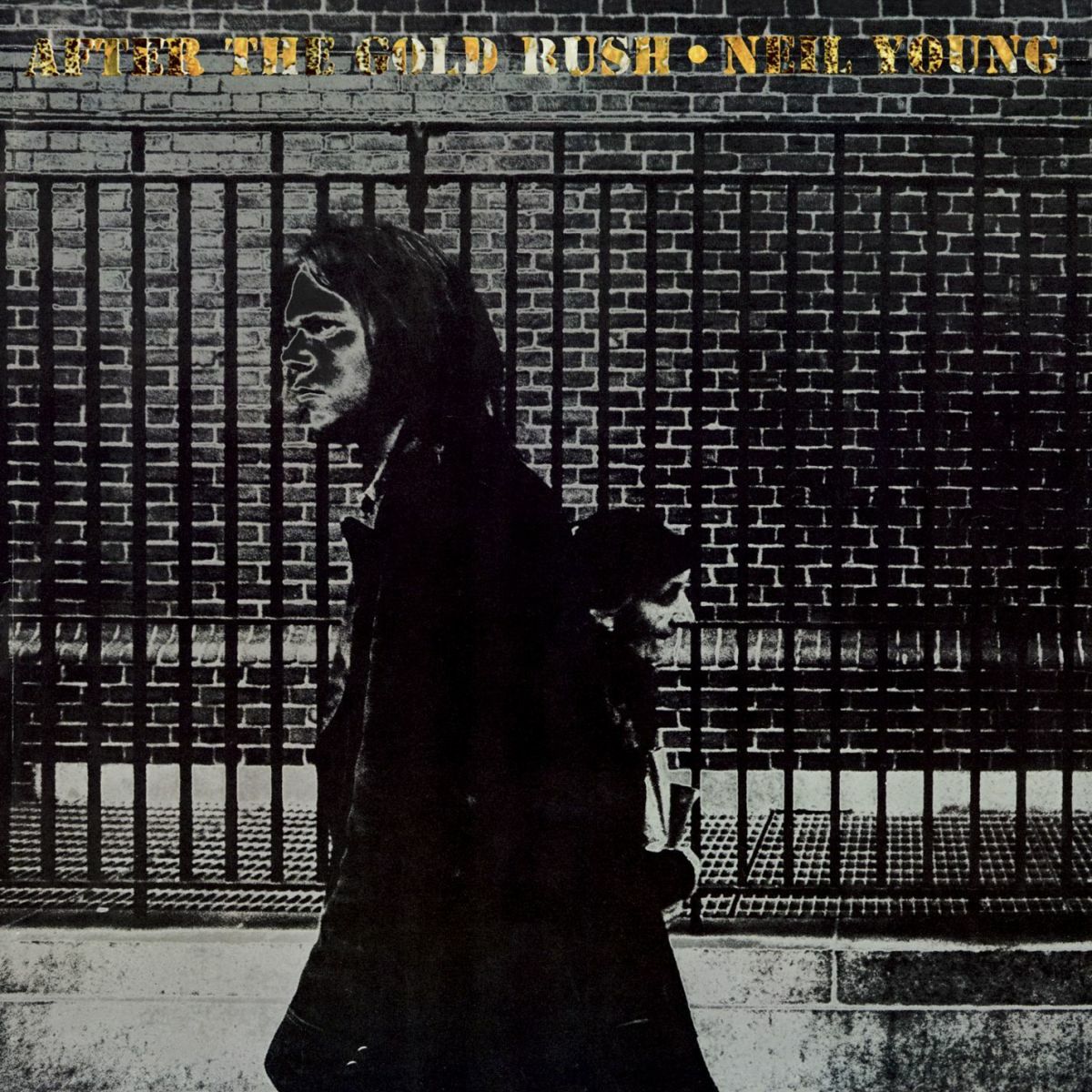
“Southern Man,” Neil Young, 1970
A Canadian by birth, Young has lived most of his life in the U.S. and has traveled extensively through its regions. In his early days, he recalled being outraged by stories from history of violent racial injustice in the South, and one night after seeing the segregation first hand in a Mississippi town, he was motivated to write “Southern Man,” an angry rocker that tells the story of a white plantation owner and his black slaves, wondering if amends would ever be made for their mistreatment. The song appeared on Young’s “After the Gold Rush” LP and again in an extended version on Crosby, Stills, Nash & Young’s live “Four-Way Street” album. “I saw cotton and I saw black, tall white mansions and little shacks, /Southern man, when will you pay them back? /I heard screaming and bullwhips cracking, /How long? How long?…”
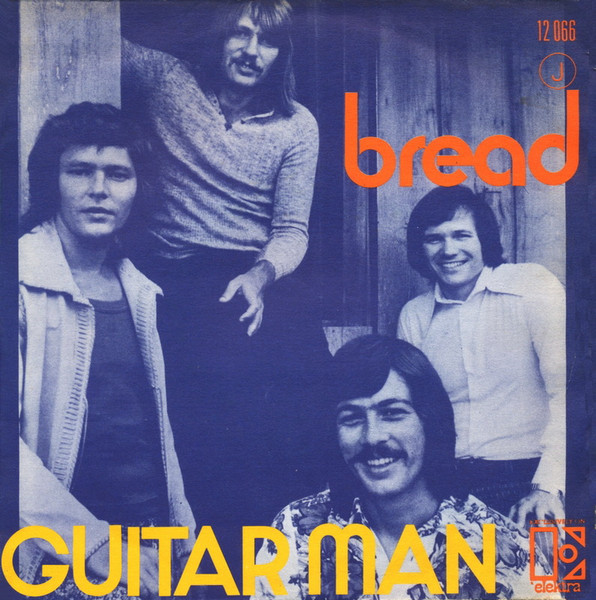
“The Guitar Man,” Bread, 1972
Men who make their living playing music on tour in bands will tell you it’s not always as fun and exotic as it’s cracked up to be. That’s what David Gates, chief songwriter and singer of Bread, was driving at when he wrote “The Guitar Man.” Lyrically, it’s a kind of psychological exploration of how the life of a traveling musician can often be quite lonely, highlighting how art connects the listening audience while leaving the artist isolated in his transient existence. It’s actually keyboardist Larry Knechtel who provided the wah-wah electric guitar solo that symbolizes the title of the song, which reached #11 in 1972: “Something keeps him moving, but no one seems to know what it is that makes him go, /Then the lights begin to flicker and the sound is getting dim, /The voice begins to falter, and the crowds are getting thin, /But he never seems to notice, he’s just got to find another place to play…”
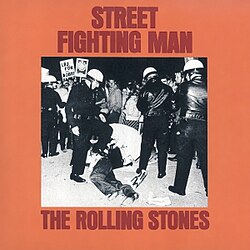
“Street Fighting Man,” Rolling Stones, 1968
Anti-war protests, assassinations and general unrest in numerous countries made 1968 a milestone year in world politics, and popular songwriters took notice. At the same time John Lennon was writing “Revolution” for The Beatles, Mick Jagger was writing a new set of lyrics for a completed Rolling Stones tune, changing it from “Did Everyone Pay Their Dues?” to “Street Fighting Man.” Jagger was specifically inspired by demonstrations in France and the U.S., and he found it strange that there were no such uprisings in his native England that summer: “Hey, think the time is right for a palace revolution, /But where I live, the game to play is compromise solution, /Well now, what can a poor boy do ‘cept to sing for a rock n’ roll band? /’Cause in sleepy London town, there’s just no place for a street fighting man…”
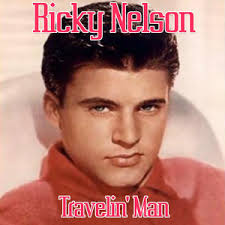
“Travelin’ Man,” Rick Nelson, 1961
This warm, accessible tune by songwriter Jerry Fuller became a huge #1 hit for teen idol Rick(y) Nelson in 1961. Because it details the loves of a world traveler with an eye for beautiful women, it may seem a bit frivolous and anachronistic now, but Fuller said in recent years, “It was one of those ‘a girl in every port’ songs, and it struck a big chord at the time.” The women in each locale are referenced by a word or phrase associated with the location: a “pretty señorita” in Mexico, a “China doll” in Hong Kong, a “sweet fräulein” in Berlin, a “cute little Eskimo” in Alaska, a “pretty Polynesian baby” in Hawaii. “I’m a travelin’ man, made a lot of stops all over the world, /And in every port I own the heart of at least one lovely girl…”
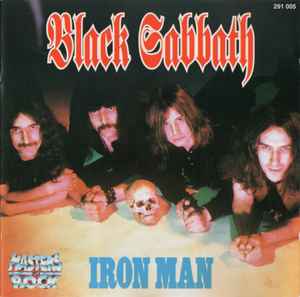
“Iron Man,” Black Sabbath, 1970
For their second LP, Black Sabbath’s bass player Geezer Butler wrote a heavy metal song with a science fiction theme. “Iron Man” (no relation to the Marvel Comics character) tells the story of a man who travels into the future and witnesses an apocalypse, but in the process of returning to the present day to warn the human race, he is turned into iron as he passes through a magnetic field and is subsequently ridiculed and ignored by the people he intended to save. Feeling resentful, Iron Man retaliates by actually causing the destruction seen in his vision. It became a cautionary tale and a hard rock anthem: “He was turned to steel in the great magnetic field when he traveled time for the future of mankind, /Nobody wants him, he just stares at the world, /Planning his vengeance that he will soon unfurl…”
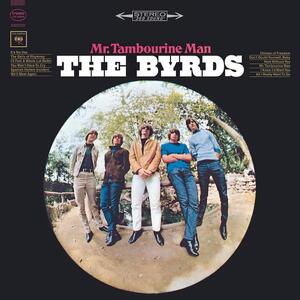
“Mr. Tambourine Man,” The Byrds, 1965
This landmark song was conceived during a cross-country trip Bob Dylan took in 1964, including a stop in New Orleans during Mardi Gras. Its four verses full of vivid imagery were written over a period of months before being recorded by Dylan in early 1965. The narrator, dazed from a sleepless night, nonetheless finds comfort in the song being played by the tambourine-and-guitar artist outside his window. Some have interpreted the tambourine man as a metaphor for a deity or muse the narrator wishes to follow. Dylan’s original, which appeared on his “Bringing It All Back Home” LP, never charted, but the rearranged, heavily edited cover version by The Byrds, released only weeks later, peaked at #1 on US pop charts as the opening salvo in the new “folk rock” genre. “I’m ready to go anywhere, I’m ready for to fade unto my own parade, /Cast your dancing spell my way, I promise to go under it, /Hey, Mr. Tambourine Man, play a song for me, in the jingle-jangle morning, I’ll come followin’ you…”
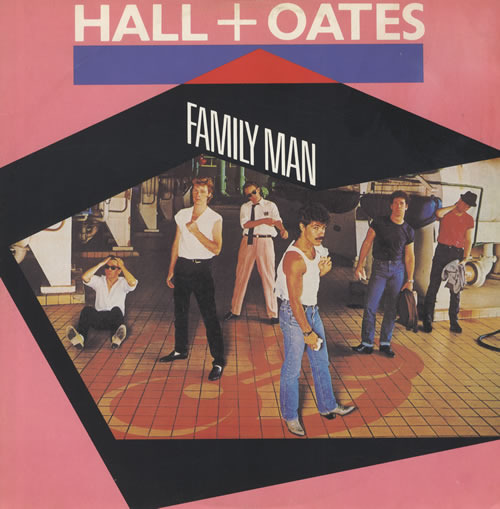
“Family Man,” Hall and Oates, 1982
This tune was written and first recorded by British recording artist Mike Oldfield, who enjoyed a long career in the UK but was known in the US only for his 1973 “Tubular Bells” LP. When Daryl Hall heard Oldfield’s duet with singer Maggie Reilly, “I could tell it was a song that had potential,” he said. “I was looking for a different sound on the album we were doing (‘H2O’), and I thought, “Nobody in the States is ever going to hear this song if we don’t record it.'” It’s about a chance meeting between a prostitute and a married man who is tempted, but insists he is not interested. This just makes her more determined, so she lowers her price and flirts, but he again turns her away. “She wore hurt surprise as she rechecked her make-up to protect herself, /Dropped her price and pride, she made it totally clear that she was his for a night, /But he said, ‘Leave me alone, I’m a family man, and my bark is much worse than my bite,’ /He said, ‘Leave me alone, I’m a family man, if you push me too far, I just might’…”
******************************
Honorable mention:
“I’m a Man,” Spencer Davis Group, 1967; “Simple Man,” Graham Nash, 1971; “Better Man,” Pearl Jam, 1993; “Lonely Man,” Elvis Presley, 1968; “Cautious Man,” Bruce Springsteen, 1987; “Miracle Man,” Elvis Costello, 1977; “Secret Agent Man,” Johnny Rivers, 1966; “Melancholy Man,” The Moody Blues, 1970; “Fat Man,” Jethro Tull, 1969; “Piano Man,” Billy Joel, 1973; “Last Year’s Man,” Leonard Cohen, 1971; “Medicine Man,” Michael Murphy, 1975; “Sharp Dressed Man,” ZZ Top, 1983; “21st Century Schizoid Man,” King Crimson, 1969; “What a Man,” Lynda Lindell, 1968; “Son of a Preacher Man,” Dusty Springfield, 1966; “A Most Peculiar Man,” Simon and Garfunkel, 1966; “You’re a Sweet Sweet Man,” Aretha Franklin, 1968; “Brown Eyed Handsome Man,” Chuck Berry, 1957; “Music Man,” Doobie Brothers, 1975; “Third World Man,” Steely Dan, 1980; “Ladies Man,” Joni Mitchell, 1982; “Running Man,” Al Stewart, 1980; “Handy Man,” James Taylor, 1977; “For Everyman,” Jackson Browne, 1973.
*******************************

