The autumn moon lights my way
Of the four seasons, I think autumn elicits the widest range of emotions. Many people I know proudly claim fall as their favorite. The air gets slightly cooler and crisper, the trees turn into dazzling displays of color, festive sports events (games and tailgate parties) are everywhere, Halloween is looming, and thoughts invariably turn to serene or wistful reflection.
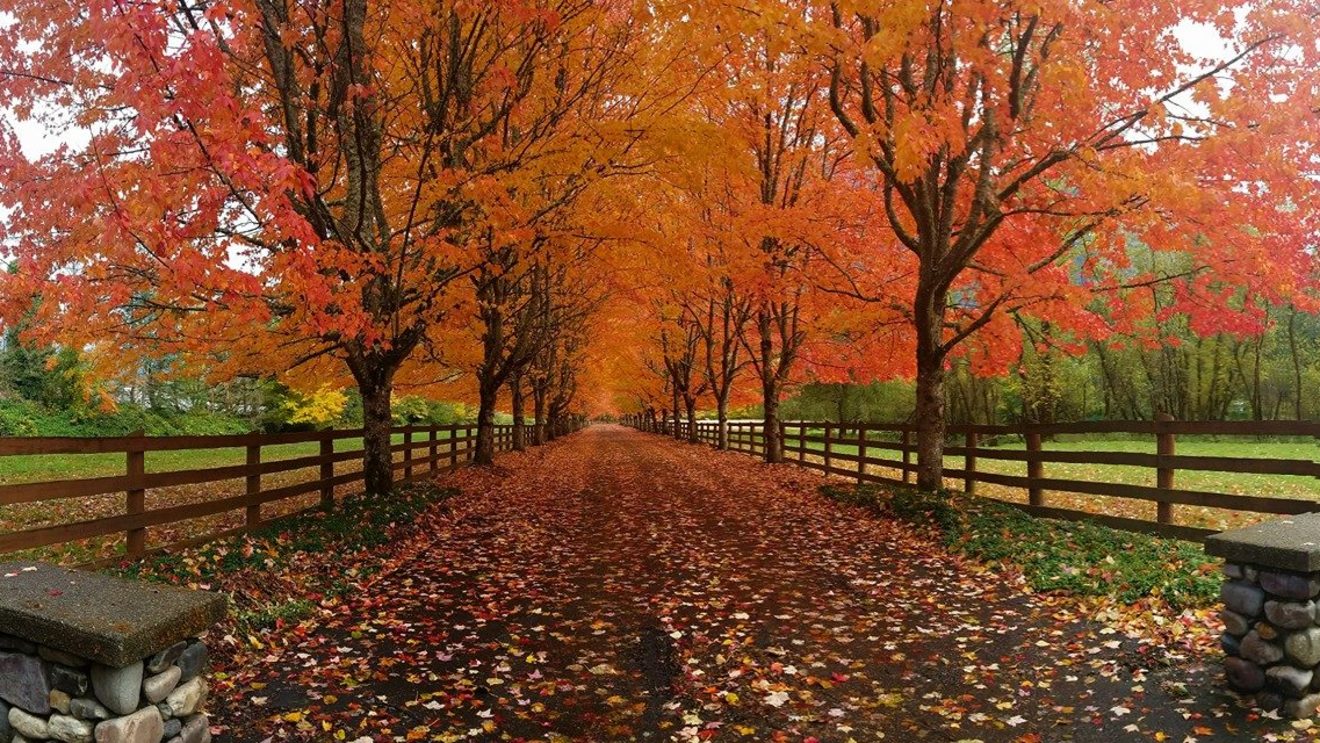
As is so often the case, music has an uncanny way of crystallizing our thoughts, capturing the mood of the moment. As autumn takes hold, I’d like to take a look at a handful of pretty great songs that explore the many feelings of this multifaceted season.
In my search for songs about autumn, I found the pickings remarkably slim, at least in the rock music genre. In the ’40s and ’50s, many torch songs about the sadness of autumn were written, and several gems have emerged in more recent years that are worth celebrating. So I’ve chosen to feature some of them here, even if they don’t strictly adhere to my blog’s usual 1960s-1970s-1980s focus. I’m bargaining that you won’t mind.
Here’s my diverse list of 20 songs of autumn, with a Spotify playlist at the end for listening along.
**************
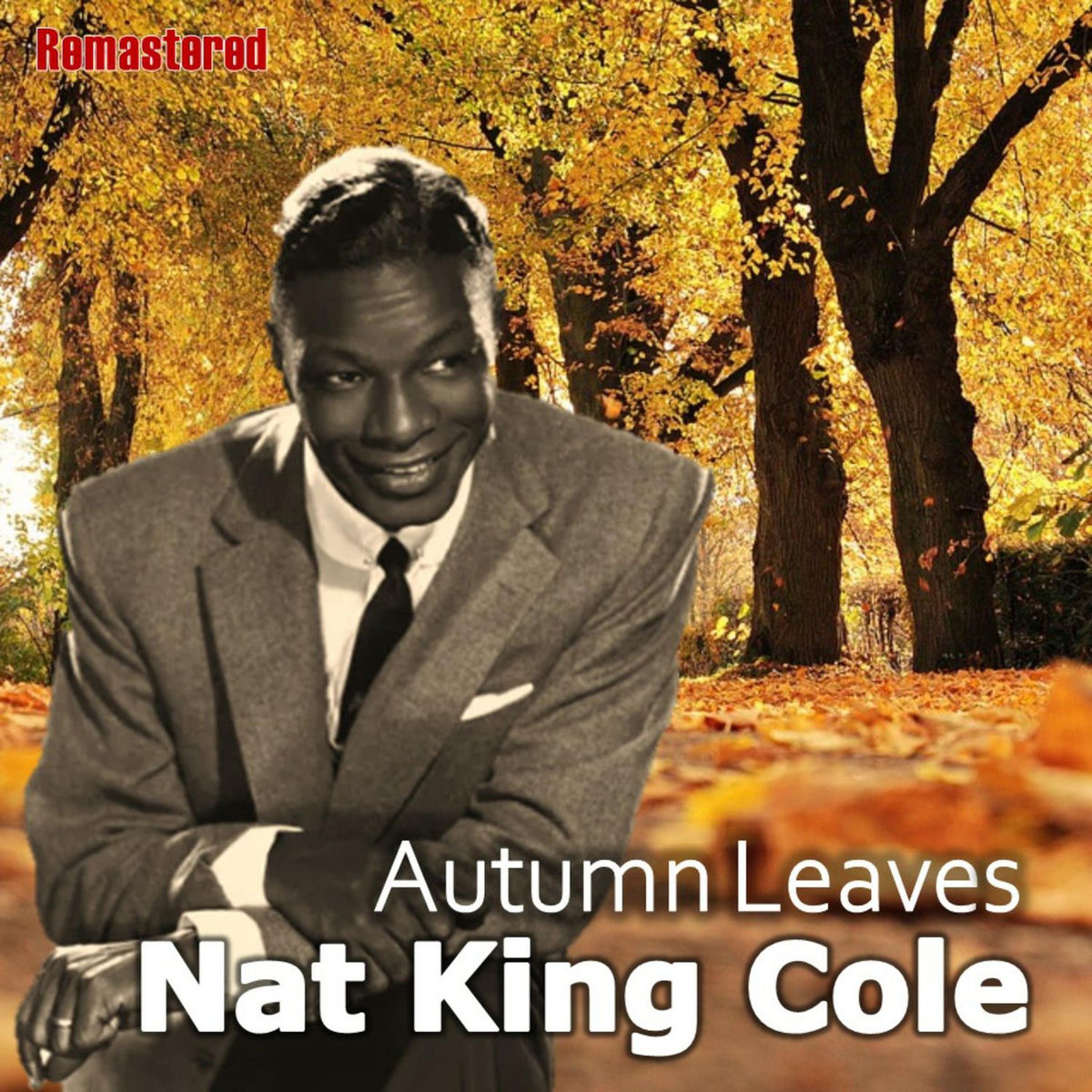
“Autumn Leaves,” Nat King Cole, 1956
This timeless song from the mid-1940s has been recorded by dozens of pop vocalists and jazz instrumentalists, from Frank Sinatra to Cannonball Adderley, from The Everly Brothers to Barbra Streisand, from Eric Clapton to Rickie Lee Jones. I keep coming back to Nat King Cole’s stunning rendition from 1956, which was so popular that the film in which it was used over the opening credits (The Way We Are”) was actually re-titled “Autumn Leaves” because of it. It’s a quintessentially melancholy song about lost love and how autumn can bring back painful memories: “The falling leaves drift by my window, the autumn leaves of red and gold… Since you went away, the days grow long, and soon I’ll hear old winter’s song, but I miss you most of all, my darling, when autumn leaves start to fall…”
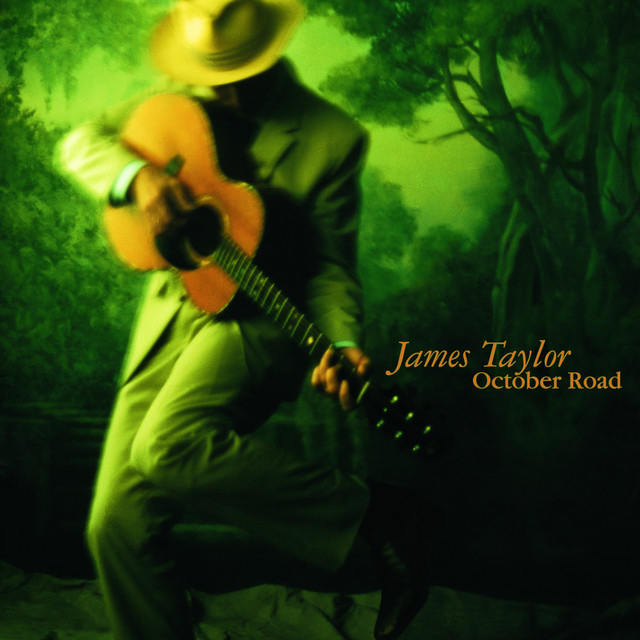
“September Grass,” James Taylor, 2002
One of the best songwriters of the late 20th Century seemed to be running out of gas when he released “October Road” in 2002, a collection of merely average songs instead of the usual high-quality Taylor tunes. Indeed, one of the standout tracks turned out to be John Shelton’s “September Grass,” the only non-original on the LP. Wonderful lyric, pretty melody, altogether perfect for this “Songs of Autumn” playlist: “Well, the sun’s not so hot in the sky today, and you know I can see summertime slipping on away, a few more geese are gone, a few more leaves turning red, but the grass is as soft as a feather in a feather bed, won’t you lie down here right now in this September grass?…”
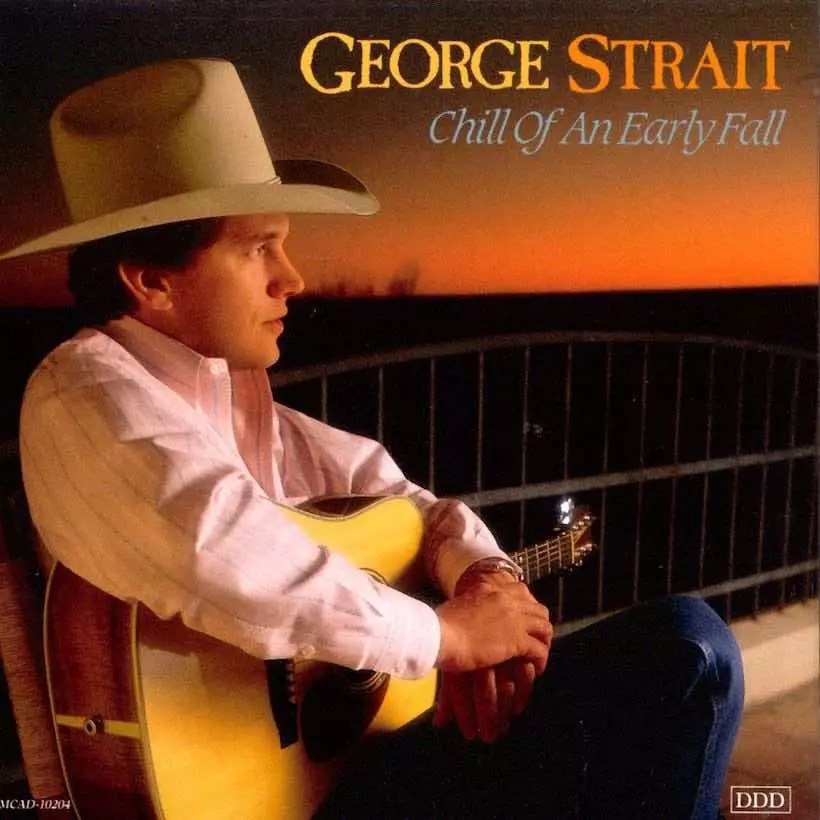
“The Chill of an Early Fall,” George Strait, 1991
Country songwriters Green Daniel and Gretchen Peters teamed up to write this heartbreaker about a person whose lover has cheated in the past, and a former lover who has suddenly come around again to upset the balance. In 1991, George Strait made the song on the title track on his 11th LP, reaching #3 on country charts that year. It might be reasonable to ask, why does this kind of thing always seem to happen in autumn? “Here it comes again, that same old chilly wind will blow like a cold winter squall, and I’ll begin to feel the chill of an early fall, and I’ll be drinking again, and thinking whenever he calls, there’s a storm coming on…”
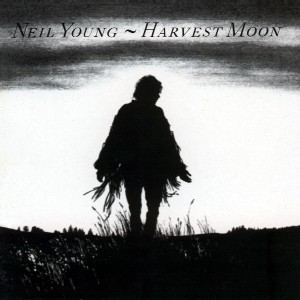
“Harvest Moon,” Neil Young, 1992
Young has been something of a chameleon in his lengthy musical career, varying wildly from dissonant grunge (“Rockin’ in the Free World”) to gentle acoustic ballads (“After the Gold Rush”). He rarely leans toward the sentimental side of things, but in 1992 — twenty years after releasing his #1 LP “Harvest” — he came up with “Harvest Moon,” perhaps his most marvelous, delicate love song. It’s a perfect choice for a cool autumn evening: “There’s a full moon rising, let’s go dancing in the light, we know where the music’s playing, let’s go out and feel the night, because I’m still in love with you, I want to see you dance again, because I’m still in love with you, on this harvest moon…”
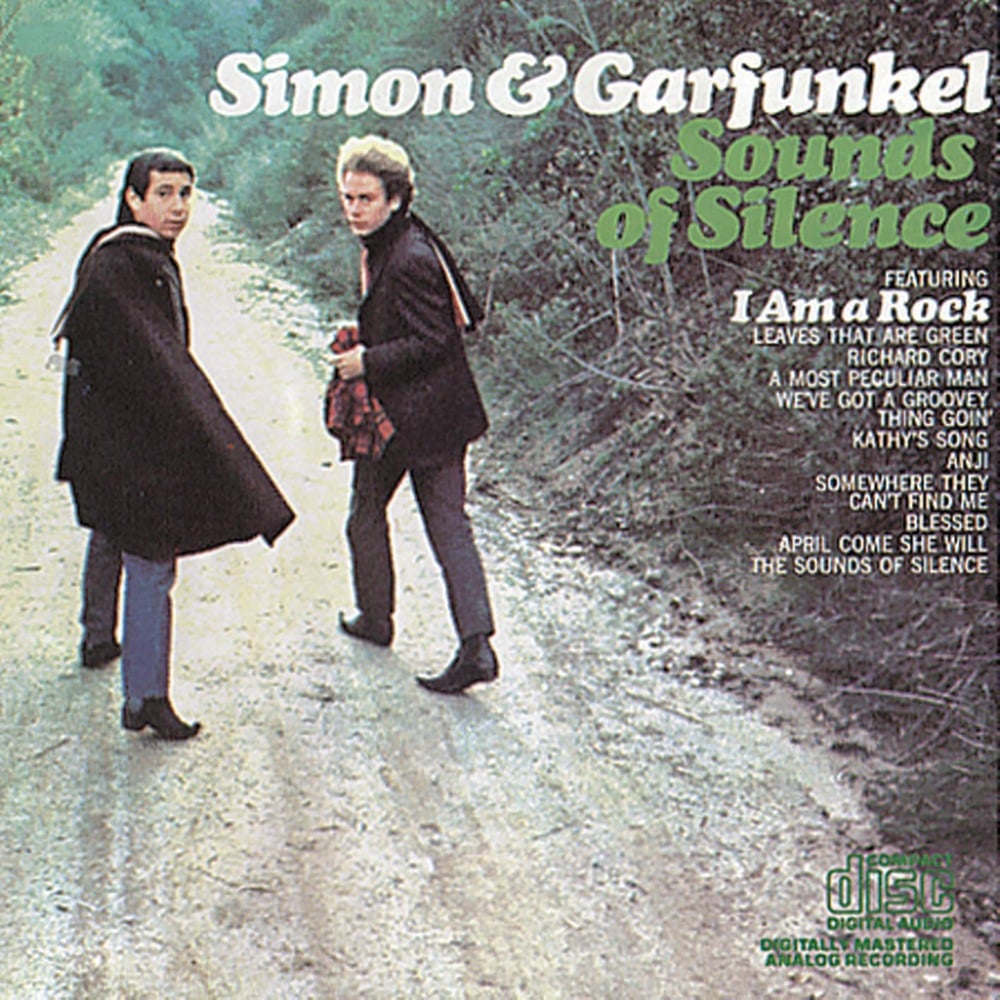
“Leaves That Are Green,” Simon and Garfunkel, 1966
In the early days, Paul Simon’s lyrics were steeped in angst and sadness, painted in isolation (“I Am a Rock”), homesickness (“Homeward Bound”) and quietude (“The Sound of Silence”). And yet, his songs offer achingly beautiful melodies, shimmering harmonies and an undefinable sense of hopefulness. Witness “Leaves That Are Green,” with lyrics that wistfully remind us how all those gorgeous leaves turn brown and die, but sung to a lilting beat with optimistic bounce. That takes a rare talent, as we have seen in Simon’s 60+ years of songwriting: “Time hurries on, and the leaves that are green turn to brown, and they wither with the wind, and they crumble in your hand…”
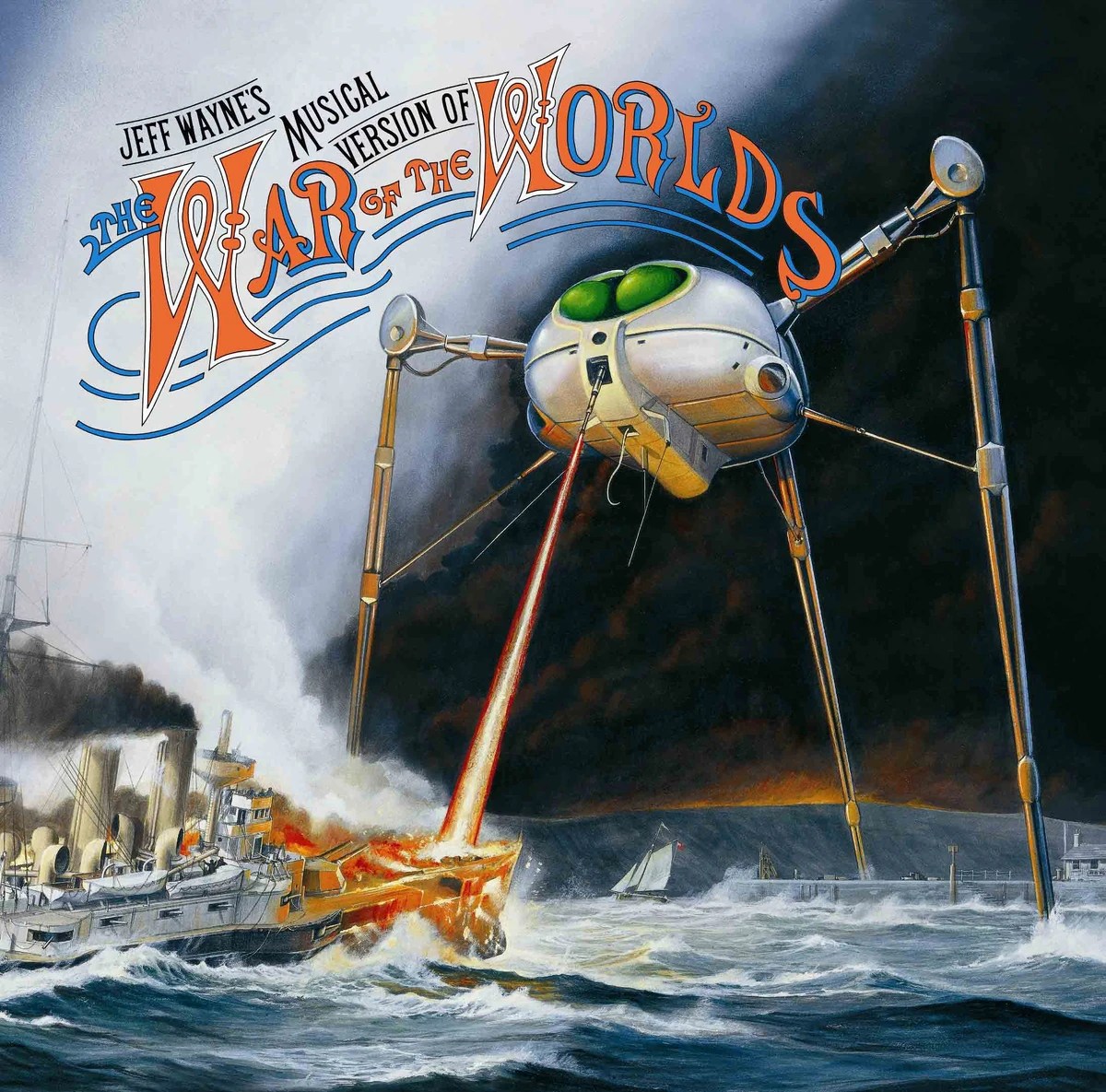
“Forever Autumn,” Justin Hayward, 1978
Incredibly, this melody was first written as a jingle for a Legos commercial in 1969. Jeff Wayne and Gary Osbourne then added lyrics and released it as a single in 1972, which was a hit in Japan but nowhere else. Wayne tried again in 1978 as he was compiling the soundtrack for his “Musical Version of War of the Worlds,” and his dream was to have “the voice that sang ‘Nights in White Satin’ sing it.” His wish was granted when Justin Hayward stepped up, and the result was a #5 hit in the UK (although only #47 in the US). “Through autumn’s golden gown, we used to kick our way, you always loved this time of year, those fallen leaves lie undisturbed now, ’cause you’re not here…”
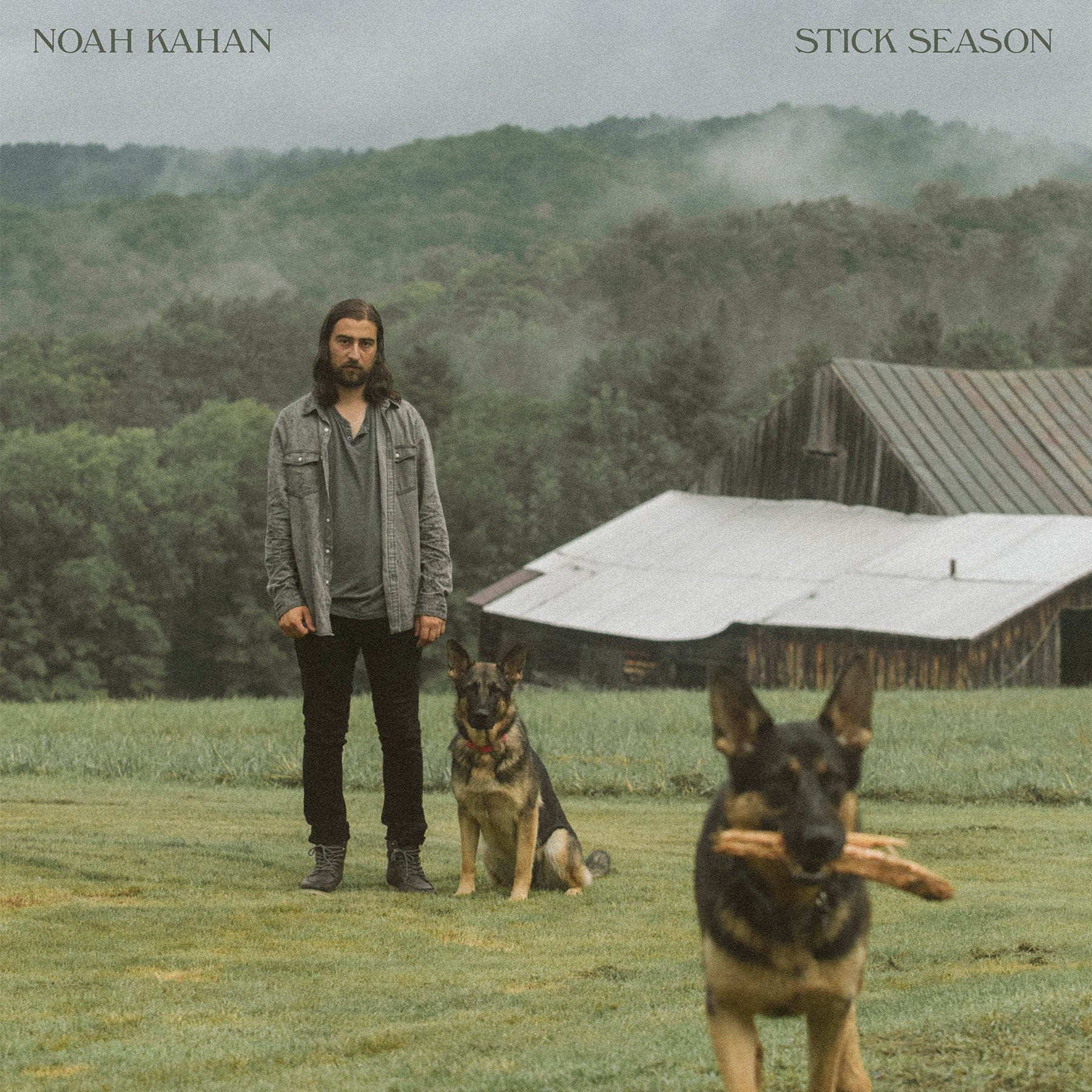
“Stick Season,” Noah Kahan, 2022
Kahan, who started writing songs at age 8, broke out in 2017 with “Hurt Somebody” at age 20, and has recently graduated to headlining a sold-out tour of stadiums in multiple countries. He’s a pensive singer-songwriter whose songs explore such life transitions as leaving home as a young adult, negotiating a pandemic, and getting help for mental health issues. He grew up on a tree farm in Vermont, the inspiration for his 2022 album and title song “Stick Season.” The phrase refers to a term for autumn in New England, for the period after Halloween before the winter snow begins. Said Khan, “It just means that winter is coming soon, which creates a lot of anxiety because nobody really likes it.” “And I love Vermont, but it’s the season of the sticks, /And I saw your mom, but she forgot that I exist…”
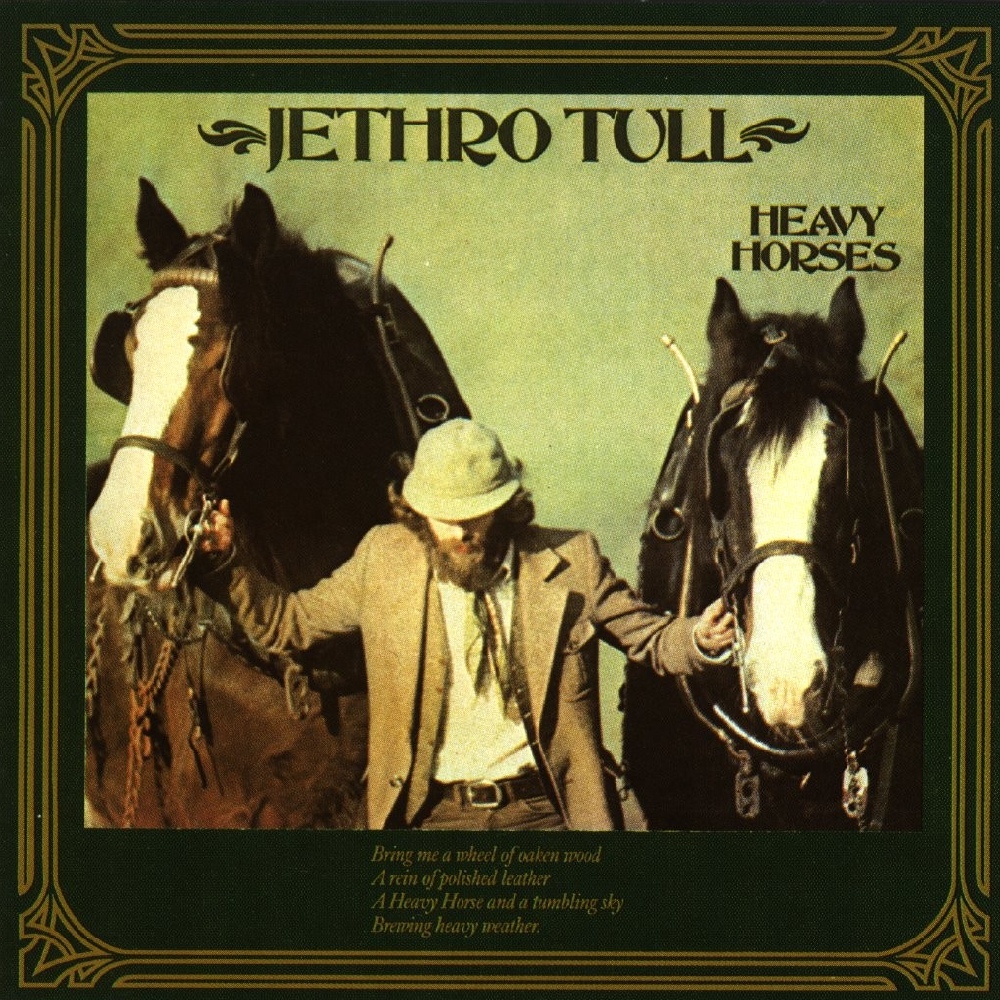
“Heavy Horses,” Jethro Tull, 1978
In 1976, Tull’s Ian Anderson bought himself a salmon-farming operation in his Scottish homeland, and began spending nearly half of his time settled into a more pastoral, agrarian lifestyle. This new pursuit became an inspiration for songs that showed a more organic bent, beginning with the band’s popular “Songs From the Wood” LP in 1977. Even better is the title track to his 1978 album “Heavy Horses,” a minor masterpiece that runs eight minutes on the album, but a later compilation LP trims it in half for a more concise edit. The lyrics succinctly describe the admirable work of the massive farm horses who have traditionally done the heavy lifting during the toil of harvest time each autumn: “Iron-clad feather feet pounding the dust, an October’s day towards evening… Bring me a wheel of oaken wood, a rein of polished leather, a heavy horse and a tumbling sky, brewing heavy weather…”
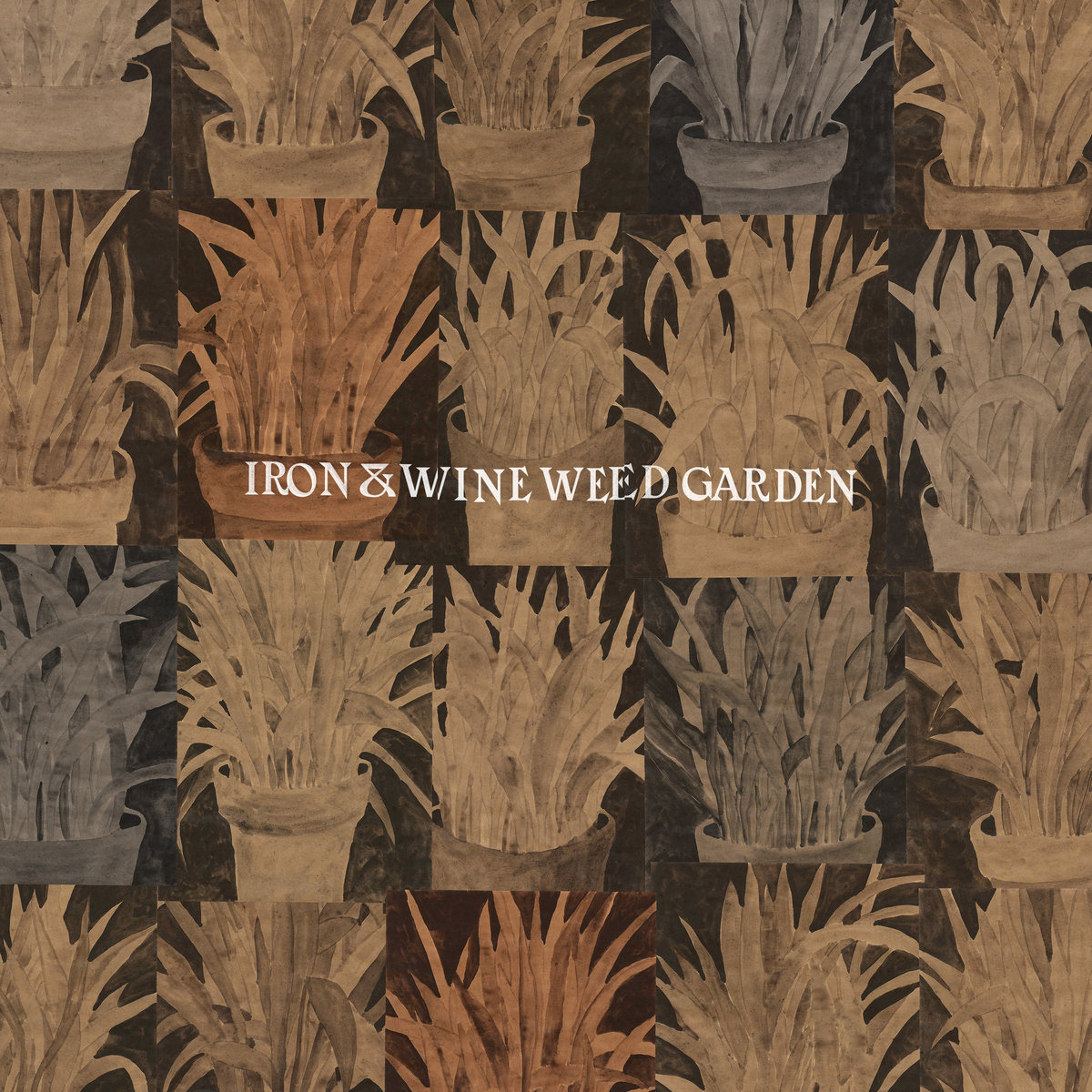
“Autumn Town Leaves,” Iron + Wine, 2018
Sam Beam is a 52-year-old filmmaker and professor from South Carolina who, at age 30, took on the stage name Iron + Wine (from a dietary supplement!) and began writing and recording music. Since 2002, he has released seven albums and four EPs of perceptive acoustic music, becoming something of a critics’ darling while building a modest fan base. On his EP “Weed Garden” in 2018, you’ll find the poignant “Autumn Town Leaves,” which merges spiritual and natural imagery: “In this autumn town where the lights can change, some get mercy and some get blamed, /Some get lost when they feel the river flowing, it’s all holy smoke and the flame dies fast…”
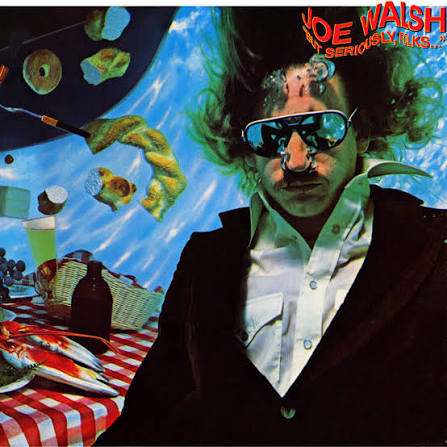
“Indian Summer,” Joe Walsh, 1978
You might not expect an exuberant rock star like Walsh to come up with comforting, melodic soft-rock tunes like this one, but if you examine his catalog (from his James Gang days through solo LPs and Eagles tracks), you’ll find quite a few. One of my favorites is this beauty from his 1978 commercially successful LP “But Seriously Folks,” which is better known for its humorous single “Life’s Been Good.” On “Indian Summer,” he focuses on the reflective nature of the months between summer and winter: “I was taken by surprise by the thunder, sat and stared out at the rain, taken back, I was younger in a vacant lot day, and then fall brought an Indian summer, and plenty of places to play…”
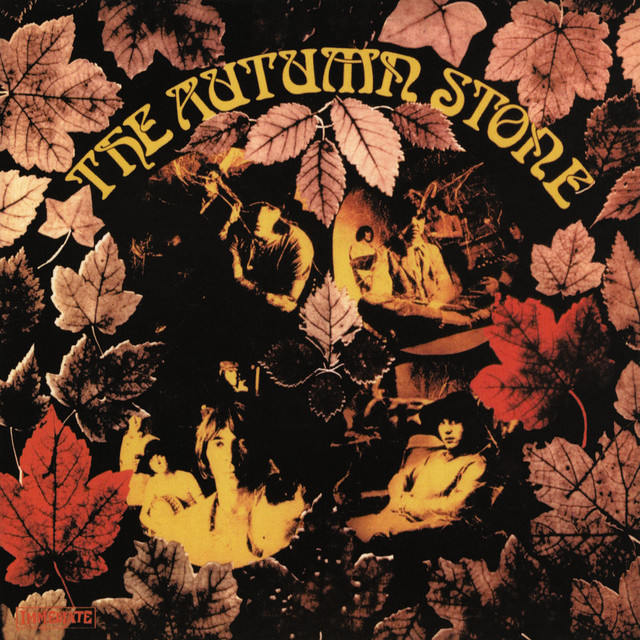
“The Autumn Stone,” Small Faces, 1969
Quite popular in their native England in 1965-68 but virtually unknown in the US except for the “Itchycoo Park” single, The Small Faces were led by guitarist/singer Steve Marriott, who eventually chose to hook up with Peter Frampton and form the more successful Humble Pie in 1969. This double album of odds and ends from previous sessions, plus a few live recordings, was released in late 1969 six months after The Small Faces broke up and three months after Humble Pie’s debut. The title song, written and sung by Marriott, had been intended as a single from “1862,” their projected but unrealized fourth album: “I’m looking for an open door where I can sit and play in peace and quiet, /Tomorrow changes fields of green today, /Yesterday is dead, but not my memory…”
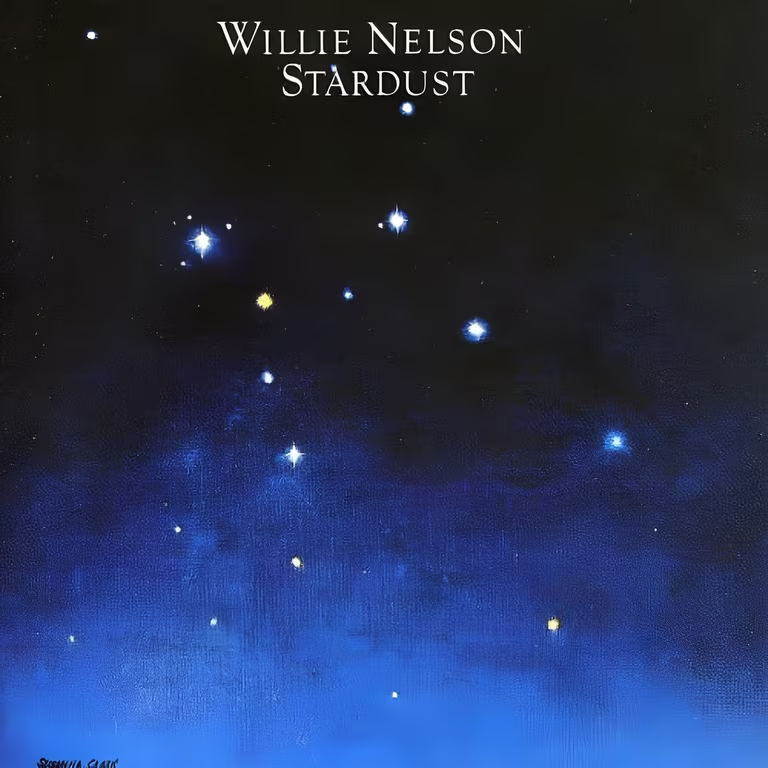
“September Song,” Willie Nelson, 1978
Columbia Records execs were skeptical in 1978 when Nelson, who had carved out a reputation in the outlaw country genre, expressed an interest in doing an album of American pop standards. To everyone’s surprise, the album reached #30 on US pop charts and #1 on country charts, receiving universal acclaim. Along with such well-known tunes as “Stardust,” “Moonlight in Vermont,” “Georgia On My Mind” and “Someone to Watch Over Me” was the Kurt Weill/Maxwell Anderson classic “September Song,” written for the 1938 musical “Knickerbocker Holiday.” The narrator rues the time he wasted in his younger years but is looking forward to spending the precious days he has left with his loved one: “Oh, it’s a long, long while from May to December, /But the days grow short when you reach September, when the Autumn weather turns the leaves to flame…”
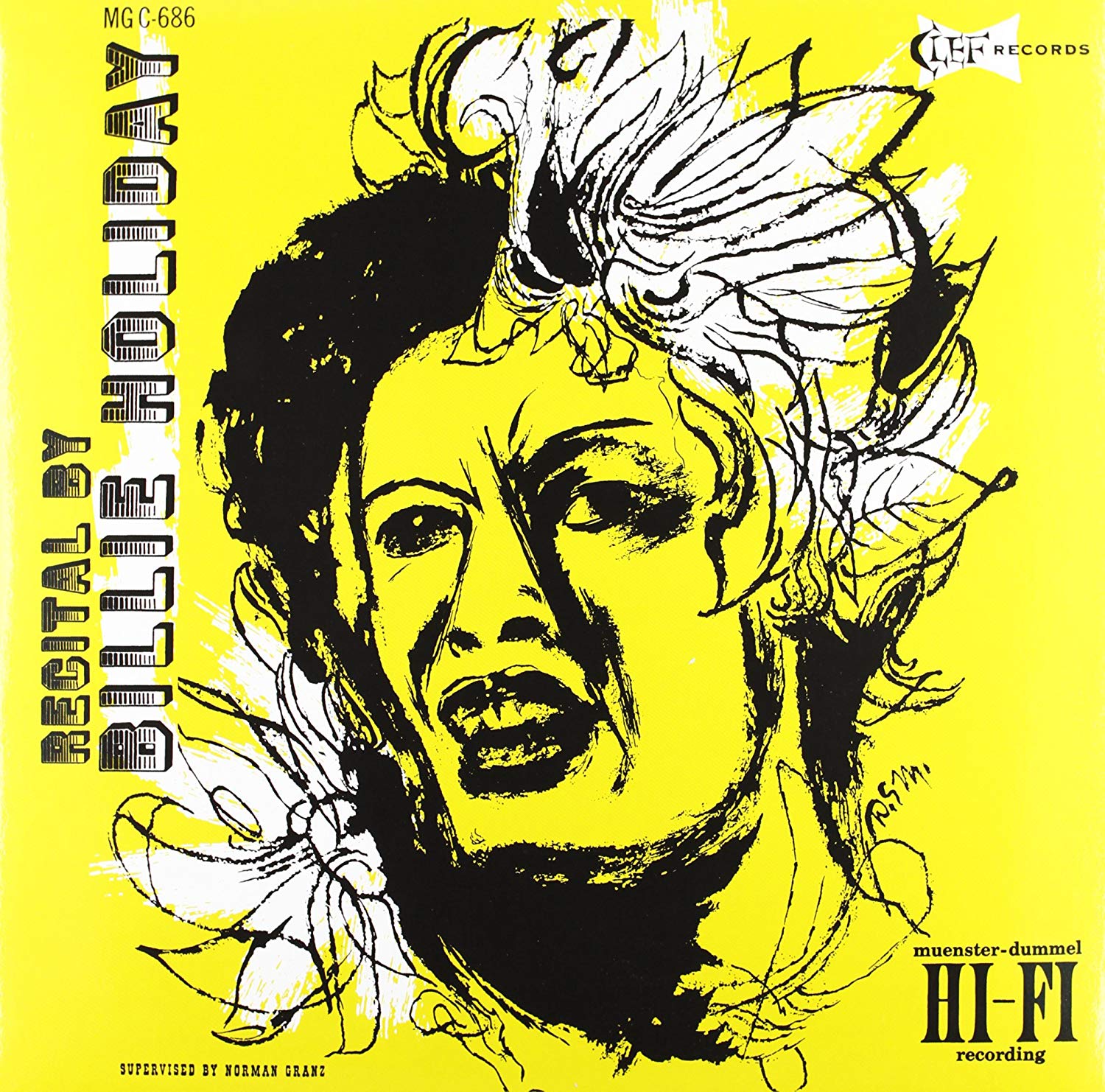
“Autumn in New York,” Billie Holiday, 1952
Composer Vernon Duke wrote this jazz standard way back in 1934 without a commission or for a specific show, and although it ended up being used in the Broadway musical “Thumbs Up!”, it wasn’t published until 1949 when Frank Sinatra recorded it and took it to #27 on US pop charts. It has been recorded by dozens of artists like Charlie Parker, Stan Kenton, Sarah Vaughan, Diana Krall and Harry Connick Jr., but the definitive rendition, to my ears, is the one Billie Holiday recorded in 1952. It conjures up a one-act play of two people who pass each other in Central Park one fine fall day, each wrapped up in their own trials and tribulations and failing to make that chance encounter that would change the course of their lives: “It’s autumn in New York that brings the promise of new love, /Autumn in New York is often mingled with pain, /Dreamers with empty hands, they sigh for exotic lands, /It’s autumn in New York, it’s good to live it again…”
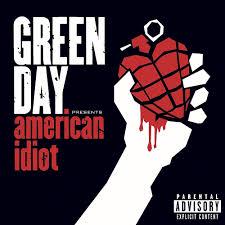
“Wake Me Up When September Ends,” Green Day, 2004
After a splashy debut in the early ’90s, punk/pop band Green Day hit the jackpot with 2004’s “American Idiot,” an album described as “a punk rock opera” that followed the story of an antihero known as Jesus of Suburbia. Steeped in political disillusionment, the LP struck a chord with the generation coming of age. It reached #1 and spawned five hit singles, notably “Boulevard of Broken Dreams” (a Record of the Year Grammy winner) and “Wake Me Up When September Ends,” on which frontman Bille Joe Armstrong ties together the grief of losing his father in September 1982 with the national mourning of September 11, 2001: “Here comes the rain again, falling from the stars, /Drenched in my pain again, becoming who we are, /As my memory rests, but never forgets what I lost, Wake me up when September ends…”
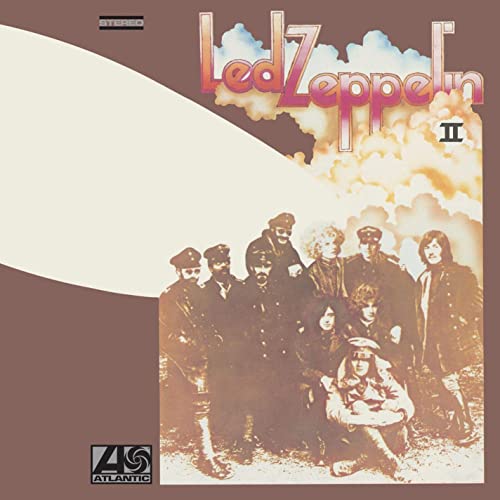
“Ramble On,” Led Zeppelin, 1969
Even a hard blues rock band like Led Zeppelin had something poignant to say about fall. In the opening verse of “Ramble On” from the band’s iconic “Led Zeppelin II” LP, in 1969, vocalist Robert Plant came up with perfect lyrics about moving on before the weather turns bitter. The music Jimmy Page and John Paul Jones put together for this track offers the fine balance they were going for between heavy and light (lead and zeppelin). The rest of the lyrics delve into imagery and characters from “Lord of the Rings,” but those opening lines have always made me think of autumn: “Leaves are falling all around, time I was on my way, thanks to you, I’m much obliged, such a pleasant stay, but now it’s time for me to go, the autumn moon lights my way…”
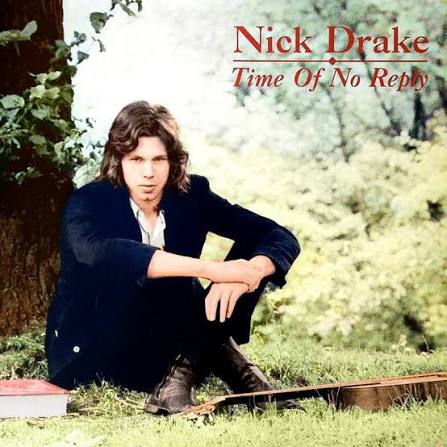
“Time Of No Reply,” Nick Drake, 1968/1987
A sensitive British singer/songwriter tortured by clinical depression, Drake died at only 26 from an overdose of antidepressants. He released three albums between 1969 and 1974 which were all praised by critics, but his aversion to performing kept him from developing any career momentum. Years later, a posthumous collection released in 1987 included a beautiful track called “Time of No Reply,” written in 1968 but left off his debut album. It explores the passing of summer and the onset of the season “when we listen more and speak less,” as he put it: “Summer was gone and the heat died down, and Autumn reached for her golden crown, /I looked behind as I heard a sigh, but this was the time of no reply…”
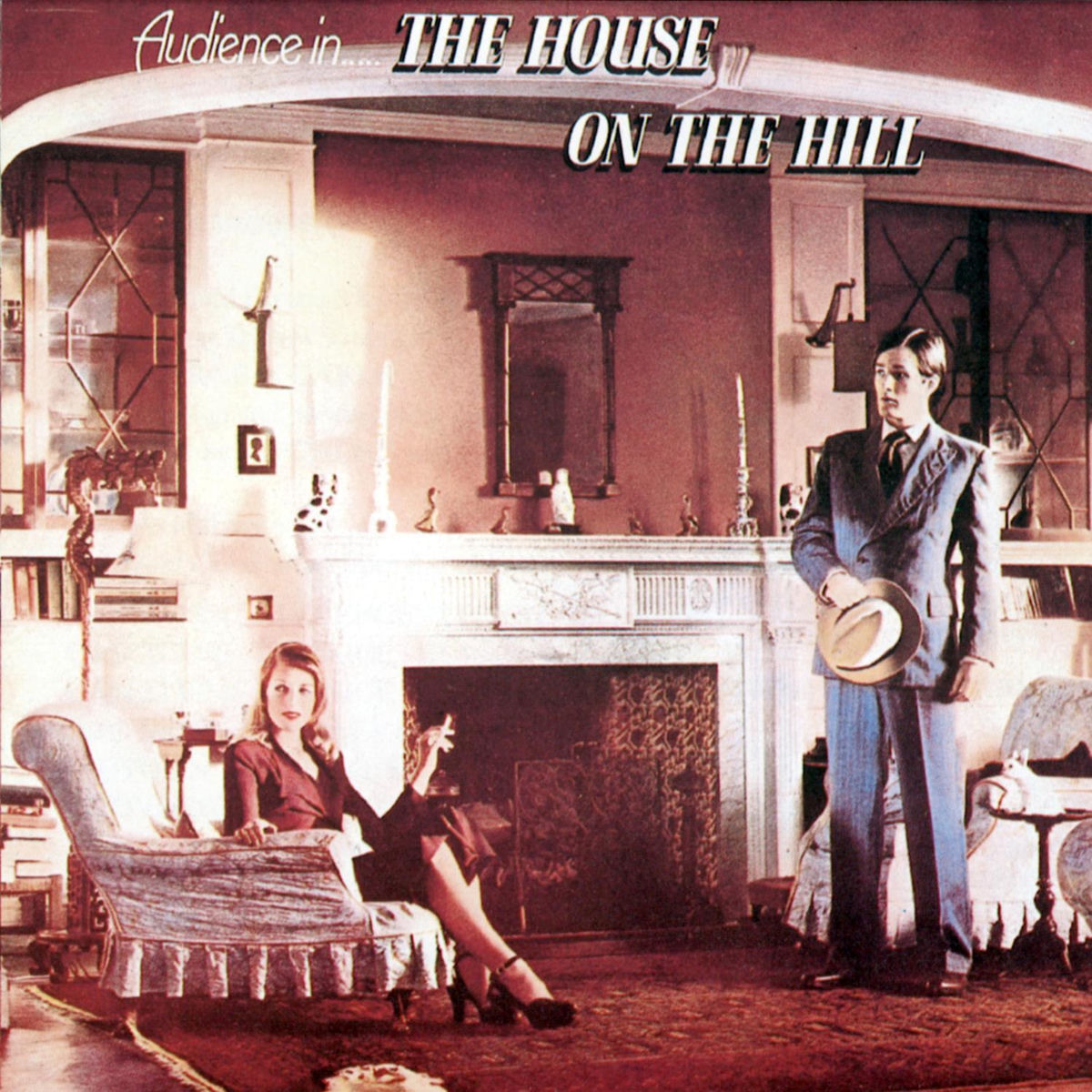
“Indian Summer,” Audience, 1971
The art-rock subgenre was big in England in the late ’60s/early ’70s, and one of its more talented practitioners was Audience, led by singer/acoustic guitarist Howard Werth and sax/flute/clarinet man Keith Gemmell. British critics liked their first two LPs, and they won enough recognition to warm up for Led Zeppelin on a couple of tours in 1970. Their third album, 1971’s “House on the Hill,” was the first released in the US, and is considered a minor classic in some circles, although it never charted. But the single “Indian Summer” managed to reach #74 on US pop charts, and its unique, melodic sound will grab you. Lyrically, it’s a short pastiche about a brief autumn encounter: “Sat where it’s cool and shady, could age take the taste away? /I met a widow lady, couldn’t waste a day, /That was my Indian summer…”
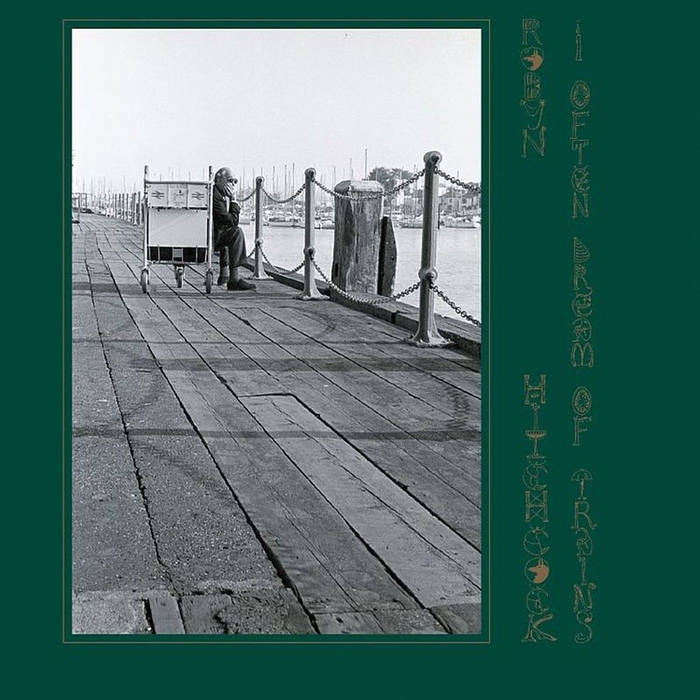
“Autumn is Your Last Chance,” Robyn Hitchcock, 1984
After leading the British rock band The Soft Boys in the late ’70s, Robyn Hitchcock embarked on a solo career that’s still going. He writes sardonic lyrics and specializes in music that has been alternately described as alternative rock and psychedelic folk, and bands like R.E.M. and The Replacements have mentioned Hitchcock as an inspiration. Most of his success has come in the UK, but some of his albums have been praised in the US rock press, notably his 1984 LP “I Often Dream of Trains,” which includes the enigmatic “Autumn is Your Last Chance”: “I walk through the heather underneath the sky, /The leaves have never looked as good as now they’re going to die, but I know why…”
“September Morn,” Neil Diamond, 1979
We all know Diamond was a mainstay on the US pop charts from the late ’60s onward, but it’s amazing to learn that “September Morn,” which reached #17 in 1979, was his 30th Top 40 hit, and it peaked at #2 on the adult contemporary chart, where his music always fared much better than the mainstream chart. Diamond had become the king of the romantic ballad by the late ’70s, reaching #1 with his duet with Barbra Streisand, “You Don’t Bring Me Flowers.” He collaborated with French singer Gilbert Becaud to write “September Morn,” with lyrics that focused more on love than the fall season: “September morn, do you remember how we danced that night away? /Two lovers playing scenes from some romantic play, /September morning still can make me feel that way…”
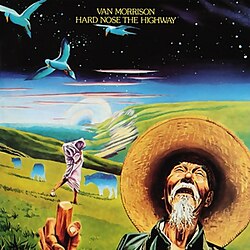
“Autumn Song,” Van Morrison, 1973
Following the run of excellent LPs Morrison released in the early ’70s (“Moondance,” “His Band and the Street Choir,” “Tupelo Honey” and “Saint Dominic’s Preview”), critics found his 1973 album “Hard Nose the Highway” something of a letdown. Out of the 30+ songs he recorded in the sessions, most of which remained unreleased until the late ’90s, he chose only eight, including “Warm Love,” the well-received single, and notably, “Autumn Song,” a 10-minute excursion celebrating the simple joys of autumnal life. Morrison’s always-engaging vocals are complemented by piano trills and guitar fills as the lyrical imagery dances with the lilting melody: “Leaves of brown, they fall to the ground, and it’s here, over there, leaves around… /Pitter patter, the rain falling down, a little glamour, sun coming round, /Take a walk when autumn comes to town…”
***********************************

