All I ask of dying is to go naturally

I can’t decide if it’s ironic or merely coincidental that I’m ending up writing obituaries/tributes in two consecutive weeks about members of the two trailblazing and most prominent “brass rock” groups of the late ’60s/early ’70s.

Last week, it was founder/sax-flute man Walter Parazaider of Chicago, which you can read here in case you missed it: https://hackbackpages.com/6/26/2026/weve-all-got-time-enough-to-cry-time-enough-to-die

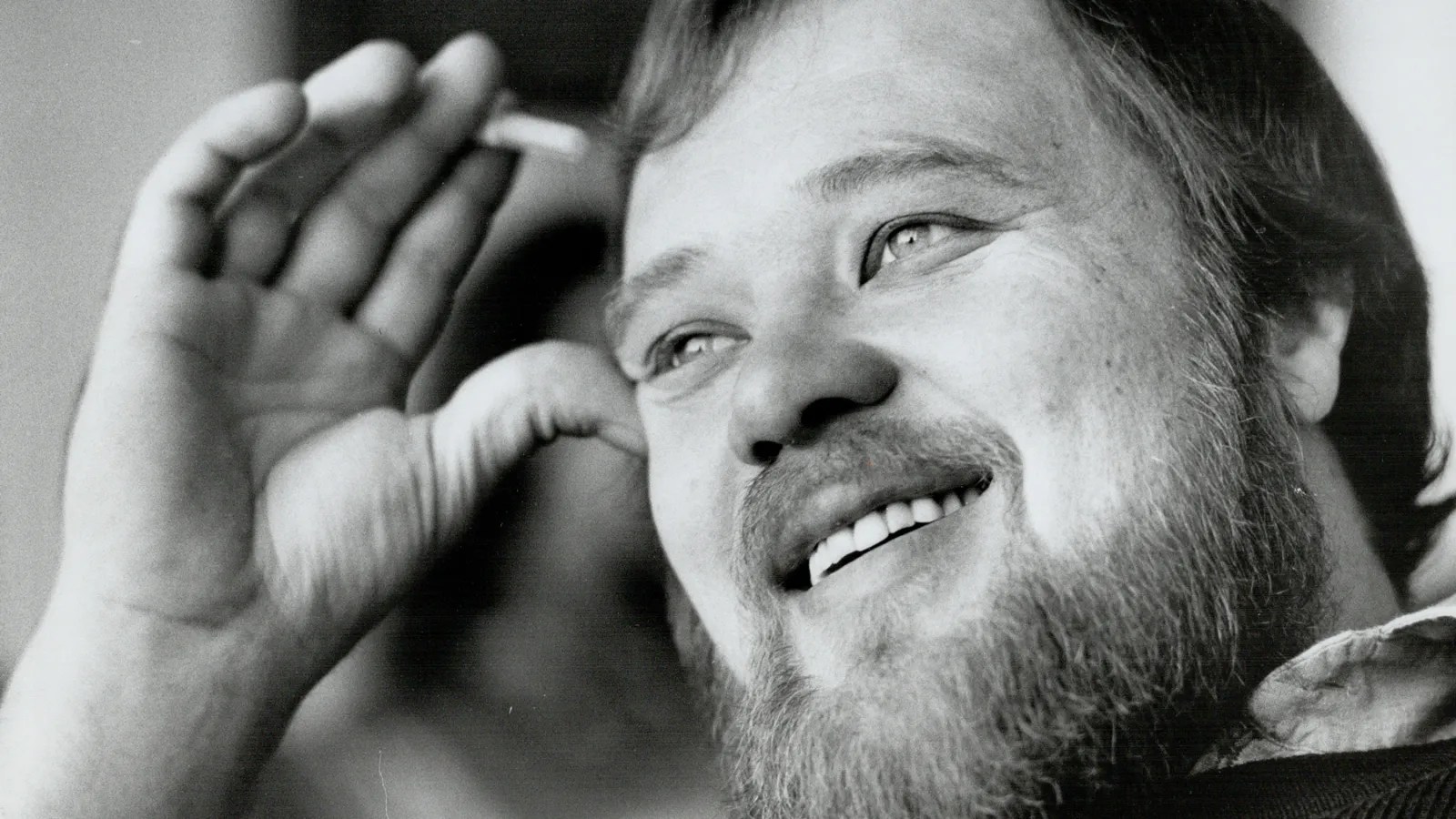
This week, we recognize the passing of vocalist David Clayton-Thomas of Blood, Sweat & Tears, who died June 24 at age 84.

Beyond their imaginative, groundbreaking use of trumpets, trombones and saxophones in a rock band, though, the two groups actually didn’t have all that much in common. Certainly their career trajectories have been wildly different, as has their degree of commercial success. Many decades before anyone had ever heard the term “cancel culture,” BS&T found themselves stuck in a political maelstrom that proved to be, if not fatal, a devastating hit to the group’s momentum.

******************************

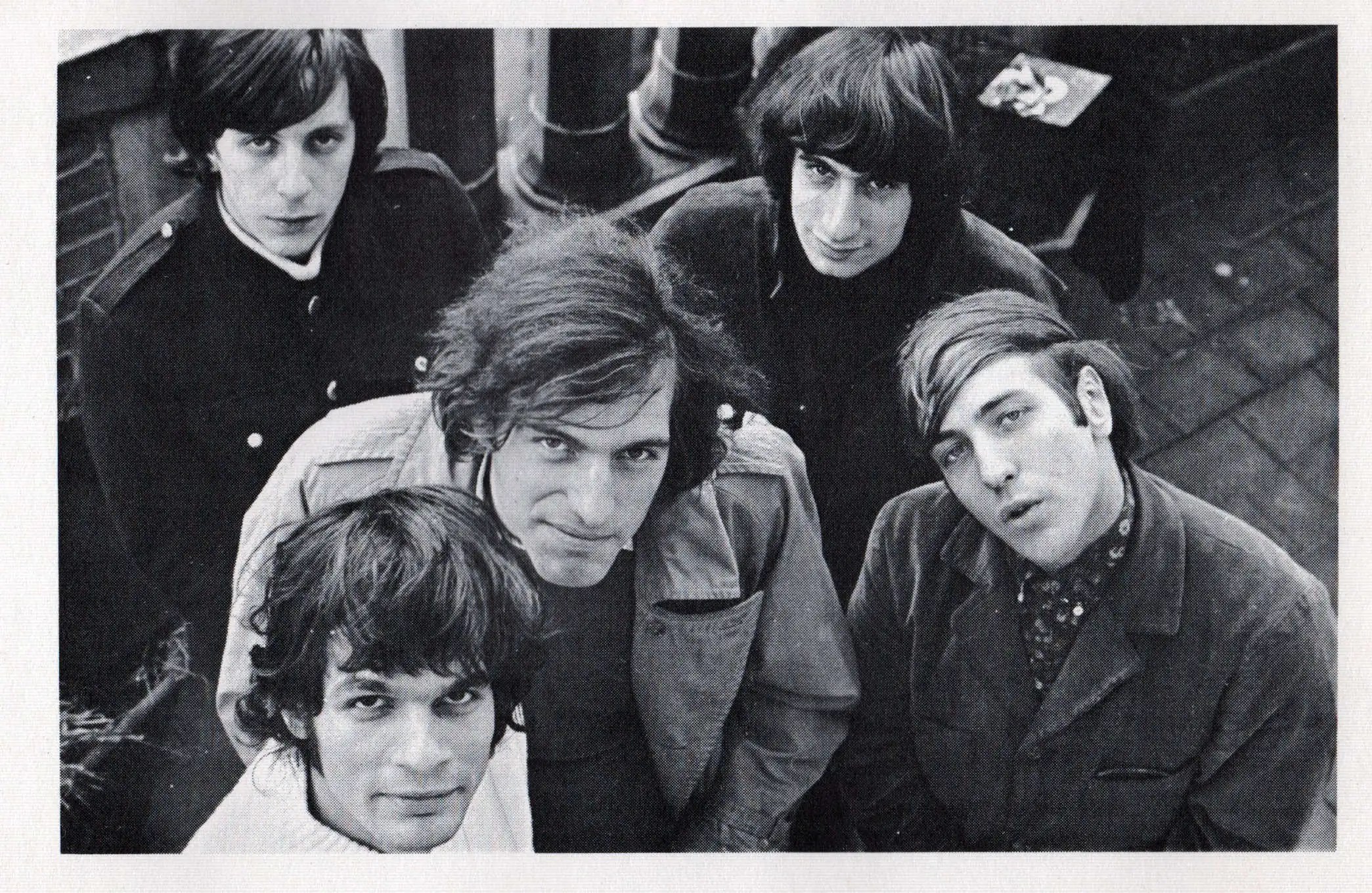
Blood, Sweat & Tears — the band that would become one of the most popular acts of 1969-1970 — has roots dating to 1966 when a ragtag outfit from Greenwich Village, New York, known as the Danny Kalb Quartet changed their name to The Blues Project, featuring guitarist Kalb, guitarist Steve Katz, keyboardist Al Kooper, drummer Roy Blumenfeld and bassist Andy Kuhlberg. Playing an eclectic mix of blues, folk, R&B, jazz and pop, The Blues Project recorded two live LPs and one studio LP on MGM’s Verve label, managing to reach #77, #52 and #71, respectively on US album charts.

The Blues Project, 1966 (Al Kooper, lower left; Steve Katz, upper left)

Kooper, who had been a New York session musician who ended up in Bob Dylan’s 1965 sessions for the seismic “Like a Rolling Stone” anthem, had proposed the idea of bringing in a horn section to broaden the band’s musical options, but bandleader Kalb rejected the concept, so Kooper quit and took his idea with him. Inspired by The Buckinghams, a Chicago-based pop group which featured lively horn arrangements in four Top Ten hit singles in 1967 (“Kind of a Drag,” “Don’t You Care,” “Mercy Mercy Mercy,” “Hey Baby”), Kooper envisioned a group that would use a rock band’s basic instrumental foundation and add a brass section. They would play a mix of musical styles similar to The Blues Project — jazz, blues, rock and pop — with classically trained horn players taking a featured role.

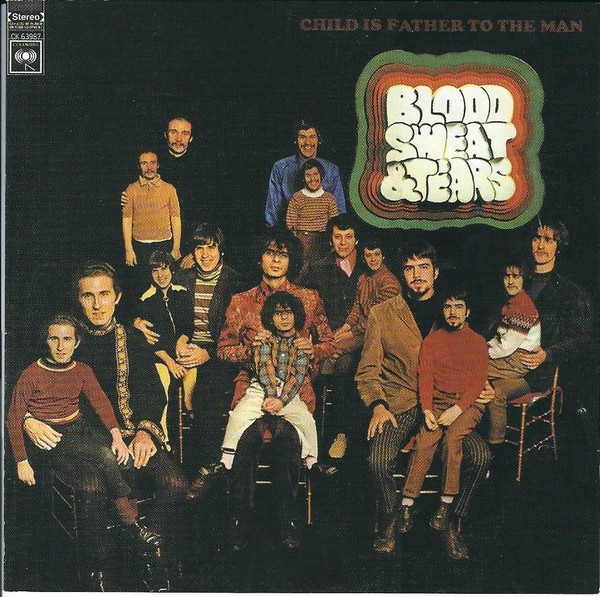
Kooper assumed the role of singer and creative director in addition to keyboard duties. He recruited Katz on guitar, bassist Jim Fielder and drummer Bobby Colomby, and Colomby then drafted multi-instrumentalist Fred Lipsius, trombonist Dick Halligan and trumpeters Jerry Weiss and Randy Brecker. Kooper came up with the name Blood, Sweat & Tears after seeing an early Johnny Cash album with that title, and hired respected producer John Simon, who worked with Simon & Garfunkel, Janis Joplin, Leonard Cohen and The Band. With Kooper writing half the tracks, including the fledgling single “I Can’t Quit Her,” the eight-piece group cut the debut LP “Child is Father to the Man,” released in early 1968 on Columbia. Critics praised its innovative approach; one wrote, “It borrows styles from contemporary folk to acid rock with fresh jazz elements. This is the sound of a group of virtuosos enjoying themselves in the newly open possibilities of pop music.”  It managed to reach #47 on US album charts, and #40 in the UK.

BS&T’s debut LP (Al Kooper is front and center)

But there was dissension in the ranks. Katz, for one, felt Kooper’s vocals were average at best and lobbied hard to hire a new lead singer. The band agreed, and Kooper, who didn’t want to stay if he couldn’t be the vocalist, dropped out (continuing his session work on dozens of albums and eventually becoming a successful producer and manager of groups like Lynyrd Skynyrd and The Tubes, and a published author as well). Weiss also left, as did Brecker, who would go on to greater heights with brother Michael as The Brecker Brothers in the 1970s and beyond.

The band was now in danger of losing their record deal, so they started searching in earnest for a new singer, and it turned out they didn’t have to look too far. Colomby got a call from his friend, folk singer Judy Collins, who told him about a powerful blues singer she’d heard at a club in The Village. His name was David Clayton-Thomas.

Born David Thomsett in England and raised in Toronto, Canada, he suffered beatings from an abusive father as a young boy, leaving home at 14 and sleeping in parked cars and abandoned buildings, stealing food and clothing to survive. He was arrested several times for vagrancy, petty theft and street brawls, and spent much of his teens in various jails and reformatories. He took to singing to pass the time in custody, learning guitar on a battered instrument and developing a kinship with folk and blues music — songs by men who were “dirt-poor working-class hobos with nothing to their name,” he wrote in his memoir. He got enough encouragement to eventually try singing at open-mic nights at some of the clubs in Toronto’s Yonge Street district, which had a vibrant folk and R&B music scene in the ’60s.

Clayton-Thomas in 1968

Changing his name to Clayton-Thomas to distance himself from his father, he developed a solid reputation singing with various bands and trios, including one called The Bossmen, purportedly one of the first rock bands anywhere to include jazz musicians. He performed with legendary bluesman John Lee Hooker, going with him to New York in 1966 and settling there, although he had no work visa, which would cause serious legal consequences years later.

At the urging of Collins, Colomby checked out one of Clayton-Thomas’s shows in New York and was knocked out by his vocals and his commanding stage presence. As fate would have it, Clayton-Thomas opened his set with a smoldering version of Kooper’s song “I Love You More Than You’ll Ever Know,” which BS&T had recorded for their debut album. “I think I heard about half the song, and I just knew,” said Colomby. “I offered him the job on the spot.”

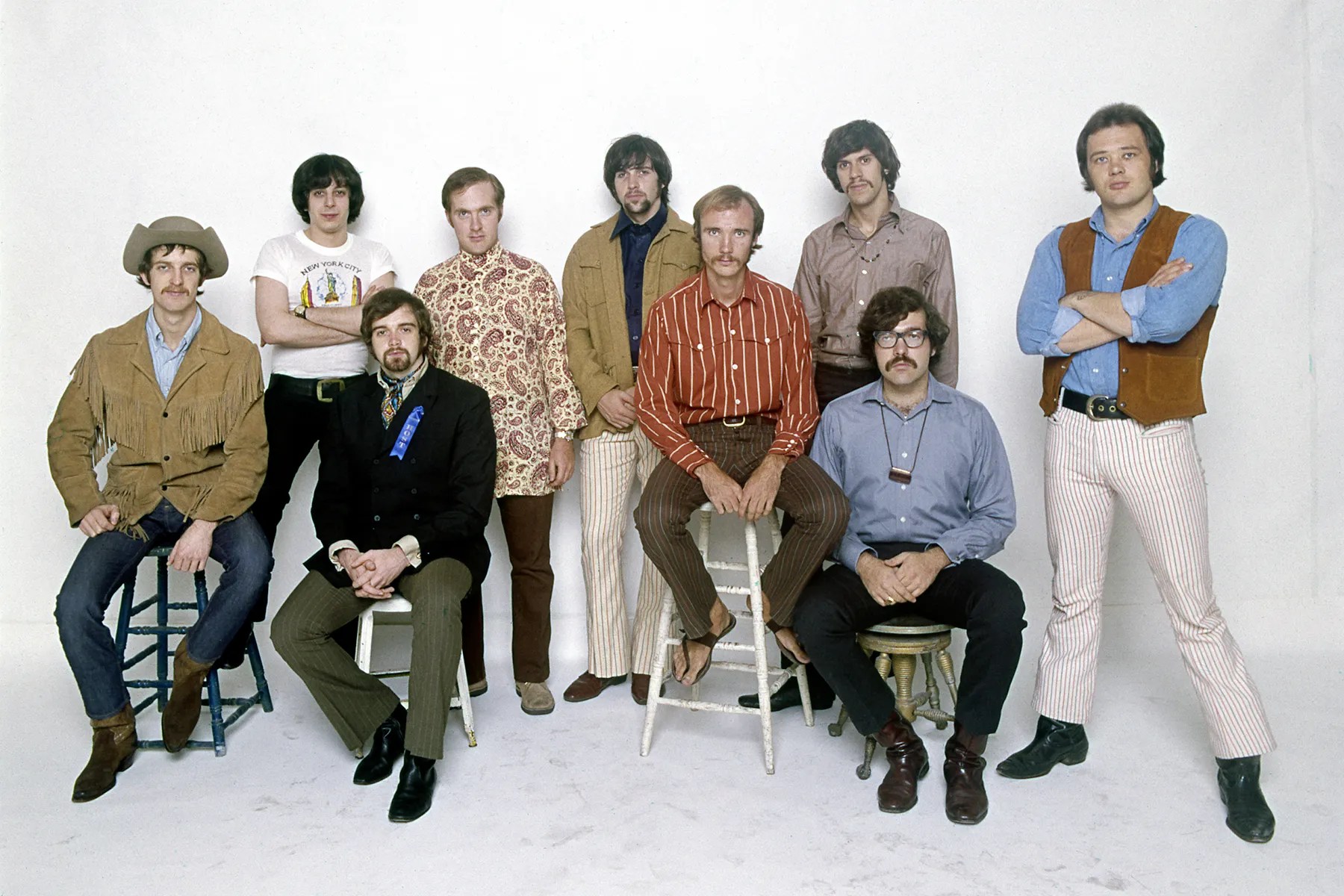
Blood, Sweat & Tears in 1969 (from left): Jim Fielder, Steve Katz, Chuck Winfield, Lew Soloff, Bobby Colomby, Dick Halligan, Fred Lipsius, Jerry Hyman, David Clayton-Thomas

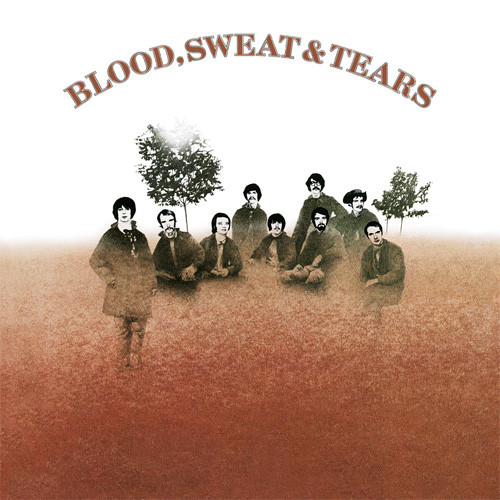
With Clayton-Thomas out front and new horn players Lew Soloff, Chuck Winfield and Jerry Hyman, the reconfigured nine-man lineup did a two-week stand at New York’s Café Au Go Go in 1968. The reaction was so positive that Columbia honcho Clive Davis promptly got them back into the studio, this time with producer James Guercio (who, ironically, was simultaneously producing Chicago’s debut as well). It was recorded in CBS’s New York studio on what was then a new state-of-the-art 16-track machine, and the result was sonically marvelous. They chose only three original tunes, opting instead for covers of material by Billie Holiday, Traffic, Laura Nyro and Brenda Holloway.

Little did anyone know how rapidly things would explode upon the release of that album, simply titled “Blood, Sweat & Tears,” in December 1968. First came the joyous Motown tune “You’ve Made Me So Very Happy,” which reached #2 in March 1969. Three months later, Clayton-Thomas’s song “Spinning Wheel” also peaked at #2 in July, and finally, Nyro’s gospel-inflected “And When I Die” made it a hat trick of #2 singles in October. The album spent an impressive seven weeks at #1; the band was a featured act at Woodstock in August (although they weren’t included in the film or soundtrack album because their manager foolishly insisted on more money); and when the annual Grammy Awards rolled around, the BS&T album beat out The Beatles’ “Abbey Road” for Album of the Year honors.

Me, I’ve always been crazy about some of the deeper tracks: Katz’s ballad “Sometimes in Winter” (on which he handled lead vocals); a remarkable adaptation of Holiday’s “God Bless the Child”; and the 14-minute “Blues Part II,” a mostly instrumental tour-de-force that’s represented on my Spotify playlist as a five-minute edit that showcases Clayton-Thomas’s vocal section at the longer track’s conclusion.

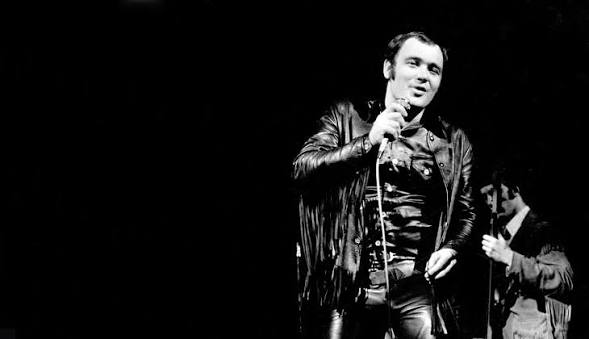
Clayton-Thomas’s charisma, burly physique and indelible tenor, alternately gentle and snarling, had very quickly become crucial to the group’s popularity. Said Davis about the addition of the singer: “He jumped right out at you. He seemed so genuine, so in command of the lyric lines, a perfect combination of fire and emotion to go with the band’s somewhat cerebral appeal. He was almost animalistic.”

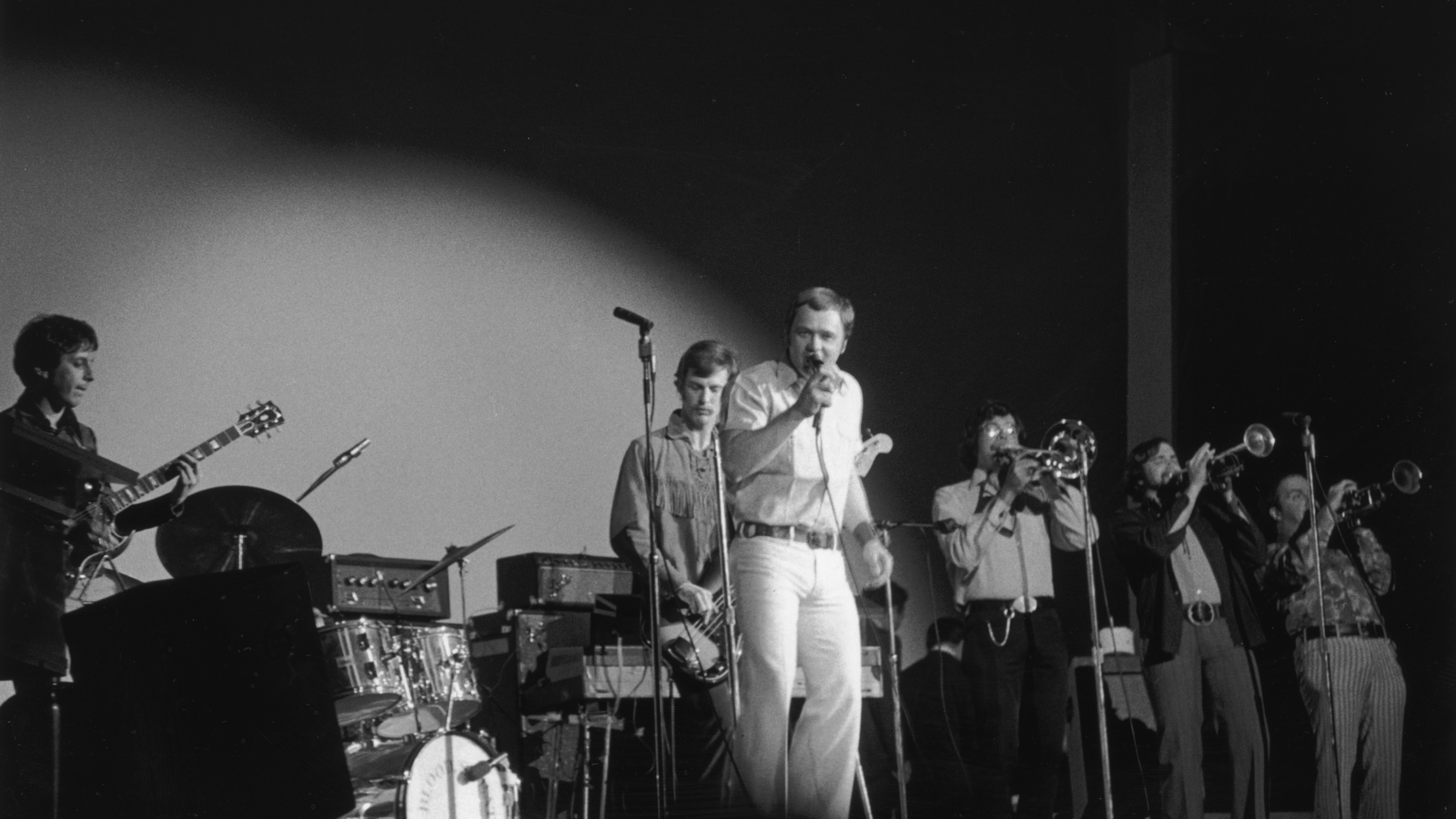
Blood, Sweat & Tears live in 1969

The group played nearly 100 concerts in 1969 in ever-bigger venues to ever-larger audiences from coast to coast. It seemed they could do no wrong…but their one questionable decision was to do a three-night stand at Caesar’s Palace in Las Vegas in December, which the rock press labeled “an un-hip establishment place where your parents’ entertainers performed.” Indeed, Rolling Stone magazine, which tended to look down its nose at anything that wasn’t bonafide rock, said in its review of the album earlier that year, “The listener responds to the illusion that he is hearing something new when, in fact, he is hearing mediocre rock, OK jazz, etc., thrown together in a contrived and purposeless way.” It was clearly a minority opinion, but it stung.

Things would get much, much worse in 1970. Like the majority of rock musicians at the time, BS&T had been vocal about their opposition to the war in Vietnam and other policies of the Nixon administration. They weren’t strident about it, but their remarks attracted enough attention for The White House to take umbrage, particularly coming from Canadian Clayton-Thomas. When they discovered he had been in the country illegally for years, and that he had a prison record in Canada, they brought the hammer down, insisting that the group participate in a State Department-sponsored tour of Eastern European countries as part of a detente effort, or Clayton-Thomas would be deported. Several in the band (especially Katz) didn’t want to do it but felt they had no choice. “It was blackmail, pure and simple,” said Katz.

Their experience there was mixed. They played to enthusiastic audiences in Poland and indifferent crowds in Czechoslovakia, and in Romania, the crowds were so pumped up that the communist authorities used vicious dogs and the military to control them, and they confiscated the film footage that was being shot by a film crew. The band was rattled by the experience, but were even more shaken by the critical reaction they got from the rock press and many of their politically minded fans upon returning to the US. “We were just musicians trying to play music for people,” said Clayton-Thomas. “We were the #1 band in the world. And it turned into this huge political rat’s nest. The political right felt we were too antiwar and anti-Nixon, and the political left hated us for being what they felt were pawns of Nixon. It was insane. It immediately became clear that we were not going to be forgiven by the counterculture for becoming what they saw as sellouts.”

Colomby lamented, “We became the most uncool band in the world. It was so unfair.”

Talk about cancel culture.

Three years ago, a documentary was released called “What the Hell Happened to Blood, Sweat and Tears?” I was stunned as I watched the nearly two-hour film, with long-ago footage and new interviews with band members Katz, Clayton-Thomas, Fielder and Lipsius shedding light on a rather extraordinary tale of deception, strong-arming and political propaganda. One critic wrote this about it: “Did Nixon’s State Department cause BS&T to bleed out prematurely? That’s the film’s implicit premise. It’s an absorbing spy movie made with smuggled footage, and an incisive history lesson about international relations in the ’70s. Above all, it’s a cautionary tale for now about the risks we take when we rush to judgement without all the facts.” I can’t recommend strongly enough that you need to watch this (now on Amazon Prime) to truly understand the answer to its titular question.

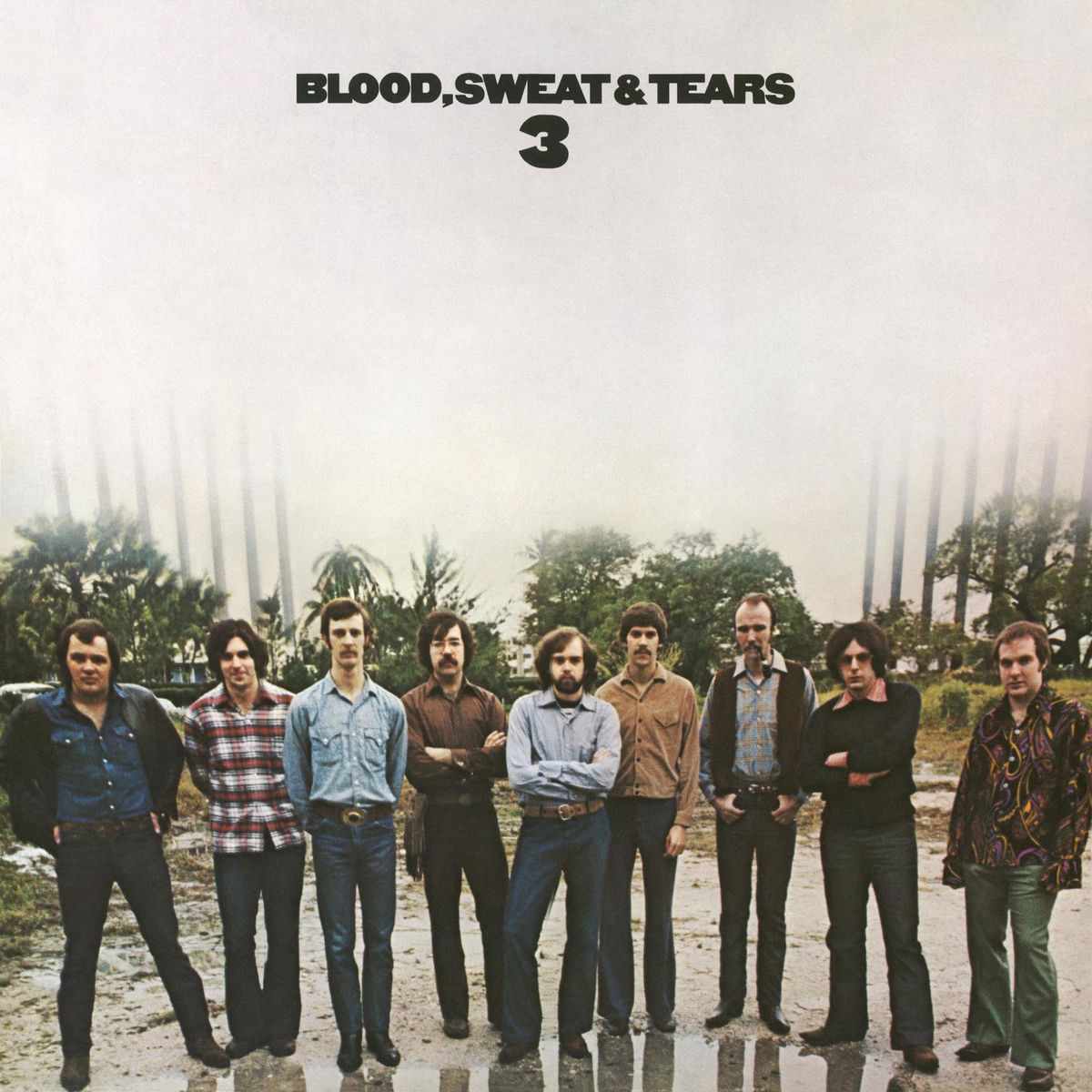
Like most young fans, I knew nothing about the entire incident at the time. Neither the tour itself nor the negative domestic reaction to it were widely reported, and the deal struck between the government and the band to prevent Clayton-Thomas’s deportation was not public knowledge. All I knew was, their next LP, “Blood Sweat & Tears 3,” came out the same month and went right to #1, producing two more hit singles, “Hi-De-Ho” and “Lucretia MacEvil.” (The latter song included the telling lyric, “Hard luck and trouble ’bout to be your claim to fame.”) It wasn’t as strong an album overall, but enjoyable enough, with captivating additional tracks like “Something Coming On” and “He’s a Runner.” To its detriment, the album also included a ghastly cover of The Rolling Stones’ “Sympathy For the Devil” entitled “Symphony For the Devil,” and a lame version of James Taylor’s then-new hit “Fire and Rain.”

Despite how they found themselves victims of character assassination, Blood, Sweat and Tears soldiered on, touring and recording another LP (“BS&T 4”) in 1971, which had two more singles (“Go Down Gamblin'” and “Lisa, Listen To Me,” which barely made the Top 40), but clearly, the bloom was off the rose. To return to the comparison with Chicago, BS&T was on the decline just as Chicago was riding high with multiple singles and high-charting albums.

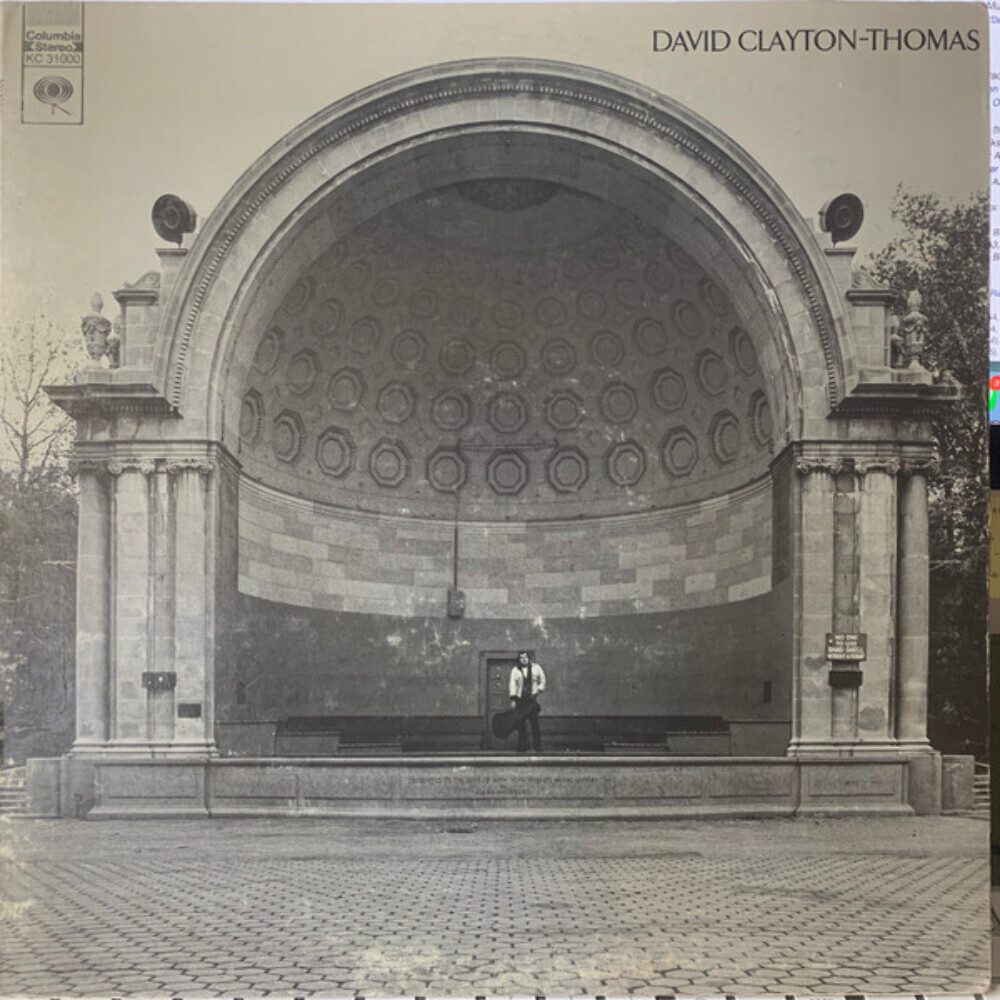
In early 1972, Clayton-Thomas chose to leave BS&T and return to Canada, citing burnout from touring, dueling egos and disputes over the band’s business affairs. He had also developed a reputation for heavy alcohol and drug use, and belligerent behavior. His first solo effort, titled simply “David Clayton-Thomas,” is a pretty decent LP that should have fared better than its anemic #184 showing on the album charts, but there was apparently little interest in him on his own. A couple more solo LPs did no better, despite some bright moments. He struggled professionally and personally, with several divorces and a lawyer who stole most of his money, he said.

Clayton-Thomas’s solo debut LP (1972)

Within a month of his departure, Columbia released a Greatest Hits collection to recapitulate the Clayton-Thomas-era hits, and it has gone on to sell seven million copies.

Difficulties had arisen inside the group between its pop-rock and jazz factions, and Lipsius and Halligan, probably the two most talented musicians in the lineup, also chose to depart when Clayton-Thomas did. The remaining six added two new brass players and, most notably, a singer named Jerry Fisher, a blues singer from Texas with a sizable regional following. He wanted to sing new material instead of the old Clayton-Thomas songs, and the band agreed they needed a fresh re-start, but audiences obviously wanted to hear the big hits, so a balance was struck between the two. They released the aptly titled “New Blood” LP in 1972, with “So Long Dixie” charting modestly on Top 40 charts. When the group brought in Swedish guitarist Georg Wadenius, Katz decided to take his leave as well.

By 1975, drummer Colomby was the only remaining member from the classic lineup. With Clayton-Thomas’s solo career struggling, Colomby was able to woo him back to the new BS&T fold for the next three LPs, “New City,” “More Than Ever” and “Brand New Day,” but each album did progressively worse on the charts, with no singles in sight. A wholesale change brought an entirely new lineup of musicians (except for Clayton-Thomas) for the 1980 release “Nuclear Blues,” which failed to chart and remains the last LP the group ever released.

From then on, Blood, Sweat and Tears has been a performing band with a revolving door of musicians, some staying several years, some staying a few months. On the band’s Wikipedia page in the “Members” section, an astounding list of more than 150 musicians (including a dozen different lead vocalists) are listed as having been part of the group! If that’s not a record, I can’t imagine what is.

For his part, Clayton-Thomas remained as vocal frontman for 20 years until finally calling its quits in 2004. “I discovered, and they discovered, that Blood, Sweat & Tears wasn’t worth much without me — and I wasn’t worth much without them,” he told The Toronto Star in 2020.

In the wake of Clayton-Thomas’s death last week, Steve Katz said, “David and I had a difficult relationship, but we did have those wonderful years and a lot of great music in common. There were nights when David’s singing was just astounding, and it was great to be on the same stage. I would love to have had the chancer to do it all over as the more tolerant and much wiser men we both turned out to be.”

An older Mr. Clayton-Thomas, in a tan sports jacket and blue button-down shirt, sings into a microphone as he gestures with his left hand.
Clayton-Thomas in 2011

Toronto keyboardist Lou Pomanti, who worked with Clayton-Thomas on and off for several decades, praised the man’s vocal chops. “When you pair those blues roots with that raunchy voice, that flexibility and the agility that he had… When you team it with a fantastic jazz band and the great arrangers that they had, it was like nothing anybody had ever heard.”

R.I.P. to a remarkable vocalist.

********************************

The Spotify playlist I’ve assembled offers two tracks from the first incarnation of BS&T, followed by a comprehensive look at the songs from the band’s heyday with Clayton-Thomas (1969-1971). There’s also a healthy dose of material from Clayton-Thomas’s solo work, which includes several convincing covers of classic R&B and blues from one of his final LPs in 2010.

How all the pros play the game: you change your name

Norma Jean Mortenson. Archibald Leach. Alphonso D’Abruzzo.

Vincent Furnier. Stefani Joanne Germanotta. Richard Starkey.

Who are these people? They aren’t names you’re likely to recognize…until you discover they’re the birth names of celebrities who went on to great fame using these stage names:

Marilyn Monroe. Cary Grant. Alan Alda.

Alice Cooper. Lady Gaga. Ringo Starr.

Since the dawn of the modern film and music business, hundreds of people in the performing arts have chosen (or been advised) to change their names. Some people do so because their birth name is considered unattractive, dull or unintentionally amusing. Perhaps it’s diificult to pronounce or spell. Maybe a performer wants to adopt a name that’s unusual or flashy or outlandish in order to attract attention.

The world of rock ‘n roll is full of famous musicians who use a different name than the one they were born with. I’ve addressed this topic before here at Hack’s Back Pages, but this time around, I thought I’d make it fun and turn it into a quiz.

Below I’ve identified 15 major recording artists by their birth names and some facts about their upbringing and their career development. From these thumbnail sketches, how many stars can you identify?

The answers, and how they came by their stage names, are featured in the second half as you scroll down. I’ve included a Spotify playlist that includes two songs for each of these artists.

*************************

#1

Steven Demetre Georgiou, born in London in 1948, was the youngest child of a Greek father and Swedish mother who operated a restaurant in the Soho district. Steven developed an interest in piano at a young age, eventually using the family baby grand piano to work out the chords, since no one else there played well enough to teach him.  At 15, he became interested in the guitar and began playing it and writing songs. He did poorly in school in everything but art, and considered a career as a cartoonist but instead decided to pursue a musical career. He performed briefly under the name “Steve Adams” in the mid-’60s, then adopted a different stage name and became an international star throughout the 1970s. By 1980, he changed his name again in accordance with his religious beliefs and left his music career behind for 25 years before returning to it again in recent years.

#2

Farrokh Bulsara was born in 1946 to parents from the Gujarat region of British-owned India.  He was born in the African country of Zanzibar, then a British colony, and attended a boarding school in Bombay, India, where he learned piano and focused more on music than academics.  After returning to Zanzibar at age 17, he and his family had to flee the 1964 revolution there, settling in Middlesex, England.  He earned a degree in art and graphic design, but music was his passion, and he became a member of several bands in the late ’60s. By 1971, Farrokh had developed an astonishing four-octave vocal range and a flamboyant stage presence, and when he met a guitarist and drummer from a band called Smile, they added a bass player, and both Farrokh and the band changed their names, and by 1976, they were an international success. Farrokh died in 1991 at age 45.

#3

Walden Robert Cassotto was born in New York City in 1936 to Nina Cassotto, who was only 18 at the time, so Walden was raised to believe his maternal grandmother was his mother and Nina was his much older sister. At age 22, he entered the music business as a songwriter for Connie Francis, then started a career as a singer of originals and covers, having several big hits in the late ’50s and early ’60s. He also earned some recognition as a film actor, and married actress Sandra Dee. In the late ’60s, when Walden learned about the deception regarding his real mother, he felt betrayed and slipped into seclusion and depression. He died in 1973 at age 37 of complications following open-heart surgery.

#4

Gordon Matthew Thomas Sumner was born in 1951 in Wallsend, England, a major shipbuilding town. Although Gordon was fascinated by ships and thought his future lay there, he became obsessed with a Spanish guitar left behind by an emigrating friend of his father. After leaving school in 1969, Gordon worked as a bus conductor, a building laborer and a tax officer before getting a teaching degree in 1974, then taught grammar school for two years. A lover of classical, rock and reggae, Gordon also followed jazz and spent time in a jazz ensemble. Eventually he became the bassist, singer and chief songwriter of a successful rock trio in the late ’70s/early ’80s and then as a hugely successful solo artist in the decades since.

#5

Marvin Aday was born and raised in Dallas, Texas, by a schoolteacher and policeman. Marvin showed an early interest in music and theater arts, appearing in several high school musicals.  He was very close to his mother (who sang in a gospel quartet) and, following her death, he dropped out of North Texas State College and relocated to Los Angeles in 1969 to pursue a career in the arts, as was his mother’s wish.  Marvin formed a band that had some notoriety warming up for the likes of Janis Joplin, the Grateful Dead and the Who, and he also took on several acting roles, both on stage an in film. By 1977, he became a rock music sensation when he co-created one of the biggest selling albums of all time. He died in 2022 at age 74.

#6

Malcolm Rebennack was born in 1941 in New Orleans, where his father ran an appliance shop fixing radios and TV and selling records. He was inspired by his many relatives who sang and played piano, and his father’s music industry connections gained him early access to recording studios of jazz and rock artists like Louis Armstrong and Little Richard. At age 14, Malcolm met Professor Longhair, the eccentric artist with flamboyant attire and musical style, and performed with him on guitar and piano, beginning a lifelong career in music. His New Orleans upbringing had spawned an interest in voodoo, which sparked the development of an on-stage persona (and on records) of a spiritual healer with props and costumes, focusing on R&B and psychedelic rock. Between 1968 and his death in 2019, Malcolm released more than four dozen albums.

#7

David Howell Evans was born in 1961 in East London to Welsh parents and was raised in Dublin, Ireland after the family moved there when he was still a baby. David’s parents were enthusiastic supporters of music education, giving him piano and guitar lessons. He and his brother Richard both had proper guitars by age 12 and practiced relentlessly. In 1976, the boys both responded to a notice at their school seeking musicians to form a band. Both were accepted, but Richard eventually left to join a different group, leaving David as the lead guitarist. Their foursome got a record deal in 1980 and were off and running, eventually becoming one of the biggest bands in the world in the late ’80s, 1990s and beyond.

#8

Henry Deutschendorf

Henry was the son of a decorated military man, John Deutschendorf, Sr., who earned a spot in the Air Force Hall of Fame, but the father had little time for his son.  It was his mother’s mother who instilled in Henry the love of music and bought him his first guitar.  As a military brat, he lived in multiple locations across the southern U.S. His uncle, a member of the ’60s group The New Christy Minstrels, encouraged Henry to write songs and work on his guitar techniques.  Henry’s songs were soon recorded by acts like Peter, Paul & Mary, which won him his own record deal, kicking off a hugely successful career throughout the 1970s. He died in an accident in 1997 at age 53.

#9

Ellen Cohen was born in 1941 in Baltimore to Jewish parents who were children of Russian immigrants, and the family struggled there and in Alexandria, Virginia.  Blessed with a versatile voice and a knack for stage performance, Ellen appeared in several musicals in New York before becoming part of a successful singing trio called The Big 3 that made appearances on TV and stage. In 1965, she lobbied hard to join another vocal group she admired, and although her heavy-set appearance worked against her, Ellen’s soaring alto voice got her the job. The group was featured on leading TV variety programs and had nearly a dozen successful hits in the mid-to-late ’60s. Ellen followed that with a sporadic solo career that ended prematurely when she died in 1974 at age 33.

#10

Joachim Krauledat was born in 1944 in East Prussia (now a part of Russia), and lived with his mother in East Germany and West Germany under post-war British occupation. He was first exposed to rock and roll while listening to Little Richard on U.S. Armed Forces radio, and by the time he reached age 14, his family moved to Toronto, Canada. In 1963, Joachim moved to Buffalo, New York, where he became a U.S. citizen. He had a congenital defect that made him sensitive to light and legally blind. In 1965, he returned to Canada and reunited with friends in a band called The Sparrows. The band moved to California, changed its name and, with Joachim as lead singer, became one of the pioneer bands spearheading the hard rock/heavy metal genre, with several iconic hit singles as well.

#11

Ernest Evans was born in 1941 in rural South Carolina and raised in the projects of South Philadelphia. By age 11, Ernest formed a street-corner harmony group, and by the time he entered high school, he had learned the piano and entertained his classmates by performing vocal impressions of popular entertainers of the day. One of his part-time jobs was at a poultry martlet, and his boss’s friend arranged for Ernest to do a private recording for “American Bandstand” host Dick Clark, which included a spot-on impression of Fats Domino. Ernest won a record contract and became famous doing songs about various dance crazes of the early ’60s. After decades of being snubbed, he was inducted into the Rock and Roll Hall of Fame in 2025.

#12

Brenda Gail Webb was born the youngest of eight children in 1951 in rural Kentucky, moving to Indiana at age 4. Her mother recall Brenda sang before she talked, hearing radio hits and singing along. Her older sister became a big country music star, which inspired Brenda to pursue a career in music as well. Her break came when she sang at the Grand Ole Opry in 1967 in place of her sister who had fallen ill, and that led to a recording contract with Decca Records, who insisted she change her name from Brenda because they already had singer Brenda Lee on their label. She ended up with a string of more than 30 Top Ten singles and eight Top Ten albums in the country charts between 1975 and 1990. Now in her 70s, she continues to perform occasionally.

#13

McKinley Morganfield‘s birthdate and birthplace are not conclusively known, but he said he was told he was born in 1913 in an unincorporated community in Sharkey County, Mississippi. McKinley taught himself to play harmonica at age 8, sang in the gospel choir in his Baptist church and bought his first guitar at age 17 for $5. In the 1940s when McKinley was about 30, he began performing on tours with blues legends like Big Bill Broonzy and Memphis Minnie, and by 1948, he had been signed to a contract and had his earliest hits on R&B charts. He continued recording and performing well into the 1970s, inspiring new generations of blues guitarists. He died in 1983 at age 70.

#14

Perry Miller was born in 1941 in Queens, New York, to musical parents. His mother was a violinist and singer with perfect pitch, while his father, an accountant. played piano and had a passion for classical music. Perry won a scholarship to study classical guitar but ended up jumping among several different universities in Ohio and New York, eventually moving to Greenwich Village in Manhattan to become a full-time musician. Regarding himself as something of a rebel, Perry led a unique folk-rock band in the ’60s and then went solo in the ’70s, enjoying a modestly successful career in each case. He died in 2025 at age 84.

#15

Roberta Joan Anderson was born in 1943 and raised in the prairie province of Saskatchewan, Canada, Roberta showed an early interest in the arts, specifically painting, poetry, piano and guitar. An early bout with polio weakened her left hand, which necessitated her devising different guitar tunings she could successfully play. She embraced folk music but always showed a deep passion for the experimental nature of jazz. Roberta relocated to Toronto at age 18 and began performing and writing her own songs. Her early marriage to an American didn’t last but she remained in the US to pursue her musical dreams, eventually winning a record contract and beginning a highly respected career as a songwriter, performer and recording artist that continues to this day.

*****************************

*

*

*

*

*

*

*

*

*

*

*

*

ANSWERS:

#1

Steven Demetre Georgiou is Cat Stevens (later Yusuf). As he began his career at age 18, he thought his birth name might be difficult to remember, so he chose the stage name Cat Stevens, partly because a girlfriend said he had eyes like a cat, but mainly because “I couldn’t imagine anyone going to the record store and asking for ‘that Steven Demetre Georgiou album’. And in England and, I was sure in America as well, they love animals.”

#2

Farrokh Bulsara is Freddie Mercury. While attending boarding school in India, Farrakhan started calling himself “Freddie” to avoid being ostracized by his classmates. Years later, as his band Queen was developing their debut LP, he wrote lyrics to the song “My Fairy King” which included the line “Mother Mercury, look what you’ve done to me,” allegedly about his own mother. He soon decided Mercury would be a much better stage name than Bulsara, and Freddie Mercury was born.

#3

Walden Robert Cassotto is Bobby Darin. As a child, he always went by a form of his middle name (Bobby) instead of Walden. At 18, he chose to pursue an acting career on Broadway, hoping to later become a recording artist as well. As legend has it, he chose “Darin” after seeing a neon sign for a Mandarin Restaurant where the letters “MAN” were burned out.

#4

Gordon Matthew Thomas Sumner is Sting. He gained his nickname during his time with a jazz group when bandleader Gordon Solomon remarked that Sumner’s habit of wearing a black-and-yellow striped jumper made him look like a wasp.

#5

Marvin Aday is Meat Loaf. When he formed his first band in LA, Marvin chose to name it after his mother’s favorite Saturday night dish. As the group’s beefy front man, he eventually decided to adopt the name for himself as well.

#6

Malcolm Rebennack is Dr. John the Night Tripper. As a young man, Rebennack developed the idea of the Dr. John persona for an old friend, based on the life of a man who called himself Dr. John, who was a prince, herb doctor and spiritual healer from Senegal. When Malcolm’s friend dropped out of the music scene, Malcolm decided to take over the role (and identity) of Dr. John.

#7

David Howell Evans is The Edge. Early in U2’s career, Evans was given the nickname “the Edge” by members of the Lypton Village street gang to which Bono belonged. The nickname was believed to be derived from the angular shape of Evans’ head, but Evans has said it had more to do with his preference for being more of an observer, not fully involved, and therefore remaining “on the edge” of things.

#8

Henry John Deutschendorf is John Denver. When his musician uncle suggested he change his name to something easier and less ethnic, he decided to adopt the name of the capital city of his favorite state (Colorado), pairing “Denver” with his middle name.

#9

Ellen Cohen is Cass Elliot. When she was dreaming of a career in the performing arts, she started calling herself “Cass,” a shortened version of the Greek mythological figure Cassandra. She later adopted Elliot as her last name in tribute to a friend who died young.

#10

Joachim Krauledat is John Kay. At age 14, Joachim’s family moved to Toronto, where teachers apparently had trouble pronouncing his name correctly, and he became known simply as John K. He fleshed it out from “K” to “Kay” when he turned 18 and joined his first band, The Sparrows, who later became Steppenwolf.

#11

Ernest Evans is Chubby Checker. Ernest was indeed an overweight kid, and his boss at the poultry market where he worked after school took to referring to him as “Chubby.” Ernest didn’t seem to mind, and when he started doing impressions of Fats Domino and other musicians, Domino’s wife suggested he become Chubby Checker, in reference to Domino’s obsession with the board game.

#12

Brenda Gail Webb is Crystal Gayle. When her label insisted she lose the name Brenda, she decided to use her middle name Gail instead, changing the spelling to Gayle. It became her last name when sister Loretta Lynn saw a Krystal fast-food restaurant and said to her, “That’s your name! Crystals are bright and shiny, like you.”

#13

McKinley Morganfield is Muddy Waters. His grandmother gave him the nickname “Muddy” when he was about four because he loved playing in the muddy creek that ran behind her house, and the name stuck throughout his life.

#14

Perry Miller is Jesse Colin Young. He liked the idea of an outlaw stage persona, so he shed the nondescript Perry Miller and instead combined the names of Wild West bad boys Jesse James and Cole Younger, along with iconoclastic Formula One design engineer Colin Chapman.

#15

Roberta Joan Anderson is Joni Mitchell. She never much cared for her given name and chose to call herself Joan from a very young age. At age 22, she married a man named Chuck Mitchell, who liked to call her Joanie, which soon enough morphed into Joni. The marriage dissolved in less than two years, but she’d begun performing as Joni Mitchell, so she left it alone.

***************************

Honorable mentions:

Paul Gadd is Gary Glitter; James Osterberg is Iggy Pop; Brian Hines is Denny Laine; Chaim Witz is Gene Simmons.

*********************************