I can’t decide if it’s ironic or merely coincidental that I’m ending up writing obituaries/tributes in two consecutive weeks about members of the two trailblazing and most prominent “brass rock” groups of the late ’60s/early ’70s.
Last week, it was founder/sax-flute man Walter Parazaider of Chicago, which you can read here in case you missed it: https://hackbackpages.com/6/26/2026/weve-all-got-time-enough-to-cry-time-enough-to-die
This week, we recognize the passing of vocalist David Clayton-Thomas of Blood, Sweat & Tears, who died June 24 at age 84.
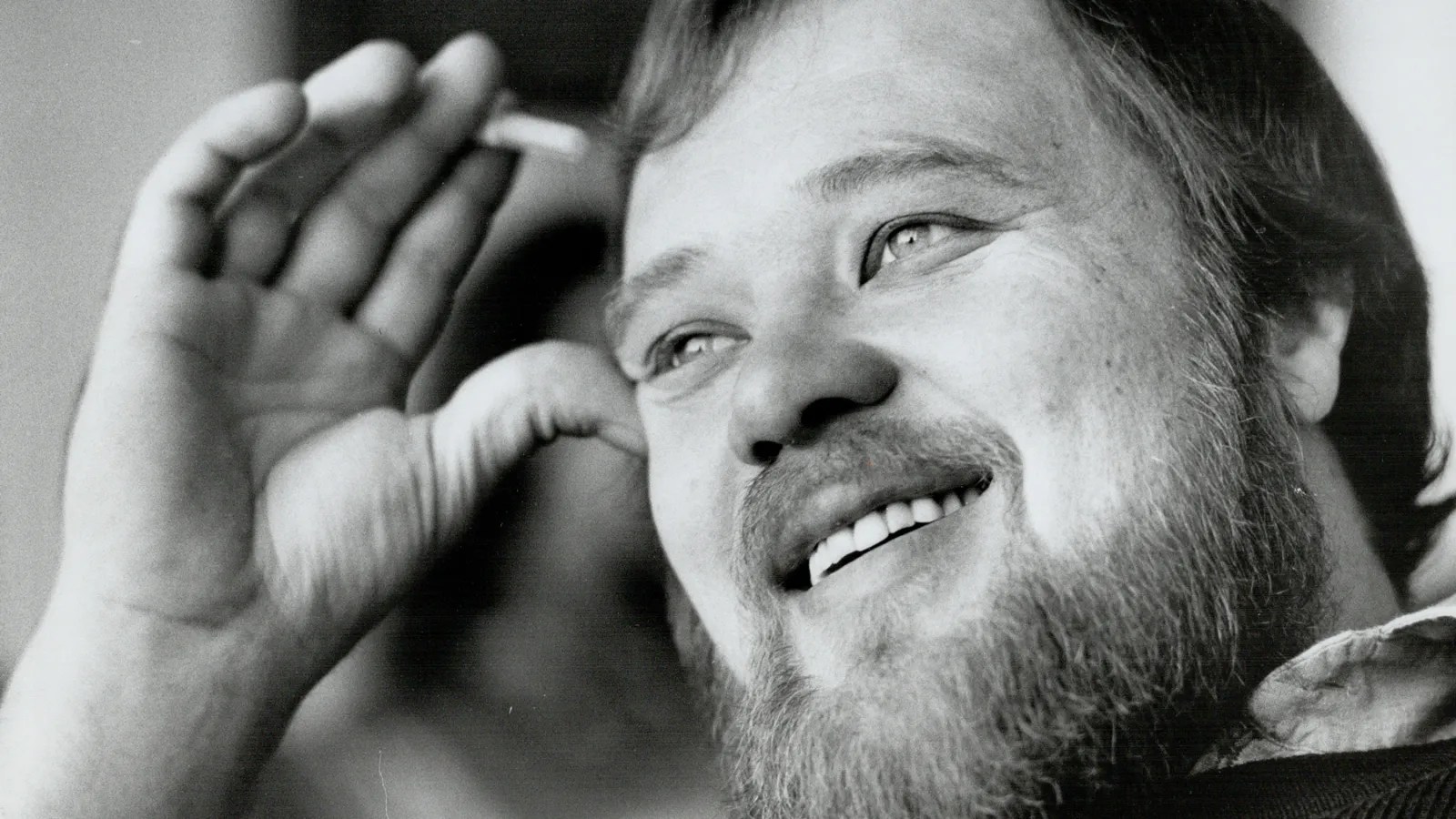
Beyond their imaginative, groundbreaking use of trumpets, trombones and saxophones in a rock band, though, the two groups actually didn’t have all that much in common. Certainly their career trajectories have been wildly different, as has their degree of commercial success. Many decades before anyone had ever heard the term “cancel culture,” BS&T found themselves stuck in a political maelstrom that proved to be, if not fatal, a devastating hit to the group’s momentum.
******************************
Blood, Sweat & Tears — the band that would become one of the most popular acts of 1969-1970 — has roots dating to 1966 when a ragtag outfit from Greenwich Village, New York, known as the Danny Kalb Quartet changed their name to The Blues Project, featuring guitarist Kalb, guitarist Steve Katz, keyboardist Al Kooper, drummer Roy Blumenfeld and bassist Andy Kuhlberg. Playing an eclectic mix of blues, folk, R&B, jazz and pop, The Blues Project recorded two live LPs and one studio LP on MGM’s Verve label, managing to reach #77, #52 and #71, respectively on US album charts.
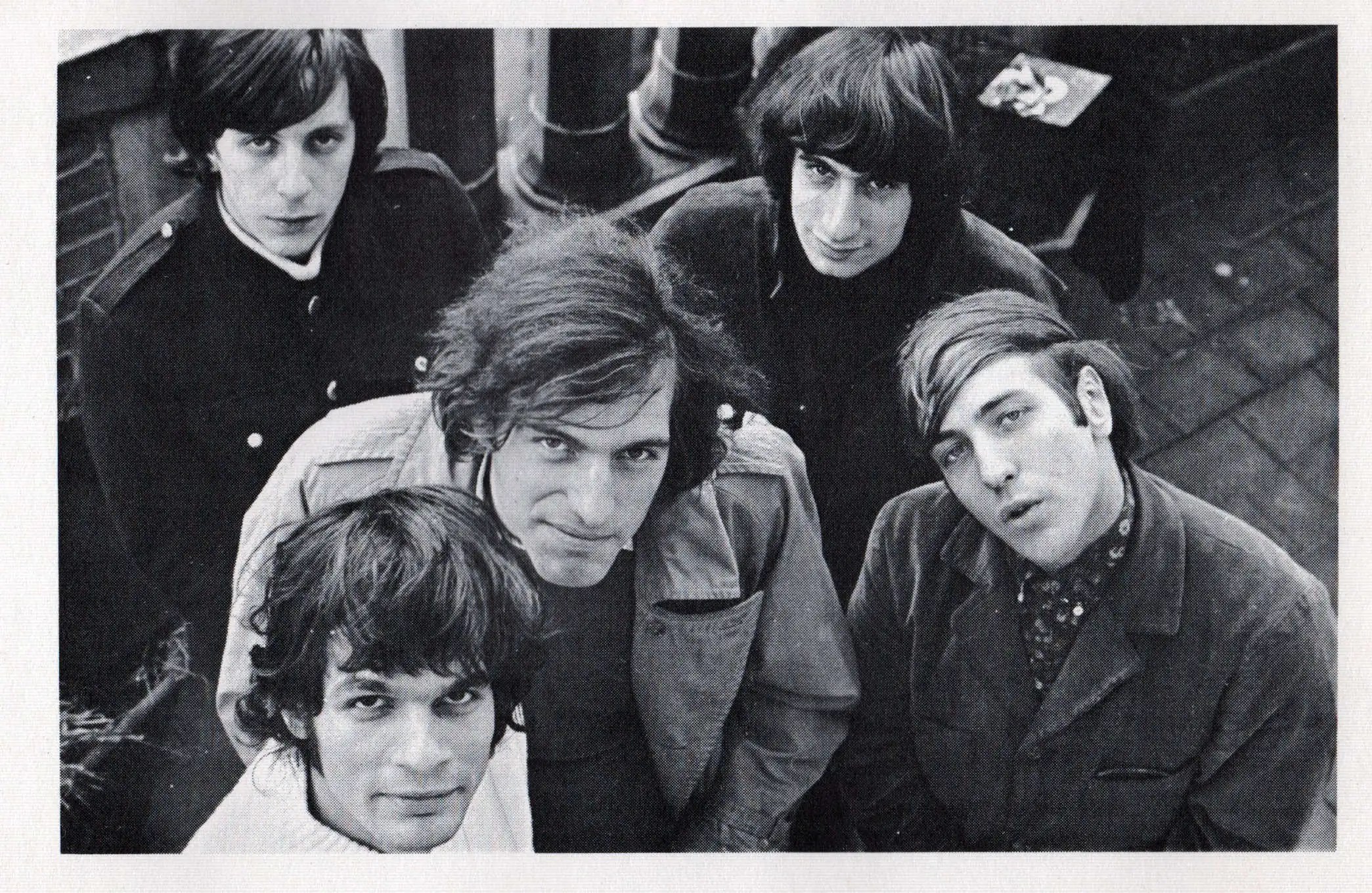
Kooper, who had been a New York session musician who ended up in Bob Dylan’s 1965 sessions for the seismic “Like a Rolling Stone” anthem, had proposed the idea of bringing in a horn section to broaden the band’s musical options, but bandleader Kalb rejected the concept, so Kooper quit and took his idea with him. Inspired by The Buckinghams, a Chicago-based pop group which featured lively horn arrangements in four Top Ten hit singles in 1967 (“Kind of a Drag,” “Don’t You Care,” “Mercy Mercy Mercy,” “Hey Baby”), Kooper envisioned a group that would use a rock band’s basic instrumental foundation and add a brass section. They would play a mix of musical styles similar to The Blues Project — jazz, blues, rock and pop — with classically trained horn players taking a featured role.
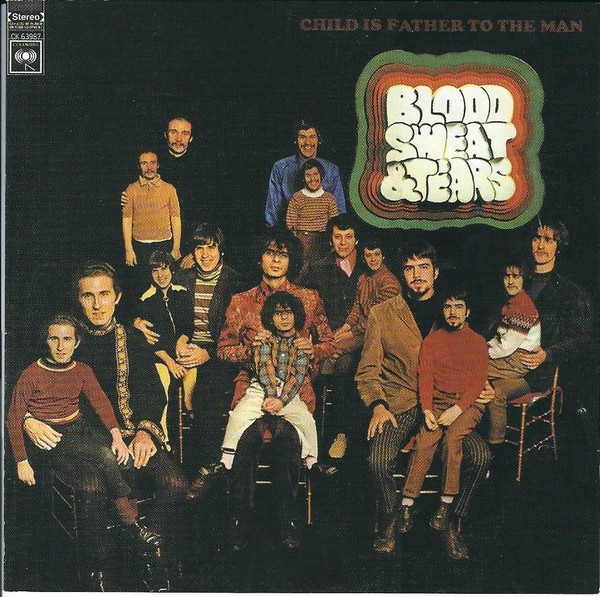
Kooper assumed the role of singer and creative director in addition to keyboard duties. He recruited Katz on guitar, bassist Jim Fielder and drummer Bobby Colomby, and Colomby then drafted multi-instrumentalist Fred Lipsius, trombonist Dick Halligan and trumpeters Jerry Weiss and Randy Brecker. Kooper came up with the name Blood, Sweat & Tears after seeing an early Johnny Cash album with that title, and hired respected producer John Simon, who worked with Simon & Garfunkel, Janis Joplin, Leonard Cohen and The Band. With Kooper writing half the tracks, including the fledgling single “I Can’t Quit Her,” the eight-piece group cut the debut LP “Child is Father to the Man,” released in early 1968 on Columbia. Critics praised its innovative approach; one wrote, “It borrows styles from contemporary folk to acid rock with fresh jazz elements. This is the sound of a group of virtuosos enjoying themselves in the newly open possibilities of pop music.” It managed to reach #47 on US album charts, and #40 in the UK.
But there was dissension in the ranks. Katz, for one, felt Kooper’s vocals were average at best and lobbied hard to hire a new lead singer. The band agreed, and Kooper, who didn’t want to stay if he couldn’t be the vocalist, dropped out (continuing his session work on dozens of albums and eventually becoming a successful producer and manager of groups like Lynyrd Skynyrd and The Tubes, and a published author as well). Weiss also left, as did Brecker, who would go on to greater heights with brother Michael as The Brecker Brothers in the 1970s and beyond.
The band was now in danger of losing their record deal, so they started searching in earnest for a new singer, and it turned out they didn’t have to look too far. Colomby got a call from his friend, folk singer Judy Collins, who told him about a powerful blues singer she’d heard at a club in The Village. His name was David Clayton-Thomas.
Born David Thomsett in England and raised in Toronto, Canada, he suffered beatings from an abusive father as a young boy, leaving home at 14 and sleeping in parked cars and abandoned buildings, stealing food and clothing to survive. He was arrested several times for vagrancy, petty theft and street brawls, and spent much of his teens in various jails and reformatories. He took to singing to pass the time in custody, learning guitar on a battered instrument and developing a kinship with folk and blues music — songs by men who were “dirt-poor working-class hobos with nothing to their name,” he wrote in his memoir. He got enough encouragement to eventually try singing at open-mic nights at some of the clubs in Toronto’s Yonge Street district, which had a vibrant folk and R&B music scene in the ’60s.
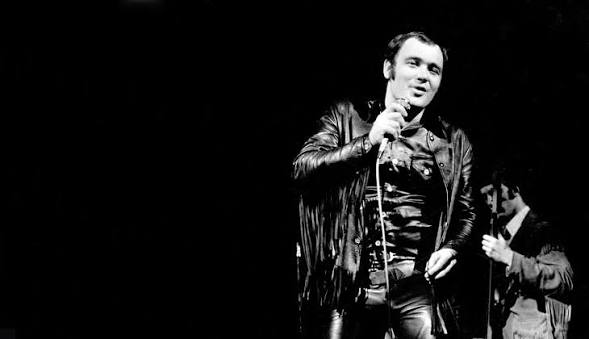
Changing his name to Clayton-Thomas to distance himself from his father, he developed a solid reputation singing with various bands and trios, including one called The Bossmen, purportedly one of the first rock bands anywhere to include jazz musicians. He performed with legendary bluesman John Lee Hooker, going with him to New York in 1966 and settling there, although he had no work visa, which would cause serious legal consequences years later.
At the urging of Collins, Colomby checked out one of Clayton-Thomas’s shows in New York and was knocked out by his vocals and his commanding stage presence. As fate would have it, Clayton-Thomas opened his set with a smoldering version of Kooper’s song “I Love You More Than You’ll Ever Know,” which BS&T had recorded for their debut album. “I think I heard about half the song, and I just knew,” said Colomby. “I offered him the job on the spot.”
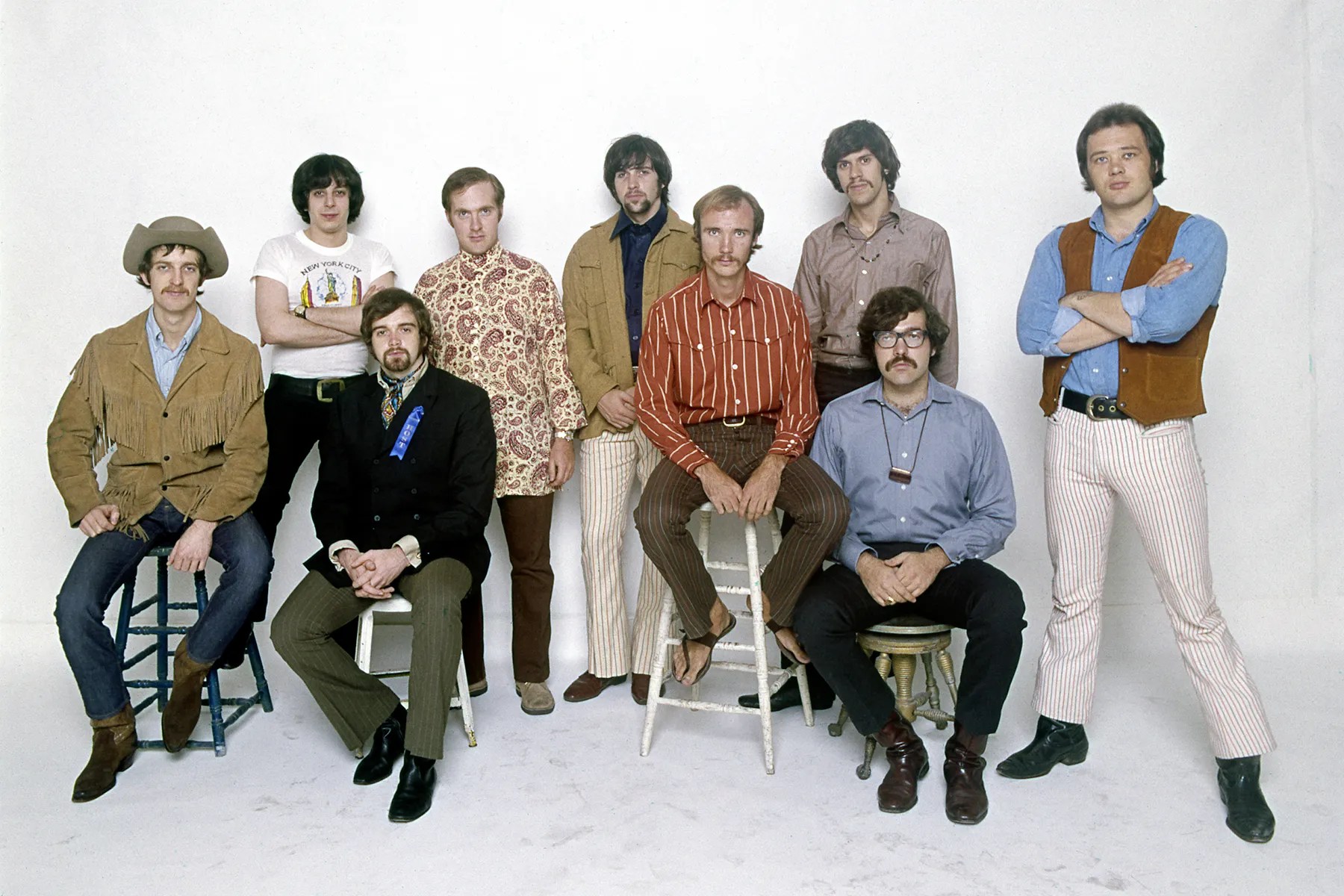
With Clayton-Thomas out front and new horn players Lew Soloff, Chuck Winfield and Jerry Hyman, the reconfigured nine-man lineup did a two-week stand at New York’s Café Au Go Go in 1968. The reaction was so positive that Columbia honcho Clive Davis promptly got them back into the studio, this time with producer James Guercio (who, ironically, was simultaneously producing Chicago’s debut as well). It was recorded in CBS’s New York studio on what was then a new state-of-the-art 16-track machine, and the result was sonically marvelous. They chose only three original tunes, opting instead for covers of material by Billie Holiday, Traffic, Laura Nyro and Brenda Holloway.
Little did anyone know how rapidly things would explode upon the release of that album, simply titled “Blood, Sweat & Tears,” in December 1968. First came the joyous Motown tune “You’ve Made Me So Very Happy,” which reached #2 in March 1969. Three months later, Clayton-Thomas’s song “Spinning Wheel” also peaked at #2 in July, and finally, Nyro’s gospel-inflected “And When I Die” made it a hat trick of #2 singles in October. The album spent an impressive seven weeks at #1; the band was a featured act at Woodstock in August (although they weren’t included in the film or soundtrack album because their manager foolishly insisted on more money); and when the annual Grammy Awards rolled around, the BS&T album beat out The Beatles’ “Abbey Road” for Album of the Year honors.
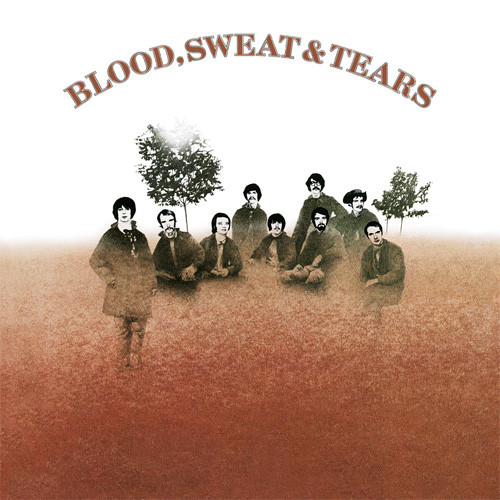
Me, I’ve always been crazy about some of the deeper tracks: Katz’s ballad “Sometimes in Winter” (on which he handled lead vocals); a remarkable adaptation of Holiday’s “God Bless the Child”; and the 14-minute “Blues Part II,” a mostly instrumental tour-de-force that’s represented on my Spotify playlist as a five-minute edit that showcases Clayton-Thomas’s vocal section at the longer track’s conclusion.
Clayton-Thomas’s charisma, burly physique and indelible tenor, alternately gentle and snarling, had very quickly become crucial to the group’s popularity. Said Davis about the addition of the singer: “He jumped right out at you. He seemed so genuine, so in command of the lyric lines, a perfect combination of fire and emotion to go with the band’s somewhat cerebral appeal. He was almost animalistic.”
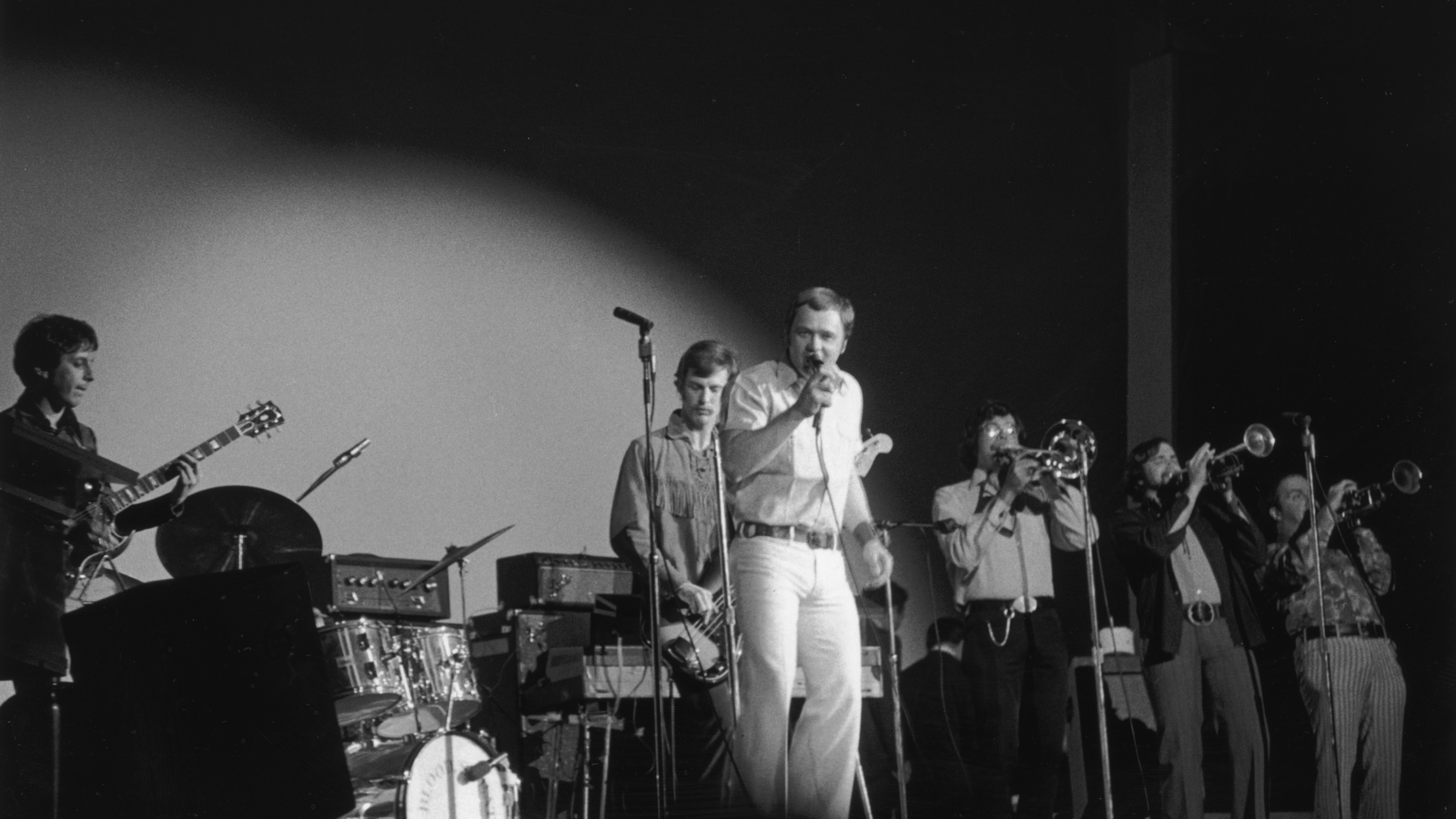
The group played nearly 100 concerts in 1969 in ever-bigger venues to ever-larger audiences from coast to coast. It seemed they could do no wrong…but their one questionable decision was to do a three-night stand at Caesar’s Palace in Las Vegas in December, which the rock press labeled “an un-hip establishment place where your parents’ entertainers performed.” Indeed, Rolling Stone magazine, which tended to look down its nose at anything that wasn’t bonafide rock, said in its review of the album earlier that year, “The listener responds to the illusion that he is hearing something new when, in fact, he is hearing mediocre rock, OK jazz, etc., thrown together in a contrived and purposeless way.” It was clearly a minority opinion, but it stung.
Things would get much, much worse in 1970. Like the majority of rock musicians at the time, BS&T had been vocal about their opposition to the war in Vietnam and other policies of the Nixon administration. They weren’t strident about it, but their remarks attracted enough attention for The White House to take umbrage, particularly coming from Canadian Clayton-Thomas. When they discovered he had been in the country illegally for years, and that he had a prison record in Canada, they brought the hammer down, insisting that the group participate in a State Department-sponsored tour of Eastern European countries as part of a detente effort, or Clayton-Thomas would be deported. Several in the band (especially Katz) didn’t want to do it but felt they had no choice. “It was blackmail, pure and simple,” said Katz.
Their experience there was mixed. They played to enthusiastic audiences in Poland and indifferent crowds in Czechoslovakia, and in Romania, the crowds were so pumped up that the communist authorities used vicious dogs and the military to control them, and they confiscated the film footage that was being shot by a film crew. The band was rattled by the experience, but were even more shaken by the critical reaction they got from the rock press and many of their politically minded fans upon returning to the US. “We were just musicians trying to play music for people,” said Clayton-Thomas. “We were the #1 band in the world. And it turned into this huge political rat’s nest. The political right felt we were too antiwar and anti-Nixon, and the political left hated us for being what they felt were pawns of Nixon. It was insane. It immediately became clear that we were not going to be forgiven by the counterculture for becoming what they saw as sellouts.”
Colomby lamented, “We became the most uncool band in the world. It was so unfair.”
Talk about cancel culture.
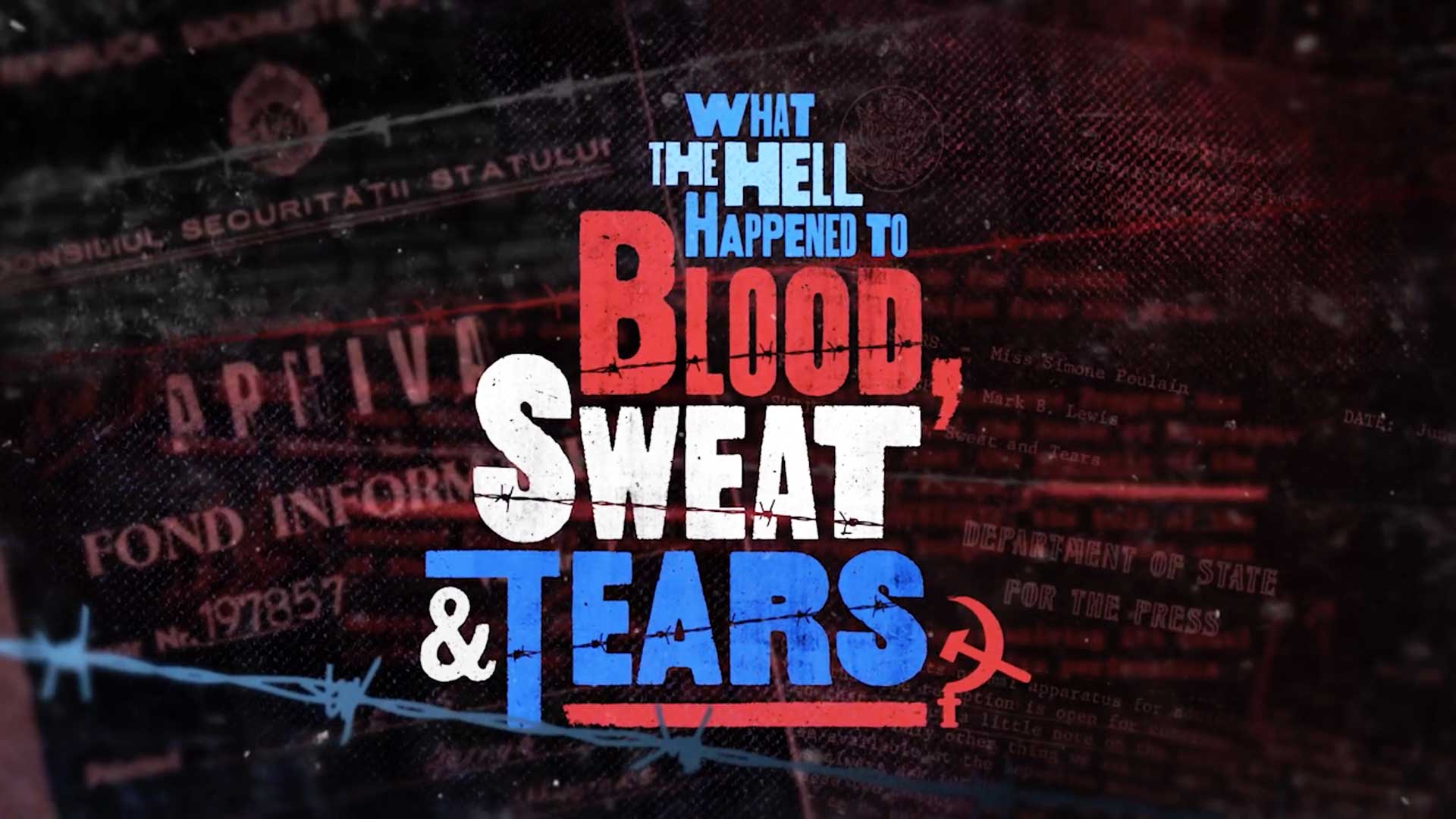
Three years ago, a documentary was released called “What the Hell Happened to Blood, Sweat and Tears?” I was stunned as I watched the nearly two-hour film, with long-ago footage and new interviews with band members Katz, Clayton-Thomas, Fielder and Lipsius shedding light on a rather extraordinary tale of deception, strong-arming and political propaganda. One critic wrote this about it: “Did Nixon’s State Department cause BS&T to bleed out prematurely? That’s the film’s implicit premise. It’s an absorbing spy movie made with smuggled footage, and an incisive history lesson about international relations in the ’70s. Above all, it’s a cautionary tale for now about the risks we take when we rush to judgement without all the facts.” I can’t recommend strongly enough that you need to watch this (now on Amazon Prime) to truly understand the answer to its titular question.
Like most young fans, I knew nothing about the entire incident at the time. Neither the tour itself nor the negative domestic reaction to it were widely reported, and the deal struck between the government and the band to prevent Clayton-Thomas’s deportation was not public knowledge. All I knew was, their next LP, “Blood Sweat & Tears 3,” came out the same month and went right to #1, producing two more hit singles, “Hi-De-Ho” and “Lucretia MacEvil.” (The latter song included the telling lyric, “Hard luck and trouble ’bout to be your claim to fame.”) It wasn’t as strong an album overall, but enjoyable enough, with captivating additional tracks like “Something Coming On” and “He’s a Runner.” To its detriment, the album also included a ghastly cover of The Rolling Stones’ “Sympathy For the Devil” entitled “Symphony For the Devil,” and a lame version of James Taylor’s then-new hit “Fire and Rain.”
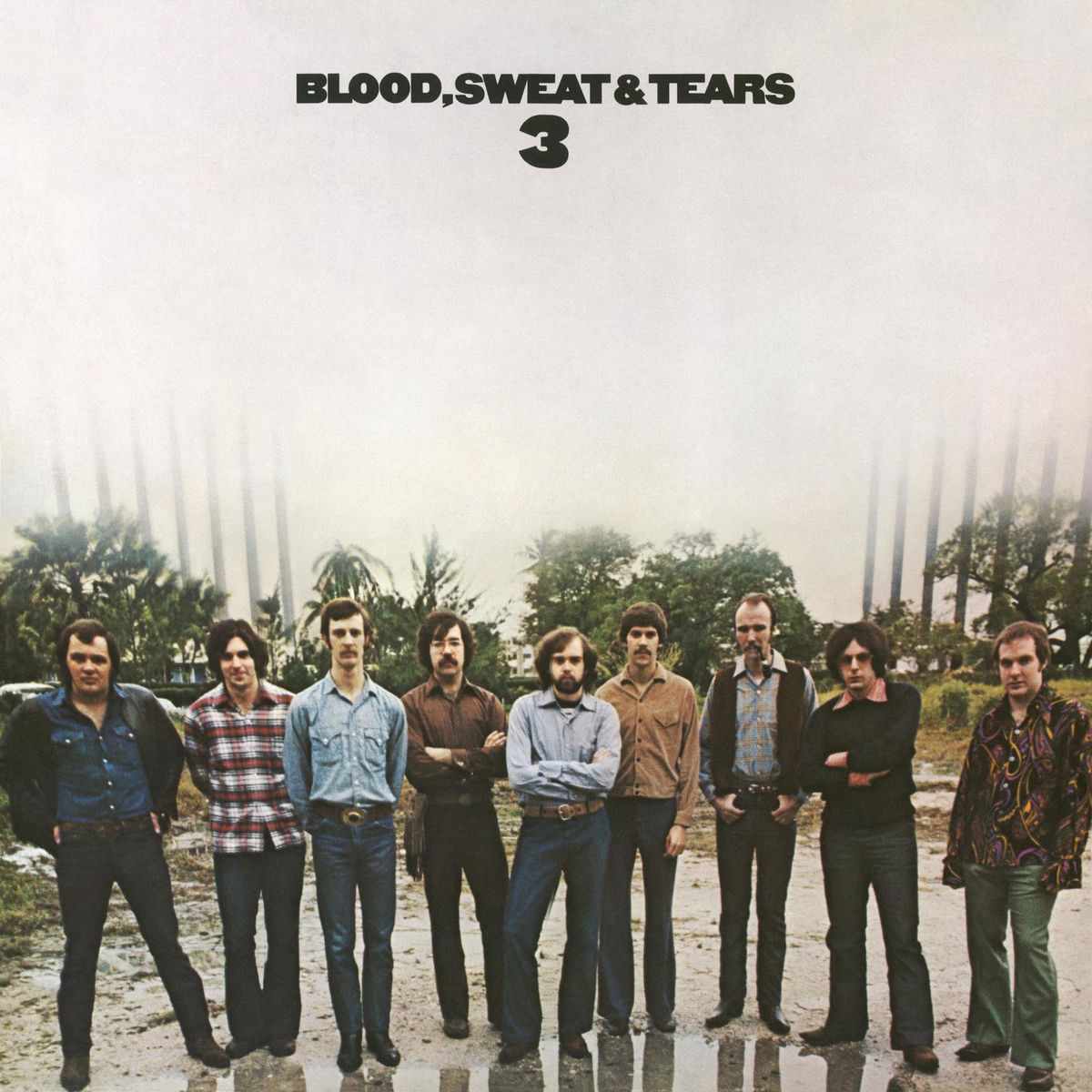
Despite how they found themselves victims of character assassination, Blood, Sweat and Tears soldiered on, touring and recording another LP (“BS&T 4”) in 1971, which had two more singles (“Go Down Gamblin'” and “Lisa, Listen To Me,” which barely made the Top 40), but clearly, the bloom was off the rose. To return to the comparison with Chicago, BS&T was on the decline just as Chicago was riding high with multiple singles and high-charting albums.
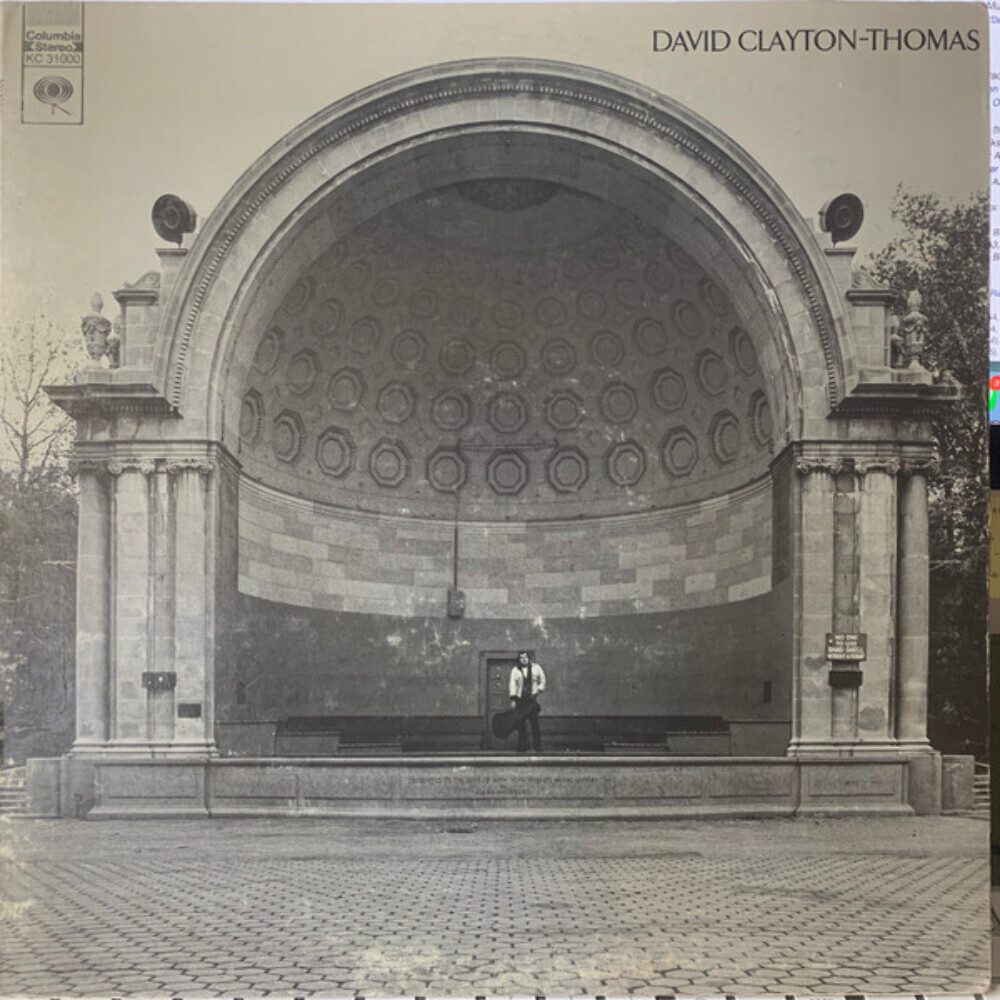
In early 1972, Clayton-Thomas chose to leave BS&T and return to Canada, citing burnout from touring, dueling egos and disputes over the band’s business affairs. He had also developed a reputation for heavy alcohol and drug use, and belligerent behavior. His first solo effort, titled simply “David Clayton-Thomas,” is a pretty decent LP that should have fared better than its anemic #184 showing on the album charts, but there was apparently little interest in him on his own. A couple more solo LPs did no better, despite some bright moments. He struggled professionally and personally, with several divorces and a lawyer who stole most of his money, he said.
Within a month of his departure, Columbia released a Greatest Hits collection to recapitulate the Clayton-Thomas-era hits, and it has gone on to sell seven million copies.
Difficulties had arisen inside the group between its pop-rock and jazz factions, and Lipsius and Halligan, probably the two most talented musicians in the lineup, also chose to depart when Clayton-Thomas did. The remaining six added two new brass players and, most notably, a singer named Jerry Fisher, a blues singer from Texas with a sizable regional following. He wanted to sing new material instead of the old Clayton-Thomas songs, and the band agreed they needed a fresh re-start, but audiences obviously wanted to hear the big hits, so a balance was struck between the two. They released the aptly titled “New Blood” LP in 1972, with “So Long Dixie” charting modestly on Top 40 charts. When the group brought in Swedish guitarist Georg Wadenius, Katz decided to take his leave as well.
By 1975, drummer Colomby was the only remaining member from the classic lineup. With Clayton-Thomas’s solo career struggling, Colomby was able to woo him back to the new BS&T fold for the next three LPs, “New City,” “More Than Ever” and “Brand New Day,” but each album did progressively worse on the charts, with no singles in sight. A wholesale change brought an entirely new lineup of musicians (except for Clayton-Thomas) for the 1980 release “Nuclear Blues,” which failed to chart and remains the last LP the group ever released.
From then on, Blood, Sweat and Tears has been a performing band with a revolving door of musicians, some staying several years, some staying a few months. On the band’s Wikipedia page in the “Members” section, an astounding list of more than 150 musicians (including a dozen different lead vocalists) are listed as having been part of the group! If that’s not a record, I can’t imagine what is.
For his part, Clayton-Thomas remained as vocal frontman for 20 years until finally calling its quits in 2004. “I discovered, and they discovered, that Blood, Sweat & Tears wasn’t worth much without me — and I wasn’t worth much without them,” he told The Toronto Star in 2020.
In the wake of Clayton-Thomas’s death last week, Steve Katz said, “David and I had a difficult relationship, but we did have those wonderful years and a lot of great music in common. There were nights when David’s singing was just astounding, and it was great to be on the same stage. I would love to have had the chancer to do it all over as the more tolerant and much wiser men we both turned out to be.”

Toronto keyboardist Lou Pomanti, who worked with Clayton-Thomas on and off for several decades, praised the man’s vocal chops. “When you pair those blues roots with that raunchy voice, that flexibility and the agility that he had… When you team it with a fantastic jazz band and the great arrangers that they had, it was like nothing anybody had ever heard.”
R.I.P. to a remarkable vocalist.
********************************
The Spotify playlist I’ve assembled offers two tracks from the first incarnation of BS&T, followed by a comprehensive look at the songs from the band’s heyday with Clayton-Thomas (1969-1971). There’s also a healthy dose of material from Clayton-Thomas’s solo work, which includes several convincing covers of classic R&B and blues from one of his final LPs in 2010.

