They say there’s always magic in the air
I’ve always been fascinated by magic tricks, magicians and magic shows. It’s a tradition that’s been around for centuries. Unlike some folks, I’m not interested in finding out how a magic trick works. I might say, “How’d he do that?”, but I don’t really want to know. For me, that spoils the fun of it. It shatters the illusion that makes it so entertaining in the first place.
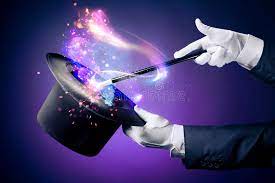
When we say “there’s magic in the air” or “it was a magical day,” we’re buying into the idea that something truly special is present, something unknown, or unknowable, something mystical, supernatural, otherworldly. It’s exciting to contemplate!
It’s a great topic for songwriters too. I found a couple dozen songs with magic in the title in the classic rock realm, and I’ve selected 15 to examine more closely. My Spotify playlist at the end includes these 15 selections plus another eight as “honorable mentions.”
******************************
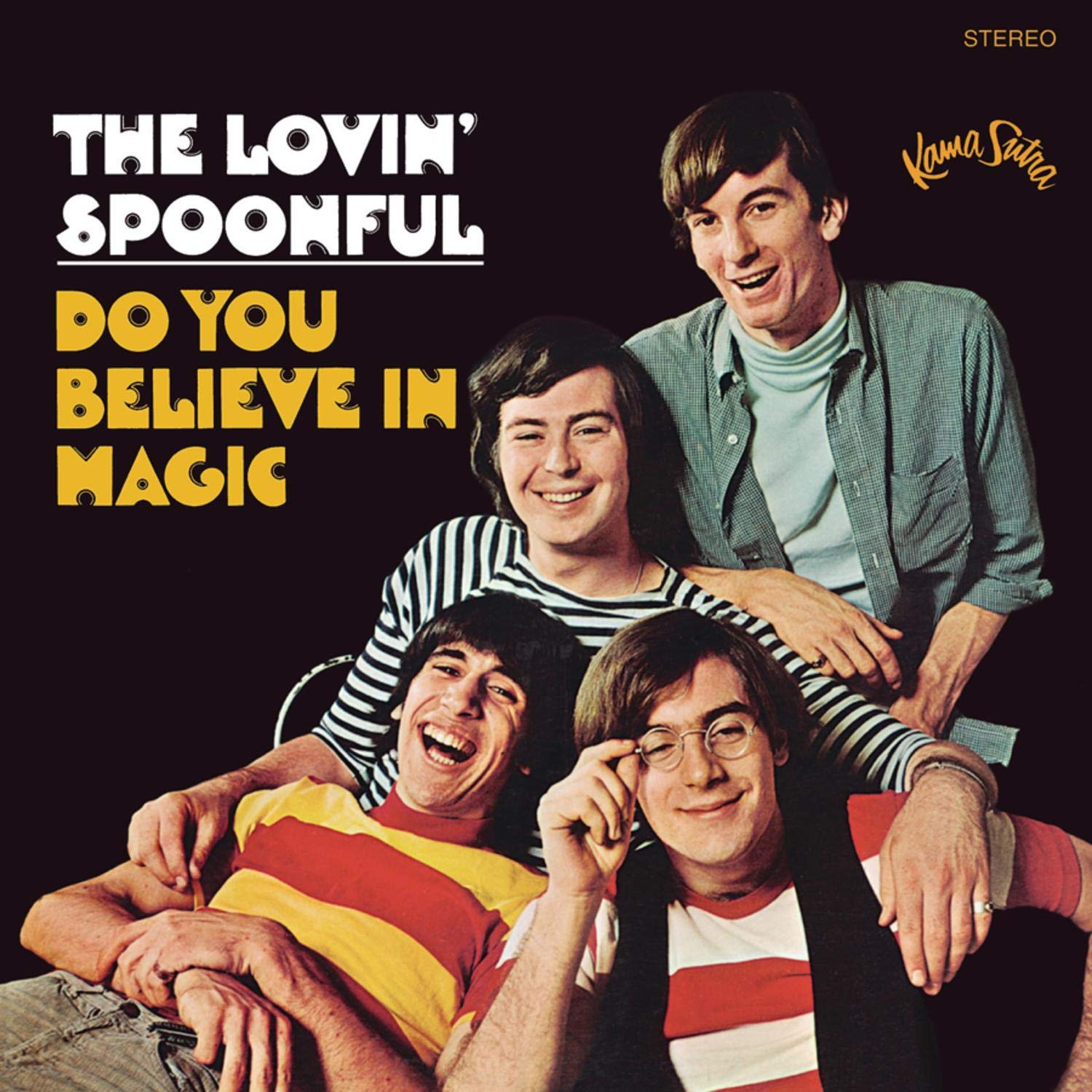
“Do You Believe in Magic,” The Lovin’ Spoonful, 1965
Singer-songwriter John Sebastian and his band made a dramatic debut in mid-1965 with this effervescent tune about the seemingly magical power of music to bring happiness to those who make it as well as to those who listen to it. It reached #9 on US charts and became something of an anthem for the burgeoning rock ‘n’ roll community: “It’s magic if the music is groovy, it makes you feel happy like an old-time movie, /I’ll tell you about the magic, it’ll free your soul, but it’s like trying to tell a stranger ’bout rock and roll, /If you believe in magic, don’t bother to choose, if it’s jug band music or rhythm and blues, /Just go and listen, and it’ll start with a smile that won’t wipe off your face no matter how hard you try…”

“Magic,” The Cars, 1984
The Cars’ chief songwriter Ric Ocasek wrote this fun tune about how relationships can sometimes survive and thrive if they have just a touch of something undefinable, something…well, magical: “Uh oh, it’s magic when I’m with you, uh oh, it’s magic, just a little bit of magic pulls me through, /Uh oh, it’s magic, just a little magic inside of you…” The song, the second of five Top 40 singles from the group’s “Heartbeat City” LP, reached #12 in 1984. The band released a popular music video for “Magic” as well, featuring a cast of comically eccentric characters gathered around a swimming pool marveling at Ocasek, who seemed to be walking on the surface of the water. When some tried to walk on water, they fell in, but Ocasek remains standing and dry because…it’s magic!

“Magic Man,” Heart, 1976
When Ann and Nancy Wilson co-wrote this early hit for their band Heart, Ann explained it was autobiographical in nature. At the time, she was mesmerized by her new boyfriend and his alluring ways, referring to him as a “magic man” with strong charms: “I could not run away, it seemed we’d seen each other in a dream, /It seemed like he knew me, he looked right through me…” She said her mother was concerned, but Ann replied, “Try try try to understand, he’s a magic man, mama, aww yeah, he got the magic hands…” “Magic Man” was Heart’s first Top Ten hit, peaking at #9 in 1976. The album version was more than two minutes longer than the edited single, thanks to lengthy guitar and synthesizer solos.

“Every Little Thing She Does is Magic,” The Police, 1981
Sting wrote this tune back in 1976 before The Police had formed, and made a demo of it by himself. Several years later, as the band was recording their fourth LP, “Ghosts in the Machine,” Sting resurrected this song “even though it seemed a bit soft for the band at first, but still, it sounded like a No. 1 song to me.” The trio tried recording it anew with a different arrangement more like typical Police material, but in the end, they used Sting’s demo and grafted new drums and guitar parts on top, as well as a new piano track by Jean Roussel. The song, which reached #3 in the US in 1981, explores the feelings of a shy man hesitant to approach the woman he admires: “Every time that I come near her, I just lose my nerve as I’ve done from the start, /Every little thing she does is magic, everything she do just turns me on…”
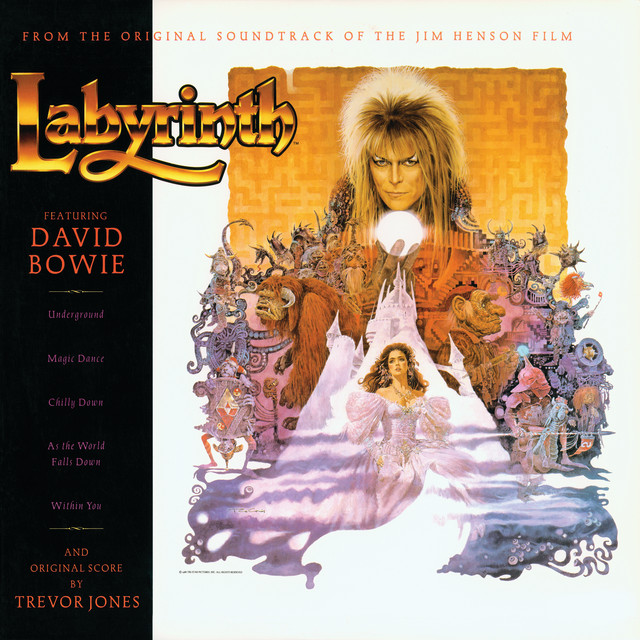
“Magic Dance,” David Bowie, 1986
For “Labyrinth,” the 1986 musical fantasy film by Jim Henson (in which Bowie starred as Jareth, king of the goblins), Bowie wrote and recorded five songs, the best of which was “Magic Dance,” sometimes called “Dance Magic.” It’s a crazy-fun uptempo tune that was used in a scene where Jareth and his goblins try to entertain a crying baby. Critics have called it “one of Bowie’s most playful and underrated songs” that “has the ability to reinvigorate a dying party nearly 40 years later.” The lyrics overtly refer to magic spells but retain a lighthearted touch: “What kind of magic spell to use?, /Slime and snails or puppy dogs’ tails, thunder or lightning, something frightening, /Then baby said, dance magic dance, put that baby spell on me, jump magic jump…”

“Magic Carpet Ride,” Steppenwolf, 1968
This may come as a surprise to many who have regarded this classic rock song as a stoner anthem, but Steppenwolf singer-lyricist John Kay claims that’s not the case. He said he was merely writing about his brand new high-quality stereo system (“Close your eyes, girl, look inside, girl, let the sound take you away…”) and how the music could magically transport him and his new wife as if they were on Aladdin’s magic carpet: “Last night I held Aladdin’s lamp,
and so I wished that I could stay… Well, you don’t know what we can find, why don’t you come with me, little girl, on a magic carpet ride…” Thanks to an undeniably catchy riff and strong vocals, “Magic Carpet Ride” reached #3 and proved to be a worthy follow-up to Steppenwolf’s iconic debut, “Born To Be Wild.”

“Spanish Castle Magic,” Jimi Hendrix Experience, 1967
Hendrix grew up in Seattle, and one of the things he enjoyed doing during his high school years in the late ’50s was driving out to a roadhouse an hour south of the city, where he could sneak in under age to watch great live music. The place he recalled fondly was called The Spanish Castle, and he ended up writing about it (somewhat cryptically) in “Spanish Castle Magic,” a track that appeared on his second album with The Experience, “Axis: Bold As Love,” released in late 1967. “It’s very far away, it takes about half a day to get there, if we travel by my dragonfly, /No it’s not in Spain, but all the same, you know, it’s a groovy name, /Hang on my darling, yeah, hang on if you want to go, /It puts everything else on the shelf, with just a little bit of Spanish castle magic, yeah baby…”

“This Magic Moment,” Jay and The Americans, 1968
Lyricist Doc Pomus and pianist Mort Shulman were songwriting collaborators on two dozen Top 40 hits in the late ’50s and early ’60s, including The Drifters’ #1 smash “Save the Last Dance for Me,” Dion & The Belmonts’ “A Teenager in Love,” and “Surrender,” “Little Sister” and “Viva Las Vegas” for Elvis Presley. Another hit for The Drifters was “This Magic Moment,” which charted even higher when recorded in 1968 by Jay and The Americans, reaching #6. The song’s lyric does a fine job of describing the special feeling when you experience a first kiss with someone: “Sweeter than wine, softer than the summer night, /Everything I want I have, whenever I hold you tight, /This magic moment while your lips are close to mine will last forever, forever ’til the end of time…”

“Magic Bus,” The Who, 1968
Pete Townshend wrote this madcap rocker in 1965 but cut only a demo of it. The Who would perform it live occasionally, but they didn’t record it until 1968 when they released it as a single, reaching #25 in the US. Townshend wrote it as a lark about a fellow who traveled by bus every day to visit his girlfriend, which sparked the idea that he ought to buy the bus so he could drive himself. Negotiations ensued until the bus driver gave in. So there wasn’t much that was magical about the bus, but it’s still a fun little track from one of Britain’s best-ever bands: “I don’t care how much I pay, /Too much, Magic Bus, I wanna drive my bus to my baby each day, /Too much, Magic Bus, /I want it, I want it, I want it, I want it, /You can’t have it!…Every day you’ll see the dust, as I drive my baby in my Magic Bus…”
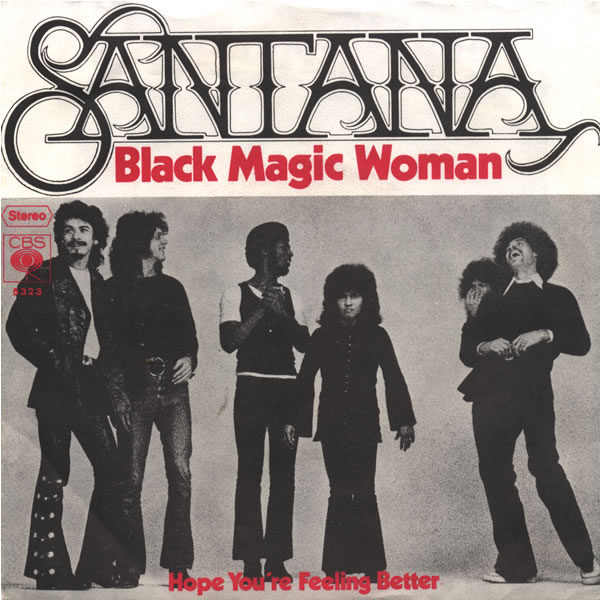
“Black Magic Woman/Gypsy Queen,” Santana, 1970
Peter Green, blues guitarist/singer/songwriter who founded Fleetwood Mac back in 1968, wrote “Black Magic Woman” as a blues tune fashioned after the Otis Rush song “All Your Love.” It became modestly popular in the UK and was often featured in live performances even after Green left the group. In 1970, Carlos Santana and his band recorded a cover of the song as a blues/rock/jazz thing with congas, timbales and other Latin-based percussion, plus organ and piano, giving a voodoo feel to it. That version reached #4 in the US, propelling Santana’s second LP, “Abraxas,” to #1 in early 1971. The lyrics already gave Green’s song a black magic vibe: “Got your spell on me, baby, yes you got your spell on me, baby, turning my heart into stone, /I need you so bad, magic woman, I can’t leave you alone…”
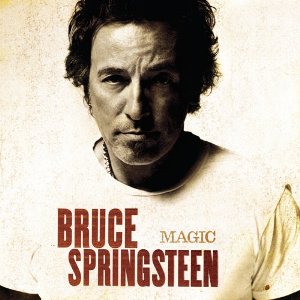
“Magic,” Bruce Springsteen, 2007
Critics hailed The Boss’s LP “Magic” as high-energy rock in the tradition of Springsteen’s early albums with The E Street Band, and yet lyrically, there was a liberal dose of societal concern and melancholy, from “Your Own Worst Enemy” and “Radio Nowhere” to “Long Walk Home” and “Last to Die.” The title track offers examples of how magic tricks (illusion) are, like political maneuvering, just shiny diversions from the uncomfortable truth (reality): “Trust none of what you hear, and less of what you see, /This is what will be… /I got a shiny saw blade, all I need’s a volunteer, /I’ll cut you in half while you’re smilin’ ear to ear, /And the freedom that you sought’s drifting like a ghost amongst the trees, /This is what will be…”

“Little Miss Magic,” Jimmy Buffett, 1981
As the Seventies turned into the Eighties, party animal Buffett mellowed a bit and, with his second wife, had two daughters. For their first, named Savannah, he wrote the gentle, whimsical ballad “Little Miss Magic,” which appears as the final track on his 1981 LP “Coconut Telegraph.” He observes how his young daughter stares at things and might someday go on to do wondrous things. As any parent can tell you, babies are indeed magical, and Buffett wholeheartedly agrees: “Sometimes I catch her dreaming and wonder where that little mind meanders, /Is she down along the shore or strolling cross the broad Savannahs? /I see a little more of me every day, I catch a little more moustache turning grey, /Your mother is the only other woman for me, Little Miss Magic, what you gonna be?…”
“Puff, the Magic Dragon,” Peter, Paul & Mary, 1962
Based on a 1958 poem by Peter Yarrow’s college roommate, “Puff” was written by Yarrow in 1962 and became a #2 song on US charts in 1963. When overreachers claimed the song was about smoking weed, Yarrow said, “Oh, come on, people. It’s a children’s story about a boy and his friend the dragon. It’s about the loss of innocence when we grow up and move on from childhood concerns.” He added that Puff was a magic dragon to the boy because “to a young boy, everything is magical, especially dragons.” “Puff the magic dragon lived by the sea, and frolicked in the autumn mist in a land called Honah-Lee, /Together they would travel on a boat with billowed sail, Jackie kept a lookout perched on Puff’s gigantic tail…”
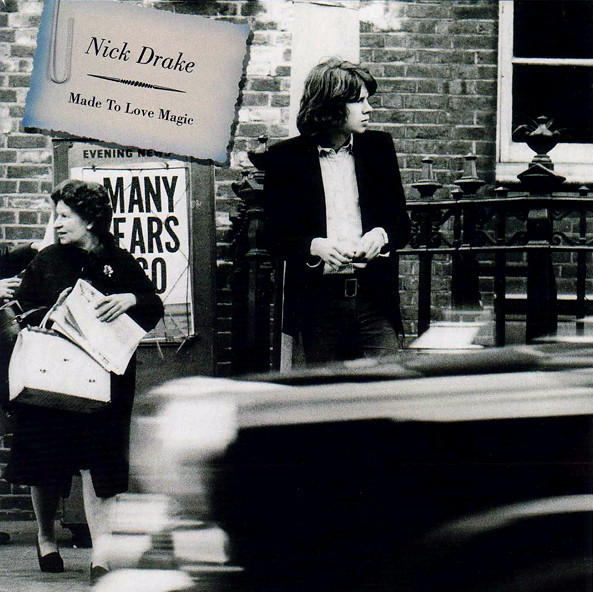
“I Was Made to Love Magic,” Nick Drake, 1969
Extremely talented but severely introverted, Drake released three albums in his short life and recorded additional tracks that were released posthumously, including this one called “I Was Made to Love Magic,” or more familiarly, just “Magic.” It had been intended for his debut LP in 1969 but was left off and later re-recorded twice with different orchestral string sections, finally seeing release on a 1987 compilation. His crippling depression that ultimately contributed to his death at only 26 was evident in the lyrics to several of his sad songs including “Magic”: “I was born to love no one, no one to love me, /Only the wind in the long green grass, the frost in a broken tree, /I was made to love magic, all its wonder to know, /But you all lost that magic many many years ago…”
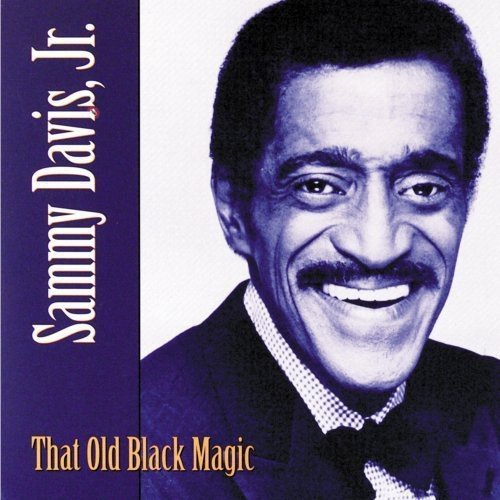
“That Old Black Magic,” Sammy Davis Jr., 1955
“The Wizard of Oz” songwriter Harold Arlen teamed up with the great Johnny Mercer to write “That Old Black Magic” in 1942 for a flimsy musical wartime morale booster called “Star Spangled Rhythm.” The movie was nothing much, but the musical score and the Arlen/Mercer song were nominated for Oscars that year. It went on to become a standard, sung by numerous stars over the years like Judy Garland, Frank Sinatra, Louis Prima, Ella Fitzgerald, Bobby Rydell and, more recently, Rod Stewart. To my ears, the best arrangement was by Sammy Davis Jr., who had a #16 hit in 1955. Here’s a sample of the lyrics: “That old black magic has me in its spell, that old black magic that you weave so well, /Icy fingers up and down my spine, that same old witchcraft when your eyes meet mine…”
***************************
Honorable mentions:
“Magical Mystery Tour,” The Beatles, 1967; “Magic Time,” Van Morrison, 2007; “Strange Magic,” Electric Light Orchestra, 1975; “You Can Do Magic,” America, 1981; “If It’s Magic,” Stevie Wonder, 1976; “Magic Woman Touch,” The Hollies, 1973; “Magic,” Pilot, 1975; “Me Wise Magic,” Van Halen, 1996; “Games of Magic,” Bread, 1972.
****************************