If I leave here tomorrow, will you still remember me?
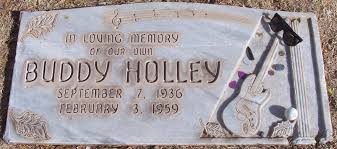 “I’ve lost a lot of friends on this highway, so long, everyone, I watched them all sail into the distance, like a setting sun, they’d only just begun, and we just lost another one…” Graham Nash, 2002
It’s a sad truth that the creative arts fields — music, film, literature — have had more than their fair share of gifted artists who have died prematurely. In popular music in particular, a disturbing number of promising, successful talents have left us at a young age. Considering that the average age of death in the US these days is nearly 79, anyone dying in their 40s or 50s has died young. Those passing away in the 20s or 30s have died WAY too young.
In rock ‘n roll’s first couple of decades, it seemed to be an almost monthly occurrence that we’d lose a major player to drugs, or suicide, or a plane crash, or a bullet, or a terminal illness. I don’t know about you, but for a while there, I got really tired of grieving for yet another musical hero who bit the dust for whatever reason.
 Hack's Back Pages