Here’s a song for a friend soon gone

I should begin this week’s post with this caveat to my readers: If you’re not from Cleveland, or at least from the Midwest, you’re probably going to be scratching your head and wondering, “Who is Michael Stanley?”

Holly Gleason, a Cleveland-based writer, put it succinctly in a piece she wrote in the wake of Stanley’s passing last week: “Like a secret handshake, you can still measure the rock and Midwestern bonafides of people, especially those who grew up in Ohio and surrounding states in the ‘70s and ‘80s, by whether they knew The Michael Stanley Band. In Cleveland, especially, Stanley was an artist who felt every bit as important as Detroit’s Bob Seger, Indiana’s John Mellencamp and even Jersey’s Bruce Springsteen, who also captured working class lives, loves and disappointments with an authenticity as gritty as it was charged.”

The difference between Stanley and those nationally known rock stars was that, despite relentless efforts over many years, he never could get the broader recognition his music so richly deserved. In the big cities and small towns of the Great Lakes area, The Michael Stanley Band — or MSB, as his fans called them — were enormously popular from the mid-’70s through the mid-’80s and beyond, setting attendance records at major venues that still stand decades later.

Stanley was seven years older than I am, so he was 26 and I was 19 when I was first introduced to his music when my friend Mark loaned me his copy of Stanley’s 1974 LP “Friends and Legends.” I had begun hearing his exceptional tune “Let’s Get the Show on the Road” on WMMS-FM, Cleveland’s hugely influential rock radio station, and I wanted to hear more. The following summer, Stanley joined forces with guitarist/singer Jonah Koslen, bassist Dan Pecchio and drummer Tommy Dobeck to form the Michael Stanley Band. I picked up their first album, “You Break It, You Bought It,” and became rather obsessed with it, especially the rockers “I’m Gonna Love You” and “Step the Way” and the ballads “Waste a Little Time on Me” and “Sweet Refrain,” all of which benefitted from the capable hands of producer Bill Szymczyk.

In the summer of ’76, I was eager to see the farewell tour of Loggins and Messina at Blossom Music Center, the wonderful amphitheater nestled into the Cuyahoga Valley between Cleveland and Akron. The bonus for me was my first exposure to MSB in concert, who served as the warm-up act that evening. Loggins and Messina, who knew next to nothing about Stanley and company, must’ve been thoroughly puzzled and impressed by the over-the-top response to MSB’s show by the loud and loyal Northeast Ohio fans in attendance.

I kept waiting for these guys to make a splash on the national charts, both singles and albums, but it didn’t happen, not for 1976’s “Ladies’ Choice” or the 1977 double live album “Stagepass,” recorded at Cleveland’s storied rock venue, The Agora. When Koslen left the band to form his own group Breathless, and then MSB were dropped by Epic Records, I figured, oh well, just another band that didn’t make it. What a shame.

But no. They added guitarist Gary Markasky on lead guitar and keyboardists Bob Pelander and Kevin Raleigh, and signed with Arista Records, run by the mercurial Clive Davis. Stanley’s new songs, plus a few by Raleigh and Pelander, had a punchier “straight-ahead rock” feeling, as Stanley himself would describe them, punched in nicely by producer Robert John “Mutt” Lange. To my ears, “Misery Loves Company” or “Who’s to Blame” from 1978’s “Cabin Fever” should’ve been big hits, or “Last Night” or “Hold Your Fire” from 1979’s “Greatest Hints,” (and let’s not overlook the stunning ballads “Why Should Love Be This Way” and “Beautiful Lies”). Inexplicably, Davis was only lukewarm on these tracks and chose not to promote the LPs sufficiently, ultimately giving up on the group.

Then came EMI America, who signed MSB in 1980 during sessions for “Heartland,” their first brush with Billboard charts fame. “He Can’t Love You,” which included the unmistakable sax playing of The E Street Band’s Clarence Clemons, reached #33 but stalled there, and the album never rose past #86. Other lineup changes came (Michael Gismondi on bass, Danny Powers on lead guitar, Rick Bell on sax), and EMI chose to stick with the band for three more stellar LPs — “North Coast,” “MSB” and “You Can’t Fight Fashion” — but despite constant touring behind huge acts, they never achieved consistent headliner status outside Ohio, Michigan, Pennsylvania and a few other cities like St. Louis.

I was a rock music critic in Cleveland during this period, and I wrote appreciative profiles and glowing concert reviews of MSB. One review even sparked a letter from Stanley himself, thanking me for being supportive! I interviewed him over lunch one time and found him to be incredibly gracious and approachable. Indeed, when I asked our staff photographer to take one photo of Stanley with me for my bulletin board at home, Stanley didn’t hesitate to put his arm around my shoulder. Such a genuinely nice guy.

Once EMI dropped the band, MSB threw in the towel…but that didn’t stop Stanley from writing and performing his music. He played shows regularly throughout Northeast Ohio with former MSB members, with another gang of musician friends he called The Resonators, and as Michael Stanley and Friends. More important, he continued writing really great songs and recording them on independent labels at the rate of nearly one studio album every year from 1995 through 2017, plus a couple of live collections.

I saw MSB and or Stanley solo seven times in the ’70s and ’80s, often at Blossom as part of sold-out crowds. The electric atmosphere at those gigs reminded me of the rabid crowds at Springsteen shows. More recently, I saw him perform in December 2019 at MGM Northfield Park, and the place was packed with fervent fans who had clearly grown up with MSB’s music, and could (and did) sing along on damn near every song in the set list. It was those people I thought about this past week when the reality of Stanley’s death from lung cancer truly hit me.

As Gleason put it, “Michael Stanley saw us. He knew what we were thinking and feeling, and the reality of how it felt being the great unseen and never-heralded. He took it all in, twisted that truth into three, four, five visceral minutes, and sent our lives into the world with an actual dignity and understanding… He saw us — young, hungry, dreaming of something more, not even sure what it was. He felt our urgency, and he put it in songs.”
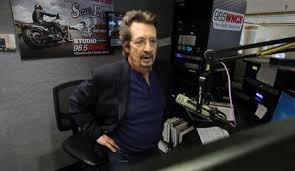
I moved away from Cleveland in 1995, first to Atlanta and then Los Angeles, so I wasn’t around much to see him take on a new career as a TV personality, hosting evening talk/entertainment programs for several years. But I was hip to his fine work behind the microphone as the afternoon drive-time DJ on classic rock radio station WNCX in Cleveland, a position he held from 1990 until just a few weeks ago when his failing health would no longer allow it. Whenever I came to town for visits, I always tuned my car radio to his show, which offered excellent classic rock selections interspersed with his soothing, familiar voice. It was like sliding into a pair of comfortable old shoes.

Over the years, I have relished the opportunity to turn on my friends in Atlanta and L.A. and elsewhere to the Michael Stanley Band. Invariably, after I offered up musical perfection on tracks like “Spanish Nights,” “In Between the Lines” and the irresistible “Lover,” they asked me, “Why weren’t these guys bigger stars?” I could only shrug my shoulders and shake my head in resignation.

David Spero, a former WWMS DJ and Stanley’s first manager, and a lifelong friend of Stanley, always felt his songs were his strong suit, and I’m inclined to agree. They’re smartly constructed, with intelligent, thought-provoking lyrics that capture the work ethic and passion for life that his fans have lived by. Said Spero, “I think he’s probably one of our country’s most underappreciated writers in that kind of Bob Seger/Bruce Springsteen style of storytelling.”

Stanley, born and raised in the suburbs of Cleveland and a stalwart resident ever since, said in a 2019 interview, “I had three pretty good, separate careers in music, TV and radio. Did we accomplish everything we wanted to? No. But we accomplished things we never thought of. I’ve been making a living doing something I love. This is what I dreamed about as a teenager, and I ended up doing it.”
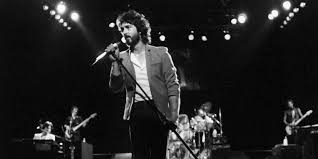
That’s what I mean about the unabashed sincerity of the man. In a recent social media post, Jackie, a woman I worked with in public relations, recalled a time she spent the better part of a day in the ’90s driving Stanley around in a golf cart at a promotional event. “I can still remember how kind and cool, how slyly funny and completely down to earth he was that day. It’s nice when people are as you hope they’ll be.”

Michael Belkin, whose father served as manager for Stanley for 40 years, said, “In my entire career, I have never seen another artist as patient and polite as Michael was with fans. Backstage, at pre- and post-show meet & greets, dinners and benefits, I saw him interact with thousands of supporters over the years, and he was consistently pleasant and gracious. Always. Every time.”

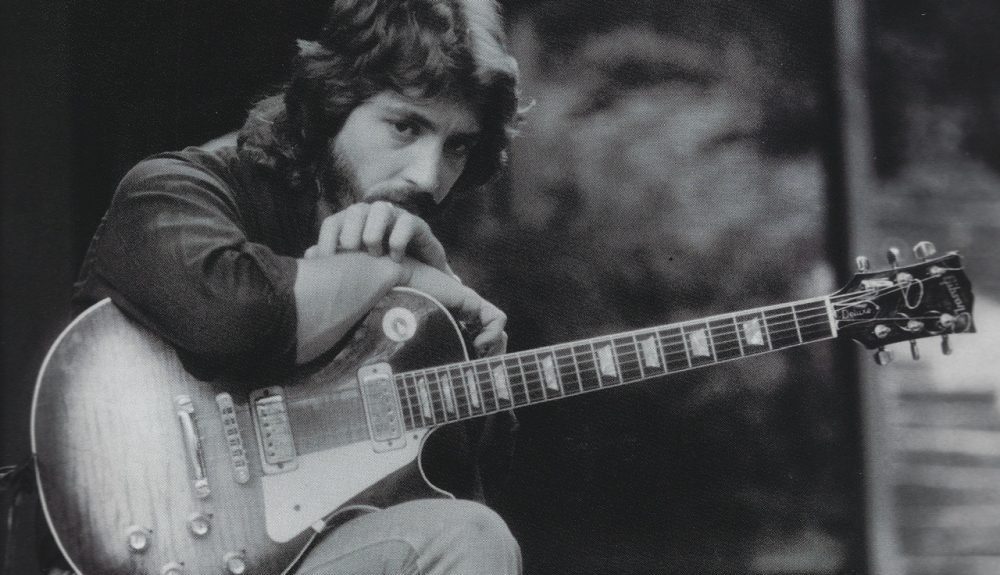
The great guitarist Joe Walsh, who played on Stanley’s early solo LPs, had this to say last week: “Michael was the king of Cleveland, and of course, the Michael Stanley Band became a Midwest powerhouse. Michael has always been a master at the craft of songwriting. His songs have a way of getting in your head and became songs you end up singing to yourself over and over from then on. His music will always be part of me.” (In fact, Walsh recorded Stanley’s tune “Rosewood Bitters” on his 1985 album “The Confessor.”)

In 2012, Stanley was asked about his legacy. His reply? ““If you look back at any writer’s body of work, you usually find a common theme or two that they’ve been trying to hone. I realized that mine is: You just never know. This whole idea of never knowing what tomorrow is going to bring and being open to it.”

Indeed, on Stanley’s 2014 album “The Job,” there’s a marvelous tune aptly titled “You Just Never Know”: “You just got to take it, just got to be there, /Just got to hold on ’cause you just never know, /Just got to take the fight into the heart of another night, /And just got to hold on ’cause you just never, just never know…”
***************************

If you’re intrigued by this band you’ve never heard of, or want to immerse yourself in their catalog and commiserate our collective loss with like-minded fans, have I got a playlist for you! It’s roughly chronological, from early solo albums through the nine MSB albums to Stanley’s latter-day LPs, with a few strong covers he recorded along the way. I think you’ll agree that this was a band who coulda-woulda-shoulda been much bigger across the country.
Well, that one went by in a flash

When rock and roll arrived in the 1950s, the music may have pushed a lot of boundaries — the beat, the arrangement, the singing –but not the song length. Virtually every track on every album lasted somewhere between two and three minutes because that’s what radio stations demanded, and record companies eager for airplay were happy to comply.

In the ’60s, though, that began to change. In 1965, Dylan’s iconic hit single “Like a Rolling Stone” broke the six-minute barrier, and The Beatles’ “Hey Jude” in 1968 was more than seven minutes (although some stations cut off the “na na na na-na-na-na” coda well before the end). By the early 1970s, psychedelic groups such as The Grateful Dead and Iron Butterfly and progressive rock bands like Genesis and Jethro Tull were releasing songs that lasted the length of an entire album side — 15 or 20 minutes or more.

But what about the other extreme? I was listening to some vintage albums recently and came across quite a few tracks that pushed boundaries in the opposite direction — songs that last well under two minutes. Some were less than a minute long. It begs the question: Are these really songs, or just song fragments tacked on to albums in a moment of what-the-hell whimsy?

Some short tracks were designed to be brief. James Taylor’s 1972 LP “One Man Dog” has eight tracks clocking in under two minutes. Several were strung together in a six-song medley that concludes the album, but songs like “New Tune,” “Fool for You” and “Chili Dog” are stand-alone tunes that make their case in about 1:40 apiece.

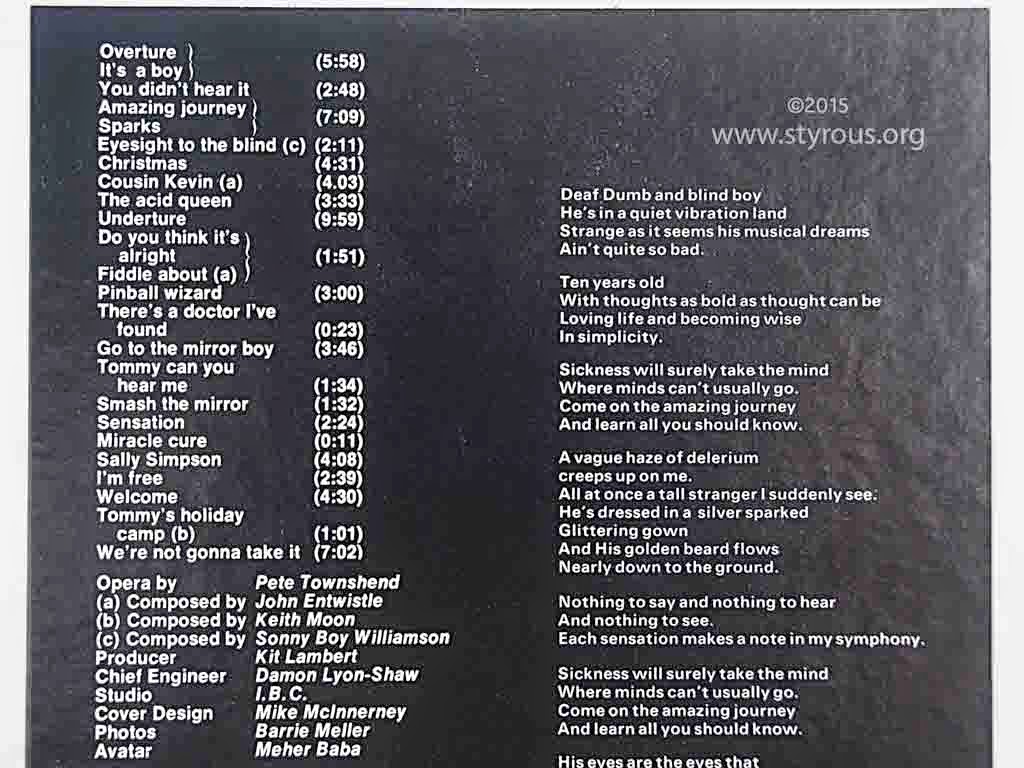
On epic productions like The Who’s “Tommy” or Pink Floyd’s “The Wall,” there are several very short “songs” that are really nothing more than bridges to further the story and connect the longer songs.

Still others sound like they’re unfinished, maybe because the artist lost interest in developing the idea any further, but went ahead and included it on the album anyway. Paul McCartney’s 1970 album opener “The Lovely Linda” (44 seconds) and Taylor’s 1971 album closer “Isn’t It Nice to Be Home Again” (55 seconds) end barely before they’ve begun.

I’ve gathered 21 short-but-sweet examples of brutally concise songs by artists of the ’50s, ’60s, ’70s and ’80s. It certainly won’t take much time to listen to the Spotify playlist found at the end!

********************

“Mercedes Benz,” Janis Joplin, 1971

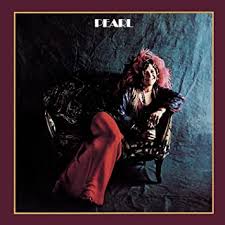
Joplin had heard a poem by San Francisco beat poet Michael McClure that began, “Come on, God, and buy me a Mercedes Benz.” She began singing that line one night while sitting in a bar with singer-songwriter Bob Neuwirth, and the two of them exchanged verses about other things she might want God to buy for her. This anti-consumerism tune, sung in an a cappella arrangement lasting a mere 1:47, was the last song Joplin ever recorded, and ended up on her posthumous #1 album “Pearl” in 1971.

“Welcome to the Working Week,” Elvis Costello, 1977

The first song on Costello’s astonishing debut LP “My Aim is True” is this 1:23 quickie that immediately establishes him as the fiery non-conformist that would be a defining feature of his career. While classics like “Alison” and “Watching the Detectives” deservedly got more airplay, “Welcome to the Working Week” deftly and succinctly commiserates with working stiffs who head off to a job they hate: “Oh I know it don’t thrill you, I hope it don’t kill you… You gotta do it ’til you’re through it, so you better get to it…”

“Little Deuce Coupe,” The Beach Boys, 1963

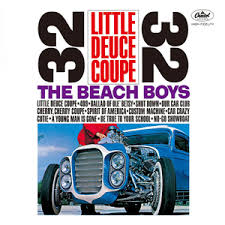
While the first three Beach Boys LPs were heavy on surfing tunes, their fourth focused on cars and hot rods, the other key element of the Southern California lifestyle. All the Beach Boys’ early songs were relatively short and to the point (under 2:30 in length), but “Little Deuce Coupe,” which reached #15 as the B-side of the “Surfer Girl” single, faded out at only 1:41. Brian Wilson wrote this and several other car songs with local DJ Roger Christian, who came up with the lyrics. Wilson noted the tune had “a good shuffle rhythm that had a bouncy feel to it.”

“Father of Night,” Bob Dylan, 1970

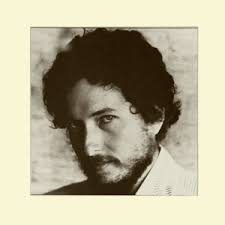
Out of the 360 songs Dylan has written and recorded on nearly 40 studio albums, this is the shortest. He wrote it and two others for a play by poet Archibald MacLeish entitled “Scratch,” but a disagreement with the play’s producer resulted in Dylan pulling the songs from the project and re-directing them to his next studio album, 1970’s “New Morning.” He wrote “Father of Night” as a modern re-interpretation of Amidah, the central prayer of the Jewish liturgy that encompasses a number of daily blessings.

“Breaking Glass,” David Bowie, 1977

Bowie was fighting cocaine addiction when he fled L.A. in the mid-’70s for Berlin, where he teamed up with ambient music guru Brian Eno. The experimental tracks recorded for Bowie’s “Low” album emphasize tone and atmosphere rather than guitar-based rock, and the music is influenced by German bands such as Tangerine Dream and Kraftwerk. “Breaking Glass” is defined by Bowie producer Tony Visconti as a song fragment (1:52) that was intended to be incorporated into something larger, but was ultimately left as is.  

“Oh Baby, Don’t You Loose Your Lip on Me,” James Taylor, 1970

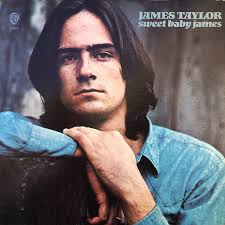
After an unsuccessful debut LP on Apple Records in 1969, Taylor and manager-producer Peter Asher jumped ship from London to L.A. and came up with the simple, direct, unassuming “Sweet Baby James” album, combining acoustic folk, country blues and a smidgen of rock. Nestled next to hits like “Fire and Rain,” “Country Road” and “Steamroller” is this short (1:49) track which features Taylor and longtime collaborator Danny Kortchmar exchanging impressive acoustic guitar riffs while JT puts on a clinic in ad-libbed blues vocals. It’s short and to the point, and a tad messy, but that’s part of its charm.

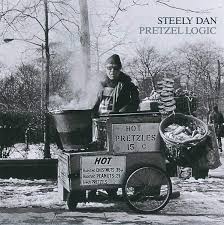
“Through With Buzz,” Steely Dan, 1974

On “Pretzel Logic,” the group’s third album, songwriters Donald Fagen and Walter Becker came up with some of their catchiest pop tunes (“Night By Night,” “Barrytown,” “Charlie Freak,” “With a Gun”), seemingly determined to bring them in at under three minutes. The shortest of the bunch (1:32) is a curiously appealing number called “Through With Buzz,” a diatribe against a guy who stole the narrator’s money and girlfriend. Fagen has said he got stuck on the song’s structure, unsure where to go next, and chose to abruptly bring it to an end.

“Tea For the Tillerman,” Cat Stevens, 1970

Stevens (now Yusef) made his initial splash in the US with this remarkable 1970 album full of engaging melodies and serious lyrics about searching for spiritual meaning in a soulless society. “Wild World” was the hit single, but “Father and Son,” “Longer Boats” and “On the Road to Find Out” eventually made as much or more impact. Serving as the album’s coda is the brief (1:06) title track, featuring Stevens bringing the album full circle to its opener, “Where Do the Children Play,” singing about how “the children play (rather than pray), Oh Lord, how they play and play for that happy day…”

“Rave On,” Buddy Holly, 1958

Co-written and first recorded by Texas singer Sonny West, “Rave On” became a modest hit for Holly in the US when he laid down his own rendition in early 1958. While it didn’t chart as high as “That’ll Be the Day,” “Peggy Sue” and “Oh Boy” here, it was a Top Five hit in the UK. “Rave On” was highly influential, covered by many other artists over the ensuing decades and ranked at #154 on Rolling Stone’s “500 Greatest Songs of All Time.” Nearly all of Holly’s songs in his brief career were compact, but “Rave On” leads the bunch at 1:47.

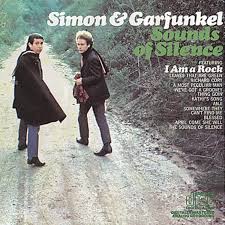
“April Come She Will,” Simon and Garfunkel, 1966

On the duo’s five studio albums, you’ll find four tracks under two minutes long, including the whimsical “The 59th Street Bridge Song (Feelin’ Groovy)” and the poignant “Song For the Asking,” but I’ve selected the perfectly concise (1:51) story-poem “April Come She Will.” Quite a few of Simon’s early lyrics focus on isolation, angst and death, and “April,” in which a woman arrives in spring and is gone by autumn, is one of them. It later made an appearance alongside “Mrs. Robinson” and others in the 1967 film soundtrack of “The Graduate.”

“Why Don’t We Do It in the Road?” The Beatles, 1968

John Lennon went on record saying he was disappointed Paul McCartney hadn’t asked him to participate in the studio recording of this bawdy blues tune from The Beatles’ “White Album.” There was tension in the band at the time, as Lennon was distracted by new lover Yoko Ono, so McCartney grabbed Ringo to record the drums while he added keyboards and bass, and gave the song an aptly ragged vocal. Paul wrote “Why Don’t We Do It in the Road?” in India one morning after watching two monkeys copulating on an ashram pathway. It lasts only 1:41.

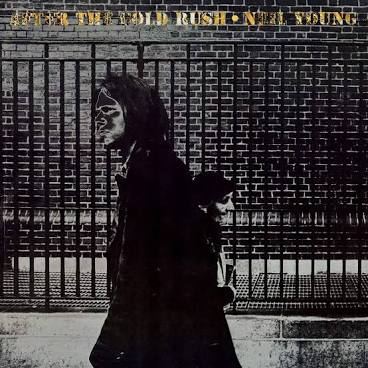
“Till the Morning Comes,” Neil Young, 1970

From Young’s classic “After the Gold Rush” album, this track certainly sounds as if he gave up on it. It’s got a nice piano-based melody and an arrangement that begins to build in instrumentation (bass, drums, French horn) and voices, but then just when you’re looking for another verse, maybe a bridge, a solo, something, it simply fades out at 1:16. I always wondered whether he regards this tune as unfinished business; knowing him, probably not.

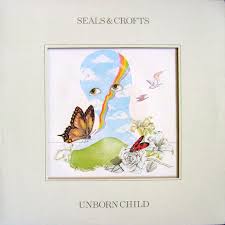
“Rachel,” Seals and Crofts, 1974

The multi-tracked vocal harmonies this soft-rock duo committed to vinyl are some of the prettiest of that era, from “Summer Breeze” and “Diamond Girl” to “We May Never Pass This Way Again” and “Hummingbird.” Jimmy Seals sings lead, with Dash Crofts handling the upper register. On their lesser-known LP “Unborn Child,” you’ll find “Rachel,” less than a minute long and sorely in need of further development. But it somehow works as the Side Two opener, with guitar and mandolin and those impeccable harmonies.

“Cheap Day Return,” Jethro Tull, 1971

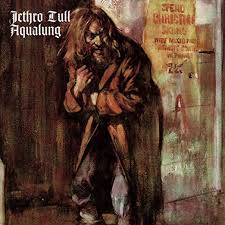
Critics have labeled Tull’s “Aqualung” a concept album criticizing organized religion, but in fact, only three songs deal with that subject (“My God,” “Hymn 43” and “Wind Up”). The title track and “Locomotive Breath” are classic rock war horses still in heavy rotation, but scattered throughout the album are reflective acoustic pieces that keep listeners on their toes. One is “Cheap Day Return,” a 1:21-long bauble featuring Ian Anderson musing about an incident when the nurse tending to his dying father asked Anderson for an autograph.

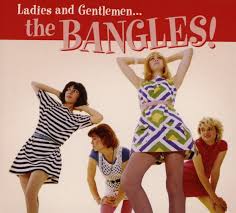
“Call on Me,” The Bangles, 1981

Susanna Hoffs joined forces with sisters Debbi and Vikki Peterson to form The Bangs in 1980, recording their first single “Getting Out of Hand,” backed with the quick-and-dirty “Call on Me” (1:34). Turns out another group owned the name The Bangs, so they modified their name to Bangles and went on to great success in the latter ’80s with power pop hits like “Manic Monday,” “Walk Like an Egyptian” and “Eternal Flame.” There’s a New Wave-y feel to the early “Call on Me,” and an almost countryish guitar solo in the middle.

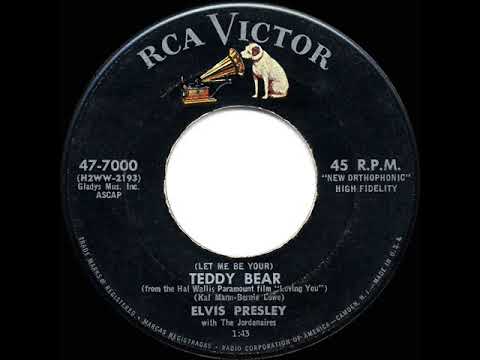
“(Let Me Be Your) Teddy Bear,” Elvis Presley, 1957

Thanks to aggressive promotion by manager “Colonel” Tom Parker, Presley’s singing and acting careers developed simultaneously, and he found himself in a starring role in the frothy film “Loving You” in 1957, only a year after his first #1 hit (“Heartbreak Hotel”). Jerry Lieber and Mike Stoller wrote the movie’s title song, but it was only the B-side for Presley’s next #1 hit, “Teddy Bear,” penned by Kal Mann and Bernie Lowe. Clocking in at only 1:45, it was one of the shortest #1 singles in Billboard history, and hugely popular, holding the #1 spot for seven weeks.

“Eruption,” Van Halen, 1978

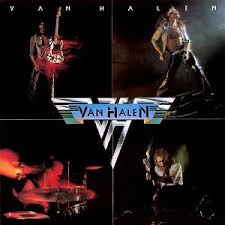
When America’s premier rock band of the 1980s first showed up in 1978 with their self-titled debut LP, one of the tracks that had jaws dropping across the country was “Eruption,” a mind-blowing electric guitar workout featuring (who else?) the late great Eddie Van Halen. It was an instrumental and lasted only 1:44, but it remains high on the list of fan favorites and was often part of their concert set list. (Another short VH track, “Spanish Fly,” only 1:02 in length, features virtuoso Eddie on classical guitar.)

“Smash the Mirror,” The Who, 1969

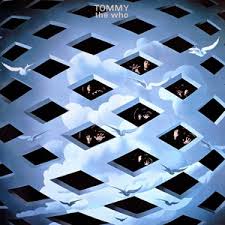
As mentioned earlier, The Who’s iconic rock opera “Tommy” has a few short tracks that serve to move the story along and link longer, more pivotal songs. At only 1:30, “Smash the Mirror” has the beginnings of a proper tune, but it’s soon clear that its purpose is to be the climactic moment when Tommy has a monumental breakthrough to cure his deaf-dumb-and-blindness, and segues next into “Sensation,” when he realizes the impact he has made as a world-class pinball player.

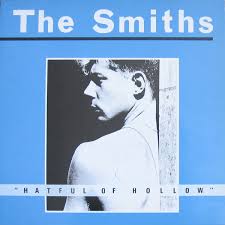
“Please, Please, Please, Can I Get What I Want,” The Smiths, 1985

Although The Smiths were more of a cult favorite in the US, they were enormously popular and influential in their native England. Their jangly indie rock/pop sound and the smartly accessible songs of lyricist/singer Morrissey and guitarist Johnny Marr made their four albums “must haves” throughout the UK and Europe. Early in 1984, “William, It Was Really Nothing” was a #17 single in the UK, and its B-side was the lush “Please, Please, Please, Let Me Get What I Want,” which leaves the listener wanting more when it ends way too soon at 1:52.

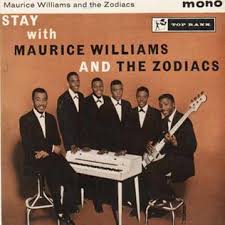
“Stay,” Maurice Williams and The Zodiacs, 1960

This irresistible singalong song was written in 1953 by Williams at only 15, immediately after failing to convince his young date not to go home at 10:00 as her father had insisted. It was finally recorded in 1960 by Williams’s band The Zodiacs, and it reached #1 for a week in December of that year. At 1:36, it still holds the record for shortest #1 song ever on the US charts. The song found new life when Jackson Browne included it on his “Running on Empty” LP in 1977, and again in 1987 when The Zodiacs’ version was used in the film “Dirty Dancing.”

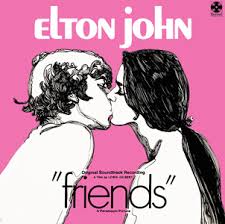
“Seasons,” Elton John, 1971

Before stardom found them, Elton John and songwriting partner Bernie Taupin signed a deal to provide several songs for a French film called “Friends,” directed by Lewis Gilbert. It was a box office dud, but the soundtrack did well thanks to Elton’s involvement. The song “Friends” made the Top 40 in the US, and four others are well worth your attention. There’s a beautiful ballad called “Seasons” that appears twice, tied into some Paul Buckmaster orchestral score music. The full reprise of it at the end of the album lasts 1:39.

**********************

Honorable mention as the shortest tune of them all:

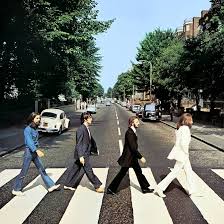
“Her Majesty,” The Beatles, 1969

McCartney wrote this irreverent little ditty about the Queen and placed it between “Mean Mr. Mustard” and “Polythene Pam” on the 15-minute medley from Side 2 of “Abbey Road.” Upon hearing an early run-through of the medley, McCartney decided he didn’t like “Her Majesty” after all and told the engineer to cut it. Having been instructed to never throw any Beatles tape away, he spliced the 36-second tune onto the end of the leader tape for the time being. Later, when the whole band listened to the medley, “Her Majesty” came through the speakers as a surprise after 15 seconds of silence. They loved that and left it there.