You know the groove’s still there

Most of the posts and playlists I put together here at Hack’s Back Pages have themes. Songs about autumn… Cringeworthy songs… Great ex-Beatles tunes… Songs with female names as the title… Songs for April Fool’s Day…

Some groupings, however, are seemingly random — strange mixes of genres, tempos, year of release, lyrics topics. That’s because these are what I call “lost classics.” Typically, the only thing they have in common is that they’re great songs that you maybe heard once before, or maybe a few times, but you haven’t heard in ages or have forgotten about. Or perhaps you’ve never heard some of these songs at all.

In any case, you’re just going to have to trust me. I think my track record for selecting dusted-off gems is pretty good, and I’ll wager that after hearing this playlist of a dozen songs from the ’70s (and a couple from the ’80s), you’ll come away with at least three or four “new” songs that hit your sweet spot. That’s the fun of lost classics — exciting discoveries of long-neglected musical jewels!

The Spotify playlist is at the end for you to access as you read more about the tracks. Enjoy!

****************************

“People Gotta Move,” Gino Vannelli, 1974

I remember going to an audio store in 1974 to buy new speakers, and when the sales guy dropped the needle on an album to test the sound of various brands of speakers, the record he chose to use was “Powerful People,” a new album by a Canadian singer named Gino Vannelli. The track was “People Gotta Move,” an infectious, keyboard-driven tune that knocked me off my feet (and eventually reached #22 on US charts that year). In addition to new speakers, I also bought Vannelli’s LP and it’s been a favorite of mine ever since. Four years later, his “Brother to Brother” LP reached #3 on the US charts, thanks to the #4 hit “I Just Wanna Stop,” but I still prefer the sound and excitement of his early work. Crank this one up LOUD!
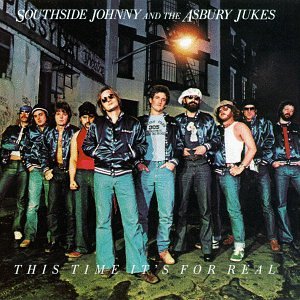
“Without Love,” Southside Johnny & The Asbury Jukes, 1977

I’d become a major Bruce Springsteen fan in the summer of ’75, playing his first three LPs incessantly and bowled over when I saw him in concert at a Cleveland theater. While in college at Syracuse the following year, I began hearing great things about a New Jersey cohort of Springsteen named “Southside” Johnny Lyon, so when he came to campus to play a small club with his rollicking R&B band The Asbury Jukes, I eagerly attended, and have loved this group ever since. Their second LP, 1977’s “This Time It’s For Real,” is full of irresistible dance tracks, many written by Steve Van Zandt and Springsteen, but my favorite is “Without Love” by songwriter Carolyn Franklin, younger sister of Aretha Franklin. Southside Johnny and his horn section are in top form on this slab of vintage soul.
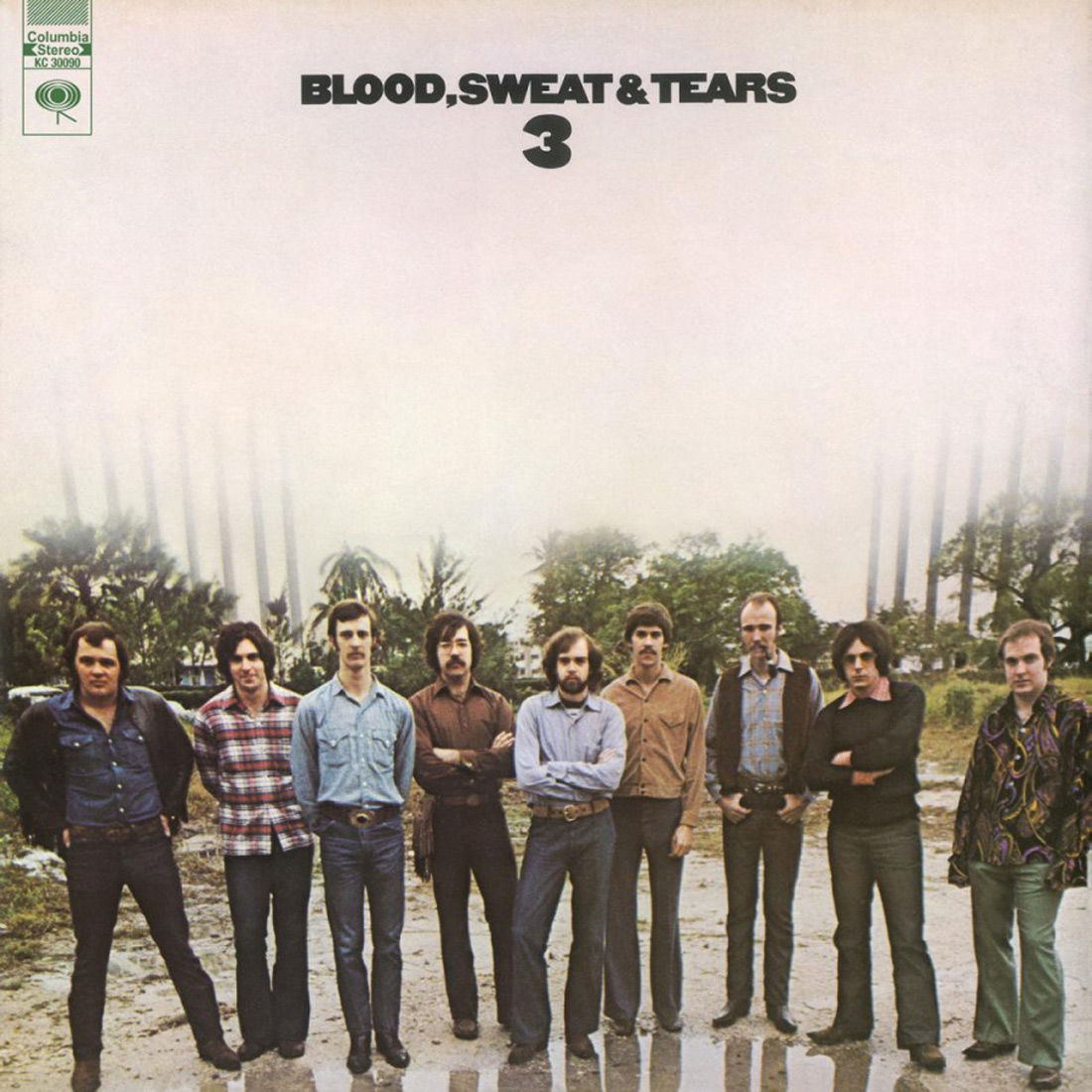
“Lucretia MacEvil”/”Lucretia’s Reprise,” Blood, Sweat & Tears, 1970

I was among the millions who loved BS&T’s 1969 album with its original use of horns and jazz arrangements in a rock format, and singer David Clayton-Thomas’s gutsy vocals on big hits like “You’ve Made Me So Very Happy,” “Spinning Wheel” and Laura Nyro’s “And When I Die.” I played the hell out of this LP, which also included sharp interpretations of Traffic’s “Smiling Phases” and Billie Holiday’s “God Bless the Child.” The follow-up album, “3,” turned out to be a big disappointment, but it included “Hi-De-Ho,” a stirring gospel track by Carole King, and Clayton-Thomas’s own “Lucretia MacEvil,” a modest hit at #29. The group tacked on a nifty jazz-horns coda entitled “Lucretia’s Reprise” that extends the song’s groove an extra three minutes.
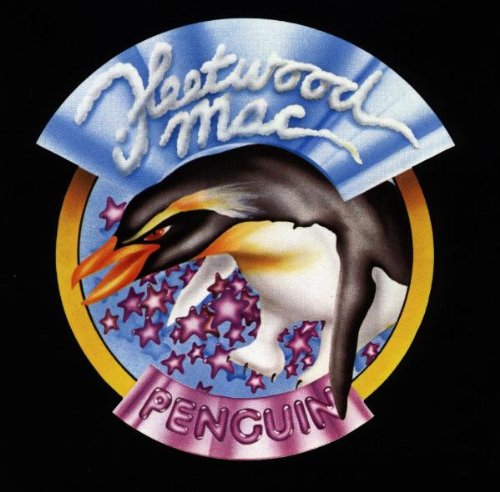
“Dissatisfied,” Fleetwood Mac, 1973

First, there was Peter Green’s Fleetwood Mac, founded in London in 1967 as a blues band led by Green’s superb guitar. In the late ’70s and into the ’80s, Fleetwood Mac was a super-platinum group pumping out multiple hit pop singles, led by guitarist Lindsay Buckingham and singer Stevie Nicks. In between those two versions, in the 1970-1975 period, there was a more eclectic period featuring the diverse songs of two guitarists (Brit Danny Kirwan and American Bob Welch), and the marvelous Christine McVie, whose singing and songwriting have been the most consistently superior of them all. On the otherwise ho-hum 1973 LP “Penguin,” she serves up the catchy pop rock of “Dissatisfied,” which resembles her later successes like “You Make Loving Fun” and “Little Lies.”

“Throwing Stones,” Grateful Dead, 1987

The late great Jerry Garcia got most of the accolades as the musical epicenter of this venerable band, and deservedly so, but I have always been equally fond of the singing and songwriting of bandmate Bob Weir. That’s his voice you hear on classics like “Truckin’,” “Sugar Magnolia” and “One More Saturday Night,” and his stellar contributions to the group’s superb 1987 comeback studio album “In the Dark” are arguably that record’s finest moments. There’s Weir’s compelling rocker “Hell in a Bucket,” and there’s the relentless beat and social commentary behind “Throwing Stones”: “And the politicians throwing stones, so the kids, they dance, they shake their bones, /’Cause it’s all too clear we’re on our own, singing ashes, ashes, all fall down…”

“Wastin’ Away,” Gerry Rafferty, 1980

The smooth voice and beautifully constructed songs of Gerry Rafferty seemed to come out of nowhere in the summer of 1978, particularly the majestic hit “Baker Street” with its killer sax riff. Actually, Rafferty may have sounded vaguely familiar because he was the singer in the band Stealers Wheel, who had a 1973 hit with “Stuck in the Middle With You.” He followed up his #1 LP “City to City” with “Night Owl” (1979) and “Snakes and Ladders” (1980) and more sporadic releases in subsequent years, but because he had an aversion to performing and touring, the albums didn’t get the promotion they needed, and his chart success dwindled. Such a shame, because a fine track like “Wastin’ Away” from “Snakes and Ladders” could’ve been a hit.

“Sit Yourself Down,” Stephen Stills, 1970

From his Buffalo Springfield days (“For What It’s Worth,” “Bluebird,” “Rock and Roll Woman”) through his Crosby, Stills, Nash and Young period (“Suite: Judy Blue Eyes,” “Helplessly Hoping,” “Carry On”), Stephen Stills became known as a terrific songwriter, not to mention guitarist and multi-instrumentalist. The egos of CSN&Y were too big and stubborn to allow the group to last long, but that didn’t stop the individual members from proceeding with solo careers and/or other groups. Stills came out of the gate with the strong “Stephen Stills” LP and its single, “Love the One You’re With,” in late 1970, and it was packed with fine tunes and top-flight musicians. You might recall “Sit Yourself Down,” which features Crosby, Nash, Rita Coolidge and Cass Elliot on background vocals.
“Carolina Day,” Livingston Taylor, 1970

James Taylor’s younger brother shares a similar singing/songwriting talent and was able to secure his own recording contract at age 20, not long after “Sweet Baby James” was released in mid-1970. Livingston was pretty prolific, releasing six albums in ten years (inching into the Top 40 twice with singles but never with LPs), and he continued recording new songs periodically in the ’80s, 90s and 2000s. The debut LP “Livingston Taylor” showed a strong vocal resemblance to James, and the ten original songs by Liv were strong, but the album’s production sounded a bit amateurish. The upbeat debut single “Carolina Day,” which had “hit” written all over it, curiously stiffed at #93. Its lyrics reference his siblings and their growing-up-in-Carolina experiences.

“Nature’s Way,” Spirit, 1970

Emanating out of the rustic Topanga Canyon area of Malibu, California, in 1968, Spirit was a rock/jazz/blues band that had some modest chart success but was more a proud FM underground favorite. Their first two albums flirted with the US Top 25, thanks to the minor hit singles “Fresh Garbage” and “I Got a Line on You.” For their fifth album, they came up with a quasi-concept LP, “The Twelve Dreams of Dr. Sardonicus,” which used literary themes to examine the fragility of life and complexity of the human experience. The sardonic “Mr. Skin” became a dance favorite upon its re-release as a single in 1973, but the track from “Dr. Sardonicus” that became a signature song for Spirit was the ecologically prescient “Nature’s Way,” an acoustic song by guitarist Randy California.
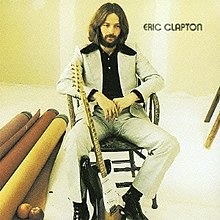
“Easy Now,” Eric Clapton, 1970

During his days with The Yardbirds, John Mayall’s Bluesbreakers, Cream and Blind Faith, Clapton concentrated almost exclusively on electric blues guitar, shying away from the microphone except perhaps to add a harmony. He deferred to Keith Relf, Mayall, Jack Bruce and Steve Winwood, respectively, because he had no confidence in his singing voice. Then Clapton befriended Delaney Bramlett, with whom he collaborated on tour with Delaney and Bonnie’s band and, more important, on writing songs together. Bramlett wisely pushed Clapton to make his first solo album and to do all the lead vocals, and the result was the 1970 LP “Eric Clapton,” which features the guitarist’s lovely voice, and includes classics like “After Midnight,” “Let It Rain,” “Blues Power” and the acoustic guitar-based love song “Easy Now.”
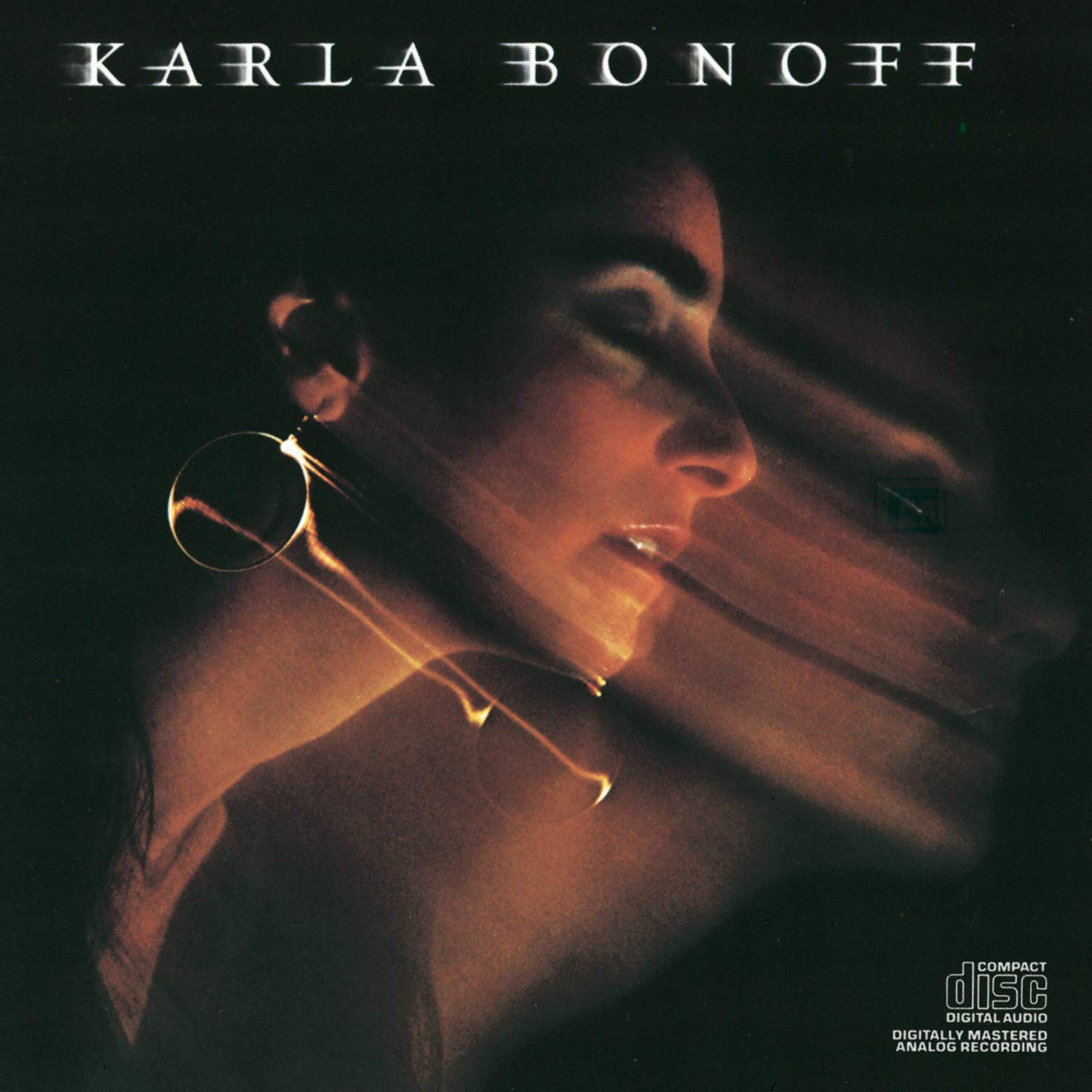
“Someone to Lay Down Beside Me,” Karla Bonoff, 1977

A close-knit fraternity of songwriter musicians based in Los Angeles played and sang on each other’s songs throughout the mid-late 1970s, and one of the most talented singer-songwriters of the bunch was Karla Bonoff. She won plenty of acclaim for the excellent tunes in her portfolio recorded by others — “All My Life,” “Isn’t It Always Love,” “Home,” “Wild Heart of the Young” and “Lose Again” — but never had much chart success herself, which is a crying shame. Her four LPs between 1977 and 1988 are all beautifully recoded keepers in my vinyl collection. Linda Ronstadt cast such a long shadow with her versions of Bonoff’s songs, especially the gorgeous “Someone to Lay Down Beside Me,” but I maintain that Bonoff’s rendition is the better of the two. Listen and decide for yourself.

“Summer Soft,” Stevie Wonder, 1976

From 1972-1977, it seemed that Wonder could do wrong. “Innervisions” (1973), “Fulfillingness’ First Finale” (1974) and “Songs in the Key of Life” (1976) all won Album of the Year Grammy awards, not to mention a string of Top 10 singles in the same time perioda. In particular, “Songs in the Key of Life” is a monumental double LP that offers an amazing smorgasbord of musical genres and lyrical explorations, with Wonder in firm command of his songwriting gift. The funky stomp “I Wish” and Wonder’s Duke Ellington tribute “Sir Duke” got the lion’s share of attention, but there are equally worthy tracks to savor, like “As,” “Another Star,” “Isn’t She Lovely,” “Ngiculela (I Am Singing),” “If It’s Magic,” “Love’s in Need of Love Today” and the melodic, heartbreaking “Summer Soft.”

**************************

A line of cars and they’re all painted black

“To me, Charlie Watts was the secret essence of the whole thing.” — Keith Richards

**************************

In the wake of Watts’ death last week at the age of 80, many musicians have stepped forward with heartfelt and laudatory remarks about the man and his contributions to rock music in general and The Rolling Stones’ music in particular. It seems to me there’s no better way to kick off my tribute to the late great drummer than with Richards’ comment. In his 2010 autobiography “Life,” Richards gave Watts a great deal of credit for the band’s success and his own development as a guitarist.

“If it hadn’t been for Charlie, I would never have been able to expand and develop,” he wrote. “Number One with Charlie is he’s got great feel. He had it from the very start. There’s tremendous personality and subtlety in his playing. If you look at the size of his drum kit, it’s ludicrous compared with what most drummers use these days. They’ve got a fort with them. Charlie, with just that one classico setup, could pull it all off.”

Richards gets a bit technical as he explains an important truth about The Stones. “The other thing is Charlie’s trick. On the hi-hat, most guys would play on all four beats, but on the two and the four, which is the backbeat, which is a very important thing in rock and roll, Charlie doesn’t play, he lifts up. He goes to play and pulls back. It gives the snare drum all of the sound. He does some extra motion that’s totally unnecessary. It pulls the time back because he has to make a little extra effort. Part of the languid feel of Charlie’s drumming comes from that. It’s very hard to do — to stop the beat going for just one beat and then come back in. The way he stretches out the beat like that, and what we do on top of that, is the secret of The Stones sound.”

Most casual music lovers don’t realize how integral drums are to any great band’s sound, and The Stones are no exception. Jack White of The White Stripes once said, “Drummers are like the foundation of a building.  They are the girders. The other musicians are going to add the doors, the windows, the floors, the roof and all the shiny details everybody notices.  But without the drums, there’s no building.”

Or, put another way: “If you have an OK singer or an average guitarist, you might still have a great band, but if you have a mediocre drummer, your band will never be anything more than mediocre.”

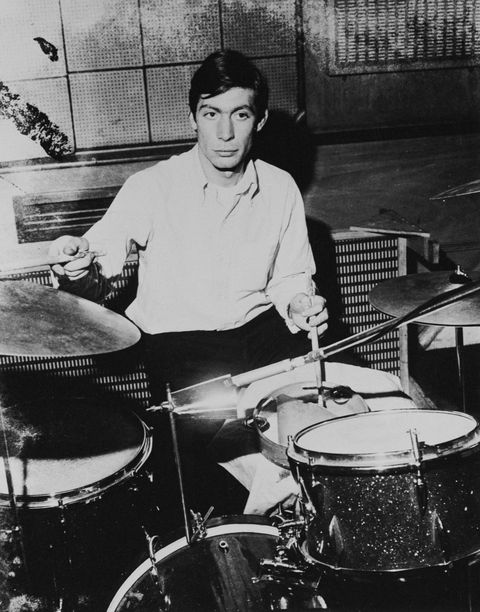
Charlie Watts was the epitome of the rock and roll drummer who put the emphasis on the roll — with swing but without flash, with the steady backbeat but without the drum solo. He had a love for jazz music, and his drumming style reflected that sort of intelligent approach. He played to the song, giving it just what was necessary — no more, no less.

Stewart Copeland of The Police, who also had a background in jazz, said, “One thing you can see of the jazz influence on Charlie is that he went for groove, and derived power from relaxation. Most rock drummers are trying to kill something. They’re chopping wood.  Jazz drummers instead tend to be very loose to get that jazz feel, and he had that quality. The jazz factor in Charlie wasn’t in the use of the ride cymbal going ting-ting-ti-ting, it was his overall body relaxation. It’s also why he hardly broke a sweat while driving the band to light up a stadium.”

To get a feel for what Watts brought to the party in the Stones’ best moments, I invite you to refer for a moment to the first five tracks on my Spotify playlist, found at the end of the essay. Just listen to these classics that illustrate what I’m talking about: “Honky Tonk Women,” “Beast of Burden,” “Get Off Of My Cloud,” “Rock and a Hard Place,” “Paint It Black.”

The way he opens “Honky Tonk Women” and then gradually, imperceptibly, picks up the pace by song’s end… The easy, deliberate, loping beat behind “Beast of Burden”… The quintessential example of a drummer setting up the song on the intro to “Get Off Of My Cloud”… The furious yet controlled attack that highlights “Rock and a Hard Place”… The insistent double-time underneath “Paint It Black.”

I confess to not really noticing the finesse Watts brought to the Stones repertoire, at least not until much later. In the ’60s and ’70s, I admired the flashy guys — Keith Moon, Ginger Baker, John Bonham — but I eventually came to understand the excellence of drummers like Watts, and how the “playing to the song” approach is more valuable. I have three different friends who are drummers, and their experiences and informed observations have helped form my appreciation and respect for drummers and what they do. They have each mentioned Watts as one of the best ever.

Rod Argent, who has known Watts since 1964 when The Zombies and The Stones were on the same tour, said, “Like all the great jazz drummers, Charlie existed to serve the music, serve the groove, and enhance everything that was going on in front of him. His drumming sounded deceptively simple, but it swung. Every fill really counted, and nothing ever detracted from what was being played. The architecture of what he constructed was always absolutely right, and was one major reason why The Rolling Stones always, right from the beginning, sounded so exciting, and made some magnificent records.”

Randy Bachman, guitarist/singer with the Guess Who and Bachman-Turner Overdrive, said he felt Watts was “one of rock and roll’s greatest drummers and time keepers of all time. Many times, when playing with drummers who were getting a bit too flashy for their own good, I’ve said to them, ‘Please just play like Charlie Watts!’ What a legacy of music he leaves behind.”

Max Weinberg, drummer for Bruce Springsteen’s E Street Band, echoed Bachman’s declaration that Watts was one of a kind. He recently recalled, “When I was a kid in New Jersey, if you were looking for work, there’d be ads for musicians. In the mid-60s and 70s, they would often say: ‘Wanted: Charlie Watts type drummer.’ Charlie was not just a drummer – he was a genre.”

As Watts himself recalled in a 2012 interview, he had a natural predilection, an innate desire, for playing drums at an early age. “I was always pounding on countertops, pots and pans, tables, whatever was around. My dad bought me a cheap banjo, but I couldn’t get the hang of it, so one day, I took the bloody thing apart and started beating on the parts instead. I never really learned to play drums in the traditional sense. I didn’t take a single lesson. I actually got in bands by watching drummers play and copying them.”

He remembers, at age 13, first hearing jazz saxophonist Gerry Mulligan, “and I fell in love with that, whatever it was called.” He drifted toward jazz combos, entranced by the “elasticity” of jazz. “Rock and roll is restrictive. It has no movement. But jazz breathes, you know. Improvised music breathes. It’s very difficult to do well. It still comes as a challenge to me.”

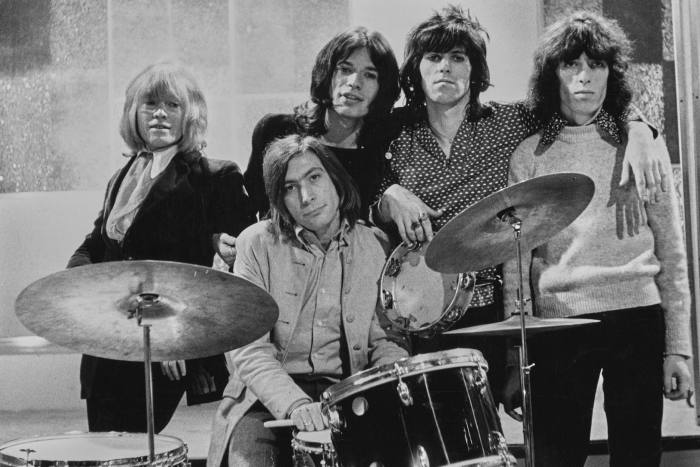
The Stones in 1968: Brian Jones, Charlie Watts, Mick Jagger, Keith Richards, Bill Wyman

Watts was 19 when he met Brian Jones, the founder and original spark plug of The Rolling Stones, who asked him to join his new group. Said Watts, “When they asked me to join, I figured, well, OK, it’ll last a year and then it’ll fold. That’s how it was in London in those days. Nothing lasted too long. So for me, the Stones was just another gig. But then we started touring England… I was hoping to start another job, but I never went back to it. I was a little out of sync with them at first, but Keith advised me to listen to Buddy Holly and Jimmy Reed and things like that. Mick (Jagger) taught me a lot about playing TO songs, and about melodies, and guitar parts. When you’re playing rock and roll, the challenge is the regularity of it.”

In addition to the universal praise for his skills on the skins, Watts is also noted for being a genuinely nice guy, and a very well-dressed man off stage (and sometimes on stage). He was absolutely not a typical rock star, not remotely flamboyant like Jagger or Richards, even in the band’s peak years, as he would be the first to admit. “When people talk about the ’60s, I never think that was me there. It was me and I was in it, but I was never enamored with all that. It’s supposed to be sex and drugs and rock and roll, and I’m just not like that. Touring was tough. I like what I do, but I wish I could go home every night.”

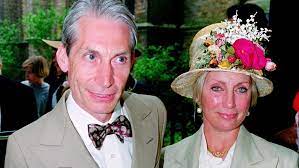
Watts had his period of drug abuse in the late ’80s, but it didn’t last long. What did last long was his marriage to his wife Shirley, with whom he celebrated his 57th anniversary this year. What rock star does that?

“He singlehandedly brought the rock world some real class,” said rock historian and E Street Band guitarist Steve Van Zandt. “He was a gentleman’s gentleman. Rock and roll will miss him profoundly. We are significantly less without him.”

Elton John referred to Watts as “the most stylish of men, and brilliant company.”

Joan Jett added, “Charlie Watts was the most elegant and dignified drummer in rock and roll.”

Denny Laine, who served with both The Moody Blues and Paul McCartney and Wings, said, “He always made me feel at ease in his company. That’s the thing that stands out. What a gentle soul.”

I find it particularly telling that a newer generation of rock musicians have also lavished praise on Watts very publicly following his death. There’s guitarist Tom Morello of Rage Against the Machine, who had this to say about Watts: “He was one of the greatest and most important architects of the music we love. Rock and roll would not be rock and roll without the rhythm, the style, the vibe of this incredible musician.”

Pearl Jam’s lead guitarist Mike McCready paid tribute by saying, “The Rolling Stones have always been my favorite band, and Charlie was the engine. I’ll put on ‘Sway,’ which is my favorite song of all time, and listen to how he anchors that track. None of us in a rock band would be here if it hadn’t been for Charlie.”

Duran Duran drummer Roger Taylor called Watts “an absolute inspiration to a legion of drummers since the 1960s. A man of grace, style, dignity and composure.”

Hmmm. Well, even the coolest cucumber has his breaking point, and the story that illustrates this point emphatically has been repeated often in numerous articles in the past ten days. It’s chronicled in great detail in Richards’ autobiography, “Life.” It goes like this:

The band was on tour in Amsterdam in 1984. Richards and Jagger went clubbing after the performance, not returning to the hotel until 5 a.m. Jagger decided to call Watts’ room to wake him up, yelling into the phone, “Where’s my drummer?” No answer, so he hung up. Twenty minutes later, there was a knock at the door. Richards opened it, and in walked Watts, not disheveled in pajamas but fully dressed in suit and tie. He approached Jagger, grabbed him by the lapels, and screamed, “Never call me your drummer again! I am not your drummer, you’re my damn singer!!” Then he punched Mick in the face, knocking him over a tray of smoked salmon, then turned on his heels and marched out.

****************************

Does the death of Charlie Watts spell the end of The Rolling Stones? Maybe it should, but it won’t. After a year of inactivity due to COVID, the band has been eager to get back out on the road in 2021, but Watts had some sort of medical procedure that required rest and recuperation, so he announced he’d be opting out of the tour. The group had lined up a replacement named Steve Jordan, who had performed with Richards in the past. In the wake of Watts’ passing, the band is laying low for a couple weeks in respect for their longtime drummer, but the revived tour begins September 26.

For years, The Stones have been lampooned for not knowing when to quit. When they reached 60, critics started calling them The Strolling Bones. Now they’re past 75…but they’re living legends, they keep coming back for more, and they still sell out everywhere they play.

Watts and his wife Shirley

In the 2013 interview, Watts reflected on how much longer the band would last. “Now you have to seriously look at your age, because if this continues for another two years, I’ll be 74. But I say it at the end of every tour. And then you have two weeks off and your wife says: ‘You are not going to work?'”

Rest in peace, Charlie Watts. God knows you deserve it.

****************************

The Spotify playlist was selected to highlight the tracks in The Rolling Stones catalog that show how Watts’ drumming proficiency was pivotal to the band’s sound, groove and overall presentation.

.