Rockers from the vault

Sometimes you open up a safe, and there’s nothing in it but dust. In the vaults of classic rock from the ’60s, ’70s and ’80s, though, you’ll find a treasure trove of delectable goodies just waiting to be exposed to the light.

Here at Hack’s Back Pages, that’s what I do every couple of months: I explore the albums of that rich period of musical development and select a dozen tracks that we’ve forgotten about or never got to know the first time around.

This batch is all over the map — acoustic, electric, jam groove, sunny pop and more. I think you’ll find the playlist at the end to be a great soundtrack to any party. Meantime, I hope you enjoy reading the backstories behind these fine tunes.

****************************

“Room Full of Mirrors,” Jimi Hendrix, 1971

Hendrix’s premature death in 1970 at age 27 took everyone by surprise, including his record company, but they wasted little time in gathering several of the tracks he’d recorded in 1969 and 1970 and releasing them on two posthumous 1971 LPs, “The Cry of Love” and “Rainbow Bridge.” Critics noted that while the former showcased Hendrix’s abilities as a songwriter, the latter highlighted his unparalleled guitar playing. “Room Full of Mirrors” combines both of these talents, featuring Jimi in full-blown virtuosity, exploring new territory as he sings about his need to smash the ego (and the mirrors that reinforce them) so the world around us can be better explored and appreciated.

“Lunatic Fringe,” Red Rider, 1981

Tom Cochrane, lead guitarist for the Canadian rock band Red Rider, was inspired to write this song in 1980 after becoming aware of a resurgence of anti-Semitism in the late 1970s. Coincidentally, he recorded the first demo of the track on the same evening John Lennon was murdered by a “lunatic fringe” loner. The tragic event galvanized Cochrane’s intention to have Red Rider release the song as a single, despite the protests of Capitol Records, who felt it wasn’t commercial enough. While it didn’t have Top 40 chart success, it reached #11 on Billboard’s “Mainstream Rock Tracks” charts, and VH-1 included it among the finest “One-Hit Wonders of the ’80s.”
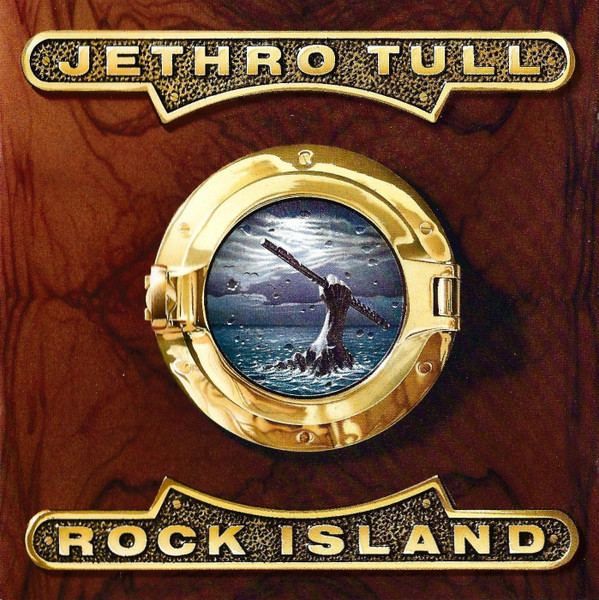
“Heavy Water,” Jethro Tull, 1989

While Tull’s best work came during the ’70s, frontman Ian Anderson (with loyal guitarist Martin Barre still a pivotal part of the lineup) continued to write and record some substantial material on 1980s albums like “Broadsword and the Beast” (1981), “Crest of a Knave” (1987) and “Rock Island”(1989). The latter LP emphasized hard rock arrangements and lyrics that offered typically articulate commentary on weighty social issues. “Heavy Water,” buoyed by Barre’s biting guitar and Anderson’s ever-present flute, rocks along with driving force as it tackles the scourge of acid rain, which had become a problem in England at that time due to unchecked industrial pollution.
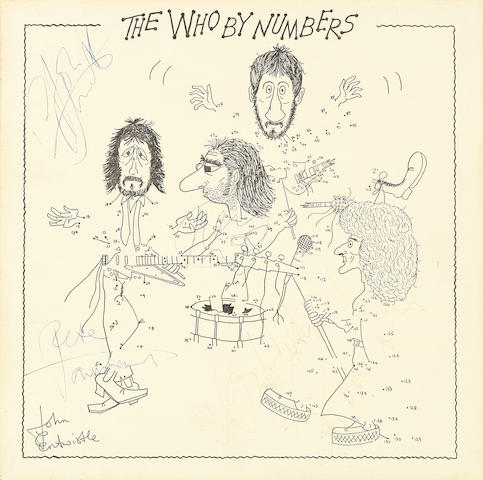
“However Much I Booze,” The Who, 1975

The Who in general, and Pete Townshend in particular, were going through some stormy times in 1974-75. They had just completed a triumphant but exhausting tour promoting their amazing “Quadrophenia” LP, and Townshend was feeling depressed about reaching 30 and whether he and the band would still be relevant in the years ahead. He was also drinking way too much, suffering from a writer’s block and feuding with the other band members. All this eventually came out in the downbeat songs that appeared on 1975’s “The Who By Numbers,” most notably “However Much I Booze,” which Roger Daltrey refused to sing (so Townshend sang it). The uptempo arrangement and cheery melody stood in dramatic contrast to the grim subject matter.
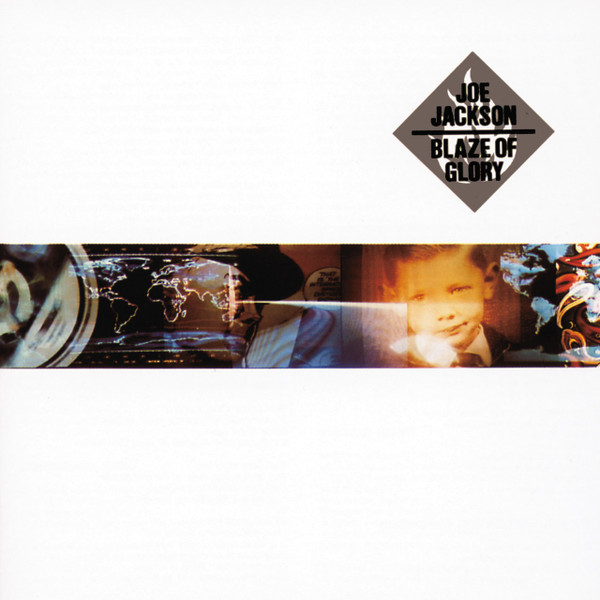
“Blaze of Glory,” Joe Jackson, 1989

Jackson emerged from London around 1977 as part of the punk/New Wave movement and brought forth an extraordinary breadth of great music on a half-dozen LPs, touring incessantly in support of them. In 1989, he came up with his richest, most diverse album, “Blaze of Glory,” which he described as “an examination of my generation as the 1980s were ending,” commenting on the optimism of their 1950s childhood (“Tomorrow’s World”), the politics of terrorism and the Cold War (“Rant and Rave” and “Evil Empire”), yuppies and materialism (“Discipline”) and rockers who wear out their welcome (“Nineteen Forever”). Best of all was the title track about tortured hero Johnny, sparked by a vibrant, majestic horn section.

“Try to Touch Just One,” John Kongos, 1972

Of all the great artists and records I’ve heard over the years that were criminally ignored in the U.S., I’d put John Kongos’s 1972 album “Kongos” near the top of that list.  Hailing from South Africa, Kongos moved to England in the late ’60s and worked with various bands and musicians before finally recording his solo debut, using many of the musicians Elton John used on his early records (guitarist Caleb Quaye, percussionist Ray Cooper, bassist Dave Glover, even producer Gus Dudgeon).  One song, “He’s Gonna Step on You Again,” got moderate airplay here, but the standout song for me is “Try to Touch Just One,” a quasi-suite that takes the listener through an entrancing mix of different tempos and instrumentations.
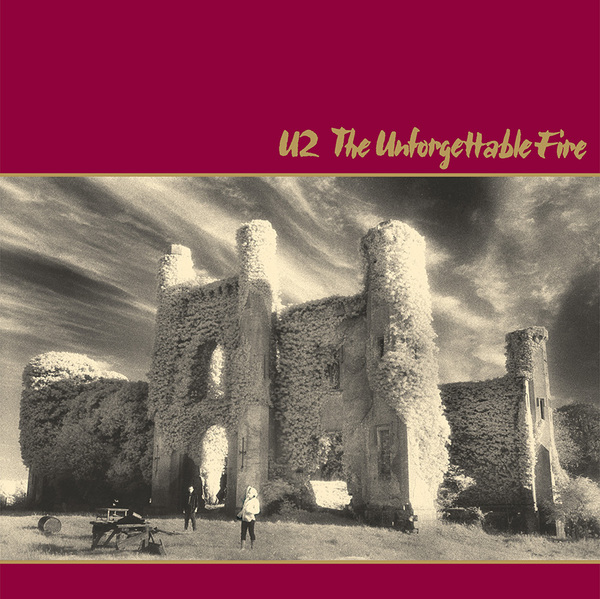
“Bad,” U2, 1984

They hadn’t yet released their breakthrough LP “The Joshua Tree,” but U2 were well on their way beyond the clubs of Dublin when they released the remarkable album “The Unforgettable Fire” in 1984, beautifully produced by Daniel Lanois. The standout track for me among many fine songs is “Bad,” developed from a riff The Edge came up with that the band built up in intensity as layers of sounds were added. Bono sang gently at first, then agonizingly, about the horrors of addiction that had claimed several people he knew. “I wrote the song for a friend of mine,” he said. “I also wrote it for myself, because you can be addicted to anything. And, you know, that song’s not just about heroin: it’s about a lot of things. None of our songs are about just one thing.”
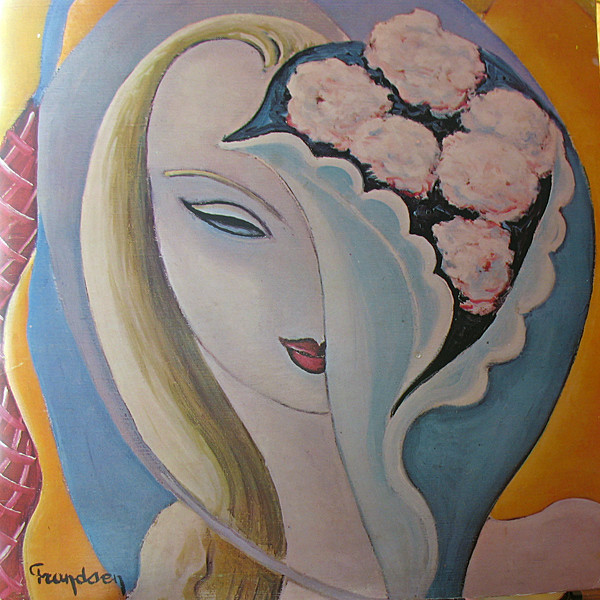
“Keep On Growing,” Derek and the Dominos, 1970

The sessions for Eric Clapton’s classic double LP “Layla and Other Assorted Love Songs” were legendary for the serendipitous inclusion of Duane Allman on many of the tracks, but one I’ve always enjoyed, “Keep On Growing,” was just Clapton and the Dominos jamming on what was originally an instrumental. It almost was excluded from the record until keyboardist Bobby Whitlock came up with lyrics and a melody line. “They loved the song and what I’d done to it, so I told Eric, ‘Why don’t we do this like you sing a line, I sing a line, we’ll sing a line together.’ We did it like that and it worked out. That song was fresh picked, straight off the vine. What you hear on the album was the first take.”

“Take Me With You,” Santana, 1976

After Santana’s initial explosive success with their first three albums (especially 1970’s “Abraxas”), Carlos Santana felt the need to work with other musicians and try his hand at jazzier songs and arrangements. My interest waned during this period, but in 1976, the group reappeared with an entirely new lineup on “Amigos,” highlighted by an astounding instrumental called “Europa,” which reached the Top Ten in several European countries and got plenty of FM airplay in the US. Often overlooked was the two-part piece “Take It With You,” which begins as a ferocious Latin rocker and then morphs into a much mellower groove. Great stuff.
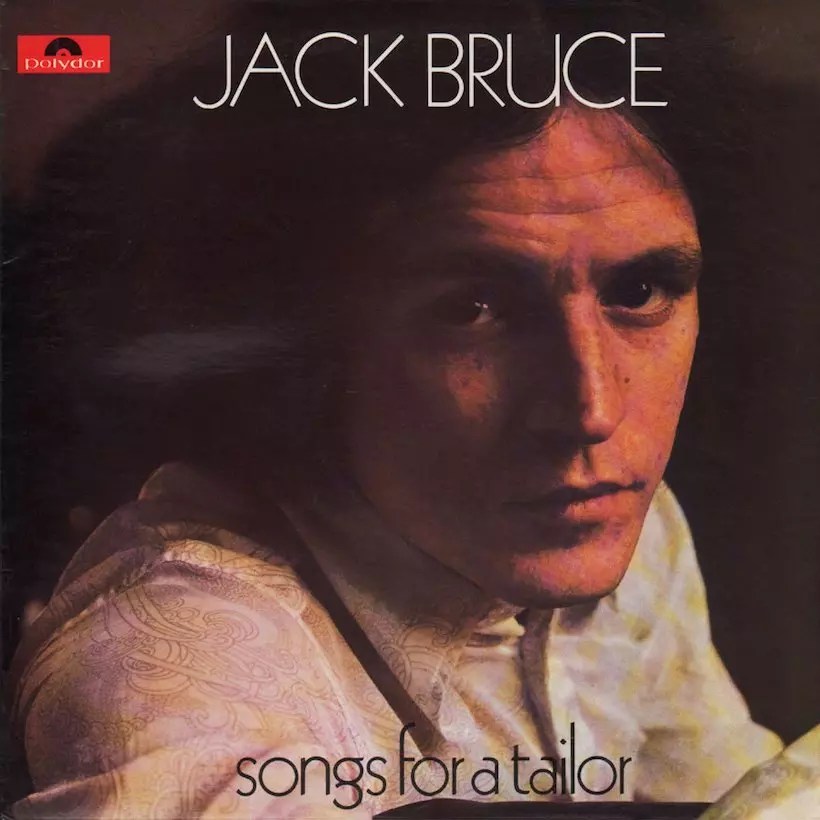
“Tickets to Waterfalls,” Jack Bruce, 1969

I’ve mentioned Bruce’s 1969 LP “Songs For a Tailor” several times before in this blog because it’s not well known and I’d like to change that. It was the bassist/vocalist’s first LP after the demise of the supergroup trio Cream, and it’s jam-packed with compelling songs by Bruce and lyrics partner Pete Brown. Side A is damn near perfect, with five superb tracks that mesmerized me upon first hearing and still do today. Here, I single out “Tickets to Waterfalls,” with Bruce’s inventive bass lines and powerful vocals captured beautifully in Cream producer Felix Pappalardi’s crisp production.

“She’s Changing Me,” Fleetwood Mac, 1974

In the 1971-1974 period, Fleetwood Mac was largely in the hands of guitarist Bob Welch, who wrote about half of the band’s material, with Christine McVie and Danny Kirwan pitching in on the rest. Welch wrote and sang some excellent tracks that hold up quite well all these years later — “Future Games,” “Sentimental Lady,” “Emerald Eyes,” “Bermuda Triangle” and the superb “Hypnotized.” On his last LP with the band, “Heroes Are Hard to Find,” he came up with the Beatlesque pop tune “She’s Changing Me,” which I always thought would’ve been a successful single for them. Welch left the band in late 1974, which cleared the decks for Lindsey Buckingham and Stevie Nicks, who changed the band’s sound and fortunes dramatically.

“What About Me,” Quicksilver Messenger Service, 1970

Everyone mentions the Grateful Dead and Jefferson Airplane as the flag bearers of the San Francisco scene of the late 1960s, but knowledgeable fans of that period wisely include Quicksilver Messenger Service in the discussion. In 1969 and 1970, the group released four LPs that made the Top 30 on US album charts, two with charismatic lead singer Dino Valenti taking control of the microphone. Valenti was a stage name for singer-songwriter Chet “Get Together” Powers, who, under the pseudonym Jesse Farrow, wrote FM radio classics like “Fresh Air” and “What About Me,” both giving off a strong counterculture vibe.

***************************

You can take me to the paradise

In 2017, my wife Judy was shopping for clothes with her friend Marie in a Malibu boutique store. When she came out of the dressing room in a fashionable blue jumpsuit, a woman standing nearby exclaimed, “Oh darling, you have to buy that. It looks great on you!” As Judy and Marie returned to the dressing room, Marie whispered, “Isn’t that Christine McVie?” Judy replied, “Sure is!”

We had all gone to see Fleetwood Mac the previous day at Dodger Stadium as part of “The Classic,” a two-day concert showcase of classic rock bands including Steely Dan, The Doobie Brothers, Earth Wind and Fire, Journey and The Eagles. McVie was staying in Malibu for a couple of days and, as luck would have it, had wandered into the store where Judy was shopping.

I tell this story to illustrate that, on that day, McVie was every bit the sort of warm, kind person she has been reputed to be throughout her life. As a member of one of the most successful bands in rock music history, she could have easily been one of the more self-absorbed rock stars who wouldn’t have paid any attention to a stranger trying on a new outfit. But she made a point of stopping and offering a friendly remark, making a lasting impression in the process.

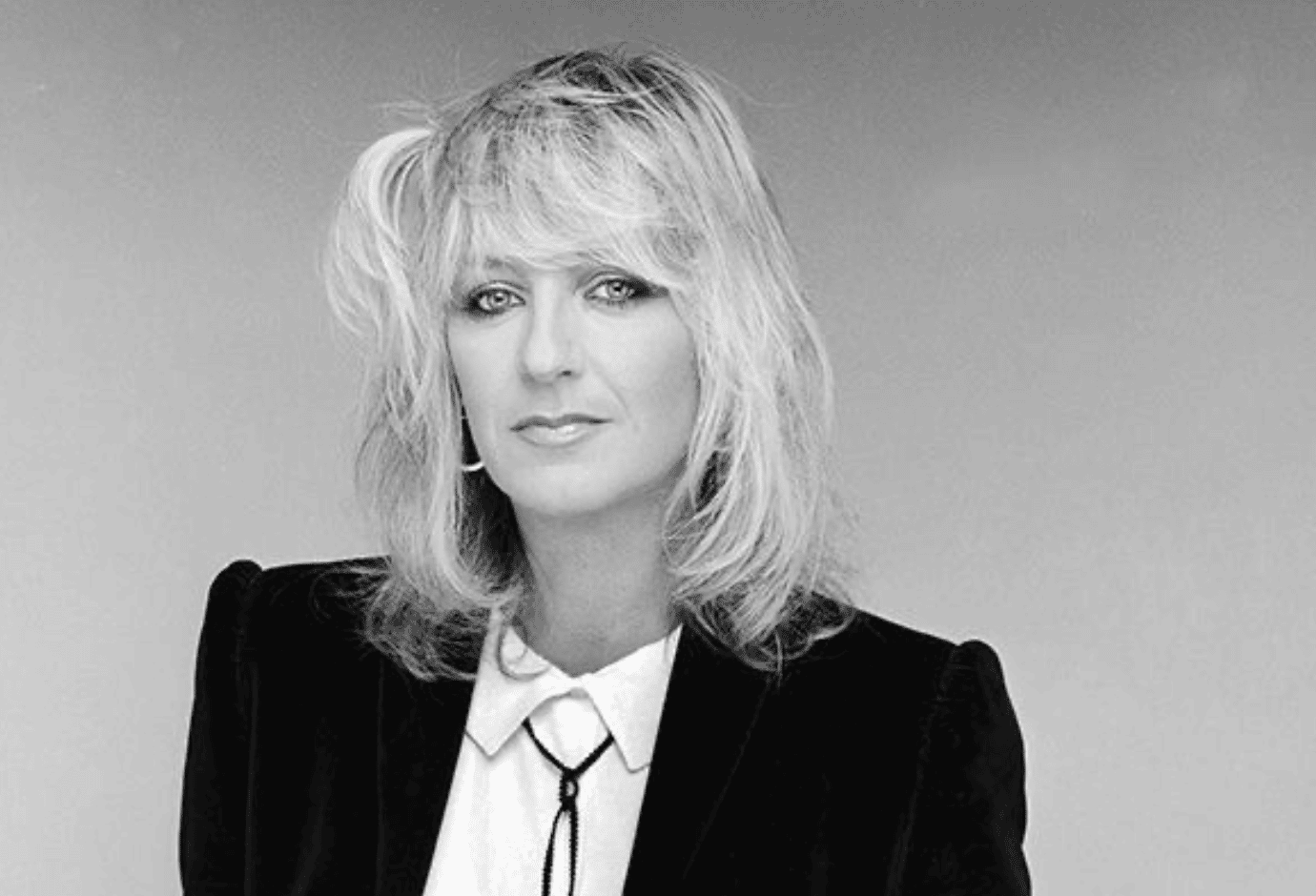
Christine McVie in 1997

It was a sad day last week in our house when we heard that McVie had died at age 79. The cause of death was not reported, but she had been suffering from chronic scoliosis for some time, which affected her mobility and her ability to perform on stage.

In a Rolling Stone article six months ago, she responded to Mick Fleetwood’s hope that the band would reunite for one last farewell tour. “I don’t feel physically up for it,” she said. “I’m in quite bad health. I’ve got a chronic back problem which debilitates me. I stand up to play the piano, so I don’t know if I could actually physically do it. Touring is bloody hard work. What’s that saying? ‘The mind is willing, but the flesh is weak.'”

Said Fleetwood last week, “Part of my heart has flown away today. My dear sweet friend Christine McVie has taken to flight, and left us earthbound folks to listen to the sounds of that ‘songbird.’ I will miss everything about you, Chris.”

********************

Born in Lancashire, England, in 1943, Christine Anne Perfect was raised in a musical environment where her father and grandfather were accomplished performers (concert violinist and organist, respectively). She trained as a classical pianist until her older brother introduced her to rock and roll and the blues. “I couldn’t get enough of B.B. King, Little Walter, Sonny Boy Williamson, all those great Black American blues guys,” she recalled, falling in with other like-minded peers and singing in various struggling groups while attending art college, ultimately becoming keyboardist and singer with a London-based blues band called Chicken Shack.

“In 1966, we talked Christine into joining Chicken Shack,” Stan Webb, the band’s guitarist, said last week. “At that time there weren’t really any female band members on the British blues scene, so she was hesitant. I think she only joined to shut us up! Chicken Shack used the same studios as Fleetwood Mac in 1967-68, and it was there that Chris met Peter Green and his band. The rest is wonderful history. We sowed the seed, and from that seed grew this massive talent. I am grateful to have been a part of it. Rest In Peace, Chris. A legend never dies.”

Christine Perfect, 1969

In 1969, at the same time the original lineup of Fleetwood Mac had three Top Ten albums and four big hit singles on the UK charts, Chicken Shack, with Christine on lead vocals, charted at #14 with “I’d Rather Go Blind,” a smoldering cover of the Etta James blues track. By then, the bands became friendly, performing at the same clubs, often on the same bill. Christine took a fancy to Mac bassist John McVie — “He had a wonderful sense of humor, the most endearing person” — and the two married the same year.

Christine overlapped only briefly with Green, so you don’t see many photos of them together, but she was a huge fan of the original lineup and was keenly aware of Green’s contributions. “He was massively talented, and just a wonderful guy as well,” she recalled. When Green abruptly left the group he founded in 1970, Chris was invited to join on keyboards and occasional vocals. Thanks to guitarists/songwriters Danny Kirwan and, later, Bob Welch, Fleetwood Mac moved on from the blues to a more rock-based sound, sometimes hard-edged but usually with a sweeter, melodic groove. McVie’s original songs started showing up on the group’s LPs during this stage — thoughtful tunes like “Show Me a Smile” on 1971’s “Future Games,” “Spare Me a Little” on 1972’s “Bare Trees,” “Just Crazy Love” on 1973’s “Mystery to Me” and the rousing title track on 1974’s “Heroes Are Hard to Find.”

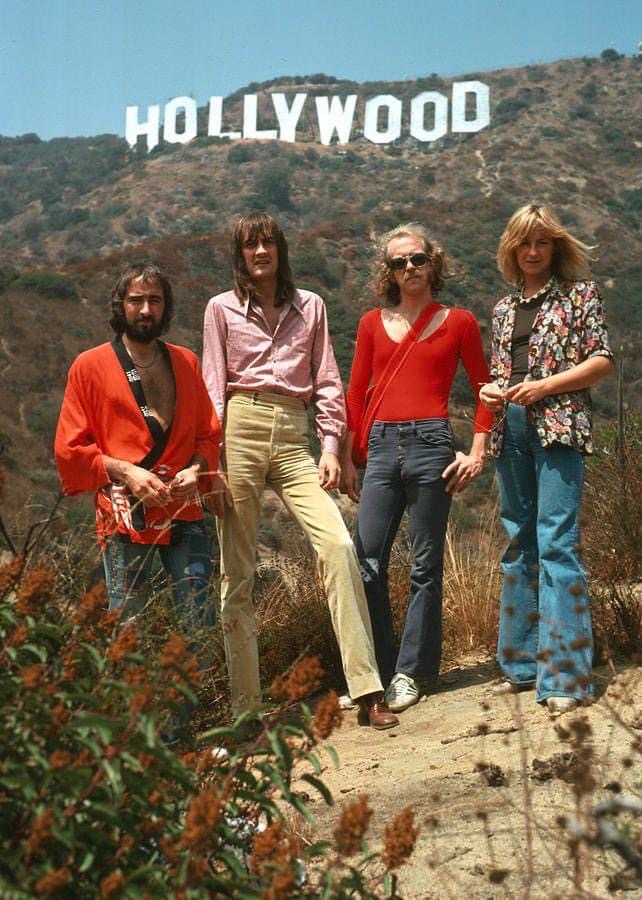
The band in 1974: John McVie, Mick Fleetwood, Bob Welch, Christine McVie

The media have typically given short shrift to this phase of Fleetwood Mac, overshadowed by the fertile blues period (in the UK) before it, and the stratospherically successful yet emotionally fraught era that followed. I think that’s a shame, because it was on these albums in the 1971-74 period when Christine McVie was showing significant growth as a songwriter and singer, taking on the role of the calm, steadfastly rational center of the lineup she would end up holding throughout her tenure in the band.

By the time Lindsey Buckingham and Stevie Nicks joined the group in 1975, giving Fleetwood Mac a compelling variety of strong material from three talented singer-songwriters, Christine had hit her stride with her sunny brand of melodic songs like “Over My Head” (the group’s first Top 20 single in the US), “Warm Ways” and the contagious “Say You Love Me.” This winning streak continued on the multiplatinum “Rumours” LP with “Don’t Stop” (#3) and “You Make Loving Fun” (#9), and what would become her signature tune, the gorgeous ballad “Songbird.”

Discussing the genesis of “Songbird,” McVie said, “I woke up in the middle of the night and the song just came into my head. I got out of bed, played it on the little piano I have in my room, and sang it with no tape recorder. I sang it from beginning to end: everything. I can’t tell you quite how I felt; it was as if I’d been visited. It was a very spiritual thing.”

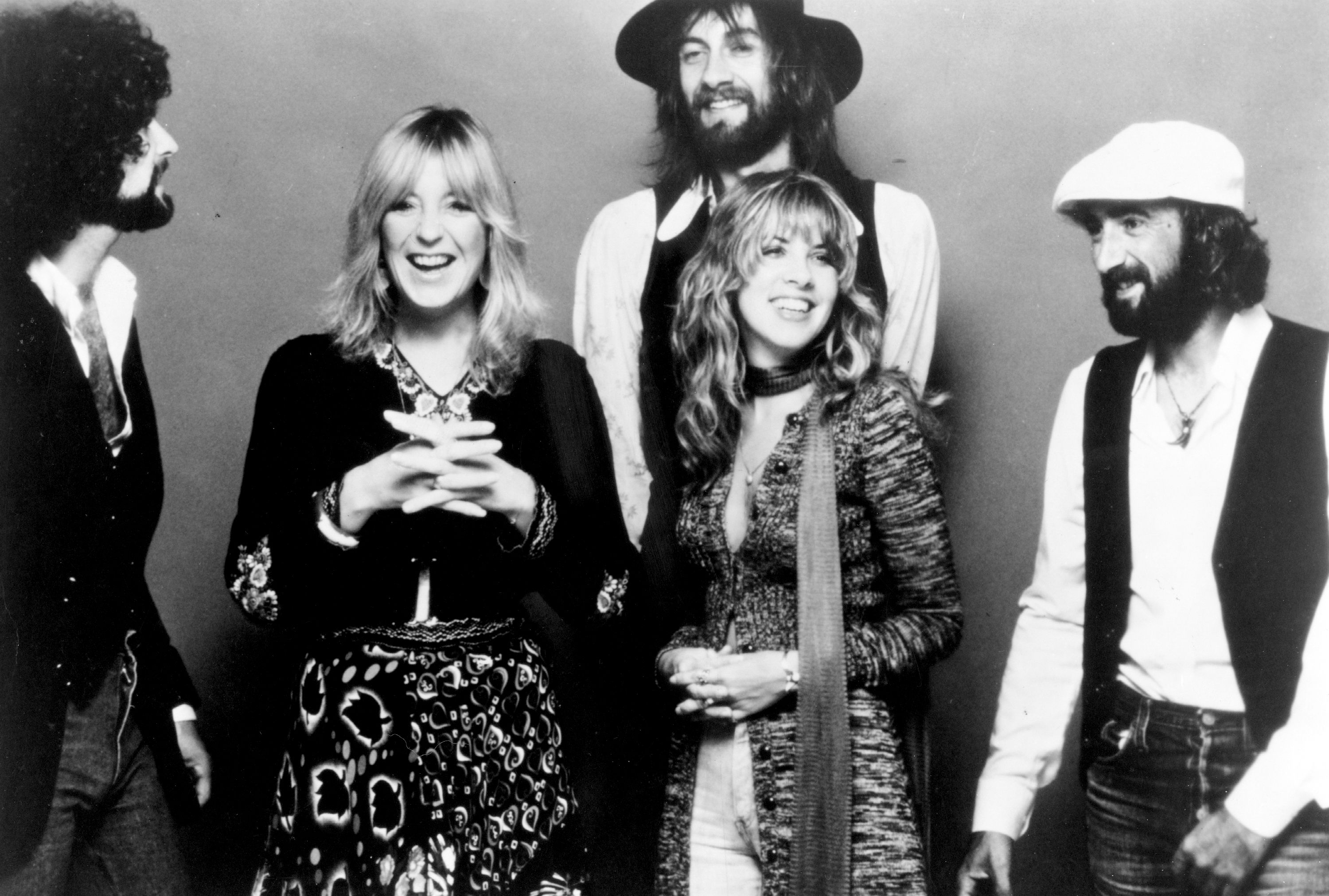
Fleetwood Mac in 1975: Lindsey Buckingham, Christine McVie, Mick Fleetwood, Stevie Nicks, John McVie

Want more? There were plenty to come: “Think About Me” and “Brown Eyes” from 1979’s “Tusk”; “Hold Me” and “Only Over You” from 1982’s “Mirage”; and especially “Little Lies” (#4) and “Everywhere” (#14) from 1987’s “Tango in the Night.” McVie’s “Save Me” from 1990’s “Behind the Mask” was Fleetwood Mac’s final appearance on the US Top 40.

Nicks wrote and sang some killer songs in her early days, and Buckingham is a formidable songwriter in his own right, but for the most part, I’ve always found Christine McVie’s songs and vocals more to my liking. She could write a gorgeous, commercially appealing hook, integrate it into a three-minute pop symphony and deliver it with that authoritative yet sweet voice, and I, for one, just lapped it up. A songbird, indeed.

While Christine typically maintained a sense of normalcy as the other band members were caught in various melodramas and rock-star excess, she was not without her own issues. She and John McVie divorced in 1976; she had a public romance with one of the band’s crew members and also Beach Boy Dennis Wilson; and a 15-year marriage to musician Eddy Quintela that ended badly.

McVie in 1984

In the 1980s, when both Buckingham and Nicks pursued solo careers on the side, Christine stuck her toe in the water with a solo album that yielded a Top Ten single, “Got a Hold on Me.” She enlisted the help of Buckingham and Fleetwood on a few tracks, as well as British luminaries Eric Clapton and Steve Winwood, but the LP performed only modestly. Said McVie at the time, “Maybe it isn’t the most adventurous album in the world, but I wanted to be honest and please my own ears with it. I tend to like the traditional sound: three-part harmonies, guitar and piano.” (Check out my Spotify playlist below to acquaint yourself with some of the strong tracks from that album.)

The group’s lineup was full of change in the 1990-1997 period, with Christine McVie, Nicks and Buckingham each leaving for a spell, and temporary replacements Billy Burnette and Rick Vito (and later Dave Mason and Bekka Bramlett) gamely filling in. Somehow, the volatile original lineup mended seemingly unmendable fences and reunited in 1997 for “The Dance,” a live performance that was recorded as a live album that then sparked a year-long tour. It seemed the band was back in the saddle.

In 1998, though, McVie decided she’d had enough, and amicably quit the group and the music business in general. “I thought, ‘I want to be home in England and live a normal, domestic life with roots,'” she said in 2014. “I bought a house in Kent, and it had to be rebuilt brick by brick, and I did that quite lovingly. Then my marriage (to Quintela) fell apart, and I found myself in this huge place, alone in the middle of nowhere, and I got myself in a bit of trouble. I fell down the stairs, hurt my back and started taking pills for the pain. La-di-da, one thing led to the other, and I got a bit isolated. I sought help with a therapist, and discovered I had other issues. Eventually I had to figure out what the hell I was going to do with my life. The answer was clear: I couldn’t just sit there in the country anymore, rotting away. I needed to find my way back to Fleetwood Mac.”

She did record one solo album during that time, 2004’s “In the Meantime,” which again had typically great McVie melodies and vocal performances but was almost completely ignored, a fate for which she claims some responsibility. “I’d developed a fear of flying, which hindered my ability to promote the album or tour with my own band,” she noted. “I’ve never felt like I was a solo artist. I’ve always preferred to be part of a group. I’ve never really had the desire to be the center of attention. It just made me uneasy to headline a solo tour.” (Again, I think that’s a crying shame — I urge you to listen to the music from that album on the playlist below.)

Her final foray into the studio came in surprising fashion when she partnered with Buckingham in 2017 for “Lindsey Buckingham Christine McVie,” an enjoyable collection of tunes by the two songwriters, released after attempts fell through to record a new Fleetwood Mac album with songs from Nicks as well.

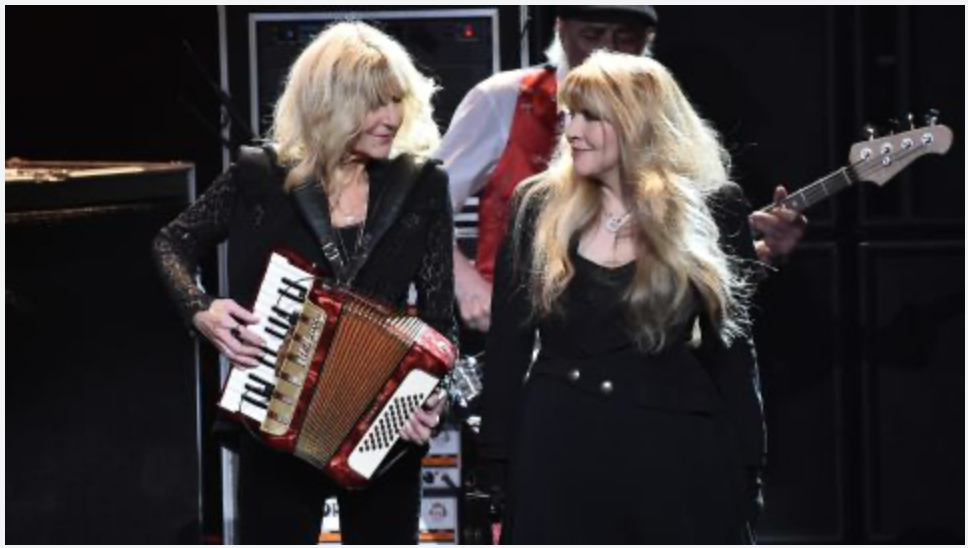
McVie and Nicks in 1997

McVie had said she and Nicks hit it off right away when Nicks joined the band in 1975, and they became close during their long months on the road during the band’s peak years, but they had significant differences. “Stevie really had her feet on the ground, along with a tremendous sense of humor, which she still has,” she said in 1984. “But she developed her own fantasy world somehow, which I’m not part of. We really haven’t socialized much.”

Todd Sharp, a veteran American guitarist who worked closely with Christine on her 1984 solo LP, had this to say in the wake of her passing: “She asked me to write songs with her, put a band together and make a record in England. Somebody pinch me! Chris, you left this place better than you found it, and your music and voice will live on forever. I will never forget the opportunity you offered me and the confidence you instilled in me. I will never forget your beautiful soul, your grace, friendship and generosity.”

Fleetwood Mac, with McVie still in the fold, did one last tour in 2019. Her final stage appearance, as it turned out, came in February 2020, just before the COVID pandemic hit, when she participated in a tribute concert at the London Palladium following the death of Peter Green.

McVie’s final LP (2022)

Even as her health was flagging earlier this year, McVie stayed busy by re-recording some of the overlooked tracks from her two solo albums, plus an orchestrated rendition of “Songbird,” and released it several months ago as “Songbird (A Solo Collection).”

Mike Campbell, former member of Tom Petty & The Heartbreakers who played guitar in Fleetwood Mac for that 2019 tour, said last week, “Dear, sweet Christine has left us…..that voice, those eyes, that smile. No one like her in the universe.  I remember in rehearsal once after playing ‘I’d Rather Go Blind,’ she looked at me and said, ‘I like playing the blues with you, Mike.’ I’ve never met anyone with such an angelic aura. Always so kind to everyone. We will all miss you so. No one could ever fill those shoes.”

Christine McVie reflected on her time in Fleetwood Mac by saying, “Even though I am quite a peaceful person, I did enjoy that storm. Although it’s said that we fought a lot, we actually did spend a lot of our time laughing.”

Rest in peace, Christine. Thanks for all the deeply satisfying music you added to my music collection.

***********************

Some readers might find this 80-song playlist rather daunting, but I wanted to provide a complete overview of her songs to help readers understand the breadth of her songwriting career. In addition to every song she wrote and sang for Fleetwood Mac, there are several tracks from her time with Chicken Shack, her three solo albums and her 2017 project with Lindsey Buckingham.