I remember every word that you said

My friends on Facebook know I enjoy posting a “daily lyrical puzzler” every morning, just as a fun diversion from all the BS and nonsense that’s often posted on that social media platform.

Here at Hack’s Back Pages, I have occasionally expanded on that idea and generated a Lyrics Quiz, using various themes and eras, just so readers can test their ability at recognizing the words to popular classic rock/pop songs. Remembering lyrics comes as second nature to me, but many people tell me they struggle not only to recognize the songs but also to come up with the titles and/or the artists.

This week, on Lyrics Quiz #15, I have selected 15 Top Ten singles, one each from the 15 years in the 1965-1979 period. If you’re of my generation, you’ll probably find this reasonably easy; younger readers may not know some of my selections. But once you see the answers and listen to the Spotify playlist at the end, I’m confident you’ll find them very familiar indeed.

Give it a try!

*******************

1965: “Well, I told you once and I told you twice, /But you never listen to my advice…”

*

1966: “Stopped into a church I passed along the way, /Well, I got down on my knees and I pretend to pray…”

*

1967: “I was born in Little Rock, had a childhood sweetheart, we were always hand in hand…”

*

1968: “Yeah, I gotta go make it happen, take the world in a love embrace…”

*

1969: “You love me, you hate me, you know me and then, you can’t figure out the bag I’m in…”

*

1970: “It ain’t nothing but a heartbreaker, /It’s got one friend, that’s the undertaker…”

*

1971: “Long ago and oh so far away, I fell in love with you before the second show…”

*

1972: “And there’s a girl in this harbor town, and she works layin’ whiskey down…”

*

1973: “When are you gonna come down? When are you going to land?…”

*

1974: “Jimi gave us rainbows, and Janis took a piece of our hearts, and Otis brought us all to the dock of a bay…”

*

1975: “She gets up and pours herself a strong one, and stares out at the stars up in the sky…”

*

1976: “Billy Mack is a detective down in Texas, /You know, he knows just exactly what the facts is…”

*

1977: “Going through security, I held her for so long, /She finally looked at me in love, and she was gone…”

*

1978: “My Maserati does 185, /I lost my license, now I don’t drive…”

*

1979: “When the morning cries and you don’t know why, it’s hard to bear, with no one beside you, you’re goin’ nowhere…”

****************************

(Scroll down for answers)

*

*

*

*

*

*

*

*

*

Answers:
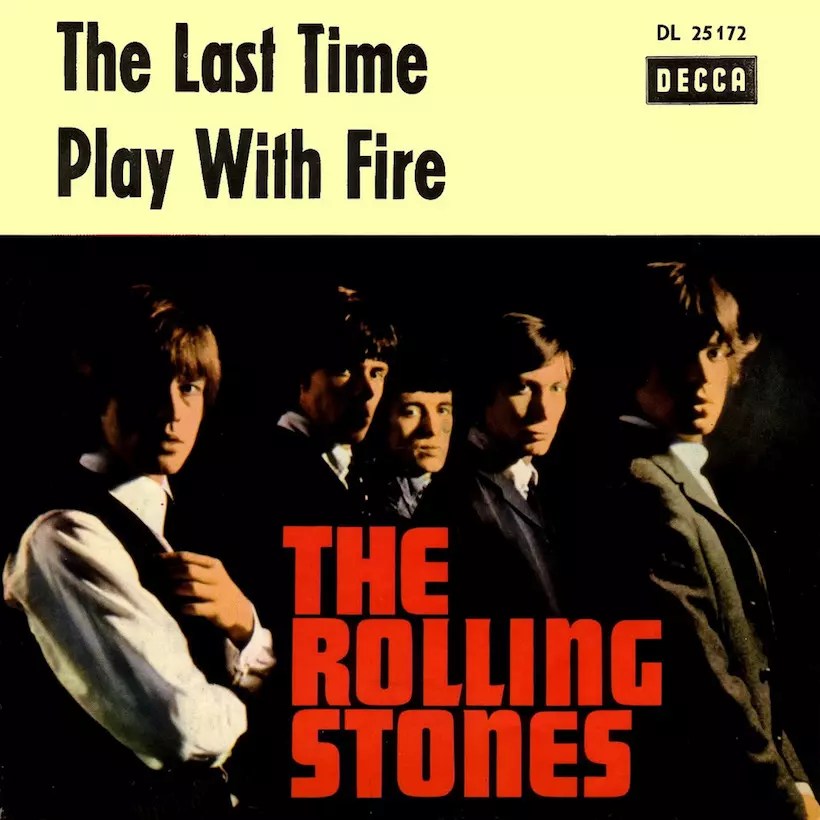
1965: “The Last Time,” The Rolling Stones

It’s a misconception that “(I Can’t Get No) Satisfaction” was The Stones’ first US hit single. Mick and Keith and the boys had two prior Top Ten hits here — “Time Is On My Side” (in ’64) and “The Last Time,” which reached #9 in early 1965. It was largely based on a gospel song called “This May Be the Last Time,” recorded by The Staple Singers in the ’50s, although the guitar riff and some of the lyrics were developed by The Stones.
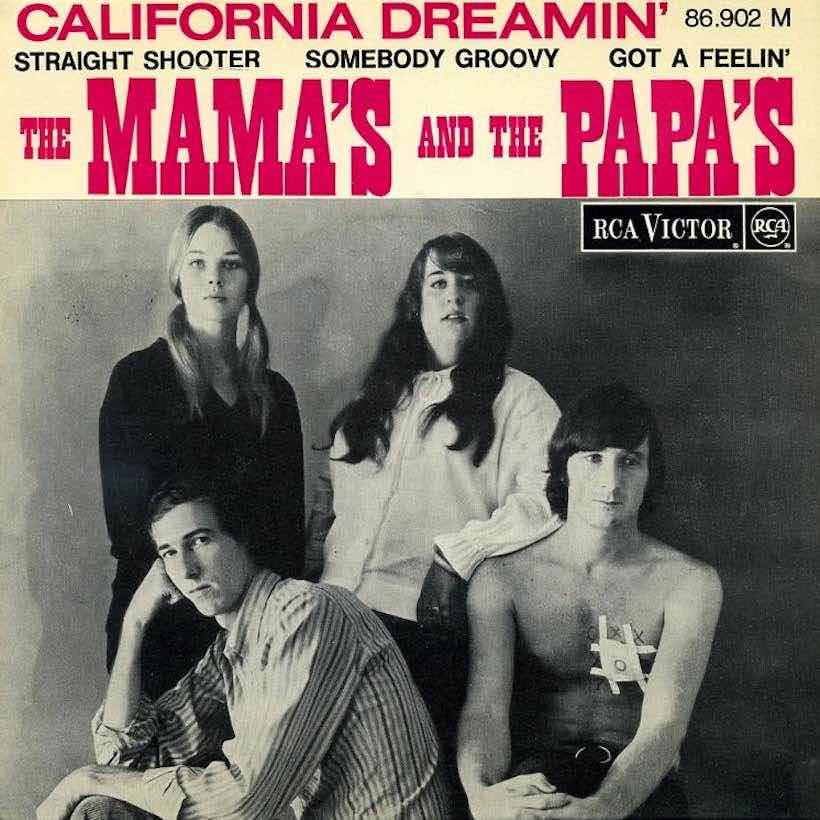
1966: “California Dreamin’,” The Mamas and The Papas

During a cold winter in New York City in 1964, John Phillips wrote this legendary song for his California-born wife Michelle, who was homesick for the warmer climate of her home town. Within two years, The Mamas and The Papas had relocated to L.A., signed with Dunhill Records, and recorded their first album, which included not only the #4 chart rendition of “California Dreamin'” but their first #1, “Monday, Monday,” and the foursome became among the hottest acts of the ’60s.
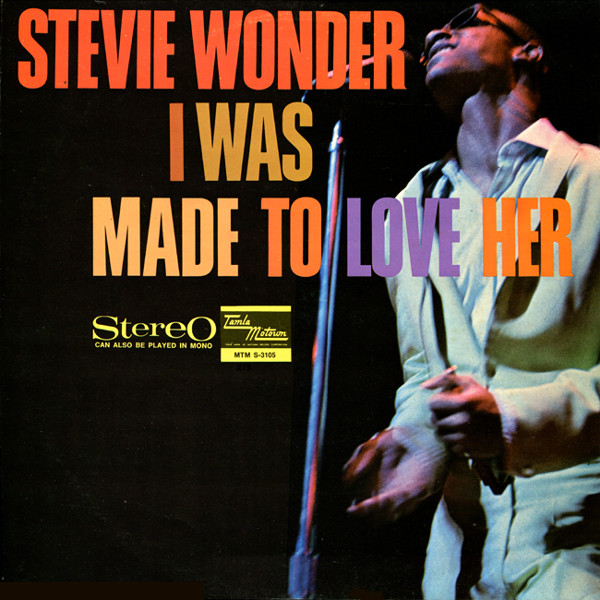
1967: “I Was Made to Love Her,” Stevie Wonder

Wonder was only 17 when he co-wrote and recorded this magnificent slice of Motown, which reached #2 in the summer of ’67. It’s a thrilling arrangement and production, featuring James Jamerson’s indelible bass line and Wonder’s distinctive harmonica and vocals. His mother, Lula Mae Hardaway, helped write it, helping with the passionate lyrics of young love. I consider the track one of the very best songs in his enviable catalog of great R&B music.

1968: “Born To Be Wild,” Steppenwolf

Some people cite the line “I like smoke and lightning, heavy metal thunder” from this iconic song as the first use of the term “heavy metal,” presaging the actual genre by a few years. “Born To Be Wild” was written by Dennis Edmonton, who was inspired by a billboard showing motorcycles racing down the highway. It has been often used as a biker anthem, making a dramatic appearance in the counterculture film “Easy Rider.” It reached #2 in the summer of 1968.
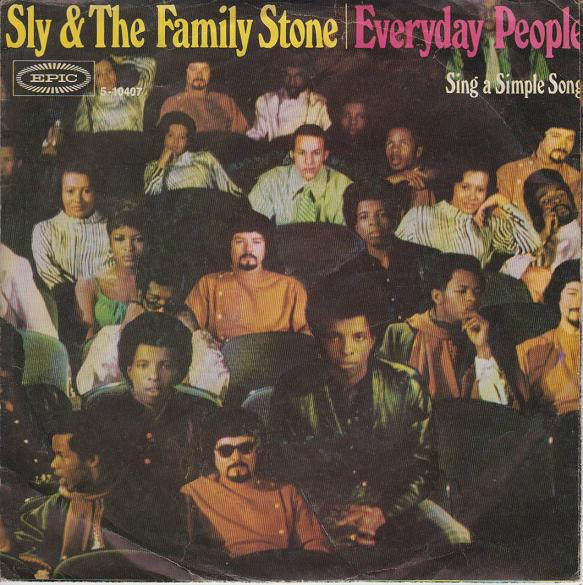
1969: “Everyday People,” Sly and The Family Stone

This tune by Sly Stone was an overt plea for peace and equality among the races, and it sat perched at #1 for four weeks in February-March of 1969. Sly & The Family Stone was the first bi-racial co-ed band in pop history, and Stone used that status to write several songs that promoted racial harmony during a time marked by considerable black-white strife. The fact that it was written as an easygoing, singalong pop song gave it near-universal appeal.

1970: “War,” Edwin Starr

The powerhouse songwriting team of Norman Whitfield and Barrett Strong came up with this powerful anti-war anthem for The Temptations to sing, who recorded it, but Motown chief Berry Gordy chose not to release it as a single lest they alienate some of the group’s more conservative fan base. Whitfield and Strong re-recorded it in a more intense James Brown-type arrangement with lesser Motown artist Edwin Starr at the microphone, and it rocketed to #1.

1971: “Superstar,” The Carpenters

Delaney and Bonnie Bramlett collaborated with Leon Russell to write this ode to rock groupies.  Singer Rita Coolidge, who suggested that the groupie scene would make a provocative subject for a song lyric, sang the song as part of the 1970 “Mad Dogs and Englishmen” tour she did with Russell and Joe Cocker’s band.  The following year, Karen Carpenter wrapped her sultry voice around the song for The Carpenters’ third LP, and the song reached #2 in the autumn of 1971. 
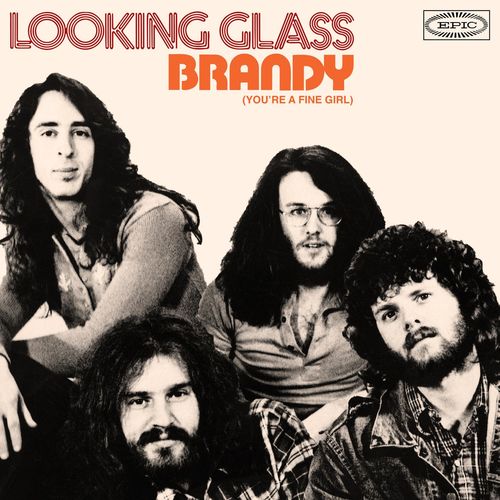
1972: “Brandy (You’re a Fine Girl),” Looking Glass

Elliot Lurie, guitarist/vocalist of the Jersey-based band Looking Glass, wrote this tale of a hard-working barmaid who fought off the advances of many men because she still pined for a man from her past who couldn’t commit because “my life, my lover, my lady is the sea.” It became an enormous hit in the summer/fall of ’72, and years later, it enjoyed new life when it was used in the soundtracks of “Charlie’s Angels” (2000) and “Guardians of the Galaxy Vol. 2 (2017).”
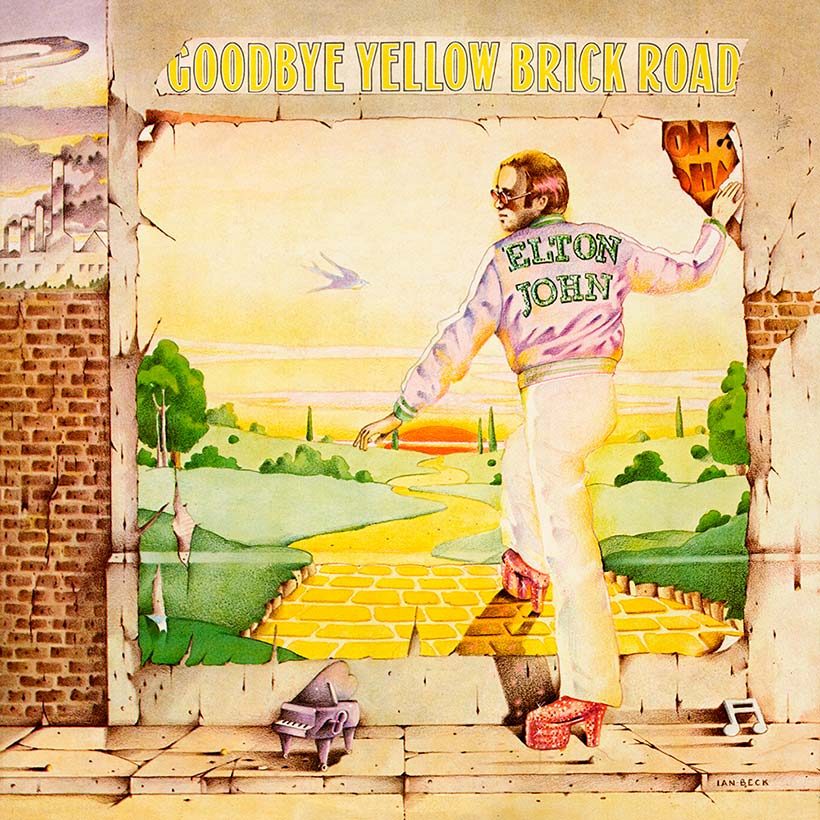
1973: “Goodbye Yellow Brick Road,” Elton John

Said lyricist Bernie Taupin about this classic, “The lyrics are saying that sometimes I want to leave Oz and get back to the farm. I wasn’t turning my back on success or saying I didn’t want it. I think I was just hoping that maybe there was a happy medium, a way to exist successfully in a more tranquil setting.” It’s one of Elton & Bernie’s favorite songs in their entire catalog, and as the title track of their solid double album, it reached the Top five in eight countries, including #2 in the US.  
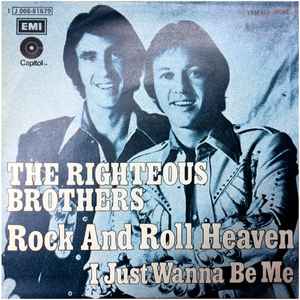
1974: “Rock and Roll Heaven,” The Righteous Brothers

Bill Medley and Bobby Hatfield struck gold in the mid-’60s with the Phil Spector-produced hits “You’ve Lost That Lovin’ Feeling” and “(You’re My) Soul and Inspiration,” then broke up for a spell before reuniting in 1974. They scored a big single with “Rock and Roll Heaven,” a song by Alan O’Day that paid tribute to some of the rock stars who had left us by that point (Jimi Hendrix, Janis Joplin, Otis Redding, Jim Morrison, Jim Croce, Bobby Darin). The song reached #3 on US charts.
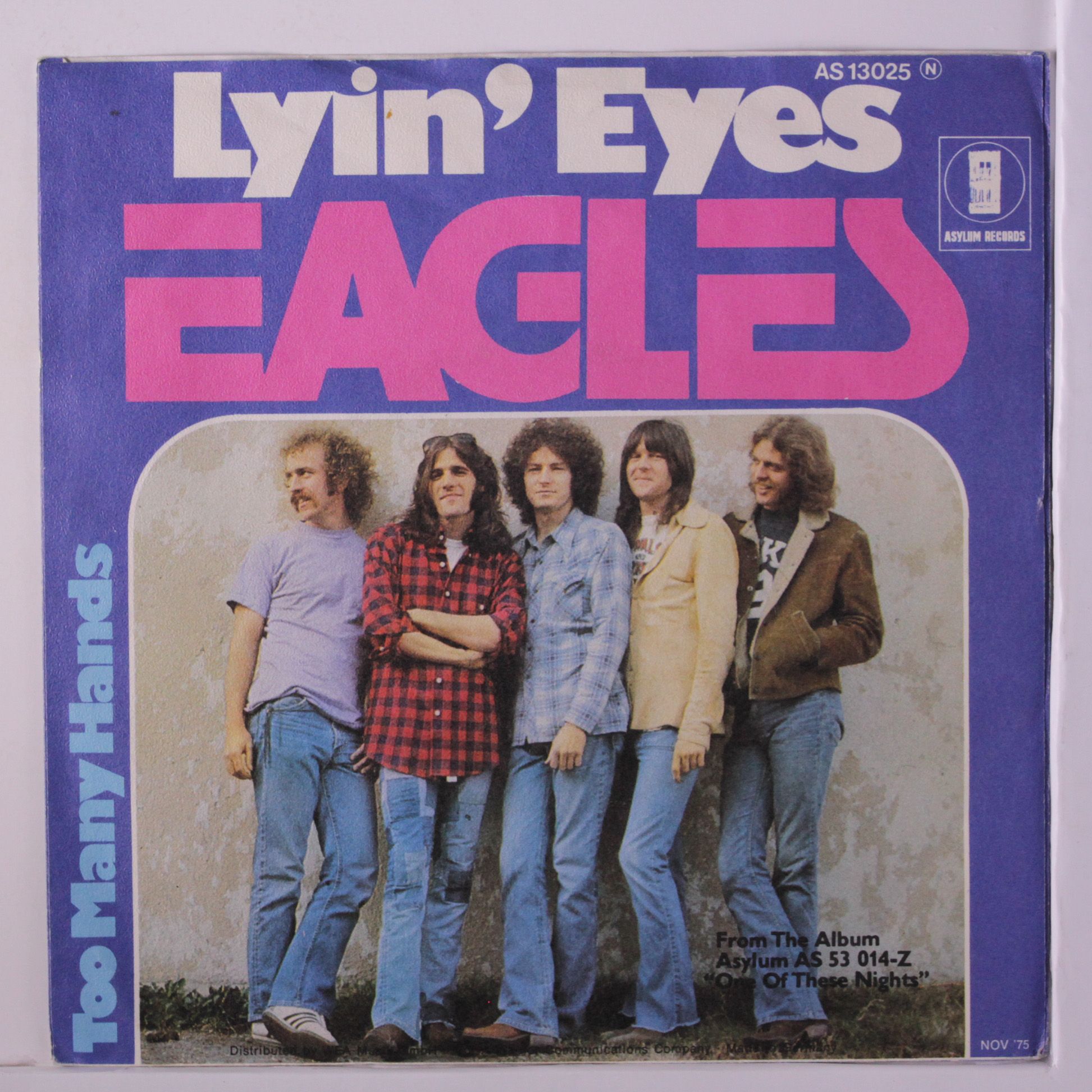
1975: “Lyin’ Eyes,” The Eagles

Glenn Frey and Don Henley were in a Hollywood bar one night, watching beautiful young women cozying up to older wealthy men, and Frey noted, “She can’t even hide those lyin’ eyes.” It became a huge Eagles hit about those who cheat on their romantic partners as they lied to them, their conquests and themselves. As the second single from their chart-topping LP “One Of These Nights,” it reached #2 on US charts.

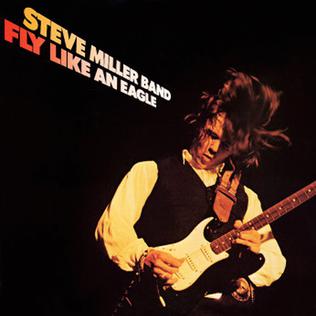
1976: “Take the Money and Run,” Steve Miller Band

There have been many dozens, maybe hundreds, of examples in classic rock songs of horrible attempts at writing rhyming lyrics. I submit that this line by Steve Miller on one of the singles from his “Fly Like an Eagle” LP, is among the most cringeworthy. Rhyming “Texas” with “facts is” fails on two different levels (shouldn’t it be “facts are”? Yes, it should). But correct grammar has never been rock and roll’s strong suit, and the song reached #11.
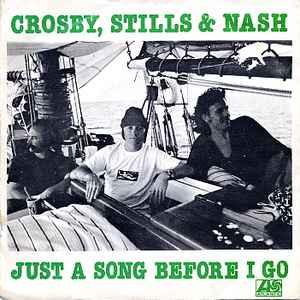
1977: “Just a Song Before I Go,” Crosby, Stills and Nash

Graham Nash had been staying with a friend in Hawaii, and as he was preparing to leave for the airport, his friend bet him that he couldn’t write a song in the short time he had left. In 20 minutes, Nash came up with this ditty about a musician leaving loved ones behind to go out on a concert tour, but it’s written so that it could be about anyone who must depart unwillingly.  It was a return to the Top Ten for the original trio, reaching #7 as the single from their celebrated reunion LP, “CSN.”
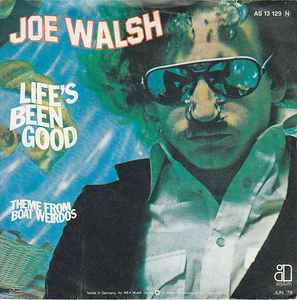
1978: “Life’s Been Good,” Joe Walsh

By this point in his career, Walsh had made Cleveland’s The James Gang a national act, forged a successful solo career and become a member of the high-flying Eagles. Along the way, he developed a notorious reputation as a major partier and a trasher of hotel rooms, which he good-naturedly wrote about in this big hit from his solo LP “But Seriously Folks…” The track rose to #12 on US charts.
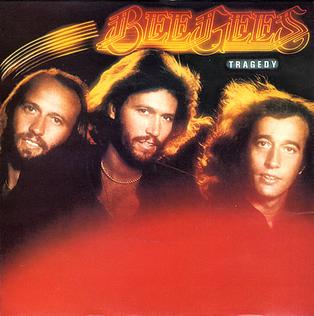
1979: “Tragedy,” The Bee Gees

The Brothers Gibb sang together for multiple decades and albums, but they combined forces as songwriters only occasionally, most notably on this sizzling #1 tune for their “Spirits Having Flown” LP, the follow-up to the stratospheric success of their “Saturday Night Fever” material.  The description of a romantic breakup as a “tragedy” is perhaps exaggerated, but the listening public didn’t mind, as it became the vocal group’s fifth of six consecutive chart-toppers in the late Seventies.

************************

Reach for the stars, Venus and Mars are all right tonight

Part of the fun in writing this blog each week has been in coming up with topics for playlists. I have upwards of 250 themed playlists I’ve created on Spotify, many of them focusing on a key word or idea (dreams, cars, money, rain, food, sex, whatever).

This week, I went looking for songs about planets, and I was kind of surprised to find only a few — so few, in fact, that I had to stray outside my normal ’60s/’70s/’80s comfort zone to grab a few titles from more recent years to round out the list. Most of these songs, in fact, aren’t really about the actual celestial orbs but instead other meanings of the words. But what the hell. It’s still a fun playlist of eclectic musical selections, and I hope you can dig on that.

**********************

“Mercury Blues,” Steve Miller Band, 1976

K.C. Douglas, a Mississippi blues singer/guitarist, wrote and recorded “Mercury Boogie” (later re-named “Mercury Blues”) with his trio in 1948. Its lyrics praise not the planet closest to the sun but the Mercury automobile brand, which led Ford Motor Co. to buy the rights to the song and use it in commercials. It’s been covered by several different artists, including Alan Jackson (whose 1992 version reached #2 on country charts), David Lindley on his 1981 LP, and Steve Miller, who featured his rendition on the multiplatinum 1976 album “Fly Like an Eagle.”

“Mercury Poisoning,” Graham Parker, 1979

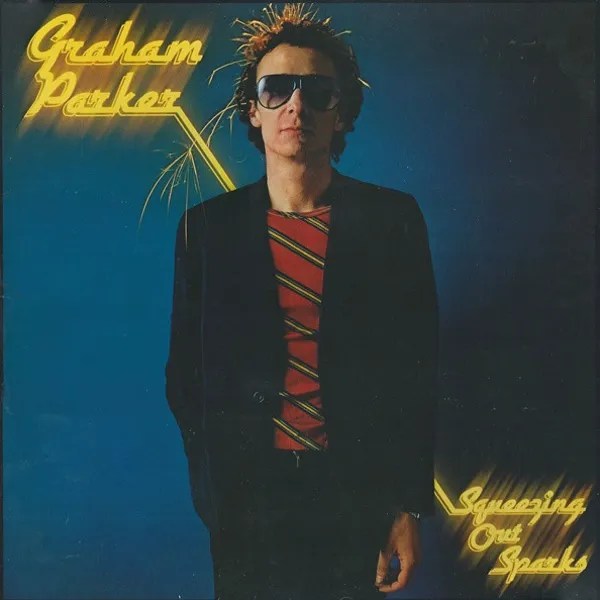
Parker was a British pub rocker with a raw, vital delivery of soul/rock/reggae songs in the late ’70s and early ’80s. His early albums on Mercury Records were critics’ favorites, but a lack of promotion by the label resulted in anemic chart performance in the U.S. After switching to Arista in 1979 and releasing his commercial zenith, “Squeezing Out Sparks,” Parker released the single, “Mercury Poisoning,” which chronicled his poor relationship with his former label: “Well I’ve got all the diseases, I’m breaking out in sweat, you bet, because I got Mercury poisoning, /It’s fatal and it don’t get better, /I got Mercury poisoning, the best kept secret in the West…”

“Venus,” Shocking Blue, 1970

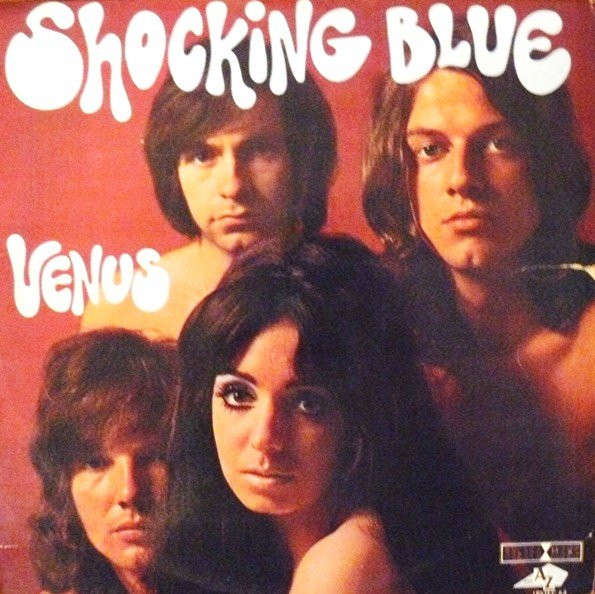
Guitarist Robbie van Leeuwen of the Dutch group Shocking Blue wrote this infectious track in 1969. Once American promoter/label owner Jerry Ross released it in the US six months later, it soared to #1, as it did in eight other countries around the world. Fiery lead vocalist Mariska Veres sang the lyrics of passionate love using Venus, the Goddess of Love, as the symbol. The song is one of only a handful in Billboard history to became a worldwide #1 hit a second time in when British vocal group Bananarama put their dance-music spin on it in 1986.

“Venus and Mars,” Paul McCartney & Wings, 1975

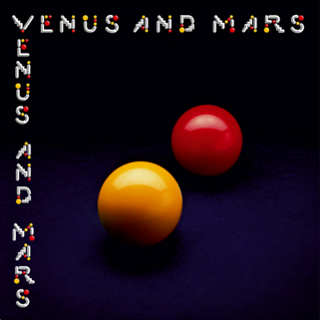
McCartney and his band set up camp in New Orleans in early 1975 to write and record the follow-up to their enormously successful “Band On the Run” album. Said Paul at the time: “I had this whole idea about a fellow sitting in a cathedral waiting for this transport from space that was going to take him on a trip. The guy is a bit blotto and starts thinking about ‘A good friend of mine studies the stars, Venus and Mars are all right tonight.‘ Afterwards, somebody told me Venus and Mars had just eclipsed the sun, or something. I’m not exactly sure, but I guess they aligned themselves exactly for the first time in 2,000 years. I had no idea about all this going on.” It became the title track of the album. 

“I Feel the Earth Move,” Carole King, 1971

After a decade writing huge hit singles for other artists to record, King divorced her songwriting partner Gerry Goffin and moved to Los Angeles, where she began collaborating with lyricist Toni Stern on a collection of songs that would become “Tapestry,” one of the biggest selling albums of all time. “I Feel the Earth Move,” the album’s opener, was also one half of her double A-side single with “It’s Too Late,” which reached #1 in the summer of 1971. The lyrics equate romantic passion with an earthquake “whenever you’re around.”

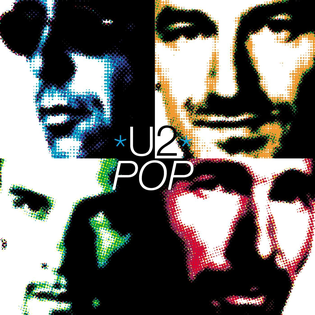
“Last Night on Earth,” U2, 1997

U2’s 1997 LP “Pop” was another in a long line of #1 albums for the Irish band, but it hasn’t aged well, evidenced by the fact that the group rarely performs any of its material in concert anymore. Still, “Discothèque” and “Staring at the Sun” did admirably on the charts at the time of release. One of the last tracks completed for the album was this one written six years earlier for the “Achtung Baby” LP but instead shelved away. Bono hadn’t been satisfied with the lyrics and struggled to write new ones before the band headed out on a lengthy tour. He struck on the concept of someone living passionately “as if it’s the last night on Earth.”

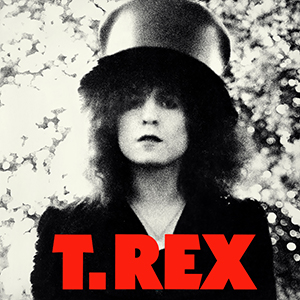
“Ballrooms of Mars,” T. Rex, 1972

Marc Bolan’s career paralleled that of David Bowie, who both evolved from psychedelic folk to electric rock to become pioneers of the glam rock movement by 1972. Bolan and his band, T. Rex, had only limited commercial success in the U.S., with the “Electric Warrior” and “The Slider” LPs and the Top Ten single “Bang a Gong (Get It On),” but he was huge in England. From “The Slider” came a great track called “Ballrooms of Mars,” which capitalized on Bolan’s outré persona: “You gonna look fine, be primed for dancing, /You’re gonna trip and glide, all on the trembling plane, /Your diamond hands will be stacked with roses… and we’ll dance our lives away in the ballrooms of Mars…”

“Moving to Mars,” Coldplay, 2011

This captivating track, recorded for Coldplay’s 2011 LP “Mylo Xyloto” but left off the final track listing, was instead added as a bonus track to the three-song EP “Every Teardrop is a Waterfall.” Chris Martin said it was inspired by a documentary called “Moving to Mars” that told the story of a family from Southeast Asia moved against their will to England. “To them, it seemed as radical a move as being relocated to another planet,” he said, “which intrigued me enough to write a song about it.” He said he was disappointed it didn’t make it on the album: “And I heard it on the radio that one day we’ll be living in the stars, /And I heard it on a TV show that, somewhere up above and in my heart, /They’ll be tearing us apart, maybe moving us to Mars, /We won’t see the earth again…”

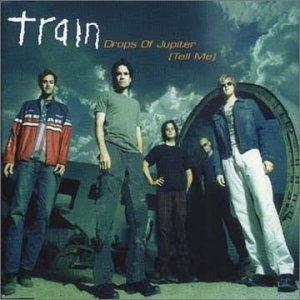
“Drops of Jupiter,” Train, 2000

San Francisco-based Train has had considerable success since forming in the mid-1990s, and one of their biggest hits was this title track from their second LP in 2001. Lead singer Pat Monahan said that the song was inspired by his late mother. “The process of creation wasn’t easy because I just couldn’t figure out what to write. But one day, about a year after she died, I woke up from a dream with the words ‘back in the atmosphere’ in a sort of mantra. I think it was just her way of saying what it was like. She was swimming past the planets, and she came to me here with drops of Jupiter in her hair.” It was a multi-platinum single for Train, peaking at #5.

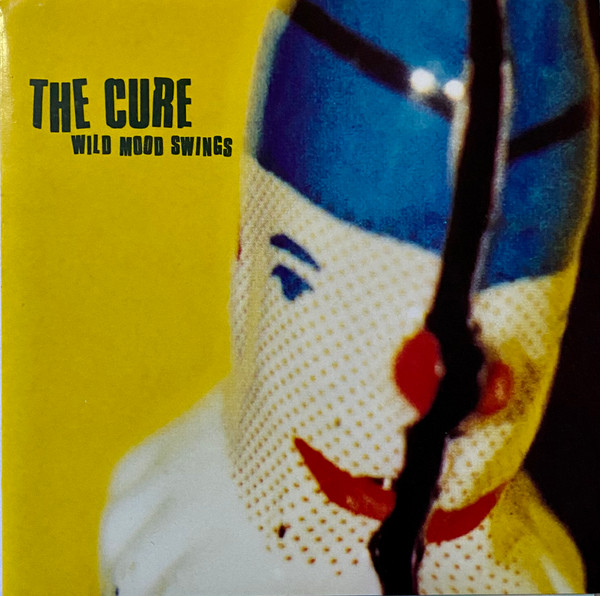
“Jupiter Crash,” The Cure, 1996

This influential British band led by Robert Smith has been a factor since 1980, churning out dark edgy rock that has seen major success on both sides of the Atlantic. From The Cure’s 1996 LP “Wild Mood Swings,” Smith wrote this amazing track that uses the 1994 incident when a comet struck Jupiter as a metaphor for a failed sexual encounter. “Everyone expected that Jupiter would explode or something, but it wasn’t what was anticipated,” he called. “Relationships can be like that, this big buildup followed by a sense of disappointment. There next day, people were saying, ‘That was rubbish.’ It wasn’t. It was incredible, but it just wasn’t what was expected. That was the analogy.” “Meanwhile, millions of miles away in space, the incoming comet brushes Jupiter’s face, then disappears away with barely a trace…”

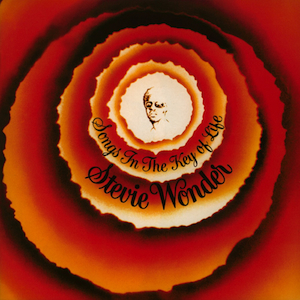
“Saturn,” Stevie Wonder, 1976

Wonder had been an astonishingly prolific and successful musician for many years, including winning two Album of the Year Grammys in the previous three years. Many observers, including Wonder himself, regarded his 1976 double album “Songs in the Key of Life” to be his supreme achievement. He had so many great songs representing a range of genres that he needed a third record, a 4-song EP, to fit them all. One of those was “Saturn,” a reflection on escapism, where Wonder imagined living on a distant planet: “Going back to Saturn where the rings all glow, rainbow, moonbeams and orange snow, /On Saturn, people live to be two hundred and five, /Going back to Saturn where the people smile, /Don’t need cars, ’cause we’ve learned to fly, /On Saturn, just to live, to us, is our natural high…”

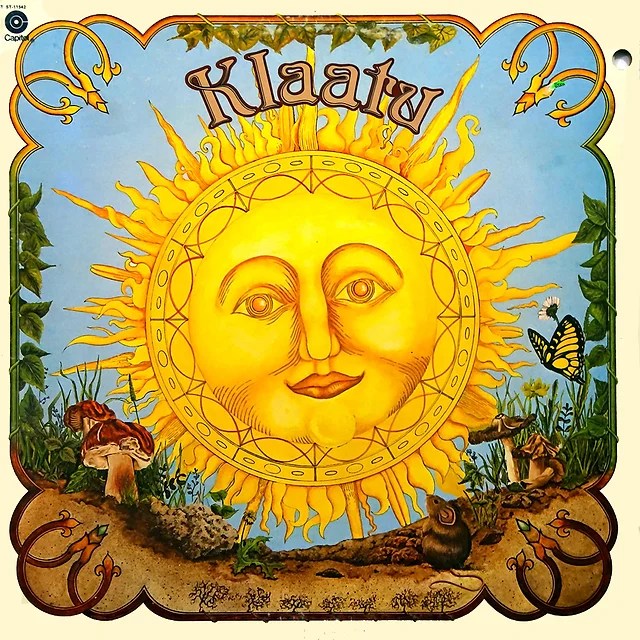
“Anus of Uranus,” Klaatu, 1976

In the summer of 1976, rumors spread that The Beatles had secretly reunited and recorded an album under a fictional name. In fact, Klaatu was a real band from Canada who made progressive rock that sounded, at times, like psychedelic-era Beatles music. (In particular, check out “Sub-Rosa Subway,” which would have fit nicely on “Magical Mystery Tour.”) Capitol Records milked the opportunity by including no band information on the cover and remaining elusive to press inquiries. The group’s quasi-cosmic lyrics and song titles, which focused on interplanetary travel, included the whimsically scatalogical “Anus of Uranus”: “Playing cards on Venus in a cloudy room, pass a glass of ammonia, I got to get off soon, /Sunbathin’ on Mercury or jammin’ on Jupiter, which do you prefer?, /Anus of Uranus, he’s a friend of mine, he’s a first-rate party and a real fine time…”

“Valleys of Neptune,” Jimi Hendrix, 1969/2010

Hendrix began work on this piece under the title “Gypsy Blood” in February 1969, then wrote the lyrics under the title “Valleys of Neptune Arising” three months later. Hendrix made several attempts at recording it with different groups of backup players, from Mitch Mitchell and Billy Cox to Stephen Stills and Buddy Miles and Steve Winwood. Hendrix died in 1970 without having completed the piece to his satisfaction, but finally, in 2010, it became the title track of an album of previously unreleased material. It’s an insightful tune, with lyrics that speak of a new era coming: “I see visions of sleeping peaks erupting, /Releasing all hell that will shake the Earth from end to end, /Singing about the new valleys of the sunrise, rainbow clean, /The world is gonna be singing about getting ready for the new tide, /The valleys of Neptune arising…”

“Pluto,” Jake Wesley Rogers, 2021

Rogers is one of the hottest new artists around, debuting in 2017 at only 21. The talented singer-songwriter composes songs that speak to his experiences growing up gay in Missouri, and yet they offer universal truths. His 2021 single “Pluto” touches on the celestial body’s status as the newest planet that later had that designation removed, and compares it to his own experience of having self-confidence that is jeopardized when others are critical: “When I was a kid, Pluto was still a planet, I’m still kinda sad about it, /Thought I was the shit ’til someone made me doubt it, I’m still kinda mad about it, /Hate on me, you might as well hate the sun for shining just a little too much, /Hate on me, maybe at the end of the day, you and me are both the same, /We just wanna be loved…”

**********************