Now my calendar’s complete
Gathering classic rock songs that share a common subject has been a pastime of mine since the early 1970s when I bought my first cassette tape deck.
Songs about food, cars, sex. Songs about countries, cities, streets. Songs about girls’ names, boys’ names, celebrities. My playlists on Spotify now have well over 100 themes represented.
Having recently explored songs in the rock music vault having to do with the signs of the zodiac, I realized I’d never put together a similar playlist of songs about the months of the year. Much like a list I compiled several years ago about days of the week — when I found there were way more choices for Saturday or Sunday than, say, Wednesday — I found some months are very well represented (September, December) while others have maybe one or two decent selections (March, October).
I’ve selected an eclectic dozen to commemorate each of the twelve months of the year, and I’ve also included another two dozen “honorable mentions to beef up that list. Feel free to listen along as you read.
***************************
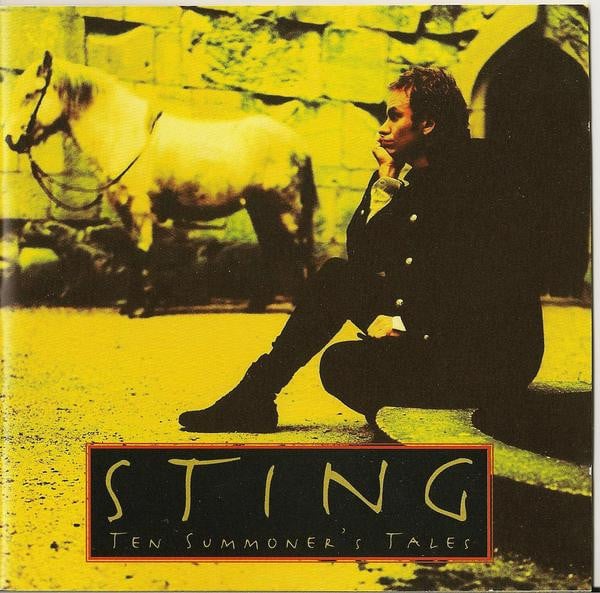
“January Stars,” Sting, 1993
The former bassist/vocalist of The Police went on quite a tear when he embarked on a solo career in 1985. The LPs “The Dream of the Blue Turtles” (1985), “Nothing But the Sun” (1987), “The Soul Cages” (1991) and especially “Ten Summoner’s Tales” (1993) were packed with compelling music that charted high on US album charts and produced ten Top 20 singles here. During sessions for “Summoner,” Sting wrote a song that he recorded twice with two completely different titles and lyrics. “Everybody Laughed But You” ended up on the LP, but the alternate version, entitled “January Stars,” appeared only on the “maxi-single” release with the big hit “If I Ever Lose My Faith in You.” It’s arguably a better set of lyrics and seemed an appropriate choice to feature as my “January” representative to the playlist: “And as I watched the mercury, and thought about the prophecy, /A new moon and an early thaw, /I watched the door for you, /January stars, January stars came true…”
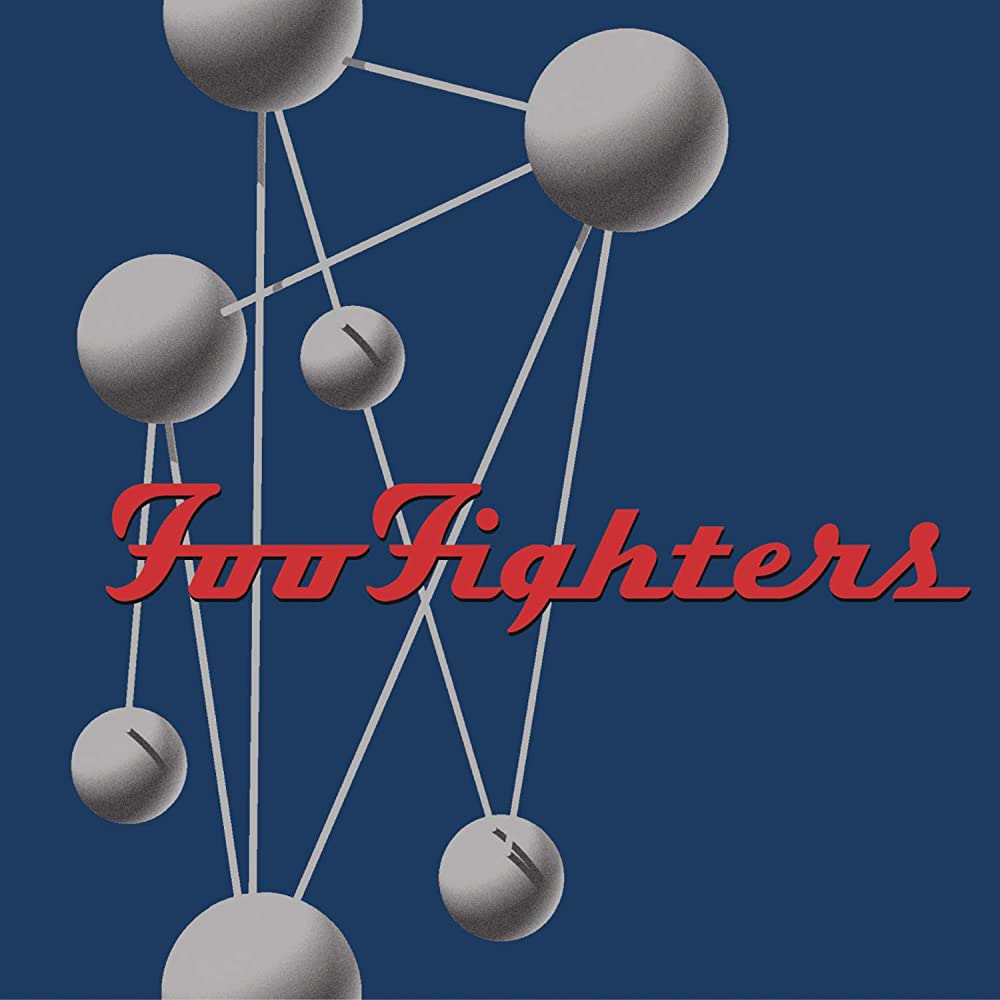
“February Stars,” Foo Fighters, 1997
I have enormous respect for Dave Grohl, who played drums behind Kurt Cobain in Nirvana and then, in the wake of Cobain’s suicide, formed Foo Fighters, one of the most popular bands of the past quarter-century. Amazingly, he quickly broadened his talents from drums to become his new band’s guitarist, singer and chief songwriter as well. The first Foo Fighters release in 1995 was essentially a Grohl solo affair, but 1997’s “The Colour and The Shape” was the first true group effort, which reached the Top 10 and went multi-platinum, thanks to “Everlong,” “Monkey Wrench” and “My Hero.” Described at the time of its release as “alternative post-grunge rock,” the album featured some strong songwriting like “February Stars,” a track Grohl wrote “about just hanging on by your fingertips and hoping you don’t slip and fall.” It’s about a relationship that’s dwindling away, despite efforts to hang on to it, finally concluding that it just won’t last: “I’m hanging on here until I’m gone, /Right where I belong, just hanging on, /February stars, floating in the dark, /Temporary scars, February stars…”
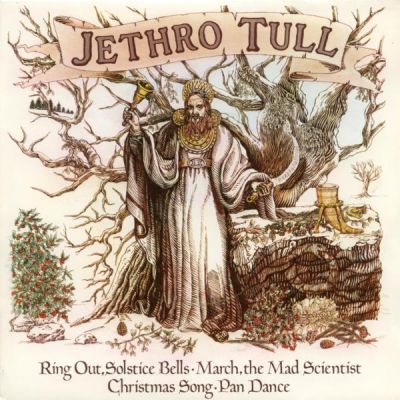
“March, the Mad Scientist,” Jethro Tull, 1976
Almost from the beginning, Tull frontman Ian Anderson typically wrote more songs than would fit on whatever album the band was in the process of recording. By 1976, he had compiled a number of finished tracks, several of which had a Christmastime flavor to them. “I’ve always enjoyed the Yuletide season and have written often about it,” Anderson said. He decided to release an EP in England (though not in the US, where EPs were rarely issued) that gathered four holiday-related songs: “Ring Out, Solstice Bells” (which also appeared on the “Songs From the Wood” album a couple months later), “Christmas Song” (first released back in 1969), “Pan Dance” and “March, the Mad Scientist.” The latter, clocking in at a brief 1:48, focuses on the post-Christmas months: “April is summer-bound, and February’s blue, /But March, the mad scientist, brings a new change in ever-dancing colours…”
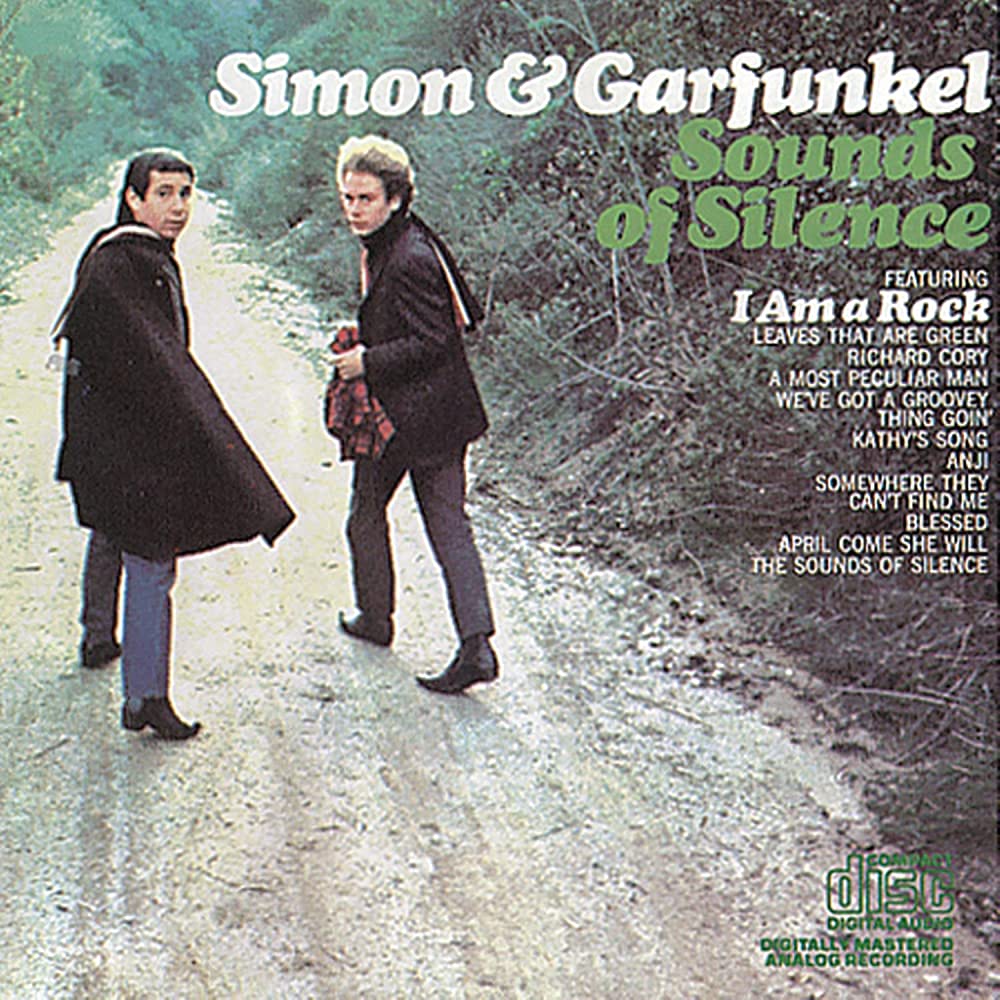
“April Come She Will,” Simon and Garfunkel, 1966
When bass, drums and electric guitar were grafted onto the original acoustic recording of “The Sound of Silence” and it became a #1 hit in early 1966, Simon and Garfunkel hurried into the studio to record the wistful songs Simon had written while living in London (including “I Am a Rock,” “Kathy’s Song,” “Richard Cory” and “April Come She Will”) and rush-released the LP “Sounds of Silence.” When director Mike Nichols chose to prominently use several Simon and Garfunkel songs in the soundtrack of “The Graduate,” in 1967, “April Come She Will” was among them because Nichols related to the lyrics about the sad arc of an affair that runs its course in six months, much like the tryst depicted in the film: “April, come she will… /May, she will stay… /June, she’ll change her tune… /July, she will fly… /August. die she must… /September I’ll remember…”

“Then Came the Last Days of May,” Blue Oyster Cult, 1972
Donald Roeser, Blue Oyster Cult’s guitarist/singer who went by the stage name Buck Dharma, wrote this harrowing tale of a drug deal gone bad that appears on the group’s 1972 self-titled debut LP. He recalls, “Back in 1969, the band was playing dances at Stony Brook University on Long Island. Three students from the college had gone out to Tucson, Arizona, at the end of May to buy some bulk marijuana for resale. It turned out the guys they were meeting there never intended to sell them any pot. They just wanted to drive them out to the desert, steal their money and shoot them, which they did, although one kid managed to survive. I wrote the lyrics from the newspaper accounts”: “It wasn’t until the car suddenly stopped in the middle of a cold and barren plain, /And the other guy turned and spilled three boys’ blood, /Did they know a trap had been laid?…” The song was a regular part of the band’s in-concert set list for many years

“Atlanta June,” Pablo Cruise, 1977
This San Francisco-based band enjoyed some decent chart success in the late ’70s with a pair of albums (1977’s “A Place in the Sun” and 1978’s “Worlds Away) and a handful of singles (“Whatcha Gonna Do?” “Love Will Find a Way,” “I Go to Rio”). These days, they’re lumped in with what is derisively known as “yacht rock,” but for my money, they offered feel-good music professionally executed, and I still enjoy hearing them from time to time. There’s a deep track on “A Place in the Sun” called “Atlanta June” that I think deserves your attention, even though it’s about a woman named June rather than the month of June: “Come here baby and sit down with me, I got something on my mind, /And I’ve got to tell you how I feel ’cause I know I’ll soon be gone, /Atlanta, Atlanta June, I’ll be leaving you and Georgia soon, /But someday maybe I’ll find a way back to you, Atlanta June…”

“Black Day in July,” Gordon Lightfoot, 1968
An escalating conflict between police and Black residents of Detroit that began on July 23, 1967, was the subject of Lightfoot’s powerful, poignant song. In seven verses, he tells of the violence and government response that resulted in the deadliest civil disturbance in US history: “Motor City madness has touched the countryside, /And the people rise in anger and the streets begin to fill, /And there’s gunfire from the rooftops and the blood begins to spill, /Black Day in July…” Lightfoot wasn’t yet a big name in the US but the song, which appeared on his 1968 “Did She Mention My Name?” LP, was nonetheless banned from many radio stations. It was by far Lightfoot’s most vivid protest song, with prominent percussion and dominant minor chords that symbolized the tension of the events.

“First Day in August,” Carole King, 1972
One of the greatest songwriters of the 1960s, King fed infectious tunes to her then-husband lyricist Gerry Goffin, and together they cranked out dozens of songs for other artists to turn into big hits. Then in 1971, her “Tapestry” album made her the featured recording artist and became one of the best-selling albums of all time. The half-dozen albums that came after that masterpiece never quite measured up, but individual songs like “Been to Canaan,” “Sweet Seasons,” “Bitter With the Sweet” and “Jazzman” were very worthy additions to her repertoire. From her 1972 LP “Rhymes and Reasons” is a little forgotten gem called “First Day in August,” an intimate ballad that celebrates a loving relationship with these tender lyrics: “On the first day in August, I want to wake up by your side, /After sleeping with you on the last night in July, /In the morning, we’ll catch the sun rising, /And we’ll chase it from the mountains to the bottom of the sea…”
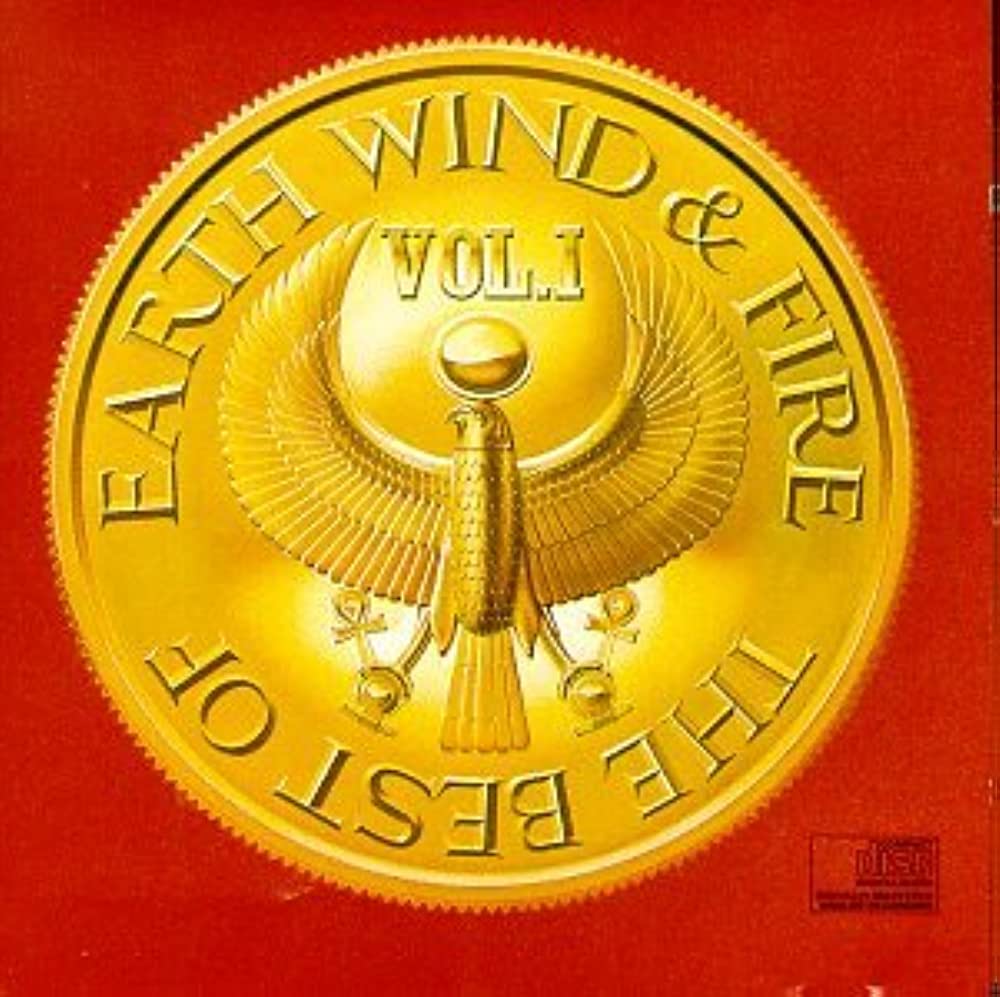
“September,” Earth, Wind and Fire, 1978
I deliberated a while about which of the many songs about September that turned up in my search would be the one I would feature here. I’ve always been partial to the old standard, “September in the Rain,” as sung by Frank Sinatra in 1961, or even “See You in September” by the sunshine-pop group The Happenings in 1966. But I pretty much had to go with the EW&F hit, which reached #6 in 1978 as the new single included on the group’s “Best Of, Vol. 1” LP. The infectious R&B tune was written by Maurice White and his occasional collaborator Alley Willis, who initially objected to White’s memorable “ba-dee-ya” nonsense lyric in the chorus, “but he taught me an important lesson about not letting the lyric get in the way of a great groove.” The significance of the 21st of September, said White’s wife, was it was the original due date of their son: “Our hearts were ringing in the key that our souls were singing as we danced in the night, /Remember how the stars stole the night away, /Ba-dee-ya, say do you remember, /Ba-dee-ya, dancing in September, /Ba-dee-ya, never was a cloudy day…”

“October Road,” James Taylor, 2002
After cranking out classic albums every year through the 1970s, and every two or three years in the ’80s and ’90s, Taylor started experiencing writer’s block by the 2000s. Indeed, he has released only two albums of new material in the past 25 years, and to my ears, they weren’t quite as consistent as we’ve come to expect from this talented tunesmith. The title track from his 2002 LP “October Road” has a fine country-funk arrangement going that sets it a notch higher than the album’s other tracks. Its lyrics do a marvelous job of capturing his time-honored image of “walking on a country road,” only this time as soothing medicine for a worn-out psyche damaged from too much fame and travel: “I got so low down, fed up, my God, I could hardly move, /Won’t you come on, my brother, get on up and help me find my groove, /Keep me walking, October road, /Keep me walking in the sunshine, yeah, little friend of mine, October road…”

“November Rain,” Guns ‘n Roses, 1991
While I’ve never been much of a fan of Guns ‘n Roses, it’s impossible to deny the majestic sweep of this tour de force from their “Use Your Illusion I” album. Like other epic rock songs of its era, “November Rain” uses mellower melodic passages offset by screaming guitar sections to create compelling drama over its nine-minute length. Significantly, it’s one of the longest songs to ever reach the Top Five of the US Top 40 pop chart. “We call it ‘the Layla song’,” joked guitarist Slash, referencing a similarly constructed rock song with a long, instrumental second part. Lead singer Axl Rose describes how a rainy day in the eleventh month can be so unpleasant: “When I look into your eyes, I can see a love restrained, /But, darlin’, when I hold you, don’t you know I feel the same? /’Cause nothing lasts forever, and we both know hearts can change, /And it’s hard to hold a candle in the cold November rain…”
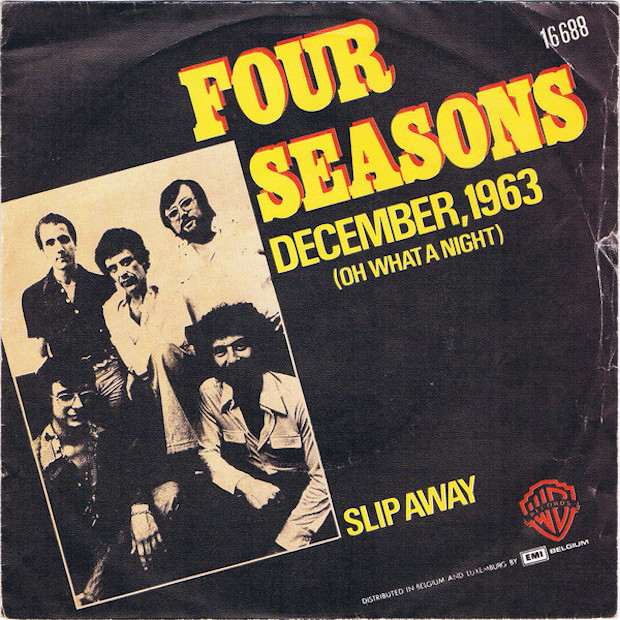
“December 1963 (Oh What a Night),” The Four Seasons, 1975
Bob Gaudio, longtime member of The Four Seasons and a primary songwriter for them, said this song’s lyrics originally focused on December 5, 1933, the day that Prohibition was repealed, but his wife suggested he change the focus to December of 1963, when the two first met. “It was more in line with the kind of song The Four Seasons typically sang,” he said, “and it ended up being a good decision.” The group hadn’t had a Top Ten hit since 1967, and the release of their “Who Loves You” album in 1975 put them back on the charts in a big way, first with the title song (which peaked at #3) and then “December 1963,” which held the #1 slot for three weeks in early 1976: “Oh, what a night, late December, back in ’63, /What a very special time for me, as I remember, what a night, /Oh, what a night, you know, I didn’t even know her name, /But I was never gonna be the same, what a lady, what a night…”
***************************
Honorable mentions:
“January,” Pilot, 1975; “January Friend,” Goo Goo Dolls, 1998; “February Seven,” Avett Brothers, 2012; “Waters of March,” Art Garfunkel, 1975; “Sometimes It Snows in April,” Prince, 1986; “Pieces of April,” Three Dog Night, 1972; “First of May,” James Taylor, 1988; “First of May,” The Bee Gees, 1968; “June Hymn,” The Decemberists, 2011; “July Morning,” Uriah Heep, 1971; “August,” Taylor Swift, 2020; “See You in September,” The Happenings, 1966; “September Grass,” James Taylor, 2002; “Wake Me Up When September Ends,” Green Day, 2004; “September Morn,” Neil Diamond, 1979; “September in the Rain,” Frank Sinatra, 1961; “October,” U2, 1981; “November Spawned a Monster,” Morrissey, 1990; “Denouncing November,” The Avett Brothers, 2006; “December,” Collective Soul, 1995; “A Long December,” Counting Crows, 1996; “December,” Norah Jones, 2009; “December Snow,” Moody Blues, 2003.
****************************


 Hack's Back Pages