The fireworks are hailing over Little Eden tonight
The title of this blog entry comes from an early Bruce Springsteen song called “4th of July, Asbury Park (Sandy),” about a passionate summer romance. But Springsteen has written often in more serious tones about this country and the problems it faces. Most notably, “Born in the U.S.A.,” which some misguided politicians claimed in 1984 as a patriotic anthem, is in fact a painful look at the despair of those sent off to fight a hopeless war and return to more misery at home: “I had a brother at Khe Sanh, fighting off the Viet Cong, /They’re still there, he’s all gone… Down in the shadow of the penitentiary, out by the gas fires of the refinery, /I’m ten years burning down the road, nowhere to run, ain’t got nowhere to go…”
On this long holiday weekend about to commence, as we haul out our red, white and blue outfits, raise the flags and bunting, and ooh and ahh over fireworks displays, there are many songs we’re likely to hear to help us commemorate the birth of our country: Lee Greenwood’s “God Bless the USA,” Neil Diamond’s “America,” Don McLean’s “American Pie,” John Mellencamp’s “R.O.C.K. in the U.S.A.,” Grand Funk’s “We’re an American Band,” The Guess Who’s “American Woman,” and, of course, Kate Smith’s “God Bless America.”

For my Fourth of July soundtrack here at Hack’s Back Pages, I’m choosing to omit the more obvious ones in favor of mostly lesser-known tunes, not only from decades ago but more recent years as well. These songs pay homage to our natural beauty and our freedoms and blessings but but also point out where we’ve failed and need to make things better. Once again, popular music is ready and waiting with multiple choices.
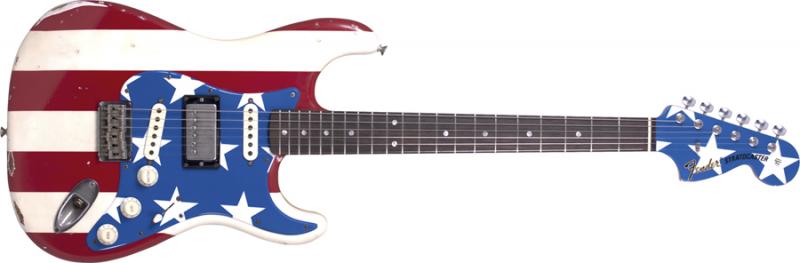
There’s a Spotify playlist at the bottom of this column for you to listen to as you read about these 20 featured tracks, plus another ten “honorable mentions” to fill out the program for the holiday soundtrack.
A very happy Independence Day weekend to you all!
***************
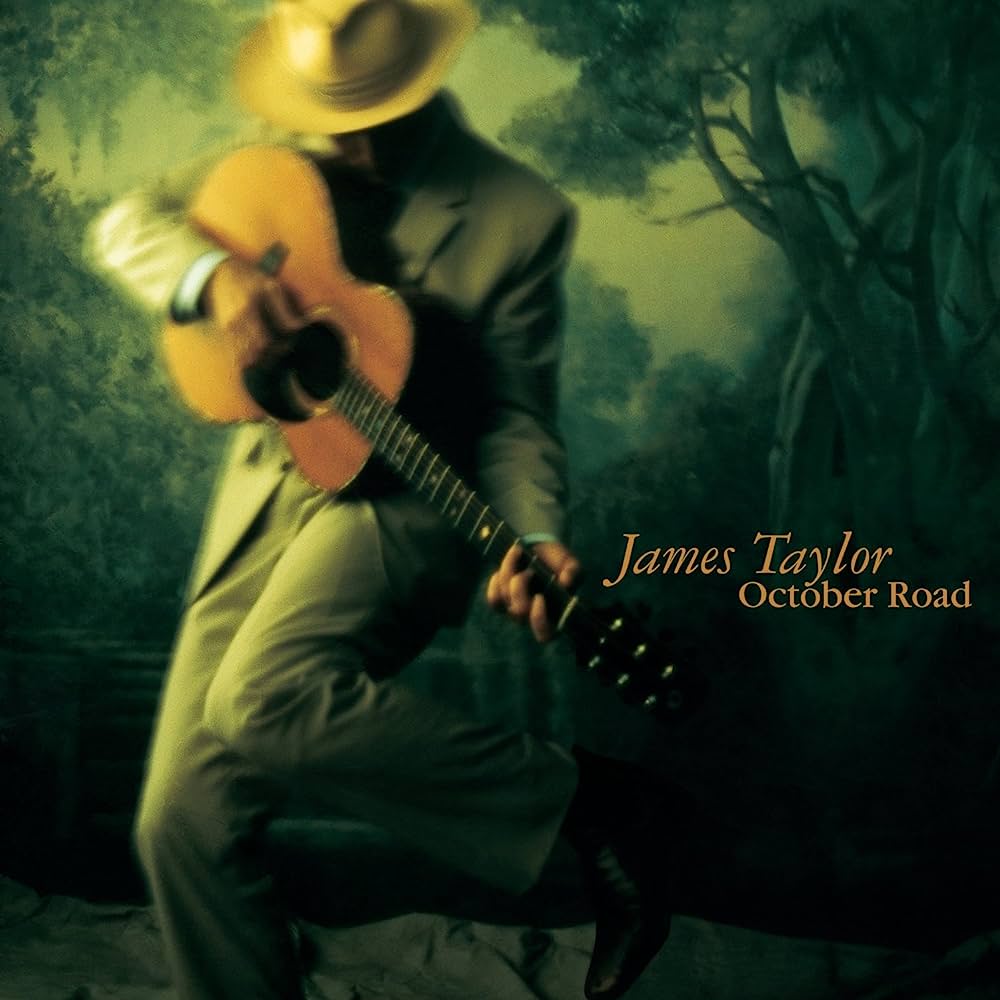
“On the Fourth of July,” James Taylor, 2002
Since his 1969 debut, Taylor has written more than 150 songs on 16 studio LPs, in the process becoming one of America’s most beloved singer-songwriters. He writes lyrics that alternate between poignant and whimsical, ruminating on everything from a friend’s suicide in “Fire and Rain” to the joy he sees in his young daughter’s eyes in “Your Smiling Face.” He used to release an album every year or two but has been considerably less prolific since 2000. On his 2002 LP “October Road,” you’ll find “On the Fourth of July,” which recalls a romantic encounter on a summer holiday: “I fell into you at a quarter to two with a tear in your eye for the Fourth of July, /For the patriots and the minutemen and the things you believe they believed in then, /Such as freedom, and freedom’s land, and the kingdom of God and the rights of man, /With the tiny tin voice of the radio band singing ‘love must stand,’ all on the Fourth of July…”
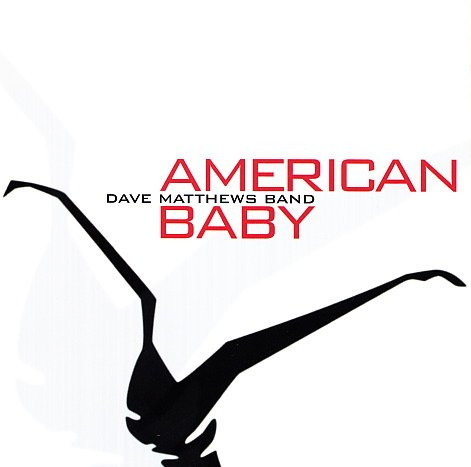
“American Baby,” Dave Matthews Band, 2005
When George W. Bush won re-election in 2004, Matthews felt despondent enough to write this song the following day. Its lyrics urged us to remain hopeful and proud, despite the troubling changes in values apparent in the way the country was conducting its war in Iraq. The track, which appears on The Dave Matthews Band’s fourth consecutive #1 album “Stand Up,” became the group’s highest charting single on the US pop chart at #16 (although DMB had more than 20 Top Five hits on Billboard’s Adult Alternative Airplay chart). Sample lyrics: “I hold on to you, you bring me hope, I’ll see you soon, and if I don’t see you, I’m afraid we’ve lost the way, stay beautiful, baby, I hope you stay, American baby…”
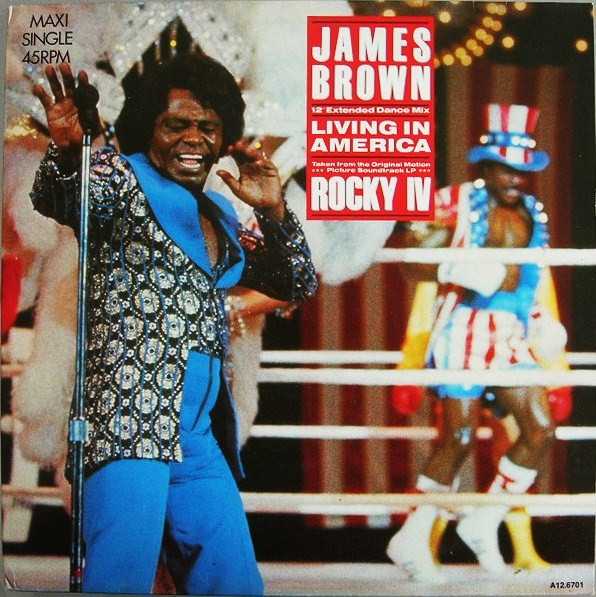
“Living in America,” James Brown, 1986
The one-of-a-kind Godfather of Soul had ruled the R&B charts from the early ’60s through the mid-’70s, and had a half-dozen Top Ten pop hits as well (“Papa’s Got a Brand New Bag,” “I Got You (I Feel Good),””Cold Sweat,”), but fell out of favor during the disco and post-disco era. He had one last commercial peak in 1986 with “Living in America,” which reached #4. Written by singer-songwriter Dan Hartman and producer Charlie Midnight, the song was used prominently in the film “Rocky IV” in scenes when the over-the-top patriotic character Apollo Creed entered the boxing arena. Sample lyrics: “Living in America, eye to eye, station to station, living in America, hand to hand, across the nation, living in America, got to have a celebration…”

“America,” Simon and Garfunkel, 1968
Between the Vietnam War, assassinations, urban riots and general unrest, 1968 was a tumultuous year, causing much angst among the populace about the future of the country. This stunning song is Simon’s attempt to capture that roller-coaster ride of emotions. One critic called it a “metaphor to remind us all of the lost souls wandering the highways and byways of mid-sixties America, struggling to navigate the rapids of despair and hope, optimism and disillusionment”: “‘Kathy, I’m lost,’ I said, though I knew she was sleeping, /’I’m empty and aching and I don’t know why,’ /Counting the cars on the New Jersey Turnpike, they’ve all come to look for America…”

“Breakfast in America,” Supertramp, 1979
This intelligent British art-rock band had moved to the US in 1977 following their commercial success here that year, and their next batch of songs reflected a breezy American influence. The “Breakfast in America” LP was an enormous hit for Supertramp — it was perched at #1 for six weeks in the summer of 1979. The title track (which stalled at #62 compared to the other three Top Ten hits from the LP) is about a poor British boy who fantasizes about visiting the US but lacks the money to do so: “Take a jumbo across the water, like to see America, see the girls in California, I’m hoping it’s going to come true, but there’s not a lot I can do…”

“This is Not America,” Pat Metheny Group with David Bowie, 1985
In the 1985 spy film “The Falcon and the Snowman,” Sean Penn and Timothy Hutton play young Americans who sell secrets to the Soviets. In one scene when they are beaten and tortured while in custody, they protest, “We are Americans!” The response: “This is not America.” The song, a collaborative effort by jazz guitarist Pat Metheny and the late great David Bowie, examines how our rights and privileges are often taken for granted until they disappear when on foreign soil: “There was a time, a wind that blew so young, this could be the biggest sky, and I could have the faintest idea, for this is not America, this is not America…”
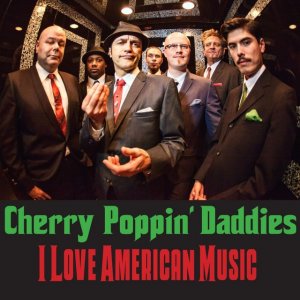
“I Love American Music,” Cherry Poppin’ Daddies, 2013
This eclectic band from Eugene, Oregon, has specialized in swing and ska music since the early ’90s. While they have reached the mainstream pop charts only once, with their “Zoot Suit Riot” single and album in 1997, the group has been one of the hardest working touring bands in the nation for many years. From their 2013 LP “White Teeth, Black Thoughts” comes the single “I Love American Music,” which celebrates the diversity of musical styles you can hear as you travel around this country: “When the lights go down and my scales stop showin’, I’ll smash my fingers down on the only truth that’s still worth knowin’, play it, play it again Sam, I want American music, play it, play it again Sam, I need American music…”

“Goodnight America,” Mary Chapin Carpenter, 2004
Although she has largely escaped the attentions of mainstream music listeners, Chapin-Carpenter has been a consistent presence on country charts for 25 years, with three platinum albums and numerous Top Five singles there. Her 2004 album, “Between Here and Gone,” contains the lovely ballad “Goodnight America,” which focuses on the gypsy lifestyle of being a musician on the road — “a weary traveler, but grateful to have the freedom to be one,” as she put it. Sample lyric: “I’m a stranger here, no one you would know, I’m from somewhere else, well isn’t everybody though, my ship has not come in, I don’t know where I’ll be when the sun comes up, until then, sweet dreams, goodnight America…”
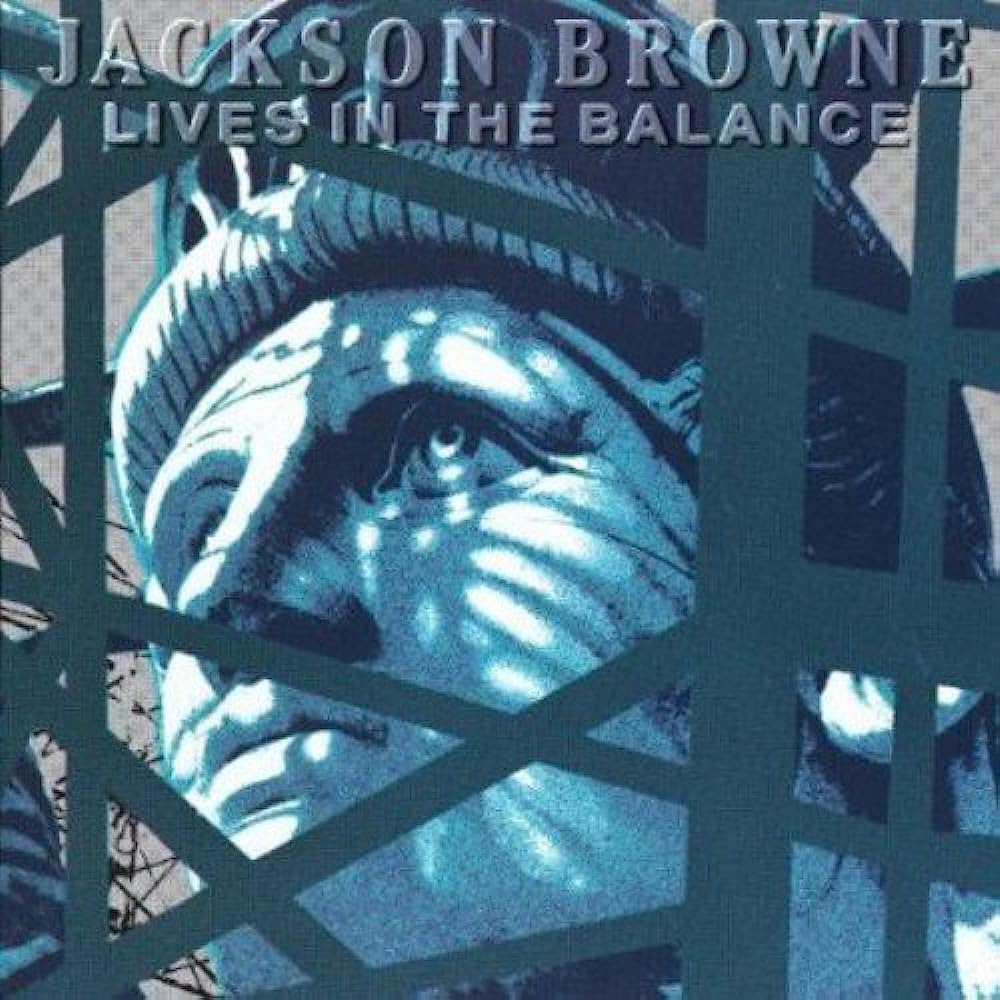
“For America,” Jackson Browne, 1986
One of the premier singer-songwriters to emerge from Southern California in the 1970s, Browne has written dozens of articulately worded ballads and anthems to love and life (“For Everyman,” “Fountain of Sorrow,” “The Pretender”). By the mid-’80s, the left-leaning Browne had grown disheartened with the actions the Reagan administration was taking abroad, and subsequently released the overtly political album, “Lives in the Balance,” which included the modest #30 single, “For America,” another song that wishes for better days ahead: “I have prayed for America, I was made for America, I can’t let go ’til she’s comes ’round, until the land of the free is awake and can see, and until her conscience has been found…”

“Independence Day,” Elliott Smith, 1998
This talented singer-songwriter, based in Portland, struggled with depression, paranoia and drug addiction for most of his adult life before dying at age 34 in 2003. He released six LPs beginning in 1994, and wrote and recorded the Oscar-nominated song “Miss Misery” from the “Good Will Hunting” soundtrack in 1997. His “XO” album in 1998 included the delicately melodic “Independence Day,” an examination of the difficulty of change and inevitability of a finite life: “I saw you at the perfect place, it’s going to happen soon, but not today, /So go to sleep, make the change, I’ll meet you here tomorrow, /Independence Day…”
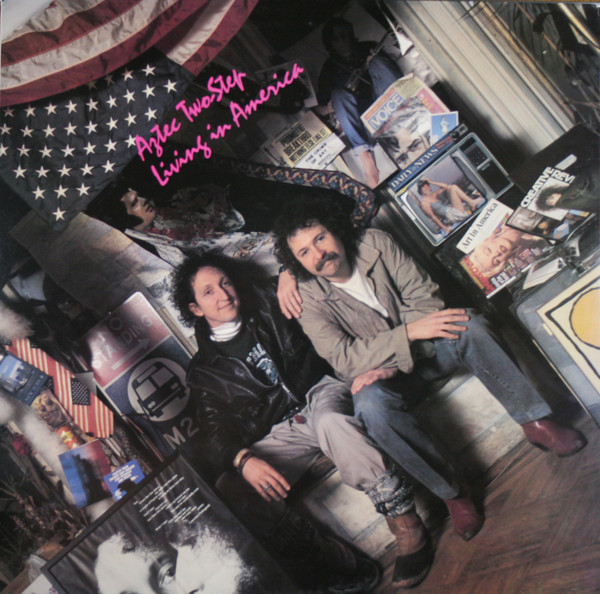
“Living in America,” Aztec Two-Step, 1986
The duo of Rex Fowler and Neal Shulman formed the nucleus of Aztec Two-Step, a lighthearted, lively folk rock band out of Boston. From their roots in 1971, they have continued to release music and perform live ever since, although without much chart success. In 1986, they came up with this quirky, optimistic ditty in tribute to Americans everywhere: “Here’s to the silver screen, ah-ah, the music scene in America, here’s to the arts and crafts, people who make us laugh in America, here’s to the songs, the dance, the true romance, all those who take a chance in America, and here’s to the people too, whose dreams have all come true in America…”

“America Street,” Edwin McCain, 1995
Emerging from South Carolina in the mid-1990s, McCain found success with his first three LPs and the 1998 single “I’ll Be,” which reached #5 on the pop charts. His debut album “Honor Among Thieves” is something of an underrated alt-rock classic, and includes the thought-provoking “America Street,” which bemoans the inequality found here and warns of the need to turn things around: “Riding down America Street, funny that it’s one way, /riding down from uptown to where the buildings are broken down in decay, /Well, America Street, it’s right nearby, land of the free and the brave, /And if we can’t work and make some change, there won’t be much of this land left to save…”

“Living in the U.S.A.,” Steve Miller Band, 1968
Before Miller became a staple of mid-’70s mainstream rock, the Steve Miller Band was one of San Francisco’s more melodic counterculture groups, back when Boz Scaggs was still in the lineup. Their second album “Sailor” reached #24 on US album charts in 1968, and although “Living in the U.S.A.” stalled at #95, it earned its place as one of the great FM rock classics of its era. The hippie-ish lyrics may seem dated, but not the sentiment behind them: “Come on baby, /I see a yellow man, a brown man, a white man, a red man, /Lookin’ for Uncle Sam to give you a helping hand, /But everybody’s kickin’ sand, even politicians, /We’re living in a plastic land, somebody give me a hand…”
“American Prayer,” Dave Stewart, 2008
In 2002, Stewart, formerly with Annie Lennox and the Eurythmics, paired up with U2’s Bono to write this “paean to America based on the poetry of the Declaration of Independence and the taut truth in the Constitution.” It was first performed during Bono’s Heart of America speaking tour that year to rally support for the fight against the AIDS crisis. In 2008, Stewart altered some of the lyrics and recorded it “in honor of those working to make the world a better place.” Sample lyrics: “These are the hands, what are we gonna build with them, and this is the church you can’t see, and remember, give me your tired, your poor and huddled masses, you know they’re yearning to breathe free, this is my American prayer…”
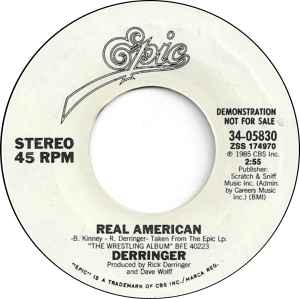
“Real American,” Rick Derringer, 1985
Ricky Zehringer was only 17 when his band, The McCoys, had a #1 hit with “Hang On Sloopy” in 1965. He became Rick Derringer in the Seventies and went on to become a solo star (“Rock and Roll Hoochie-Koo”) as well as an in-demand guest guitarist for Steely Dan, Edgar Winter, Alice Cooper and Todd Rundgren. He wrote and sang “Real American” in 1985 for the World Wrestling Federation, and specifically Hulk Hogan, to use as entrance music. The music and lyrics, which capitalized on the Cold War patriotic jingoism prevalent at the time, were ideal for the bombastic showbiz of pro wrestling. Sample lyric: ” I am a real American, fight for the rights of every man, I am a real American, fight for what’s right, fight for your life…”
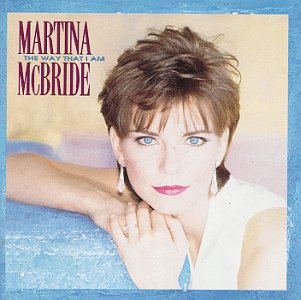
“Independence Day,” Martina McBride, 1994
A singer-songwriter named Gretchen Peters came up with this heartwrenching song in 1994, and country artist Martina McBride made it a platinum hit single on country charts that year. Its lyrics tell the story of a young girl who heads into her small town for the Independence Day fair, and while she was there, her mother — a victim of longtime domestic abuse — burns the house down with her alcoholic husband and her in it. The words convey a double meaning for “independence day”: It happened on the Fourth of July, and it was the day the woman tragically declared her independence from her intolerable marriage and life: “Well, she lit up the sky that fourth of July by the time that the firemen come, /They just put out the flames, and took down some names, and sent me to the county home, /Now, I ain’t sayin’ it’s right or it’s wrong, but maybe it’s the only way, /Talk about your revolution, it’s Independence Day, /Let freedom ring, let the white dove sing, /Let the whole world know that today is a day of reckoning…”
“America,” Imagine Dragons, 2012
This Las Vegas-based pop rock band has won a bevy of awards and chart successes since their debut in 2009, most notably the hit singles “Radioactive,” “Demons,” “Believer” and “Thunder” and four top-ranked LPs in the 2010s. On their 2011 EP “It’s Time” comes a marvelous track entitled “America,” co-written by Imagine Dragons members Dan Reynolds, Wayne Sermon and Ben McKee. The song offers words of encouragement and hope in the face of struggle and setback: “From farmers in the fields
to the tallest of the towers that fall and rise, /1-7-7-6, the names upon the list of all the ones who gave until they died, /don’t you hold back… /Rise to the top of the world, America, don’t you cry, /lift me up, give me strength to press on…”
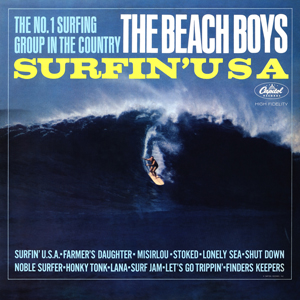
“Surfin’ USA,” The Beach Boys, 1963
Wherever in the world there are big waves, you’ll find surfers, but thanks to Brian Wilson’s lyrics, Southern California beaches became a magnet for young Americans interested in surfing. The Beach Boys had already released two songs about the sport (“Surfin’ Safari” and “Surfin'”) and would release one more afterwards (“Surfer Girl”), but the iconic “Surfin’ USA” would reach #3 on the pop charts in 1963 after Wilson took the music from Chuck Berry’s hit “Sweet Little Sixteen” and wrote new words about the California hot spots: “If everybody had an ocean across the USA, /Then everybody’d be surfin’ like Californi-a… /You’d catch ’em surfin’ at Del Mar (inside, outside, USA), Ventura County line
(inside, outside, USA)… /All over La Jolla (inside, outside, USA), at Wa’imea Bay (inside, outside), /Everybody’s gone surfin’, surfin’ USA…”

“America the Beautiful,” Keb’ Mo’, 2001
There are dozens and dozens of versions of this stunning piece, which I’ve always felt would be a better National Anthem than “The Star Spangled Banner.” It was first written as a poem by Katherine Lee Bates in 1893, then tweaked a bit with a few new lyrics in 1903 and again in 1911. Samuel Ward wrote the music back in 1882 to an altogether different lyric, “O Mother Dear, Jerusalem.” Ward’s hymn-like melody was first combined with Bates’s patriotic words in 1910 into the song we all know today. In the Bi-Centennial year of 1976, two recordings received considerable airplay — Ray Charles’ stirring rendition on the R&B charts, and Charlie Rich’s commanding version on the country charts. For something different but memorable, check out Keb’ Mo”s version from his “Big Wide Grin” album in 2001.

“American Tune,” Paul Simon, 1973
I’ve always felt that this song from Simon’s “There Goes Rhymin’ Simon” LP is one of his best works. The majestic melody is lifted from Bach’s “St. Matthew Passion,” with poignant Simon lyrics that are simultaneously comforting and troubling. Even a half-century ago, Simon was proud of his country, but concerned about its future: “We come on the ship they call the Mayflower, we come on the ship that sailed the moon, we come in the age’s most uncertain hour, and sing an American tune, oh, but it’s all right, it’s all right, you can’t be forever blessed, still, tomorrow’s gonna be another working day, and I’m trying to get some rest…”
*************
And here’s my Honorable Mention list of other “American” songs:
“4th of July, Asbury Park (Sandy),” Bruce Springsteen, 1980; “What Now America,” Lee Michaels, 1970; “American Girl,” Tom Petty and the Heartbreakers, 1976; “In America,” Charlie Daniels Band, 1980; “All the Way From America,” Joan Armatrading, 1980; “American Beauty,” Bruce Springsteen 2014; “Independence Day,” David Byrne, 1989; “American Girls,” Counting Crows, 2002; “American Music,” The Blasters, 1981; “American Idiot,” Green Day, 2004.






 Hack's Back Pages