I write the songs that make the whole world sing

“I would write five songs to get one song.  I’d have a big junkyard of stuff written as the year went by.  If something wasn’t complete, I just pulled out the parts I liked, like taking the parts you need from several cars, and you put them in the other car so that car runs.” — Bruce Springsteen, on the songwriting process
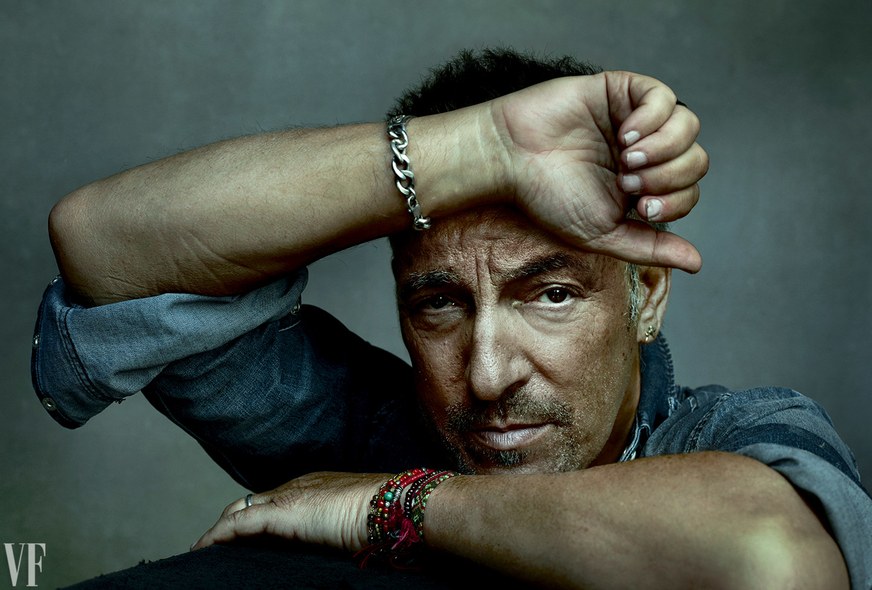
bruce-springsteen-october-2016-ss01

*****************

To the layman, the art of writing a song seems magical, almost otherworldly.

Many people find it hard enough just to write a coherent sentence or a paragraph, let alone an essay, a speech or, God forbid, a book.  The idea of conjuring up song lyrics and then putting them to music is… well, a Herculean task, and pretty much impossible.

So how do the songwriters do it?  How do they do it even once, never mind dozens of times?  How do icons like Bob Dylan or Paul McCartney write memorable song after memorable song just about every year from their teens into their 80s? Clearly, it’s a very rare, God-given talent.  And it is baffling.  Even the songwriters themselves are hard-pressed to explain exactly how it works or where their songs come from.
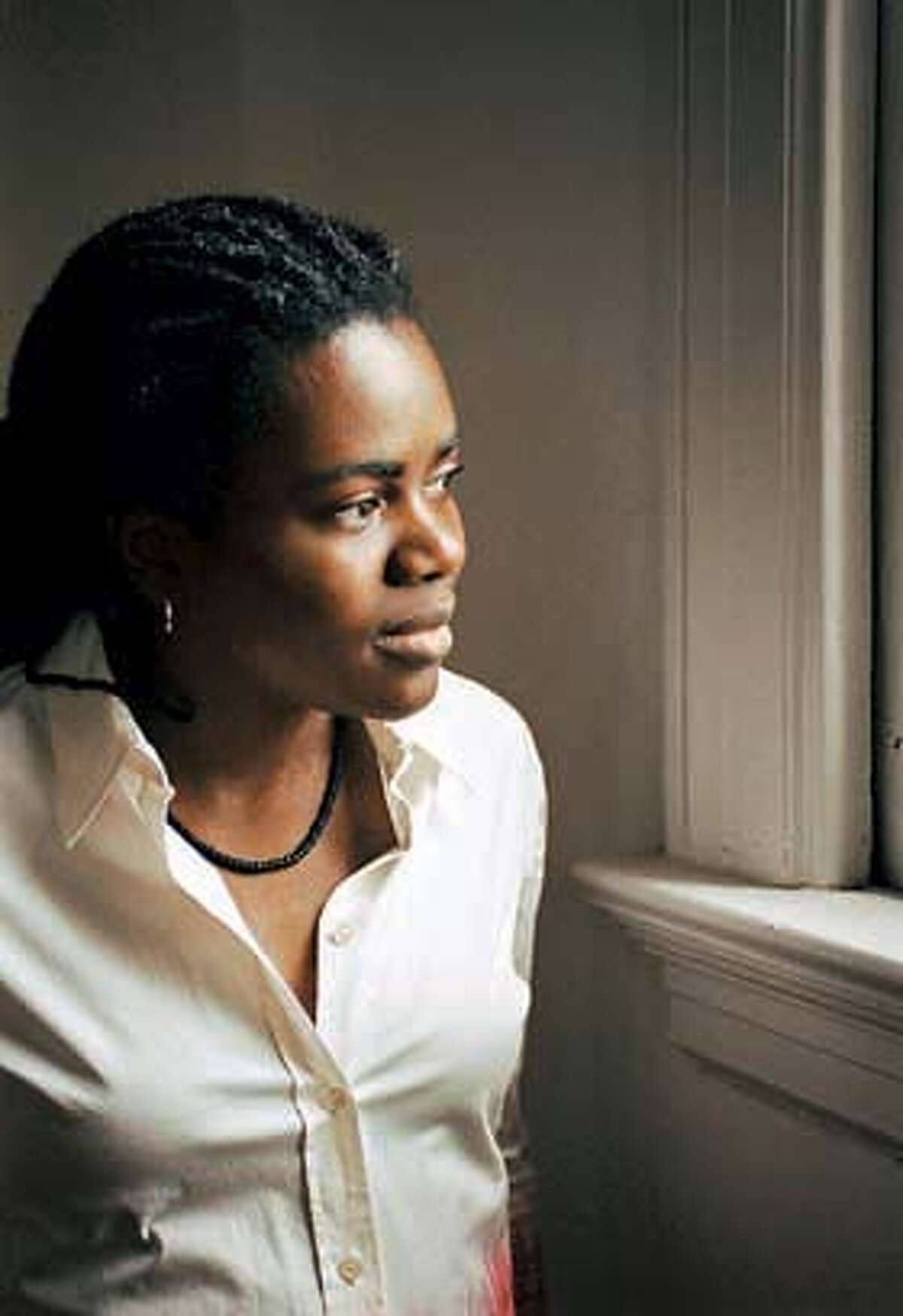
“Songwriting is a very mysterious process.  It feels like creating something from nothing. It’s something I don’t feel like I really control.”  — Tracy Chapman

“If I knew where the good songs came from, I’d go there more often.  It’s a mysterious condition.”  — Leonard Cohen
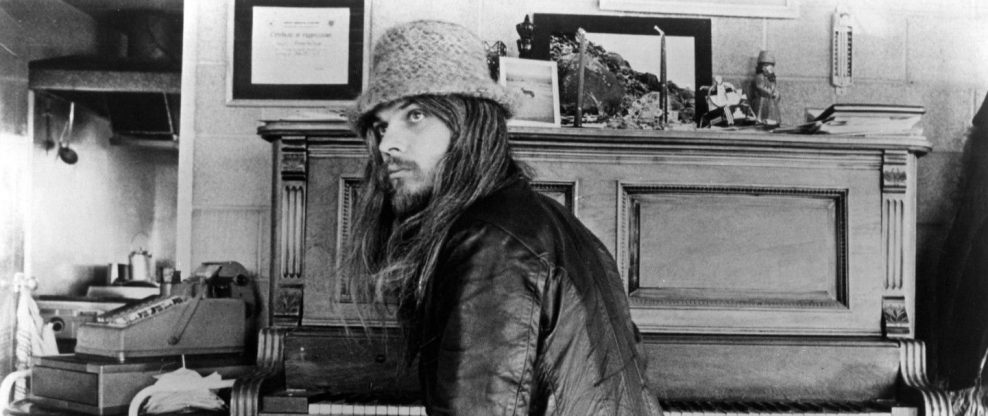
Those fortunate few who have the ability to craft a song concede that they often struggle to produce something they’re satisfied with.  The late Leon Russell, an exceptional pianist, arranger and recording artist, admitted that songwriting never came naturally to him.  “Songwriting was very tough for me.  I would go in and sit, and hope for inspiration to come, but it was rarely forthcoming.”

Most classical music composers studied the intricacies of music for many years before attempting to write an aria, sonata or symphony.  By contrast, many pop songwriters confess that they had little or no musical education.  Paul McCartney, the most successful songwriter of the past half-century, says he can’t read nor notate music.  It just comes to him by playing around with notes and chords as he plays guitar or piano.
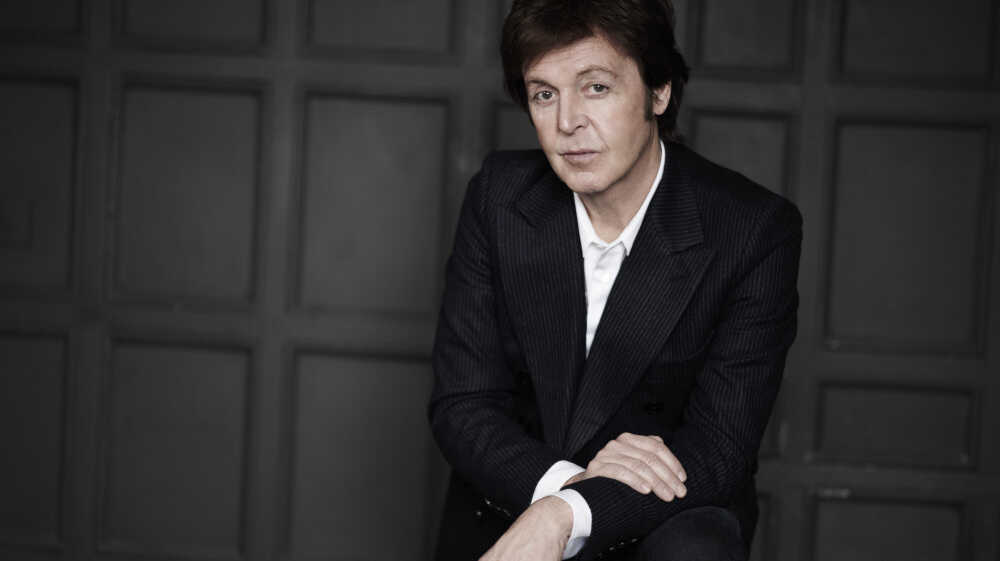
“If I was to write a song right now,” McCartney said, “I’d use my usual method:  I’d either sit down with a guitar or at the piano and just look for melodies, chord shapes, musical phrases, some words, a thought just to get started with. And then I’d just sit with it to work it out, like I’m writing an essay or doing a crossword puzzle. That’s the system I’ve always used.”

Brian Wilson says the songs he wrote in The Beach Boys catalog were often begun on bass guitar.  “Knowing how to play bass affects how you write.  If you start with the bass line, you can be sure of having a firm structure.  Then you write the melody and the changes, and it flows from there.”

Neil Diamond may have put his finger on it when he explained what he saw as a major deficiency in his songwriting toolbox.  “I don’t deny now that it would have been nice to have had more background in music theory.  But because I never had any of that, songwriting is easily the hardest part of what I do.”

Paul Simon admits that it takes him a long time to write songs.  “For me, the music — or more accurately, the rhythm — usually comes first, and then a melody will suggest itself.  This may take weeks, even months.  Then I struggle a long time to settle on the lyric.  It’s very helpful to start with something that’s true.  If you start with something that’s false, you’re always covering your tracks.”

Some artists have had considerable success by regarding songwriting as a process.  Here’s Don Henley‘s take on it:  “My process hasn’t changed much at all.  I still use legal pads.  I do a lot of writing in my head when I’m engaged in other activities, like driving, or loading the dishwasher.  I find that when I’m doing menial tasks, my mind lets go of all the clutter, and then the creative stuff can bubble up from the subconscious.”

The late great David Bowie, whose lengthy career underwent numerous stylistic changes, said he found it helpful to have rules and a structural process, but he never minded breaking those rules now and then.  “I think process is quite important. To allow the accidental to take place is often very good.  So I trick myself into things like that.  Maybe I’ll write out five or six chords, then discipline myself to write something only with those five or six chords involved.  Of course, I’ll cheat as well.  If I’ve got the basis of something really quite good coming out of those five or six chords, then I’ll allow myself to restructure it a bit, if I think, well, that could be so much better if instead it went to F-sharp, or something like that.”

Artists of all types talk about having a muse — an intangible inspiration, stimulus or creative influence.  In Greek mythology, the Muses were the nine goddesses (daughters of Zeus) who presided over the arts and sciences, and the Muses could be very unpredictable.

Songwriters point out that their muse ebbs and flows, and can sometimes seem to disappear for long stretches (the so-called “writer’s block”).  Carly Simon offers this recollection:  “My songwriting artistry has gone through many phases, including one time where it has been very quiet and abandoned me completely for a few years.  That was really frightening.  I didn’t know if I’d ever get it back.”

Songwriting is a curious art form that, like most art forms, cannot be rushed.  It is for this reason that artists and their corporate benefactors are often at odds about how much time is necessary to produce quality work.  As rocker Nick Cave puts it:  “My relationship with my muse is a delicate one at the best of times, and I feel it is my duty to protect her from influences that may offend her fragile nature.  My muse is not a horse, and I am not in a horse race.”

Springsteen, a notoriously prolific songwriter for most of his 50-year career, concedes even he has had times when he couldn’t come up with anything:  “I wish I could write every day, but I’ve sometimes gone for long periods of time without writing because I didn’t have any good ideas, or whatever is in there is just sort of gestating.  Sometimes, I’ve had to force myself to write.  I think what happens is you move in and out of different veins.  You’re mining, and you hit a vein, and then you go with that, and then it dries up.”
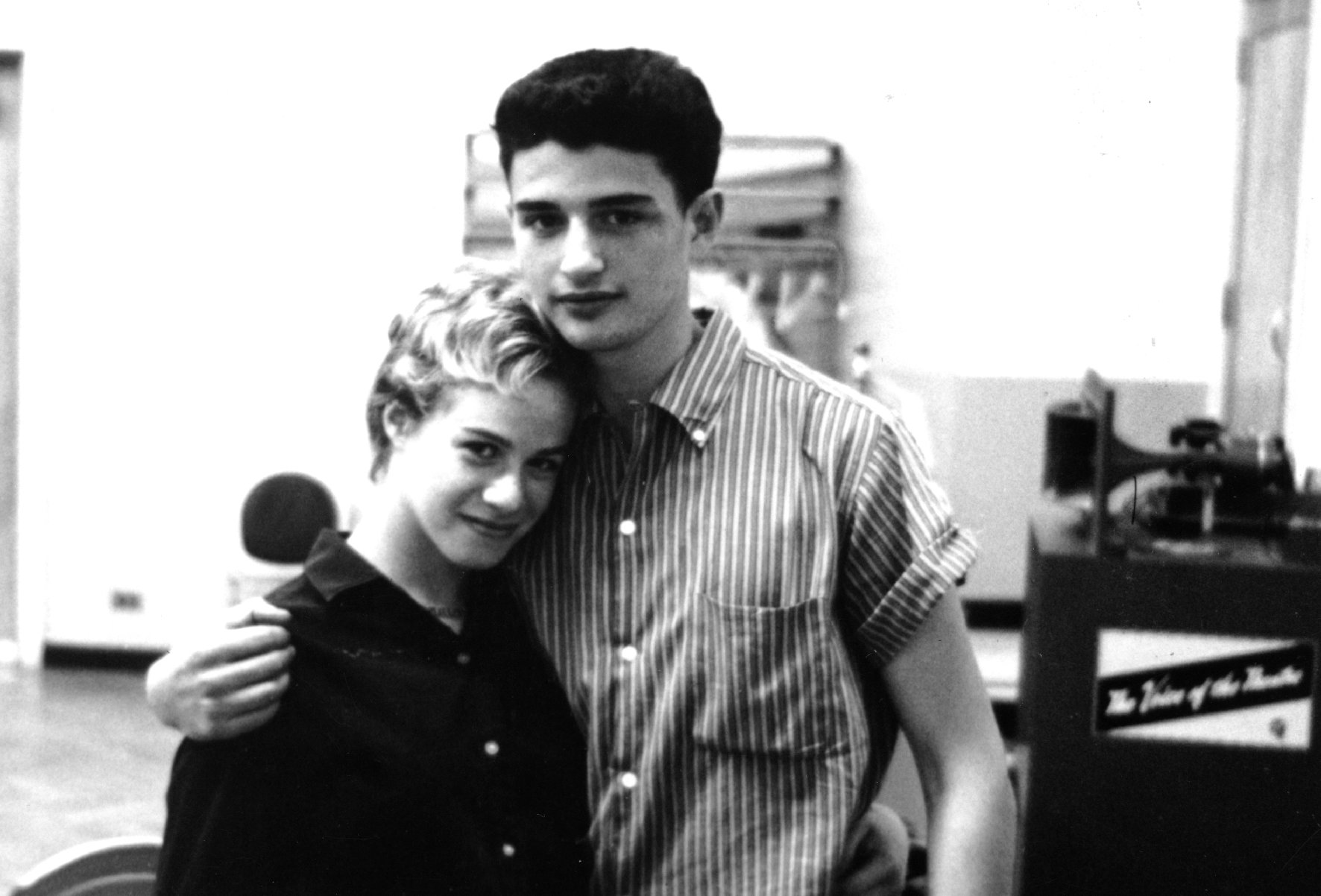
Patience and perseverance are crucial for songwriters, they say.  Many failures come before they hit on a song they really like.  Gerry Goffin, the lyricist and ex-husband of songwriter Carole King, was part of the famous Brill Building stable of songwriting teams who reported for work each day and were expected to crank out hit songs like some sort of factory assembly line.  Goffin was pragmatic about that kind of creative environment:  “You’ve got to realize it’s a hit or miss process.  But my advice would be, Don’t be afraid to write a bad song, because the next one may be great.”

My daughter Emily Hackett is a Nashville-based singer-songwriter who writes on her own or in collaboration with others.  Either way, she says, it’s a process of exploration.  “There’s a lot of discovery in songwriting.  If you’re doing it right, you’re constantly discovering new avenues.  You could take a certain road for five or ten minutes and not get anywhere, but that’s okay.  Try a different road.  Eventually you’ll land on the right path, and the song will unfold.”
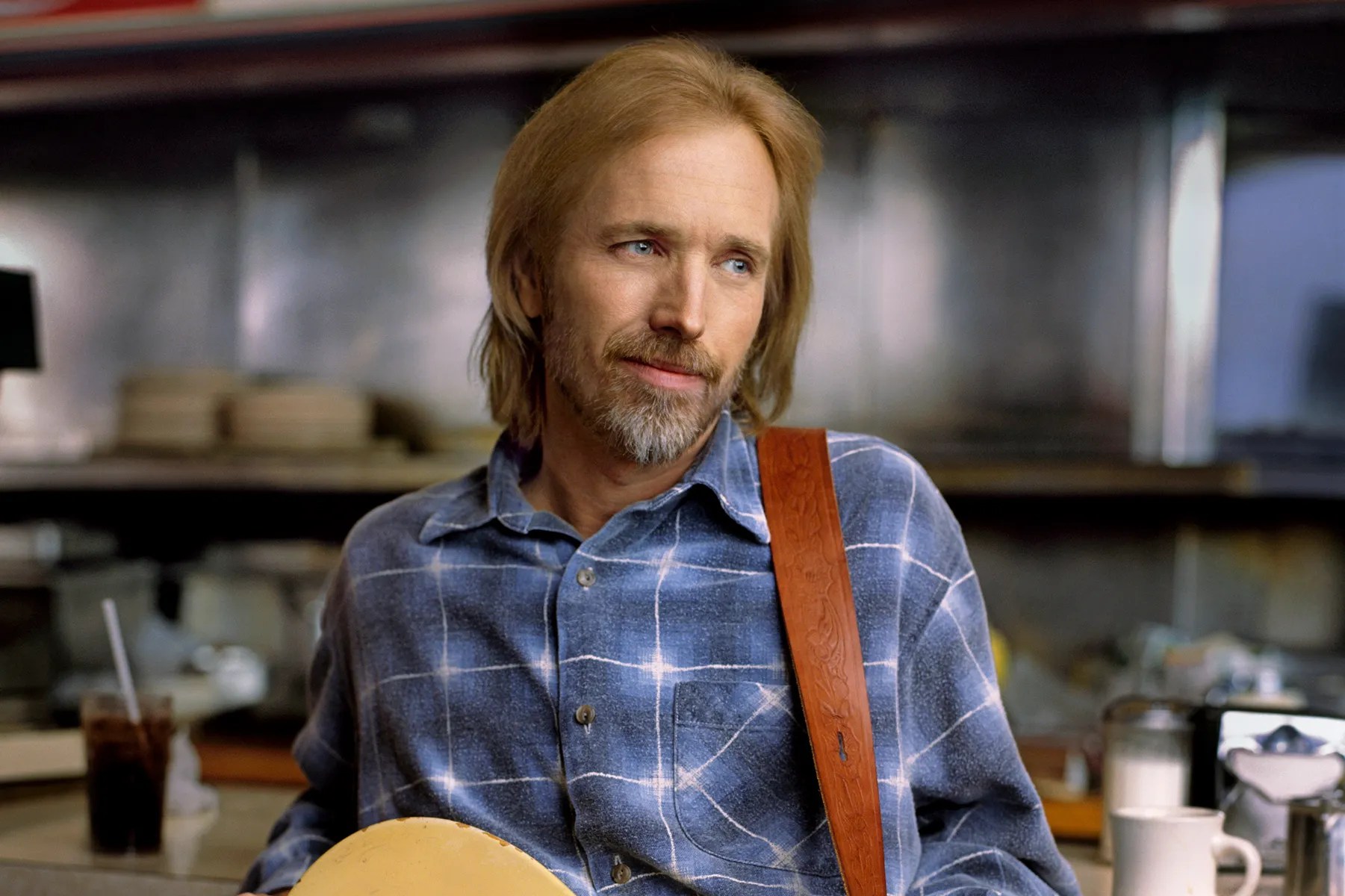
The late Tom Petty drew an analogy between writing a song and catching a fish:  “Songwriting is pretty lonely work.  I think a lot of people don’t have the patience for it.  You’re not necessarily going to get one every time you try.  In fact, most times you try, you’re not going to get one.  It’s like fishing.  You’re fishing, and you either caught a fish, or you didn’t.  If you did, there’s one in the boat; if you didn’t, there’s not.  But you’ve got to go back and keep your pole in the water.  That’s the only way you’re going to get a bite.”

We music lovers should be grateful that songwriters are often almost addicted to their art.  They enjoy writing songs, certainly, but sometimes it becomes an obsession that haunts them, and doesn’t let go until the piece is finished.  John Lennon had this to say about that:  “It’s like being possessed.  It won’t let you sleep, so you have to get up, make it into something, and then you’re allowed to sleep.  That’s always in the middle of the bloody night, when you’re half awake and your critical facilities are switched off.”

Country songwriter Dolly Parton has said she looks forward to those times when she isn’t touring or leading a busy life so she has the opportunity to focus on writing new songs.  “I always long for that block of time and space when I can go on a writing binge, because I’m really addicted to songwriting.”

Some songwriters are amazed when they come up with a great song and wonder why no one had beaten them to the punch.  Says Keith Richards:  “With most of the songs I’ve written, I’ve felt there’s this gap waiting to be filled, and I think, man, this song should have been written hundreds of years ago.  How did nobody else pick up on that little space before?”
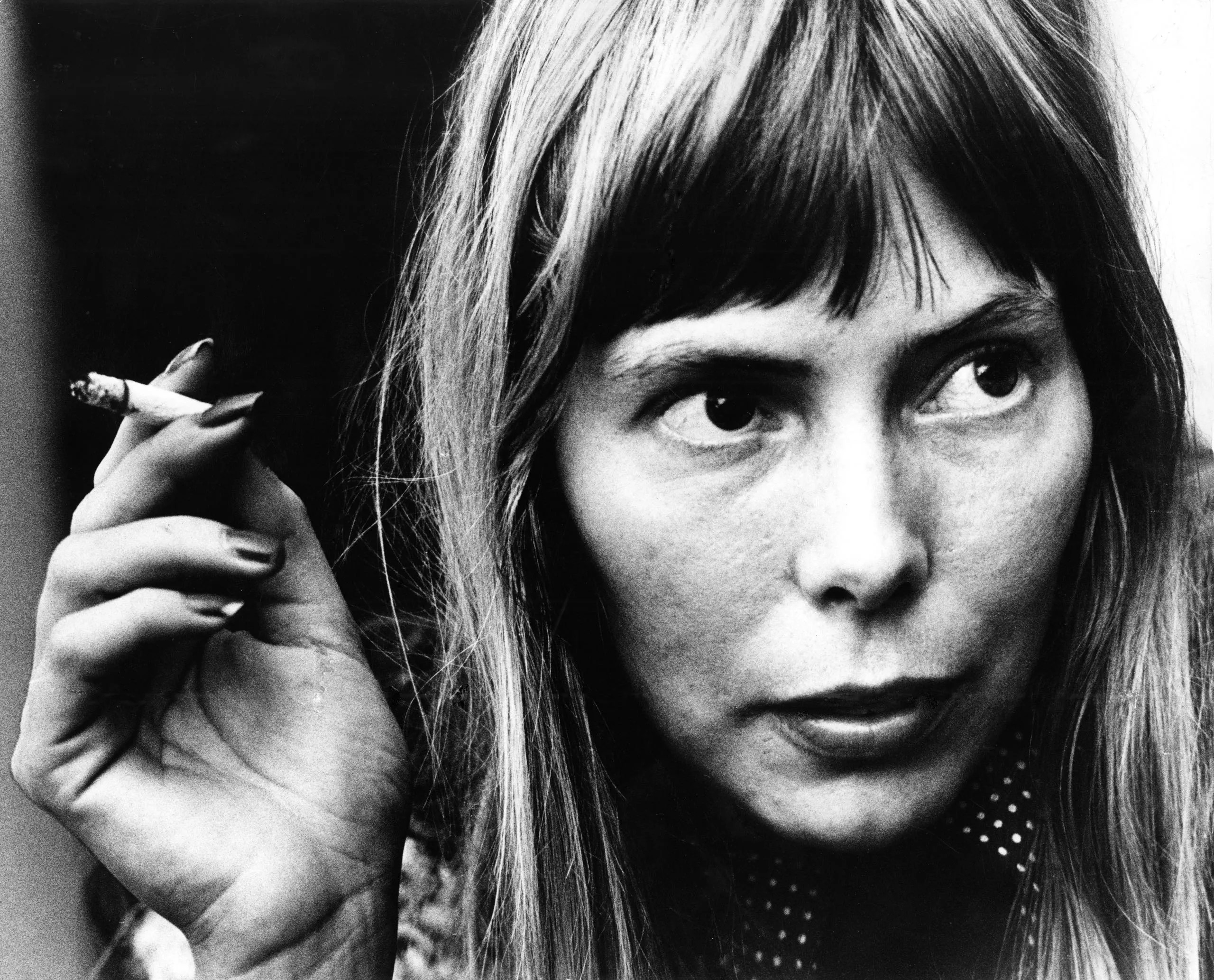
Other tunesmiths are such perfectionists that, once they’ve recorded and released a song, they find themselves forever unhappy with the result.  Here’s Joni Mitchell talking:  “When I listen back to my early music, it’s always, ‘Why didn’t I put a guitar fill there?  Why did I sing the line like that?  And why am I whining?'”
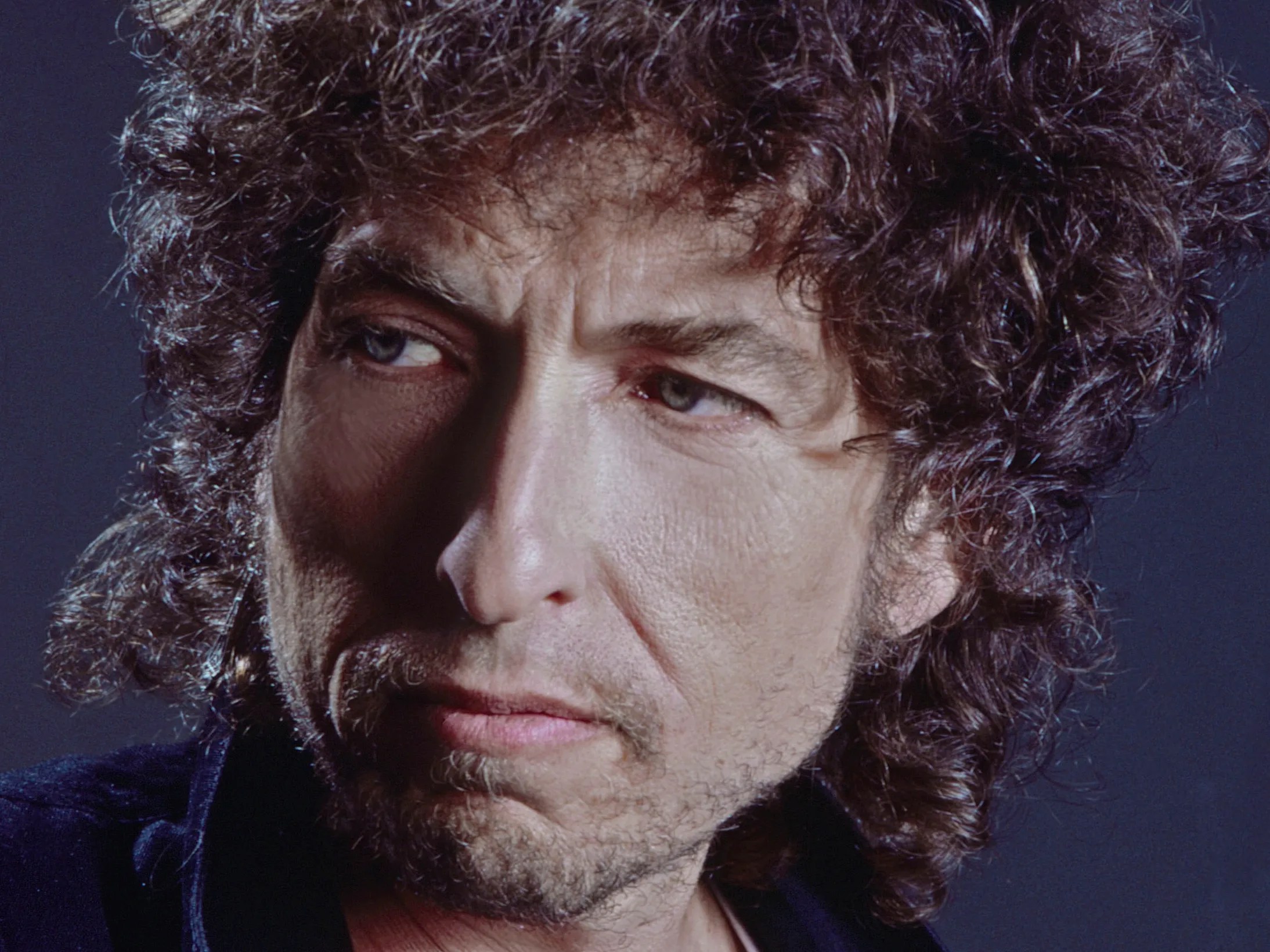
Although he hates to be labeled as a “poet laureate,” Bob Dylan acknowledges that that’s how people see him. And yet, although his lyrics are sharply original, he insists his music is derivative. “You have to understand that I’m not a melodist. My songs are either based on old Protestant hymns, or Carter Family songs, or variations of the blues form. What happens is, I’ll take a song and simply start playing it in my head. That’s the way I meditate. I wrote ‘Blowin’ in the Wind’ in 10 minutes, just putting words to an old spiritual.” 

Some pop songwriters have found themselves facing lawsuits because their song sounds like another song that’s already been written.  In 1976, a court found George Harrison had “subconsciously plagiarized” The Chiffons’ song “He’s So Fine” when he wrote “My Sweet Lord,” and awarded millions in royalties, which later spurred Harrison to write “This Song,” with these lyrics:  “This song has nothing tricky about it, this song ain’t black or white, and as far as I know don’t infringe on anyone’s copyright, so this song we’ll let be…”

Lennon once said:  “You know, there are only so many notes.”  Springsteen maintains, “Everyone steals from everyone else.”  Folk singer Pete Seeger famously wrote, “So sing, change, add to, subtract.  But beware multiplying.  If you record and start making hundreds of copies, watch out.  Write a letter first.  Get permission.”

Time, time, time, see what’s become of me

As the clock is about to strike 2:00 a.m. Sunday morning, instead it will magically move backwards to 1:00 am. As the band Chicago would ask: Does anybody really know what time it is?  Does anybody really care?

Daylight savings time (DST), this curious semi-annual ritual of moving our clocks forward one hour each spring, then backward one hour each fall, has outlived its usefulness, if indeed it ever had any.

First officially adopted by Germany and Austria in 1916 and the United States in 1918, DST arguably made sense then because more daylight meant less use of artificial light, thereby purportedly saving energy during wartime.

But modern American society, with its ubiquitous computers, TV screens and air conditioning, pays no mind to whether the sun is up or not.  The amount of energy saved in this country from converting to DST is negligible at best.

Moreover, changing the time, even if it is only by one hour, disrupts our body clocks, our circadian rhythm, and it can take up to two weeks to re-establish our sleep patterns.  For most people, the resulting fatigue is simply an inconvenience, but for others, the time change can result in more serious consequences, including an increase in auto accidents and workplaces injuries, as well as depression and suicide.

The federal government, and various state legislatures, have made noise this past year about ending this nonsense by adopting a permanent Daylight Savings Time (or a permanent Standard Time), but once again, nothing happened. So we roll the clock backs Sunday morning and go through this again.

Meanwhile, popular music of the ’60s, ’70s and ’80s have long reminded us that we take time, give time, make time, waste time.  It’s the right time, the wrong time, the first time, the last time.  Buddha said, “The trouble is, we always think we have enough time.”

A quick review reveals hundreds of song titles referring to time.  I’ve whittled the list down to 15 for closer inspection, followed by a lengthy list of honorable mentions.  As is customary at Hack’s Back Pages, there’s an accompanying playlist for your listening pleasure.

The time has come!  Crank it up!

*****************************

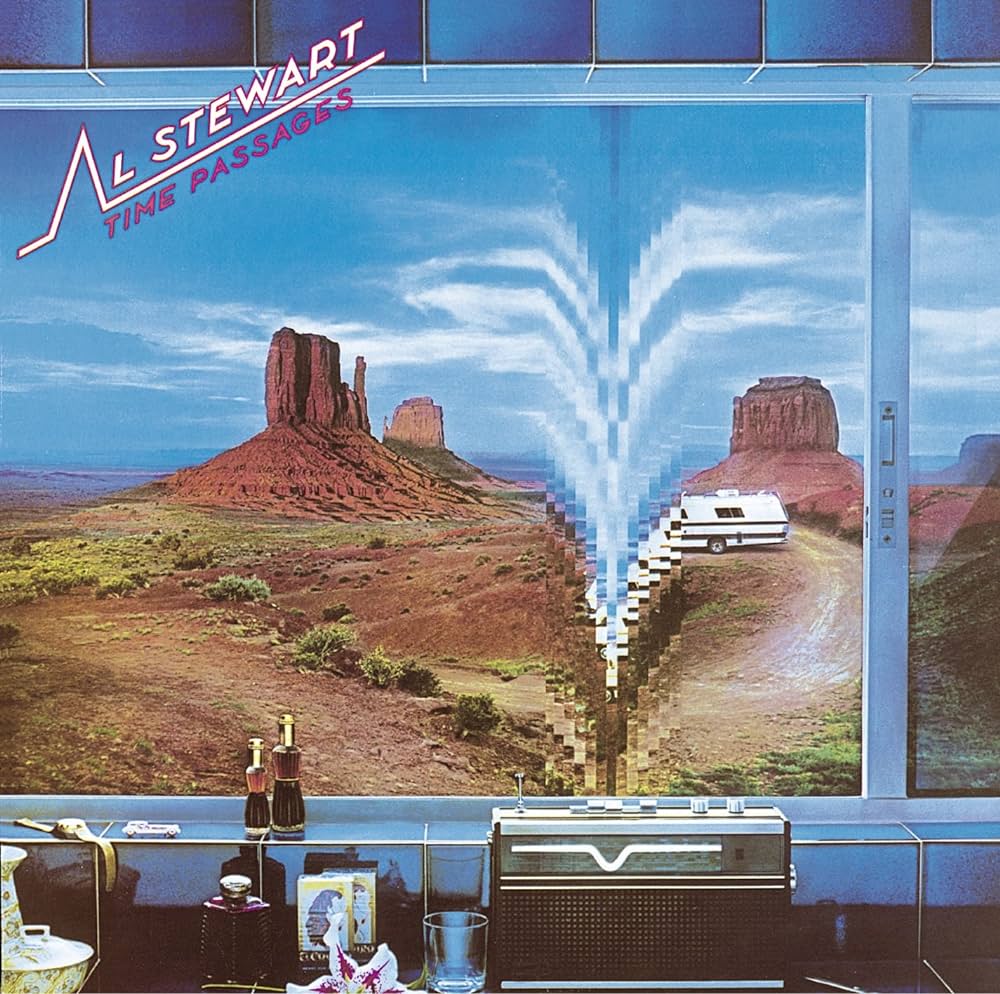
“Time Passages,” Al Stewart, 1978

Many of singer-songwriter Al Stewart’s songs told stories with fictional characters from olden days, while other tunes focused on present-day concerns.  Taking trips down memory lane can be enjoyable, he says, but he prefers to stay in the present and not get caught up reminiscing about things from the past you can’t change:  “Well I’m not the kind to live in the pastthe years run too short and the days too fastthe things you lean on are the things that don’t lastwell it’s just now and then my line gets cast into these time passages…”

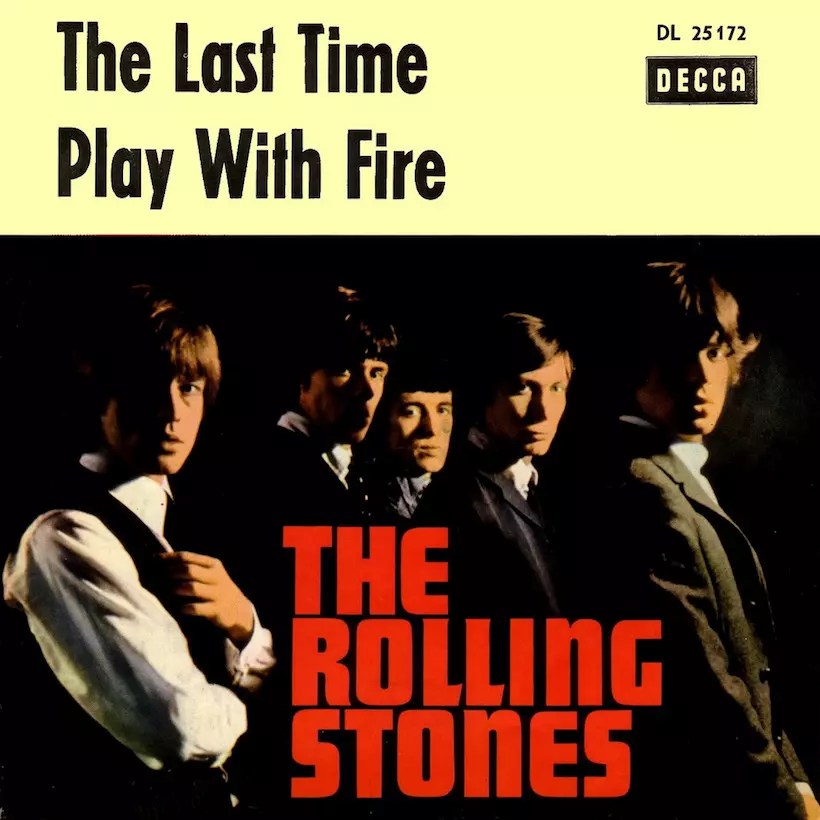
“The Last Time,” The Rolling Stones, 1965

Even in their earliest days of songwriting, Mick Jagger and Keith Richards showed the ability to address weighty subjects that had universal relevance. On “The Last Time,” which cracked the Top Ten in the U.S., the lyrics reminded us how we can let opportunities slip away from us if we take too long too act on them:  “Well, I told you once and I told you twice, that someone will have to pay the price, but here’s a chance to change your mind ’cause I’ll be gone a long, long time, well, this could be the last time, this could be the last time, maybe the last time, I don’t know, oh no…”

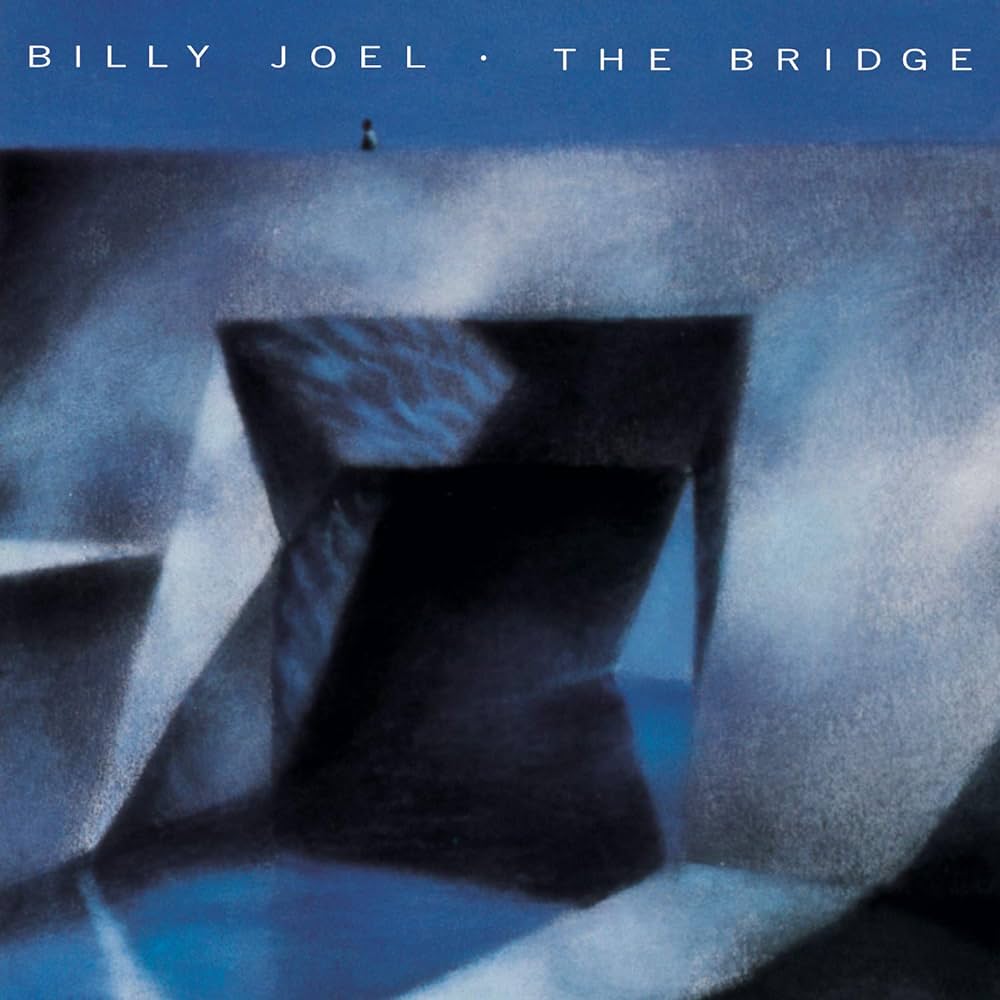
“This is the Time,” Billy Joel, 1986

On his Top 10 album “The Bridge,” Joel scored three Top 20 singles, including “This is the Time,” a poignant reflection on how we love to cling to great times in our past despite the fact that time and circumstances inevitably change:  “This is the time to remember’cause it will not last forever, these are the days to hold on to, ’cause we won’t, although we’ll want to, this is the time, but time is gonna change, you’ve given me the best of you, and now I need the rest of you…”

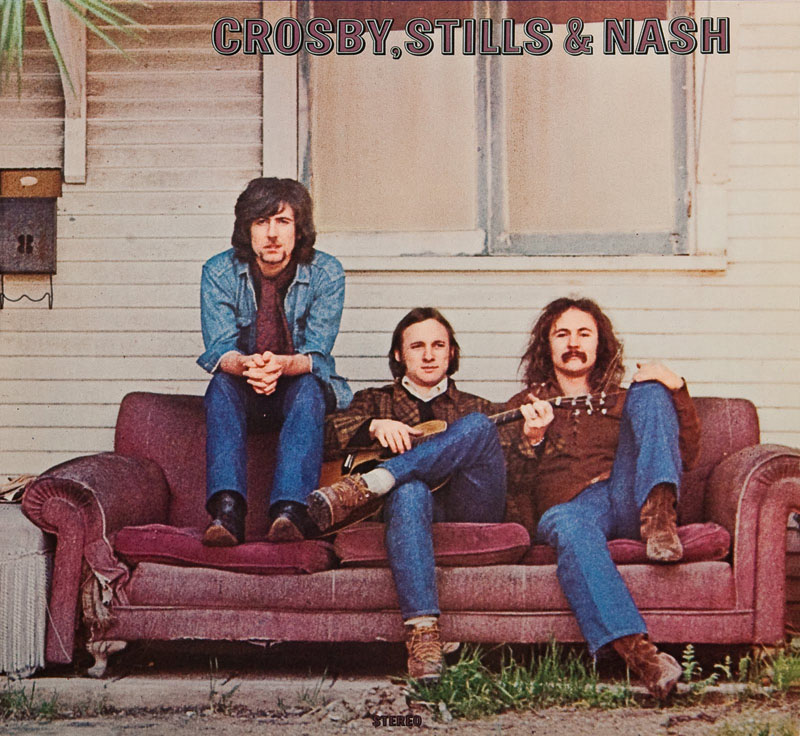
“Long Time Gone,” Crosby, Stills and Nash, 1969

As David Crosby and Stephen Stills were first teaming up in 1968 and then recruiting Graham Nash to join them, the world outside seemed to be coming apart at the seams.  The assassinations of Martin Luther King and Robert Kennedy inspired Crosby to write this disturbing treatise on how dark times can seem endless, even though better times arrive eventually:  “Don’t you know the darkest hour is always just before the dawn, and it appears to be a long, appears to be a long, appears to be a long time, such a long, long, long, long time before the dawn…”

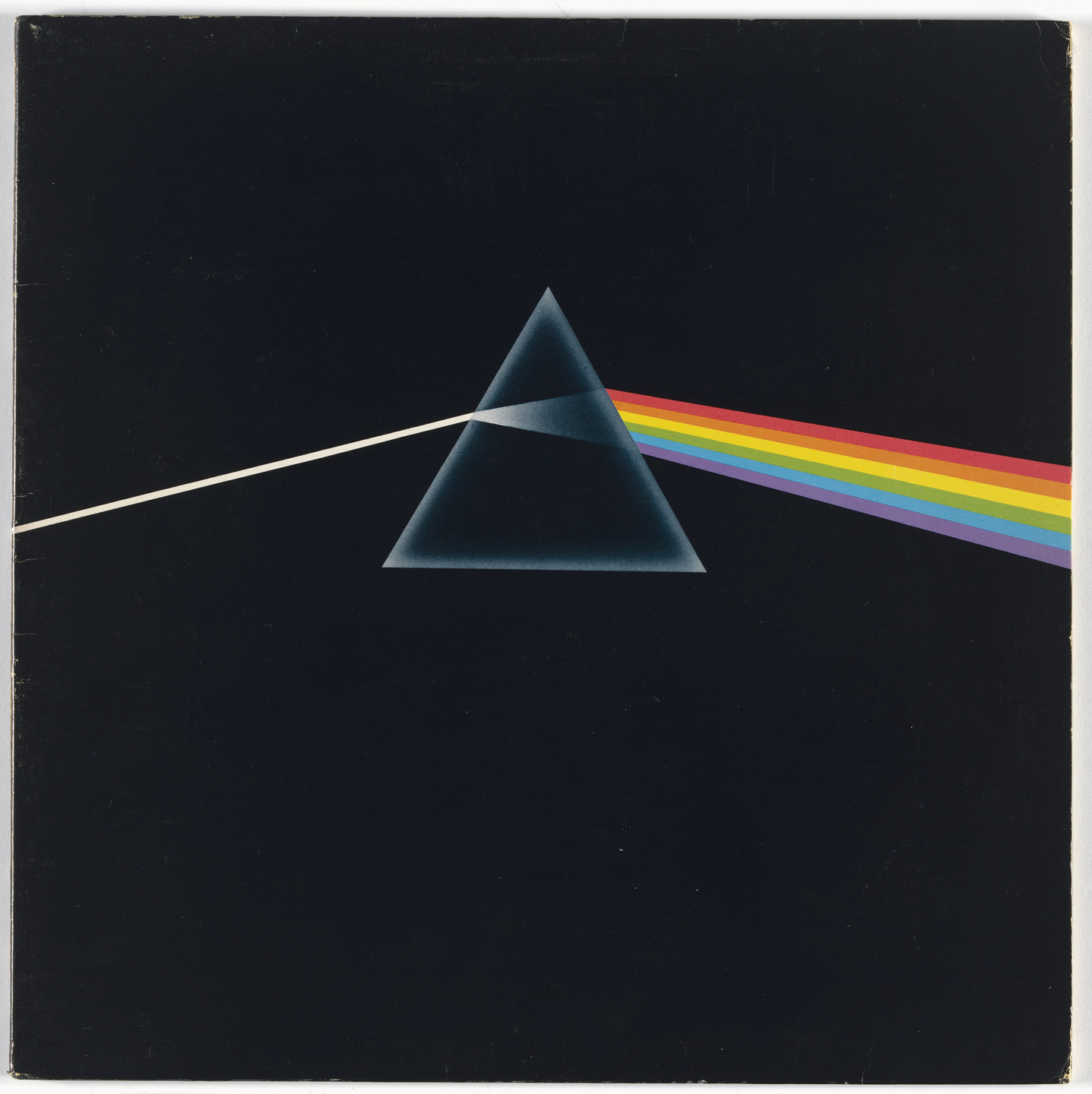
“Time,” Pink Floyd, 1973

“The Dark Side of the Moon,” one of the most successful rock albums in history, focuses lyrically on insanity, greed, death and the passage of time.  In the song “Time,” songwriter Roger Waters examines how its passage can control one’s life, and offers a stark warning to those who remain focused on mundane aspects:  “Ticking away the moments that make up a dull day, fritter and waste the hours in an off-hand way, kicking around on a piece of ground in your home town, waiting for someone or something to show you the way…”

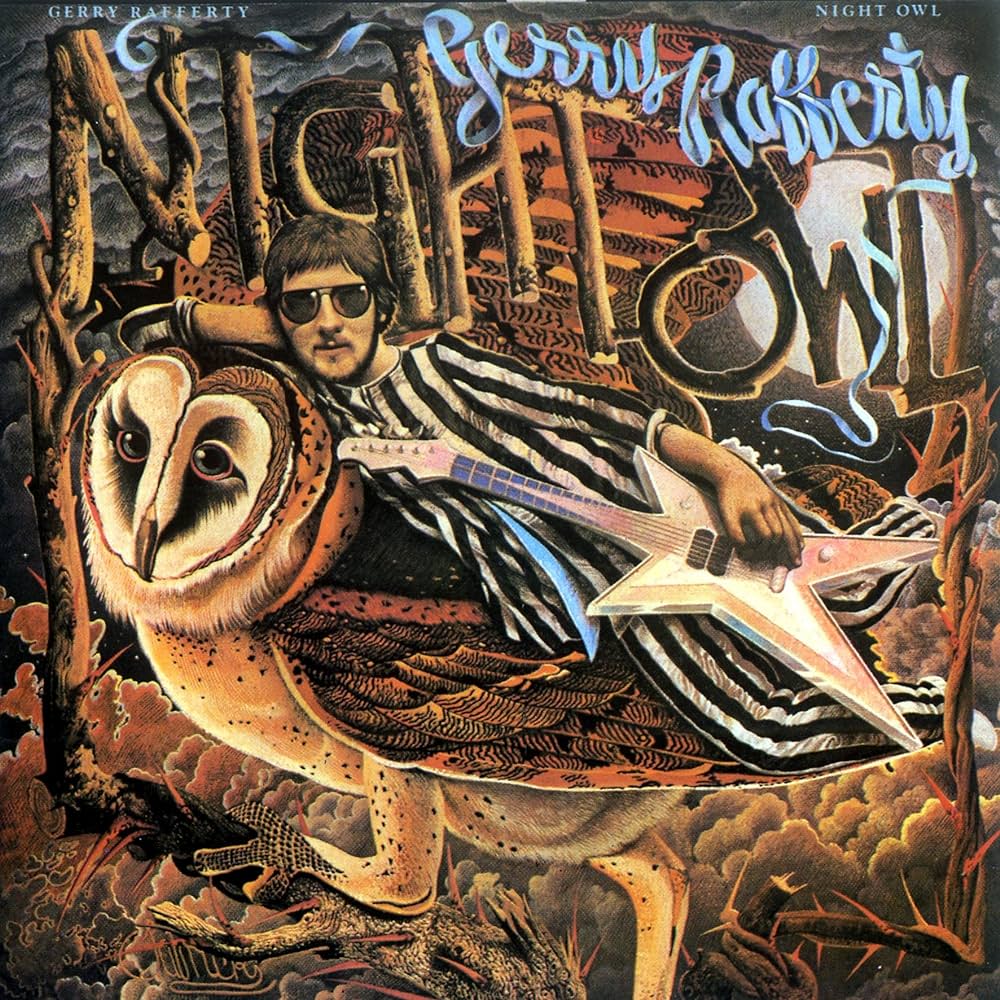
“Get It Right Next Time,” Gerry Rafferty, 1979

Perseverance is the theme of Rafferty’s irresistible 1979 hit single “Get It Right Next Time,” in which the narrator encourages us to maintain a positive outlook and keep trying after previous attempts have failed:  “Life is a liar, yeah, life is a cheat, it’ll lead you on and pull the ground from underneath your feet, no use complainin’, don’t you worry, don’t you whine, ’cause if you get it wrong, you’ll get it right next time, next time…”

“Time After Time,” Cyndi Lauper, 1983

It’s always very comforting to know that you can count on another person to always be there for you when you need them.  In “Time After Time,” Lauper’s pretty melody goes nicely with lyrics that underscore the importance of undying reliability:  “You said, ‘Go slow,’ I fall behindthe second hand unwindsif you’re lost, you can look and you will find me time after timeif you fall, I will catch you, I’ll be waiting time after time…”

“Right Place, Wrong Time,” Dr. John, 1973

Mac Rebennack, better known as Dr. John the Night Tripper, had a #9 hit on the US pop charts in 1973 with this funky slice of New Orleans soul. His lyrics cleverly used the right/wrong dichotomy to contrast various events (right trip, wrong car; right vein, wrong arm), particularly in regard to time: “I’ve been in the wrong place, but it must have been the right time, I been in the right place, but it must have been the wrong song…”

“Time Has Come Today,” The Chambers Brothers, 1968

One of my favorite songs from the heady days of psychedelia was this defiant track by The Chambers Brothers.  The arrangement uses dramatic tempo changes as the vocalists repeatedly shout “Time!”  (The album version goes on for 11 minutes!). Its lyrics speak about the need to avoid procrastination and act now before it’s too late:  “Now the time has come, there’s no place to run, now the time has come, there are things to realize, time has come today…”

“Take the Time,” Michael Stanley Band, 1982

Cleveland’s Michael Stanley not only wrote great rock songs that should have received far more airplay nationally than they did, he penned some solid lyrics that are certainly worthy of your attention.  “Take the Time” is immediately relevant today, instructing us to remember the important things as we cope with life’s struggles:  “Now is the hour, tomorrow might be too late, you gotta grab the moment, you just can’t hesitate… Take the time to love someone, take the time to make amends, take the time to make a stand, tase the time for your friends…” 

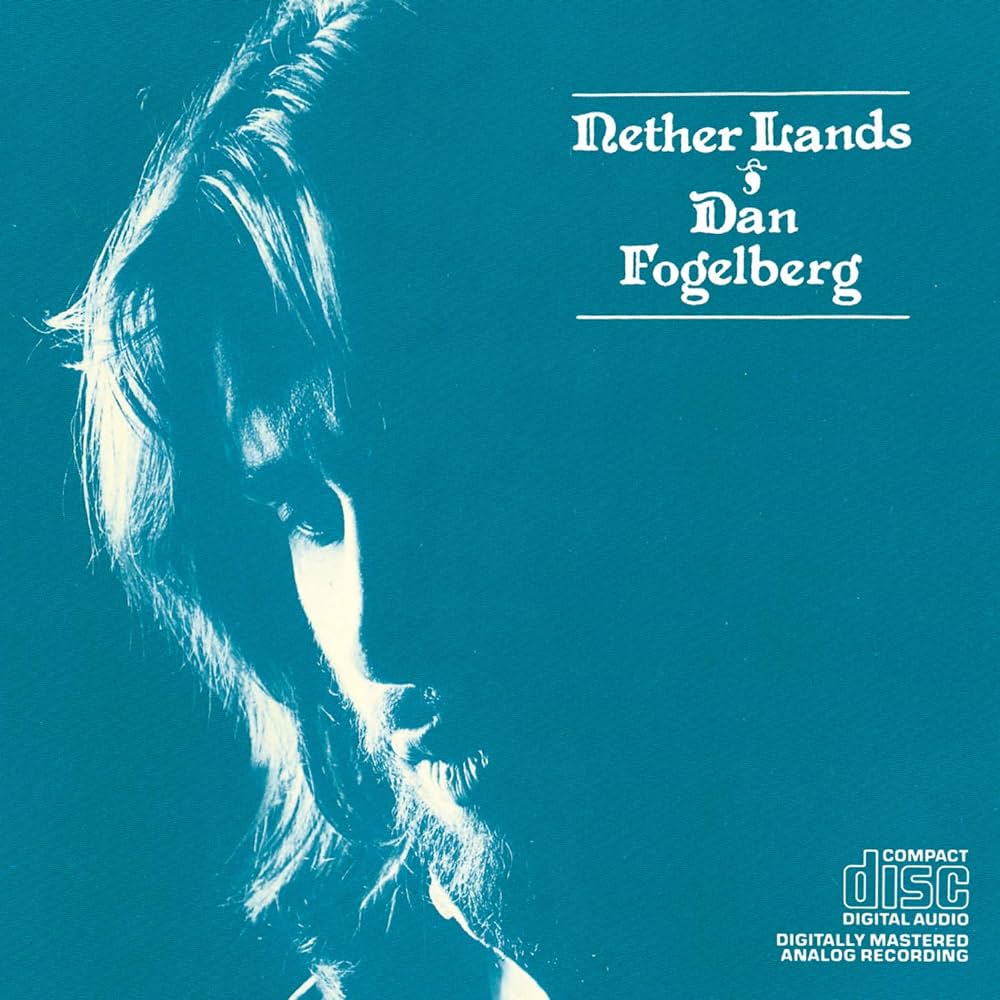
“Give Me Some Time,” Dan Fogelberg, 1977

When heartbreak takes longer to heal than expected, any chance of a new relationship needs to be put on hold until we’re ready for it.  Dan Fogelberg did a marvelous job of covering this topic in “Give Me Some Time,” a beautiful tune from his 1977 LP “Nether Lands”:  “Give me some time nowI’ve just got to find how I’m going to forget her, and talk myself into believing that she and I are throughthen maybe I’ll fall for you…” 

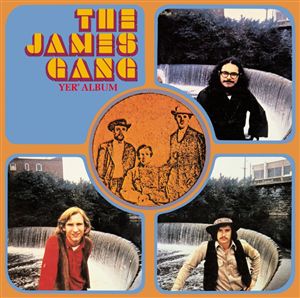
“I Don’t Have the Time,” The James Gang, 1969

Joe Walsh’s earliest songwriting attempts came when he was honing his chops with his old group, The James Gang.  Among the issues he tackled on the group’s debut LP “Yer Album” was the need to make productive use of one’s time:  “I don’t have the time to play your silly gameswalk to work each morning, live within a framenow you’re trying to tell me I should be like you, watch your time, work nine to five, what good does it do?…”

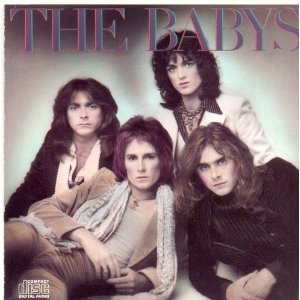
“Isn’t It Time,” The Baby, 1977

Philosophers have been trying for centuries to figure out the meaning of life and how the passage of time plays a role in that quest.  The rest of us sometimes just want to figure out whether this is the right time to begin a romantic relationship.  John Waites’ band The Babys took a look at this in their hit single “Isn’t It Time” in the fall of 1977:  “I just can’t find the answers to the questions that keep going through my mindhey, babe!  Isn’t it time?…”

“Time In a Bottle,” Jim Croce, 1972

Before his premature death in a 1973 plane crash, songwriter Croce came up with a tune that’s, well, timeless in its profound simplicity.  We think we have plenty of time in our lives to do what we want, but not if we struggle too long in determining what it is we want to accomplish:  “If I could save time in a bottle, the first thing that I’d like to do is to save every day ’til eternity passes away, just to spend them with you, but there never seems to be enough time to do the things you want to do, once you find them…”

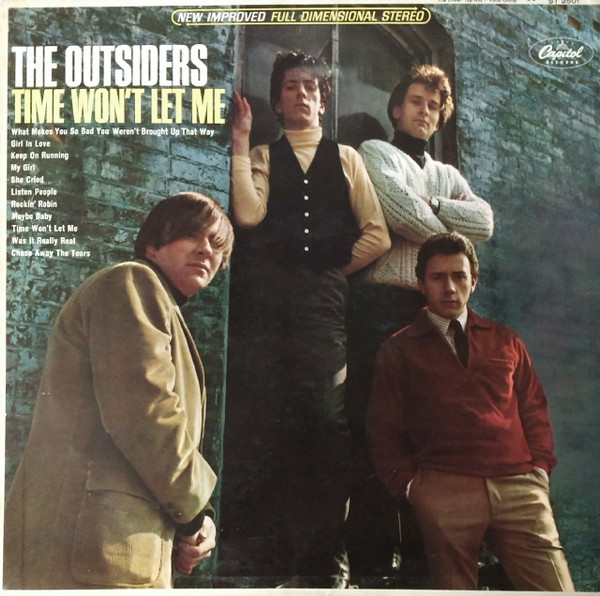
“Time Won’t Let Me,” The Outsiders, 1966

This Cleveland-based band with Sonny Geraci on lead vocals had just one Top 40 hit, but it was a memorable one. Carried by electric organ and vibrant horns, “Time Won’t Let Me” focused on the narrator’s inability to wait for a romantic interest to embrace their relationship: “I can’t wait forever, even though you want me to, /I can’t wait forever to know if you’ll be true, /Time won’t let me, time won’t let me, time won’t let me wait that long…”

******************************

Wasted Time,” The Eagles, 1976;  “Sign o’ the Times,” Prince, 1986;  “Time,” The Alan Parsons Project, 1981;  “Who Knows Where the Time Goes,” Judy Collins, 1968;  “Your Time is Gonna Come,” Led Zeppelin, 1969;  “Time Will Crawl,” David Bowie, 1987; “Only Time Will Tell,” Asia, 1982;  “Time Out of Mind,” Steely Dan, 1980;  “Feels Like the First Time,” Foreigner, 1977;  “No Time,” The Guess Who, 1969;  “Time is Running Out,” Steve Winwood, 1977;  “Another Time, Another Place,” U2;  “Time of the Season,” The Zombies, 1969;  “Does Anybody Really Know What Time It Is,” Chicago, 1969;  “My Time,” Boz Scaggs, 1972;  “Time Out,” Joe Walsh, 1974;  “The Nighttime is the Right Time,” Creedence, 1969;  “Sands of Time,” Fleetwood Mac, 1971;  “River of Time,” Van Morrison, 1983;  “Most of the Time,” Bob Dylan, 1989;  “High Time We Went,” Joe Cocker, 1971; “Takin’ the Time to Find,” Dave Mason, 1977.