Two hearts beat as one
There’s always been something exciting about two musical stars joining forces to produce a memorable duet, either in the studio or on stage.
TV variety shows in the ’50s and ’60s often paired big names (Frank Sinatra and Ella Fitzgerald, Barbra Streisand and Judy Garland) performing standards together. Motown artists like Marvin Gaye enjoyed harmonizing with Tammi Terrell and Kim Weston to record hit singles (“It Takes Two,” “Ain’t No Mountain High Enough”) in the ’60s. Country singers like Dolly Parton and Porter Wagoner sang duets together often before heading off for solo careers.

The practice continued into the ’70s and ’80s — Phil Collins and Philip Bailey (“Easy Lover”), Joe Cocker and Jennifer Warnes (“Up Where We Belong”), and Kenny Rogers and Sheena Easton (“We’ve Got Tonight”), to name just a few. In the ’90s and beyond, we’ve seen whole albums of duets blending the voices of Sinatra or Tony Bennett with a dozen or more contemporary singers.
These days, it seems to be more popular than ever to put two stars in front of the same microphone: Taylor Swift and Kendrick Lamar (“Bad Blood”), Shakira and Rihanna (“Can’t Remember to Forget You”), Shawn Mendes and Justin Bieber (“Monster”), Adam Levine and Christina Aguilera (“Moves Like Jagger”). As long as the results prove so lucrative and satisfying, the duets trend shows no signs of slowing down.
I’ve selected 15 songs recorded mostly since 2000 involving classic rock era artists who blended their voices in magnificent fashion on tracks both famous and not-so-famous. I strongly suspect you’ll like what you hear in these musical mergers.
*************************
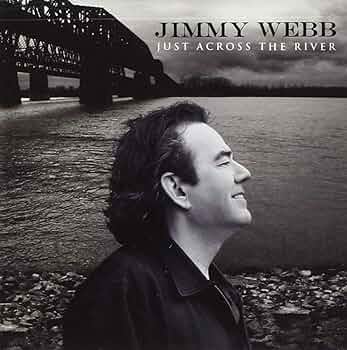
“Wichita Lineman,” Jimmy Webb with Billy Joel, 2010
One of the most praised and successful songwriters of the past half-century is Webb, who composed Grammy winners like “Up, Up and Away,” “By the Time I Get to Phoenix” and “MacArthur Park” as well as “The Moon is a Harsh Mistress,” “Galveston” and “The Worst That Could Happen.” His best moment, in my view, was the achingly beautiful “Wichita Lineman,” a massive hit in 1968 for Glen Campbell. It’s been covered by many dozens of artists since then, with lyrics that succinctly describe the lonely work of a telephone line repairman toiling in the hot sun. Webb wasn’t much of a singer himself, but his voice was serviceable enough to record several LPs including “Just Across the River” in 2010, an album of collaborations including a superb one with Billy Joel on “Wichita Lineman.”

“Tin Foil Hat,” Todd Rundgren with Donald Fagen, 2017
On his 26th LP, 2017’s “White Knight,” Rundgren brought in Steely Dan leader Donald Fagen to join him on the funky parody he wrote about Donald Trump (who had just become President) and his lemming-like followers. Rundgren said he composed “Tin Foil Hat” to poke fun at the herd mentality of conspiracy theorists in general but he makes specific references to the MAGA crowd: “Because the man in the tin foil hat is gonna drain the swamp tonight, /And fill it with up with alternative facts, /It’s gonna be great, tremendous, amazing and all that…” Combining the avant-garde and jazz sensibilities of Rundgren and Fagen seems a natural fit on this catchy track, enough to make me hope the two might join forces again sometime, regardless of what the lyrics might have to say.
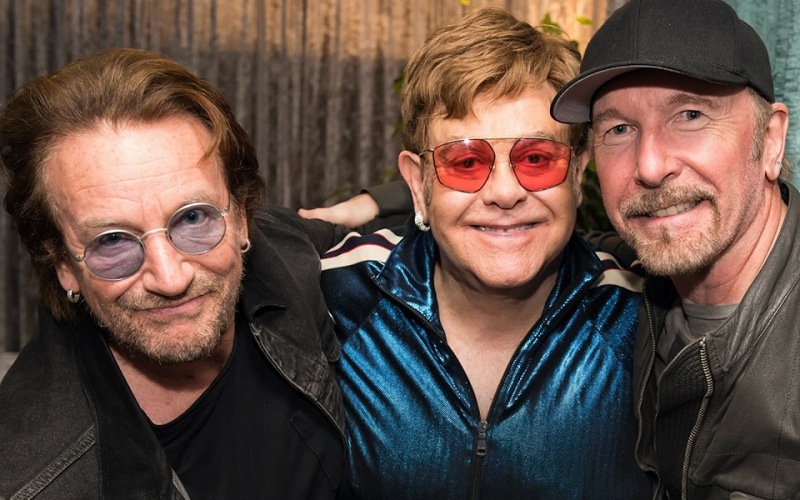
“Bang a Gong (Get It On),” U2 with Elton John, 2020
During the pandemic in 2020, many artists took to experimenting with home recordings, sometimes merging contributions from other musicians recording their instruments elsewhere in isolation. Bono and the boys of U2 took a stab at a few covers of classic British tracks, notably T. Rex’s hit “Bang a Gong (Get It On),” which Bono has called “one of my favorites from my teen years.” He persuaded Elton John to anchor the recording with his trademark piano stylings, and although Elton didn’t add any vocals to make this a true duet like the other selections here, this is the only instance of the two superstars joining forces on a studio recording.

“I Hear You Paint Houses,” Robbie Robertson with Van Morrison, 2019
Ever since they first worked together on The Band’s concert film “The Last Waltz” in 1978, Robertson and filmmaking legend Martin Scorsese teamed up another nine times, with Roberston composing or compiling the soundtrack music Scorsese used. Most recently, they partnered on the 2019 epic, “The Irishman,” and Robertson wrote several pieces that refer to the plot or characters in the film, although some were inexplicably not used. Most noticeably absent is “I Hear You Paint Houses,” the euphemism the mob employs when they’re looking for a capable hit man to kill someone. Robertson sang it in a duet with Van Morrison, and it ended up instead as the leadoff track on “Sinematic,” Robertson’s final solo LP before his death at age 80 in 2023.

“Live Wire,” Sheryl Crow with Bonnie Raitt and Mavis Staples, 2019
Since her debut LP and throughout her recording career, Crow has co-written many of her songs with songwriter Jeff Trott. “Every Day is a Winding Road,” “Soak Up the Sun,” “If It Makes You Happy” and others are all the result of the Crow/Trott collaboration. When Crow decided to assemble an album of duets in 2019, she again turned to Trott, who helped her come up with the delicious groove of “Live Wire,” on which she brought in the bluesy powerhouse voices of Bonnie Raitt and Mavin Staples. The trio performed the song on “The Ellen DeGeneres Show,” and Raitt and Staples ended up touring together in 2022. Crow’s “Threads” album also features the likes of Stevie Nicks, Vince Gill, St. Vincent, Neil Young and Joe Walsh.

“New York Is My Home,” Dion with Paul Simon, 2016
A big star in rock’s early years (“Runaround Sue,” “The Wanderer,” “A Teenager in Love”), Dion made a comeback in the late ’80s and is still highly regarded, recording multiple albums over the past 25 years (although not charting very much). In 2015, the New York native wrote “New York is My Home” as a solo track, but he chose to invite his old friend Paul Simon to sing it with him as a duet. “He’s from Queens, and I’m from the Bronx. We share a love for rock & roll street music the way it was done when we were kids. I knew Paul would get this song. And he did. Soon after I sent it to him, he called and said he’d become obsessed with it. He added his own distinct touches to the production. What a trip, a labor of love for us.”

“River Rise,” David Crosby with Michael McDonald, 2021
Once he turned 70 in 2012, Crosby became more focused on writing and recording as much music as he could in the time he had left. He churned out five quality LPs in eight years with the help of his son, producer/songwriter James Raymond. His final effort was 2021’s “For Free,” which includes his cover of that 1970 Joni Mitchell song and a new tune co-written by Donald Fagen. The opening track was “River Rise,” an expansive soft-rock piece co-written by Michael McDonald that also features McDonald’s smooth, husky vocals in a duet with Crosby. It’s a lush, captivating song about giving yourself over to the moment and letting the world move around you. Said Crosby, “When we sang together, it was scary how good it sounded. We just killed it.”
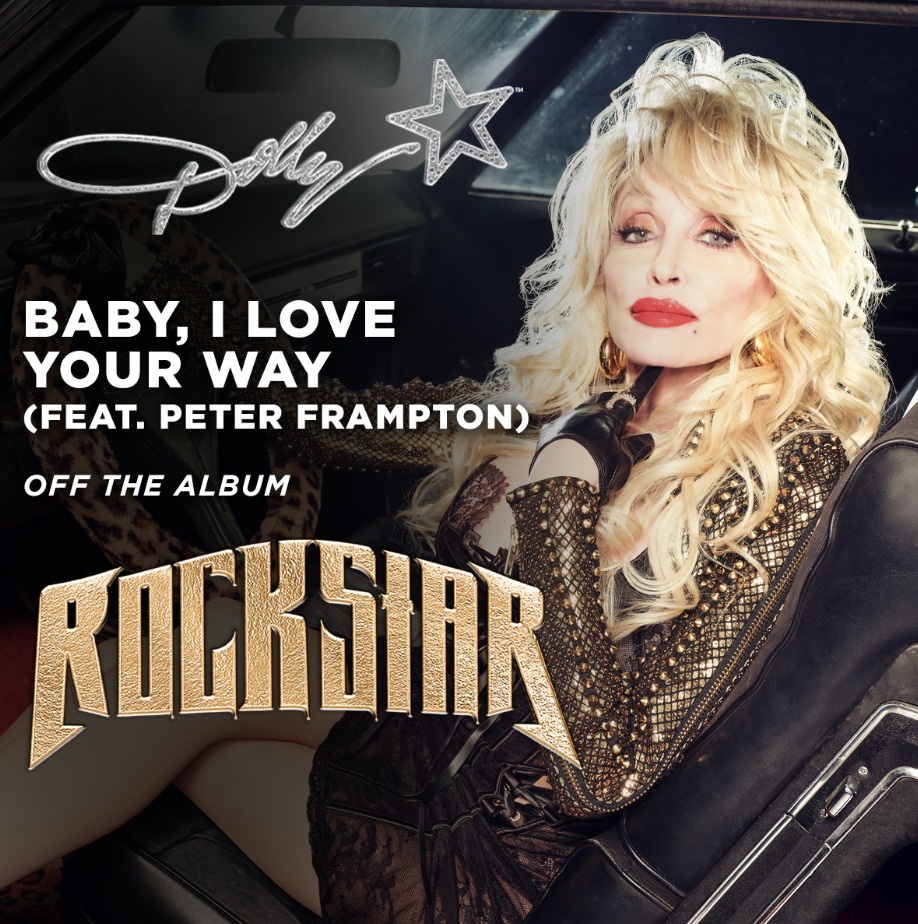
“Baby, I Love Your Way,” Dolly Parton with Peter Frampton, 2023
When Parton was told last year that she was being inducted into the Rock and Roll Hall of Fame, she was reluctant because the country music artist didn’t think she was deserving. “Well, I guess I’ll just have to make a rock and roll album,” she concluded, and put together “Rockstar,” a 30-song extravaganza on which she sang rock classics in collaboration with a wide range of musicians. Veteran rockers like Sting and Debbie Harry and Paul McCartney participated, as did newer stars like Brandi Carlile and Lizzo. Some of these efforts fell short, but other tracks proved to be convincing covers, like her duets with Chris Stapleton on “Night Moves” and with Ann Wilson on “Magic Man.” I think Parton’s pairing with Peter Frampton on “Baby, I Love Your Way” is the best of the bunch.
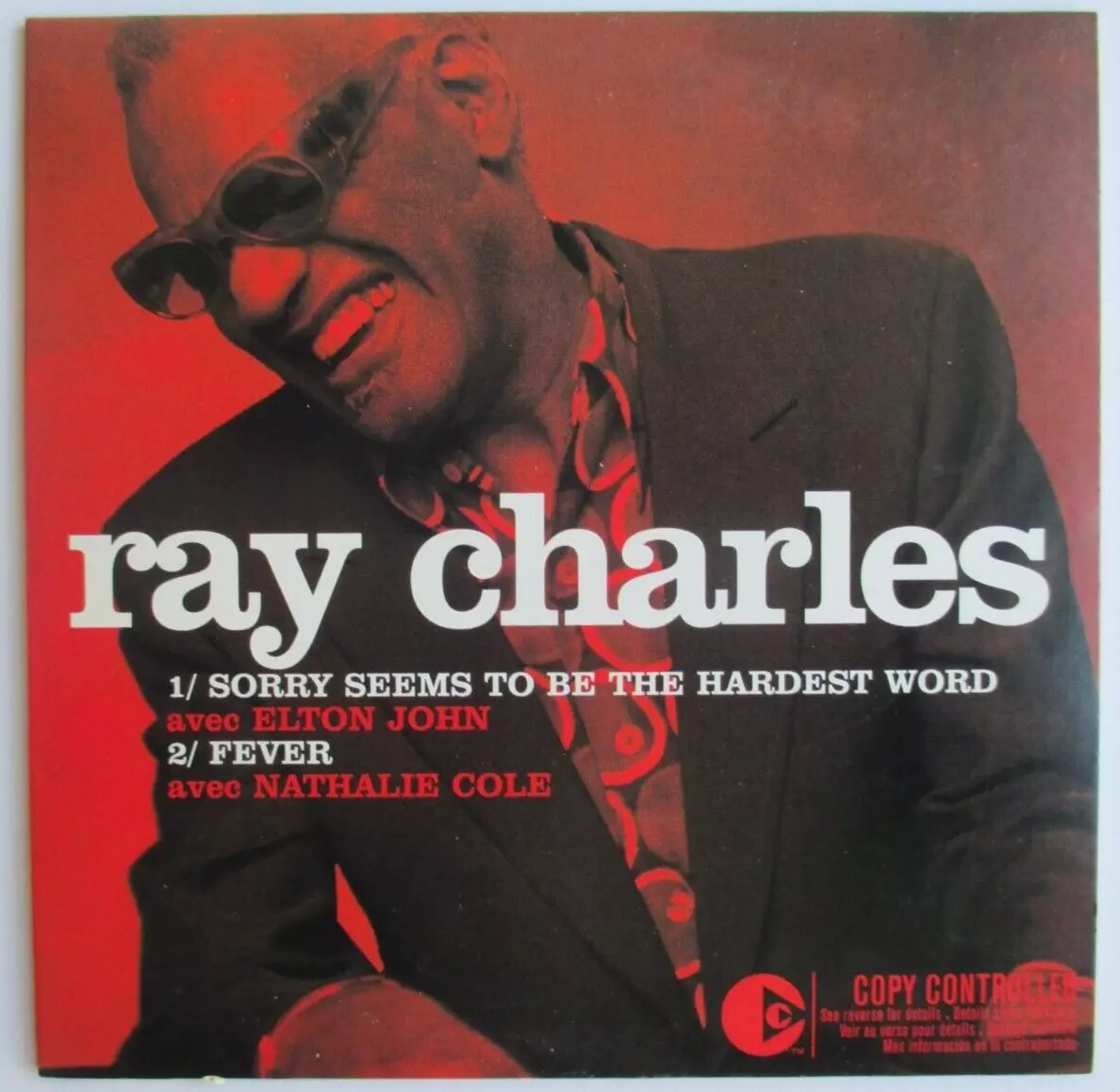
“Fever,” Ray Charles with Natalie Cole, 2004
In 2003, as his health was failing, the iconic Charles was enticed into taking on one last album project, a collection of duets appropriately titled “Genius Loves Company.” He paired up with a range of major artists (James Taylor, Elton John, Norah Jones, Bonnie Raitt, Willie Nelson, among others) on ’50s classics as well as newer songs from the ’70s and 80s. It was a runaway success, reaching #1 in several countries and winning the 2004 Album of the Year Grammy. His duet with Jones on his 1967 single “Here We Go Again” also won Record of the Year. It was hard to choose which of the duets to include here, but I was particularly drawn to the 1958 Peggy Lee blues standard “Fever,” which combines Charles with gifted R&B singer Natalie Cole.

“Please Read the Letter,” Robert Plant and Alison Krauss, 2007
There have been more curious collaborations than this one, but when these two released “Raising Sand,” their album of duets in 2007, the typical reaction was “WTF?” Plant, the hard rock vocalist known for his work with Led Zeppelin, seemed a strange bedfellow for the dulcet voice of country music star Krauss, but critics and the public alike responded favorably, and it ended up winning the Album of the Year Grammy. “Gone Gone Gone” was the skiffle-like hit single, but I was partial to the mid-tempo vibe of “Please Read the Letter,” co-written by Led Zep mate Jimmy Page. Truth be told, Plant has always shown a softer side, especially on his solo albums, and his voice actually complements Krauss’s in a satisfying way.
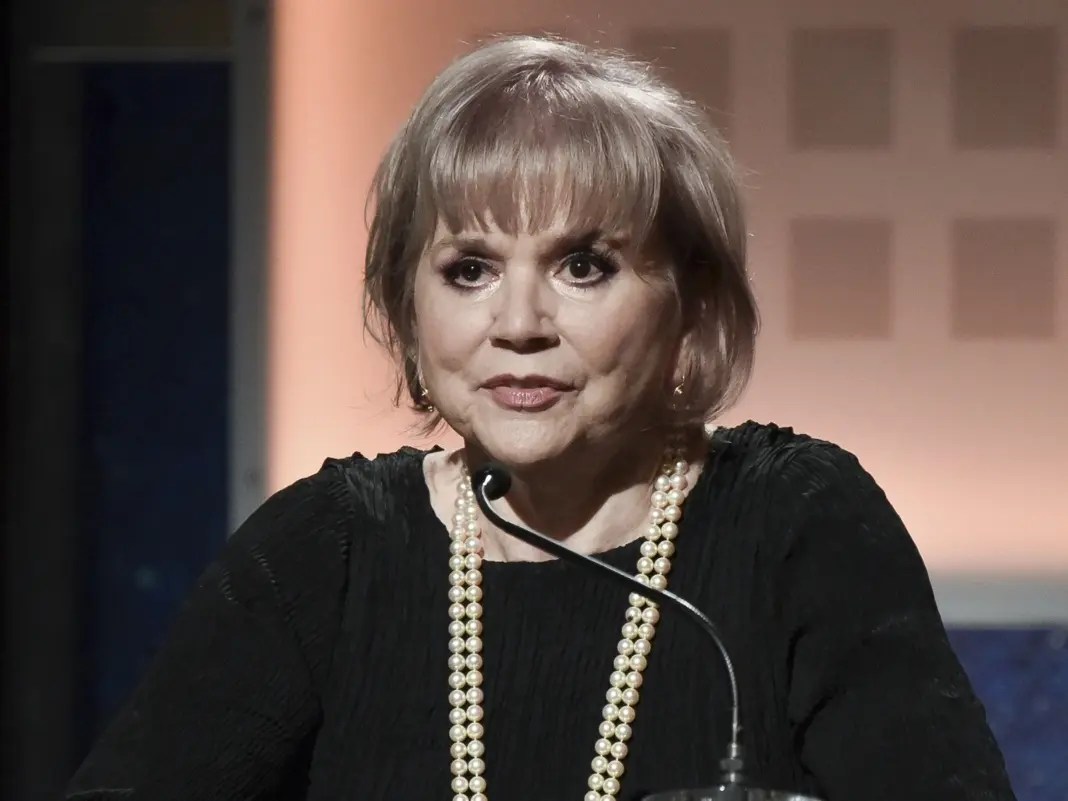
“All I Know,” Jimmy Webb with Linda Ronstadt, 2010
Ronstadt, one of the premier song stylists of the 1970s and 1980s, was sadly forced to retire from performing — and, eventually, recording — when Parkinson’s robbed her of the ability to control her unparalleled voice. One of the last songs she attempted was at her friend Webb’s behest, who thought she’d be the perfect person to nail his song “All I Know,” which had been a hit as Art Garfunkel’s debut solo single in 1973. She hesitated, but ultimately gave it her all, and the result was stunning. It appears on the same 2010 Webb album “Just Across the River” as the “Wichita Lineman” duet mentioned earlier. Ronstadt has since expressed gratitude to Webb for pushing her to record the tune, which she feels is one of his prettiest.

“Moon River,” Eric Clapton with Jeff Beck, 2023
This classic tune, with music by Henry Mancini and lyrics by Johnny Mercer, will forever be linked to the 1961 Audrey Hepburn film “Breakfast at Tiffany’s” and the 1962 instrumental recording that won multiple Grammy awards. Crooner Andy Williams turned it into his signature song, and dozens of other singers recorded it over the years. As one critic put it, “It’s a love song in which the romantic partner is the idea of romance.” How extraordinary it is that rock guitarists Eric Clapton and Jeff Beck would collaborate on this tasty arrangement featuring Beck’s sublime guitar work and Clapton’s subtle vocals. Again, not a vocal duet, but Beck never sang on a record even once in his lengthy career. It was recorded mere months prior to Beck’s passing in early 2023, and released four months later. What a fine record!
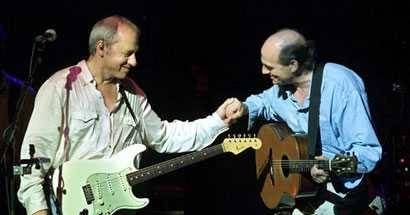
“Sailing to Philadelphia,” Mark Knopfler with James Taylor, 2000
Following the dissolution of Dire Straits in 1993, Knopfler began a solo career that showcased his interest in history, folk tales and Celtic influences while retaining his prowess in smooth, fluid rock songs. As he began working on his second album, he had been reading the Thomas Pynchon novel “Mason & Dixon,” about the two English surveyors who mapped out the symbolic boundary line between free and slave states before the U.S. Civil War. Knopfler wrote lyrics creating a lively conversation between the two men, and asked James Taylor to assume the role of Charlie Mason for the recording. “He had asked me to produce his next album, and it occurred to me that with his folk background, he’d be ideal to sing Mason’s part,” Knopfler said. “I’m thrilled with how it turned out.”
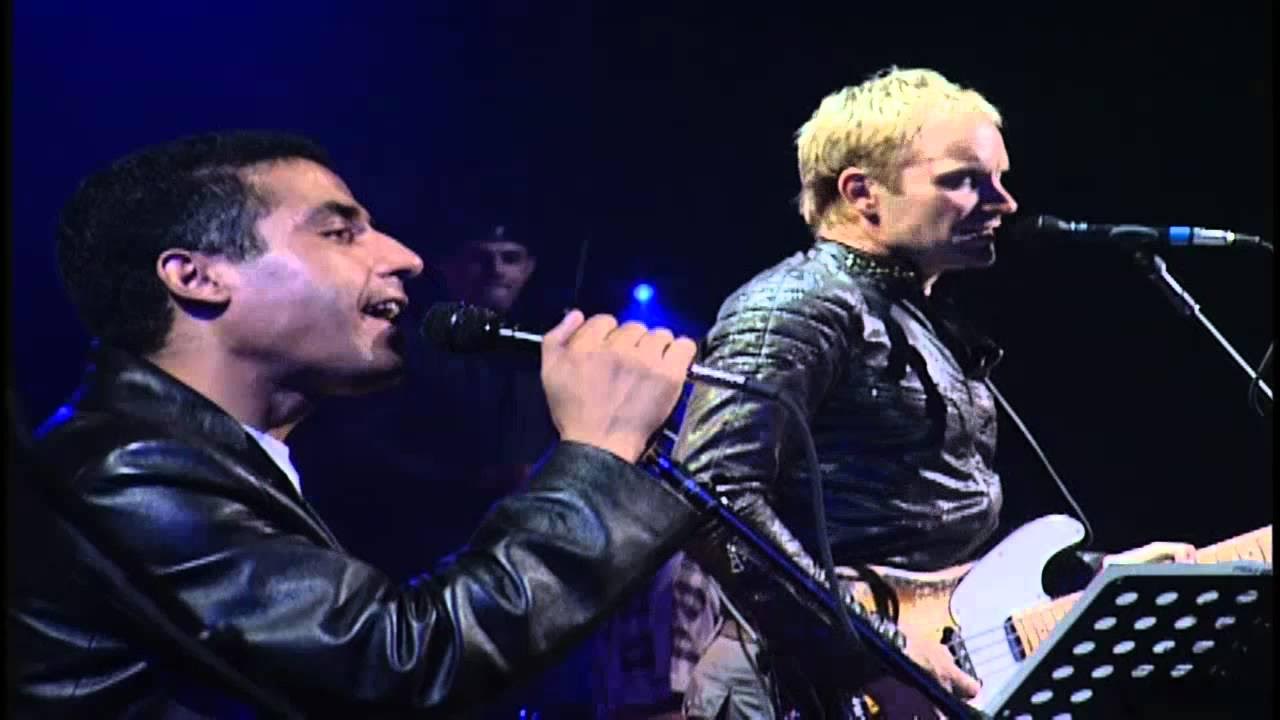
“Desert Rose,” Sting with Cheb Mami, 1999
Even with The Police, Sting showed a keen interest in unusual rhythms from other cultures, and each of his solo albums in the ’80s and ’90s included at least one track that could be classified as “world beat.” On his sixth LP, 1999’s “Brand New Day,” Sting collaborated with Algerian songwriter Cheb Rabah to write “Desert Rose,” a song of longing and lost love which became a Top Ten hit in Italy, Canada, Switzerland, the UK. In the US, it peaked at #17. He invited Algerian rai singer Cheb Mami to sing it as a duet, which gave it an exotic, North African vibe. Mami also appeared with Sting in the music video, which depicted the two men performing the song in a Las Vegas club following Sting’s drive across the Mojave Desert.

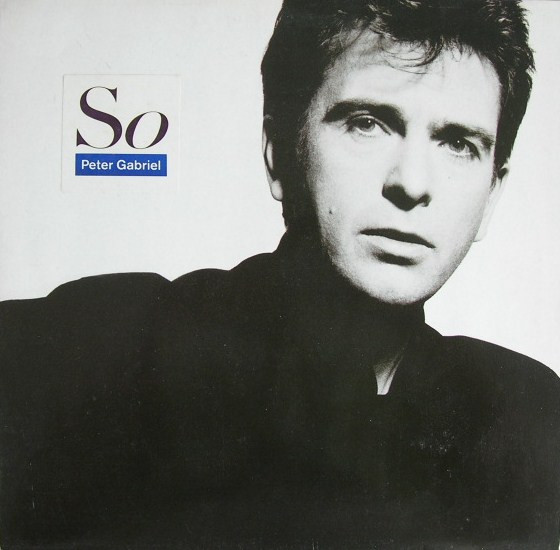
“Don’t Give Up,” Peter Gabriel with Kate Bush, 1986
In 1985, Gabriel had been particularly moved by a book of photographs by renowned photojournalist Dorothea Lange, showing poverty-stricken Americans during the Depression Era of the 1930s. He was inspired to write about the consequences of unemployment on family life, and devised a give-and-take between a disconsolate husband and his encouraging wife. Envisioning the song as a duet, Gabriel approached country singer Dolly Parton, who had grown up poor in Tennessee, but she declined. British singer Kate Bush, who had four successful albums in the UK at that point, stepped in and turned “Don’t Give Up” into a wrenching ballad of hope. A number of celebrities who had faced personal struggles have cited the record as crucial to their recovery.
***************************





 Hack's Back Pages