There’s gonna be a heartache tonight, I know

Music trivia question: Who was in the original lineup of The Eagles?

Answer: Glenn Frey, Don Henley, Randy Meisner, Bernie Leadon…and John David Souther?

Truth be told, singer-songwriter-guitarist JD Souther was a member of the group for only about 48 hours. Manager David Geffen lobbied for Souther to be an official member, but the rest of the band, and actually Souther himself, weren’t too keen on the idea.

“Geffen wanted me in the band,” said Souther decades later. “We actually rehearsed a set and played it for him one afternoon at The Troubadour. I remember looking down the stage thinking, ‘Man, this is an awful lot of singers and acoustic guitar players all in the same band.’ I felt, ‘I’m not necessary here.’ And I don’t really like being told what to do in any sense anyway.”

The other four had been a working unit for a spell, playing behind Linda Ronstadt at a few shows, and they were hesitant to turn their four-piece into a five-piece by adding Souther. Frey and Souther had been friends and collaborators in a duo in 1969-1970, but that hadn’t ended well. Souther would remain a co-songwriting partner with Frey and Henley over the years, including three #1 hits, but they all agreed he wouldn’t be a full-fledged Eagle.

“Truthfully, the band was exceptional just as it was,” said Souther. “I was clearly the fifth wheel. I wasn’t a band creature. My report cards from school always said, ‘Does not work well with others.’ I was much happier to stay home and write songs and be with Linda, who I was dating at the time.

“There was definitely a period of time later on when people would ask me, ‘Doesn’t it piss you off that the Eagles had these big hits with your songs?’ I would always respond, ‘Would you like to see the royalty checks?'”

***************************

John David “JD” Souther died last week at age 78. There has been no official cause of death issued yet.

He had been preparing to go on tour this week with his friend, singer-songwriter Karla Bonoff, when he fell ill. Said Bonoff, “We had learned each other’s songs and were going to be on stage together for an amazing evening. I guess it was not meant to be…but I am incredibly grateful for the time we spent recently reconnecting, laughing and reminiscing. He was one of the best songwriters on the planet and influenced so much of my writing. Fly free, my friend.”

Bonoff and Souther in 1977

Souther has been one of those important yet shadowy figures in the California music industry, who added a great deal but never really cared much about being in the limelight. In addition to his fruitful relationship with The Eagles, Souther wrote or co-wrote hit singles for Ronstadt and James Taylor, and also reached the charts as a solo artist with the #7 hit “You’re Only Lonely” in 1979. He has added vocals and guitar parts to many dozens of tracks by artists as diverse as Warren Zevon, Crosby, Stills & Nash, Dixie Chicks, Burt Bacharach, Roy Orbison, George Strait, Brian Wilson and Trisha Yearwood.

Born in Detroit and raised in Amarillo, Texas, Souther started playing jazz drums, influenced by his parents’ love of Big Band music, but soon switched to guitar and had some regional success playing with a country band called The Cinders in the mid-’60s. When he relocated to Los Angeles in 1968 at age 22, he met Frey, who had more of a rock/R&B background, and they fed off each other’s influences, jamming and trying to write songs.

They shared a small apartment and eventually formed a duo called “Longbranch/Pennywhistle,” cutting one album on a small label. It went nowhere, but within the 10 tracks that comprise the self-titled LP (out of print for decades but remixed and re-released in 2018) you’ll find the country-rock building blocks upon which successive generations of singers and songwriters have drawn inspiration. Most notable were Frey’s ballad “Rebecca” and Souther’s intriguing songs “Mister, Mister” and “Kite Woman.”
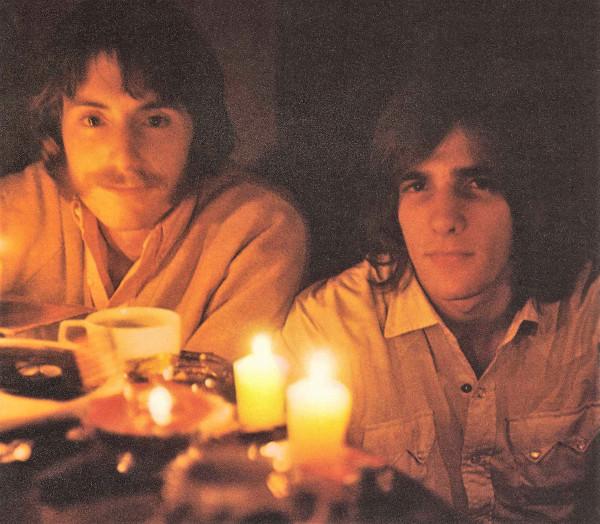
Souther and Frey as pictured on the “Longbranch/Pennywhistle” LP in 1969

In a 2013 interview, Souther downplayed the opinion that Longbranch/Pennywhistle was a groundbreaking country-rock sound. “I keep being referred to as an architect of something,” he said, chuckling. “I assure you, at the time, we didn’t think we were designing anything. We were just trying to make a living by writing songs. The album has a certain charm to it, although it still sounds to me like an 8-track record from guys who didn’t write that well working with first-time producers.”

While Frey became the de facto leader of The Eagles and developed a songwriting partnership with Henley, Souther chose instead to pursue a modest solo recording career, more content to write songs that he would record himself or pass along to others. His 1972 self-titled debut showed his country-inflected songwriting prowess (“How Long,” “The Fast One,” “Some People Call It Music”), and in my view, some of these tunes sound more convincing than some of the lesser tracks that filled out The Eagles’ debut LP that same year.

He remained on good terms with Frey and Henley, co-writing “Doolin’ Dalton,” the opening track on The Eagles’ “Desperado” cowboy concept album in 1973. He regularly hung out with the group as part of their posse; indeed, if you look at the photo on the back cover of “Desperado,” you’ll see Souther posing among the other Eagles as one of the captured “Doolin’-Dalton” gang.

A year later, Souther also helped Frey and Henley complete three tracks for their third LP, “On the Border” — “You Never Cry Like a Lover,” “James Dean” and the tune that became their first #1 hit, “The Best Of My Love.”

Ronstadt and Souther on stage in 1976

Meanwhile, Souther’s relationship with Ronstadt changed from boyfriend-girlfriend to producer-artist as he manned the boards for her third album, “Don’t Cry Now,” which included two of his songs, the languid “I Can Almost See It” and the more uptempo “The Fast One.” The former paramours went on to enjoy a close friendship and professional relationship that lasted for decades, as Ronstadt sang many of his tunes on her top-selling albums throughout the ’70s: “Faithless Love,” “Prisoner in Disguise,” “Silver Blue,” “Simple Man, Simple Dream” and “White Rhythm & Blues.” While none of these were hit singles, most were regulars in her concert set list and popular with her audiences.

For his part, Geffen remained a fan of Souther, to the point that he championed him to be one third of a new trio, The Souther-Hillman-Furay Band, teaming him up with ex-Byrd Chris Hillman and ex-Poco leader Richie Furay for two albums in the 1974-75 period. Hopes were high they would become the next Crosby, Stills and Nash, but it wasn’t to be.

Said Hillman last week, “Today I lost my friend, John David. We were close, and I count him as a great blessing in my life. He possessed a great sense of humor, and was one of the most intelligent people that ever crossed my path. His voice, and the songs he wrote, will forever be in my heart.”

Souther returned to his solo career and released the widely praised LP “Black Rose,” which featured a who’s who of LA musicians in support of some of his best work (“Faithless Love,” “Baby Come Home” and the title tune).

Legendary producer Peter Asher, who worked with Ronstadt and several other artists including Souther on the “Black Rose” album, reflected on Souther’s career in the wake of his passing. “JD was a sublimely imaginative composer and lyricist. He was musically sophisticated and poetically inspired. I see his work as a modern extension of the Great American Songbook, and I was delighted when I was invited to induct him into the Songwriters’ Hall of Fame, a well-deserved honor. In my view, ‘Faithless Love’ alone qualifies him for the distinction. It deserves an award all to itself.”

Souther (third from left) with The Eagles at a 1980 concert

Souther’s greatest commercial success came in the 1976-1981 period, when two of his Eagles co-writes — “New Kid in Town” and “Heartache Tonight” — both reached #1 on US charts. Personally, I don’t care much for either of those simplistic tracks, but in between those two monster hits came his own Top 10 single, the gorgeous, poignant “You’re Only Lonely.” Then, in 1981, he co-wrote and co-sang the heartbreaking “Her Town Too,” a #11 hit for James Taylor.
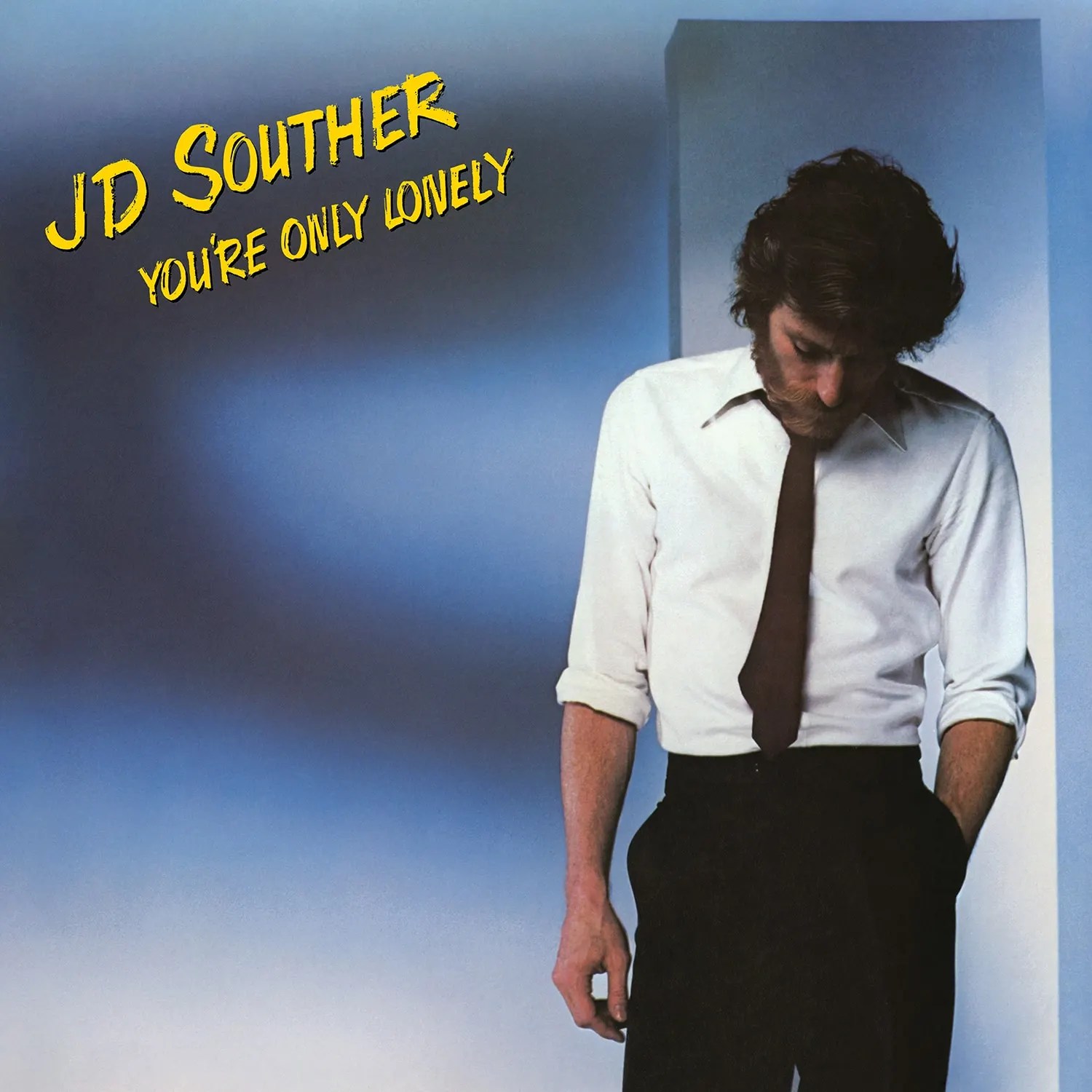
After Souther’s 1984 album “Home by Dawn” stiffed badly on the charts (the LP was “that unfortunate curiosity that’s later called a ‘critical success,’” he said in an interview in 1990, “meaning nobody bought it”), he took a break from recording, discouraged in part by the music industry’s growing reliance on MTV. “I wasn’t a huge fan of music videos because I thought they encouraged an excess of production as opposed to a real focus on the heart of the music,” he said in 2012.

Still, he continued songwriting, helping Henley write “The Heart of the Matter,” one of his big solo singles from his “The End of the Innocence” LP in 1989.
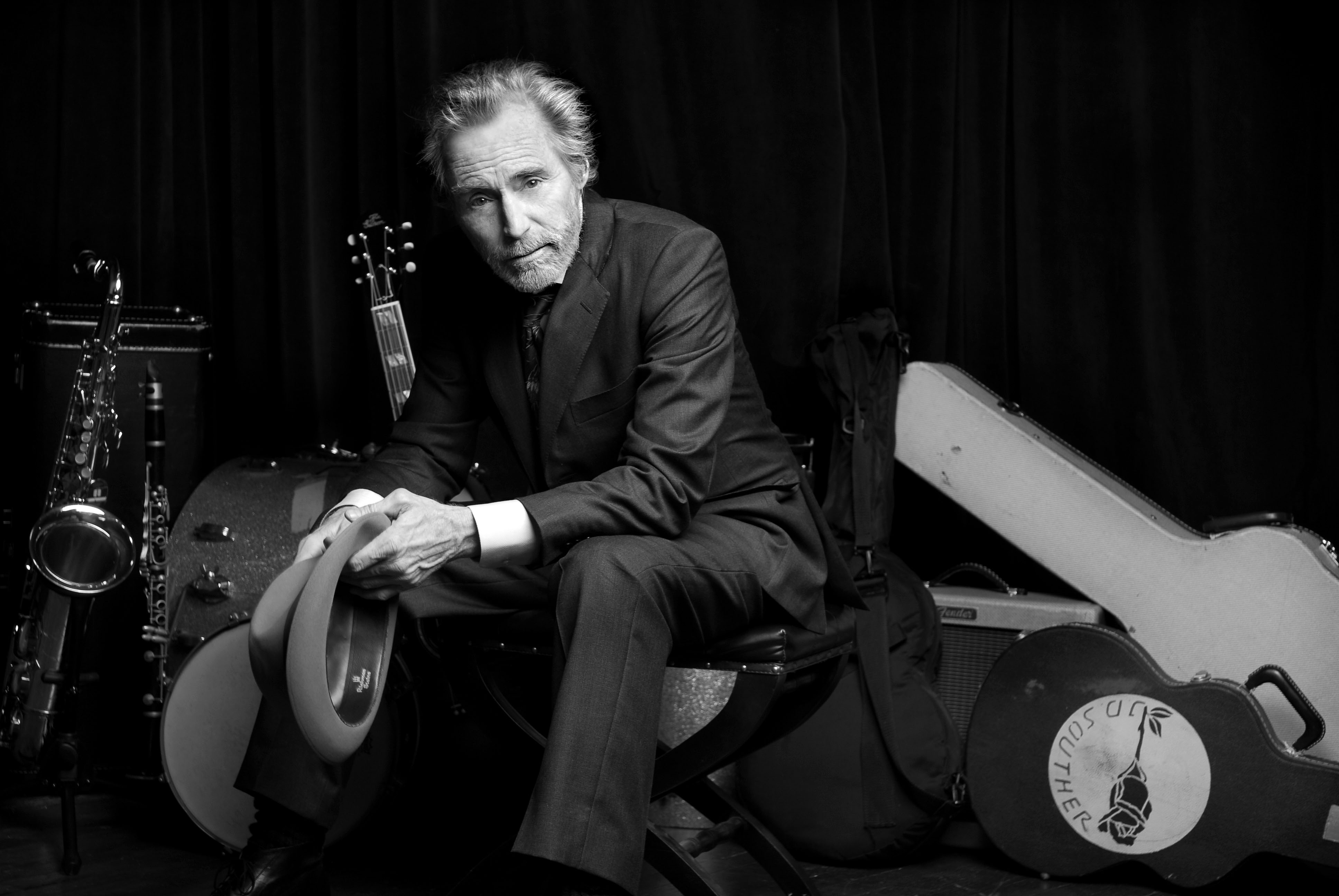
In the ’90s, he stuck his toe in the waters of acting, appearing in the 1990 film “Postcards From the Edge” and as a recurring character in the third season of the award-winning TV drama “thirtysomething.” Other acting roles included a stint as a grizzled country music fixture in the 2012 TV drama “Nashville.”

Souther released three more albums since 2000, and although they were largely ignored, all of them include tracks worthy of your attention. The Spotify playlist below includes several fine tunes from 2008’s “If the World Was You” and 2015’s “Tenderness,” which both lean toward jazzier arrangements, and 2011’s “Natural History,” on which he records his own renditions of his Eagles hits and other earlier successes.

The timeless nature of Souther’s songs is best exemplified by his 1972 song “How Long,” which appeared on his debut LP. When The Eagles reunited and assembled their ambitious double LP “Long Road Out of Eden” in 2007, “How Long” was not only included but featured as one of the two singles they released from it. It arguably came closest to recapturing the group’s classic blend of country and rock, reached #23 on the country chart and won a Grammy for Best Country Performance by a Duo or Group.
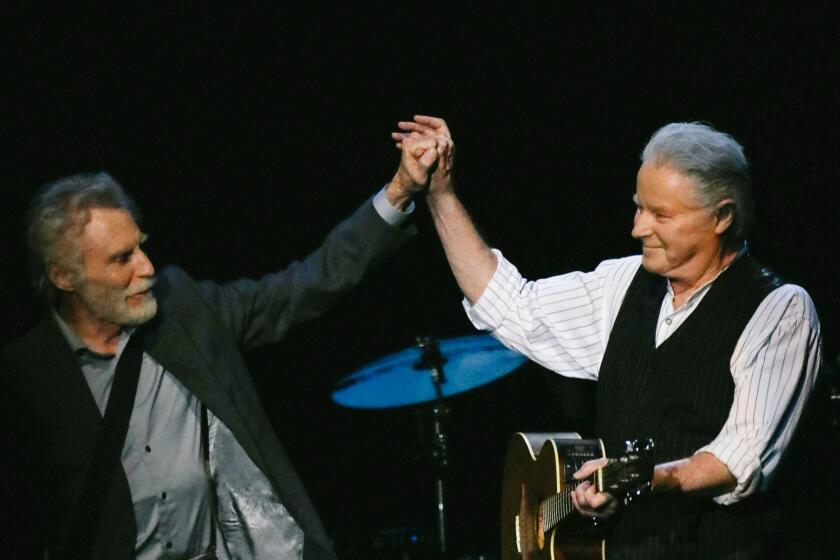
Don Henley and J. D. Souther
Souther acknowledging Henley’s appreciation in 2024

This past January, when The Eagles performed in Los Angeles, Souther came on stage for several numbers including “How Long.” Henley introduced him as “an important part of the tight-knit community of songwriters and singers we turned to when we would get stuck on a song or we’d try to start some new material.”

R.I.P. to you, J.D. Your legacy is intact.

*************************

This playlist includes what I consider JD Souther’s best material, presented in chronological order of the release of the albums they came from (his own as well as those by other artists).

Hate’s going around breaking many hearts

“Hate is too great a burden to bear. It ultimately injures the hater more than it injures the hated.” — Coretta Scott King

*************************

It’s a very strong word, hate.

Psychologists tell us hate is typically caused by things or people we’re afraid of, don’t know about, don’t understand, or make us angry. It’s easier, they say, to simply dismiss them and say we hate them than to learn about them and conquer whatever it is we fear or don’t understand.

I try not to use the word these days. We have too many hate groups, hate crime, hate speech. Our political scene has turned into a breeding ground for hate.

God knows I’ve used the word a lot over the years, often about things I don’t truly hate. It’s just easier to say “I hate Brussels sprouts” when all I really mean is “I don’t like how they taste.” I used to say, “I hate Pittsburgh Steelers fans,” but in truth, I respect their love for and loyalty to their team, and only hate them when they beat up on my team, the Cleveland Browns.

********************

“Hate is only a form of love that hasn’t found a way to express itself logically.” — Li’l Wayne

*********************

I recently saw a book whose title made me laugh: “I Hate New Music.” It’s a tongue-in-cheek “Classic Rock Manifesto” from 2008 by a British music writer named Dave Thomson who disparages any music made after about 1980. I wouldn’t say I recommend it, but it’s fairly amusing in its own hateful way.

In this blog, I discuss rock music of the ’50s, ’60s, ’70s and ’80s, otherwise known as the “classic rock” era. Some have teased (accused) me of not liking more recent music, which is absolutely not true. I buy and listen to quite a lot of music from the 1990s, 2000s, 2010s and 2020s. I’m just not as passionate about it nor as well versed in it to write about it as confidently as the music of earlier decades.

**********************

“When I hear music that parents hate, I know that’s the new music. When I hear older people say, ‘I hate rap or techno,’ I rush to it.” – George Clinton

***********************

Jeff Tweedy, the prolific songwriter and frontman for the popular alternative rock band Wilco, wrote a recent essay with this provocative subject: ”Can we hate, truly hate, music? And if so, why?”

Here’s what Tweedy has to say about it:

“It’s important to admit when you’re wrong. And though I once bristled at the notion that there could ever be such a thing as a wrong musical opinion, I have since come to accept that there is, in fact, such a thing. I know because I had one: I was colossally wrong about the song “Dancing Queen” by Abba.

“In a way, I blame the time and place where I grew up. The mid-1970s, when “Dancing Queen” came out, was a time when there were very strict lines being drawn between cultural camps. As a kid who liked punk rock, this tune was situated deep in enemy territory, at the intersection of pop and disco.

“In particular, my group of friends and I despised a lot of music and, by extension, the morons who would dare admit that they liked something we hated.  (Music! Can you believe it?

“Why did we feel this way? Mostly, I think, it was because hating certain music gave us a way of defining ourselves. Our identities were indistinct, and drawing a line in the sand between what we liked and what we hated made our young hearts feel whole.

“But I had, in fact, chosen to deny myself an undeniable joy. Countless fantastic records and deep grooves were dismissed and derided out of ignorance. To this day, whenever I think I dislike a piece of music, I think about “Dancing Queen” and am humbled.

“That song taught me that I can’t ever completely trust my negative reactions. I try to never listen to music now without first examining my own mind and politely asking whatever blind spots I’m afflicted with to move aside long enough for my gut to be the judge. Even then, if I conclude I don’t like something, I make a mental note to try it again in 10 years.”

This is good advice. 

I, too, recall being a rather obstinate teenager when it came to deciding which bands to hold dear and which to disparage. With some artists, I rushed to judgment without really having judged at all. I hadn’t even listened to the music in question. I just assumed I wouldn’t like it, and in so doing, I cut myself off from things without ever testing/experimenting.

Consequently, I can’t say I truly hated these groups. I just wallowed in my ignorance about their music, choosing instead to confine myself to a more narrow list of artists. Maybe it seemed overwhelming to me at the time to try every item on the menu, so to speak. I could afford to buy only so many records, and I would choose based on what I heard on the radio or from friends’ recommendations. 

I developed preferences for certain musical genres — rock ‘n’ roll, blues, R&B, folk — and within each genre, I embraced maybe a dozen artists/bands and dismissed the others. 

I still am not a big fan of certain musical styles — hip hop, or opera, or death metal — and I probably never will be. I’m also not wild about country, but I’ve come to enjoy some artists, or a few of their songs, anyway. Hey, my tastes are not rigid; they have changed over the years.

All this reflecting on “things we hate” prompted me to research the word “hate” and how often it turns up in song titles. It’s probably not surprising that you’ll find far more “hate” songs in recent years than you’ll find in the catalog of ’60s and ’70s songs. Lyrics these days can be so nasty and hate-filled, sometimes simply to demonstrate youthful rebellion, but also sometimes to demonstrate bonafide hate for something or someone.

Let’s take a cursory look at 15 songs with “hate” in the title, from the mid-’60s to the present, and another nine runners-up. I’m hoping that when you listen to the Spotify playlist at the end, you won’t find any that you really, um, hate. But I wouldn’t bet the ranch on that.

************************

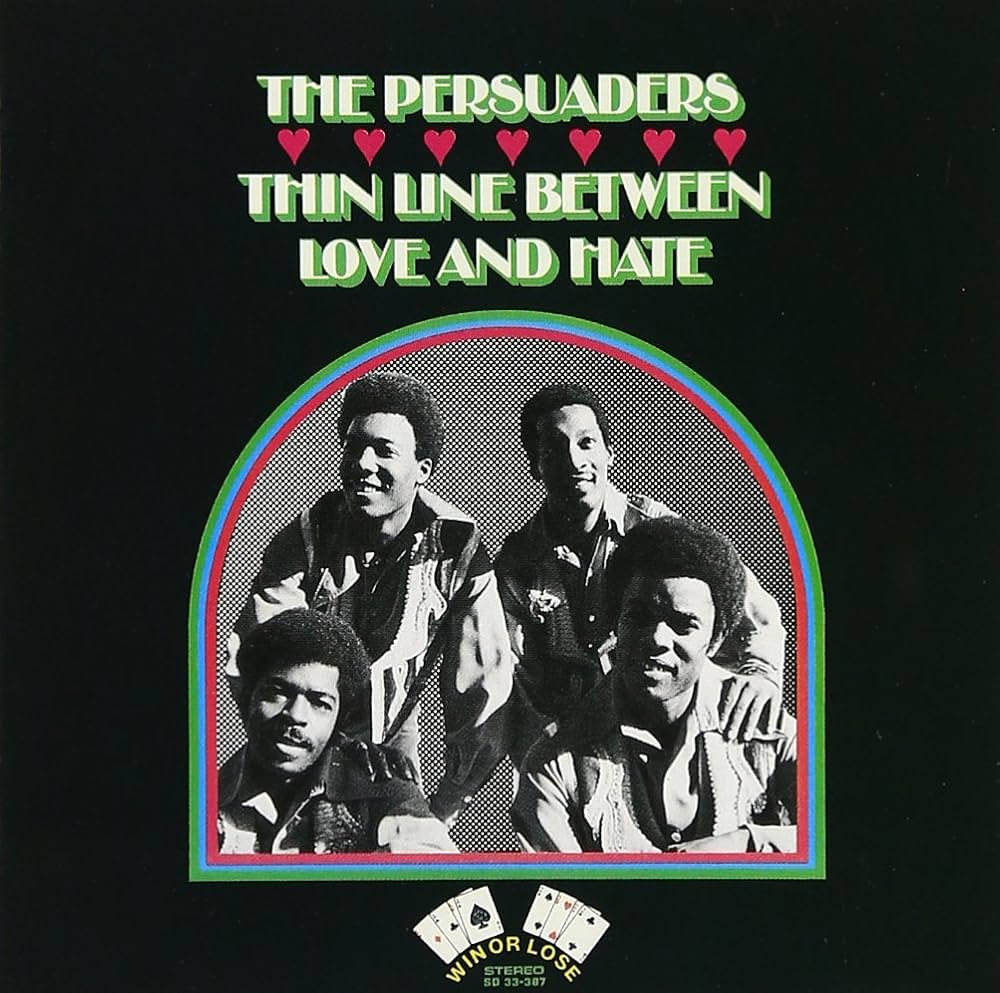
“Thin Line Between Love and Hate,” The Persuaders, 1971

The New York-based R&B vocal group The Persuaders had a #15 pop hit (#1 on the R&B chart) in 1971 with this iconic tune, which tells the story about a man coming home early in the morning to his understanding wife one too many times. She loves him, but when pushed to the brink by his selfish, neglectful behavior, she snaps, and he finds himself lying in a hospital, bandaged from head to foot: “It’s a thin line between love and hate, she’s gonna fool you one day, /It’s a thin line between love and hate, /Every smilin’ face ain’t a happy one…”

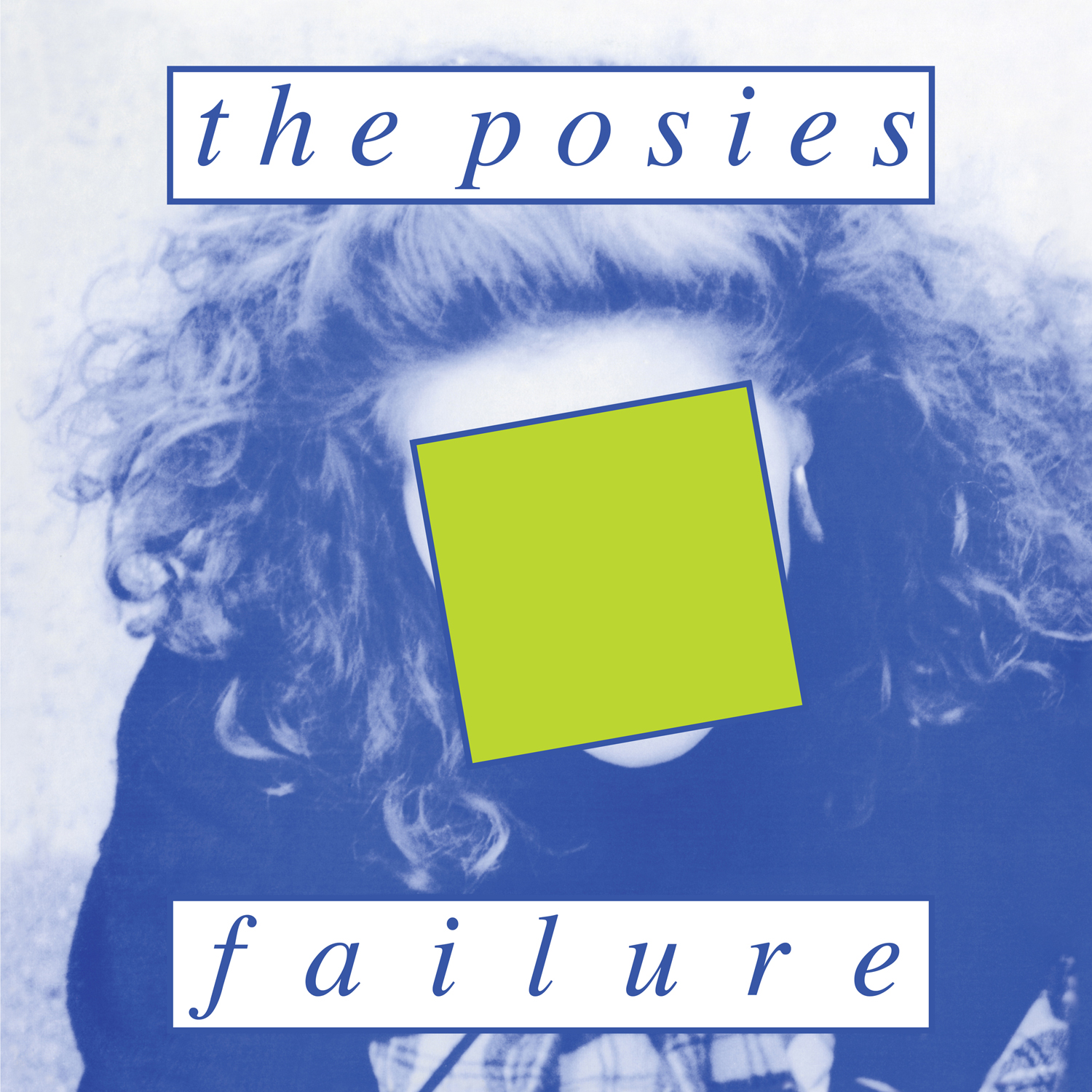
“I May Hate You Sometimes,” The Posies, 1988

Singer-songwriters Jon Auer and Ken Stringfellow were the core behind the underrated Seattle-based power pop group The Posies, who made only the smallest of blips on the U.S. music scene in the late ’80s and early ’90s. Their 1988 debut LP “Failure” includes this catchy track that captures the mixed emotions when you seem to be loving and hating someone at the same time: “I don’t want to have to sacrifice to have to get along, /I don’t ever want to be the one to say I’m wrong, /I may hate you sometimes, but I’ll always love you…”

“I Love You Honey But I Hate Your Friends,” Cheap Trick, 1980

Combining elements of ’60s guitar pop, ’70s hard rock and the emerging punk rock sound, Cheap Trick emerged from Illinois in 1977 and enjoyed several commercial successes, particularly in 1978 (a live version of “I Want You to Want Me”) and 1979 (“Dream Police”). On their 1980 release “All Shook Up,” the band wrote a track that addressed the age-old problem of falling in love with someone and then finding out you don’t like your heartthrob’s friends: “We shouldn’t give them the time of day, /They don’t give a damn if we sink or swim, /I love you, honey, but I hate your friends, /They love your money, but they’ll be the end of me, oh yeah…”

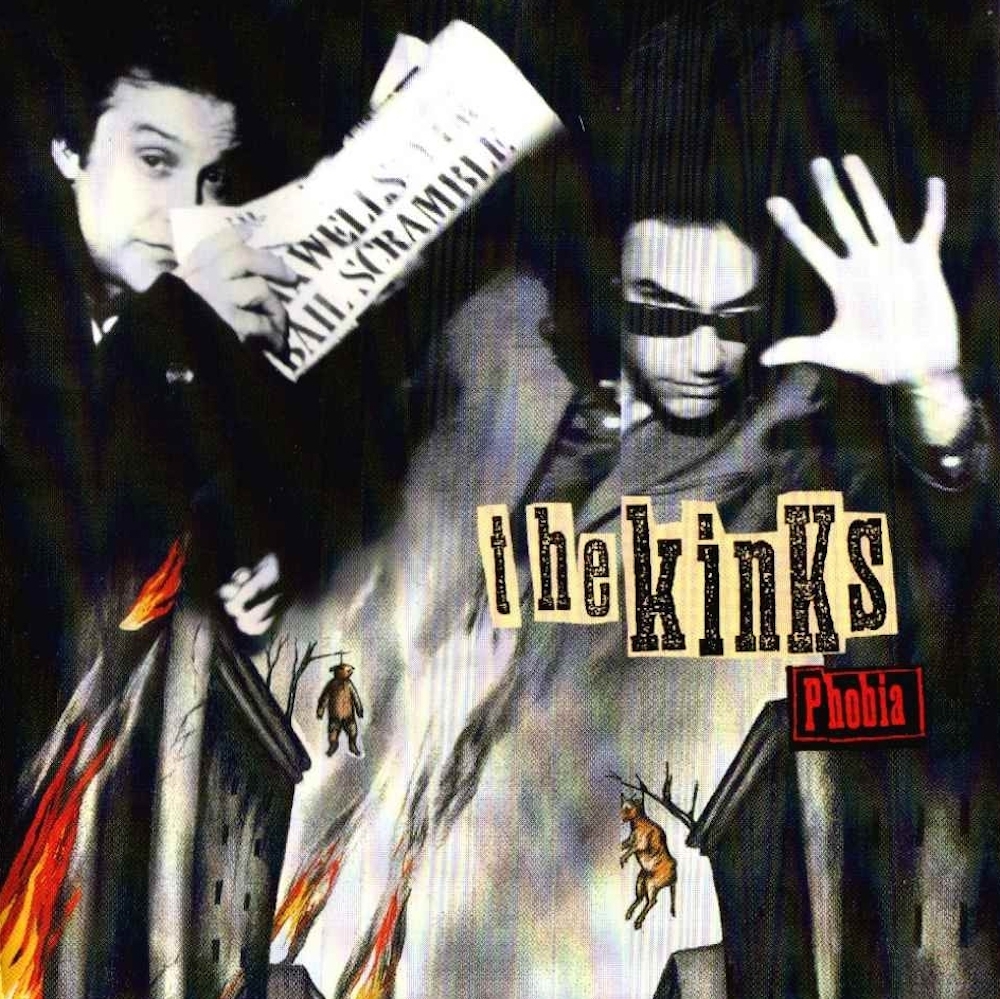
“Hatred,” The Kinks, 1993

Except perhaps for Liam and Noel Gallagher of Oasis, there is no greater sibling rivalry in the history of rock music than Ray and Dave Davies of The Kinks. As frontman and chief songwriter, Ray called almost all the shots, but guitarist Dave always bristled at his brother’s need for control. Ray finally wrote about their dysfunctional relationship for their final LP, 1993’s “Phobia,” in a track ironically titled “Hatred (A Duet)”: “Now, I’m willing to accept this fate, you and me just can’t cohabitate, /We agree to hate and that’s our fast decision, /Hatred, hatred is the only thing that keeps us together…”

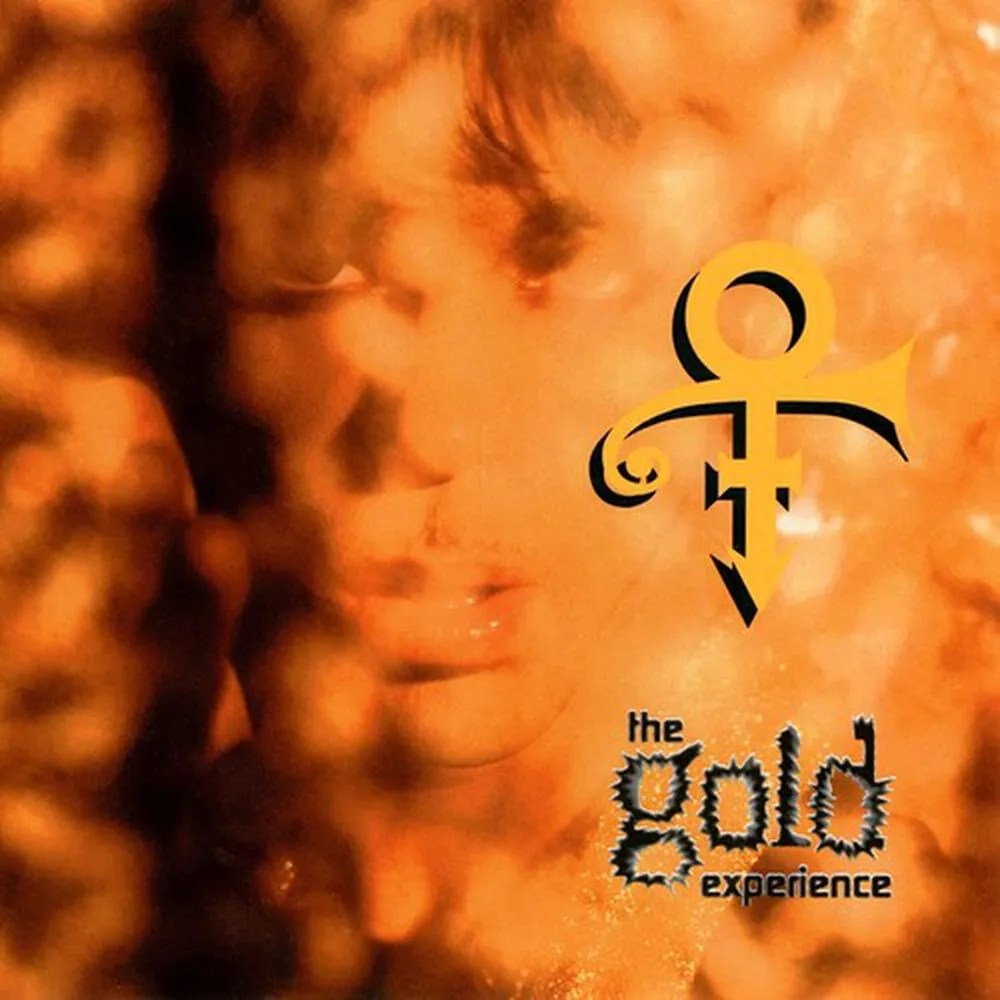
“Eye Hate U,” Prince, 1995

Released as the lead single from his 1995 album “The Gold Experience,” Prince said he wrote “Eye Hate U” with actress Carmen Elektra in mind. He’d been growing close to her but found out she was seeing someone else and felt betrayed enough to write this R&B piece with vitriolic lyrics (some sung, some spoken), and recorded several versions. I chose the one with the prettiest arrangement to offset the bitterness of the words: “Say U’re sorry if U wanna, but it’s all in vain, /I’m out the door, sweet baby, that’s right, we’re through, /I hate U because I love U, /But I can’t love U because I hate U…”

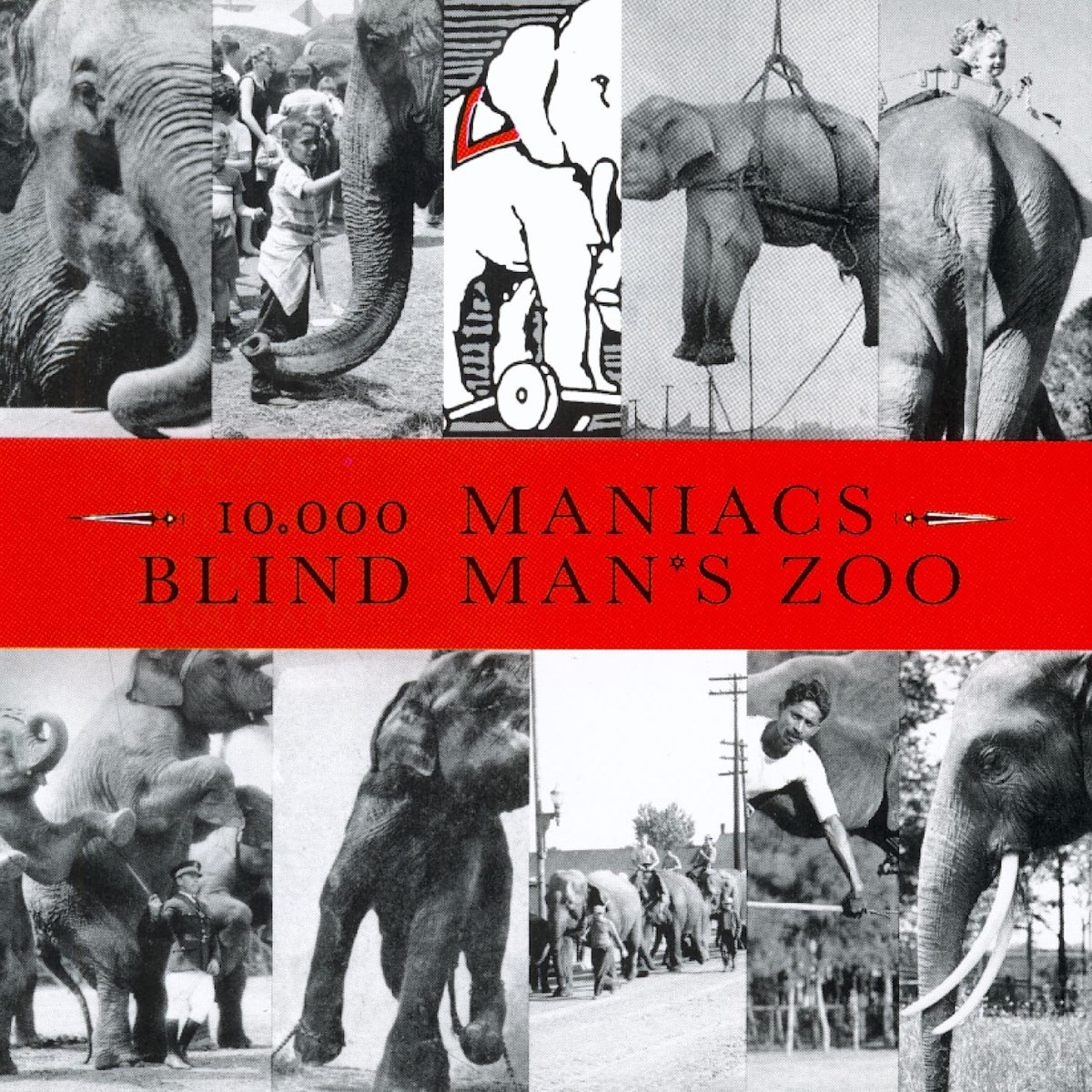
“Hateful Hate,” 10,000 Maniacs, 1989

Whereas 10,000 Maniacs’ previous LP, 1987’s “In My Tribe,” explored series issues with a prevailing sense of hope and optimism, their “Blind Man’s Zoo” album in 1989 was dominated instead by a bleak worldview as expressed by chief lyricist/singer Natalie Merchant. In “Hateful Hate,” she explores the subject of slavery as a brutal betrayal of the human spirit: “Captured like human livestock, destined for slavery, /Naked, walked to the shore, where great ships moored for the hellbound journeys, /Bought and sold with a hateful hate…”

“Hateful,” The Clash, 1979

According to one critic, The Clash’s double LP “London Calling” from late 1979 “finally validates the acclaim received up to that point because of how their serious political themes and vital playing were retained in innovative music with a broad appeal.” The LP captures the band’s primal energy within a more creative context barely suggested by the band’s previous work. Here’s a sample of lyric from “Hateful”: “Oh, anything I want, he gives it to me, /Anything I want, he gives it, but not for free, /It’s hateful, and it’s paid for, and I’m so grateful to be nowhere…”

“I Will Forever Hate Roses,” Dolly Parton, 2008

For a woman who has composed 3,000 songs and recorded more than 50 albums in her extraordinary career, you might expect her creative muse to have dissipated by the time of her 42nd LP, “Backwoods Barbie,” in 2008, but you’d be wrong. Consider her heartfelt emotions in this tune when she received a bouquet of roses as a farewell gesture: “You sent me roses, I thought it was nice, /Opened the card and it read ‘goodbye,’ /You’re movin’ on as this chapter closes, and I will forever hate roses…”

“We’re Gonna Hate Ourselves in the Morning,” Clifford Curry, 1967

Arthur Alexander — who also wrote “Anna (Go to Him),” which was covered on The Beatles’ debut LP — was a cornerstone of the Muscle Shoals sound, part gospel and part country, that was ideally suited to gritty, confessional storytelling. His classic song about infidelity reached the charts in Betty Wright’s version, and was also deftly covered by country soul artist Clifford Curry: “We’ll just hate ourselves in the morning, /We’re gonna hate ourselves, I know, /We’re gonna hate ourselves in the morning, /But right now, it’s still the night…”

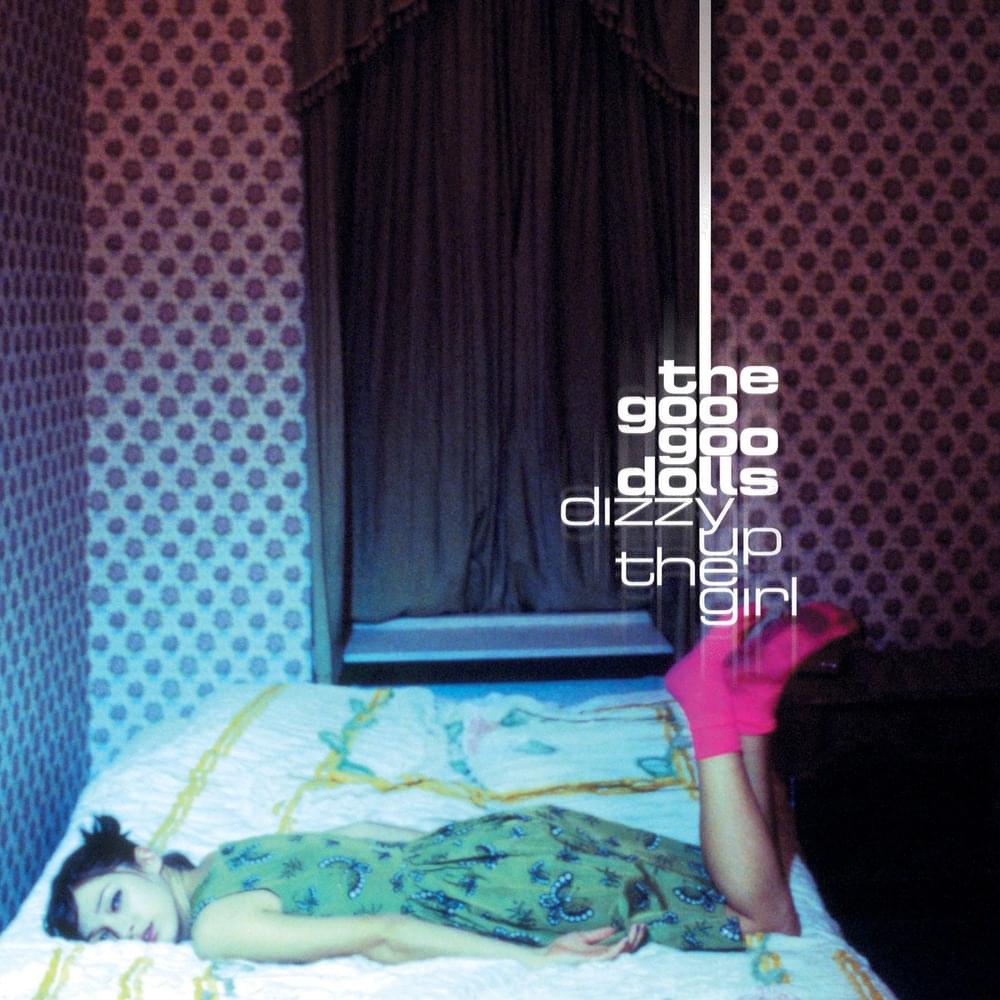
“Hate This Place,” Goo Goo Dolls, 1998

From their founding in Buffalo in 1986 until the late ’90s, The Goo Goo Dolls struggled to find an audience. Their breakthrough came with their polished sixth LP, 1998’s “Dizzy Up the Girl,” which yielded two multiplatinum singles, “Iris” and “Slide.” On a mostly upbeat album, the closing tune, “Hate This Place,” is decidedly downbeat and pessimistic: “Gone away, who knows where you been?, /But you take all your lies and wish them all away, /I somehow doubt we’ll ever be the same, /There’s too much poison and confusion on your face…”

“I Hate Music,” The Replacements, 1981

Although they are lionized as pioneers of the alternative rock genre in the mid-to-late 1980s, The Replacements’ debut LP in 1981, “Sorry Ma, Forgot to Take Out the Trash,” was squarely rooted in punk. Guitarist/singer/songwriter Paul Westerberg wrote 18 frenetic tracks, most lasting less than two minutes each. One of its most nihilistic tunes was the self-deprecating “I Hate Music,” in which he pillories his school, his father and music in general: “I hate music, sometimes I don’t, /I hate music, it’s got too many notes, /I hate music turnin’ me on, I hate music…”

“I Hate to Love Her,” Sly & The Family Stone, 1967

The psychedelic soul, funk and R&B that Sly and The Family Stone was known for was largely effervescent, fun and positive (“Hot Fun in the Summertime,” “Dance to the Music”) when they started out in San Francisco in 1967, which makes this darker track from their debut album rather surprising in contrast. “I Hate to Love Her” is full of self-doubt, loathing and a dead-end relationship: “It’s all about my baby, It’s all about my…, /Why won’t she be honest and leave me behind to get over her, /I hate to love her, I must hate myself, /I hate to love her, it’s bad for my health…”

“If You Would Hate Me Less, I’d Love You More,” Billy Squier, 1998

From 1981 to 1985, Squier was an arena rock star with multiple Top Ten albums and ubiquitous singles like “The Stroke,” “My Kinda Lover” and “Rock Me Tonite.” He fell out of favor after that, and soured on his label and the industry in general. After a period of inactivity, he released “Happy Blue” in 1998, a stylistic and sonic departure which featured Squier alone on acoustic guitar doing blues-based tunes. One of the best was the reflective “If You Would Hate Me Less, I’d Love You More,” on which he yearns to be treated better: “Your daggers wound me deeply, but if you would hurt me less, I’d soothe you more, /I would give myself so cheaply, if you could hate me less, I’d love you more…”

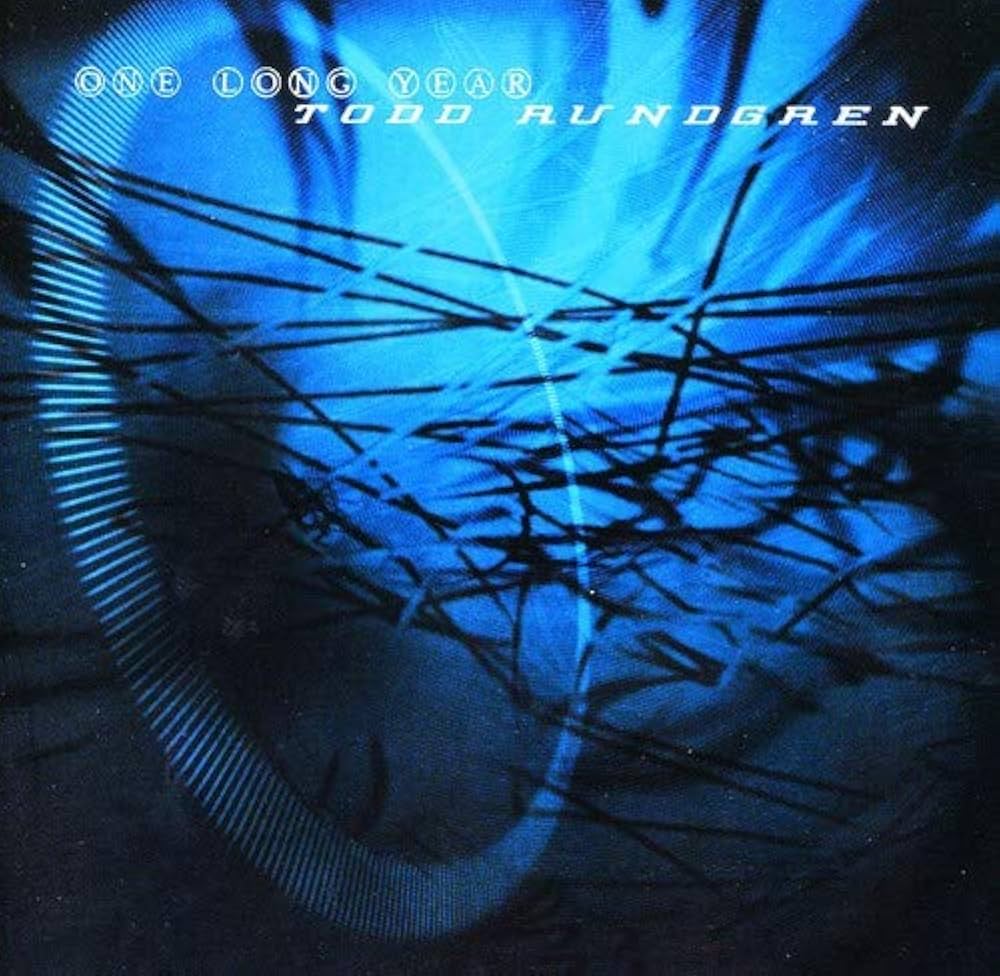
“I Hate My Frickin’ I.S.P.,” Todd Rundgren, 2000

You’ve gotta love Rundgren, one of the most inventive, quirkiest artists in the rock music pantheon. While he had his share of commercial successes, especially early in his career, he has championed a fierce individuality and experimental nature in the studio that didn’t always sell well. He was in the vanguard of digital recording and interactive art, and on his 2000 album “One Long Year,” he opened with the whimsical “I Hate My Frickin’ I.S.P.” to express his early frustration with the Internet: “And I hate my frickin’ I.S.P., /He ain’t got no bandwidth left for me, /And I’ll never get back, never get back the time that I waste, /That’s what I hate…”

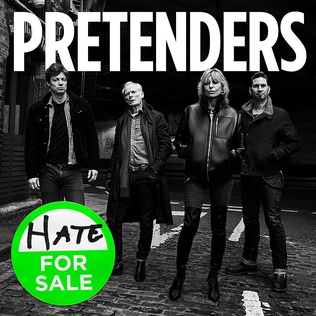
“Hate For Sale,” The Pretenders, 2020

Chrissie Hynde has always been widely praised as a rock ‘n roll badass, writing chip-on-her-shoulder music that alternated between hard-edged and sweetly melodic. She and The Pretenders haven’t exactly been prolific, releasing only 12 albums in 40 years, but they have toured relentlessly, and their 2020 LP “Hate For Sale” finds Hynde as relevant and talented as ever. Consider the lyrics of the title track, which seem to describe a certain political candidate: “Call it luck or inherited title, a guy like that is arrogant, idle, /He won’t get hung or go to jail, he’s got a curly tongue and a curly tail, /But mostly, he has hate for sale…”

******************************

Honorable mentions:

“When Love and Hate Collide,” Def Leppard, 1995; “You Love Me to Hate You,” KISS, 1989; “I Hate Boys,” Christine Aguilera, 2010; “High Price of Hate,” Toto, 1999; “Wasting My Hate,” Metallica, 1996; “Cool to Hate,” The Offspring, 1997; “I Hate My Generation,” Cracker, 1996; “I Hate Rock ‘n Roll,” Jesus and Mary Chain, 1995; “I Hate Everything About You,” Three Days Grace, 2003.