I’m not giving in an inch to fear

Fear — the emotional belief that something or someone is dangerous or threatening — can be crippling. It can be healthy when it warns us to keep our distance from people or situations that are likely harmful, but it can also be irrational, especially when manipulated by someone with a hidden agenda.

“The Scream” (1893) by Norwegian painter Edvard Munch

Most people suffer from at least one of a wide variety of fears — enclosed spaces, crowds, darkness, heights, the unknown, financial insecurity, abandonment, public ridicule, things that go bump in the night, DYING — all of which are ripe material for authors, screenwriters and songwriters. Horror movies and murder mysteries capitalize on common fears, and rock music has many dozens of examples of song lyrics that explore the things that scare us.

Just in time for Halloween week, I have gathered 15 songs, mostly from the ’60s, ’70s and ’80s, with lyrical themes that address our deep-seated fears. Some of these tunes should be familiar; most will be new to you. There’s a Spotify playlist at the end so you can check them out as you read about them.

***************************
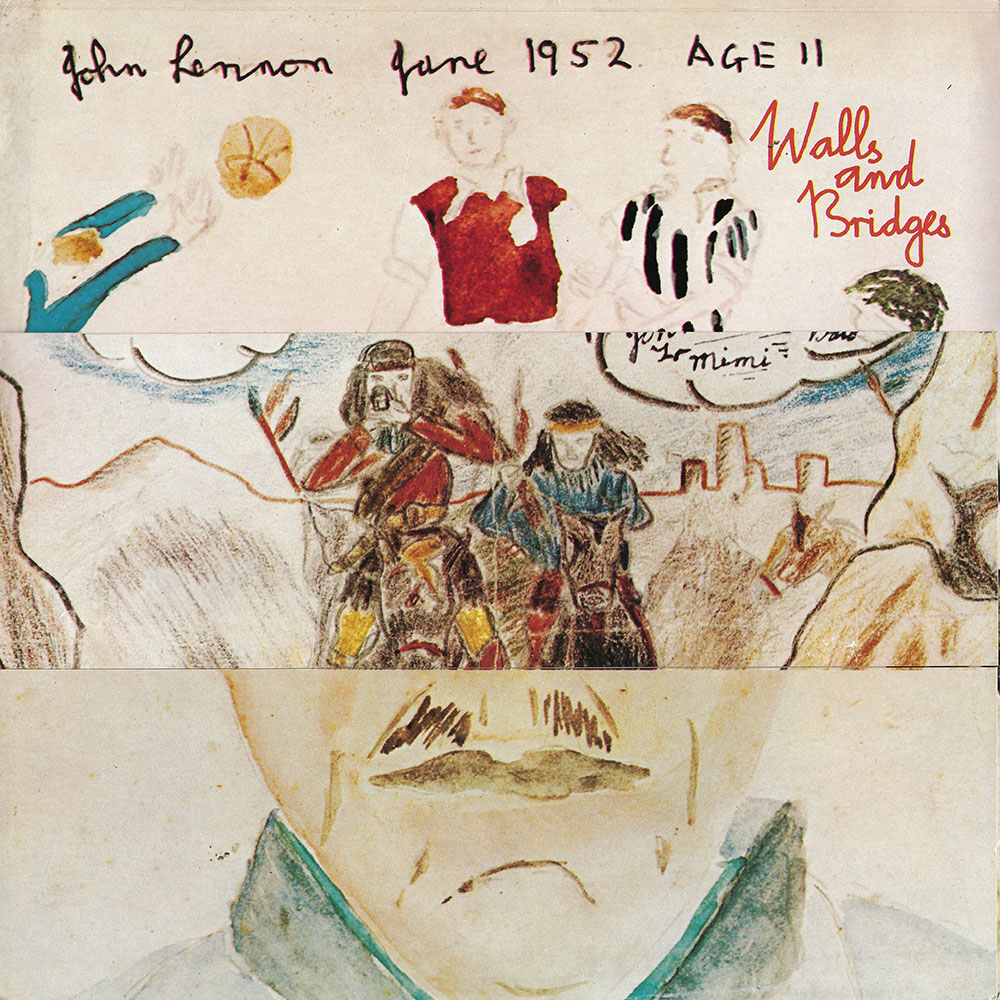
“Scared,” John Lennon, 1974

From mid-1973 to late-1974, Lennon went through a conflicted period he later called his “lost weekend,” when he was living in Los Angeles separated from Yoko Ono. “I loved the freedom, but ultimately, it wasn’t good for me, and I drank too much,” he recalled. “I missed her, and it showed up in the songs on ‘Walls and Bridges.'” One of the more intriguing tracks on the album is the haunting “Scared,” which explores Lennon’s fears of aging, loneliness and the emptiness of success: “I’m scared, I’m scared, I’m scared, /As the years roll away, and the price that I paid, and the straws slip away…, /Every day of my life, I just manage to survive, /I just wanna stay alive…, /Hatred and jealousy, gonna be the death of me, I guess I knew it right from the start…”

“Fear,” Sade, 1985

Nigerian-born British chanteuse Sade Adu burst on the musical scene in 1984 with her “Diamond Life” LP and big single “Smooth Operator.” Joining forces with guitarist/saxophonist Stuart Matthewman, Sade wrote most of the tracks on her hugely successful follow-up, “Promise,” which reached #1 on the U.S. album chart and included “The Sweetest Taboo,” “Is It a Crime?” and “Never As Good as the First Time.” Also found on this LP is a darkly lovely piece called “Fear” that addresses the anxiety the wife of a matador feels whenever he heads out to his death-defying pursuit at a bullfight. “Blue is the color of the red sky, /Will he, will he come home tonight?, /Blue is the color that she feels inside, Matador, I can’t hide my fear anymore…”

“Girl Afraid,” The Smiths, 1984

Hugely influential in British rock of the ’90s and beyond, The Smiths produced some of the most memorable post-punk rock and pop of the ’80s, led by singer Morrissey and guitarist Johnny Marr. One critic called their songs “intoxicatingly melancholic, dangerously thoughtful, and seductively funny.” Their first Top Ten hit in the U.K., “Heaven Knows I’m Miserable Now,” included “Girl Afraid” as its B-side, and both songs appeared on the compilation LP “Hatful of Hollow” in 1984: “Girl afraid, /Where do his intentions lay? Or does he even have any? /She says, ‘He never really looks at me, I give him every opportunity’… /Boy afraid, /Prudence never pays, and everything she wants costs money, /But she doesn’t even like me, and I know because she said so…”

“Baby I’m Scared of You,” Womack and Womack, 1983

Cecil Womack, younger brother of his more famous brother Bobby, had sung in gospel groups and behind soul greats Sam Cooke and James Brown in the early ’60s. While working as a songwriter, he met Cooke’s daughter Linda, also a songwriter, and the two married in 1978, debuting as a recording group known as Womack and Womack in 1983. Their debut LP “Love Wars” spawned three R&B hits, one of which, “Baby, I’m Scared of You,” was a catchy, call-and-response duet about a girl who’s wary of a boy’s truthfulness: “Come, if you got real love for me, /Stay away, if got games and tricks for me, /I want a man that means everything he say, /Not a boy full of play, pulling rabbits out of his hat every day, /Oh, baby, I’m scared of you…”
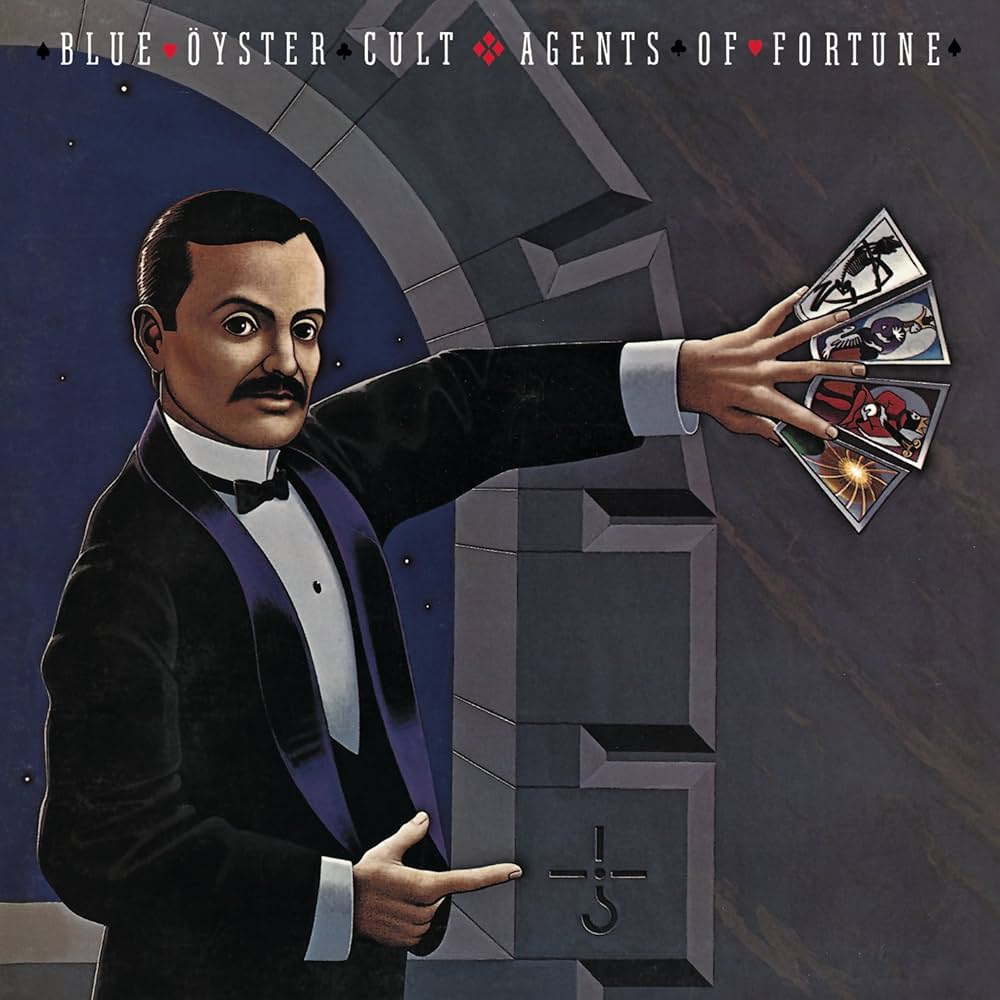
“Don’t Fear the Reaper,” Blue Oyster Cult, 1976

BOC’s lead guitarist and singer Donald “Buck Dharma” Roeser was frustrated when “(Don’t Fear) the Reaper” was interpreted as encouraging suicide, or even murder-suicide (the “Romeo and Juliet” reference). “My intent was ‘Don’t be afraid of death. It’s inevitable.’ It’s basically a love song where the love transcends the actual physical existence of the partners.” It became a hugely popular slab of melodic hard rock in the middle of the disco era, reaching #12 in 1976: “Came the last night of sadness, and it was clear she couldn’t go on, /Then the door was open and the wind appeared, the candles blew and then disappeared, /The curtains flew and then he appeared, saying ‘Don’t be afraid,’ /Come on baby, and she had no fear…”

“Stage Fright,” The Band, 1970

The Band’s first two LPs had been rapturously received and the third one, 1970’s “Stage Fright,” continued their musical journey but with songs that took a darker turn. As the name implies, the title track is about “the terror of performing,” according to drummer/singer Levon Helm, and was written by Robbie Robertson’s anxiety about The Band’s first live show under that name in 1969: “See the man with the stage fright, just standin’ up there to give it all his might, /He got caught in the spotlight, but when we get to the end, he wants to start all over again, /Now if he says that he’s afraid, take him at his word…” In a more general sense, the lyrics also allude to the pitfalls of fortune and fame, which profoundly affected The Band in terms of interpersonal relationships and substance abuse.
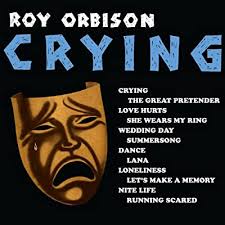
“Running Scared,” Roy Orbison, 1962

Known primarily for his distinctive, powerful voice, Orbison wrote and recorded some of rock’s most operatic, darkly emotional ballads, many of which reached the Top Ten on US pop charts in the 1960-1964 period. While other rockers of that era projected macho images, Orbison embraced a more vulnerable persona, wearing his heart on his sleeve on hits like “Only the Lonely,” “Crying,” and “Dream Baby (How Long Must I Dream).” One of his biggest singles came in 1962 with “Running Scared,” a bolero-style song that reveals the narrator’s insecurity of losing his woman to another man: “Just runnin’ scared each place we go, so afraid that he might show, /Yeah, runnin’ scared, what would I do if he came back and wanted you?…”
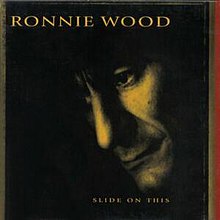
“Fear For Your Future,” Ronnie Wood, 1992

First with the Jeff Beck Group, then with Faces and eventually with The Rolling Stones, Wood has amassed an enviable legacy as an accomplished guitarist on some of rock music’s best classic albums (“Truth,” “Ooh La La,” “Some Girls”). He has managed to release six solo albums as well, although only 1979’s “Gimme Some Neck” made much impact. On his 1992 LP “Slide On This,” his funk tune “Fear For Your Future” warns his ex-lover that her dishonesty will be her eventual downfall: “It’s too late to cry, move your sorry butt aside, /I don’t care what you say ’cause your truths are nothing but lies, /I see the time coming soon to cross you off my list, /I’ll drink to the good time we had and send you off with a kiss, /I fear for your future, I fear for your life…”
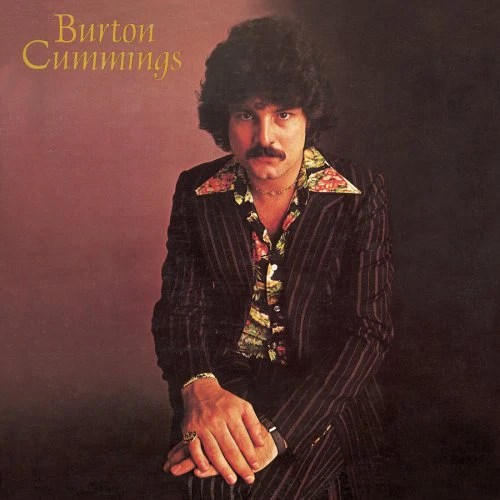
“I’m Scared,” Burton Cummings, 1976

Cummings helped lead the Canadian band The Guess Who to multiple Top 40 success (“These Eyes,” “No Time,” “American Woman,” “Share the Land”) in the 1969-1974 period in their native country as well as in the U.S. In 1975, when a couple of his songs were rejected by the band, Cummings chose to go solo, having an immediate hit with “Stand Tall.” Although the follow-up single “I’m Scared” stalled at #61 in the U.S., it became a concert favorite, with lyrics about a fearful man crying out for divine intervention: “I’m scared, Lordy Lord, I’m shaking, I’m petrified, /Never been much on religion, but I sure enough just fell down on my knees, /Come on now, give me a sign you’re listening to me, /You hear me talking, you hear me crying, /It’s confusing to me, Lord, I’m terrified…”

“Afraid of Love,” Toto, 1983

The talented musicians who comprised the lineup of Toto had been active as studio session guys for years before forming their own band in 1978, making a splash with their first single, “Hold the Line.” Four years later, their “Toto IV” LP won the Album of the Year Grammy, thanks in part to the megahits “Rosanna” and “Africa.” Guitarist Steve Lukather, keyboardist David Paich and drummer Jeff Porcaro combined forces to write “Afraid of Love,” a solid deep track that focuses on the fear of falling in love with the wrong person: “I like the way you move and just the way you are, /I can’t take anymore, ’cause girl, you’re pushing too hard, /I gotta get away from you, girl, ’cause I’ve never been afraid of love ’til I met you, /Never thought a girl could make me feel the way you do…”
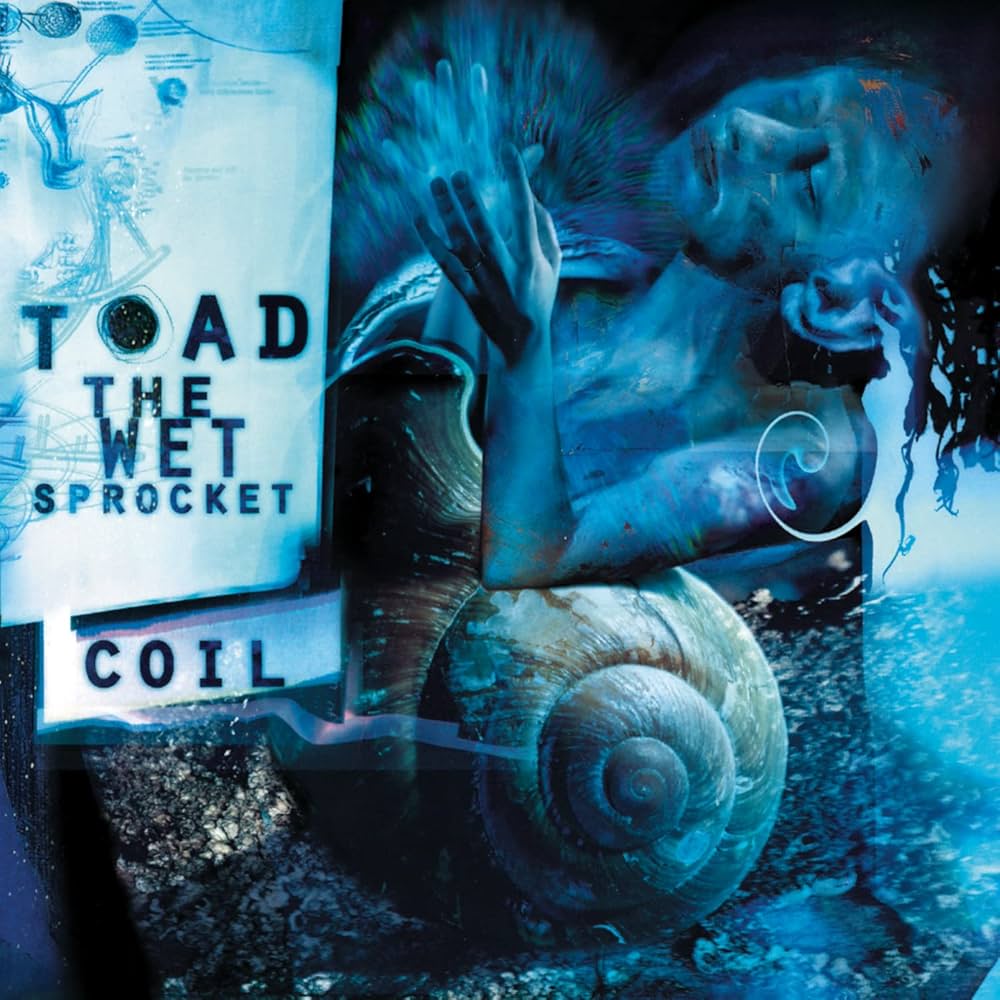
“Whatever I Fear,” Toad the Wet Sprocket, 1997

Ever since I was first exposed to Toad the Wet Sprocket in the mid-1990s, I’ve been a fan. “Walk On the Ocean,” “Something’s Always Wrong,” “All I Want,” “Nanci” and others showed the fine melodic sensibilities of chief singer-songwriter Glen Phillips, and I’ve seen the band in concert twice in the past few years. Their overlooked 1997 album “Coil” needs to be rediscovered, especially the irresistible lead track, “Whatever I Fear,” which focuses on the irrationality of fearing new things we’re exposed to in our daily lives: “Whatever I fear the most is whatever I see before me, /Whenever I let my guard down, whatever I was ignoring, /Whatever I fear the most is whatever I see before me, /Whatever I have been given, whatever I have been…”

“Fearless,” Pink Floyd, 1971

Pink Floyd’s superstardom in the U.S. and around the world didn’t take hold until 1973’s seismic “Dark Side of the Moon” LP, but the first signs of the soundscapes that marked the band’s ’70s/’80s albums first surfaced on 1971’s “Meddle,” with tracks like “Echoes” and “One Of These Days.” Another memorable tune was “Fearless,” a hypnotic, acoustically driven piece which also made use of a soccer crowd chanting its team anthem “You’ll Never Walk Alone” (from Rodgers & Hammerstein’s “Carousel”). Its lyrics encourage us not to lose hope in the face of life’s challenges and adversities: “As you rise above the fear-lines in his brow, /You look down, hearing the sound of the faces in the crowd, /Walk on, walk on, with hope in your heart, and you’ll never walk alone…”

“Don’t Be Afraid of the Dark,” Robert Cray Band, 1988

Cutting his musical teeth on blues guitar greats like Albert Collins, Freddie King and Muddy Waters, Cray emerged in the 1980s as a key member of the next generation of blues musicians who earned mainstream appeal. His 1986 LP “Strong Persuader,” and its single “Smoking Gun,” brought him considerable recognition. On the title track from his follow-up album “Don’t Be Afraid of the Dark,” Cray tries to reassure his woman that he will remain a source of calm and comfort even if they’re cuddling in as dark bedroom: “You might tremble, you might shake, /Scream out loud, you may even pray, /I know which moves suit you right, /You’ll beg for more, you’ll forget about the night, /Don’t be afraid of the dark, baby, no no, /I’ll be there to hold you, don’t be afraid of the dark…”
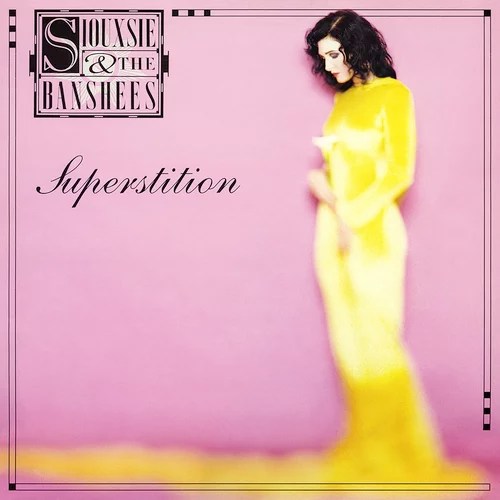
“Fear (of the Unknown),” Siouxsie and The Banshees, 1991

British singer Susan Ballion, known by her stage name Siouxsie Sioux, emerged during the post-punk scene in 1978 and, with her band The Banshees, became “one of most audacious and uncompromising acts of that period,” as one critic put it. They scored nine consecutive Top 20 albums in the U.K., but didn’t make much of an impact in the U.S. until 1991’s “Superstition” LP. “Kiss Them For Me” reached #23 on pop charts here, and “Fear (of the Unknown),” which explores the anxiety known as xenophobia, received heavy airplay in dance clubs that year: “Imagine two complete strangers who suspect they were meant to be, /Both in need of love and affection, /Yet their suspicions prevent something heavenly, /Fear takes control, fear of the unknown…”

“I’m So Afraid,” Fleetwood Mac, 1975

When Lindsey Buckingham and Stevie Nicks joined Fleetwood Mac in early 1975, they each had three or four songs ready to go because they’d been anticipating making a second album as a duo following their 1973 “Buckingham Nicks” LP, but their contract wasn’t renewed. Buckingham had suffered a bout of mononucleosis that frightened him, and it surfaced in the lyrics to “I’m So bAfraid,” which one critic described as “a paranoid blues blowout.” It’s one of the hardest rocking songs in the group’s post-1974 catalog, with Buckingham performing a blistering guitar solo on record and on almost every tour since: “I’m so afraid the way I feel, /Days when the rain and the sun are gone, /Black as night, agony’s torn at my heart too long, /So afraid, slip and I fall and I die…”

**************************

Honorable mention:

Afraid,” David Bowie, 2002; “Fear of the Dark,” Iron Maiden, 1992; “Scared,” Tragically Hip, 1994; “Don’t Be Afraid,” Boston, 1978; “Frightened,” Toby Lightman, 2004; “The Fear of Being Alone,” Reba McEntire, 1996; “Afraid,” Mötley Crüe, 1997; “Fear of Sleep,” The Strokes, 2006.

***************************

How well do you know these female artists’ lyrics?

In the early years of rock and roll, female singers, musicians and songwriters were the exception. Men dominated the picture, just like in most professions at the time.

By the Seventies, it was a new dawn, and women made big inroads into the charts as singers and songwriters, and as musicians as well. By the Eighties, they weren’t just acoustic, they were electric, fronting full rock bands. That progress has continued into the ’90s and beyond.

In honor of talented women everywhere, this edition of “Hack’s Back Pages Lyrics Quiz” centers around lyrics from songs written and/or performed by female artists of the ’60s, ’70s and ’80s. Many of the 20 songs selected make reference to the ongoing battle for women’s rights.

Can you identify the song and/or the artist? Jot down your answers, and then scroll down to see the answers and find out if your memory bank still serves you. Feel free to let me know how well you did in the comment section, or via email (bhhack55@gmail.com).

There’s a Spotify playlist of the 20 songs at the end. Enjoy!

***********************

1 “When my soul was in the lost and found, /You came along to claim it…”

2 “Lovers forever, face to face, /My city, your mountains, stay with me, stay…”

3 “We love our lovin’, but not like we love our freedom…”

4 “I’ve packed my bags, I’ve cleaned the floor, /Watch me walkin’, walkin’ out the door…”

5 “Something inside has died and I can’t hide, and I just can’t fake it, oh no no…”

6 “Well you’re the real tough cookie with the long history of breaking little hearts like the one in me…”

7 “But every night, all the men would come around, /And lay their money down…”

8 “My pretty countryside had been paved down the middle by a government that had no pride…”

9 “Prove that you love me and buy the next round, /Oh Lord, won’t you buy me a night on the town?…”

10 “But I rehearsed those words just late last night /When I was thinking about how right tonight might be…”

11 “Coast to coast, L.A. to Chicago, western male, /Across the north, and south to Key Largo, love for sale…”

12 “And don’t tell me what to do, /Don’t tell me what to say, /And please, when I go out with you, don’t put me on display…”

13 “I never did believe in miracles, /But I’ve a feeling it’s time to try…”

14 “Go on now, go, walk out the door, /Just turn around now ’cause you’re not welcome anymore…”

15 “When the truth is found to be lies, /And all the joy within you dies…”

16 “They just use your mind and they never give you credit, /It’s enough to drive you crazy if you let it…”

17 “A friend who taught me right from wrong, and weak from strong, /That’s a lot to learn…”

18 “Go on, get out, get out of my life, and let me sleep at night…”

19 “And you won’t need no camel, no no, when I take you for a ride..”

20 “You keep playing where you shouldn’t be playing, /And you keep thinking that you’ll never get burned, hah!…”

*

*

*

*

*

*

*

*

*

*

*

*

*

*

*

Answers:

1 “When my soul was in the lost and found, /You came along to claim it…”

“(You Make Me Feel Like) A Natural Woman,” Aretha Franklin, 1967

Songwriter extraordinaire Carole King wrote this women’s anthem, eventually recording her own version, but it was the late great Aretha, the Queen of Soul, who made the song a hit, reaching #8, her fourth of five Top Ten hits in 1967. She had been stuck doing torch songs and show tunes on Columbia, but once she switched to Atlantic, the R&B hits came fast and furiously. Franklin died at 76 in 2018.

2 “Lovers forever, face to face, /My city, your mountains, stay with me, stay…”

“Leather and Lace,” Stevie Nicks, 1981

After six years with Fleetwood Mac, helping to transform the former British blues band into a pop music sensation, Nicks took the solo plunge in 1981 with her “Bella Donna” album. It sold many millions, thanks to “Edge of Seventeen,” “Stop Draggin’ My Heart Around” and this charming duet with Don Henley that reached #6 on the charts. The twosome had an affair, but they weren’t “lovers forever, face to face.” She has vacillated for years between her solo career and stints with Fleetwood Mac.

3 “We love our lovin’, but not like we love our freedom…”

“Help Me,” Joni Mitchell, 1974

Generally regarded as the finest female songwriter of her generation, and one of the finest songwriters, period, Mitchell has always been more interested in her artistry than fame and fortune. Consequently, many of her albums and singles charted modestly or poorly despite their high quality. This breezy single from the brilliant “Court and Spark” LP was her only U.S. Top Ten hit, although “Free Man in Paris,” “You Turn Me On, I’m a Radio” and the live version of “Big Yellow Taxi” all made the Top 40.

4 “I’ve packed my bags, I’ve cleaned the floor, /Watch me walkin’, walkin’ out the door…”

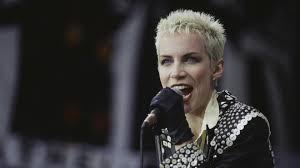
“Would I Lie to You?”, Eurythmics (Annie Lennox), 1985

Lennox and partner Dave Stewart formed the Eurythmics as a techno-pop duo but eventually evolved in a more rock/R&B direction. This hard-driving rock tune was a Top Five single for them in the U.S., one of three in 1985 from the album “Be Yourself Tonight.” Lennox sings about catching her man cheating and leaving him for good, which ties in nicely with her duet with Aretha Franklin, “Sisters Are Doin’ It For Themselves.”

5 “Something inside has died and I can’t hide, and I just can’t fake it, oh no no…”

“It’s Too Late,” Carole King, 1971

After a brilliant career in the Sixties as a songwriting duo with her husband Gerry Goffin in New York, King divorced and moved to L.A. in 1970, where she teamed up with Toni Stern to write most of her iconic “Tapestry” album. “I Feel the Earth Move” and “So Far Away” were also hits, and her own version of “You’ve Got a Friend” got airplay, but this song about an amicable breakup topped the charts for five weeks in June-July 1971.

6 “Well you’re the real tough cookie with the long history of breaking little hearts like the one in me…”

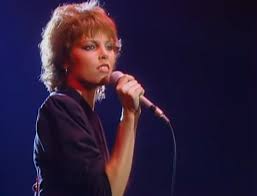
“Hit Me With Your Best Shot,” Pat Benatar, 1981

Benatar wasn’t the first woman to front her own rock band, but she was one of the best early successes. She came out of Brooklyn to take the country by storm in 1980 with her second LP, “Crimes of Passion,” which included the Top Ten hit “Hit Me With Your Best Shot.” According to the songwriter, Eddie Schwartz, the song title is meant to be metaphorical rather than literal.

7 “But every night, all the men would come around, /And lay their money down…”

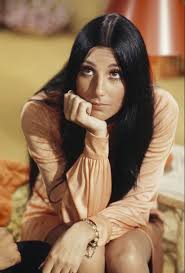
“Gypsys, Tramps and Thieves,” Cher, 1971

A Sixties icon as part of Sonny and Cher, she weathered a fallow period before working with producer Snuffy Garrett to record her first solo #1 single “Gypsys, Tramps and Thieves,” with lyrics that covered adult topics like racism, teenage pregnancy and prostitution. Cher has gone on to become the only artist, male or female, to chart a #1 single in six consecutive decades. She’s being inducted into the Rock and Roll Hall of Fame this week.

8 “My pretty countryside had been paved down the middle by a government that had no pride…”

“My City Was Gone,” The Pretenders (Chrissie Hynde), 1984

A product of Akron, Ohio, Hynde moved to London in the mid-’70s and embraced both punk and New Wave genres. She formed The Pretenders there and began a career as one of the most badass female rockers of all time, writing hard rock and melodic tunes alike. On their third LP, “Learning to Crawl,” The Pretenders featured “My City Was Gone,” an autobiographical song she wrote upon her return visit to Akron after many years away.

9 “Prove that you love me and buy the next round, /Oh Lord, won’t you buy me a night on the town?…”

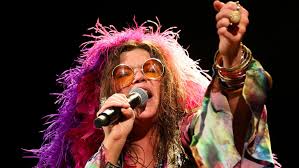
“Mercedes Benz,” Janis Joplin, 1971

Janis came to the forefront at the Monterey Pop Festival in 1967 when she was singing with Big Brother and the Holding Company. By 1970, she was touring with The Full-Tilt Boogie Band, and recording her third album, “Pearl,” which included Kris Kristofferson’s “Me and Bobby McGee,” her only #1 hit. From that LP you’ll find the a cappella throwaway, “Mercedes Benz,” a spoof on consumerism, which would be the last track she ever recorded.

10 “But I rehearsed those words just late last night /When I was thinking about how right tonight might be…”

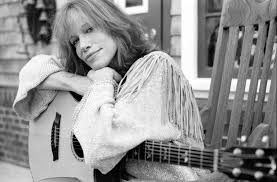
“Anticipation,” Carly Simon, 1971

For the longest time, I couldn’t hear this song without thinking of the Heinz ketchup TV commercials that used it. It was Carly’s second big hit, with lyrics she wrote about the excitement she felt as she waited for her date to arrive (who happened to be Cat Stevens that night!). The song reached #13 and was the second of ten Top 20 hits she charted throughout the 1970s, most of which she wrote or co-wrote.

11 “Coast to coast, L.A. to Chicago, western male, /Across the north, and south to Key Largo, love for sale…”

“Smooth Operator,” Sade, 1984

Born in Nigeria and raised in England, Sade seemed to come out of nowhere in 1984-85 with her single, “Smooth Operator,” from the album “Diamond Life.” She wrote the lyrics about a fashionable ladies’ man who is actually a devious, jet-setting criminal. Every studio album she has ever released reached the Top Ten in the U.S. and also did well throughout Europe, the UK, Canada and Australia.

12 “And don’t tell me what to do, /Don’t tell me what to say, /And please, when I go out with you, don’t put me on display…”

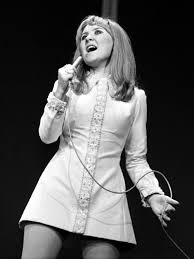
“You Don’t Own Me,” Lesley Gore, 1964

This early feminist anthem spent three weeks lodged at #2 on the U.S. charts in early 1964, kept from the top spot by The Beatles’ U.S. debut single, “I Want to Hold Your Hand.” Gore had been only 16 when “It’s My Party” had been a chart-topper, and by the time she was 19, she chose to give her career a rest and attend college, a bold move in the finicky world of pop music. Gore died in 2015 at age 68.

13 “I never did believe in miracles, /But I’ve a feeling it’s time to try…”

“You Make Loving Fun,” Fleetwood Mac (Christine McVie), 1977

When Fleetwood Mac was making the multi-platinum “Rumours” LP, Stevie Nicks and Lindsey Buckingham were breaking up, as were Mick Fleetwood and his wife Jenny. John and Christine McVie had just recently divorced, and Christine was already writing songs like “You Make Loving Fun” about her new boyfriend, the band’s lighting director. McVie’s songs have often been the band’s biggest singles, including “You Make Loving Fun” at #9. McVie died at age 79 in 2022.

14 “Go on now, go, walk out the door, /Just turn around now ’cause you’re not welcome anymore…”

“I Will Survive,” Gloria Gaynor, 1979

Although it was written by two men, “I Will Survive” came to represent the women’s movement during its battles for equality in the late ’70s and ’80s. It was actually released as the B-side of Gaynor’s single, but disc jockeys discovered it and played it relentlessly, turning it into a #1 song. Unfortunately, Gaynor’s success was short-lived, as the disco era was ending, but you can still hear the song in karaoke bars every night.

15 “When the truth is found to be lies, /And all the joy within you dies…”

“Somebody to Love,” Jefferson Airplane (Grace Slick), 1967

The San Francisco Sound, as it came to be known, included, most famously, Jefferson Airplane and Grateful Dead. The Airplane had multiple vocalists but founder Marty Balin and especially Grace Slick were at the forefront. On songs like the #5 hit single “Somebody to Love,” written by Slick’s brother-in-law Darby, her powerful voice rings out above a solid rock tune about our universal need for love.

16 “They just use your mind and they never give you credit, /It’s enough to drive you crazy if you let it…”

“9 to 5,” Dolly Parton, 1980

Parton had worked long and hard making a career for herself as a country singer, including one successful foray into the pop charts, “Here You Come Again” in 1977. In 1980, she was tapped to co-star in the working women comedy film “9 to 5,” and she wrote and sang the title song as well, which became a huge #1 hit on pop charts. Parton has established herself as a trailblazer for education and women’s rights in the years since.

17 “A friend who taught me right from wrong, and weak from strong, /That’s a lot to learn…”

“To Sir With Love,” Lulu, 1967

Marie McDonald McLaughlin Lawrie, better known as Lulu, enjoyed a successful career as a singer and an actress in her native Great Britain, but in the U.S., her fame is mostly limited to her work on the Sidney Poitier film “To Sir With Love.” In addition to playing a part as a high school student, she sang the title tune, which rocketed to #1 and was the best-selling song of the year in the U.S. in 1967.

18 “Go on, get out, get out of my life, and let me sleep at night…”

“You Keep Me Hangin’ On,” The Supremes (Diana Ross), 1966

This Motown track by the Holland-Dozier-Holland songwriting/producing team is one of the best of The Supremes’ catalog, and rivals “Respect” as a song about women needing to rid themselves of the problematic men in their lives. As always, Diana Ross sang lead vocals, and within a year, she would have lead billing as well, which translated into a huge solo career a few years after that.

19 “And you won’t need no camel, no no, when I take you for a ride..”

“Midnight at the Oasis,” Maria Muldaur, 1974

In the Greenwich Village folk scene in the early ’60s, Maria D’Amato was a regular, and sang with a jug band that included her eventual husband Geoff Muldaur. By 1972, she was on her own and recorded her first solo LP, which included “Midnight at the Oasis,” the track many fans have told her was responsible for their pregnancies because of the slyly suggestive lyrics about a love affair in the desert.

20 “You keep playing where you shouldn’t be playing, /And you keep thinking that you’ll never get burned, hah!…”

“These Boots Are Made For Walking,” Nancy Sinatra, 1966

Frank’s daughter surely had connections to score a record deal, but her biggest hit came from her friendship with country/pop singer Lee Hazlewood. He wanted to record his song himself, but Nancy convinced him it would be less harsh coming from a woman. “Boots” became her signature song, and took on a new life as a song about women fighting back against male oppression.

*************************