Goodbye, so long, baby I’m gone
As 2024 draws to a close, it’s time to reflect on the careers of those high-profile and less prominent musicians who passed away during the past 12 months.
There were eight major pop/rock luminaries who I felt deserved detailed obituaries in Hack’s Back Pages at the time of their deaths — stars like Kris Kristofferson, Dickey Betts, Eric Carmen and Quincy Jones. In addition, though, I’ve singled out 16 other musicians who died whose careers are probably familiar to most readers. Now is the appropriate time to pay our respects to the contributions they made to popular music throughout their lives. I’ve listed them in the chronological order of their deaths.
At the end you’ll find a Spotify playlist with one representative track from each artist’s career.
*************************

Melanie Safka, who was catapulted to fame by her impromptu performance in the rain on the first night of the Woodstock festival in 1969, died January 24th at age 76. She had been playing clubs in Greenwich Village in the ’60s and found an adoring audience in Europe, which won her a slot at Woodstock. That gig inspired her hit “Lay Down (Candles in the Rain)” with the Edwin Hawkins Singers, which reached #6 in 1970. Her career peak was the #1 hit “Brand New Key” in 1972. She continued recording and performing (mostly in Europe) well into the 2010s.

Toby Keith, one of country music’s most successful stars of the past 30 years, died February 5th of stomach cancer at age 62. Keith racked up an astonishing 20 #1 hits on country charts between 1993’s “Should’ve Been a Cowboy” and the 2011 pro-USA hit “Made in America.” He also had nine Top 30 singles on the US pop charts, mostly in 2001-2003, topped by the #15 hit “Red Solo Cup” in 2011. Keith developed a reputation as a conservative Democrat, speaking out politically on issues of the day, particularly in support of troops: “If there is something socially incorrect about being patriotic and supporting your troops, then they can kiss my ass on that,” he said in 2003.

Karl Wallinger, the multi-instrumentalist /songwriter behind the ’90s act known as World Party, died March 10th at age 66. He had been in the Scottish band The Waterboys in the mid-1980s before striking out on his own with Beatlesque pop songs under the World Party banner. He produced, sang, wrote and played every instrument on four albums between 1986 and 1997, notably the excellent “Goodbye Jumbo” in 1990. Four singles found their way onto US alt-rock charts — “Ship of Fools” (1987), “Put the Message in the Box” and “Way Down Now” (1990) and “Is It Like Today?” (1993) Tempestuous relationships with record labels and former colleagues soured Wallinger on the music business, causing him to largely withdraw from public appearances after 2000.
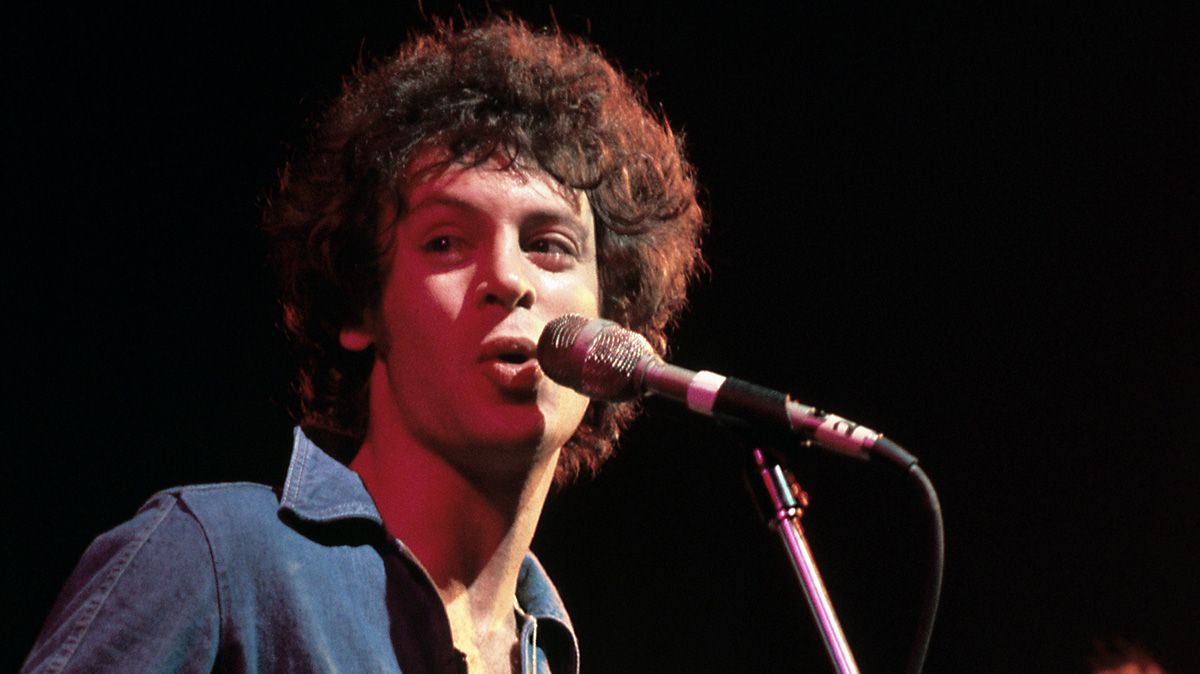
Eric Carmen, lead singer and songwriter of the Cleveland-based power pop band The Raspberries, died on March 10th at age 74. Carmen wrote “Go All the Way,” “I Wanna Be With You” and “Overnight Sensation (Hit Record), all of which reached the Top 20 on US pop charts for The Raspberries in the early ’70s. Carmen embarked on a solo career in 1975 with the massive hit “All By Myself” and had five more Top 20 hits on his own well into the 1980s. For more about Carmen, please see my earlier tribute: https://hackbackpages.com/2024/03/15/makin-love-was-just-for-fun-those-days-are-gone/

Dickey Betts, who partnered with Duane Allman to create the unforgettable two-lead-guitar sound of The Allman Brothers Band, died April 18th at age 80. Following Allman’s premature death in 1971, Betts became the group’s de facto leader, contributing country-tinged vocals and classic songs like “Ramblin’ Man,” “Blue Sky” and “Revival.” For more about Betts, please see my earlier tribute: https://hackbackpages.com/2024/04/26/when-its-time-for-leaving-i-hope-youll-understand/
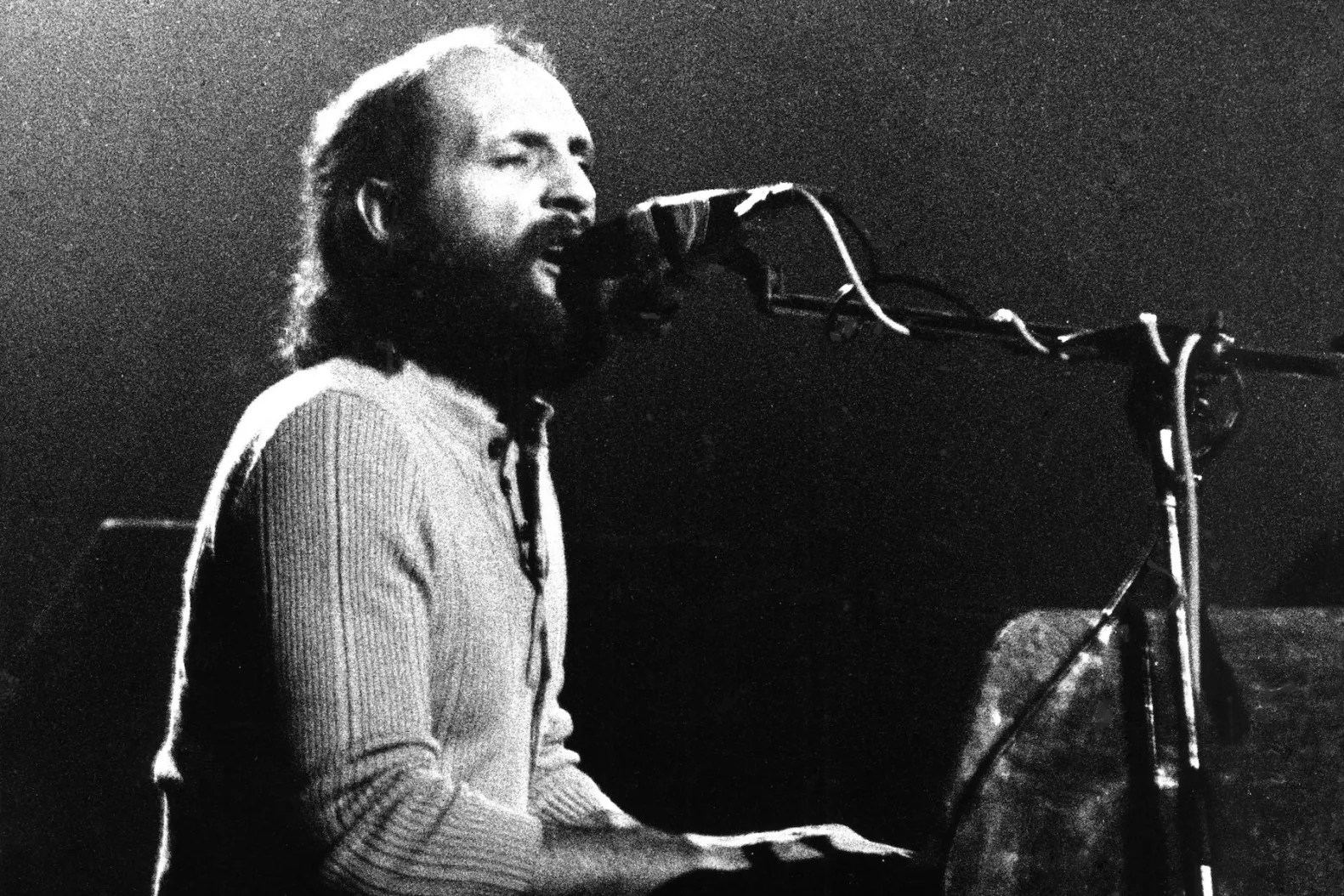
Mike Pinder, keyboardist and founding member of The Moody Blues, died April 24th at age 82. More than anyone else in the band, it was Pinder’s mastery of the Mellotron, the unwieldy electro-mechanical instrument still in its infancy, that created The Moody Blues’ symphonic sound on their seven core albums between 1967 and 1972. Pinder wrote and sang one or two tracks on each of those LPs, the best known being “Melancholy Man” from “A Question of Balance.” He also narrated the poems that drummer Graeme Edge contributed to the group’s albums.

Duane Eddy, one of the unsung pioneers of the electric guitar sound in rock and roll’s early years, died April 30th at age 86. Eddy had dreams of being one of rock’s first singing guitarists, but he concluded that his voice wasn’t good enough, so he devised a technique of playing lead guitar melody lines on the bass strings to produce a low twangy sound instead. It caught on, resulting in seven Top 20 instrumental hits on US pop charts between 1958 and 1962, notably “Rebel Rouser” and “Because They’re Young.” His style was mimicked by countless artists in the ’60s and ’70s.

Johnny Barbata, who served as drummer on classic records by The Turtles, Crosby, Stills, Nash and Young and Jefferson Starship, died on May 8th at age 79. He replaced The Turtles’ original drummer in time to be on board for their late ’60s string of big hits, notably “Happy Together.” He was then tapped to be part of CSN&Y’s touring band in 1970, performances of which were captured on their 1971 live album “Four-Way Street.” Barbata became the drummer for Jefferson Airplane’s more commercial incarnation, Jefferson Starship, recording and touring with them from 1974 through 1978.

David Sanborn, saxophonist extraordinaire, died on May 12th at age 78. Although he was raised on jazz music, and his solo albums were firmly planted in the light jazz and jazz fusion genres, he is perhaps best known for the outstanding sax solos and riffs he provided for dozens of pop/rock artists from the ’70s onward, including David Bowie (“Young Americans”), James Taylor (“How Sweet It Is to Be Loved by You”) and Pure Prairie League (“Let Me Love You Tonight”). For more about Sanborn, please see my earlier tribute: https://hackbackpages.com/2024/05/17/learn-to-work-the-saxophone-i-play-just-what-i-feel/
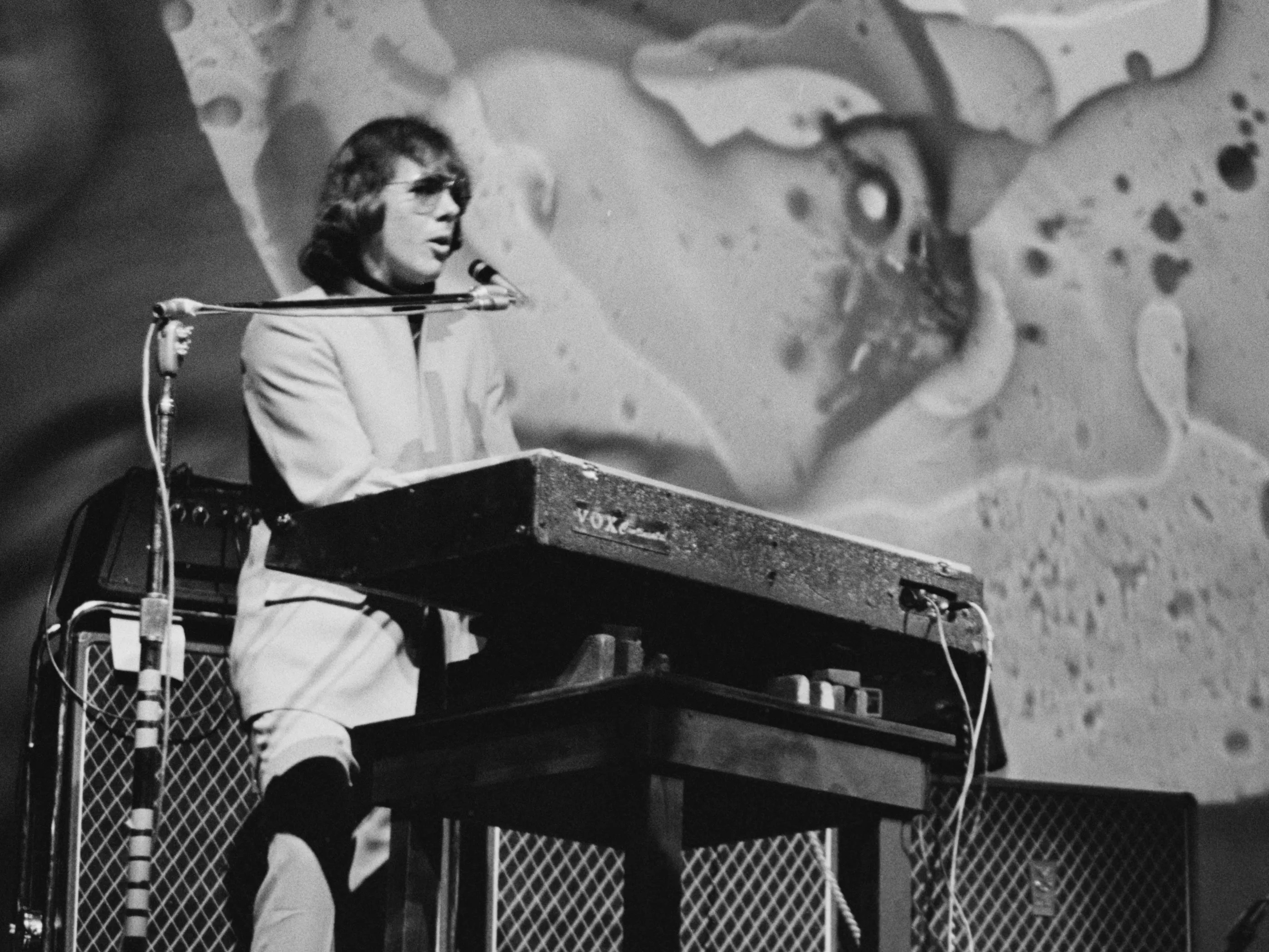
Doug Ingle, singer and organist for the psychedelic rock band Iron Butterfly, died May 24th at age 78. It was Ingle who wrote, sang and played keyboards on the iconic 18-minute “In-a-Gadda-Da-Vida,” the FM radio staple from 1968. A three-minute version made the Top 30 on US pop charts, but the album of the same named reached #4 on US album charts and sold 30 million copies. The song’s title is a wordplay on “In the Garden of Eden” with lyrics that tell a simple love song of Adam and Eve. Iron Butterfly recorded five LPs in the ’60s and ’70s and toured with various lineups well into the 2000s. Ingle left the group in 1971 but rejoined numerous times on various reunion tours.
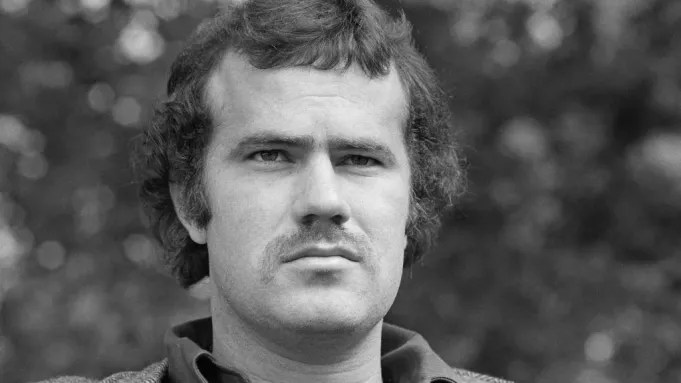
Dave Loggins, second cousin of Kenny Loggins who had a modest singing/songwriting career of his own, died July 10th at age 76. He is best known for his wistful hit “Please Come to Boston,” which peaked at #5 on US pop charts in 1974. Ten years later, he and Canadian counter singer Anne Murray collaborated on “Nobody Loves Me Like You Do,” which reached #1 on country charts in the US and Canada in 1984. Loggins also wrote “Pieces of April,” the Top 20 single made popular by Three Dog Night in 1970.
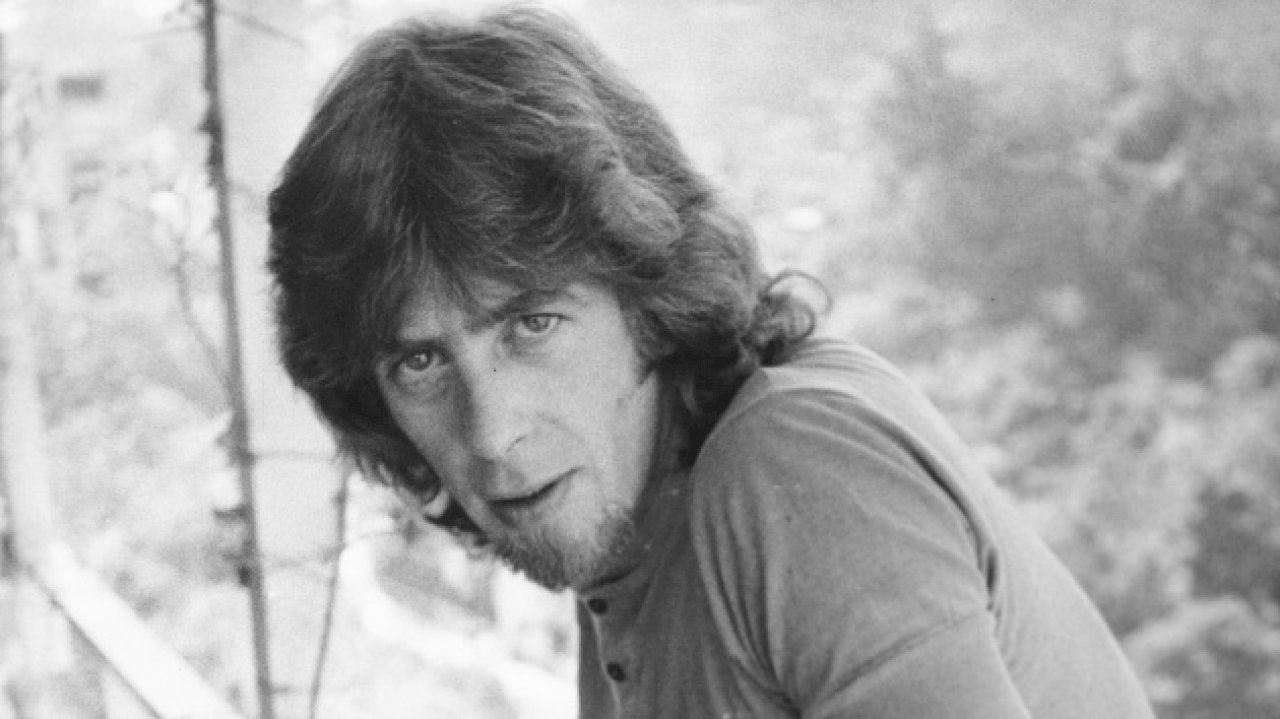
John Mayall, regarded as a pivotal inspiration and mentor to some of the best British blues guitarists in rock music history, died July 22nd at age 90. Obsessed with the Delta blues records his father collected in the ’50s, Mayall kicked off a blues revival with his band The Bluesbreakers, whose lineup included Eric Clapton, Peter Green and Mick Taylor. For more about Mayall’s career, please check out my earlier tribute: https://hackbackpages.com/2024/07/26/baby-its-time-to-close-that-door/
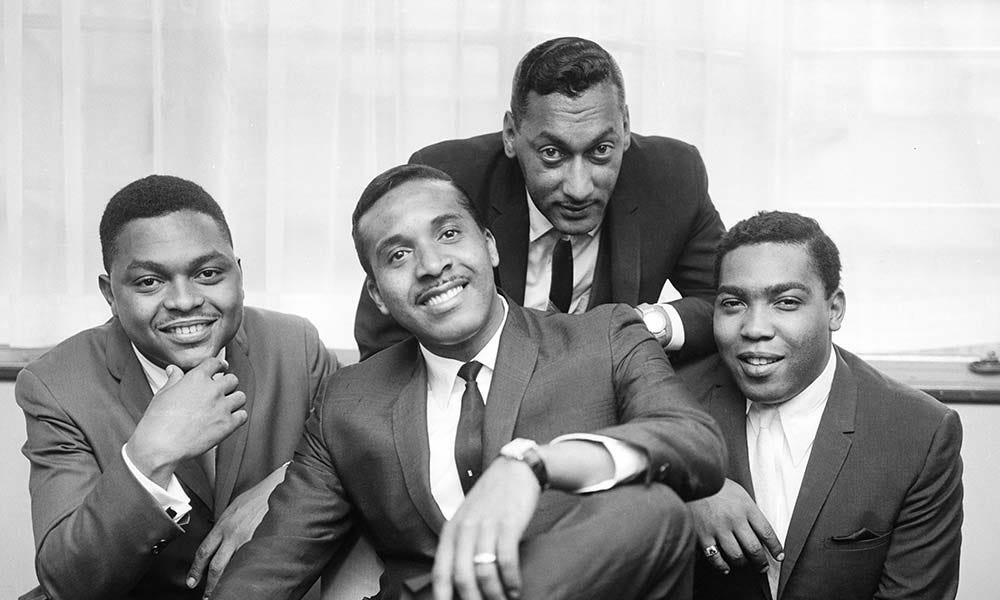
Abdul “Duke” Fakir, the last surviving original member of The Four Tops, died July 22nd at age 88. Fakir met lead singer Levi Stubbs in a Detroit neighborhood football game and, with Lawrence Payton and Renaldo “Obie” Benson, founding The Four Tops, who went on to become one of Motown’s leading and longest lasting vocal groups. The group reached the Top 20 on US pop charts 16 times between 1964 and 1973 with such classics as “I Can’t Help Myself,” “Reach Out I’ll Be There,” “Standing in the Shadows of Love” and “Ain’t No Woman (Like the One I Got).”

Maurice Williams, founder and lead singer of the doo-wop/R&B vocal group Maurice Williams and The Zodiacs, died August 6th at age 86. When he was just 15, Williams tried to convince his girlfriend not to go home for her 10:00 curfew, and although she didn’t relent, it inspired him to write “Stay,” which became an international hit seven years later. At only 1:34, it was the shortest song to ever reach #1, and it turned out to be a one-hit wonder for Williams (though cover versions by The Four Seasons and Jackson Browne both made the US Top 20, and Williams’ original had second life when featured in the 1987 “Dirty Dancing” soundtrack).
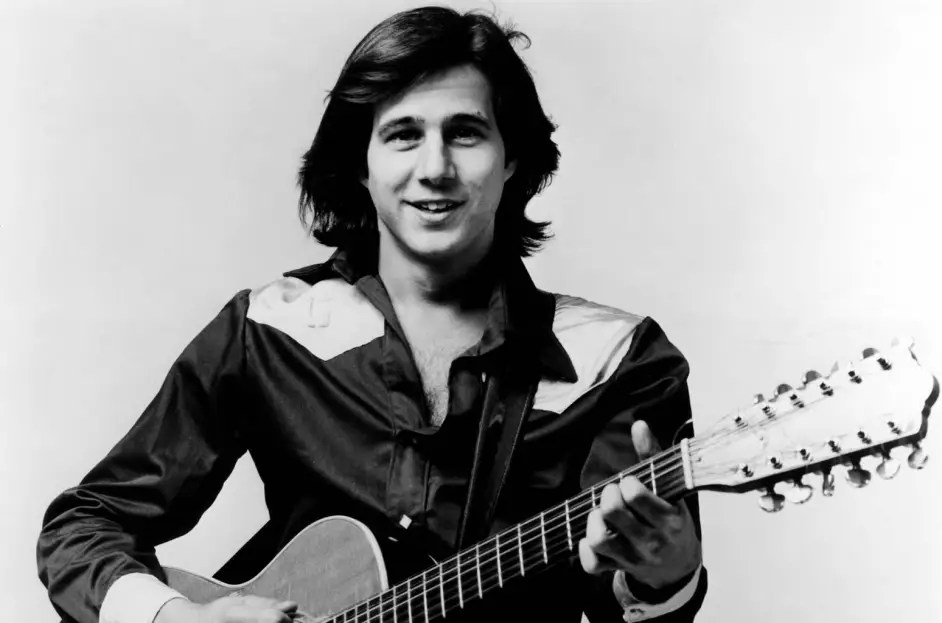
Greg Kihn, a rock/power pop practitioner who enjoyed a decent run of chart success in the 1978-1986 period, died August 13th at age 75. As leader of The Greg Kihn Band, he released three play-on-words albums (“RocKihnRoll,” “Kihntinued,” “Kihnspiracy”) that reached the Top 40 on US album charts. Two big singles — 1981’s “The Breakup Song” and 1983’s “Jeopardy” — were in heavy rotation on MTV as well as Top 40 radio. Kihn also emerged as an author of horror novels in the ’90s, winning a Bran Stoker Award for his debut, “Horror Show,” in 1996.

Sergio Mendes, the Brazilian-born pianist, composer and arranger who brought bossa nova music to a global audience in the 1960s through his ensemble, Brasil ’66, died September 5th at age 83. Mendes released more than 30 albums, won three Grammys and a Best Song Oscar nomination in 2012 for “Real in Rio.” Between 1966 and 1972, four of his albums went gold or platinum, and the title track of the group’s biggest seller — their version of the Beatles’ “The Fool on the Hill,” released in 1968 — sold four million copies. His music was completely different from anything else appearing on the US Top Album charts at that time.

Tito Jackson, second oldest of the five brothers who made up The Jackson 5, died September 15 at age 70. Tito played guitar and did some songwriting in addition to contributing vocals, and was often the spokesperson for the group in interviews and press conferences. The brothers were one of Motown’s most successful acts between 1969-1976, and Tito enjoyed a moderately successful solo career as a blues guitarist and producer in the 2000s. He was a staunch defender of his brother Michael regarding child molestation charges. Tito died of a heart attack while on a business trip in New Mexico.

John David Souther, the talented songwriter and singer with close ties to The Eagles and Linda Ronstadt, died September 17th at age 78. Souther wrote or co-wrote such hits as “Heartache Tonight” and “New Kid in Town” for The Eagles and “Her Town Too” with James Taylor, and also had a Top Ten hit of his own, “You’re Only Lonely,” in 1979. For more about Souther, please see my earlier tribute: https://hackbackpages.com/2024/11/08/ive-got-my-finger-on-the-pulse/

Kris Kristofferson, one of the more celebrated songwriters of his generation, died September 28 at age 88. His songs “Me and Bobby McGee” and “Help Me Make It Through the Night” were iconic, and his involvement in The Highwaymen (with Johnny Cash, Willie Nelson and Waylon Jennings) cemented his status in the country music community. For more about Kristofferson, please see my earlier tribute: https://hackbackpages.com/2024/10/04/id-trade-all-my-tomorrows-for-a-single-yesterday/

Johnny Neel, keyboardist and songwriter with The Allman Brothers Band in their 1990s lineup, died October 6th at age 70. Neel built a reputation playing with bands in Nashville clubs when he caught the attention of Dickey Betts, who recruited him for his touring band and studio recordings in the late ’80s. He joined the Allman Brothers for their successful reunion LP “Seven Turns” in 1990, co-writing its single, “Good Clean Fun,” as well as “Low Down Dirty Mean” and “Gambler’s Roll.” He also recorded ten albums as a solo artist and contributed songs and keyboard talents to LPs by other artists like John Mayall, The Oak Ridge Boys, Michael McDonald and Gov’t Mule.

Cissy Houston, who sang with many dozens of artists during her 40-year career, died October 7th at age 91. Houston is the mother of ’90s superstar Whitney Houston and aunt of ’60s/’70s star Dionne Warwick, and was a role model to them both. She sang in the gospel/soul vocal group The Sweet Inspirations in the late ’60s and later as a solo session singer for everyone from Paul Simon (“Mother and Child Reunion”) to Beyoncé, from Jimi Hendrix to David Bowie (“Young Americans”), from Wilson Pickett (“In the Midnight Hour”) to Van Morrison, from Bette Midler (“From a Distance”) to Aretha Franklin, and even her daughter (“I Know Him So Well”).

Liam Payne, a founding member of the English-Irish boy band One Direction, died October 16th at age 31 after a tragic fall from a Buenos Aires hotel balcony. Although it was bandmate Harry Styles who went on to superstar success in the years since One Direction’s disbanding in 2016, Payne compiled numerous song writing credits during the group’s six-year run (2010-2016). His solo work fared much better in the UK and Europe than in the US, but he had a solo #10 hit on US pop charts, “Strip That Down,” in 2017. Payne had contended with kidney infections since infancy, and also struggled with mental health issues and substance abuse.

Phil Lesh, co-founder and innovative bass player for The Grateful Dead for its entire 30-year run, died October 25th at age 84. Unique among rock bass players was Lesh’s background as a classical violinist and trumpeter, an orchestral composer and student of avant-garde musical genres in the years preceding his joining Jerry Garcia to form The Grateful Dead. For more about Lesh’s impressive career, please see my earlier tribute: https://hackbackpages.com/2024/11/01/let-me-live-in-your-blue-heaven-when-i-die/
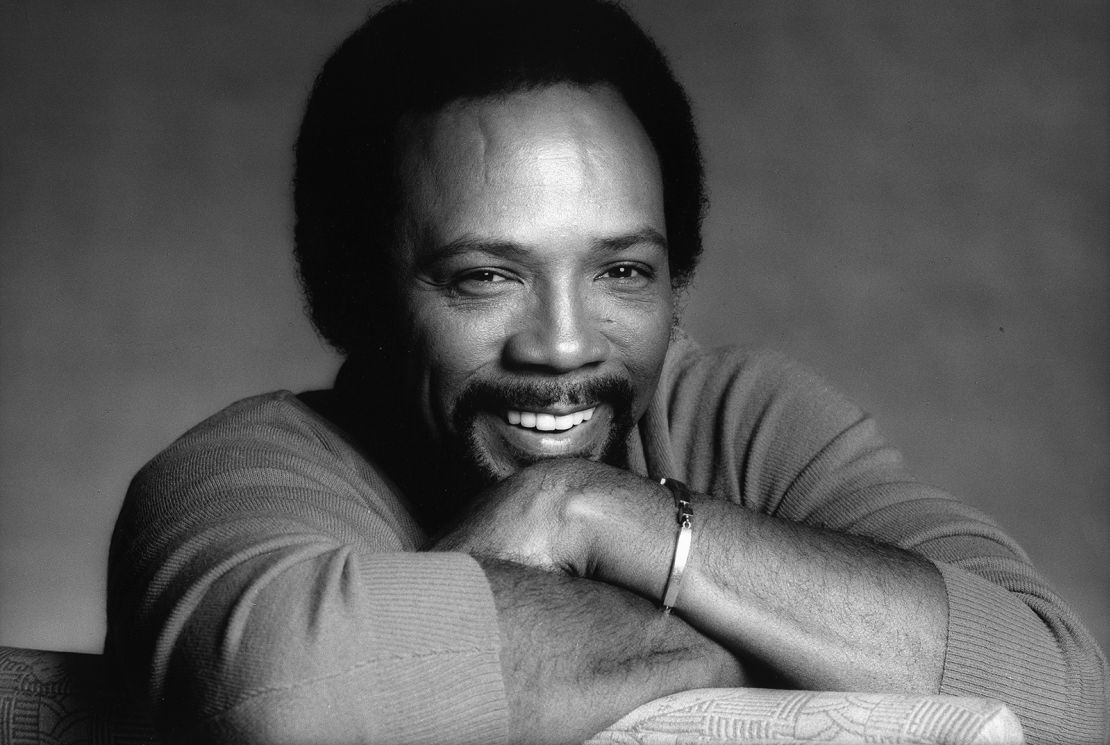
Quincy Jones, one of most accomplished producers/arrangers/conductors in the past half-century, died November 3rd at age 91. He worked with industry titans from Frank Sinatra to Michael Jackson and showed uncommon talent in multiple genres, from jazz to soul to pop. He somehow pulled together more than 35 major stars to work together on the landmark “We Are the World” session. For more about Jones, please check out my earlier tribute: https://hackbackpages.com/2024/11/08/ive-got-my-finger-on-the-pulse/
*************************










 Hack's Back Pages