Turn on the TV, shut out the lights
Two weeks ago, while researching many dozens of TV theme songs to find the ones that had also made an impact as hit singles on the US Top 40 charts (see https://hackbackpages.com/2025/03/14/believe-me-the-sun-always-shines-on-tv), I was reminded of how much really great music has been featured to accompany main title sequences during shows’ opening credits.
Some of it was written as instrumental music expressly for the show in question. In some cases, the music already existed, written and recorded by alt-rock bands and off-the-beaten-path artists and then discovered by TV series producers who wanted one of these tunes for their new series.

It’s been my observation that more recent programming (since, say, 1990) has featured really compelling songs or instrumental themes, much more so than in the ’60s, ’70s and ’80s, whose theme music might have nostalgic value but perhaps isn’t really all that great musically.
Below I have assembled a dozen of my favorite examples of excellent TV music themes. Unlike the songs in the above-mentioned blog post, these selections were not heard on the radio, but they grabbed me every time I heard them when watching more recent TV series.
This will conclude my foray into TV music…but you never know. Perhaps some of my readers think there are others I’ve missed that deserve broader exposure. Time will tell.
********************************
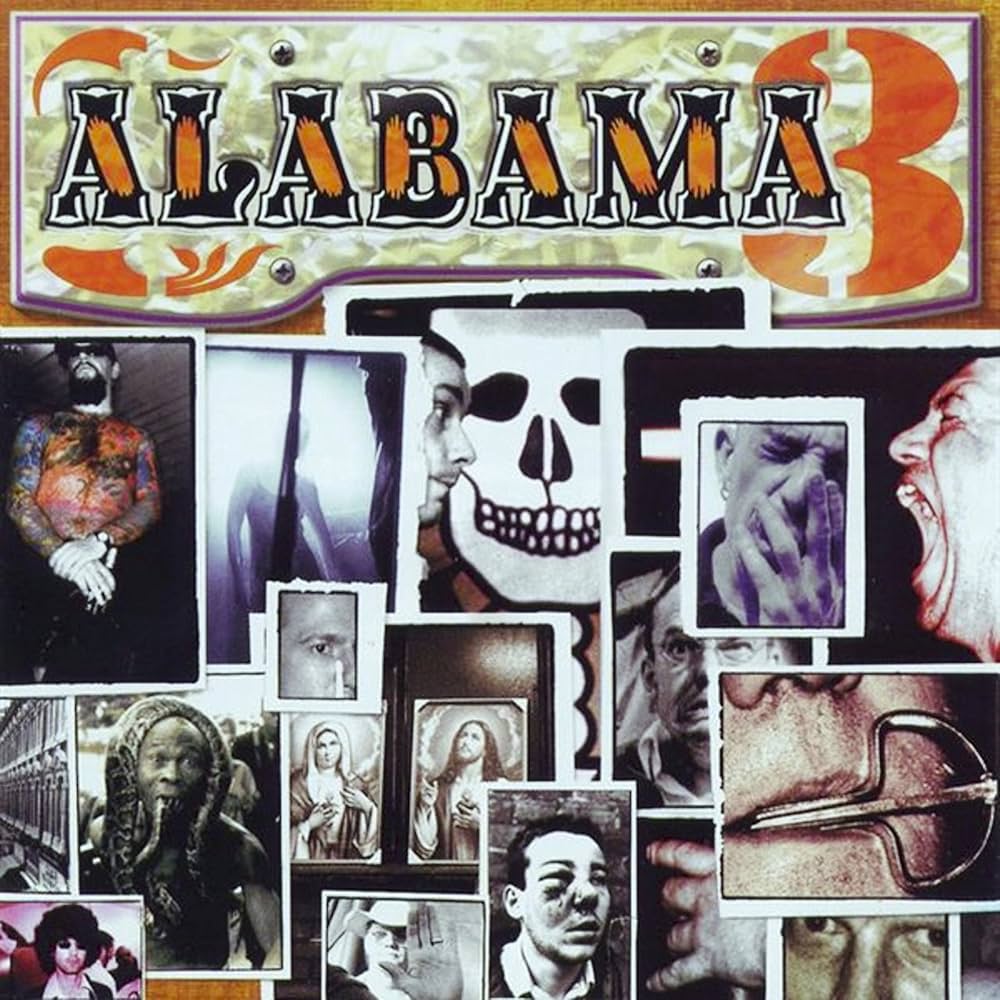
“Woke Up This Morning,” Alabama 3, 1997 (theme song for “The Sopranos”)
A 1996 murder case in which a victim of long-term domestic abuse was charged with killing her husband was the inspiration for “Woke Up This Morning,” a song by Rob Spragg, frontman for the British electronic pop/blues group Alabama 3. Found on the band’s 1997 LP “Exile on Coldharbour Lane,” the five-minute track opens as a hip-hop song that uses a Howlin’ Wolf blues loop before diving into lyrics about “a woman who’s had enough and gets herself a gun,” Spragg said. Rocker Steve Van Zandt, who played Silvio on “The Sopranos,” became aware of the song and brought it to producer David Chase’s attention, who agreed it would work (in truncated form) as the show’s theme song. “It’s marvelous,” he said. “It generates anticipation, immediately puts the viewer in a focused frame of mind, and creates the kind of sonic familiarity that breeds audience loyalty.” I’ve loved it since the show’s debut episode in 1999 and was even more intrigued to hear the full album version when I researched its origin.

“Game of Thrones Main Title Theme,” Ramin Djawadi, 2011
You know how, after a while, the opening credits and theme song of a TV series gets tiresome, so you skip it or fast-forward through it? That was definitely not the case for me when I watched “Game of Thrones,” the wildly popular fantasy drama that ran from 2011-2019. Not only was the title sequence an endlessly fascinating three-dimensional map of the series’ fictional world (which won an Emmy for Best Main Title Design), it was accompanied by a compelling, regal-sounding musical piece that I found irresistible. It was written by Ramin Djawadi, an Iranian-German composer of musical scores for numerous films and TV shows, including “Iron Man,” “Westworld,” “Person of Interest” and “Clash of the Titans,” as well as the “Game of Thrones” prequel series “House of the Dragon.”
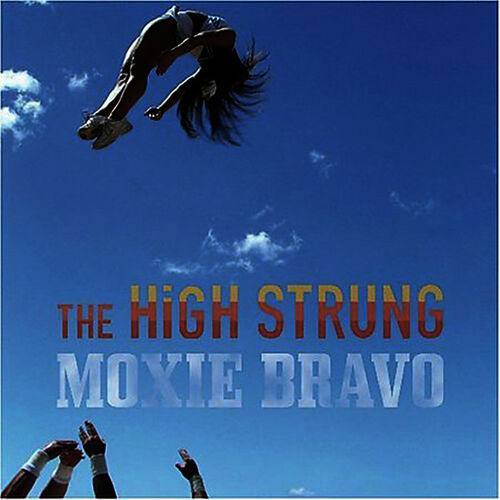
“The Luck You Got,” The High Strung, 2005 (theme song for “Shameless”)
A Detroit-based band called The High Strung relocated to Brooklyn around 2000 and have released more than 15 LPs, embraced by a small but loyal following. In 2010, when TV producers got the green light to create a US version of the acclaimed British TV series “Shameless,” they happened upon “The Luck You Got,” a high-energy pop/rock track from The High Strung’s “Moxie Bravo” album from 2005. They decided it perfectly captured the chaotic atmosphere of the Gallagher family household and the edgy storylines of its characters. A one-minute version was used effectively in the title sequence, which shows family members parading in and out of the bathroom using the toilet, tending to an injury, brushing teeth and having sex. I’ve enjoyed discovering the full-length version of “The Luck You Got” (still only 2:48) and other music by this group, who are still active today. The show lasted ten years on Showtime (2011-2021).

“Dexter Main Title,” Rolfe Kent, 2006
British film score composer Rolfe Kent moved to Los Angeles in the late 1990s and has become an accomplished writer of theme music and scores for dozens of movies, from “The Wedding Crashers” and “Legally Blonde” to “Mean Girls” and “About Schmidt.” In 2004, he was nominated for a Golden Globe for his original score for the award-winning film “Sideways,” which ended up paving the way for Kent’s involvement in composing the theme song for the Showtime TV series “Dexter” (2006-2013). He was nominated for an Emmy for the way the piece uses eclectic instruments like bouzouki, sax and tambour alongside electric piano, ukulele and strings to convey the alternating hot/cold nature of the lead character. It has since been used in sequels and prequels as part of a growing “Dexter” franchise in recent years.
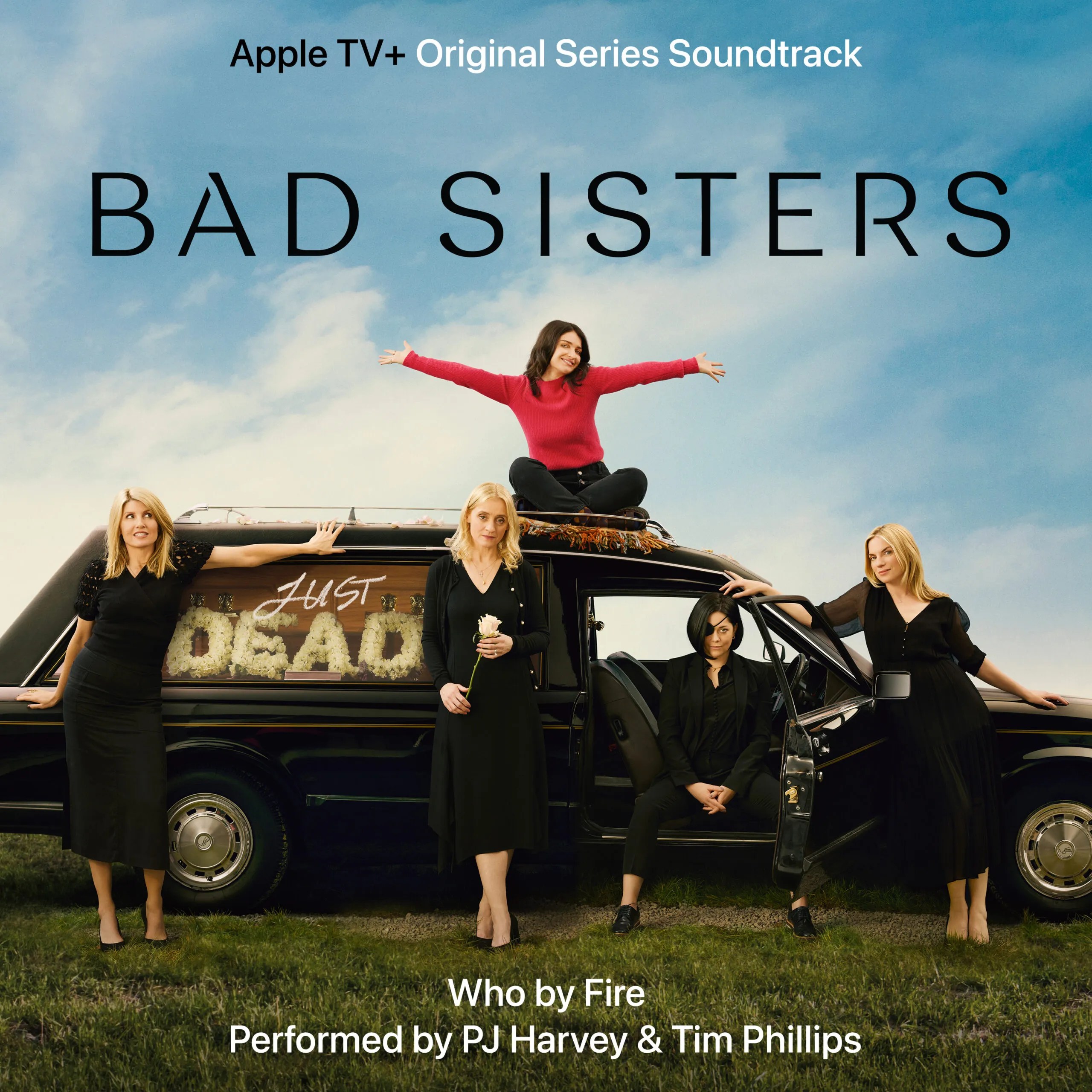
“Who By Fire,” Leonard Cohen, 1974; Liz Phair, 2022 (theme song for “Bad Sisters”)
Based on the Belgian TV series “Clan,” this acclaimed Irish black comedy series debuted in 2022 and won multiple awards from Irish and British film academies in 2023 before Apple TV began streaming its two seasons for US audiences. “Bad Sisters” is a deliciously complicated story of four siblings who conspire to kill the malevolent husband of one of them, but things go wrong during multiple attempts. The producers found this somewhat creepy Leonard Cohen song from his 1974 LP “New Skin For the Old Ceremony,” which he had written following his experience performing for battle-weary soldiers during the 1973 Yom Kippur War in Israel. Sharon Horgan, who developed, wrote and stars in the series, recruited alternative rock singer Liz Phair to collaborate with composer/arranger Tim Phillips to record their own version of Cohen’s “Who By Fire” for use as the main title theme for “Bad Sisters,” which I found very appealing.

“The X-Files Main Title Theme,” Mark Snow, 1993
Mark Snow has written themes for hundreds of shows and TV films over the past four decades: “Hart to Hart,” “Starsky & Hutch” and “Smallville,” to name just a handful. His best known work is the eerie theme music for the popular science fiction series “The X-Files,” which debuted in 1993. Snow said the song’s famous “whistle effect” was inspired by a 1985 song by The Smiths called “How Soon is Now.” On Snow’s LP “The Truth and The Light: Music from The X-Files,” the Main Title Theme is entitled “Material Primoris” and runs 3:22, although on the show it lasts less than a minute. It was released as a single in 1996 in the UK and some European countries, and had modest chart success there. I have used the “X-Files” music as part of a spooky soundtrack for a haunted house I used to host each Halloween.
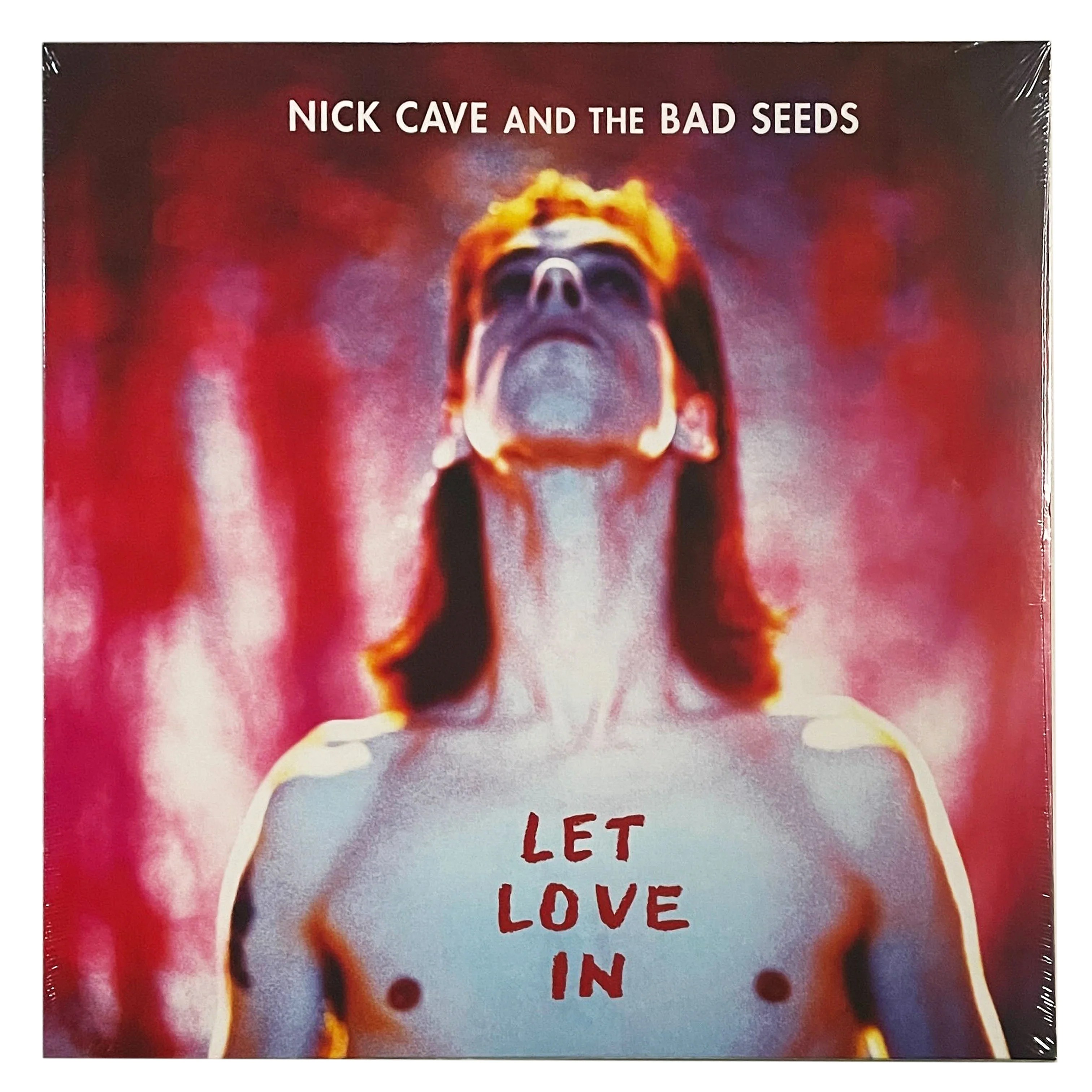
“Red Right Hand,” Nick Cave and the Bad Seeds, 1994 (theme song for “Peaky Blinders”)
One of Australia’s longest-lasting exports in the rock music industry, if not its most successful, has been Nick Cave and the Bad Seeds, who, since 1983, have developed a fiercely loyal following in the US alt-rock community, especially since 2000. In 2013, a mesmerizing track called “Red Right Hand” from the group’s 1994 LP “Let Love In” was selected to be the theme music for the violent British period drama series “Peaky Blinders,” which ran from 2013-2022. Cave said the song’s title came from John Milton’s poem “Paradise Lost,” referring to “the vengeful hand of God.” The music evokes a certain dread that mirrors the intimidating vibe that dominates the gangster story line. “Red Right Hand” is now considered one of Cave’s signature songs, which he still performs regularly in concerts.
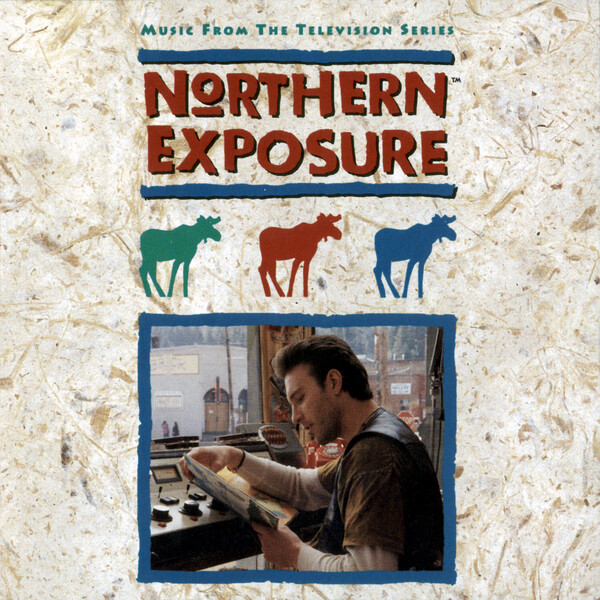
“Theme From Northern Exposure,” David Schwartz, 1990
Schooled at music schools in New York and Boston, David Schwartz in the ’80s, David Schwartz went on to create theme music for several highly rated shows, including “Deadwood,” “Beverly Hills 90210,” “Arrested Development” and “The Good Place.” His most memorable music was created in 1990 for the quirky drama “Northern Exposure,” which ran for five seasons and won the Best Drama Series Emmy in 1992. Schwartz’s Zydeco-inspired theme was nominated for a Grammy that year, reaching #15 on the Adult Contemporary chart. It’s nice to finally hear the full-length treatment of the song instead of just a 30-second snippet.
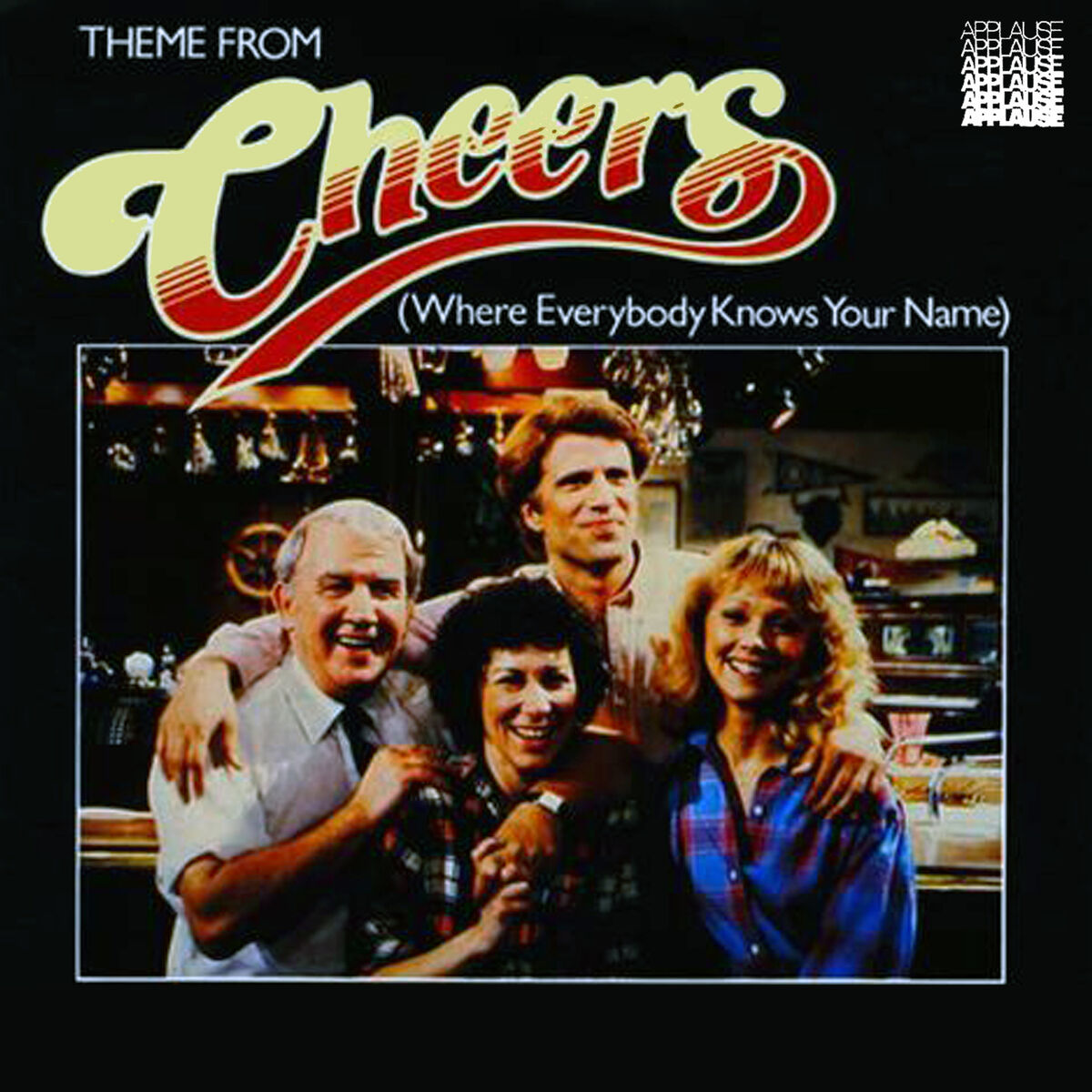
“Where Everybody Knows Your Name,” Gary Portnoy, 1982 (theme song for “Cheers”)
Most of the music I’m featuring in this blog piece are from more recent TV shows, but I’ve always been partial to the welcoming strains of the “Cheers” theme song, which dominated the Nielsen ratings for most of its 11-year run (1982-1993). Gary Portnoy and Judy Hart-Angelo had written music and lyrics for an off-Broadway play called “Preppies,” and the songs appealed to Glen and Les Charles, the producers of “Cheers.” They commissioned the duo to write a theme for their show, and their first draft had lyrics with specific reasons why people might want to frequent a regular Boston pub: “Singin’ the blues when the Red Sox lose, it’s a crisis in your life, /On the run ’cause all your girlfriends wanna be your wife, /And the laundry ticket’s in the wash…” The songwriters were asked for more generic words and came up with: “Makin’ your way in the world today takes everything you’ve got, /Takin’ a break from all your worries sure would help a lot, /Wouldn’t you like to get away?…” A 2013 TV Guide poll picked “Where Everybody Knows Your Name” as the greatest TV theme ever.
“Theme From thirtysomething,” W.G. Snuffy Walden, 1987
Walden was a guitarist who worked and toured in England with such groups as Free and the Eric Burdon Band and also pursued solo performing opportunities. In L.A., he was approached by TV and film producers to write theme music, “and I could see the writing on the wall regarding the grind of touring. I kept envisioning being in Holiday Inns at age 60.” His first gig in this new discipline was for “Thirtysomething,” the smartly written baby boomer drama series that debuted in 1987. It’s a warm, melodic theme for acoustic guitar and piano, and it earned him an Emmy nomination and future assignments to write theme music for “The Wonder Years,” “Roseanne,” “The West Wing” and “Friday Night Lights,” among others.
“Tossed Salad and Scrambled Eggs,” Frasier, 1993
When the producer of the “Cheers” spinoff show “Frasier” went searching for an appropriate piece of music to serve as the show’s theme song, they decided they wanted something sophisticated and jazzy. They contacted Bruce Miller, an orchestral arranger and composer of dozens of themes for TV series like “Designing Women” and “Wings,” who teamed up with lyricist Daryl Phinnessee. Said Miller, “They told us ‘Don’t mention Seattle, or the name Frasier, or psychiatrists, or anything having to do with the show, but make it germane to the show.” Phinnessee came up with the clever “Tossed Salad and Scrambled Eggs” metaphor for “things that are mixed up, like Frasier’s phone-in callers.” Kelsey Grammar leapt at the chance to sing the theme himself. “I loved the lyrics. Frasier’s always discovering that life is confusing and is going to surprise him, but he’s going to figure it out,” he said about his character. “‘I got you pegged,’ he sings. It’s gonna be okay. That’s what I liked.”
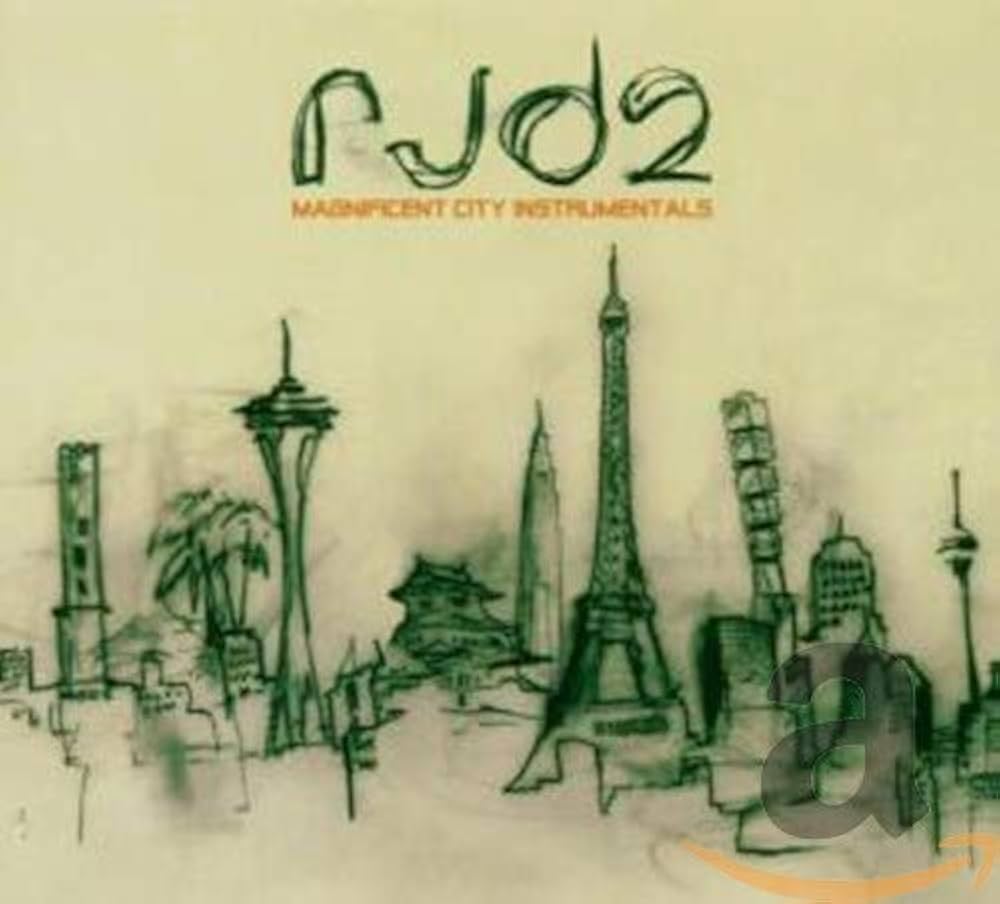
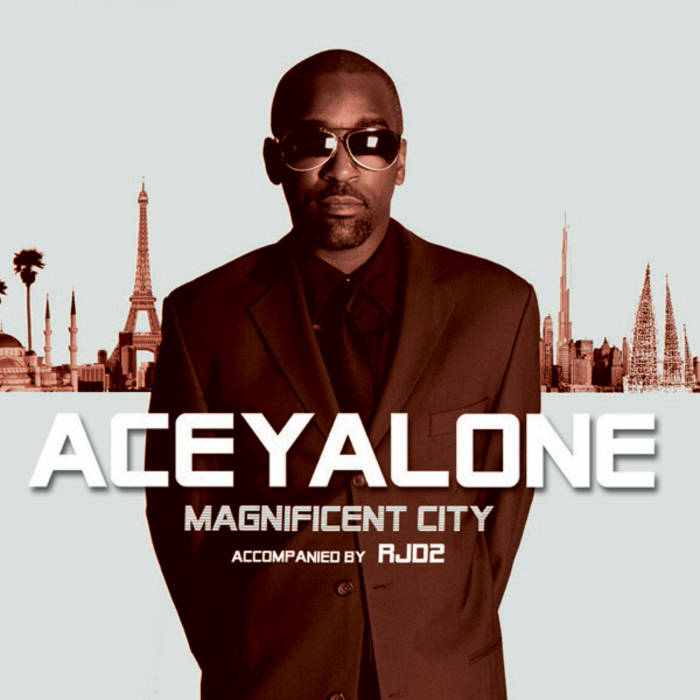
“A Beautiful Mine,” Aceyalone with RJD2, 2006 (theme song for “Mad Men”)
Beginning in 1995, an L.A.-based hip-hop artist named Eddie Hayes Jr., better known by his stage name Aceyalone, became a proponent of “left-field, double-time” hip hop at a time when the harsher gangsta rap was in vogue. In 2006, he combined forces with ambient hop-hop producer Ramble Jon Krohn, known in music circles as RJD2, to create their widely praised “Magnificent City” album. On the five-minute closing track, “A Beautiful Mine,” Aceyalone riffs his way through his rap message. A couple months later, RJD2 released “Magnificent City Instrumentals,” which featured no-vocals versions of the tracks, and “A Beautiful Mine” perked up the ears of “Mad Men” producer/creator Matthew Weiner the same year, and from that, a 40-second edit of it became the show’s title sequence theme music.
************************
I mentioned “nostalgic” TV themes — those that announced shows from long ago that bring back great memories more than their intrinsic musical worth might merit. Here are a few from that category that come to mind for me: “Get Smart“; “My Thee Sons“; “WKRP in Cincinnati“; “The Dick Van Dyke Show“; “Top Cat“; “M*A*S*H“; “Mary Tyler Moore“; “I Love Lucy.”
*************************



 Hack's Back Pages