I’m gonna tune right in on you

Becoming reacquainted with long lost songs from my youth, or just recently discovering decades-old tunes, are two things that make my day. If you’re a fan of the music of the ’60s, ’70s and ’80s, then I invite you to join as I feature another dozen “lost classics” from that fruitful era.
I own most of this music on vinyl. Maybe you have it too, or on CD. Or maybe you’re not much of a collector and rely on digital platforms. Regardless, music is meant to be shared, so I’ve assembled a Spotify playlist at the end so you can groove on these tracks as you learn a little bit about them and the artists who recorded them.

Rock on!

***************

“Evil Woman (Don’t Play Your Games With Me),” Crow, 1969

The Minnesota-based band Crow, featuring brothers Larry and Dick Wiegand and singer David Wagner, released three LPs and eight singles between 1969 and 1972, but the only one to make any kind of impact was the solid rocker, “Evil Woman (Don’t Play Your Games With Me),” which reached #19 on US charts in early 1970. It’s interesting to note that Black Sabbath released a cover of the song as their debut single in the UK, but it never saw the light of day in the US until a 2003 compilation CD. Ike & Tina Turner also released a cover of it on their “Come Together” album, changing the gender to “Evil Man” so Tina could sing it.
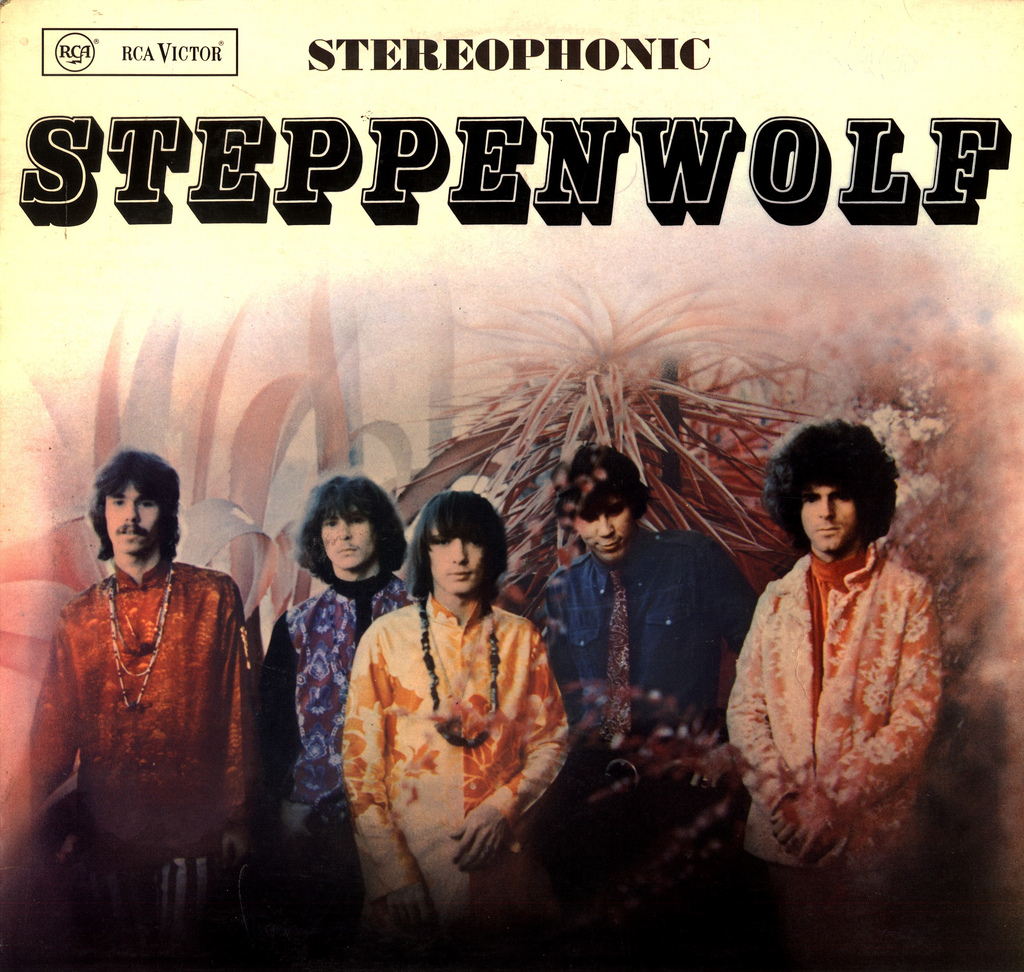
“Take What You Need,” Steppenwolf, 1968

Gabriel Mekler was a staff producer for ABC Dunhill Records in LA in 1967 when he was assigned to man the boards for a new band known as The Sparrows. Having just read the Herman Hesse novel “Steppenwolf,” he suggested the group adopt that name, then proved instrumental in getting the best sounds out of them for their 1968 debut, especially the landmark single “Born To Be Wild.” Other songs like “The Pusher” and “Sookie Sookie” were written by outside sources (Hoyt Axton and Don Covay respectively), but Mekler co-wrote a couple of songs with lead singer John Kay, including “Take What You Need,” a deep track I’ve always admired.
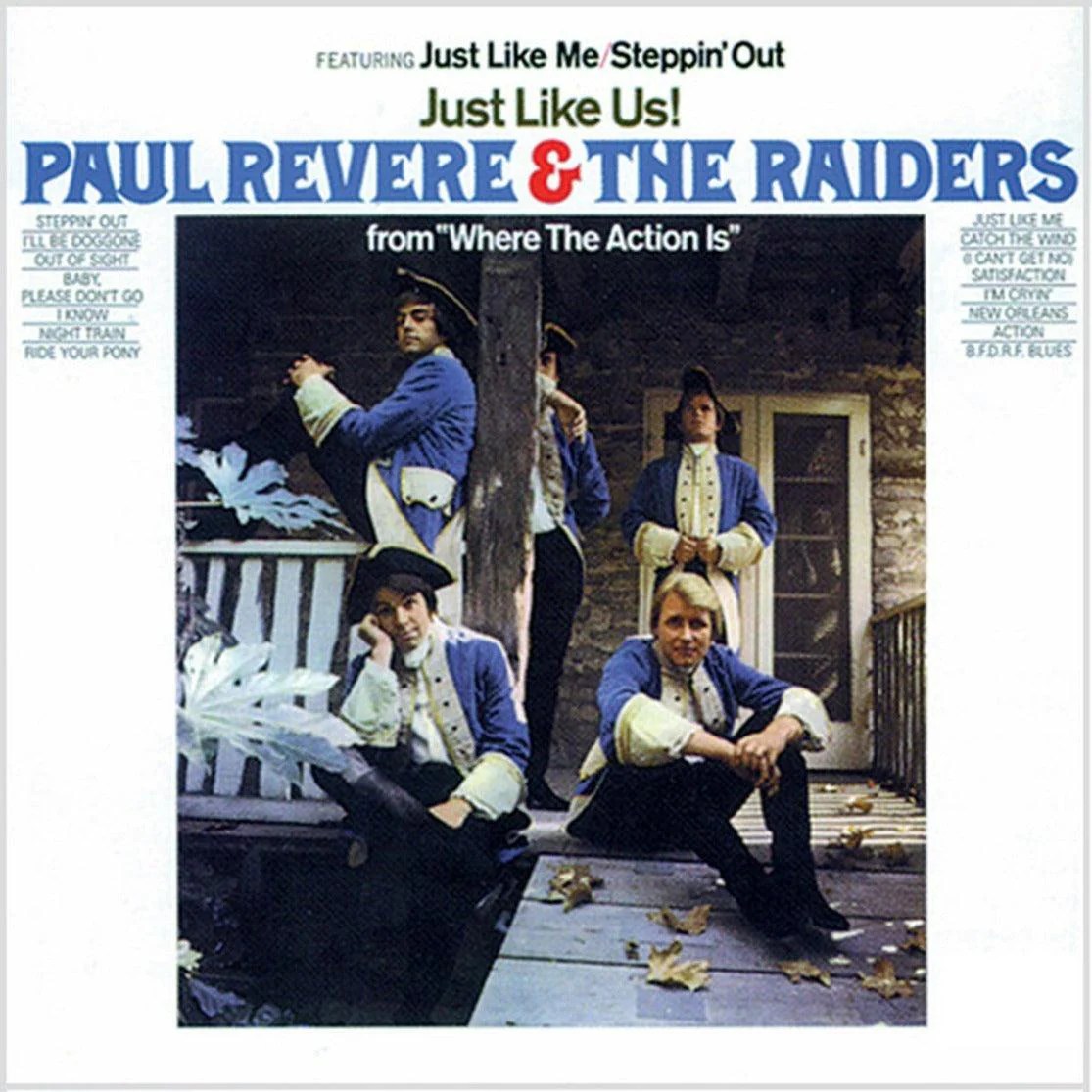
“Steppin’ Out,” Paul Revere & Raiders, 1965

Guitarist Revere and singer Mark Lindsay headed up this Oregon-based band in the early 1960s, recording mostly covers like “Louie Louie,” “You Can’t Sit Down” and “Do You Love Me,” which earned them a contract with Columbia. They continued recording covers and had their first big hit in 1965 with “Just Like Me,” which led to them becoming the house band on Dick Clark’s afternoon TV show “Where the Action Is.” On their Top Ten album “Just Like Us,” Revere and Lindsay co-wrote a rollicking tune called “Steppin’ Out,” which stalled at #46 on pop charts but still helped pave the way for several more Top Ten hits for the group over the next four years (“Kicks,” “Hungry,” “Good Thing,” “Him or Me, What’s It Gonna Be”).

“Take It Back,” Cream, 1967

Most of Cream’s most memorable recorded moments came when they took established blues songs (“Crossroads,” “Spoonful,” “I’m So Glad”) and turned them into virtuoso live jams. The group also composed their own tunes, with bassist Jack Bruce and his lyricist Pete Brown writing about half the original material found on Cream’s four LPs, including “White Room,” “I Feel Free,” “Politician,” “SWLABR” and “Deserted Cities of the Heart.” Hidden near the end of their popular 1967 LP “Disraeli Gears” is an infectious Bruce/Brown rock track called “Take It Back,” which features great vocals and harmonica by Bruce and uses extraneous voices and noises to convey a party atmosphere in the studio during recording.

“Scarlet Begonias,” Grateful Dead, 1974

As far as radio is concerned, The Dead’s catalog has been largely limited to “Truckin’,” “Casey Jones,” “Sugar Magnolia,” “Friends of the Devil” and “Touch of Grey,” but their repertoire is littered with fun, funky songs just aching to be discovered. I’ve already featured four such Dead tracks in my Lost Classics series (“Eyes of the World,” “China Cat Sunflower,” “Throwing Stones” and “Alabama Getaway”), and now here’s another, this one from their underrated 1974 LP “From the Mars Hotel.” Jerry Garcia and lyricist Robert Hunter wrote it about a mysterious woman they met in London, who wore scarlet begonias in her hair and lured them into a poker game where they lost their shirts.
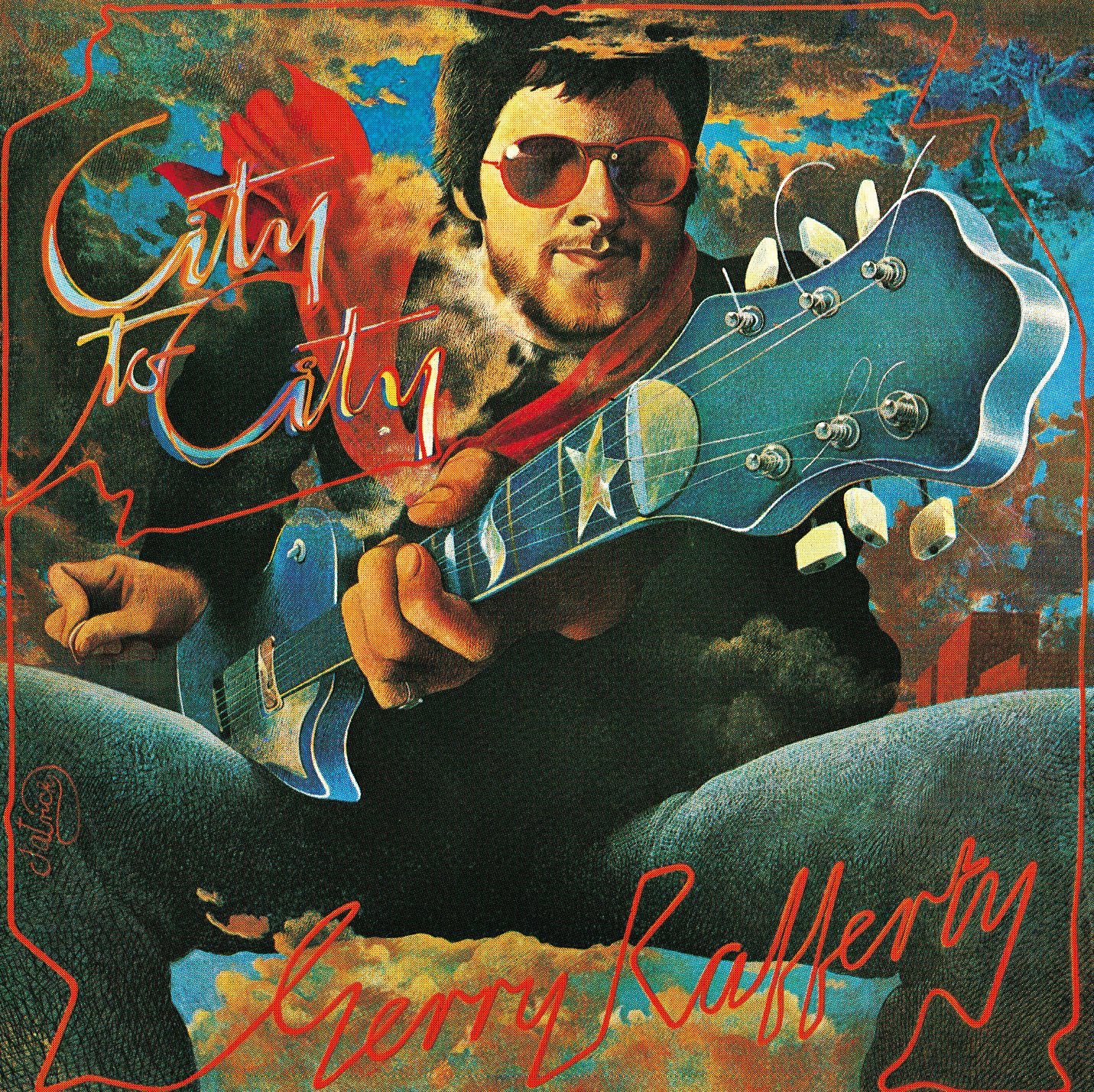
“Mattie’s Rag,” Gerry Rafferty, 1978

Legal challenges involving his former band Stealers Wheel prevented Rafferty from releasing any new material for four years in the mid-’70s, but once that was settled, he made a big impact with his 1978 LP “City to City,” which reached #1 on US charts on the strength of the hugely popular “Baker Street” single. “Right Down the Line” was a strong follow-up hit at #11, and “Home and Dry” did respectably at #28, but the album offers several more tracks worthy of your attention: the galloping rocker “Waiting For The Day,” the lush ballad “Whatever’s Written in Your Heart” with its stunning harmonies, and “Mattie’s Rag,” a sunny ode to Rafferty’s daughter, telling her how grateful he is to be returning home to her after a long spell away.

“What’s the Matter Here?” 10,000 Maniacs, 1987

This upstate New York band, who got their name from the 1960s low-budget horror flick “Two Thousand Maniacs,” made its first impact on US charts with their “In My Tribe” album in 1987. The LP reached #37, and this single peaked at #9 on the then-new Alternative/Modern Rock chart. Written by singer Natalie Merchant and guitarist Rob Buck, “What’s the Matter Here?” has an upbeat tempo and breezy melody that belies its dark lyrics, which focus on suspected child abuse at the neighbors’ house. One critic said, “The album proves powerful not only for the ideas in the lyrics but also for the graceful execution and pure listenability of the music.” 10,000 Maniacs released several more successful LPs before Merchant left for a solo career in 1993.
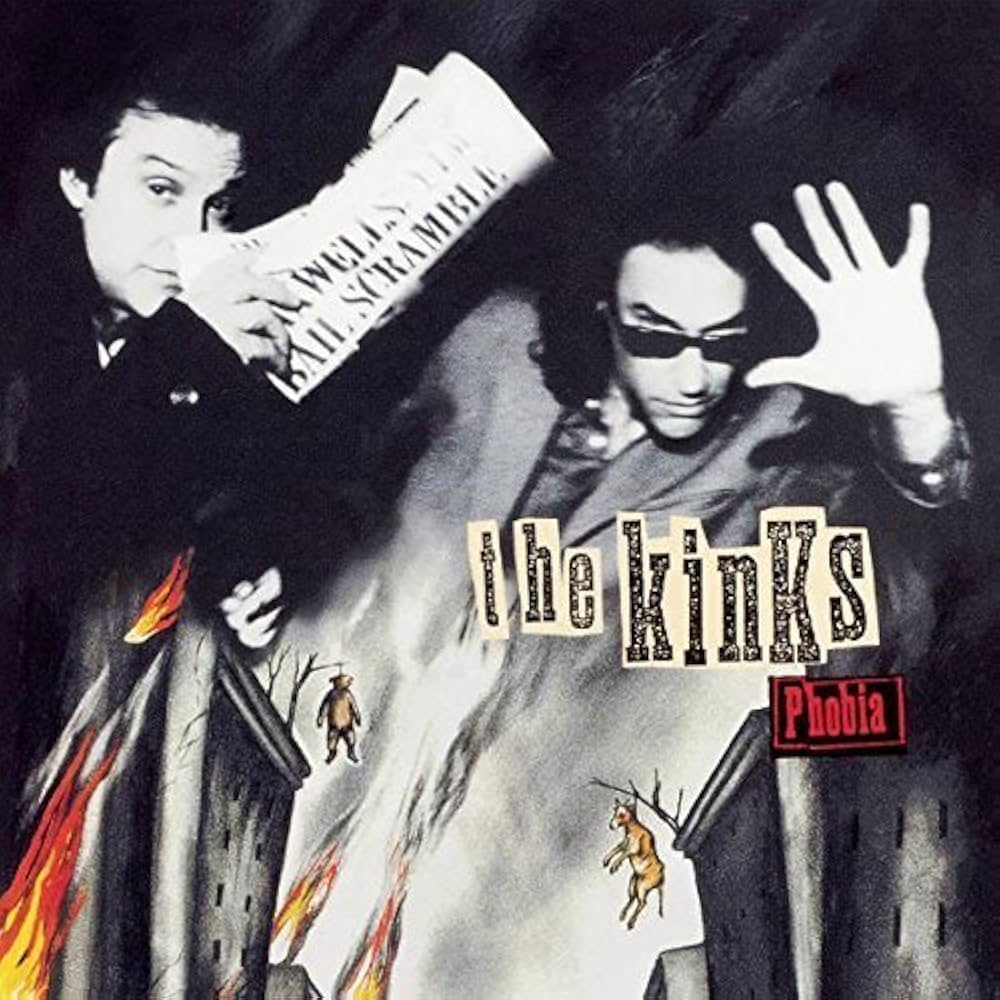
“Still Searching,” The Kinks, 1993

While The Kinks had a half-dozen hit singles as a “British Invasion” band in the ’60s, and a #1 with “Lola” in 1970, I always thought radio programmers missed the boat with these guys. Sure, songwriter Ray Davies sometimes went on tangents with eccentric concept albums, but their 25-album catalog is overflowing with catchy pop and straight-ahead rock tunes that should’ve been much bigger on US charts. Their albums in the ’80s sold pretty well here, but only “Come Dancing” made any waves on the Top 40. By 1993, as the band was sputtering to a halt, no one seemed to pay attention to what became their final LP, “Phobia,” which featured the scathing rocker “Hatred” and the charming, melodious “Still Searching.”

“Fig Tree Bay,” Peter Frampton, 1972

Frampton was only 18 when he joined forces with Steve Marriott (ex-Small Faces) to form raucous boogie band Humble Pie in 1969. By 1971, he chose to go solo, writing, producing, singing and playing multiple instruments on his debut LP “Winds of Change,” which had a much greater melodic sensibility than Humble Pie’s oeuvre. Most of the songs featured Frampton on both acoustic and electric guitar, and I recently came across “Fig Tree Bay,” the opening track, and found it engaging. He built a modest following in the US on four solo albums in the mid-’70s before the dam burst open with his double live album “Frampton Comes Alive,” a multiplatinum game-changer that topped the charts for 10 weeks in 1976. I recommend you check out his early studio releases for some truly lost classics.

“World in Changes,” Dave Mason, 1970

Much like fellow UK star Frampton, Mason is accomplished as a singer/songwriter as well as both an acoustic and electric guitarist. After two albums as a member of Traffic, Mason found himself at odds with de facto leader Steve Winwood and went the solo route in 1970, finding success right away with the appealing “Alone Together” LP. Aided by the likes of Leon Russell, Delaney & Bonnie and Rita Coolidge, Mason churned out eight memorable tracks, most notably “Only You Know and I Know,” “Sad and Deep as You” and the marvelous “World in Changes.” He toured relentlessly throughout the ’70s and had his biggest hit in 1977 with the 12-string workout, “We Just Disagree.”
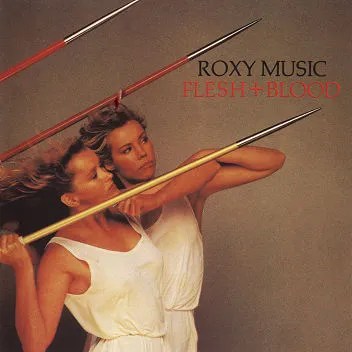
“Oh Yeah!” Roxy Music, 1980

By the time “Flesh + Blood,” Roxy Music’s seventh LP, was released, the band once known for dissonant art rock had evolved its sound into a sleeker, more sophisticated vibe, due in large part to the influence of singer Bryan Ferry. A dreamy, melodic song like “Oh Yeah!” was an early indicator of the kind of music Ferry would write for Roxy’s celebrated swan song, “Avalon,” in 1982, and on his many solo albums over the next 30-plus years. Roxy as a band and Ferry on his own were always a bigger deal in the UK than in the US, but I consider myself among American music lovers who have found Ferry’s later offerings more pleasing to the ear than the early Roxy stuff. “Oh Yeah!” is a classic case in point.

“Hey Papa,” Terence Boylan, 1977

Bet you’ve never heard of this guy, which is a shame. Born and raised in Buffalo, Boylan moved to Greenwich Village in the mid-’60s, and after enrolling at Bard College, he became friends with Walter Becker and Donald Fagen in their pre-Steely Dan years. Boylan wrote and sang his own songs, and his self-titled second album got some airplay and solid critical praise but made no dent in the US charts, even though it contains several great tracks (“Where Are You Hiding,” “Don’t Hang Up Those Dancing Shoes”). One song from the album, “Shake It,” became a minor hit when covered by Ian Matthews in 1978. I’ve always been partial to a pretty piano-based song called “Hey Papa,” about a character who’s a rumrunner in the Florida Keys. Since 1980, he has retired from performing and instead focuses on songwriting and film soundtracks.

**********************
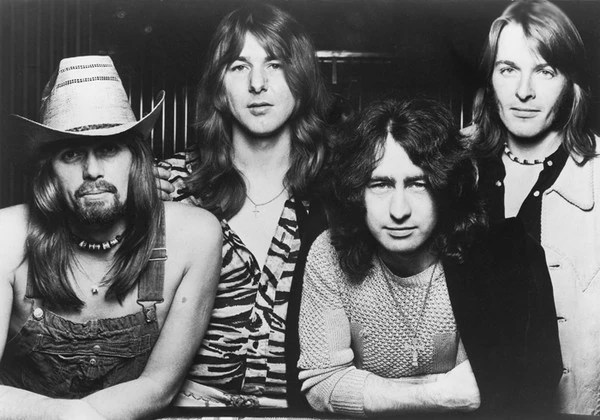
They call me bad company ’til the day I die

This year’s inductees into the Rock and Roll Hall of Fame were announced recently, and I’m pleased to see several vintage rockers finally get the nod: Joe Cocker, Bad Company, Warren Zevon, Nicky Hopkins. I first wrote about Cocker, then Hopkins and Zevon, and this week, I’m wrapping up these profiles with a piece on British rockers Bad Company.

************************

The term “supergroup” — a band whose members have already been successful as solo artists or as members of other prominent groups — came into being in the late ’60s with the likes of Cream, Blind Faith and Crosby, Stills, Nash and Young. By the mid-’70s, rock artists continued to occasionally team up for one-off LP projects or charity events, and a few joined forces and stuck around for multiple tours and albums.

Bad Company in 1974: Boz Burrell, Mick Ralphs, Paul Rodgers, Simon Kirke

One of the most commercially successful was Bad Company, formed in 1973 with alumni from the British bands Free, Mott the Hoople and King Crimson. They hit a home run out of the gate by reaching #1 on the US album charts (#3 in the UK) with their self-titled debut album, and maintained a sizable following through the rest of the ’70s, with four of their five albums peaking in the Top Ten in both countries as well as in Canada and Australia.

Personally, I’ve always been kind of ambivalent about Bad Company. I found much of their material to be rather pedestrian — mainstream riff-rock without much creativity or depth — but there are about a dozen tracks from their catalog that stand up quite well in the pantheon of 1970s rock. Perhaps not surprisingly, it’s not the big singles that grabbed me but the lesser known album tracks that struck my fancy: “Seagull,” “Gone, Gone, Gone,” “Run With the Pack,” “Crazy Circles,” “Electricland,” “She Brings Me Love,” “Morning Sun” and especially the eponymous anthem “Bad Company,” the song that sparked the group into existence in the first place.

Paul Rodgers

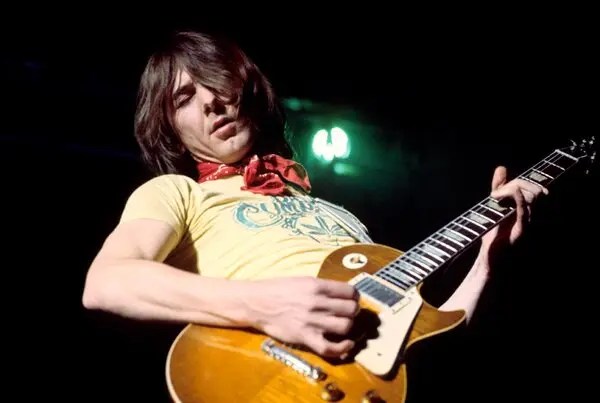
As far as I’m concerned, the band’s biggest talent was vocalist Paul Rodgers, who I rank among the Top 50 singers in rock history. He’s got an earthy, forceful yet melodic vocal command that makes even their lesser numbers solidly listenable. Guitarist Mick Ralphs deserves credit as well, coming up with some amazing riffs and crunchy solos and writing about half of Bad Company’s repertoire. Boz Burrell on bass and Simon Kirke on drums rounded out the foursome as their competent rhythm section.

Mick Ralphs

Truth be told, if I had to choose, I think Bad Company’s predecessor Free was the more interesting band, thanks in large part to their blues rock repertoire, Rodgers’ captivating vocals and the guitar work of Paul Kossoff, but most music fans are sadly unaware of Free except for the huge 1970 hit “All Right Now,” still a classic rock staple. Once you hear the ten Free tunes I’ve included in the playlist (especially “I’ll Be Creepin’,” “Oh I Wept,” “The Stealer” and “Wishing Well”), I think you’ll be wondering what took you so long to discover them.

Free (Rodgers second from left, Kirke at far right)

Conversely, Ralphs’ old band, Mott the Hoople, didn’t do much for me because I found singer Ian Hunter average at best and their songs unexceptional, except for the magnificent “All the Young Dudes,” written and produced by David Bowie, and Mott’s cover of Lou Reed’s “Sweet Jane.” Still, as often happens when I give an artist a second chance years later, I found a few more Mott tracks that you might like (“Thunderbuck Ram,” “Rock and Roll Queen,” “All the Way From Memphis,” “I’m a Cadillac/El Camino Dolo Roso”).

Mott the Hoople (Mick Ralphs at far right)

*******************

Rodgers came out of Middlesbrough, a port city in Northeast England, and sang in a couple of R&B bands there before making his way to London, where he found kindred souls in Kossoff and Kirke, who were looking for a solid vocalist/frontman to give their fledgling group stage presence. They performed relentlessly, adopting the name Free and recording their debut LP in early 1969 when the foursome were all still in their teens (Rodgers was just 18). Melody Maker said of them, “Free, one of the few bands to come out of the ‘blues boom’ who are worth your time, has a distinctive, hard-edged style.”

Coincidentally, Ralphs, who had helped found Mott the Hoople, felt too much tension with singer Ian Hunter and, in 1973, the time had come to try something else. He had already met Rodgers, and they agreed to see if they perhaps they could start a band together. “I got to talking with Paul and he felt a bit like me,” Ralphs said. “We had both been in situations where we weren’t entirely at liberty to do what we wanted to do. I had a few songs from my Mott days, and Paul was working on a few things as well.”

Rodgers was writing a song inspired by a book he’d seen in his younger days. “It was a book on morals, which showed a drawing of this Victorian-era punk. He was dressed like a tough, with a top hat and the spats and vests, and the watch in the pocket, and the tails and all of that. But everything was raggedy. The guy was leaning on a lamppost with a bottle in his hand and a pipe in his mouth, obviously a dodgy person. And at his feet sat this little choirboy, a little kid, actually, looking up to him. And underneath, it said, ‘Beware of bad company.‘”

Ralphs heard the phrase and said, “Yes, that’s it! That’s what we gotta call the band!” Rodgers replied, “No, it’s actually a song, you know, I’m just working on.” Ralphs insisted, “No no, we’ve got to call the band Bad Company. That’s it!” Rodgers agreed but also continued developing the song with that title, “I think because it had never really been done, as far as I knew. I thought it would be cool to come out as a brand-new band with its own theme song.”

Rodgers approached Peter Grant, the aggressive, hands-on manager of The Yardbirds and then Led Zeppelin, who immediately liked Bad Company and their music. He not only agreed to manage them but also signed them to Led Zeppelin’s new Swan Song record label. With that kind of promotional muscle and relational cachet, the stars were aligned for Bad Company to make a big initial impact.

They recorded their debut in Headley Grange, a former workhouse in the English countryside where Zeppelin had recorded much of their multiplatinum third, fourth and fifth LPs. Rodgers recalls, “To capture the right vibe for the vocal on the title track, our producer set up mics in the field behind the building, and we recorded it out there at night under a full moon to get the atmosphere. It was very beautiful. You know, you can hear a wind blowing at the very end of it because the mic picked it up. I wrote the song with that Western feel, with an almost biblical, promise-land kind of lawless feel to it. The name backed it up in a lot of respects.”

Ralphs had recorded his song “Ready For Love” with Mott and then re-recorded it with Bad Company, but it was his tune “Can’t Get Enough” that became a Top Five hit in the US, with “Movin’ On” coming in at #19 in the fall of 1974. The group toured as a supporting act for Edgar Winter, Golden Earring and/or Foghat at first, but within a couple months, they were the headlining act in arenas and major venues across the US and Europe.

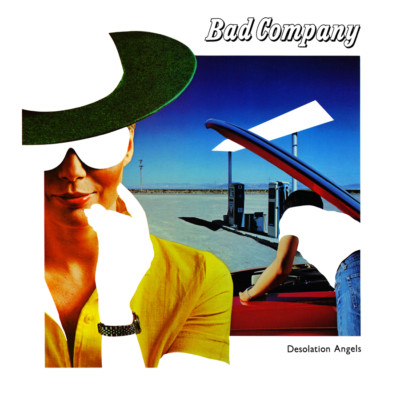
Their second and third albums — “Straight Shooter” (1975) and “Run With the Pack” (1976) — continued the band’s momentum as Top Five LPs. Ralphs said they ran out of gas for a while as they were recording the fourth album, “Burnin’ Sky,” which wasn’t quite as successful, but their 1979 LP “Desolation Angels” was a strong return to form.

By the end of the 1970s, however, the band grew increasingly disenchanted with playing large stadiums. In addition, Grant lost interest in artist management in general after Led Zeppelin drummer John Bonham died in 1980, which effectively ended that band. Said Kirke, “Peter was definitely the glue which held us all together, and in his absence, we came apart too.”

One more album in 1982, “Rough Diamonds,” was the end of the line for Rodgers, who joined up with Jimmy Page in The Firm for two decent LPs in 1984-85, including the hit “Radioactive.” Bad Company took a hiatus before Ralphs and Kirke joined forces for a return in the late ’80s and early ’90s with new members, most notably replacement singer Brian Howe, who had sung with Ted Nugent’s band and, while inferior to Rodgers, did a creditable job. That version of Bad Company released three LPs, with a power ballad, “If You Needed Somebody,” reaching the Top 20 in the US in 1990. Another singer, Robert Hart, took over for two tours and two lackluster albums in the mid-’90s.

Bad Company’s original foursome reunited in 1999 for a victorious US tour to help promote “The Original Bad Co. Anthology” compilation package, which included four new songs.

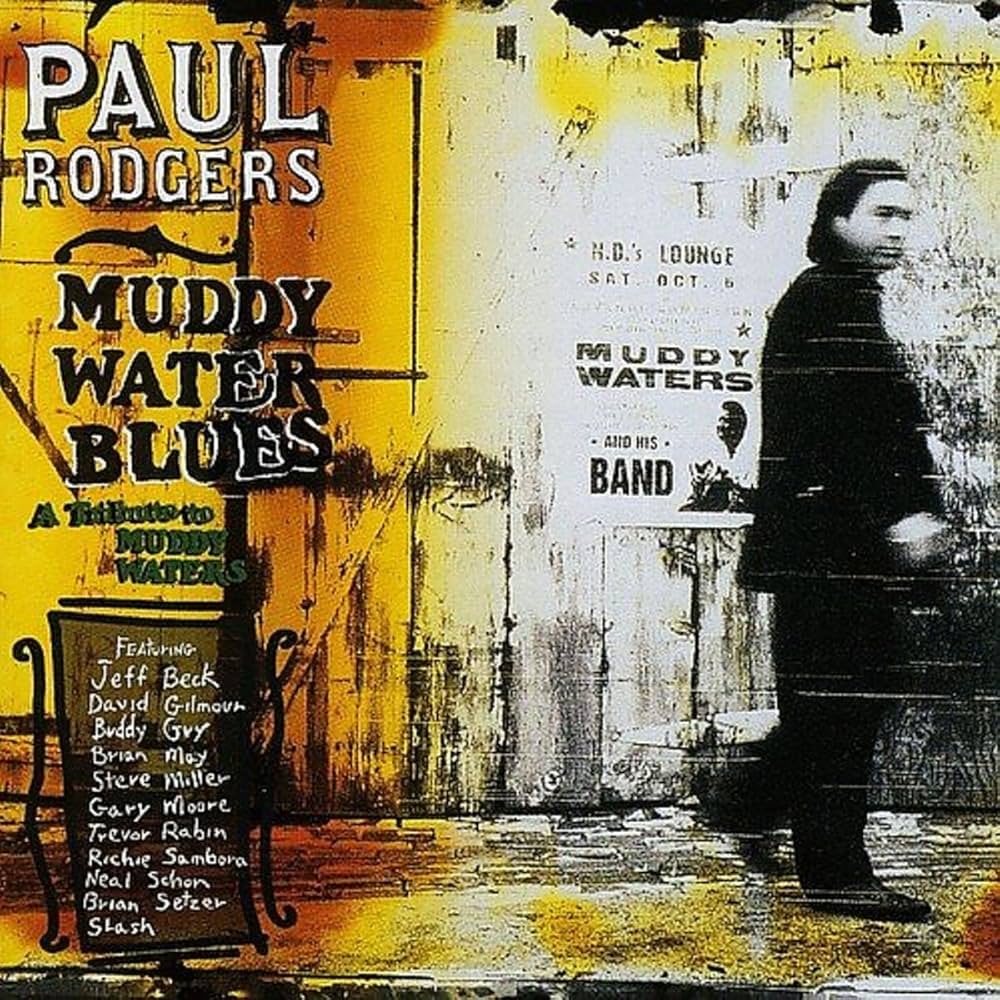
On his own, Rodgers enjoyed a Grammy nomination for his 1993 solo LP “Muddy Water Blues: A Tribute to Muddy Waters” (now strangely out of print), with Rodgers singing classic blues tracks featuring a dozen different guitarists including Brian May, Buddy Guy, Jeff Beck, Slash, Steve Miller and David Gilmour.

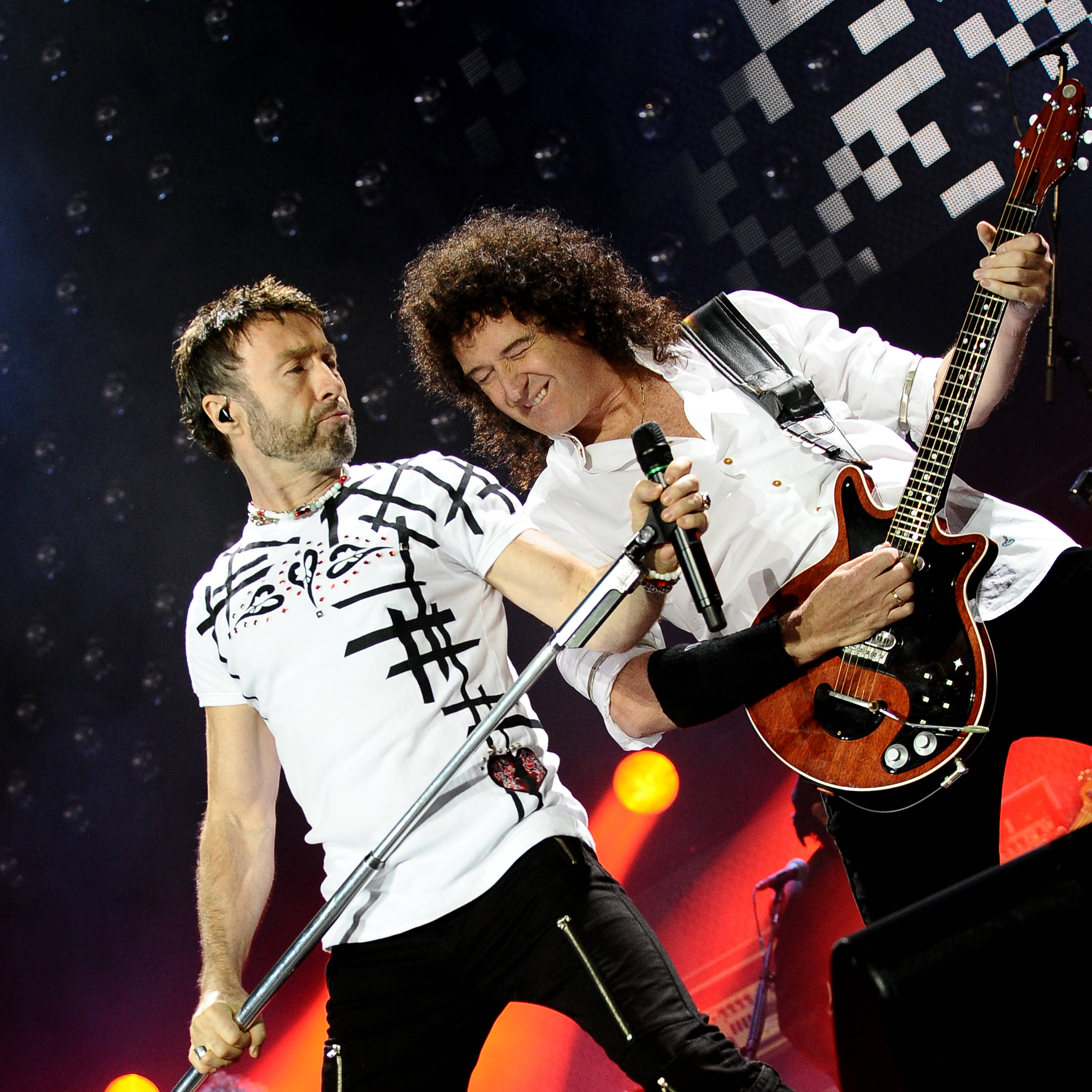
A few years later, the members of Queen invited Rodgers to stand in for the late Freddie Mercury at an awards show performance in London. It went over so well that a lengthy “Queen + Paul Rodgers” tour was mounted that went on intermittently for more than three years (2005-2008).

Rodgers with Queen’s Brian May in 2006

Ralphs, meanwhile, announced he was retiring from touring, citing a fear of flying that he’d never overcome. He recorded an all-instrumental solo album in 2001 and agreed to a few reunion performances with Mott the Hoople’s original lineup. In 2011 he formed the Mick Ralphs Blues Band and did a couple dozen gigs in clubs around London.

He suffered a debilitating stroke in 2016 and, in a stroke of cruel irony, Ralphs passed away ten days ago at age 81, only a few months before the band is due to be inducted into the R&R Hall of Fame. Bassist Boz Burrell had died of a heart attack at 60 in 2006, which leaves only Rodgers and drummer Kirke to attend the ceremonies in November in Los Angeles.

**********************

This playlist includes more than two dozen Bad Company tracks, and for added perspective, I’ve included ten tracks each from Free’s and Mott the Hoople’s catalogs.