Goodbye stranger, it’s been nice

Ever wonder how rock bands come up with their names? For example, what, exactly, is a Supertramp?

Around 1900, the legendary Irish playwright George Bernard Shaw took an interest in an unknown writer named W.H. Davies, who had spent several years traveling the rails in the United States as a vagrant and beggar while developing a talent as a poet. In 1908, Davies wrote about his peculiar life in the critically praised book “The Autobiography of a Super-Tramp.”

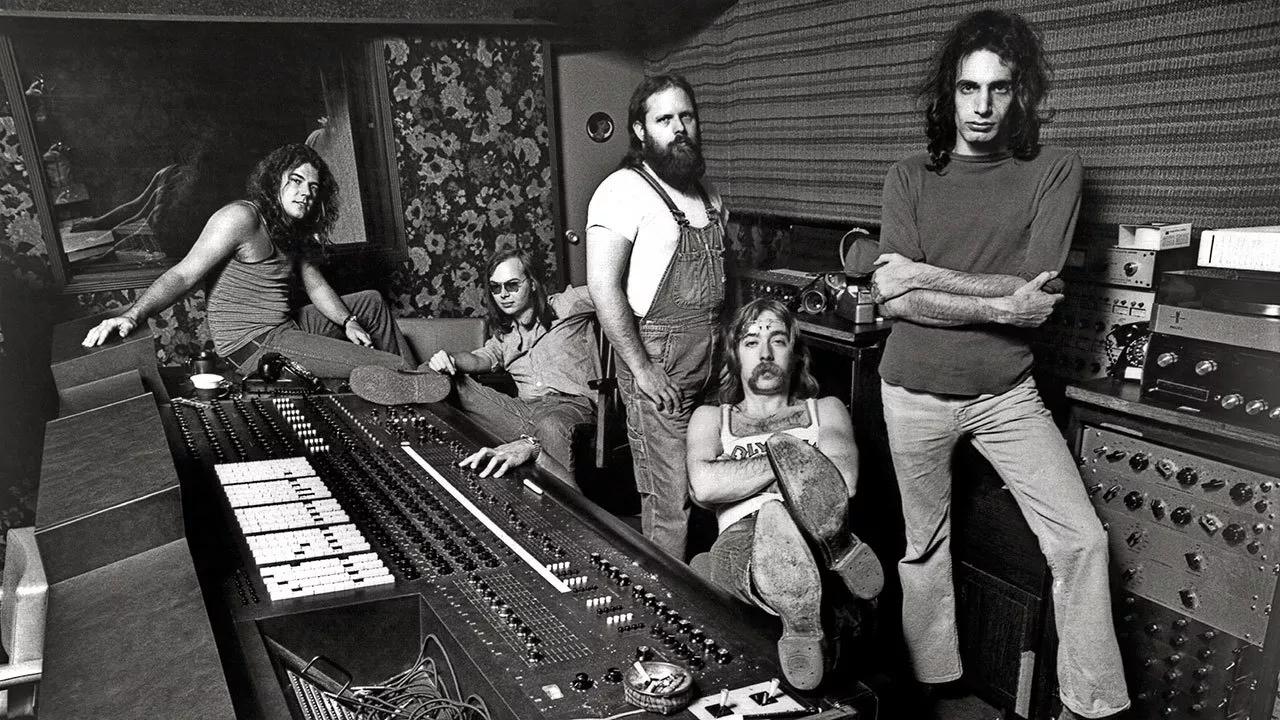
More than sixty years later, a fledgling British band known as Daddy was founded by two songwriting musicians — Rick Davies (no relation to the author) and Roger Hodgson. Soon enough, they wanted a new name to avoid confusion with another group called Daddy Longlegs, and their guitarist Richard Palmer, a fan of the Davies’ book, suggested Supertramp. It took a few more years before the group found success, but Supertramp went on to become one of the more popular progressive rock/pop groups in the UK, the US, Canada and much of Europe during the late ’70s and early ’80s.

This week, Rick Davies, who co-founded the group, played keyboards, sang and wrote more than half of their celebrated 10-album catalog, died of cancer at age 81.

I confess I wasn’t much of a fan of Supertramp at first, based on the early singles “Dreamer” and “Give a Little Bit,” written and sung by Roger Hodgson, whose high-pitched voice grated on my nerves in much the same way that Rush’s Geddy Lee did. (Well, not THAT bad, but it can be pretty annoying at times.). So I didn’t buy Supertramp’s albums, and therefore wasn’t exposed to the more bluesy, progressive rock songs that Davies wrote and sang, which were every bit as fundamental to the group’s oeuvre as Hodgson’s more melodic pop.

That changed big-time in 1979 when, along with millions of other music fans, I heard the song “Goodbye Stranger,” featuring Davies’ gritty voice and an explosive rock arrangement. “Wow,” I thought to myself, “this is Supertramp? This is way meatier and more interesting than the other stuff I’ve heard from them.”

The tune emerged as one of four hit singles from their multiplatinum #1 LP “Breakfast in America,” which brought the band worldwide fame. While Hodgson’s songs and vocals dominated the airwaves (“The Logical Song,””Take the Long Way Home” and the title tune), Davies’ keyboards and sax man John Helliwell’s powerful riffs gave the overall sound serious heft, and the album’s stellar production won a Grammy that year.

************************

When Davies and Hodgson first joined forces in England in 1969 as founders of the band that would become Supertramp, they were an unlikely pair. Davies came from working class roots and preferred blues and jazz; Hodgson was a private school kid who leaned more heavily toward pop and music hall genres. Their earliest recorded songs were joint efforts, but starting with their third album, Davies and Hodgson wrote independently and always sang lead vocals on the songs they wrote.

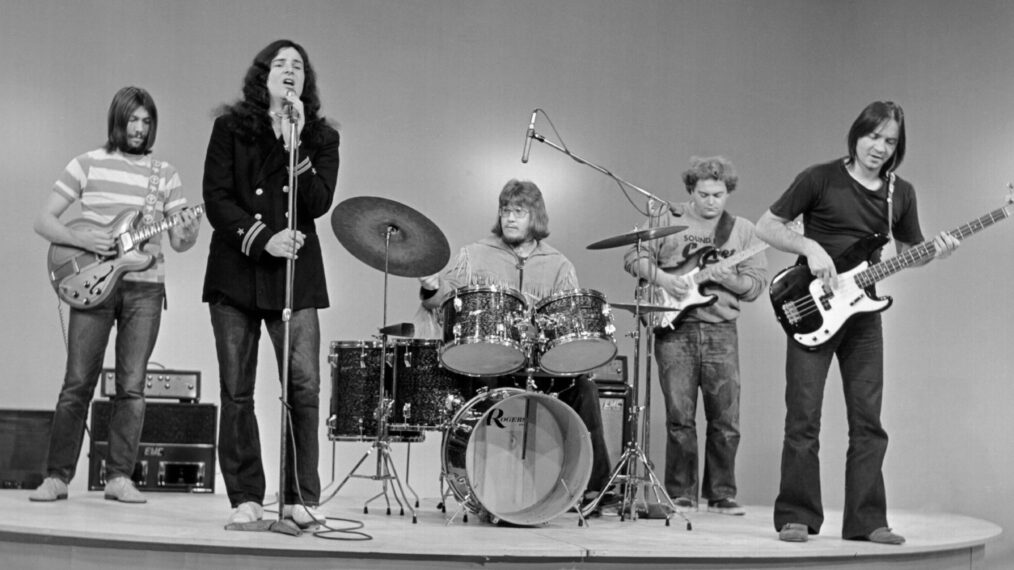
Supertramp began recording around the same time as other British progressive rock groups like Genesis and Yes, but those groups found their audiences more quickly and had significant commercial success in 1971 and 1972. Supertramp didn’t catch on until their lineup changed in 1973-74, adding Helliwell, bassist Dougie Thomson and drummer Bob Siebenberg, and they came up with the quality material that comprised their breakthrough album “Crime of the Century,” which included Davies’ compelling “Bloody Well Right,” a bitter critique of the British economic caste system, and other sophisticated works by Davies like “Rudy” and “Asylum,” and Hodgson’s “School.”

It’s not a stretch to make a few comparisons between the songwriting of Davies and Hodgson and the John Lennon-Paul McCartney partnership. In The Beatles, Lennon and McCartney started out writing songs together, but their different sensibilities and influences led them to write separately, and their final three or four albums contained songs written almost exclusively by one or the other. The same thing happened in Supertramp. Also, Lennon’s love for the rock ‘n’ roll of Elvis Presley contrasted with McCartney’s preference for the pop of Buddy Holly, much like Davies’ rough-edged tunes were at variance with Hodgson’s sweeter melodies.

Hodgson ruminated on that difference in a 1979 interview: “We realized that a few of the songs on ‘Breakfast in America’ really lent themselves to two people talking to each other, and at each other. I could be putting down his way of thinking and he could be challenging my way of seeing things. Our ways of life are so different, but I love him. That contrast is what makes the world go ’round, and it’s what makes Supertramp go ’round as well. His beliefs are a challenge to mine and my beliefs are a challenge to his.”

Supertramp (from left): Rick Davies, Dougie Thomson, John Helliwell, Roger Hodgson, Bob Siebenberg

Sadly, though, that divergence in styles and inspirations proved to be, eventually, Supertramp’s undoing. Where the two songwriters had initially respected each other’s work in an “opposites attract” sort of way, Hodgson felt he was growing apart from not only Davies but the rest of the band, both musically and spiritually. As the group contemplated their follow-up to “Breakfast in America” in 1982, Hodgson made it clear he wanted a pop album, while Davies had his sights set on returning to the prog rock of past albums, even putting forth a complex 16-minute piece that would be the album’s cornerstone. They both bristled at having to compromise their own vision, and the resulting LP, “…Famous Last Words…,” felt jarringly contradictory to many critics and to the band members themselves.

Said Davies at that time, “It’s been said that there’s a certain amount of friction that’s inevitable when you’re involved in a creative process. It’s like two people are painting a picture on the same canvas. Somebody wants to put red there and somebody wants to put blue. You have problems, and the picture doesn’t get finished. In the past, we’ve always been able to work around it, but as we’ve progressed, it has become more difficult.” Said drummer Siebenberg, “It became a diluted version of what it started out to be. It was really neither here nor there.”

Davies (left) and Hodgson during the band’s glory years

Still, Supertramp charted a triumphant world tour in 1983, and I saw them perform in September of that year in what turned out to be one of Hodgson’s final dozen shows as part of the group’s lineup. I found it to be a superb, professional gig, full of both songwriters’ better songs, including their two hits from “Famous Last Words” — Hodgson’s “It’s Raining Again” and Davies’ “My Kind of Lady.”

Hodgson then made good on his vow to go solo, and within a year, he charted respectably with his debut LP, “In the Eye of the Storm,” reaching #46 in the US, and the singles “Had a Dream (Sleeping With the Enemy)” and “In Jeopardy,” which peaked at #11 and #30, respectively, on US rock charts. A follow-up LP in 1987, stalled at #163. His third and (so far) final studio album, 2000’s “Open the Door,” didn’t chart at all in the US. Hodgson has devoted most of his energies in the ’90s and beyond to performing, sometimes with a band, sometimes on his own, including several high profile events in Europe and Canada.

Davies, meanwhile, forged ahead with Supertramp, firmly in control as they followed his progressive rock vision on the 1985 LP “Brother Where You Bound,” which peaked at #21 on US album charts. The remaining foursome of Davies, Helliwell, Thomson and Siebenberg augmented their instrumentation with a handful of additional musicians (including Pink Floyd’s guitarist David Gilmour) on the ambitious 16-minute title track and the brilliant “Cannonball” single, and they toured relentlessly in Canada, the US and Europe.

In 1987, they tried a new approach for their next project, “Free as a Bird,” setting aside their progressive rock and employing synthesizers and dance-beat rhythms instead. Said Davies years later, “I thought we could be more modern and build it up with computers and drum machines and have people come in one by one, but that makes you lose the band spirit a little bit. Each time we went in, we would try to give it something different, and it ended up a lot more machine-based than anything we’d done before. That was good and bad, but I think it had some interesting songs on it.” (I agree; tracks like “Thing For You,” “An Awful Thing to Waste” and the title song are all worthy entries in the Supertramp repertoire, but in general, it’s a failed experiment that stalled at #101 on US album charts.)

They toured behind “Free as a Bird” for six months in 1987-88 before collectively agreeing to call it quits. But in 1997, they rallied with additional musicians on the album “Some Things Never Change,” which failed to chart in the US, and again in 2002 with “Slow Motion,” which suffered the same fate. Davies conceded in 2007, “These were last-ditch attempts to make things happen again, but the life had gone out of the band by that point.”

An effort was made in 2010 to honor fans’ requests for a true Supertramp reunion with both Davies and Hodgson on stage together, but that fell through. “I know there are some fans out there who would like that to happen, and there was a time when I had hoped for that, too,” said Davies. “But in order to play a great show, you need harmony, both musically and personally. Unfortunately, that doesn’t exist between us anymore, and I would rather not destroy memories of more harmonious times between all of us.”

A final Supertramp tour of Europe was announced in 2015, but Davies’ first bout with cancer interfered, and although he fought it off for a while, it returned and eventually claimed him.

“It was an honor to share the stage with Supertramp back in the ‘prog-rock’ days of the ’70s,” said David Pack, guitarist/singer/songwriter of Ambrosia, the LA-based band with a similar prog rock/pop dual personality. “Rick along with Roger wrote and sang so many classic songs that were the soundtrack of our lives way back when. What a legacy. Bloody well done, Rick!”

R.I.P., Rick Davies. It’s an egregious omission that you and Supertramp are not yet in the Rock and Roll Hall of Fame.

**************************

The Spotify playlist below features the Supertramp songs written and sung by Rick Davies, in honor of his recent passing. For the sake of completeness, at the end I’ve added eight songs written and sung by Hodgson.

I try to recall the words you used to sing to me

I long ago concluded that I’m among the minority of people that have a great capacity for remembering song lyrics, particularly from tunes of the ’60s, ’70s and ’80s.

If we’re talking about big hit singles, perhaps most people can sing along or recognize the words from the printed page. Fewer folks can identify the title or artist responsible for deeper album tracks.

In this ’60s/’70s/’80s lyrics quiz I’ve assembled, you’ll find a cross section of the classic rock hits and the more obscure numbers from decades past, presented here to challenge your abilities at identifying them. I invite you to ruminate on the lyrics, jot down your best guesses, and then scroll down to see how well you did. There’s a Spotify playlist at the end to listen to the songs anew as you celebrate or bemoan how you did.

Enjoy.

*****************************

1   “I’ve been thinking ’bout our fortune, and I’ve decided that we’re really not to blame, for the love that’s deep inside us now is still the same…”

2   “Sometimes it’s like someone took a knife, baby, edgy and dull, and cut a six-inch valley through the middle of my skull…”

3   “She lit a burner on the stove and offered me a pipe, ‘I thought you’d never say hello,’ she said, ‘You look like the silent type’…”

4   “Tom, get your plane right time, I know that you’ve been eager to fly now, hey, let your honesty shine, shine shine now…”

5   “Go away then, damn ya, go on and do as you please, you ain’t gonna see me getting down on my knees…”

6   “Well, I hear the whistle but I can’t go, I’m gonna take her down to Mexico, she said, ‘Whoa no, Guadalajara won’t do’…”

7   “Grab your lunch pail, check for mail in your slot, you won’t get your check if you don’t punch the clock…”

8   “I said, ‘Wait a minute, Chester, you know I’m a peaceful man,’ he said, ‘That’s okay, boy, won’t you feed him when you can?’…”

9   “It’s gonna take a lot to drag me away from you, there’s nothing that a hundred men or more could ever do…”

10   “I’m gonna be a happy idiot and struggle for the legal tender…”

11   “I can remember the Fourth of July, running through the back woods bare…”

12   “Sitting by the fire, the radio just played a little classical music for you kids, the march of the wooden soldiers…”

13   “I got my back against the record machine, I ain’t the worst that you’ve seen, oh can’t you see what I mean?…”

14   “Got to have a Jones for this, Jones for that, this runnin’ with the Joneses, boy, just ain’t where it’s at…”

15   “Come down off your throne and leave your body alone, somebody must change…”

16   “I’m not the only soul who’s accused of hit and run, tire tracks all across your back, I can see you had your fun…”

17   “Well, there’s a rose in a fisted glove, and the eagle flies with the dove…”

18   “There’s too many men, too many people making too many problems, and not much love to go ’round…”

19   “I’ve acted out my love in stages with ten thousand people watching…”

20   “Jump up, look around, find yourself some fun, no sense in sitting there hating everyone…”

*

*

*

*

*

*

*

*

*

*

ANSWERS:

1   “I’ve been thinking ’bout our fortune, and I’ve decided that we’re really not to blame, for the love that’s deep inside us now is still the same…”

“The Story in Your Eyes,” The Moody Blues (1971)

These guys have had at least three lives:  their early “Go Now” period; their stunning 1967-1972 era, and a rebirth in 1981 for another run in the Eighties.  There are so many fine songs in their repertoire, most of them written by singer-guitarist Justin Hayward.  My personal favorite is “The Story in Your Eyes,” an infectious track from their “Every Good Boy Deserves Favour” album.

2   “Sometimes it’s like someone took a knife, baby, edgy and dull, and cut a six-inch valley through the middle of my skull…”

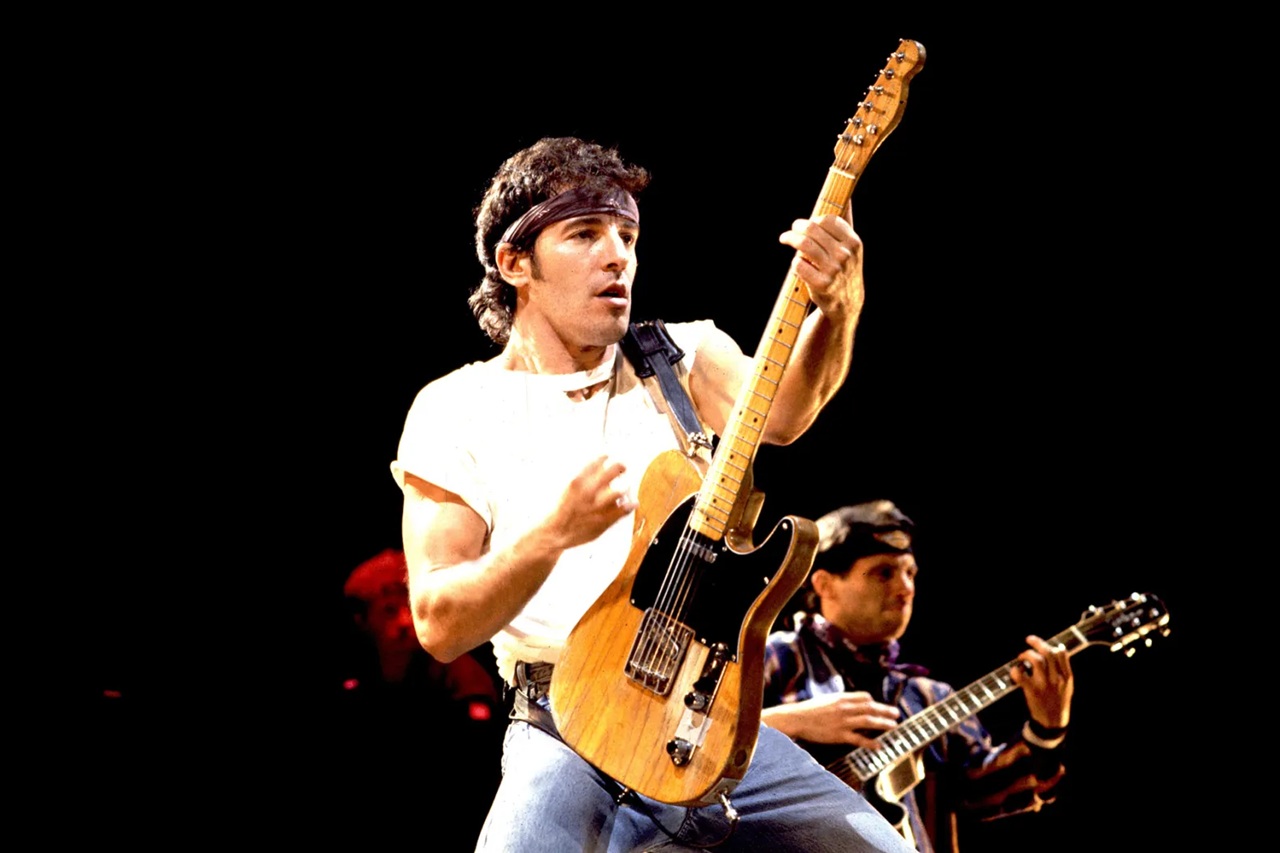
“I’m on Fire,” Bruce Springsteen (1984)

On the multiplatinum “Born in the U.S.A.” album, Springsteen assembled a dozen songs he’d chosen from nearly four dozen he wrote and recorded with the E Street Band.  This track was unique in its use of spare percussion with synthesizer, and lyrics that describe the narrator’s sexual tension and longing.  The song reached #6 in 1985, one of an unprecedented seven Top Ten singles from the same LP.

3   “She lit a burner on the stove and offered me a pipe, ‘I thought you’d never say hello,’ she said, ‘You look like the silent type’…”

“Tangled Up in Blue,” Bob Dylan (1975)

Many critics regard Dylan’s “Blood on the Tracks” as one of his top three or four in a catalog of well over 50 albums in his career.  Part of the reason is this incredible song, which offers some of his best lyrics as he tells the story of a man’s recollections about his old flame, and his travels to try to find and reconnect with her.  Dylan himself has cited this song as one of his best compositions.

4   “Tom, get your plane right time, I know that you’ve been eager to fly now, hey, let your honesty shine, shine shine now…”

“The Only Living Boy in New York,” Simon and Garfunkel (1970)

Art Garfunkel had been picked for a role in the film “Catch-22,” which kept him on the Mexico movie set for nearly six months.  Meanwhile, Paul Simon was in New York writing songs and trying to complete the duo’s next album.  He felt lonely and a bit resentful, and this song came out of that feeling.  It’s one of my favorite S&G songs, with a crystal-clean production and outstanding vocals.

5   “Go away then, damn ya, go on and do as you please, you ain’t gonna see me getting down on my knees…”

“Don’t Let Me Be Lonely Tonight,” James Taylor (1972)

For his “One Man Dog” album, released in December 1972, Taylor put together 18 songs, some barely a minute long, with seven of them assembled in an “Abbey Road”-like medley.  He recorded some of the LP in his new home studio on Martha’s Vineyard, with new bride Carly Simon contributing background vocals.  “Don’t Let Me Be Lonely Tonight” was the single, which peaked at #14 in early 1973.

6   “Well, I hear the whistle but I can’t go, I’m gonna take her down to Mexico, she said, ‘Whoa no, Guadalajara won’t do’…”

“My Old School,” Steely Dan (1973)

Donald Fagen and Walter Becker met at Bard College in upstate New York, where the formed their lasting musical partnership, but they didn’t much care for the time they spent there.  In this song, they wrote about their unpleasant experiences and made their feelings quite clear with the chorus lyric, “And I’m never going back to my old school!”  It’s one of Steely Dan’s best tunes, from their “Countdown to Ecstasy” LP.

7   “Grab your lunch pail, check for mail in your slot, you won’t get your check if you don’t punch the clock…”

“Bus Rider,” The Guess Who (1970)

I always loved this minor hit from the Guess Who repertoire.  Written by Kurt Winter, the guitarist who replaced Randy Bachman in the band’s lineup, it gallops along on the strength of Burton Cummings rollicking piano and strong vocals.  Winter had been a daily bus commuter when he worked a day job and thought the experience would be a good topic for a song.  He was right.

8   “I said, ‘Wait a minute, Chester, you know I’m a peaceful man,’ he said, ‘That’s okay, boy, won’t you feed him when you can?’…”

“The Weight,” The Band (1968)

Although it was released as a single which never reached higher than #63 on the charts, “The Weight” significantly influenced American popular music.  It was ranked an impressive #41 on Rolling Stone’s Best 500 Songs of All Time.  It’s essentially a Southern folk song, with elements of country and gospel, and Robbie Robertson said he wrote it during his first visit to Memphis, where singer Levon Helm had grown up.

9   “It’s gonna take a lot to drag me away from you, there’s nothing that a hundred men or more could ever do…”

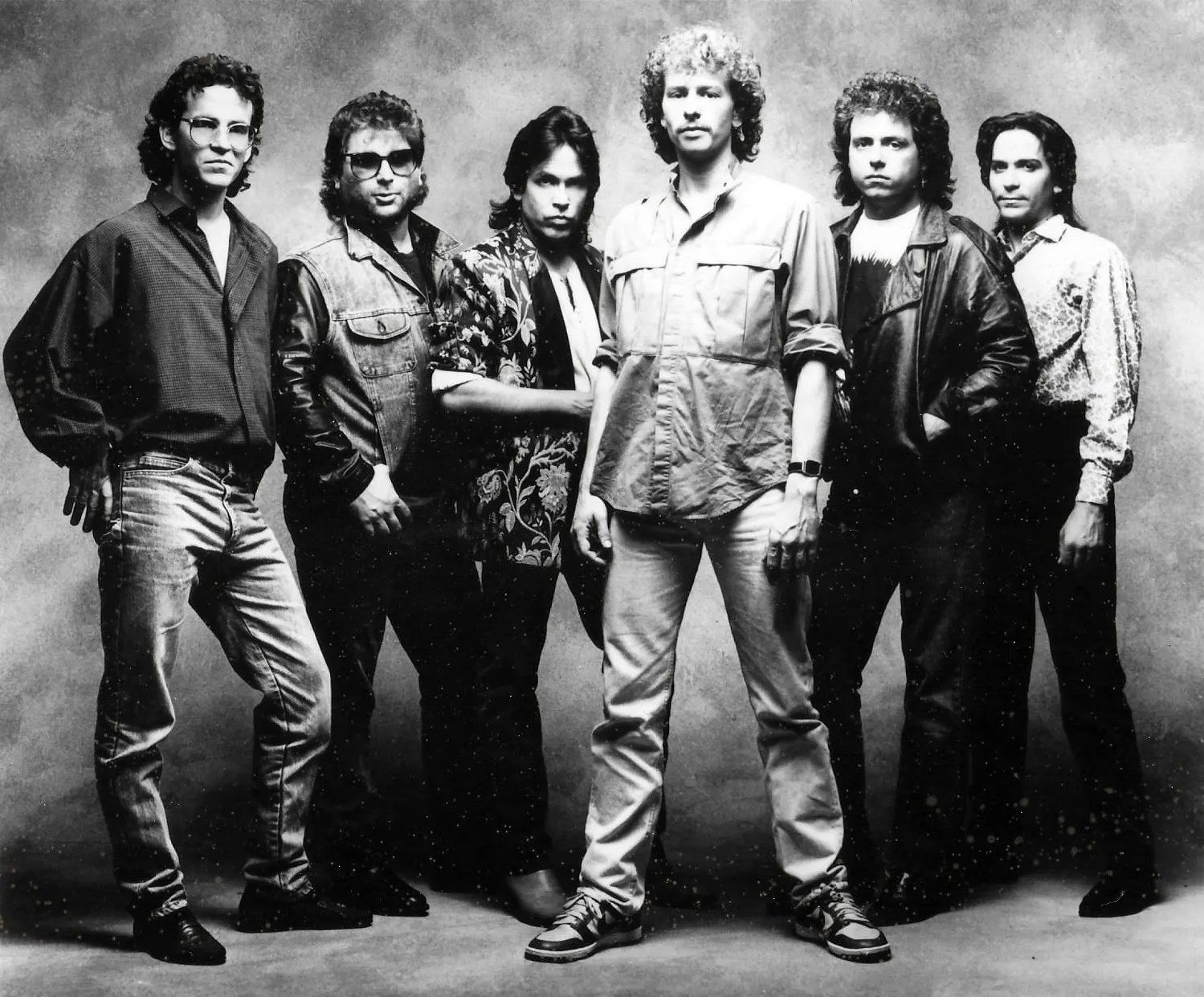
“Africa,” Toto (1982)

Chief songwriter David Paich wrote this lyrical tribute to The Dark Continent without ever having visited it.  “I saw a National Geographic special on TV and it affected me profoundly,” said Paich.  The resulting track, fleshed out with some searing guitar work by guitarist Steve Lukather, turned out to be Toto’s only #1 hit, although it was “Rosanna” that won Grammys.

10   “I’m gonna be a happy idiot and struggle for the legal tender…”

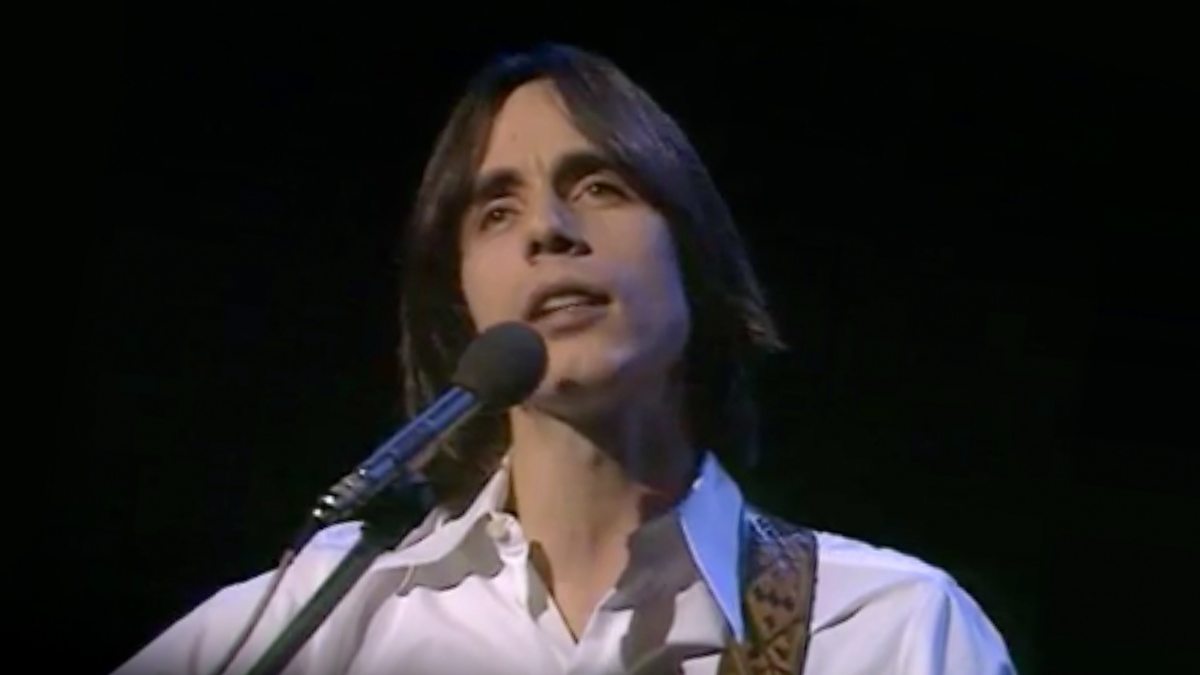
“The Pretender,” Jackson Browne (1976)

When asked who “the pretender” was, Browne said, “It’s anybody that’s lost sight of some of their dreams and is going through the motions, trying to make a stab at a certain way of life that he sees other people succeeding at.”  As the title track of his fourth album, the song anchors a strong batch of tunes he wrote in the wake of his wife’s suicide, which share a mid-Seventies resignation to the fact that the Sixties idealism was long gone.

11   “I can remember the Fourth of July, running through the back woods bare…”

“Born on the Bayou,” Creedence Clearwater Revival (1969)

I’ve always considered this song the definitive CCR track.  The wonderfully swampy groove, John Fogerty’s vocal growl and biting guitar solo, plus lyrics that take the listener deep into Louisiana, bring all the band’s key elements together in one great recording.  The group’s “Bayou Country” and “Green River” LPs should both be minted in gold.  Every song shines.

12   “Sitting by the fire, the radio just played a little classical music for you kids, the march of the wooden soldiers…”

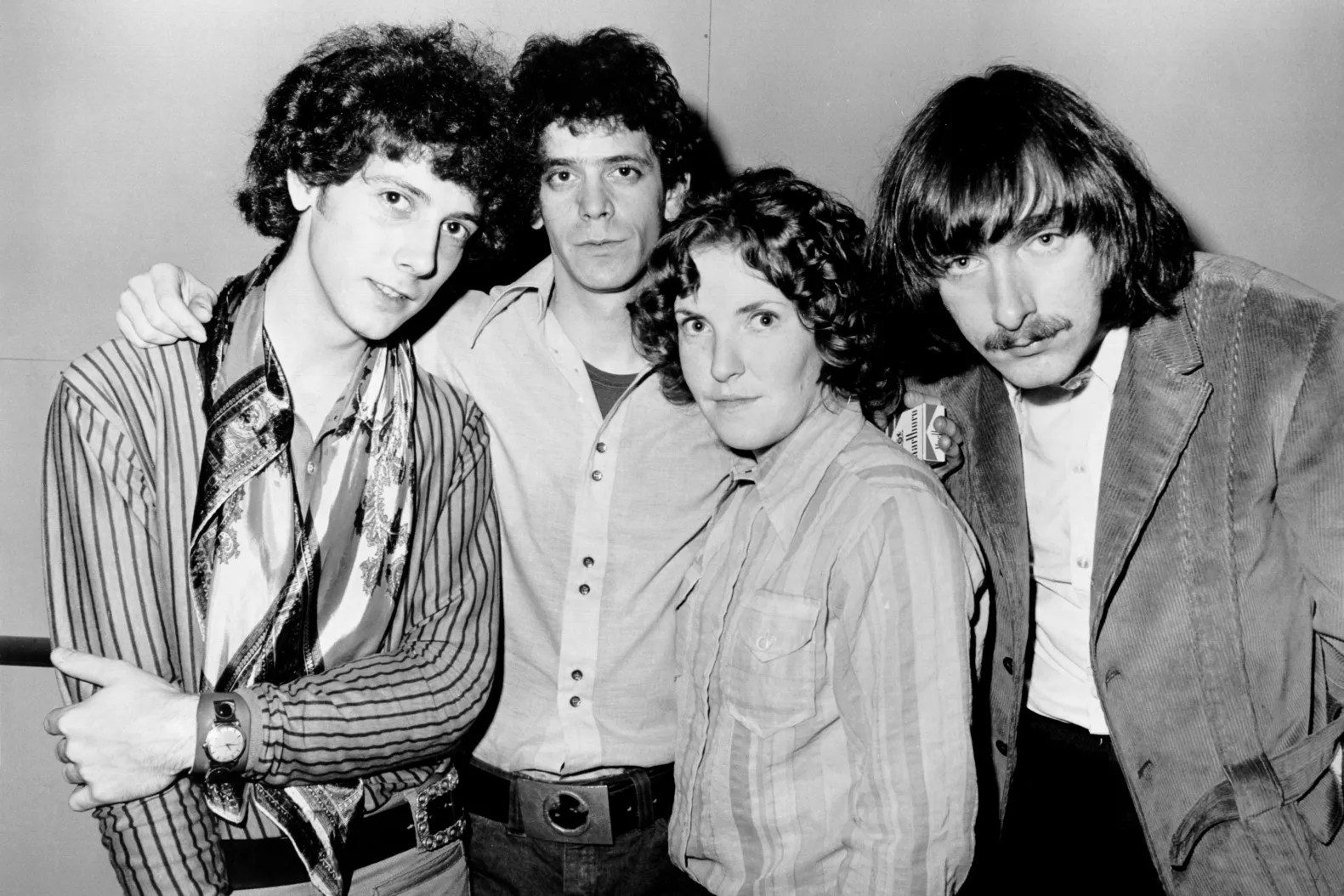
“Sweet Jane,” The Velvet Underground (1970)

This great tune by Lou Reed had plenty of airplay on FM rock stations, both in its multiple recordings by Reed’s band The Velvet Underground and by Reed as a solo artist.  The 10-minute version on Reed’s 1978 live album “Take No Prisoners” is my favorite, but probably the best known version is by Mott the Hoople from their 1972 album, “All the Young Dudes.”

13   “I got my back against the record machine, I ain’t the worst that you’ve seen, oh can’t you see what I mean?…”

“Jump,” Van Halen (1984)

Instead of the guitar-driven sound that dominates the band’s catalog, the melody of “Jump” is carried by a synthesizer, which was much in vogue in the mid-’80s.  David Lee Roth has said the lyrics were inspired by a news story about a man threatening to jump from a tall building and how “there was probably at least one person in the crowd that mumbled, ‘Oh, go ahead and jump.'”  It was a big #1 hit from their “1984” album.

14   “Got to have a Jones for this, Jones for that, this runnin’ with the Joneses, boy, just ain’t where it’s at…”

“Lowdown,” Boz Scaggs (1976)

Scaggs had been in the original Sixties lineup of the Steve Miller Band before going solo in 1969.  He fashioned an unusual mixture of country, blues and R&B in his music, which attracted a cult audience but didn’t click with the mainstream until 1976 when he released the superb “Silk Degrees” album.  His supporting cast included the top-notch session men who would later form Toto.  “Lowdown” reached #6 on the charts that year.

15   “Come down off your throne and leave your body alone, somebody must change…”

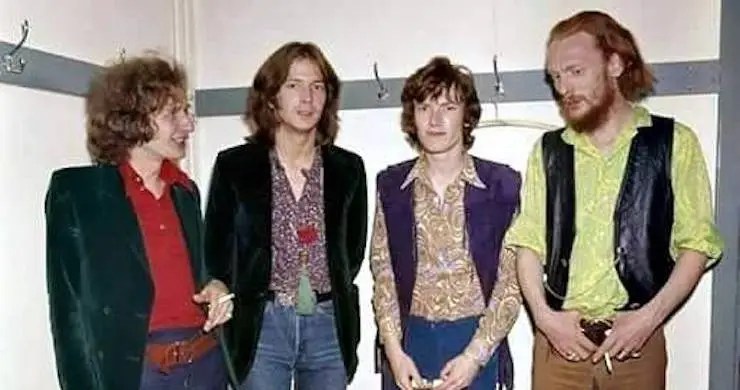
“Can’t Find My Way Home,” Blind Faith (1969)

Steve Winwood, on hiatus from his band Traffic, teamed up briefly with Eric Clapton and Ginger Baker for one album and a brief tour before disbanding.  Winwoods’s influence is strong on all six tunes on the record, but none more so than the acoustic gem “Can’t Find My Way Home.”  It would have fit perfectly on the subsequent “John Barleycorn” album, and in fact, many people have always presumed it’s a Traffic song.

16   “I’m not the only soul who’s accused of hit and run, tire tracks all across your back, I can see you had your fun…”

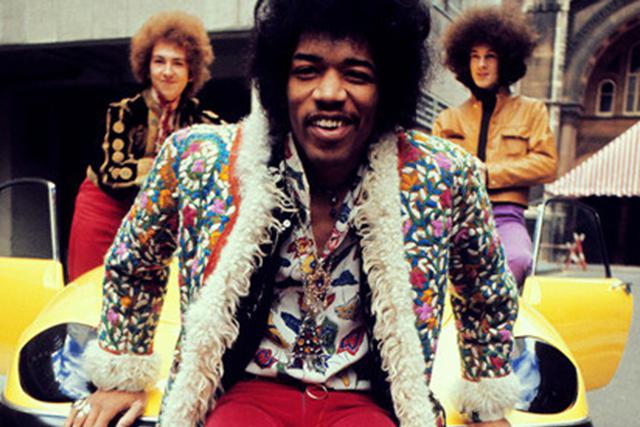
“Crosstown Traffic,” Jimi Hendrix Experience (1968)

By the time of his third album, the sprawling double LP “Electric Ladyland,” Hendrix was experimenting more with different musicians brought in to work on individual tracks.  This song, though, features just the original trio as they power their way through a classic Hendrix blues/rock arrangement.  The lyrics compare a challenging relationship to the chaos of a Manhattan traffic jam.

17   “Well, there’s a rose in a fisted glove, and the eagle flies with the dove…”

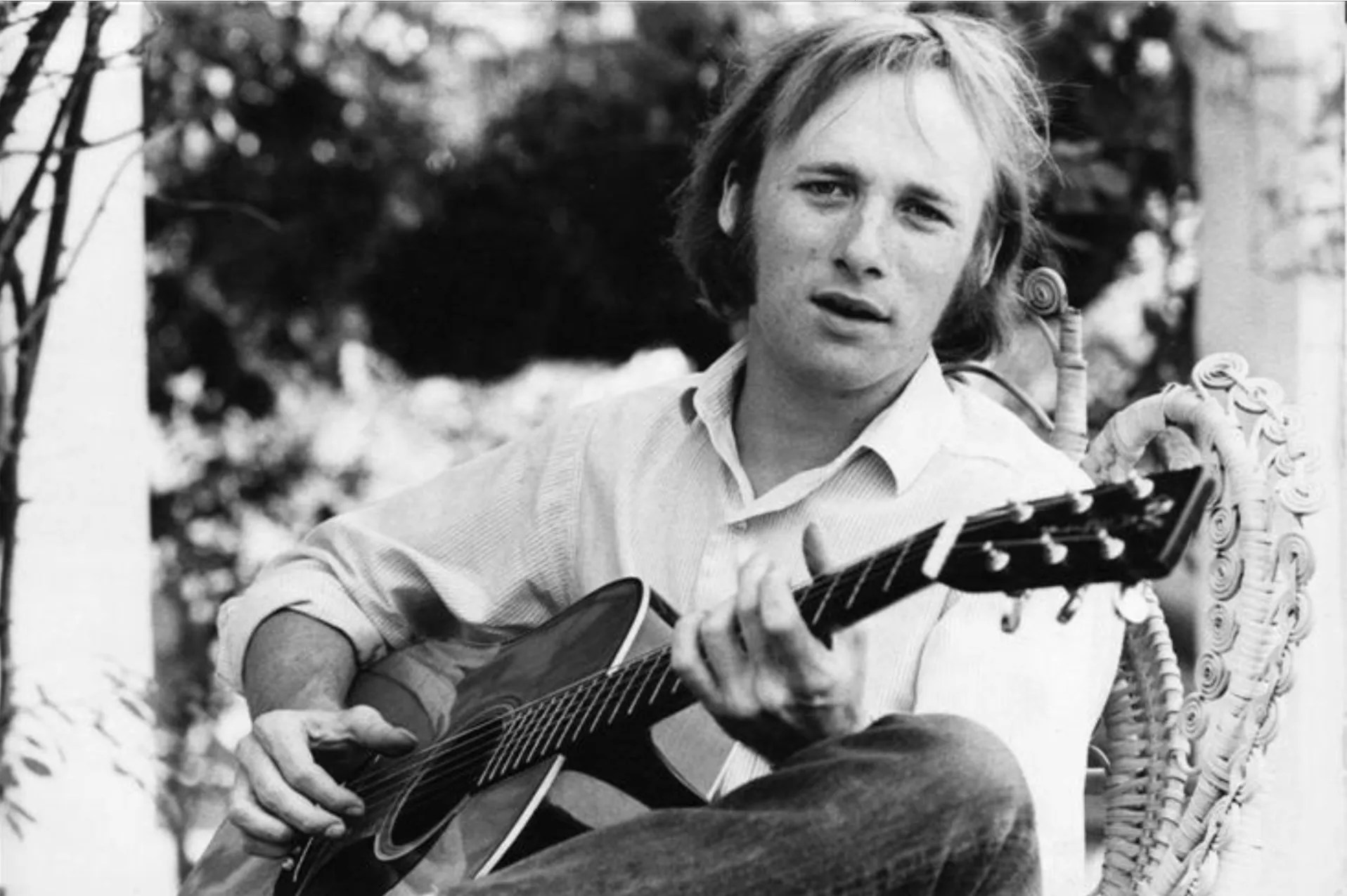
“Love the One You’re With,” Stephen Stills (1970)

If you think this tune is from the Crosby, Stills and Nash catalog, you’re not far wrong.  Technically, it’s from Stephen Stills’s debut solo album, not a CSN album, but it pretty much qualifies as a group production because Crosby and Nash were both at the recording session singing background vocals.  Stills borrowed the title from a line he heard Billy Preston say one night while on tour.

18   “There’s too many men, too many people making too many problems, and not much love to go ’round…”

“Land of Confusion,” Genesis (1986)

Between Genesis albums and solo records, Phil Collins’s voice seemed to be on the radio every 30 minutes for a while in the mid-’80s.  The Genesis LP “Invisible Touch” sold a zillion copies on the strength of tracks like “Tonight, Tonight, Tonight,” the title song and this strong tune.  Although written more than 30 years ago, “Land of Confusion” seems like an apt description of the United States in the age of coronavirus.

19   “I’ve acted out my love in stages with ten thousand people watching…”

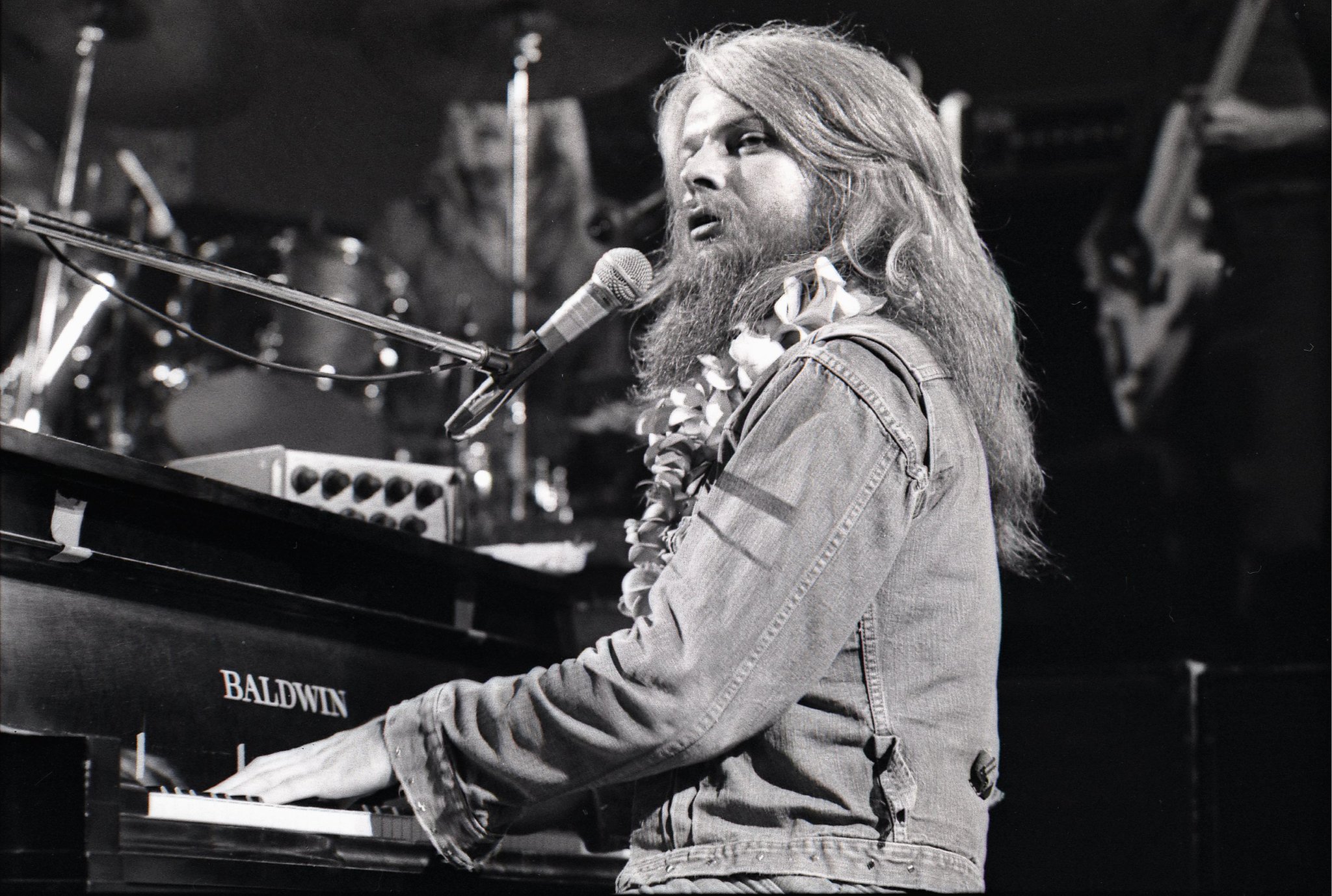
“A Song For You,” Leon Russell (1970)

Russell not only spent many years as a member of the group of L.A. studio musicians known as The Wrecking Crew, he also wrote some iconic songs along the way.  The two that stand out for me are “This Masquerade” and “A Song for You,” both of which were eventually recorded by The Carpenters, George Benson and others.  Russell’s distinctive voice makes his own recording of “A Song for You” particularly memorable.

20   “Jump up, look around, find yourself some fun, no sense in sitting there hating everyone…”

“Teacher,” Jethro Tull (1970)

This song, one of the anchors of Tull’s third album, “Benefit,” didn’t appear on the British version but was instead released as a single there.  It stiffed on the charts, but in the US it became very popular on FM rock stations, thanks to the catchy rock arrangement carried by Anderson’s distinctive flute and the first appearance of John Evan’s swirling organ passages.

**********************************