Isn’t life strange, a turn of the page

Popular music is full of stories of rock groups that were lucky enough to have a #1 single almost right away but then unable to duplicate their success. The record label might stick with them for a year or two, but without sales, the groups lose their contracts and are never heard from again. You’ve no doubt heard such artists referred to as “One-Hit Wonders.”

The Moody Blues, who went on to become one of the most successful British progressive rock groups in history, came pretty close to being saddled with that dubious distinction. They signed a deal with Decca in early 1964 and, before the year was out, they topped the charts in England with “Go Now,” which also broke into the Top Ten in the US. Like much of their repertoire at the time, “Go Now” was a cover version of a rhythm and blues song recorded by an American soul singer, Bessie Banks, with lead singer/guitarist Denny Laine as the front man.

Their 1964 #1 single, featuring (L-R): Thomas, Warwick, Edge, Laine and Pinder

But then they struggled unsuccessfully for nearly two years to come up with another hit, and Decca was ready to drop them from their roster of artists. Laine grew frustrated and left, as did bassist Clint Warwick. The core group of keyboardist Mike Pinder, flutist Ray Thomas and drummer Graeme Edge soldiered on by welcoming new members Justin Hayward on guitar and John Lodge on bass.

(Lodge died last week at age 82, and with Pinder, Thomas and Edge all passing away over the past eight years, this leaves Hayward as the sole surviving member.)

The group had built up a debt that Decca wanted to recoup, so they came up with a plan: Use the Moody Blues to create a rock music version of Dvorak’s classical music piece, “New World Symphony,” to help promote the label’s new subsidiary, Deram Records, and its new high-end sonic development they called Deramic Stereo. The band had little choice but to go along.

The Moodies’ revised lineup quickly reached the conclusion that the project wasn’t going to work, but with support from their producer and engineer, they boldly proposed to write a cycle of original songs about “everyman’s archetypical day” (dawn, morning, mid-day, late afternoon, evening, night) which would then be expanded and connected by classical music passages, written and conducted by Peter Knight and recorded with a session “orchestra” that called themselves the London Festival Orchestra. To their everlasting credit, the label agreed.
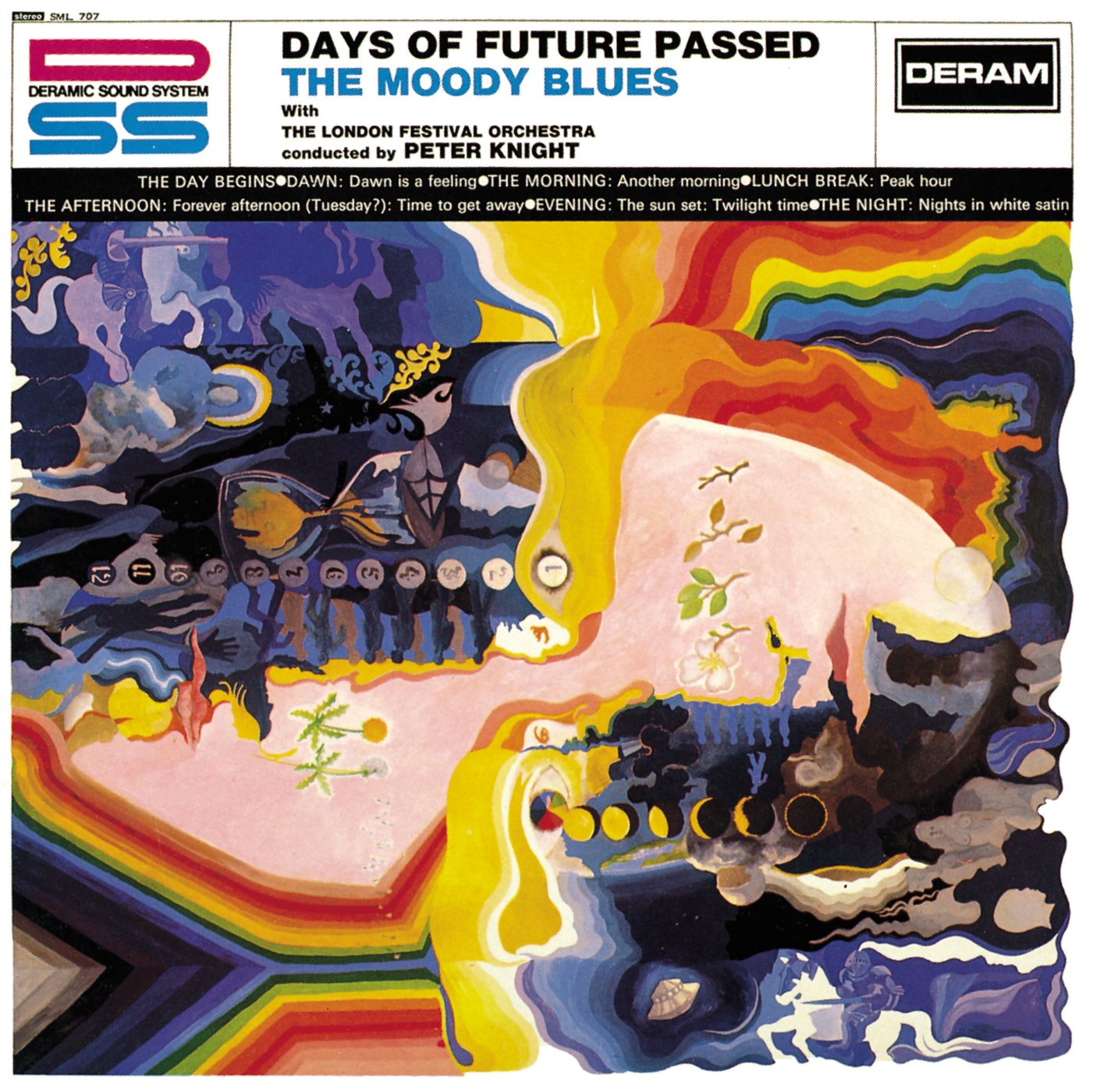
“Days of Future Passed” cover, 1967

The album they got, “Days of Future Passed,” was fairly astounding. It is regarded as one of the very first concept albums, released in 1967 in the wake of The Beatles’ “Sgt. Pepper” and Pink Floyd’s “Piper at the Gates of Dawn,” neither of which utilized classical music structures and instruments as comprehensively as The Moody Blues did. Although Decca had little hope that the album would sell much, it became a surprise hit, reaching #27 in the UK on the strength of its two singles, “Nights in White Satin” and “Tuesday Afternoon” (#19 and #24 respectively).

It should be noted that the album tanked badly in the US at the time, and critics savaged it. Rolling Stone said, “The Moody Blues have matured considerably since ‘Go Now,’ but their music is constantly marred by one of the most startlingly saccharine conceptions of ‘beauty’ and ‘mysticism’ that any rock group has ever attempted. They are strangling themselves in conceptual goo.” Truth be told, I’ve found the album to be a bit tiresome to listen to all the way through, and the orchestral sections seem rather heavy-handed. But “Days of Future Passed” stands as a landmark LP in its creative blending of rock and roll arrangements with classical song structures and instrumentation.

In the UK, the album’s success gave the group the green light to continue their experimentation. Fortunately, Pinder was exceptionally well versed in the Mellotron, an analog antecedent to the synthesizer. It was designed as an organ-like device that used tape heads activated by the touch of keys, and tape loops comprised of the sounds of horns, strings and other instruments generating an eerie, orchestra-like sound. Pinder, who not only knew how to play it but also once worked for the company that developed and built them, was able to perpetuate the group’s use of orchestral sounds without the expense of hiring classical musicians for the recording process.
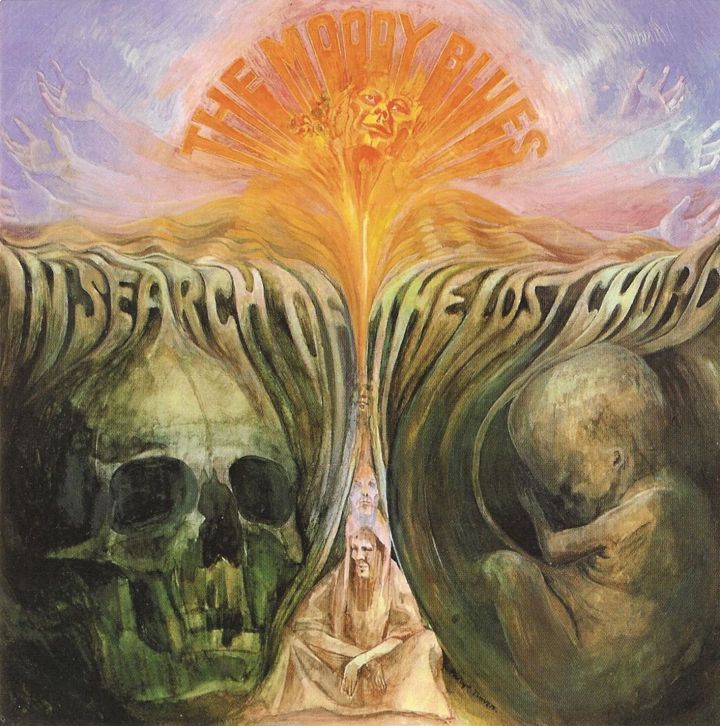
“In Search of the Lost Chord” cover, 1968

The next Moodies LP, “In Search of the Lost Chord,” revealed the depth of talent of the band’s five multi-faceted musicians. Pinder worked the Mellotron and added piano, harpsichord, autoharp and tambura; Hayward took over on lead vocals and played acoustic and electric guitar, sitar and keyboards; Lodge handled bass, cello and vocals; Thomas provided flute, oboe, sax and French horn and vocals, and Edge played drums and percussion and contributed spoken vocals. All five were songwriters as well, giving the album a wonderful diversity within the group dynamic. Lyrically, the songs examined themes like higher consciousness (Thomas’s ode to Timothy Leary and LSD, “Legend of a Mind”), spiritual development (Hayward’s “Voices in the Sky”), quest for knowledge (Lodge’s rocker “Ride My See-Saw”) and imagination (Pinder’s “The Best Way to Travel”). All this proved to establish the group as pioneers of the new “progressive rock” genre, and gurus of the counterculture on both sides of the Atlantic, while also showing robust sales in the mainstream, reaching #5 in the UK and #23 in the US.

Not that the Moodies were purveyors of 20-minute epics with multiple time signatures like their prog-rock successors (Genesis and Yes, for example). They wrote what were at heart pop songs, but wrapped them in gorgeous arrangements, with lush harmonies and rich instrumentation (the defining sound in “Nights in White Satin” isn’t guitar, it’s flute). They understood the capabilities of the studio in a way few of their contemporaries did, and in a band packed with capable songwriters, Lodge more than held his own. “Ride My See-Saw” showcased Lodge’s talents: you can hear the earlier R&B band in the rhythm section, but the vocals are layered so deeply the song becomes almost hymnal. It’s very much of its time, but also entirely fantastic — the sound of pop evolving in the moment, in the studio.
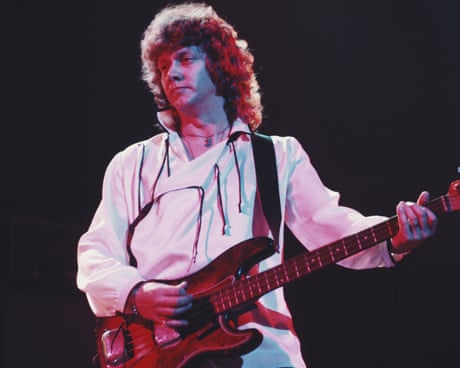
John Lodge playing bass
John Lodge

Over the next four years, The Moody Blues honed and embraced this formula, offering five rich, diverse, sonically engrossing albums that achieved ever-higher positions on the charts in both the UK and the US, and Canada and Australia as well. “On the Threshold of a Dream” and “To Our Children’s Children’s Children,” both released in 1969, cemented their reputation as an “album band,” with tracks that segued into one another. Their trippy album cover art further sealed the deal, giving their attitude-adjusted audience something to look at while the music played on. “A Question of Balance” in 1970 and “Every Good Boy Deserves Favour” in 1971 brought The Moodies back to the singles charts with two vibrant Hayward compositions: the melodramatic “Question,” with its frenetic acoustic strumming, and my personal Moodies favorite, the hard-rocking “The Story in Your Eyes.”

Front-and-back album cover art, 1969

The band toured incessantly throughout this period, and because some of their pieces proved too daunting to attempt on stage, they found themselves consciously writing tunes that could be more easily recreated in a live setting. Consequently, “Question,” “It’s Up to You,” “Melancholy Man,” “Dawning is the Day,” “The Story in Your Eyes” and “Our Guessing Game” from the 1970-1971 LPs became regulars on their concert setlist.

The Moody Blues in 1970: Ray Thomas, Mike Pinder, Graeme Edge, Justin Hayward, John Lodge

An unusual thing happened in 1972. While the group’s accurately titled album “Seventh Sojourn” became the first to reach #1 on the US album charts, its two Lodge-penned singles — “Isn’t Life Strange” and “I’m Just a Singer (in a Rock and Roll Band)” — made the Top 40 but were completely overshadowed by the re-release of “Nights in White Satin.” A disc jockey in Washington had been signing off with the five-year-old song, and listeners began clamoring for it. Interest spread to other US markets, and soon Decca/Deram chose to re-release it as a single. It not only soared to #2 on the US Top 40, but also brought “Days of Future Passed” to #3 on the US album chart, giving The Moodies TWO albums in the Top Five in December 1972.

Re-release single of “Nights in White Satin,” 1972

Non-stop touring and recording eventually took their toll. The 1973 tour to support “Seventh Sojourn” saw the Moody Blues living a lifestyle more commonly associated with Led Zeppelin. As Lodge recalled in the liner notes for a reissue of the album: “We had our own Boeing 707 aircraft which was decked out with TVs and sound systems everywhere. We had our own butler and our name written on the outside of the plane. I had a very empty feeling knowing that things had got this excessive.”

Encouraged by the band’s propensity for vague but faintly profound-sounding lyrics, fans took to thinking the group members possessed more wisdom than they actually did, a situation that provoked these lyrics in Lodge’s “I’m Just a Singer (In a Rock and Roll Band)”: “And if you want the wind of change to blow about you, / And you’re the only other person to know, don’t tell me, / I’m just a singer in a rock and roll band.”

Consequently, The Moodies chose to go on hiatus for a few years, much to the displeasure of their record label. Pinder had grown tired of England and relocated to California to start a new family there, and Hayward, under pressure to come up with new Moody Blues-like material, teamed up with Lodge and their longtime producer Tony Clarke to make an album as a duo (“Blue Jays”) in 1975, which reached a respectable #16 in the US and #4 in Britain, even without any noteworthy singles.

The whole band reunited in 1978 to record the rather flat “Octave” LP with the below-average single “Steppin’ in a Slide Zone,” but Pinder was so dissatisfied with the result that he refused to participate in the subsequent tour and officially left the group for good. It seemed that the music scene had moved on, eschewing prog rock for disco, funk, New Wave and heavy metal.

“Long Distance Voyager” cover, 1981

In 1981, though, The Moody Blues came roaring back with “Long Distance Voyager,” a synthesizer-driven #1 pop/rock album carried by two Top 20 Hayward hits, “Gemini Dream” and “The Voice.” Pinder’s replacement was Patrick Moraz, a keyboard wizard who had similarly replaced Rick Wakeman in Yes for a spell several years earlier. The Moodies’ triumphant return to touring, including songs from throughout their catalog, was made possible by the industry’s improved technical improvements in concert sound. I saw them in concert that year, and again a decade later in a double bill with Chicago, and found their show exhilarating.

This album, and those that followed over the next decade (1983’s “The Present,” 1986’s “The Other Side of Life,” 1988’s “Sur La Mer” and 1991’s “Kings of the Kingdom”), bore only a little resemblance to the psychedelia and mind-expanding albums of the band’s prime, but the accessible melodies, crisp production and Hayward’s ever-present voice kept the band in the limelight. Indeed, Hayward’s catchy pop song, “Your Wildest Dream,” and its similar sequel, “I Know You’re Out There Somewhere,” got as much exposure as anything they’d ever done. Still, there were precious few memorable deep tracks behind the singles, certainly a discouraging development to older fans.
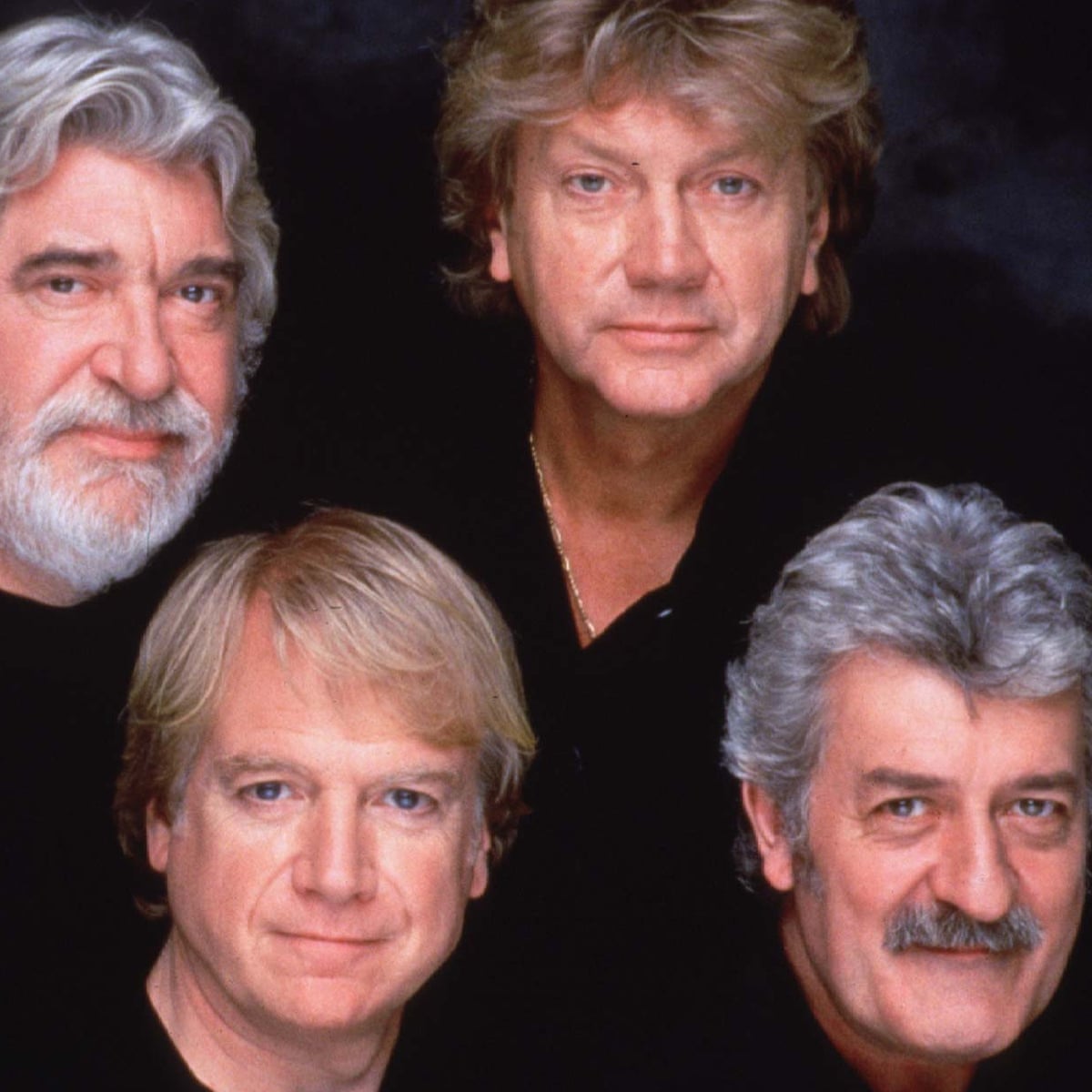
The Moodies in 2002, L-R: Edge, Hayward, Lodge, Thomas

The band’s last time in the recording studio was in 2003 when they cobbled together a Christmas-themed album called “December,” which came and went quickly, like most seasonal records. The Moody Blues, augmented by additional performers on stage, continued performing well into the 2010s, with Hayward and Lodge carrying the load. First Thomas and then Edge were forced to reduce their participation due to health issues. Thomas ultimately died of cancer in 2018, and Edge passed away of cancer in 2021.

Lodge never took music lightly. He always saw in it the potential for something more than entertainment. In a 2023 interview, he was asked what “psychedelic” meant to him, and his answer was thoughtful: “I hope your mind will explore the music and take you wherever the music takes you. It’s not a case of just singing along, it’s listening. It can be one note and that transports you somewhere. And I think you can conjure up experiences and stories in your mind where the music takes you. To me, that’s psychedelic. You have to listen to things, not just hear them.”

Hayward and Lodge performing in 2017

I can’t think of any other rock band that had the audacity to offer tracks of cosmic poetry, spoken rather than sung, on almost every album. “In the late 1960s we became the group that Graeme always wanted it to be, and he was called upon to be a poet as well as a drummer,” said Hayward about Graeme Edge in the wake of his death. “He delivered that beautifully and brilliantly, while creating an atmosphere and setting that the music would never have achieved without his words.”

There’s a song on “Long Distance Voyager” that, while not one of their better efforts, perfectly describes how The Moody Blues were perceived in their later years — “Veteran Cosmic Rockers.” Their spacey music and intelligent lyrics mesmerized a sizable fan base during their 1967-1974 era, and their 1981-1991 period perpetuated The Moodies brand as a worthy rock band that absolutely deserved their long-overdue induction in the Rock and Roll Hall of Fame in 2018.

As Edge himself put it in a 2008 interview, “I never get tired of playing the hits. I think we have a duty. You play ‘Nights in White Satin’ for them. You’ve got to play ‘I’m Just a Singer (in a Rock and Roll Band),’ and you’ve got to play ‘Tuesday Afternoon’ and you’ve got to play ‘Question.’ It’s our duty, and the audience’s right.”

R.I.P. John Lodge, and The Moody Blues as a band. You left a valuable legacy.

************************

I see sparks fly whenever you smile

“If you smile at me, I will understand, ’cause that is something everybody everywhere does in the same language.” — David Crosby and Stephen Stills, 1969

Unbeknownst to me, last Friday the world celebrated World Smile Day, a day first earmarked in 1999 to encourage “random acts of kindness” designed to bring smiles to people’s faces. So I’m a week late, but I was inspired to examine how songwriters have addressed the act of smiling.

Studies have shown several interesting things about the act of smiling: It lowers your blood pressure, relieves stress, boosts your immune system and improves your mood. Did you know it takes three times as many facial muscles to frown as it does to smile? Here’s a tip: If you wake up “on the wrong side of the bed,” try to muster a smile before your feet hit the floor. It just might turn your day in a more positive direction.

In these strange and difficult times, we could all try to smile a little more and make the world a happier place. If someone smiles at you, try to make a point of smiling back. Sadly, sometimes a smile can be insincere, hiding a deceitful agenda, but typically, a smile serves as a warm greeting or an act of encouragement. In the 15 songs about smiling I’ve collected here (plus a few honorable mentions), only two warn of ulterior motives.

After reading this piece and enjoying the tunes on the accompanying Spotify songlist, I urge you to head on out today and brighten someone’s day with a sincere smile, a random act of kindness, maybe a clever joke. It can’t hurt…

***************************

“Your Smiling Face,” James Taylor, 1977

This joyous uptempo tune was considered something of a departure for Taylor, whose songs tended to be more reflective and melancholy. Most people interpreted “Your Smiling Face” as a love song for his then-wife Carly Simon, with lyrics like “Isn’t it amazing a man like me can feel this way? Tell me, how much longer we can grow stronger every day?” Actually, though, Taylor wrote it about their three-year-old daughter Sally. Critics called it “his most unabashedly happy song ever,” and I’m inclined to agree. It reached #20 on US pop charts in 1977 as the second single from his “JT” album that year.

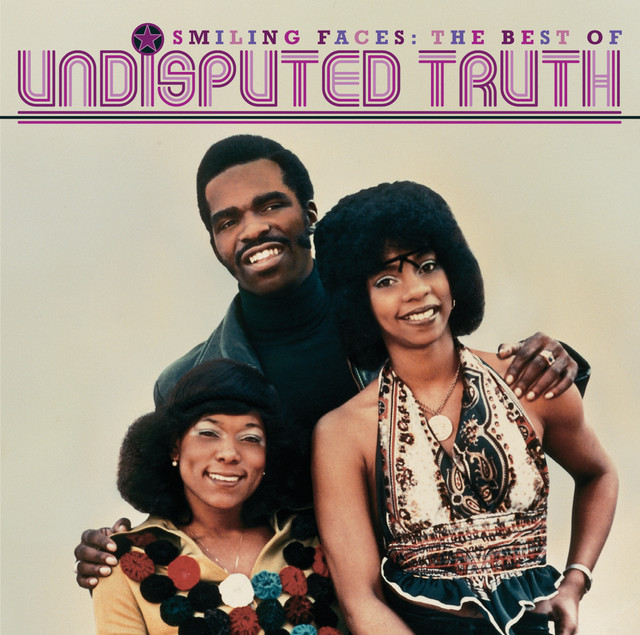
“Smiling Faces Sometimes,” The Undisputed Truth, 1971

The Motown songwriting team of Norman Whitfield and Barrett Strong, responsible for many Temptations hits like “Ain’t Too Proud Beg,” “Cloud Nine,” “I Can’t Get Next to You” and “Papa Was a Rolling Stone,” came up with the compelling “Smiling Faces Sometimes” for the group. They recorded a 10-minute version and intended to edit it down to three minutes for release as a single, but instead, Whitfield also had a new Motown group, The Undisputed Truth, give it a shot, and their version reached #3 on US pop charts in the summer of 1971. It’s a cautionary tale about not always trusting the smile, the handshake and the pat on the back from dishonest types: “The truth is in the eyes ’cause the eyes don’t lie, amen, /Remember, a smile is just a frown turned upside down, my friend, /So hear me when I’m saying, /Smiling faces, smiling faces, sometimes, yeah, they don’t tell the truth…”

“Smile,” Nat King Cole, 1954

The great comic actor Charlie Chaplin actually teamed up with famed film score producer David Raksin in 1936 to write the music for the piano and violin instrumental piece known as “Smile,” used in perhaps his most famous film “Modern Times.” Nearly twenty years later, lyricists John Turner and Geoffrey Parsons put a full set of words to the music, and Nat King Cole became the first to record it that same year: “If you smile through your fear and sorrow, /Smile and maybe tomorrow, /You’ll see the sun come shining through for you…” It reached #10 in 1954, and since then, it’s been one of the most covered tunes in pop history, recorded by everyone from Judy Garland to Lady Gaga, Barbra Streisand to Eric Clapton, Michael Jackson to Elvis Costello.

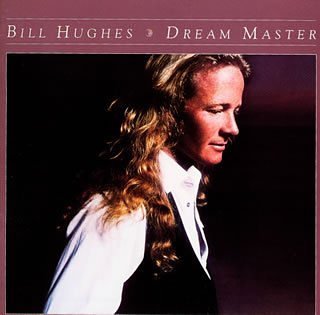
“Catch Me Smilin’,” Bill Hughes, 1979

If you’ve never heard the beautiful music this guy created, you’re in for a treat. In 1971, Hughes was the chief songwriter and singer for the Texas-based trio Lazarus, who, under the tutelage of Peter Yarrow, released two gorgeous, harmony-rich albums and toured behind Todd Rundgren but never found the audience that would sustain them. In 1979, Hughes struck out on his own with “Dream Master,” a worthy successor to the Lazarus oeuvre, but it too failed to make much of a dent. Such a shame — just listen to “Catch Me Smilin’,” one of the better tracks on what should’ve been a hit album.

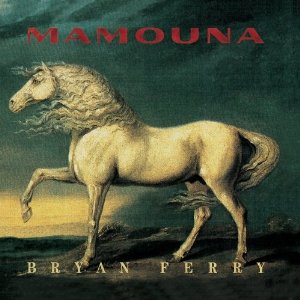
“Your Painted Smile,” Bryan Ferry, 1993

In the ’70s, Ferry helped steer Roxy Music from its rather dissonant art rock beginnings toward a more polished sound for its final albums “Flesh and Blood” and “Avalon.” Ferry’s solo career has expanded on that vibe, with cool, moody music that is more sophisticated than commercial. “Boys and Girls” (1985), “Bête Noire” (1987) and “Mamouna” (1993) managed only modest chart success but included some of his smoothest material, like “Slave to Love,” “Don’t Stop the Dance,” “Kiss and Tell” and, notably, “Your Painted Smile,” which focuses on obsessive romance: “We never close, babe, we dance all night, I’m lost inside, babe, your painted smile…”

“Sara Smile,” Hall and Oates, 1975

In the early ’70s, this Philadelphia-based duo released three R&B-flavored LPs that attracted only a modest following, but their fourth, entitled simply “Daryl Hall + John Oates,” went Top 20 on album charts, thanks to the success of their breakout single, “Sara Smile” (#4 in 1976). Written about Hall’s longtime girlfriend Sara Allen, the tune was decidedly mellower than the many hits for which the duo became known: “When I feel cold, you warm me, /And when I feel I can’t go on, you come and hold me, It’s you and me forever, /Sara, smile…” Hall and Oates became the most successful duo in rock history with 16 Top 10 hits between 1976-1988, including “She’s Gone,” “Maneater,” “Kiss On My List,” “I Can’t Go For That” and “Rich Girl.”

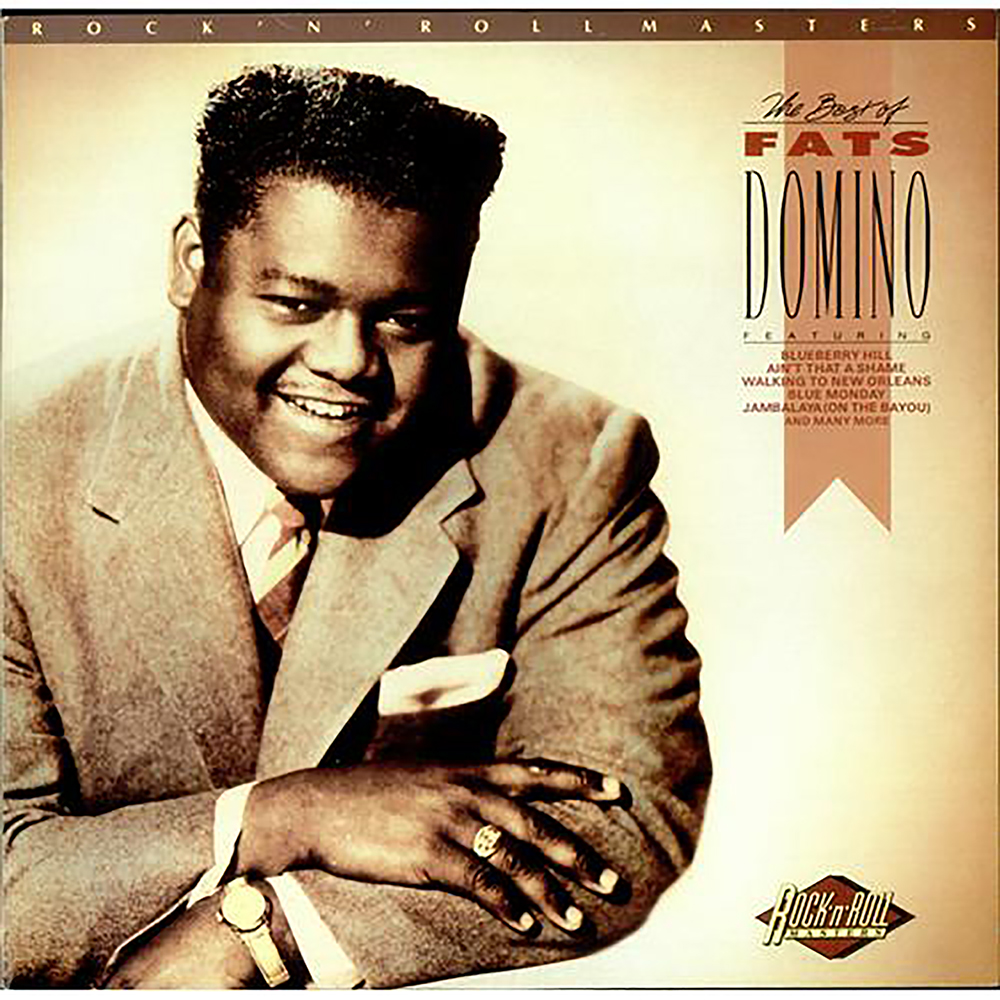
“When You’re Smilin’,” Fats Domino, 1971

This standard is coming up on its 100th birthday, having been written in 1928 and first recorded by a young Louis Armstrong in 1929. Over the decades since, “When You’re Smilin'” has been covered by dozens of artists, from Dean Martin and Billie Holiday to Father John Misty and Michael Bublé. Perhaps the most soulful rendition was recorded by R&B legend Fats Domino in 1971 for his “Fats” album. At that point, Domino was past his prime recording period (1955-1965) but he still had the piano chops and the vocal pipes to pull off a convincing version: “When you’re cryin’, you bring on the rain, /So stop your sighin’, be happy again, /Keep on smilin’, ’cause when you’re smilin’, The whole world smiles with you…”

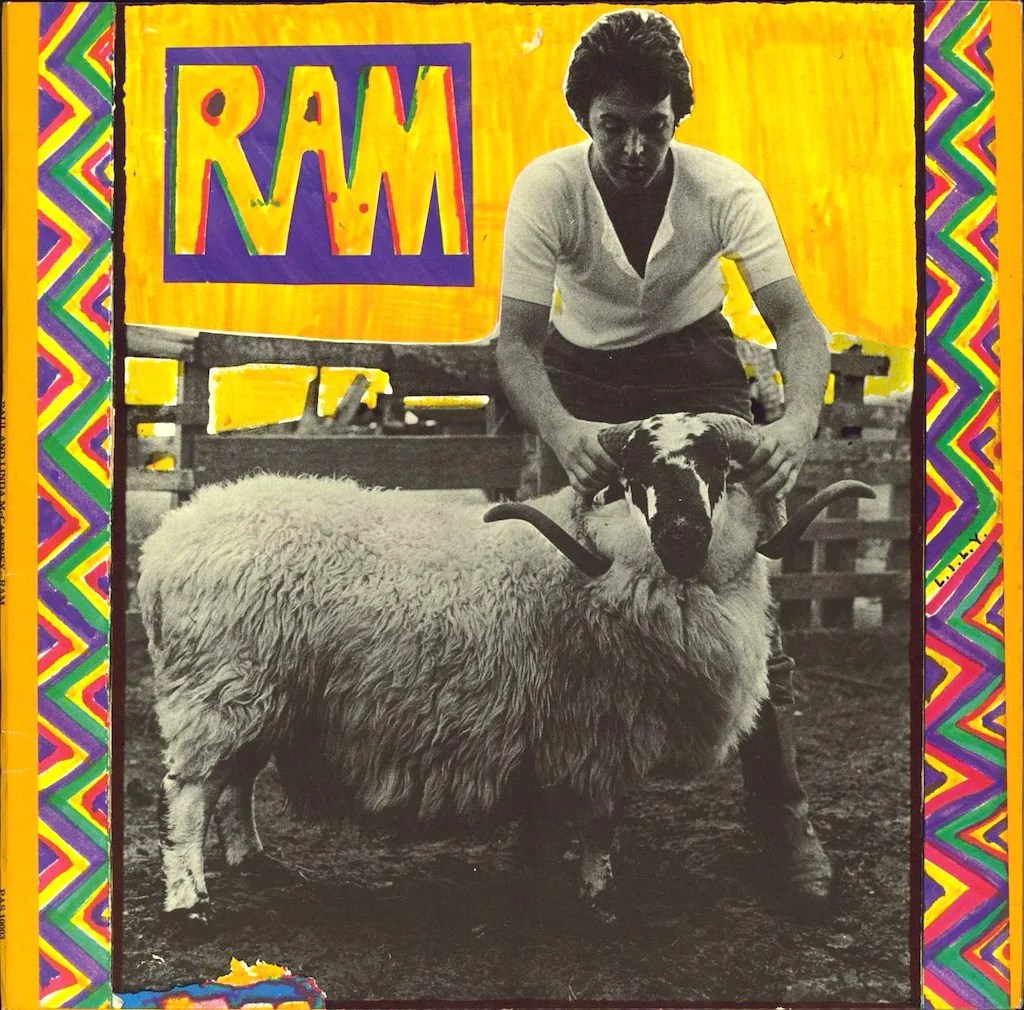
“Smile Away,” Paul McCartney, 1971

Funny how time changes people’s perceptions. An album like McCartney’s “Ram” (1971) that was vilified by critics upon release is now considered one of his two or three best LPs. “The Back Seat of My Car,” “Too Many People,” “Long Haired Lady,” “Dear Boy,” “Heart of the Country” and the #1 hit “Uncle Albert/Admiral Halsey” are all quality McCartney tunes with stellar production. Hidden at the end of Side One is this rough-edged rocker with lyrics stressing the importance of smiling through adversity: “I was walking down the street the other day, oh, who did I meet? /I met a friend of mine and he did say, ‘Man, I can smell your breath a mile away,’ /Smile away, smile away, (learning how to do that)…”

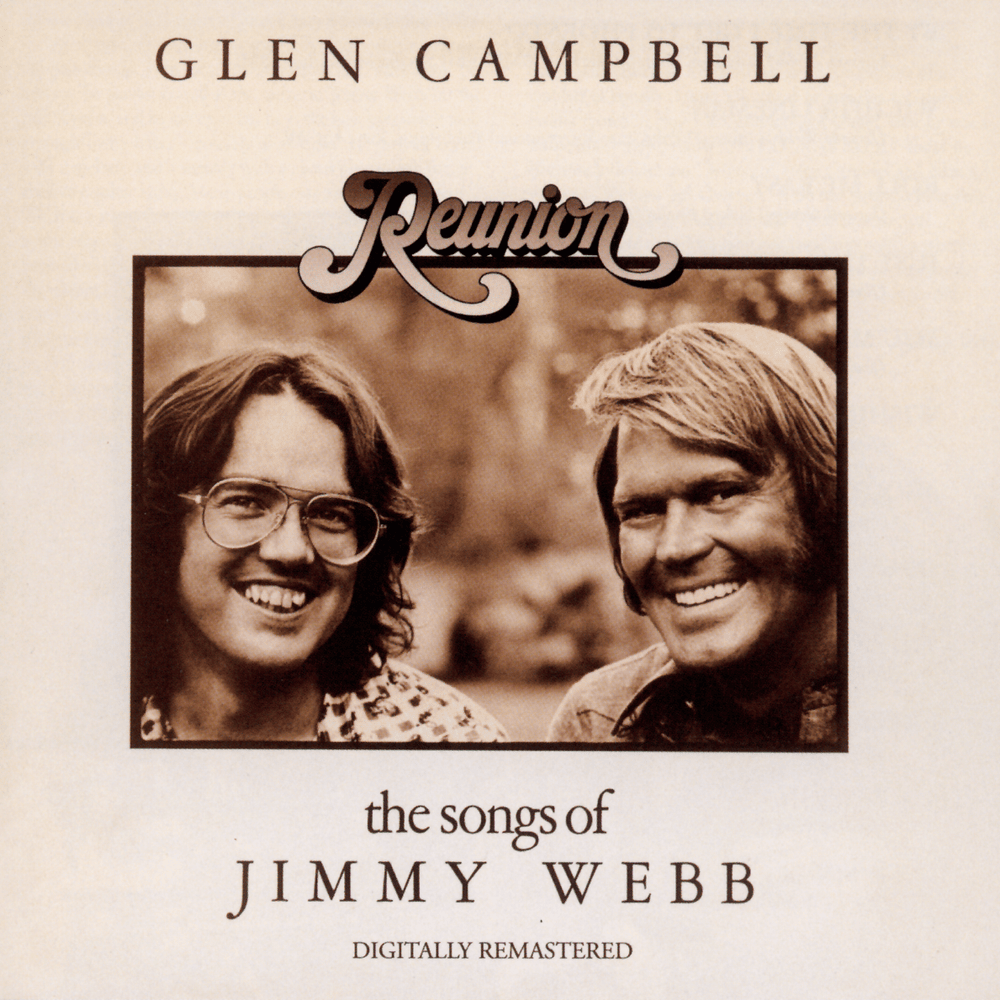
“You Might As Well Smile,” Glen Campbell, 1974

One of the most celebrated pop songwriters of the ’60s and ’70s was Jimmy Webb, who won Grammys writing hits for Campbell, The 5th Dimension, Linda Ronstadt, Carly Simon and Art Garfunkel. Following the success of “By the Time I Get to Phoenix,” “Wichita Lineman” and “Galveston,” Webb continued writing for Campbell, coming up with the heartbreaker “You Might As Well Smile” in 1974. Four years later, Garfunkel also recorded it under the new title “Shine It On Me,” which seemed more hopeful, but the lyrics remain focused on the end of a love affair: “You’re still the best person I ever knew, There were a thousand little things that I was always just about to say to you, /But now the time, it grows shorter…”

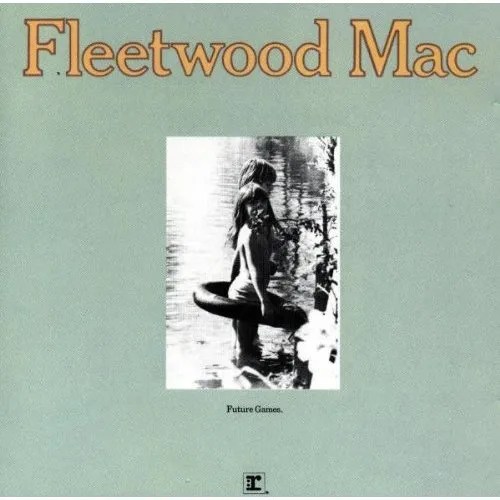
“Show Me a Smile,” Fleetwood Mac, 1971

After the departure of founder/guitarist Peter Green and second guitarist Jeremy Spencer in 1970, Fleetwood Mac regrouped with guitarist/singer Danny Kirwan, guitarist/singer Bob Welch and John McVie’s wife Christine Perfect on keyboards and vocals. Lady McVie made her first songwriting contributions to the band’s repertoire on their “Future Games” LP with “Show Me a Smile” and “Morning Rain,” both of which featured her plaintive voice. “My little child, shine me a light from your eyes, dear, /Don’t let me see a single tear, /Take everything easy, show me a smile…” These tracks set the stage for her to become the band’s most prolific hitmaker a few years later (“Over My Head,” “Say You Love Me,” “You Make Loving Fun,” “Don’t Stop”).

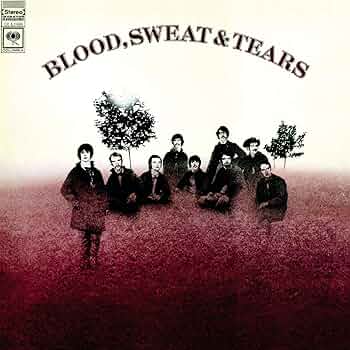
“Smiling Phases,” Blood, Sweat & Tears, 1969

In Traffic’s earliest days, Steve Winwood collaborated with Jim Capaldi and Chris Wood to write most of the material for their debut LP in 1968. “Smiling Phases,” a piece that warns smiling might not always be sincere, was left off the original British release but included in the US version. It consequently didn’t gain much traction until Blood, Sweat and Tears chose to cover it in a markedly different horns-laden arrangement on their stupendous self-titled 1969 album: “Do yourself a favor, wake up to your mind, /Life is what you make it, you see but still you’re blind, /Get yourself together, give before you take, /You’ll find out the hard way, soon you’re going to break, /Smiling phases, going places, /Even when they bust you, keep on smiling through and through…”

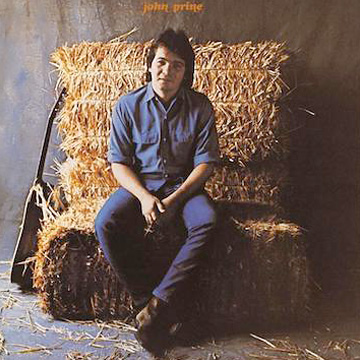
“Illegal Smile,” John Prine, 1971

Prine, widely cited as one of the premier songwriters of his generation, turned a lot of heads with his 1971 debut album, which included such classics as “Hello In There,” “Angel From Montgomery” and “Paradise.” The opening track, “Illegal Smile,” was somewhat notorious for what many felt was a veiled reference to marijuana, but as Prine later explained, “It really was not about smokin’ dope. It was more about how, ever since I was a child, I had this view of the world where I found myself smiling at stuff nobody else was smiling at. But it became such a good anthem for dope smokers that I didn’t want to stop every time I played it and make a disclaimer.” “Fortunately, I have the key to escape reality, /And you may see me tonight with an illegal smile, /It don’t cost very much, but it lasts a long while…”

“I Love It When You Smile,” UB40, 1997

This popular British reggae band has been around since 1979, releasing 20 albums in 45 years, a dozen of which were Top Ten on UK charts. Three UB40 albums in the ’80s and ’90s reached the US Top 30, and a pair of singles — reggae remakes of “Red Red Wine” and “I Got You Babe” — were big hits here. On their 1997 LP “Guns in the Ghetto,” there’s a charming track of love and devotion called “I Love It When You Smile” that I’ve always liked: “I love it when you smile when you’re with me, honey, /It happens all the while, how it kills me when you cry…”

“The Shadow of Your Smile,” Glenn Frey, 2012

Written in 1965 by Johnny Mandel and Paul Webster for the Elizabeth Taylor-Richard Burton film “The Sandpiper,” this wistful classic won the Song of the Year Grammy and the Best Original Song Oscar that year. It was covered by more than 30 artists in just the first two years, and well over 100 artists in the decades since, ranging from Barbra Streisand and Tony Bennett to Wes Montgomery and Earl Klugh to Stevie Wonder and Marvin Gaye. In 2012, Glenn Frey took time out from The Eagles to record an album of standards, and this cover was one of the highlights: “Now when I remember spring, all the joy that love can bring, /I will be remembering the shadow of your smile…”

“Make Me Smile/Now More Than Ever,” Chicago, 1970

The band originally known as Chicago Transit Authority was widely praised for the debut LP in 1969, but its singles failed to ignite much chart success. That all changed the following year when the “Chicago” album (now known as “Chicago II”) came out with the exuberant hit “Make Me Smile,” which reached #9 and put them on the map. “I’m so happy that you love me, /Life is lovely when you’re near me, /Tell me you will stay, make me smile…” It was part of a 13-minute suite called “Ballet For a Girl in Buchannon” that also included the slow-dance favorite “Colour My World.” “Make Me Smile” was later released as and expanded version which includes “Now More Than Ever,” the brief reprise of the main tune that serves as the suite’s final section.

**********************

Honorable mention:

Smile,” Pearl Jam, 1996; “God Put a Smile on Your Face,” Coldplay, 2002; “Why Don’t You Smile,” The All Night Workers, 1965; “Keep On Smiling,” Wet Willie, 1974; “The Smile Has Left Your Eyes,” Asia, 1983; “When I See You Smile,” Bad English, 1989; “A Wink and a Smile,” Harry Connick Jr., 1993; “Smile a Little Smile For Me,” The Flying Machine, 1969; “When the Lady Smiles,” Golden Earring, 1984; “She Made Me Smile,” Batdorf and Rodney, 1975; “Whatever Happened to Your Smile,” Poco, 1974; “Smile Like You Mean It,” 2004.

**************************