What’s these crazy questions they’re asking me?

Throughout recent history, popular music lyrics have asked a lot of questions. Songwriters love to present topics in question form, only sometimes providing answers. They offer possibilities, theories, even concrete statements, but they mostly pose “what ifs” and open-ended queries.

Consider some of these classic queries — about life, about love, about all kinds of things — posed in the lyrics of hit songs :

“I’ll bet you think this song is about you, don’t you?”

“Is this the real life? Is this just fantasy?”

“Get out of my life, why don’t you, babe?”

“Are we really happy with this lonely game we play?”

“Don’t it always seem to go that you don’t know what you’ve got ’til it’s gone?”

“Can I just make some more romance with you, my love?”

“Can music save your mortal soul?”

“Where have you gone, Joe DiMaggio?”

“How many times can a man turn his head, pretending that he just doesn’t see?”

There are many dozens, hundreds, of tunes that pose a question in the song’s title. I’ve selected 20 for your consideration, and another 20 honorable mentions. You’ll find them all in a playlist at the bottom if you’d like to listen as you read. Wouldn’t it be nice?

*********************
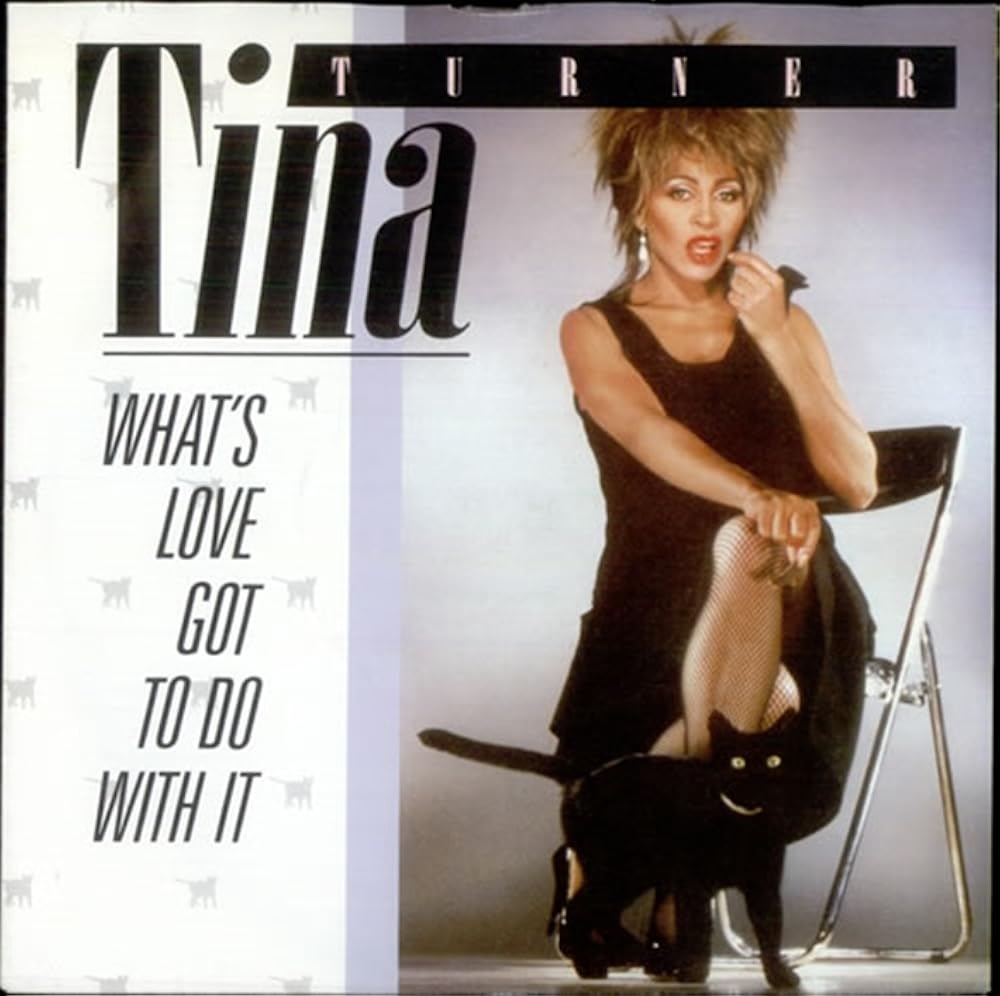
“What’s Love Got to Do With It?” Tina Turner, 1984

Graham Lyle and Terry Britten wrote this sardonic tune for a man to record, but Turner made it her own. Critics called it “a soft synth-driven track countered by Turner’s battle weary voice, barely hiding the cynic in her: “What’s love but a second-hand emotion? /What’s love got to do, got to do with it? /Who needs a heart when a heart can be broken?”

“Do You Believe in Magic?” The Lovin’ Spoonful, 1965

John Sebastian was so taken with the magical appeal of rock ‘n’ roll music that he wrote this effervescent tune about it, and it reached the Top Ten in 1965 as the Spoonful’s debut single: “Believe in the magic of a young girl’s soul, /Believe in the magic of rock and roll, /Believe in the magic that can set you free, /Do you believe like I believe in magic?”
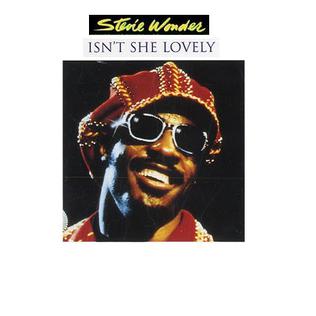
“Isn’t She Lovely?” Stevie Wonder, 1976

This is the kind of leading question all new parents ask, and Stevie Wonder was no exception when he wrote this tribute to his newborn daughter Aisha for his “Songs in the Key of Life” LP. The proud papa wrote, “Isn’t she wonderful? Isn’t she precious? Less than one minute old…”
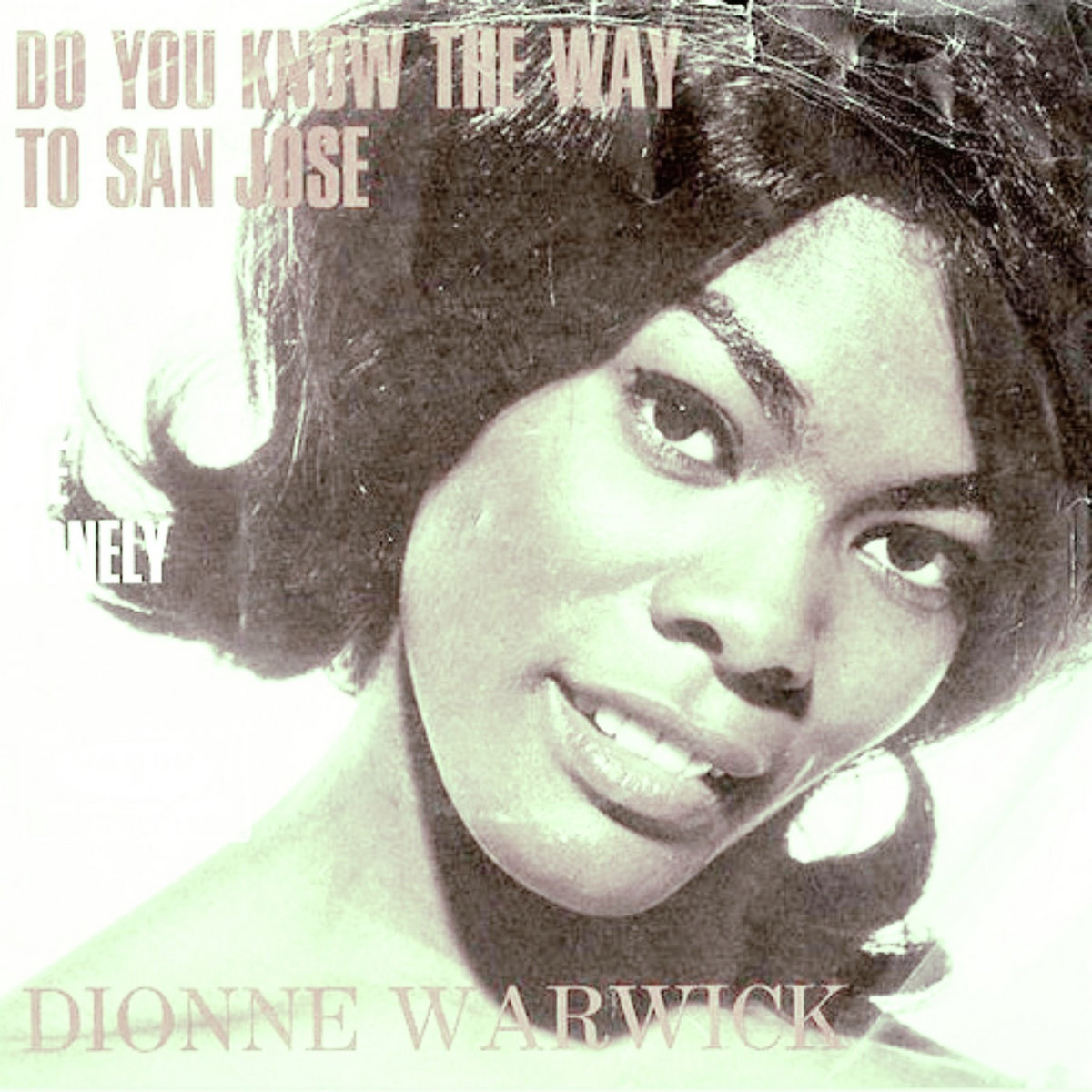
“Do You Know the Way to San Jose?” Dionne Warwick, 1968

Burt Bacharach and Hal David wrote this classic about a would-be artist from San Jose who went to L.A. to chase a dream of fame and fortune but found only disappointment and longed to return home but wasn’t sure about the correct route. Warwick turned into a big hit.

“How Long (Has This Been Going On)?” Ace, 1975

Widely interpreted as a song about romantic infidelity, this beauty by singer-songwriter Paul Carrack was actually about Ace’s bass player, who had been secretly recording with two other bands. The group felt he was being disloyal and ended up scoring a big #3 hit about his betrayal.

“Would I Lie to You?” Eurythmics, 1985

Annie Lennox came up with sarcastic lyrics about an unfaithful partner to complement Dave Stewart’s aggressive rocker, which became a #5 hit for the Eurythmics. In response to the man’s cheating, the narrator says, “I’m asking you, sugar, would I lie to you? Tell you straight to your face, had all I can take, now I’m leaving you…”
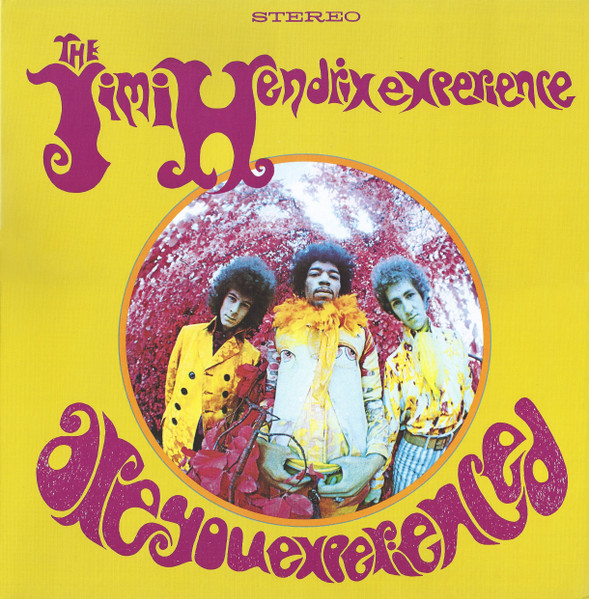
“Are You Experienced?” Jimi Hendrix Experience, 1967

When Hendrix issued what many believe was the most explosive, groundbreaking debut LP ever, its title track challenged his listeners to join him on his spiritual quest: “If you can just get your mind together, then come on across to me, /We’ll hold hands, and then we’ll watch the sunrise from the bottom of the sea, /But first, are you experienced? Or have you ever been experienced? Well, I have…”
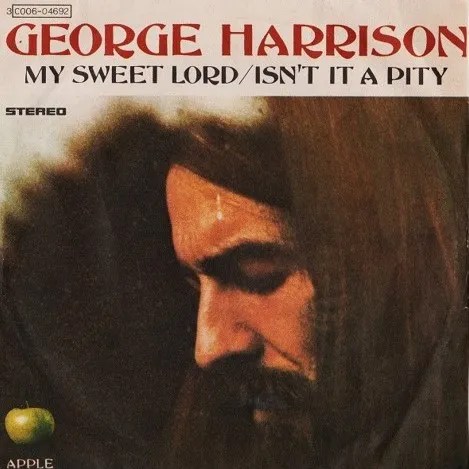
“Isn’t It a Pity?” George Harrison, 1970

In the aftermath of The Beatles’ breakup, fans around the world may have been mourning, but Harrison took a more philosophical view about it. He wasn’t angry, nor particularly saddened; instead, he reflected on the broader human weakness: “Isn’t it a pity? Now, isn’t it a shame? How we break each other’s hearts, and cause each other pain…?”

“Can We Still Be Friends?” Todd Rundgren, 1978

n 1977, Rundgren and his longtime companion Bebe Buell parted ways, and he wrote about it in this 1978 hit from his “Hermit of Mink Hollow” album. He desperately wanted things to remain amicable between them: “Let’s admit we made a mistake, but can we still be friends? /Heartbreak’s never easy to take, but can we still be friends?”
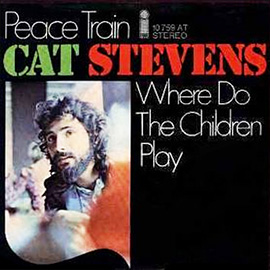
“Where Do the Children Play?” Cat Stevens, 1970

On his breakthrough LP “Tea For the Tillerman,” Stevens expressed anxiety about the ecological damage and societal impact of human progress, and wondered if we still have enough safe spaces for children and nature: “I know we’ve come a long way, /We’re changing day to day, /But tell me, where do the children play?”
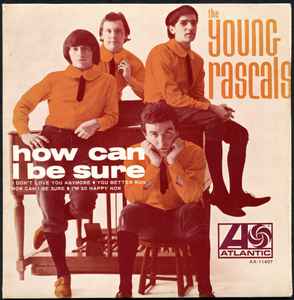
“How Can I Be Sure?” The Young Rascals, 1967

“…in a world that’s constantly changing?  How can I be sure I’ll be sure with you?…”  These are the kinds of questions Felix Cavaliere and Eddie Brigati were contemplating when their band attended several weeks of transcendental meditation sessions during “The Summer of Love.”  Cosmic questions, indeed.

Why Do Fools Fall in Love?Frankie Lymon & The Teenagers, 1956

Herman Santiago, tenor in The Teenagers, wrote the song in 1955 based on some lines from love letters shared by a neighbor, including “Why do lovers await the break of day?” and “Why does the rain fall from above?”  It made the Top Ten in 1956, and again for Diana Ross in 1981. More unanswerable questions, these.

“Who’ll Stop the Rain?” Creedence Clearwater Revival, 1970

Most people think this 1970 John Fogerty song has nothing to do with an endless downpour, but is instead a plea to halt the endless rain of bombs that were falling on Southeast Asia at the time he wrote it for his band Creedence to turn into a #2 hit.

“Is She Really Going Out With Him?” Joe Jackson, 1979  

“Is she really going to take him home tonight?”  In 1979, British New Wave rocker Joe Jackson was eager to know whether a woman he knew well was seriously contemplating dating a guy he thought was a total loser. It became his first charting in the US, reaching #21.

“Do You Feel Like We Do?” Peter Frampton, 1973

“Whose wine?  What wine?  Where the hell did I dine?”  Mercurial pop star Peter Frampton woke up from a nasty drunk one morning in 1973 and asked these questions of himself and his audience, and then answered, “Come on, let’s do it again!” The studio album track on “Frampton’s Camel” became a Top Ten hit in its live version on “Frampton Comes Alive” in 1976.

“Where Have All the Cowboys Gone?” Paula Cole, 1997  

This tune struck a chord with put-upon women who agonized about the negligent, selfish men with whom they found themselves involved. Cole reached #8 on pop charts in 1997, demanding to know, “Where is my John Wayne?  Where is my prairie song? Where is my happy ending? Where have all the cowboys gone?”
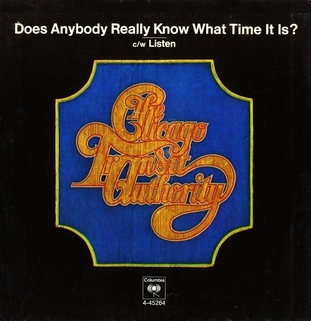
“Does Anybody Really Know What Time It Is?” Chicago, 1969

And does anybody really care?  Robert Lamm, keyboardist/vocalist/songwriter for Chicago, recalls, “I was walking by a movie theater one afternoon, and there was an usher taking a cigarette break.  I asked him, ‘Hey, man, what time is it?’ and he looked at me with a thoughtful look on his face and said, ‘Does anybody really know what time it is, man?’  I decided that would be a great line for a song I was working on.”  It went to #7 in 1970.

“When Will I Be Loved?” Linda Ronstadt, 1975

We all want and need to be loved, but the eternal question is “When?  When will love come?”  Phil Everly of The Everly Brothers wanted to know when he wrote this hit that reached #8 for the duo in 1960. It made an even bigger impact 15 years later when Ronstadt took her convincing cover all the way to #2 in 1975 as the follow-up to her breakthrough hit “You’re No Good.”

“Where is the Love?” Roberta Flack & Donny Hathaway, 1972; “Where is the Love?” Black-Eyed Peas, 2003

This is merely another way of asking the same question Everly asked:  “Where does love come from?  Where do I look for it?”  Two completely different tunes with the same title, 40 years apart, wanted to know.  The duo of Flack & Hathaway took a gentle song by Ralph McDonald and William Salter, which examined a troubled relationship, and registered a #5 hit in 1972.  Then in 2003, a committee of nine people including will.i.am (William Adams) and others in the hip-hop band Black Eyed Peas asked the same question in a broader context.  Both Fergie and Justin Timberlake were featured vocalists in this song, which bemoans the hate, anger, racism and terrorism in the world.

************************

Honorable mentions:

Have I Told You Lately That I Love You?” Van Morrison, 1889; “How Deep Is Your Love?” The Bee Gees, 1977; “Will You Love Me Tomorrow?” The Shirrelles, 1961; “Why Don’t We Do It In the Road?” The Beatles, 1968; “What’s the Frequency, Kenneth?” R.E.M., 1994;  “Do You Really Want to Hurt Me?” Culture Club, 1982; “Have You Seen Her?” The Chi-Lites, 1971; “Tommy, Can You Hear Me?” The Who, 1969; “What Does It Take (To Win Your Love)?” Jr. Walker & All-Stars, 1969; “How Can You Mend a Broken Heart?” The Bee Gees, 1971; “Why?” Annie Lennox, 1995; “How Do You Sleep?” John Lennon, 1971; “Are You Lonesome Tonight?” Elvis Presley, 1960; “Have You Seen the Stars Tonite?” Paul Kantner, 1970; “Should I Stay or Should I Go?” The Clash, 1982; “Do You Want to Know a Secret?” The Beatles, 1963; “Doesn’t Anybody Stay Together Anymore?” Phil Collins, 1985; “Can I Get a Witness?” Marvin Gaye, 1963; “Who Can It Be Now?” Men at Work, 1981; “What’s Your Name?” Lynyrd Skynyrd, 1977; “Why Can’t I Be You?” The Cure, 1987; “Who Are You?” The Who, 1978.

*************************

Lost classics from a half-century ago

Back in April, I offered my annual selections of the best 15 album of fifty years ago. Overall, 1975 was a pretty decent year for music, and I wanted to revisit that year one more time with a batch of long-forgotten tracks that made an impact on me. The dozen “lost classics” I’ve selected, culled exclusively from albums released in 1975, provide a healthy cross section of the kind of rock, blues, R&B, jazz and country music I was listening to at that time.

As with most of my lost classics, you might not be even remotely familiar with them…or you might have heard them once or twice back in the day but they’ve been under your radar ever since. By shining a light on them here, I hope to bring these quality 50-year-old songs to your attention. I recommend you punch in the Spotify playlist at the bottom and listen along as you read. I’m wagering you’ll find them worthy of your time.

*************************

“Birmingham Blues,” The Charlie Daniels Band

Daniels is best known for his remarkable fiddle playing, but as his 25-album career clearly demonstrates, he was a solid singer and songwriter as well. He and his band deftly merged country, blues, rock and even jazz, sometimes cracking the Top 20 but mostly just turning out solidly dependable, modestly successful albums that kept them on the concert circuit for decades. Early on in their repertoire came the LP “Nightrider,” which includes the ferocious “Birmingham Blues,” easily my favorite song in their entire repertoire. It focuses on a Southern man who travels to L.A. in search of fame and fortune but ends up alone after his woman back home betrays him: “Sittin’ here in L.A., looking down at my shoes, /Drownin’ my troubles on small talk and blues, /Sittin’ here wonderin’ if I could have been born to lose, /I think movin’ is losin’, and now I can see I let a false-hearted woman make a fool outta me, /And now all I got left now is a bad case of Birmingham Blues…”

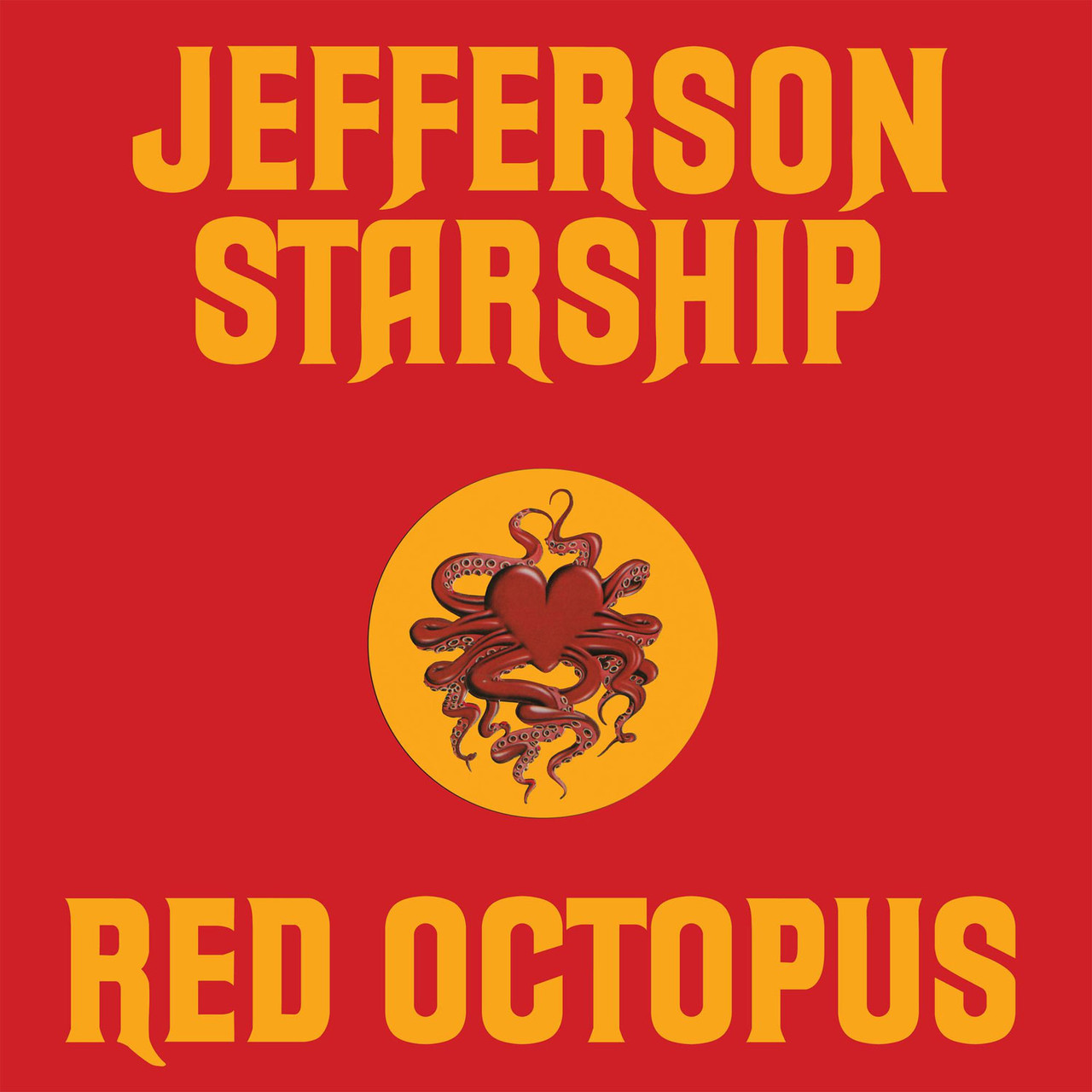
“There Will Be Love,” Jefferson Starship

When Jefferson Airplane founder Marty Balin rejoined his old colleagues in their new Jefferson Starship lineup for their “Red Octopus” album in 1975, he brought with him (to no one’s surprise) his predilection for love ballads to complement the counterculture concerns found in the songs by Paul Kantner and Grace Slick. The fact that Balin’s romantic approach dominates the proceedings was evident in the #1 chart success of “Miracles” as well as the big red heart in the album cover artwork. Hidden at the end of Side Two is “There Will Be Love,” another of Balin’s significant contributions, a power ballad co-written by Kantner and guitarist Craig Chaquico, and carried by those time-honored Airplane/Starship vocal harmonies.

“Dreaming From the Waist,” The Who

Following the phenomenal four-album run of “Tommy,” “Live at Leeds,” “Who’s Next” and “Quadrophenia,” The Who’s composer Pete Townshend was showing signs of burnout and exhaustion. The songs on “The Who By Numbers,” released in November 1975, “were written with me stoned out of my brain in my living room, crying my eyes out, detached from my own work and from the whole project… I felt empty.” He had just turned 30 and was troubled by whether he was getting too old to play rock and roll anymore. He also acknowledged he was drinking too much (the subject of “However Much I Booze”) and was challenged by his sexual urges, which he wrote about on “Dreaming From the Waist.” He said he didn’t like performing the song in concert, but the rest of the band really embraced the track.

“Before You Came,” Jesse Colin Young

Young is probably best known for the anthemic single “Get Together” he wrote and sang while with The Youngbloods in the 1960s. I was enamored of the solo albums he recorded in the mid-1970s — “Song For Juli,” “Light Shine” and “Songbird.” About the latter LP, Young said, “Really the heart of that album was a song called ‘Before You Came.’ I had visited the Black Hills of South Dakota and befriended some American Indians there and learned more about their plight and their sad history. After I returned to California, I was up on our ridge top overlooking Drakes Bay near San Francisco, and I saw a four-masted schooner anchored there. I thought I had all of a sudden stepped back in time, and that I was watching the first landing of white settlers. That’s where the idea for ‘Before You Came’ originated.” The music has a jazzy groove that’ll have you fully involved.

“Black Country Woman,” Led Zeppelin

As they were recording songs for their next LP in 1974, the members of Led Zeppelin found themselves with more material than would fit on a single LP, so they decided to make it a double by resurrecting several tracks they’d worked on but shelved during sessions for previous LPs. One of those, “Black Country Woman,” is an acoustic blues romp recorded in 1972 at Stargroves, the English manor owned by Mick Jagger. The microphones picked up the sound of an airplane flying overhead, which made producers reject the track, but Jimmy Page and Robert Plant liked it and left it in. I’m not a big fan of the “Physical Graffiti” album except for a handful of songs like “Kashmir,” “Night Flight,” “Ten Years Gone” and this fun diversion, which would’ve fit well on the largely acoustic “Led Zeppelin III.”

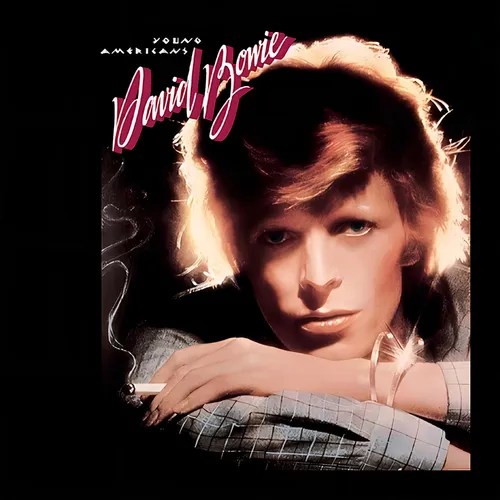
“Right,” David Bowie

The man who sold the world a hunky-dory image of himself as a space-age glam rocker named Ziggy Stardust made his first chameleon-like career change in 1975 with the release of “Young Americans,” his convincing “blue-eyed soul” LP. It proved to be remarkably authentic R&B music for a British rocker like Bowie, first on the marvelous title track and then on his iconic pairing with John Lennon on the #1 hit “Fame.” Forgotten underneath those two tunes were several other fine soul offerings, most notably “Right,” carried by prominent percussion and bass and the earworm repetition of the main lyric (“Taking it all the right way / Never no turning back”). Bowie famously said, “People forget what the sound of Man’s instinct is — it’s a drone, a mantra. And people say, ‘Why are so many things popular that just drone on and on?’ But that’s the point, really.”

“Rose Darling,” Steely Dan

The seven albums Steely Dan released during their initial 1972-1980 run had MAYBE five tracks that could be considered duds.  That’s five out of 63 songs — quite an impressive success ratio!  To my ears, everything else they wrote and recorded is simply awesome music.  On their 1975 masterpiece “Katy Lied,” they could’ve dispensed with the aptly titled “Throw Back the Little Ones,” but otherwise, flawless:  “Black Friday,” “Bad Sneakers,” “Daddy Don’t Live in New York City No More,” “Doctor Wu,” “Everyone’s Gone to the Movies,” “Your Gold Teeth II,” “Chain Lightning,” “Any World That I’m Welcome To.”  For this list, I’ve singled out the irresistible “Rose Darling,” which gives us the great Dean Parks on guitar and a young Michael McDonald making his first appearance with Steely Dan on vocal harmonies.  

“Carol,” Al Stewart

Combining folk-rock songs with tales of characters and events from history, Stewart released five LPs between 1967 and 1973 to little acclaim or sales, but once he hooked up with producer Alan Parsons on 1975’s “Modern Times” LP, his career took off, especially in the US, where “Year of The Cat” and “Time Passages” were Top Ten smashes in 1977-1978. “Modern Times” managed to reach #30 on US album charts even without a hit single, although the opening track “Carol” should’ve filled that bill. An infectious melody and some fine ensemble playing complement Stewart’s intriguing character study of a woman seeking to overcome her unsatisfying childhood: “I know your daddy said he’d talk to you, but he never really found the time, /And your TV mother with her cocktail eyes could never really reach your mind, /Oh Carol, I think it’s time for running for cover…”

“First Things First,” Stephen Stills

All four singer-songwriters in Crosby, Stills, Nash & Young enjoyed successful solo careers, which served to assuage the disappointment fans felt that the foursome couldn’t seem to stick together longer. Stills in particular was pretty prolific, with his Top Five “Love the One You’re With” single in 1970, two solo LPs and the remarkable Manassas double album in 1972. He was near completion of his third solo album in early 1974, but he put the project on hold for the legendary CSNY reunion tour that summer (I saw their three-hour set at Cleveland Stadium), where they each debuted several not-yet-released tracks. One of those was the Stills tune “First Things First,” which ended up appearing on “Stills” in 1975. It had been recorded in late 1973, with David Crosby and Graham Nash providing their trademark harmonies.

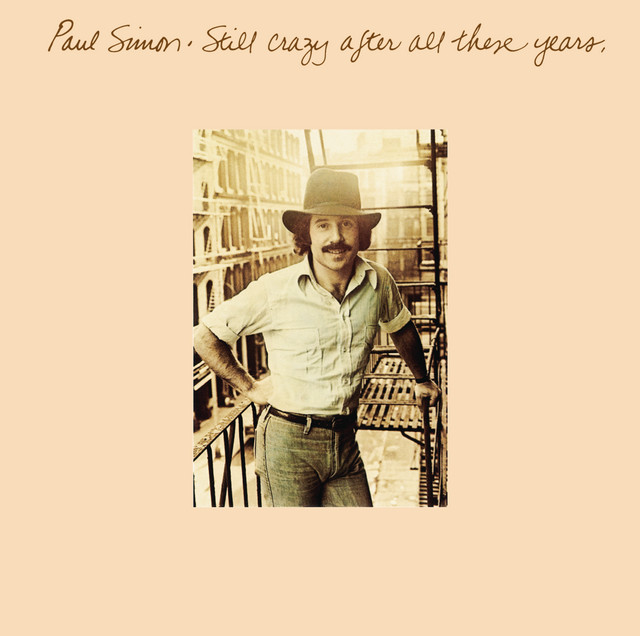
“Have a Good Time,” Paul Simon

Simon’s 1973 LP “There Goes Rhymin’ Simon” was a buoyant, rousing success with upbeat singles (“Kodachrome” and “Loves Me Like a Rock”) and tracks brimming with love and optimism. It came as quite a contrast, then, when his 1975 follow-up, “Still Crazy After All These Years,” was so downbeat and melancholy. Simon had just been through a divorce from his first wife, and several of the tunes reflected that difficult emotional upheaval. Even the #1 hit “50 Ways to Leave Your Lover,” with its catchy beat and whimsical lyrical approach, was still about a romantic breakup. The album’s lone moment of hope came on the languid deep track “Have a Good Time,” which urged listeners to set aside their troubles and enjoy life: “I don’t believe what I read in the papers, they’re just out to capture my dime, /I ain’t worrying and I ain’t scurrying, I’m having a good time, /Good time baby, good time, child…”

“Lighthouse,” James Taylor

There are so many great tunes on James Taylor’s many albums that it’s a challenge to choose which one to highlight. Since this playlist focuses on lost classics from 1975, I took a closer look at “Gorilla,” his album from that year, which featured his Top Five cover of Marvin Gaye’s “How Sweet It Is (To Be Loved By You)” and “Mexico.” Every track on the LP is worthy of your attention, but I selected “Lighthouse,” which features a winning melody and the stunning harmonies of (who else?) David Crosby and Graham Nash. Lyrically, Taylor humanizes a lighthouse at the edge of the continent, whose job is to warn ships of the dangerous rocky coastline: “I’m a lonely lighthouse, not a ship out in the night, I’m watching the sea, /She’s come halfway round the world to see the light and to stay away from me, /There is a shipwreck lying at my feet, some weary refugee from the rolling deep, /Ah, could you lose it all and fall for me?…”

“Meeting Across the River,” Bruce Springsteen

On an album as high-profile and legendary as Springsteen’s “Born to Run,” it’s easy to forget there’s a deep track that sounds unlike the rest of the LP and yet absolutely belongs there. The pensive “Meeting Across the River” utilizes just piano, trumpet, light bass and Bruce’s plaintive voice to create what one critic called “a film noir jazz ambience.” The lyrics tell the story of two would-be gangsters (the narrator and Eddie), desperate for a big score, who have to travel to the other side of the Hudson River to close a shady deal that will reap them big bucks and make their girlfriends proud (“And when I walk through that door, I’m just gonna throw that money on the bed, /She’ll see this time I wasn’t just talking, /Then I’m gonna go out walking…”). We don’t learn if they were successful, but that’s almost beside the point. It’s about the calm before the storm, and the music nails the feeling that juxtaposes hope and dread.

**********************