“And so I’m dead,” the young man said

My old college buddy Irwin, an accomplished keyboardist/arranger/music professor in New York, gets in touch now and then to comment on one of my blog posts and/or suggest a topic. He’s a fascinating guy — articulate, talented, with a slightly twisted take on things. Over the weekend, he sent me this email:

“Here’s a request: Category of songs: I’m Dead! (The narrator is dead — not the artist.) It’s a cool category. I think you won’t take this request cause it’s too weird, right?”

Au contraire!

I found the topic rife with possibility, so I started my research, and I discovered that songs with a dead narrator tended to fall into two groups: sad tales that focused on loss and the end of life, or whimsical tunes that treated the subject with refreshing humor.

In recent years, substantial artists like David Bowie, Warren Zevon and Leonard Cohen knew their days were numbered and chose to create final albums with first-person artistic statements about death.

Other major songwriters like Paul Simon, Harry Nilsson and John Prine deftly addressed the heavy topic of death with a much lighter touch, poking fun at what might be in store for us once our lives on Earth come to an end.

And then there’s Bloodrock’s macabre track “D.O.A.” Even Irwin found that one to be “the sickest shit ever.”

In any event, I hope you find these selections to be musically worthy and lyrically interesting.

*********************************
“Highwayman,” The Highwaymen, 1985

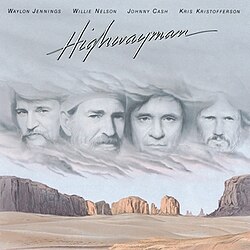
The brilliant songwriter Jimmy Webb (“Wichita Lineman,” “By the Time I Get to Phoenix,” “All I Know”) came up with this innovative tune in 1977. He wrote about an ill-fated highwayman who was hanged but, instead of dying, was reincarnated multiple times. Webb recorded the song himself, and then his friend Glen Campbell covered it in 1978. Finally, in 1985, Willie Nelson, Kris Kristofferson, Waylon Jennings and Johnny Cash heard the song and decided to not only record it but to name their collaboration The Highwaymen because it perfectly suited them as always being on the road as outlaws of country music. For each verse, the singers took turns singing in the first person, becoming the different reincarnations of the same soul: the highwayman, a sailor, a dam builder and a starship captain. The compelling track reached #1 on US country charts and won the 1986 Best Country Song Grammy for Webb.
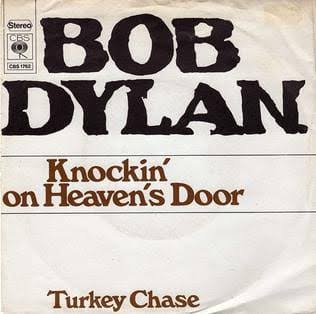
“Knockin’ On Heaven’s Door,” Bob Dylan, 1973

Dylan not only wrote and sang this classic song for the soundtrack of the 1973 Western film “Pat Garrett and Billy the Kid,” he also played a small acting role as the character Alias. In the film, Sheriff Colin Baker, played by Slim Pickens, is mortally wounded in a gunfight, and as his wife holds his head in her lap, he dies while Dylan’s lyrics speak Baker’s last words: “Mama, take this badge off of me, I can’t use it anymore, /It’s gettin’ dark, too dark to see, I feel I’m knockin’ on heaven’s door… /Mama, put my guns in the ground, I can’t shoot them anymore, /That long black cloud is comin’ down, I feel I’m knockin’ on heaven’s door…” The song reached #10 on US pop charts that year and has since been recorded by Eric Clapton, Guns ‘N Roses and Randy Crawford, among others.
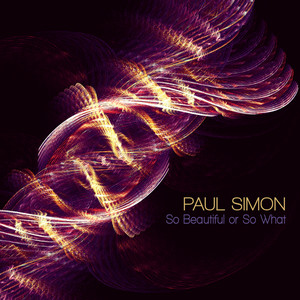
“The Afterlife,” Paul Simon, 2011

Simon has written many profound songs of angst and isolation, but he has been equally adept at composing whimsical lyrics that make listeners chuckle. On his excellent, somewhat neglected 2011 LP “So Beautiful or So What,” one of the better tunes is “The Afterlife,” which takes a novel look at what might happen when you die and head to the gates of Saint Peter. The narrator learns that there’s red tape to deal with: “After I died, and the make-up had dried, I went back to my place, /No moon that night, but a heavenly light shone on my face, /Still, I thought it was odd, there was no sign of God just to usher me in, /Then a voice from above, sugar coated with love, said, ‘Let us begin, /You got to fill out a form first, and then you wait in the line…'” As one critic put it, “Simon has suggested that the afterlife is a bureaucratic bummer as bad as the DMV.”
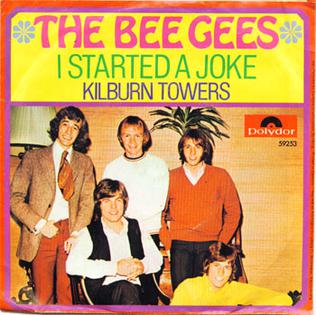
“I Started a Joke,” The Bee Gees, 1968

The Brothers Gibb (hence their stage name The Bee Gees) had a long, hugely successful career with multiple chapters. Their international fame began in 1967 with a series of singles that reached the Top Ten in the US, the UK and elsewhere: “To Love Somebody,” “Massachusetts,” “Words,” “I Gotta Get a Message to You.” In late 1968, “I Started a Joke” became their first #1 in England, reaching #6 in the US. Robin Gibb wrote the lyrics in which the narrator ultimately dies, but when asked about it, Gibb remained vague: “This is a very spiritual song. The listeners have to interpret it themselves. Trying to explain it would detract from the song.” You decide: “I looked at the skies, running my hands over my eyes, /And I fell out of bed, hurting my head from things that I’d said, /’Til I finally died, which started the whole world living, /Oh, if I’d only seen, oh yeah, that the joke was on me…”
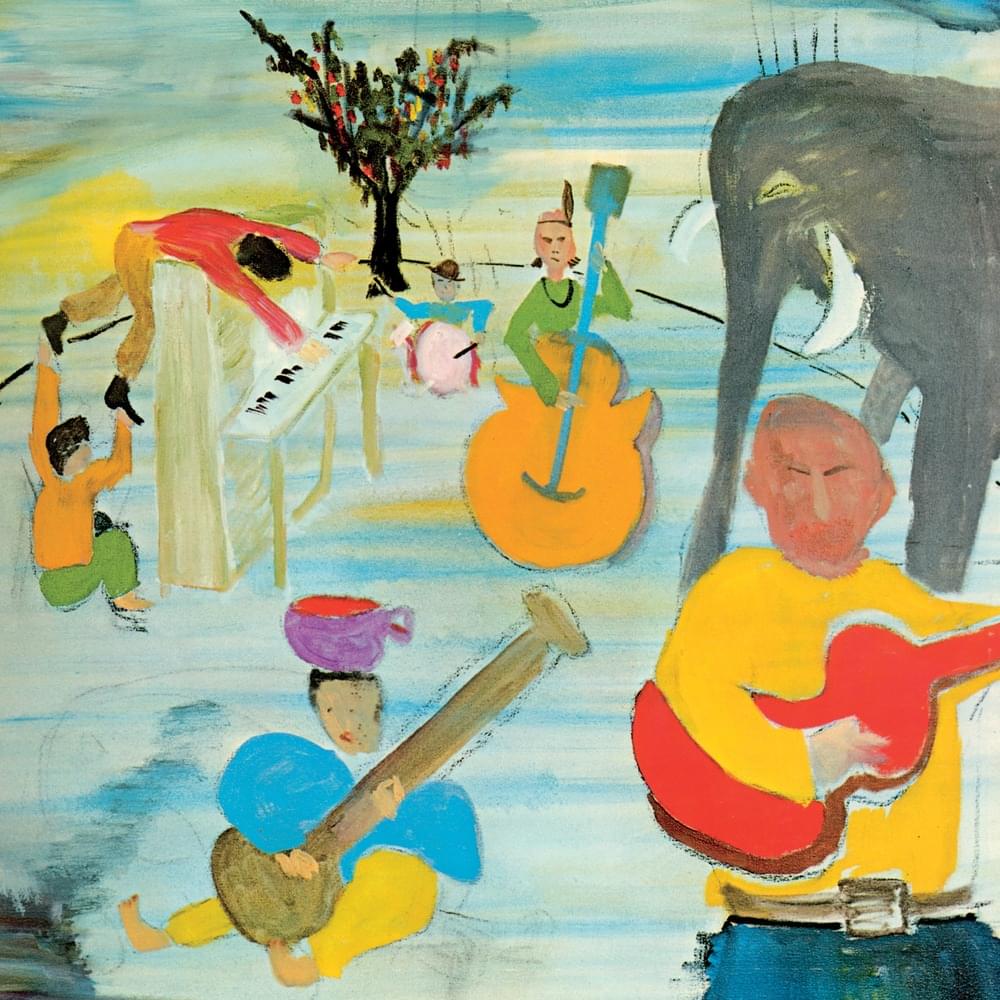
“Long Black Veil,” The Band, 1968

Erstwhile songwriting partners Danny Dill and Marijohn Wilkin wrote this country ballad in 1959, and it has gone on to become an underrated classic recorded by many artists. The lyrics tell the tale of a man falsely accused of murder and executed, which he could have prevented by providing a bonafide alibi, but he refused because on the night in question, he’d been in bed with his best friend’s wife. Rather than admit the truth, he decided he’d rather die. The story is told in the first person: “The judge said, ‘Son, what is your alibi? If you were somewhere else, then you won’t have to die,’ /I spoke not a word, though it meant my life, for I’d been in the arms of my best friend’s wife, /She walks these hills in a long black veil, she visits my grave when the night winds wail, /Nobody knows, nobody sees, nobody knows but me…” The tune was recorded by The Band for their debut LP “Music From Big Pink” in 1968, followed by cover versions by Johnny Cash, Bob Dylan, New Riders of the Purple Sage and The Chieftains with Mick Jagger.
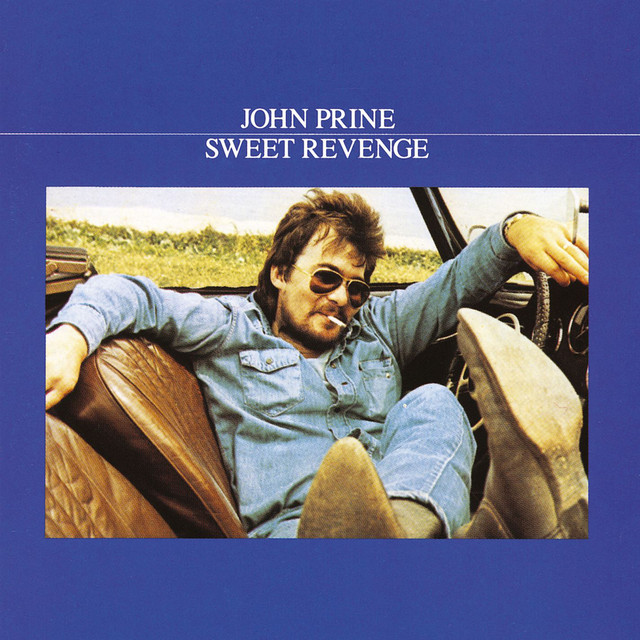
“Please Don’t Bury Me,” John Prine, 1973

You’ve got to love the late John Prine and his extraordinary ability at writing lyrics. Like Paul Simon, he was capable of capturing poignancy and humor, sometimes in the same song. On his marvelous 1973 LP “Sweet Revenge,” you’ll find levity in the toe-tapping “Please Don’t Bury Me,” written when he was just 27. Prine kills off the narrator in the opening lines and then spends the rest of the song having the man cheerfully dole out all his organs to the blind, the deaf, the junkman and the needy: “Woke up this morning, put on my slippers, walked in the kitchen and died, /And oh what a feeling when my soul went thru the ceiling, and on up into heaven I did ride, /Please don’t bury me down in that cold cold ground, no, I’d druther have ’em cut me up and pass me all around…” As Prine put it, “I came up with this idea of the guy just giving all of his organs away. It’s the best organ donor campfire song I know of.”
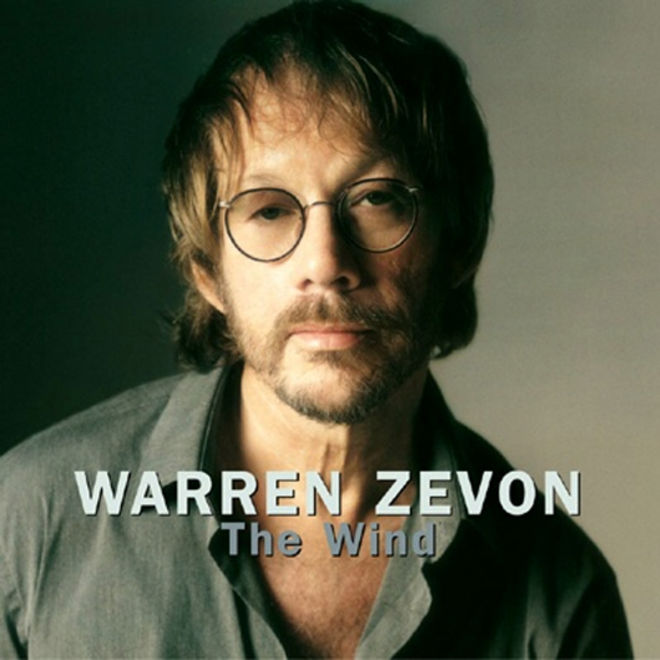
“Keep Me In Your Heart,” Warren Zevon, 2003

In 2003, Zevon received the distressing news that he would be dead of lung cancer in a matter of months, so he set out to compose a final album worth of songs, most of which revealed his state of mind following the terminal diagnosis. On the album “The Wind,” the last song he wrote and recorded was “Keep Me In Your Heart,” when he was so weak that he was unable to commute to the studio and had a makeshift studio set up at home instead. The lyrics, written in the first person, explain how he wanted his wife to remember him after death: “Sometimes when you’re doing simple things around the house, maybe you’ll think of me and smile, /You know I’m tied to you like the buttons on your blouse, /Keep me in your heart for awhile, /Hold me in your thoughts, take me to your dreams, touch me as I fall into view, /When the winter comes, keep the fires lit, and I will be right next to you…”
“Who Done It?,” Harry Nilsson, 1977

The writer of light, amusing songs like “Cuddly Toy,” “The Puppy Song” and “Coconut” showed he hadn’t lost his sense of humor when, in 1977, he came up with “Who Done It?,” a tongue-in-cheek tune molded into a murder mystery in which the narrator takes the blame. Nilsson had been all the rage in the late ’60s and early ’70s with singles like “Everybody’s Talkin’,” “Me and My Arrow,” “Without You” and “Jump Into the Fire,” but he’d fallen out of favor by the late ’70s. Although his 14th LP “Knnillssonn” didn’t even crack the Top 100 on album charts, he got some airplay out of “Who Done It?” After the narrator eliminates other suspects from the drawing room “whodunit,” he realizes the judge intends to accuse him: “I said, ‘This must be a dream,’ I said, ‘This can’t be real, you don’t believe a word that I’ve said,’ /And then he looked me in the eye and said: ‘Have mercy on his soul,’
/And I was hanged by the neck until dead, have mercy…”
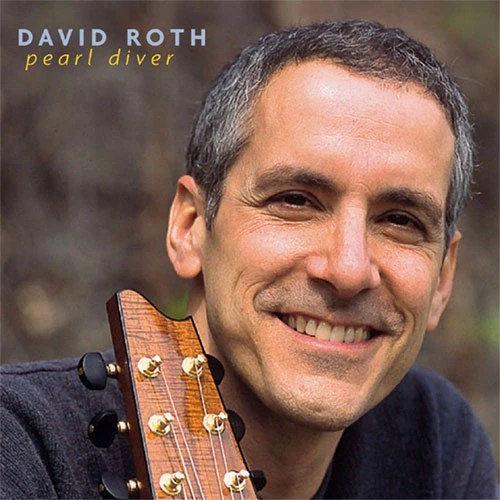
“Pearl Diver,” David Roth, 1995

David Roth was a new name to me until I discovered him in my research this week. Regionally in the Northeast, he has been a respected singer, songwriter, instructor, speaker and music workshop leader. One of his earliest songs, 1995’s “Pearl Diver,” is a beautiful ballad that explores the tragic consequences of greed. In the lyrics, the narrator is tempted by the fortune to be found underwater, but his pursuit of it ends up being the reason for his death: “I was living very happy when they came to me, offered riches for the pearls way down in the sea, /So I became a pearl diver, held my breath as I went down, caught my foot between two rocks and drowned… /My dream is to be cremated, not swaying with the tide, but because I wanted more than God had given me, I died…” He also re-recorded the tune ten years later as the title track of a new collection of songs.
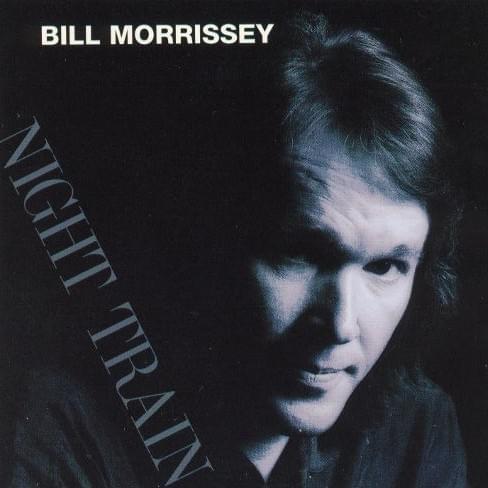
“Letter from Heaven,” Bill Morrissey, 1993

A lifelong New Hampshire resident, singer-songwriter Morrissey was best known for his often dark, literate lyrics, but he could write the occasional funny song like “Party at the UN” and “The Grizzly Bear.” He released eight albums of mostly original music between 1984 and his death in 2011, and on 1993’s LP “Night Train,” he offered “Letter From Heaven,” in which he dies and shares his first-person encounters with famous deceased celebrities from Abe Lincoln and Bing Crosby to Elvis Presley and James Dean: “And me, I couldn’t be happier, yeah, the service here is fine, /They got dinner ready at half-past nine, and I’m going steady with Patsy Cline, /And just last night in a bar room, I bought Robert Johnson a beer, /Yeah, I know, everybody’s always surprised to find him here, /It’s a great life here in Heaven, it’s better than the Bible said, /It’s a great life here in Heaven, it’s a great life when you’re dead…”
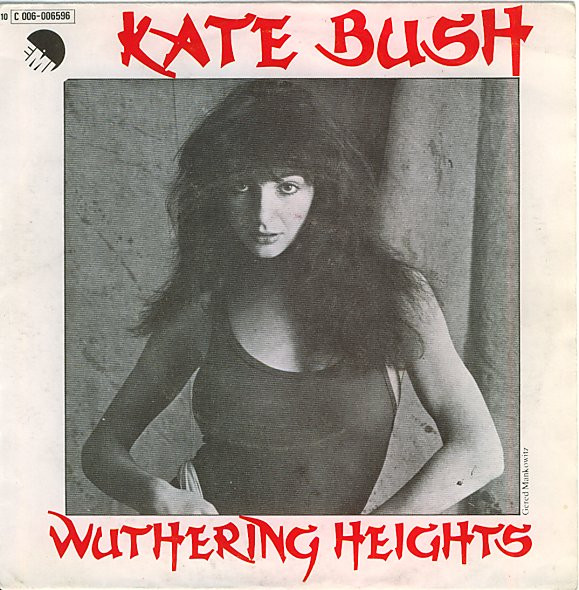
“Wuthering Heights,” Kate Bush, 1978

I became a fan of Kate Bush in 1986 when she did “Don’t Give Up,” a stunning duet with Peter Gabriel on his “So” album. Turns out she had been something of a child prodigy, attracting attention in England while still in her early teens. Her 1978 debut album, “The Kick Inside,” includes the astonishing “Wuthering Heights,” a tune she wrote based on the tragic love tale in Emily Brontë’s 1847 novel. The lyrics are sung from the perspective of the character Catherine Earnshaw, a ghost pleading at lover Heathcliff’s window to be allowed in: “How could you leave me when I needed to possess you? /I hated you, I loved you, too, /Bad dreams in the night, they told me I was going to lose the fight, /Leave behind my wuthering, wuthering, wuthering heights, /Heathcliff, it’s me, I’m Cathy, I’ve come home, I’m so cold…” I found her vocals here to be an acquired taste, but what do I know? The song reached #1 in the UK and all over Europe while making barely a ripple in the US.
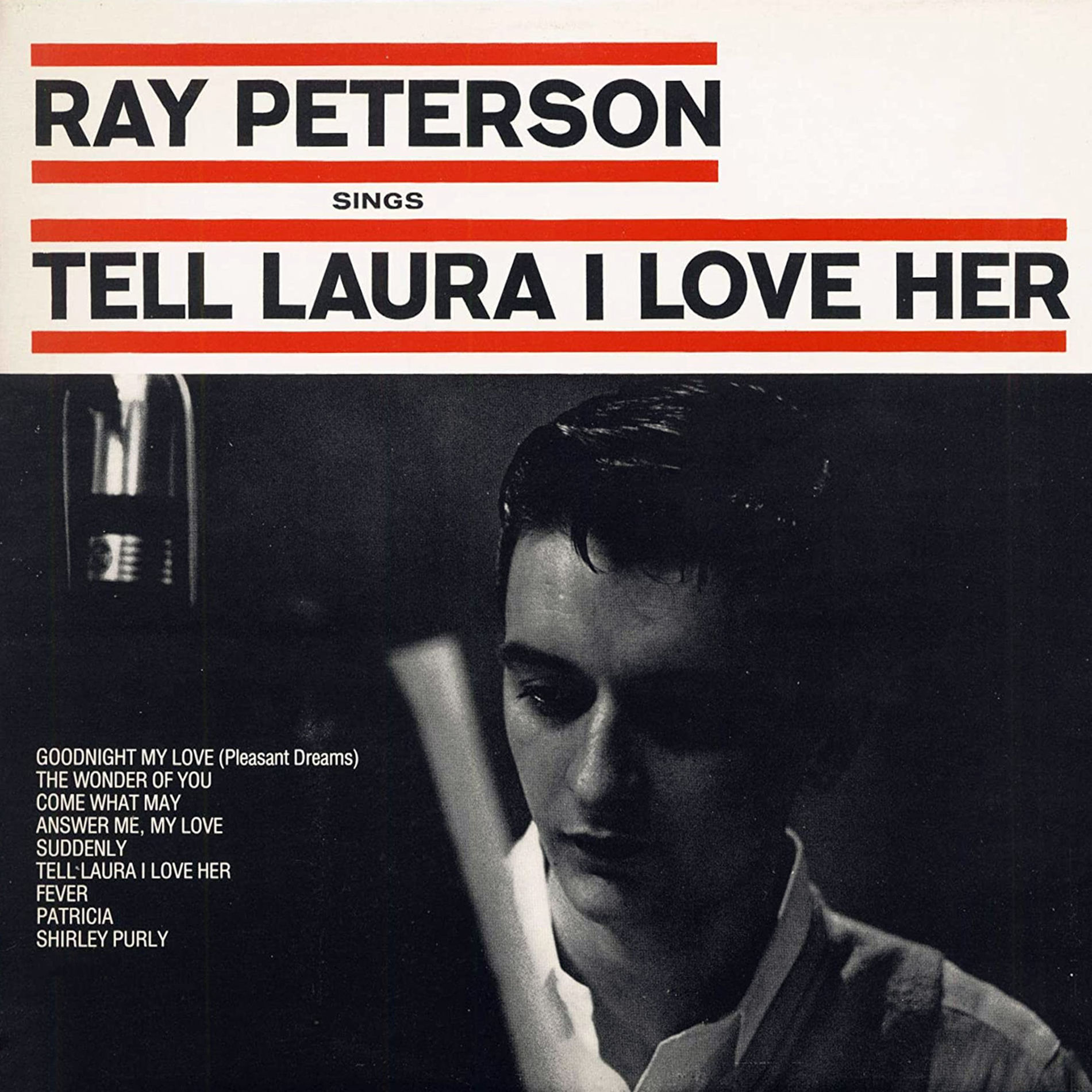
“Tell Laura I Love Her,” Ray Peterson, 1960

For a spell in the early ’60s, “teenage tragedy songs” were all the rage, with lyrical soap operas like “Teen Angel” and “Leader of the Pack” wringing every angst-ridden emotion out of AM radio listeners. Following the chart-topping “Teen Angel” in 1960, Brill Building songwriter Jeff Barry wrote a tune about a cowboy who dies in a rodeo mishap, but he was persuaded to change the setting to a fatal crash in a stock car race. A young man named Tommy is in love with a girl named Laura and, eager to buy her a wedding ring, he enters an auto race hoping to win the prize money. Instead, his car overturns and bursts into flames. His last words, which became the title and chorus lyrics, are: “Tell Laura I love her, tell Laura I need her, /Tell Laura not to cry, my love for her will never die…” Ray Peterson’s record of it reached #7 on US pop charts, and then British singer Ricky Valence took his cover version to #1 in the UK the same year.
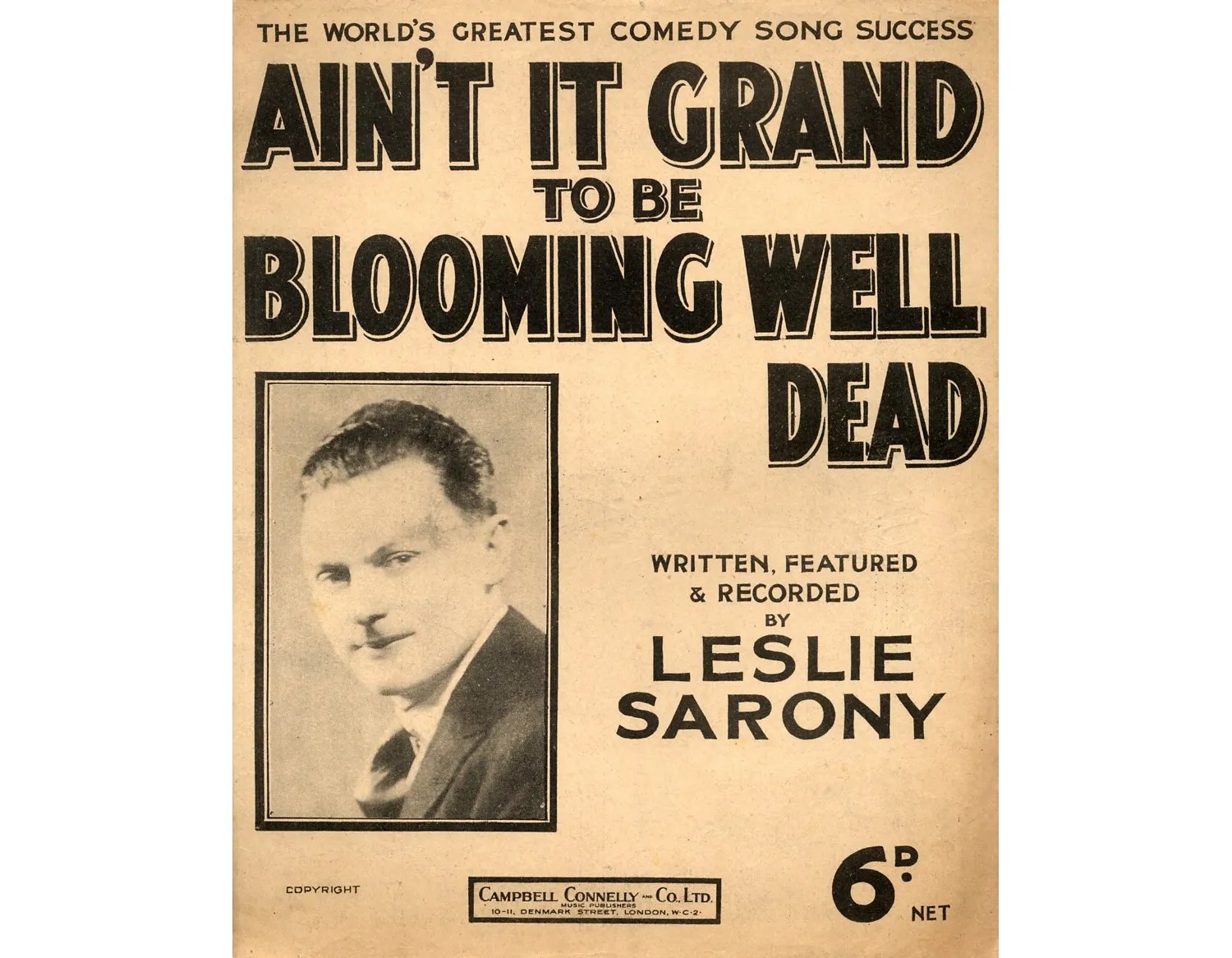
“Ain’t It Grand to Be Bloomin’ Well Dead,” Leslie Sarony, 1932

Let’s go back a hundred years for this one. A fellow by the name of Leslie Sarony was a British singer and actor in the late 1920s and early 1930s, mostly focusing on writing and performing comedy/novelty songs like “Don’t Be Cruel to a Vegetabuel” and “He Played His Ukulele as the Ship Went Down.” In 1932, one of his most popular numbers was “Ain’t It Grand to Be Bloomin’ Well Dead,” in which he reveled at his own funeral about the advantages of being deceased: “Some people there were praying for me soul, I said, ‘It’s the first time I’ve been off the dole,’ /Look at the mourners, bloomin’ well sozzled, ain’t it grand to be bloomin’ well dead! /Look at the children, bloomin’ excited, ain’t it grand to be bloomin’ well dead! /Look at the neighbours, bloomin’ delighted, ain’t it grand to be bloomin’ well dead!…” It was revived in the 1960s by the popular folk act The Clancy Brothers, who recorded it as “Isn’t It Grand, Boys, to Be Bloody Well Dead.”
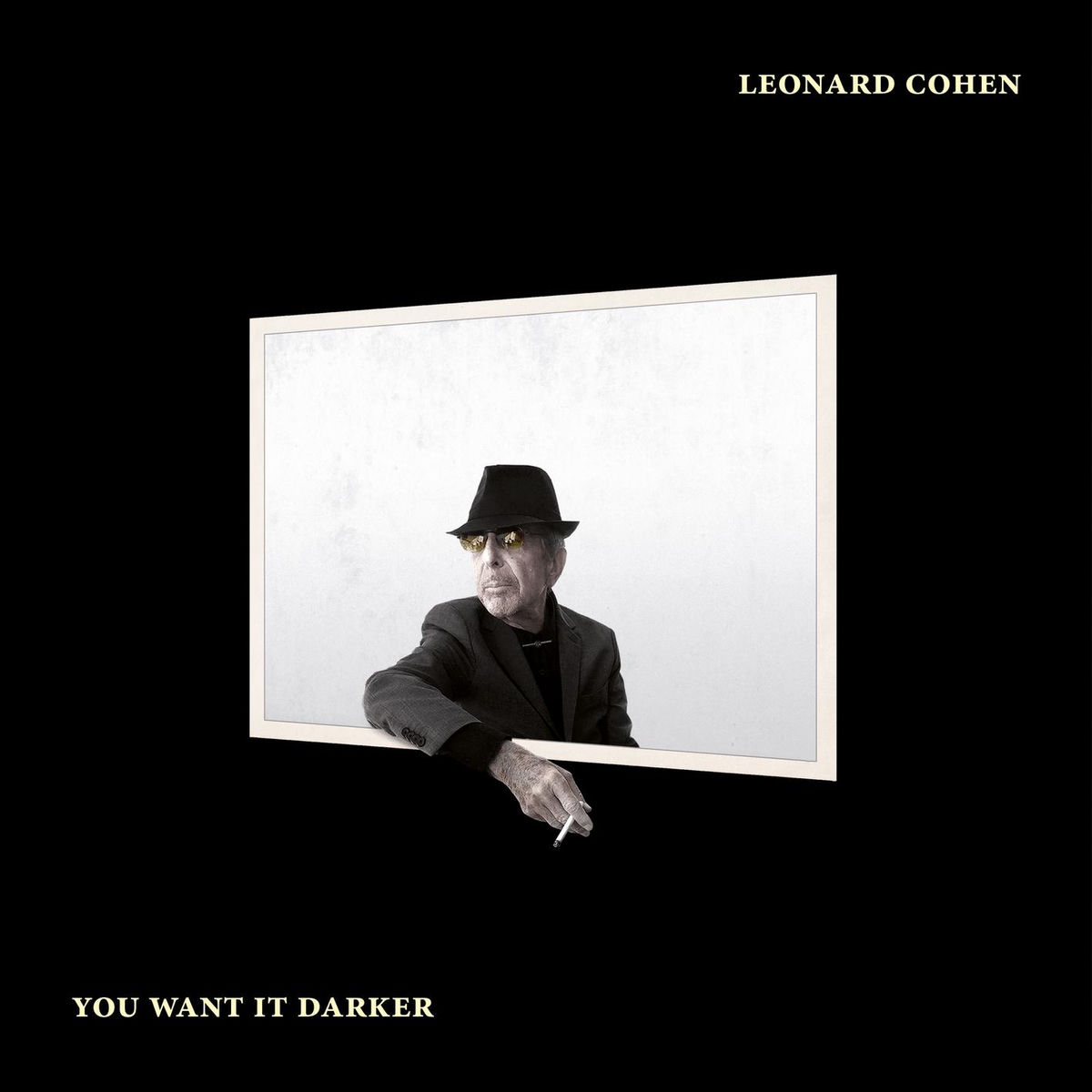
“Leaving the Table,” Leonard Cohen, 2016

Just as Warren Zevon did a dozen years earlier, Cohen chose to spend his final months on earth crafting his last album of songs, this time focusing on death, God and existence. “You Want It Darker” was released less than a month before he passed, and critics were bowled over by its stark music and poetry. The title track sums up his resignation about his exit: “It’s written in the scriptures, and it’s not some idle claim, /You want it darker, we kill the flame.” Perhaps the most powerful song of the bunch is “Leaving the Table,” which used the first-person voice to express both the exhaustion and the clarity of imminent death: “I don’t need a reason for what I became, /I’ve got these excuses, they’re tired and lame, /I don’t need a pardon, no, no, no, no, no, there’s no one left to blame, /I’m leaving the table, I’m out of the game…” One critic said, “It reflects a mature, late-life realization that the sweetness of existence has been tasted, the energy is spent, and it is time to quiet the noise.”
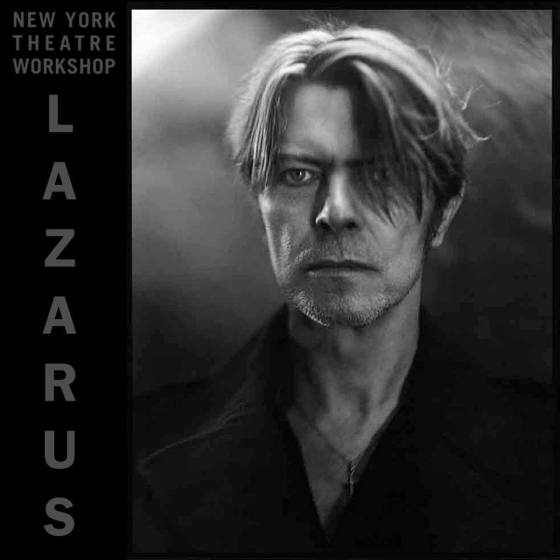
“Lazarus,” David Bowie, 2016

When Bowie died in January 2016, no one except his wife, his children and his producer even knew he had been ill with cancer for 18 months. He, too, liked the idea of making a final statement through his music, but he let no one outside his inner circle know that’s what he was doing throughout 2015. “Blackstar,” his 26th album, was released just two days before he died, although the title song came out as a single in November. “Lazarus” had been written for the 2015 “jukebox musical” stage play that continued the story of Thomas Newton, the humanoid alien from Bowie’s 1976 film “The Man Who Fell to Earth.” Producer Tony Visconti said Bowie intended “Lazarus” to be a self-epitaph and a reference to the musician’s prediction of greater fame following his death: “Look up here, I’m in heaven, I’ve got scars that can’t be seen, /I’ve got drama, can’t be stolen, everybody knows me now, /Look up here, man, I’m in danger, I’ve got nothing left to lose…” He turned his own death into his final masterpiece, leaving the world with beauty instead of silence.
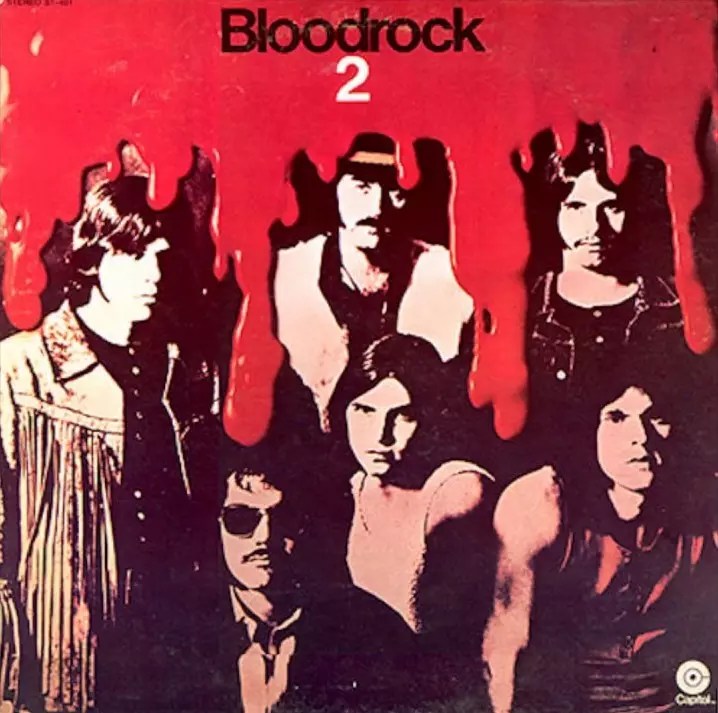
“D.O.A.,” Bloodrock, 1970

Of all the songs I found in which the narrator is speaking from beyond, “D.O.A.” is certainly the most vividly gruesome. Bloodrock guitarist Lee Pickens said it was written after a traumatic incident when he was 17. “I had just gotten out of this little airplane piloted by a guy I knew. Then I watched him take off again, went about 200 feet up, went into a roll, and crashed. It was so awful.” He decided to write “D.O.A.” as a first-person account of someone who survives a plane crash but then dies on the table: “I remember /we were flying low and hit something in the air… /Laying here looking at the ceiling, someone lays a sheet across my chest… /Life is flowing out of my body, pain is flowing out with my blood, /The sheets are red and moist where I’m lying, God in Heaven, teach me how to die…” The song was considered too extreme and was banned in some markets, but the 8-minute album track was nonetheless edited to 4:32 and somehow reached #36 on US pop charts as a single.
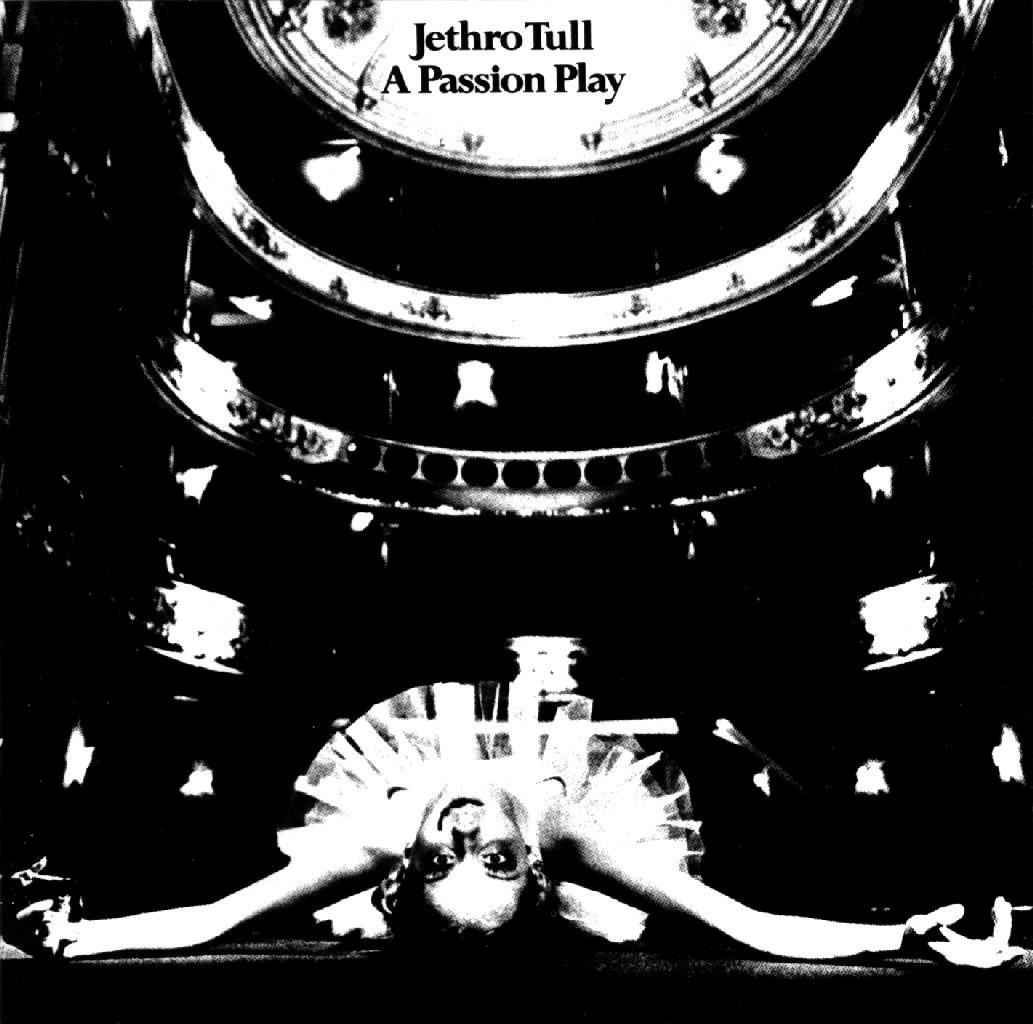
“A Passion Play,” Jethro Tull, 1973

I almost didn’t include this one because it’s a very long piece (45 minutes!) that is rather difficult to digest in one sitting. But I’m a huge Tull fan, and I’ve always loved the album, and its lyrics are unquestionably a provocative treatise about what happens when you die, told mostly in the first person. Composer Ian Anderson had this to say about it: “I had a fascination about the possibility of a hereafter that touches upon the conventions of popular religion. It recognizes that age-old conflict between good and bad, God and the Devil, and tries to bring it to some theatrical life. But basically it’s a kind of slightly tongue-in-cheek look at what might happen when you die.” From the first section of the piece: “And who comes here to wish me well? A sweetly-scented angel fell, /She laid her head upon my disbelief and bathed me with her ever-smile, /And with a howl across the sand, I go escorted by a band of gentlemen in leather bound, /No one, but someone to be found…”

*******************************

I can’t believe the state I’m in

There are 50 states that make up our country, and although we call ourselves the United States, we’re very different in many ways. Geographical terrain, historical record, social mores, climate, arts and entertainment options, sports preferences, you name it.

I’m always disappointed to read surveys that say many Americans haven’t traveled to more than 10 or 12 of them. That’s a sad commentary on our provincialism, in my view, and it speaks to an underlying need to spread our wings and leave our home town/state more often.

I’m proud to report I’ve been to 43 of the 50 states in my lifetime. (Visiting a state, according to my rules, means you’ve slept at least one night within its borders. If you merely drove across it and maybe stopped for a meal, sorry, that doesn’t count.) This year alone, I’ve been to Tennessee, Ohio, California, New York and Georgia, visiting family and friends.

This week, it was fascinating to watch the mid-term election results and the different ways the voters responded in the various states. Places like Texas, North Carolina, South Carolina and Alabama, traditional conservative states, chose more liberal candidates for a change.

All this got me thinking about how popular music has offered up quite a collection of songs that have U.S. states in the title.

I’ve written in the past here about “Songs of California” and “Songs of New York” simply because there are so many of them, but I wanted to take a closer look at the other 48. As you might image, some states haven’t inspired many popular songwriters while others have healthy handfuls of songs from which to choose.

I decided to be thorough and offer 50 songs, one from each state, to write about. I didn’t always select the obvious choice; sometimes it’s good to hear something new, but in other cases, my options were very limited by what’s out there. Regardless, there’s the customary Spotify playlist so you can hear the old favorites and new-to-you obscure selections as well. I think you’ll find they’re worthy of your attention.

Let’s head on out and discover America!

*****************************
“Alabama,” Neil Young, 1971

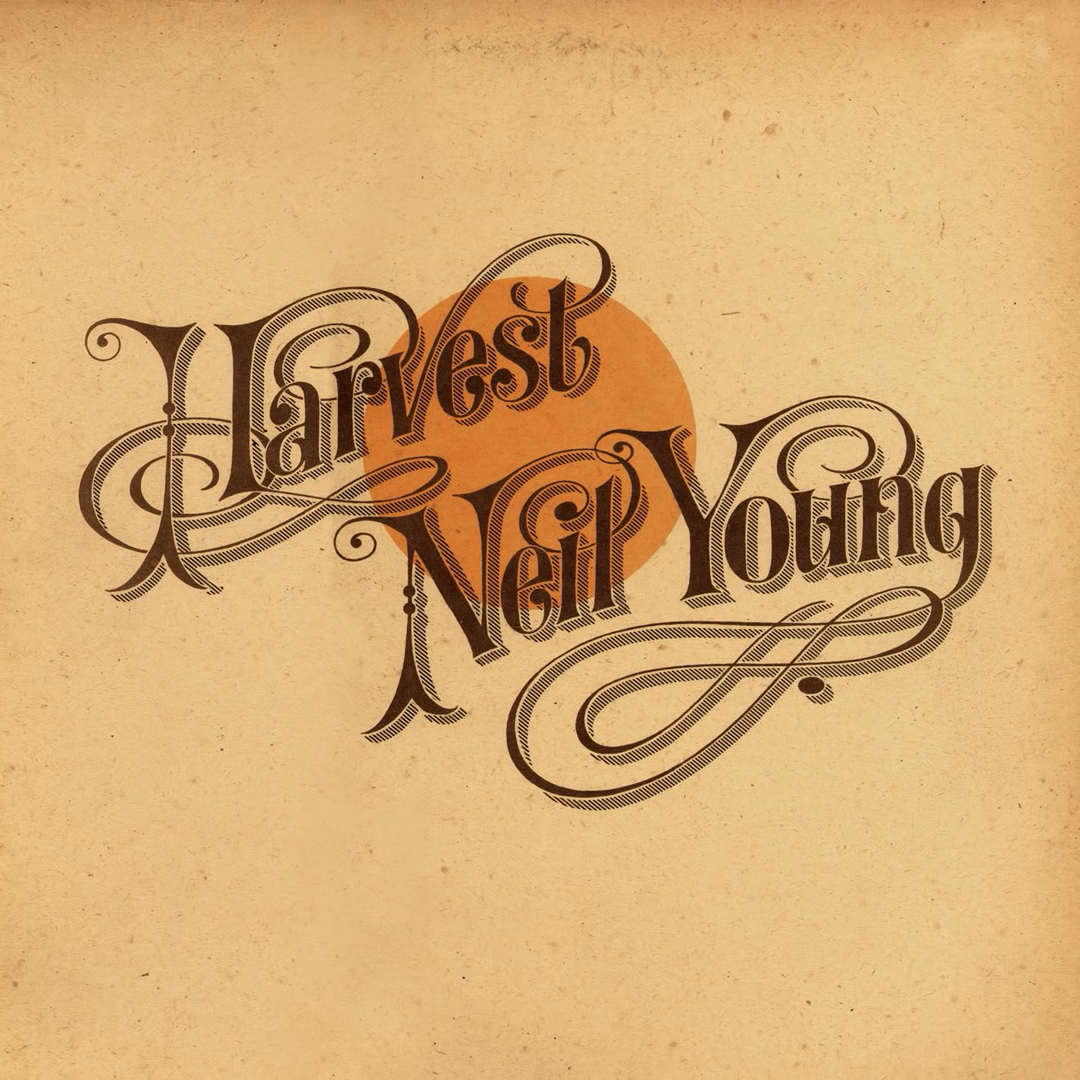
As he read about the historical injustices perpetrated on blacks in the American South, Canadian Young turned his anger into song lyrics, first in the bitter diatribe “Southern Man” on 1970’s “After the Gold Rush,” and then a second time on this track with his temporary group The Stray Gators on the #1 album “Harvest” in 1971. Good ol’ boys Lynyrd Skynyrd didn’t take kindly to these songs, and responded in their hit “Sweet Home Alabama,” but the band and Young eventually reached a level of mutual respect. Still, the words no doubt still sting: “I’m from a new land, I come to you and see all this ruin, /What are you doing, Alabama? You got the rest of the union to help you along, /What’s going wrong?…”

“Far Alaska,” Jethro Tull, 1999

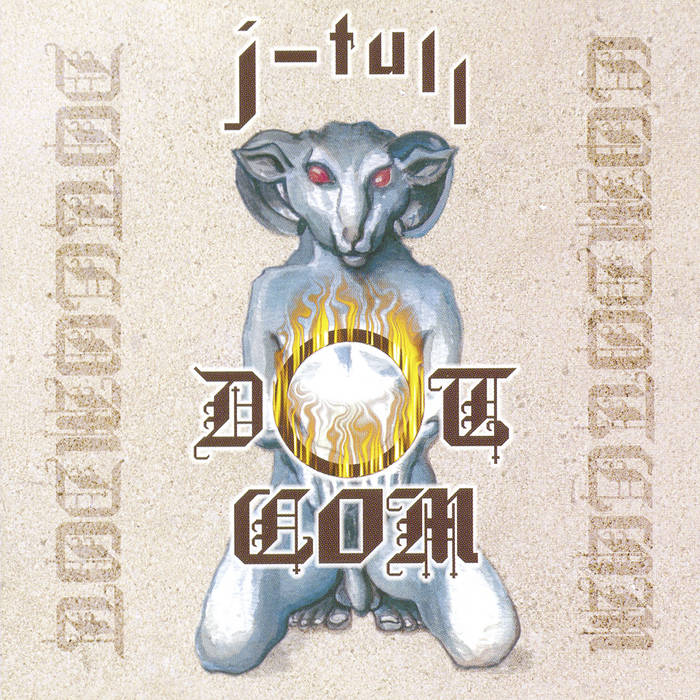
Since 1968, this extraordinary British rock group has mastered blues, folk, progressive rock, Elizabethan madrigals and everything in between, always led by singer/songwriter/flautist Ian Anderson. On Tull’s 20th album of new studio material, “Dot Com,” this inventive piece offers an unusual stop-start mix of tempos while Anderson’s lyrics speak of “placing people in their dreamscape with fantasies of foreign fields” as they fly off to distant points on the planet, “from far Alaska, down to Rio in the Carnival, to Norwegian fjords…”

“Arizona,” Kings of Leon, 2007

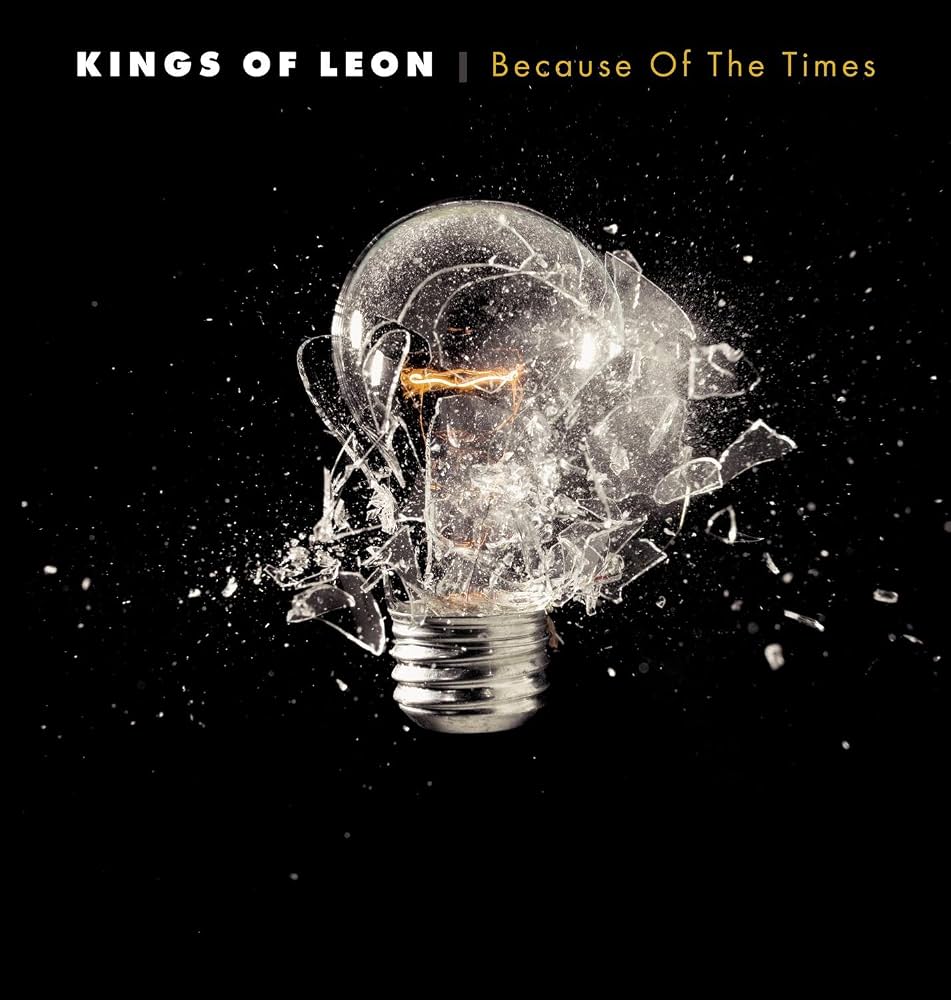
Three brothers from just outside Nashville — Caleb’s Nathan and Jared Followill — formed Kings of Leon in 2000, offering an evolution of styles from Southern rock and blues to alt rock, eventually reaching the Top Five on US album charts with four consecutive LPs in 2008-2016. Just before that, their “Because of the Times” album earned praise as “an epic wide-screen movie of an album full of unbelievable beauty and familiar, lovable grit.” One track, “Arizona,” offers quirky observations about a strange relationship.

“Arkansas Mud,” Ashley McBryde, 2026

Her farmer/doctor/preacher father and religious mother didn’t approve, but McBryde moved from small-town Arkansas to Nashville to pursue a career in country music, and it has paid off for her. Her five LPs between 2018 and 2026 have all won praise, and her latest, “Wild,” includes “Arkansas Mud,” a hard-rocking country tune that pays tribute (of sorts) to her upbringing: “You can shine me up, you can whittle me down, but, oh, what’s underneath, you can’t scrub out, /It’s in my throat, it’s in my bones, it’s on my boots and in my blood, /That Ozark streak sure runs deep, and it sticks to me like that Arkansas Mud…”

“Going to California,” Led Zeppelin, 1971

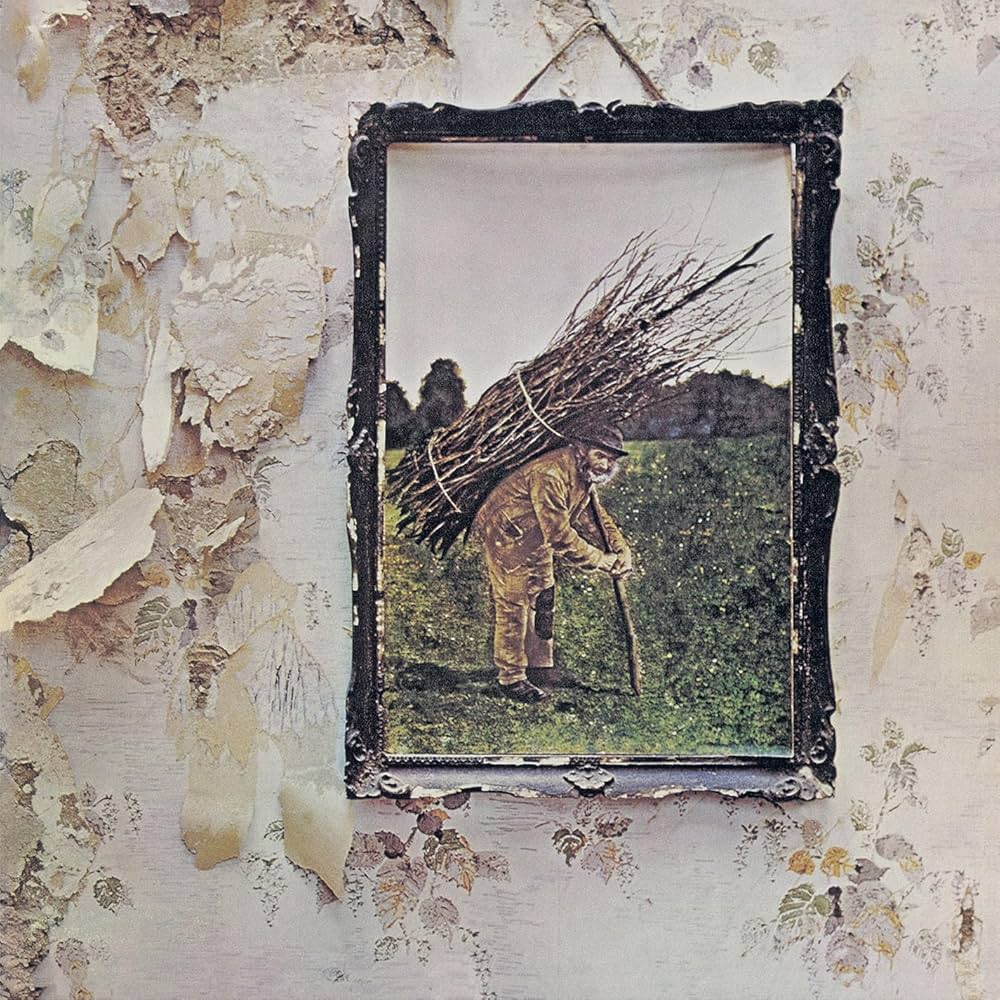
There are probably a hundred or more songs in popular music that focus on California, but I’ve selected this appealing tune from Led Zeppelin’s best-selling fourth album. Amidst the seismic hard rock that dominates the LP, this delicate acoustic number references the band’s fondness for Joni Mitchell and her heartfelt folk music: “Going to California with an aching in my heart, /Someone told me there’s a girl out there with love in her eyes and flowers in her hair…”

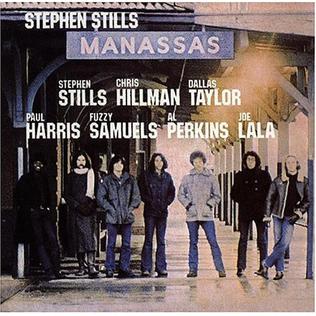
“Colorado,” Manassas, 1972

This tune, filled with pedal steel guitars and sweet harmonies, is a highlight of the fine double LP Stills recorded with his group Manassas following the initial disbanding of Crosby, Stills, Nash & Young.  Stills has always loved the Rockies, and these lyrics refer to women on the East and West coasts (presumably former lovers Judy Collins and Rita Coolidge) who declined to move with him to Colorado to keep their relationships alive: “I am a man, I live alone, don’t much bother me, /It won’t be long, come a woman who wants to be near me and my mountains, /We’ll be right here, Colorado…”

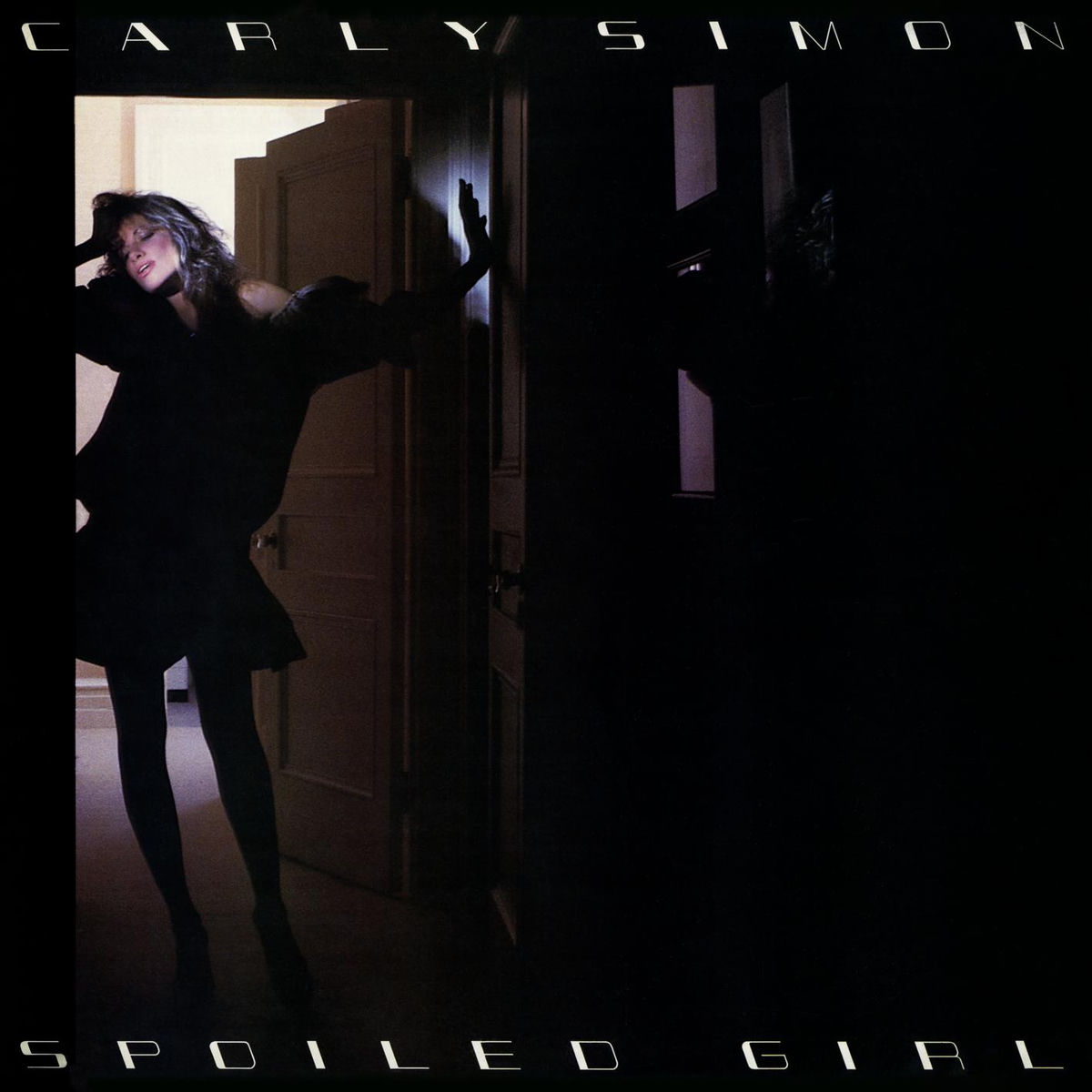
“The Wives Are in Connecticut,” Carly Simon, 1985

Throughout the ’70s, Simon earned plenty of hard-earned praise as a talented singer-songwriter, operating for a while in the shadows of then-husband James Taylor. By the ’80s, her popularity waned, and efforts like 1985’s “Spoiled Girl” stalled on the US album charts (in this case, #88), and were met with mixed reviews. One of the more interesting tracks was this one that recalled her days as the young daughter in the Simon & Schuster publishing family, observing the comings and goings of the upper class socialites.

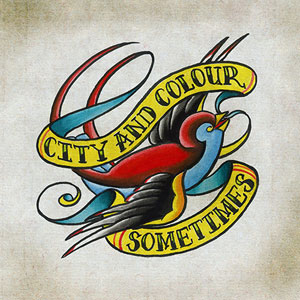
“Hello I’m in Delaware,” City and Colour, 2005

A musically talented young Canadian man named Dallas Green didn’t think his name had much appeal, so he used the stage name City and Colour (get it?). He’d started as the lead guitarist and singer of an Ontario “post-hardcore” band called Alexisonfire, but he concluded he was best suited to “write sad songs on guitar.” His first solo effort as City and Colour, “Sometimes,” came out in 2006 and included this song of yearning for a woman who is temporarily gone and getting further away as he hits the highway.

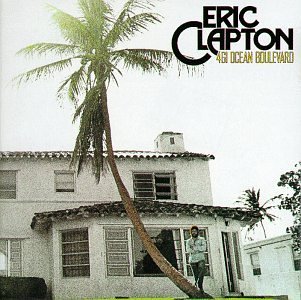
“Mainline Florida,” Eric Clapton, 1974

Following a harrowing couple of years in the depths of heroin addiction, Eric Clapton got clean and headed for Miami to record his mid-’70s comeback LP, “461 Ocean Boulevard,” which was the address of the house he rented there during recording sessions. His cover of Bob Marley’s “I Shot the Sheriff” got most of the attention, but there are better songs to be found here, like “Let It Grow” and “Motherless Children.” Appropriately, and a bit euphemistically, the album closes with “Mainline Florida,” a gutsy rocker by Clapton’s guitarist bandmate George Terry.

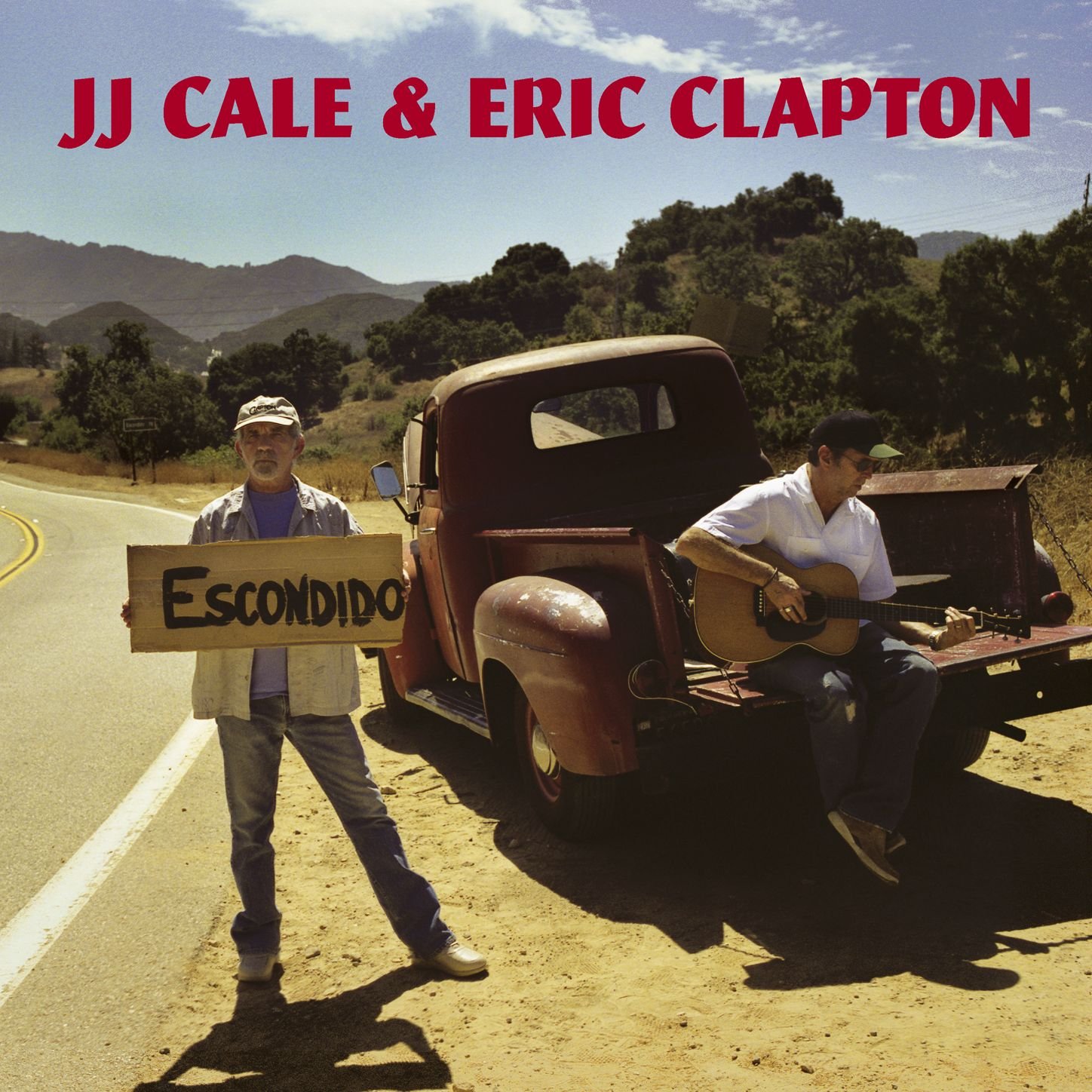
“Heads in Georgia,” J.J. Cale, 2006

Tulsa-based singer-songwriter-guitarist Cale enjoyed a career of modest fame as a performer, but earned much more as a writer of tunes made more famous by others, especially “After Midnight” and “Cocaine” by Eric Clapton and “Call Me the Breeze” by Lynyrd Skynyrd. In 2006, Clapton and Cale joined forces on a solid album, “Road to Escondido,” which includes the great but grammatically inaccurate “Heads in Georgia” (the opening line is “My Head’s in Georgia”), about a guy who’s following his woman to California even though he’d rather stay in The Peach State.

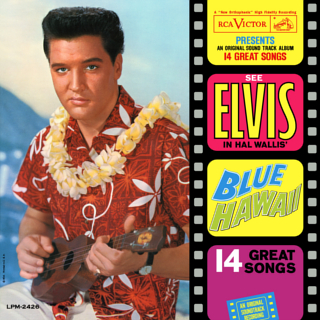
“Blue Hawaii,” Elvis Presley, 1961

In 1937, singer-actor Bing Crosby made a musical comedy film called “Waikiki Wedding” that featured the song “Blue Hawaii,” and Crosby’s rendition reached #5 on the “Hit Parade” chart of that era. More than twenty years later, Presley re-recorded the song as part of the soundtrack album for his film of the same name, and it went on to become a hugely successful LP for him, even though the film itself was fairly lame with a threadbare plot. Sadly, it set the stage for his questionable career path in the ’60s, where his film soundtracks outnumbered his studio albums.

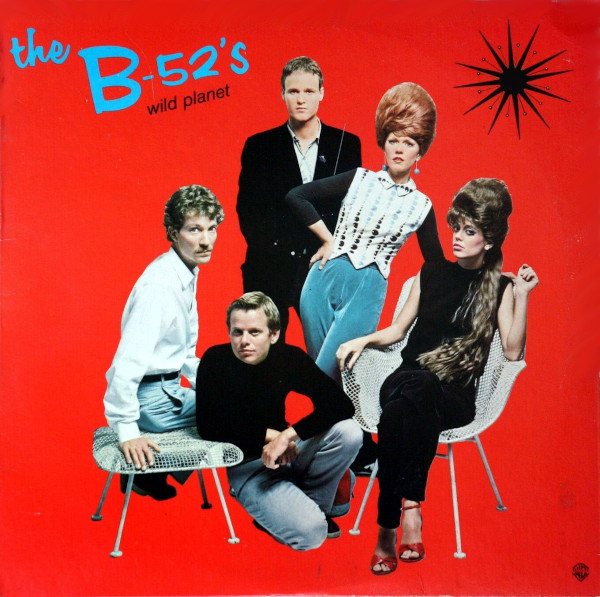
“Private Idaho,” The B-52s, 1980

From Athens, Georgia, came the B-52s, the new wave/post-punk sensation known best for the punky “Rock Lobster” and later hits like “Love Shack” and “Roam.” On their second LP “Wild Planet” in 1980 was this curious tune about isolation, loosely based on an old “Twilight Zone” episode: “You’re living in your own private Idaho, underground like a wild potato…” Idahoans didn’t exactly embrace it because the lyrics advised, “Get out of that state…”

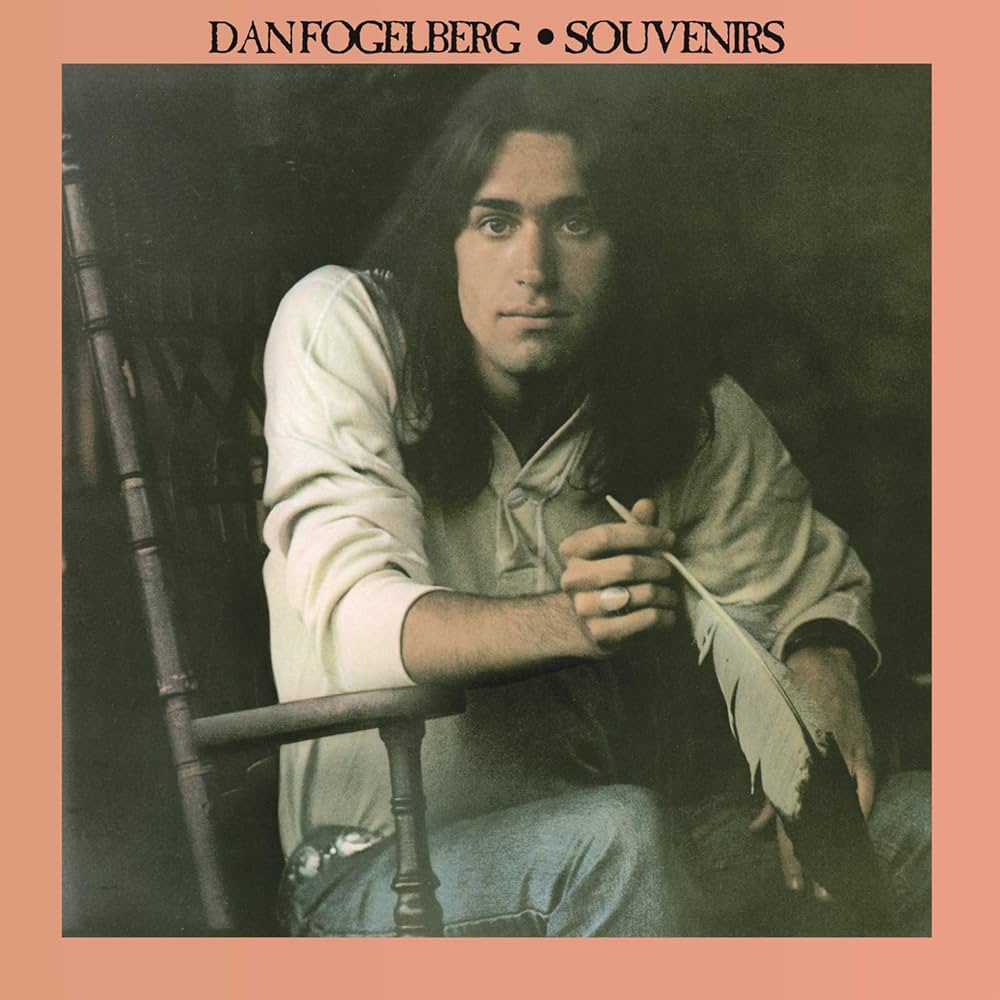
“Illinois,” Dan Fogelberg, 1974

This sensitive singer-songwriter, who scored several big hits in the late ’70s/early ’80s (“Longer,” “Heart Hotels,” “Same Old Lang Syne,” “Leader of the Band,” “Run for the Roses”), was born in Peoria, and after a spell in Southern California nurturing his career as a recording artist, he longed for the familiar surroundings of his home state: “My mind goes running three thousand miles east, I miss the harvest but I won’t miss the feast… Illinois, I’m your boy…” The song appeared on his marvelous breakthrough LP “Souvenirs” in 1974, which featured stars like Joe Walsh, David Crosby, Graham Nash, Don Henley, Glen Frey and Al Perkins.

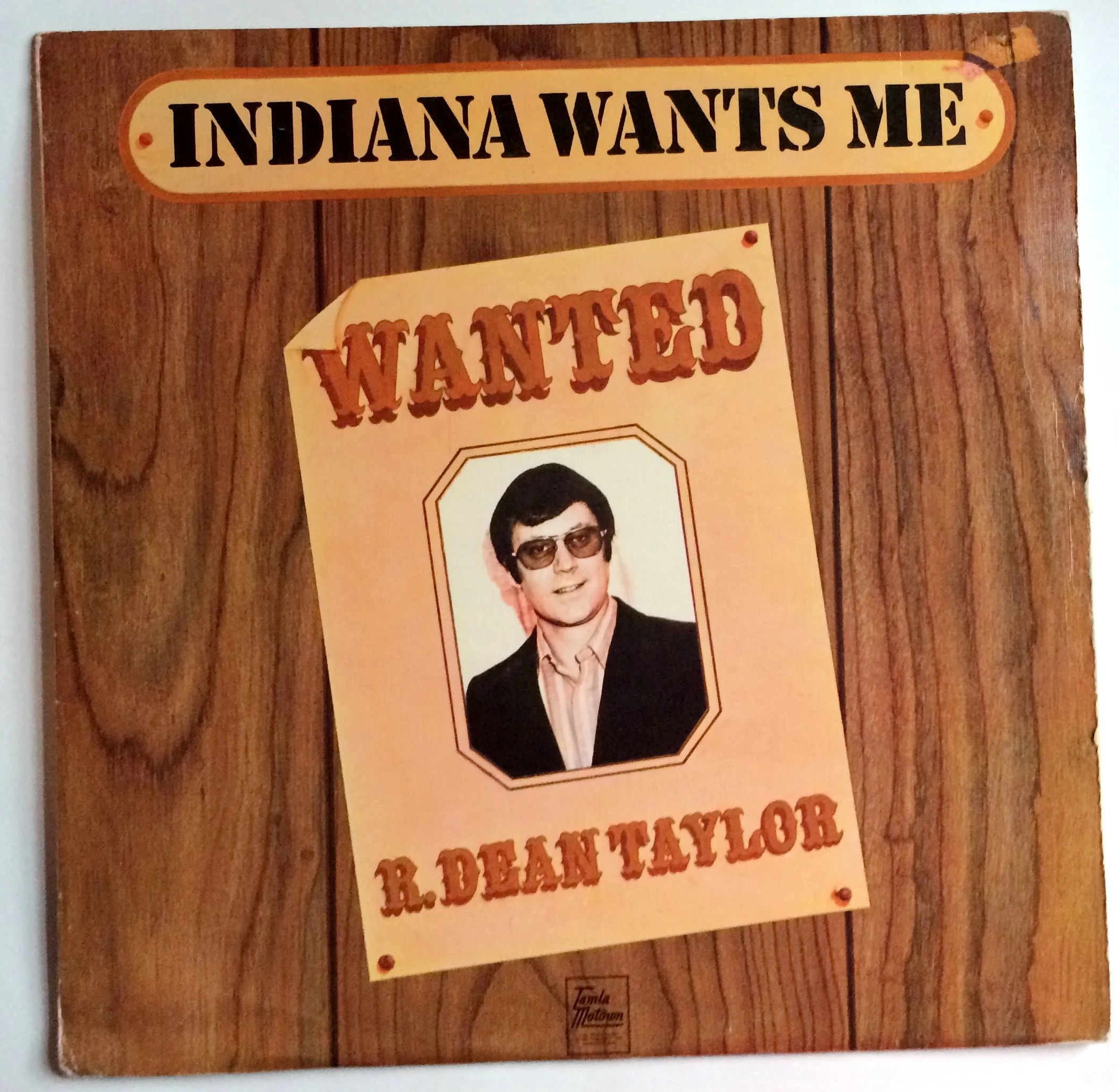
“Indiana Wants Me,” R. Dean Taylor, 1970

Toronto-born Taylor had his only big commercial success with this self-written tune about a guy who murdered a man for insulting his woman, then went on the lam from the Indiana authorities. The police sirens included on the recording caused some controversy — when drivers heard the song on the car radio, they thought they were being pulled over by police. It reached the Top Five in the US, the UK and Canada: “If a man ever needed dyin’, he did, /No one had the right to say what he said about you, and it’s so cold and lonely here without you, /Out there, the law’s a-comin’, I’m scared and so tired of runnin’, /Indiana wants me, Lord, I can’t go back there…”

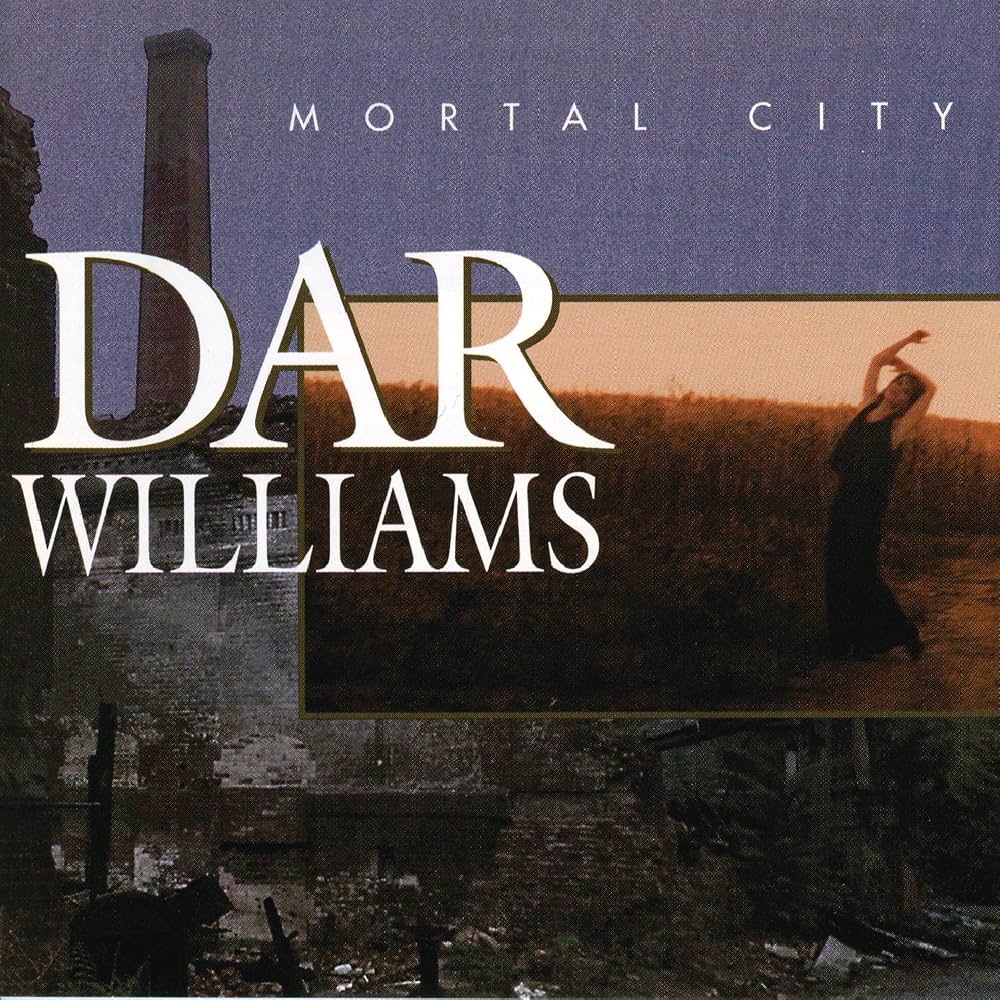
“Iowa,” Dar Williams, 1996/2010

Singer-songwriter Dorothy “Dar” Williams came out of Chappaqua, NY, in the 1990s and became a visible part of the growing movement of female performing/recording artists. From her second LP “Mortal City” in 1996 came “Iowa,” one many songs she’s written about geographical locations. She re-recorded the song for her collaborative 2010 LP “Many Great Companions” with Mary Chapin-Carpenter and others: “I woke up from a nightmare that I could not stand to see, /You were a-wandering out on the hills of Iowa, and you were not thinking of me…”

“Kansas Rain,” John Stewart, 1974

California-born Stewart was an integral member of folk music giants The Kingston Trio from 1961-1967, and also earned fame as a songwriter when The Monkees took his song “Daydream Believer” to #1 in 1967. ZAs a solo artist, he bounced around several record labels, and recorded a double live LP of original songs, “The Phoenix Concerts,” in 1974, which included his tribute to the The Sunflower State, “Kansas Rain.” Stewart went on to have a Top Five song, “Gold,” in 1979.

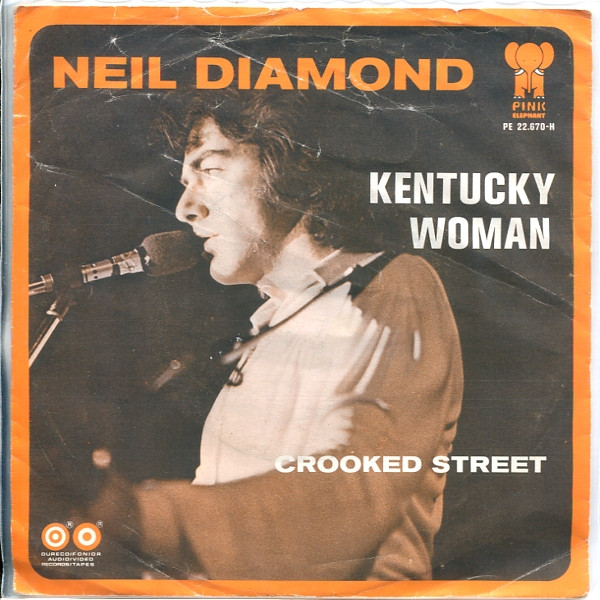
“Kentucky Woman,” Neil Diamond, 1967

One of Neil Diamond’s modest (#22) mid-’60s singles was this infectious tune he wrote about a woman he knew from Louisville: “She shines with her own kind of light, and a day that’s all wrong looks all right, and I love her, God knows I love her, Kentucky woman…” In 1968, British heavy-metal pioneers made the curious choice to record a cover of “Kentucky Woman” which managed to sneak onto the charts as the B-side of their #4 smash hit “Hush.”

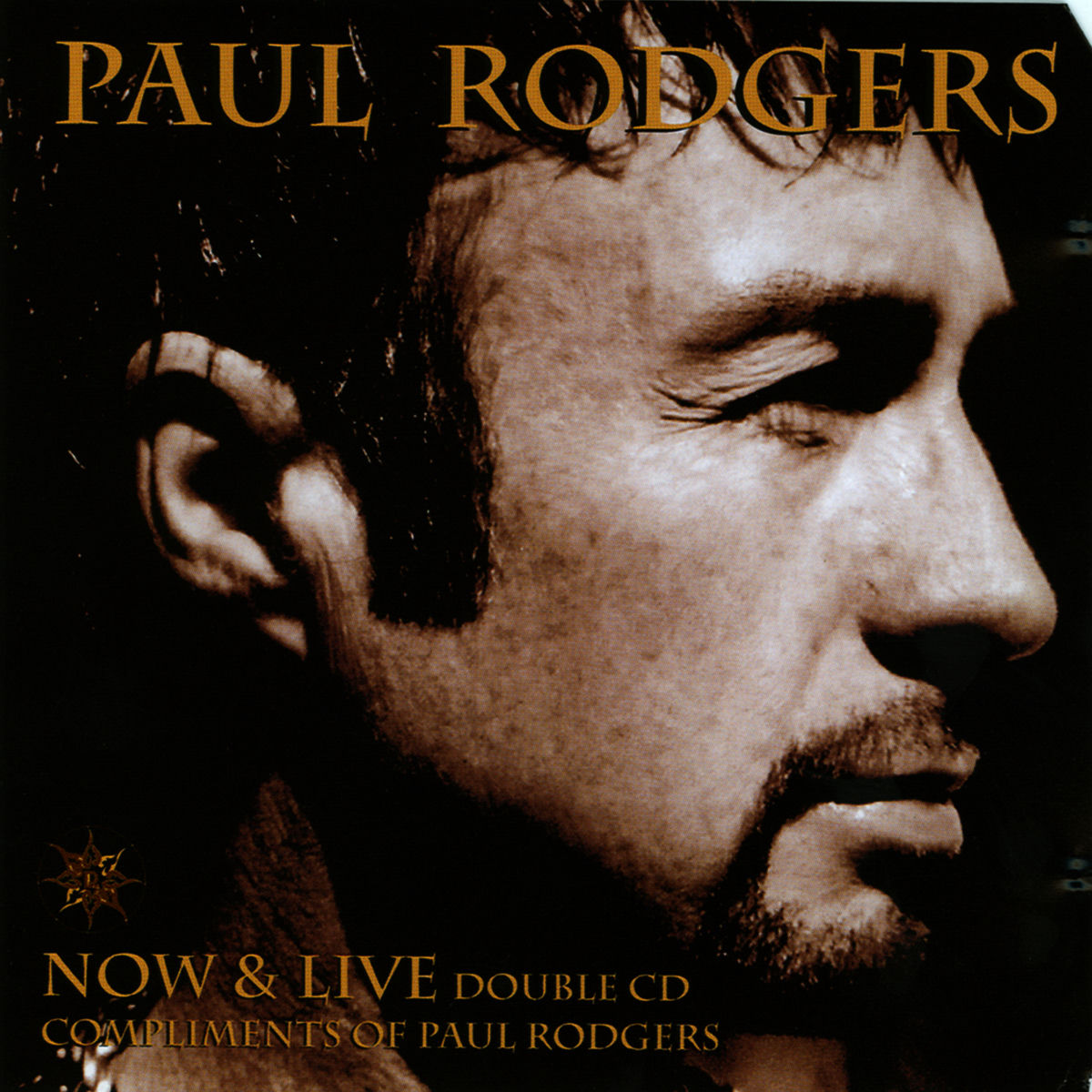
“Louisiana Blues,” Paul Rodgers, 1993/1997

Rodgers, the powerful vocalist of Free and Bad Company, put together a stellar group of guest guitarists to each play a track on his “Muddy Water Blues” 1993 CD tribute to the legendary Delta blues guitarist. Trevor Rabin, who was Yes’s guitarist during their 1980s period, provided some tasty licks on Waters’ gritty “Louisiana Blues,” a tale of trouble in New Orleans. That album is now hard to find, but Rodgers included an in-concert version of “Louisiana Blues” on his 1997 “Now and Live” double CD.

“Maine,” Noah Kahan, 2020

The two most recent releases by this Vermont-born singer-songwriter, “Stick Season” (2022) and “The Great Divide” (2026), have made Kahan one of the biggest stars of the current popular music scene. Prior to that, though, he struggled along with two earlier albums and two EPs, one of which, 2020’s “Cape Elizabeth,” featured the track “Maine,” which the self-effacing songwriter described at the time as “the only one of my songs I listen to.”

“Maryland,” Vonda Shepard, 1999.

Shepard, born in New York City, was raised in California and began her music career there, where TV producer David E. Kelley saw her perform in a Hollywood club. He tapped her to play a fictionalized version of herself and be the voice and inner thoughts of the title character in the popular TV series “Ally McBeal” from 1997-2002. On one of several soundtrack albums released, she recorded her song “Maryland”: “I’m just working for a living, singing with my friends as I cast my dreams to the wind, /Maryland, I’m coming home…”

“Massachusetts,” The Bee Gees, 1967

Australians Robin, Maurice and Barry Gibb co-wrote this piece in a hotel room in New York, having never even been to Massachusetts at that point. It was written as an answer to the “let’s all go to San Francisco” trend at the time. “We just liked the sound of the name,” said Robin. They intended to give it to the New Seekers but ended up recording it themselves, and it went to #1 in five countries, and #11 in the US: “Feel I’m going back to Massachusetts, /Something’s telling me I must go home…”

“Especially in Michigan,” Red Hot Chili Peppers, 2006

This enormously influential LA-based band formed in 1982 and became hugely successful on the charts and on concert tours beginning in the 1990s and is still popular today. Their ninth LP “Stadium Arcadium,” originally slated as a trilogy of single albums but instead condensed to one double LP, came out in 2006 and reached #1 on US charts, with the single “Dani California” peaking at #5. Also on this disc you’ll find “Especially in Michigan”: “Life is my friend, rake it up to take it in, /Wrap me in your cinnamon, especially in Michigan…”

“Minnesota Girls,” The Shackletons, 2017

Running along under the radar of most fans since their 2014 debut ids The Shackleton’s, comprised of Colin Cameron and Evan Campbell, two friends from Minneapolis whose music includes indie rock, blues and punk influences. They’ve released two full-length albums in 2021 and 2024, and in 2017 they released their first EP including the song “Minnesota Girls,” a tongue-in-cheek spoof of The Beach Boys’ “California Girls”: “Why can’t they all be Minnesota girls, /I’m sorry, Brian Wilson, but you were wrong, /It’s now 30 below, and I can’t feel my toes, /Damn it’s great to be home…”

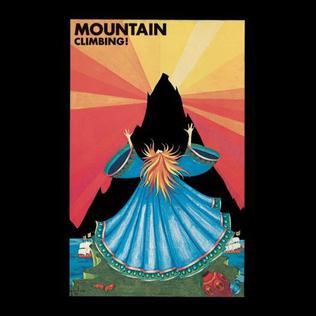
“Mississippi Queen,” Mountain, 1970

Drummer Corky Laing and guitarist Leslie West collaborated to write Mountain’s early ’70s rock classic, with lyrics that referred to “Mississippi Queen” as both the famous steamboat and a woman on board.  Their producer required so many takes to get it right that Laing started using a cowbell to count it off, which ended up remaining in the released version”. “You know she was a dancer, she moved better on wine, /While the rest of them dudes was gettin’ their kicks, buddy, beg your pardon, I was getting mine, /Mississippi Queen, if you know what I mean…”

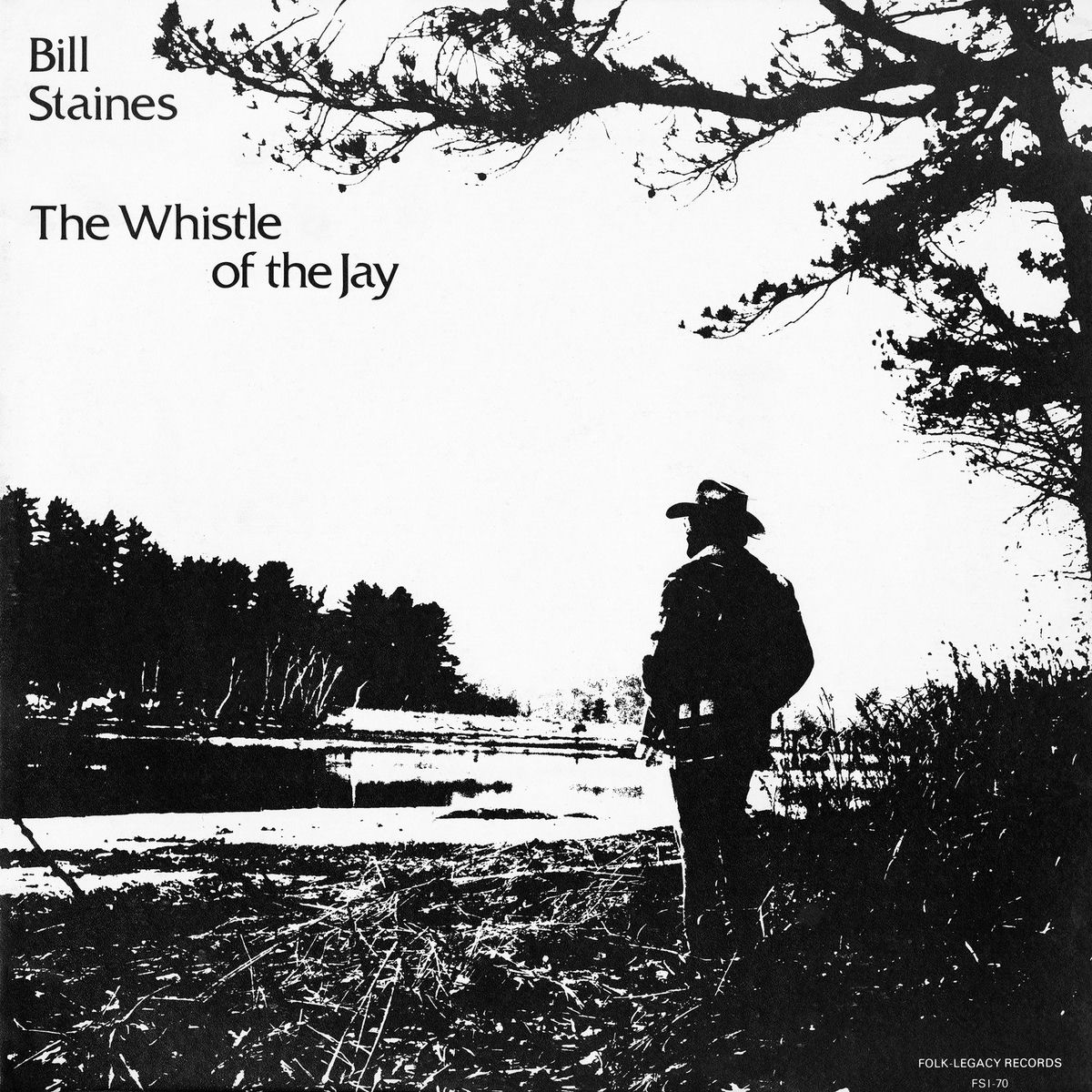
“Missouri Road Song,” Bill Staines, 1979

A prolific folk/country songwriter and recording artist from New Hampshire, Staines recorded 23 albums between 1966 and 2010, with many other artists recording his songs, including Jerry Jeff Walker, Peter Paul & Mary, Nanci Griffith and The Highwaymen. He died in 2021 at age 74. His LP “The Whistle of the Jay” in 1979 including “Missouri Road Song: “Oh, good morning, Missouri, and how have you been? /I’ve been moving all night just to see you again, /And there’s thunder behind me and plenty of wind, and mountains ahead where I’m goin’…”

“Montana,” Frank Zappa, 1973

This funny, quirky song from one of rock’s true iconoclasts appeared on his amazing 1973 LP “Overnight Sensation,” which featured the notorious “Dinah-Moe Humm.” People weren’t sure what to make of lyrics like, “Moving to Montana soon, gonna be a dental floss tycoon, yes I am…” Combined with an unusual multi-part arrangement and the “Yippy-ty-o-ty-ay” cliched cowboy ending, “Montana” became one of Zappa’s best loved tracks in concert and among casual fans.

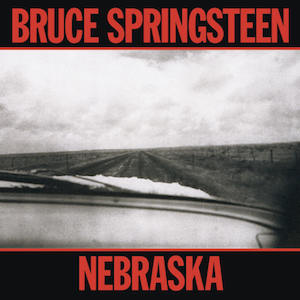
“Nebraska,” Bruce Springsteen, 1982

Following the party atmosphere and full E Street Band band sound of “The River” in 1980, Springsteen did a 180-degree turn and made “Nebraska,” a bleak, bare-bones album about blue-collar failures and edgy criminals and outlaws. The title track tells the story of mass murderer Charles Starkweather, who killed eleven people in the late 1950s. As the harrowing lyrics state: “They wanted to know why I did what I did, /Well, sir, I guess there’s just a meanness in this world…”

“Stop in Nevada,” Billy Joel, 1973

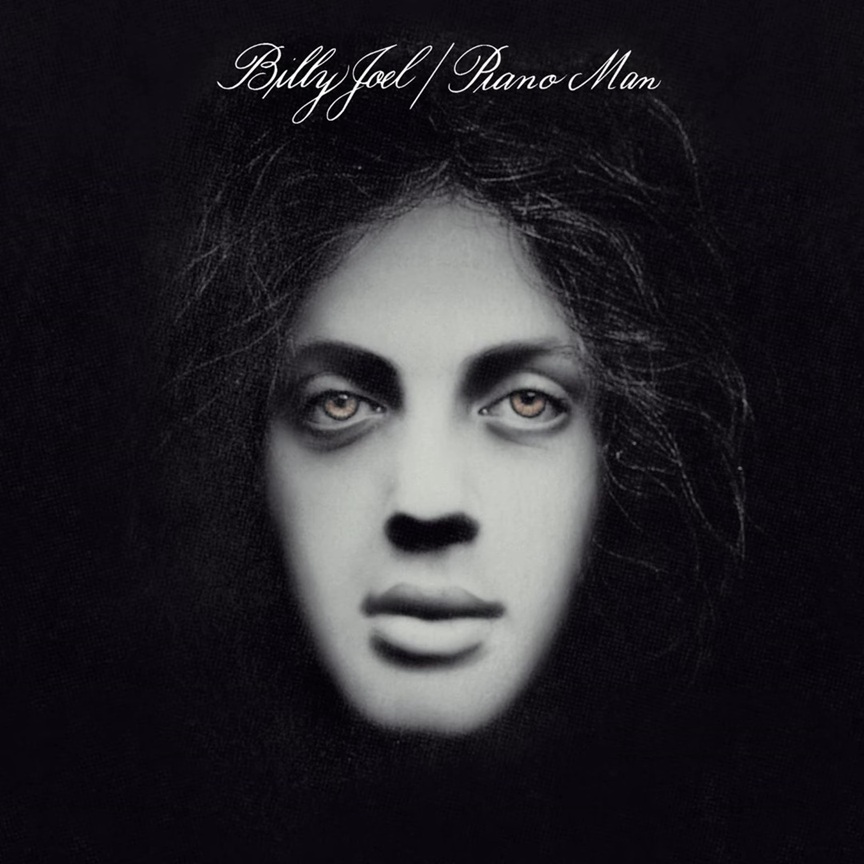
Raised in Levittown on Long Island, Joel has always been a New Yorker at heart, but he spent his early professional life in California playing in a piano bar, which is where his iconic “Piano Man” song comes from. When his breakthrough “Piano Man” album emerged in 1973, which also includes the popular “Captain Jack” and “Travelin’ Prayer,” it sold well and introduced the world to his deft songwriting skills on sleeper tracks like “Stop in Nevada”: “Now she’s heading out to California, it’s been a long time coming, /But she’s feeling like a woman tonight, and she left a little letter, /Said she’s gonna make a stop in Nevada, /Goodbye, goodbye…

“New Hampshire,” Bridget Rian, 2022

Rian, a New Yorker now based in Tennessee, has been described as an alt-country singer-songwriter known for her melancholic and introspective songs that blend elements of alternative, country, and folk music. Her sound is characterized by a distinctive vocal style and emotionally resonant lyricism. Since 2021 she has released a series of singles and EPs, one of which, “New Hampshire,” tells an enigmatic tale of a fractured relationship that will evidently prevent herr from visiting The Granite State: “Keys rattle at the door, I think that it’s you, I forget you’re not coming back, that’s new, I don’t think I’ll ever love again that same way, I’ll never go to New Hampshire…”

“Jersey Girl,” Tom Waits, 1980

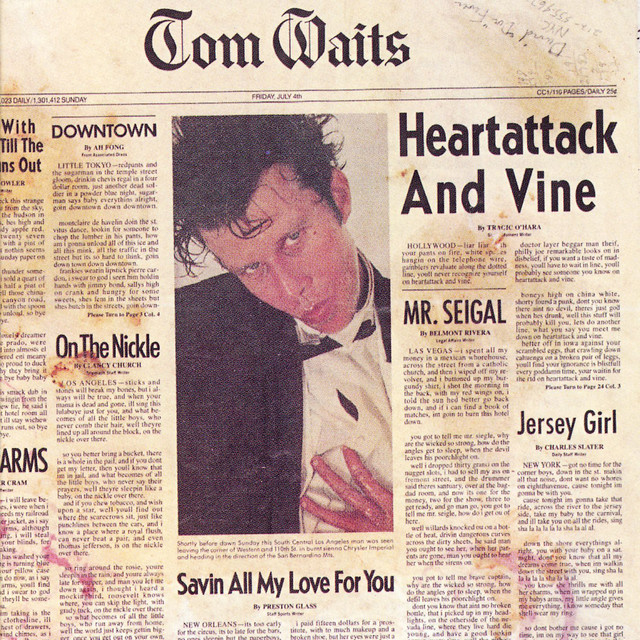
“This is my first experiment with using ‘sha-la-la’ in a song,” noted Waits wryly in 1980, in reference to his poignant song “Jersey Girl” from his 1980 album “Heartattack and Vine.” Better known for earthy, raw blues/jazz compositions, Waits was a New York guy who was dating (and eventually married) a girl from Jersey, and came up with this great song to describe the dynamic between the two: “I’m on my way to see that girl of mine, yeah, /Nothin’ else matters in this whole wide world when you’re in love with a Jersey girl, /Sing sha la la la la la…” Perhaps not surprisingly, Bruce Springsteen has a popular version of Waits’ song on his “Live 1975-1985” CD collection.

“New Mexico,” Johnny Cash, 1957

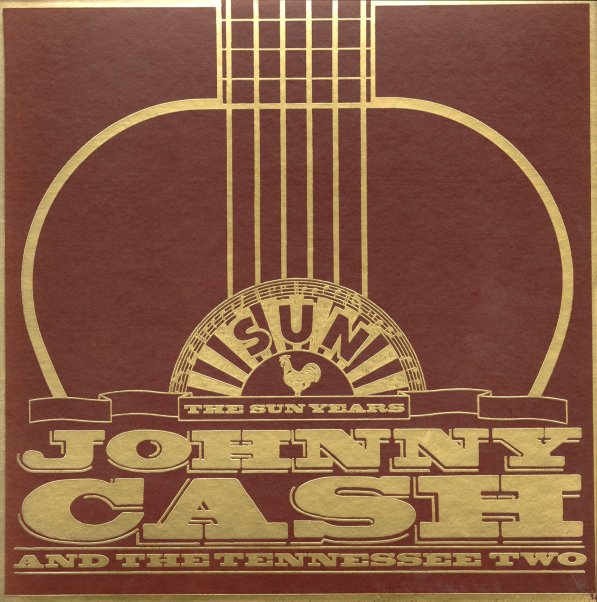
Before becoming an iconic solo country artist, Cash worked in Memphis with The Tennessee Two (guitarist Luther Perkins and bassist Marshall Grant). They recorded dozens of songs with Sam Phillips’ Sun Records before Cash signed with Columbia, taking the other two with him. Once Cash was established as a star, Phillips didn’t waste any time before releasing the early tracks, including “New Mexico,” a little ditty written by Leon Lampson that warned against leaving Griffin, Texas, for the Southwest desert: “Go back to your friends and loved ones, tell others not to go to the God-forsaken country they call New Mexico…”

“The Only Living Boy in New York,” Simon and Garfunkel, 1970

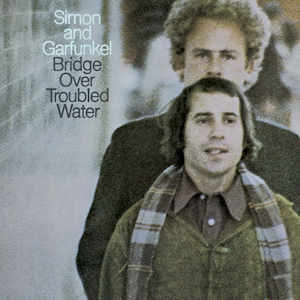
As with California, there are many many songs that mention New York in their titles, but most tend to refer to New York City rather than New York State. When Paul Simon was writing songs for the fifth Simon and Garfunkel album, his partner Art Garfunkel was in Mexico filming “Catch-22,” and Simon felt somewhat abandoned. He came up with this song to describe his emotions when he felt as if he was the only living guy in the whole state of New York. It’s one of Simon’s best songs, a deep track on “Bridge Over Troubled Water” in 1970.

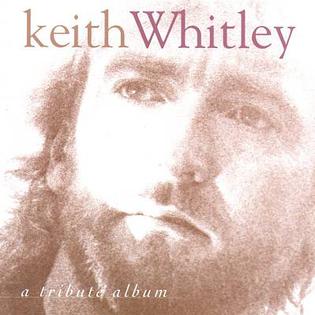
“Charlotte’s in North Carolina,” Keith Whitley, 1984/1994

I was tempted to use James Taylor’s “Carolina In My Mind” or even brother Livingston Taylor’s “Carolina Day” to represent North Carolina, where both men were born and raised, but I felt I should use a song that clearly mentions North Carolina. I found this winning tune by Keith Whitley, a country/bluegrass artist from Kentucky whose promising songwriting and recording career was cut short by alcoholism that caused an early death at only 34. But he wrote some great songs before he left us, including “Miami, My Amy,” “I’m No Stranger to the Rain” and “Charlotte’s in North Carolina,” which refers to a woman, not the city: “I hope she finds what she’s looking for, that’s all that matters to me, /’Cause all it cost me was my heart to set my sweet Charlotte free, /Charlotte’s in North Carolina, back where she wanted to be…”

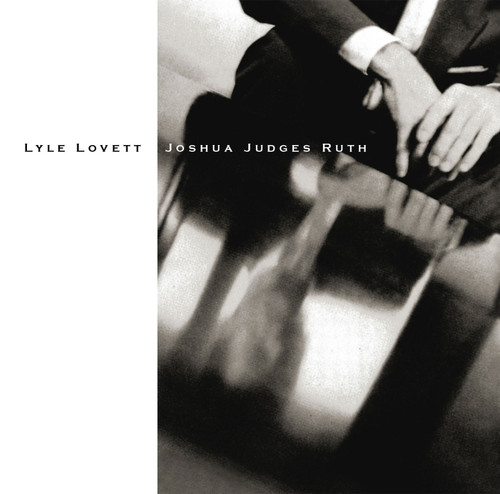
“North Dakota,” Lyle Lovett, 1992

Houston-born Lovett has carved out a decent career as a country singer-songwriter with a 12-album catalog between 1986 and 2022, sometimes broadening his oeuvre to perform with a 15-piece band. Mostly, though, he writes and records introspective acoustic songs like “North Dakota,” which can be found on his 1992 LP “Joshua Judges Ruth,” which exa mines a romantic relationship by contrasting the northern prairie state with his home state of Texas: “Now the weather’s getting colder, it’s even cold down here, /And the words that you have told me hang frozen in the air… /And the boys from North Dakota, they drink whisky for their fun, /And the cowboys down in Texas, they polish up their guns, /And they look across the border to learn the ways of love…”

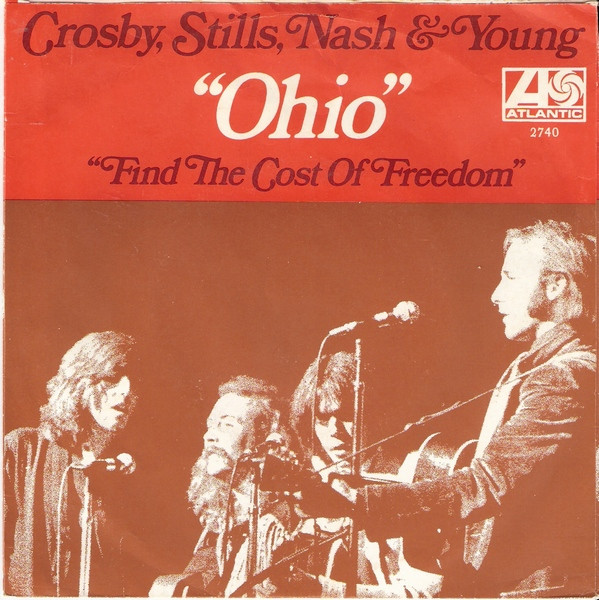
“Ohio,” Crosby, Stills, Nash & Young, 1970

The shooting of four students by Ohio National Guardsmen at Kent State University in May 1970 has forever branded The Buckeye State, thanks in large part to CSN&Y’s incendiary single, “Ohio.” Neil Young wrote and David Crosby helped produce and arrange the song after seeing the infamous Life Magazine photos of the event, and CSN&Y recorded it and released it only three weeks after it occurred. It still packs a wallop today: “Gotta get down to it, soldiers are cutting us down, shoulda been done long ago, /What if you knew her and found her dead on the ground? How can you run when you know?… /Four dead on Ohio…”

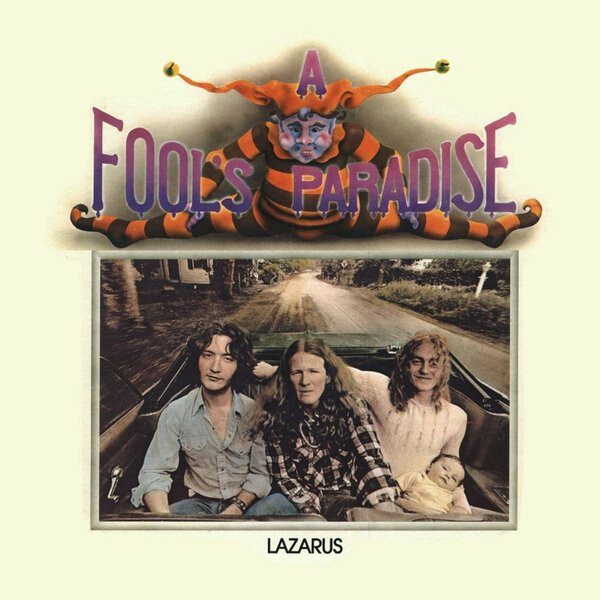
“Oklahoma Boy,” Lazarus, 1973

The gentle trio Lazarus were three compatriots from Texas led by singer-songwriter Bill Hughes, who wrote gorgeous melodies carried by acoustic guitars, piano, and three-part harmonies. They never got the accolades they deserved, but their music is still available if you look hard enough. On their “A Fool’s Paradise” LP in 1973, member Carl Keesee sang the lead on “Oklahoma Boy,” the group’s only country song, about being a simple boy from Oklahoma who learns tough life lessons through music: “Just an Oklahoma boy, saddle, spurs and cards, /Never did learn very much ’til I got that old guitar, I started playing Texas bars, seeing something new, /People drinking to forget lost love they’d been through…”

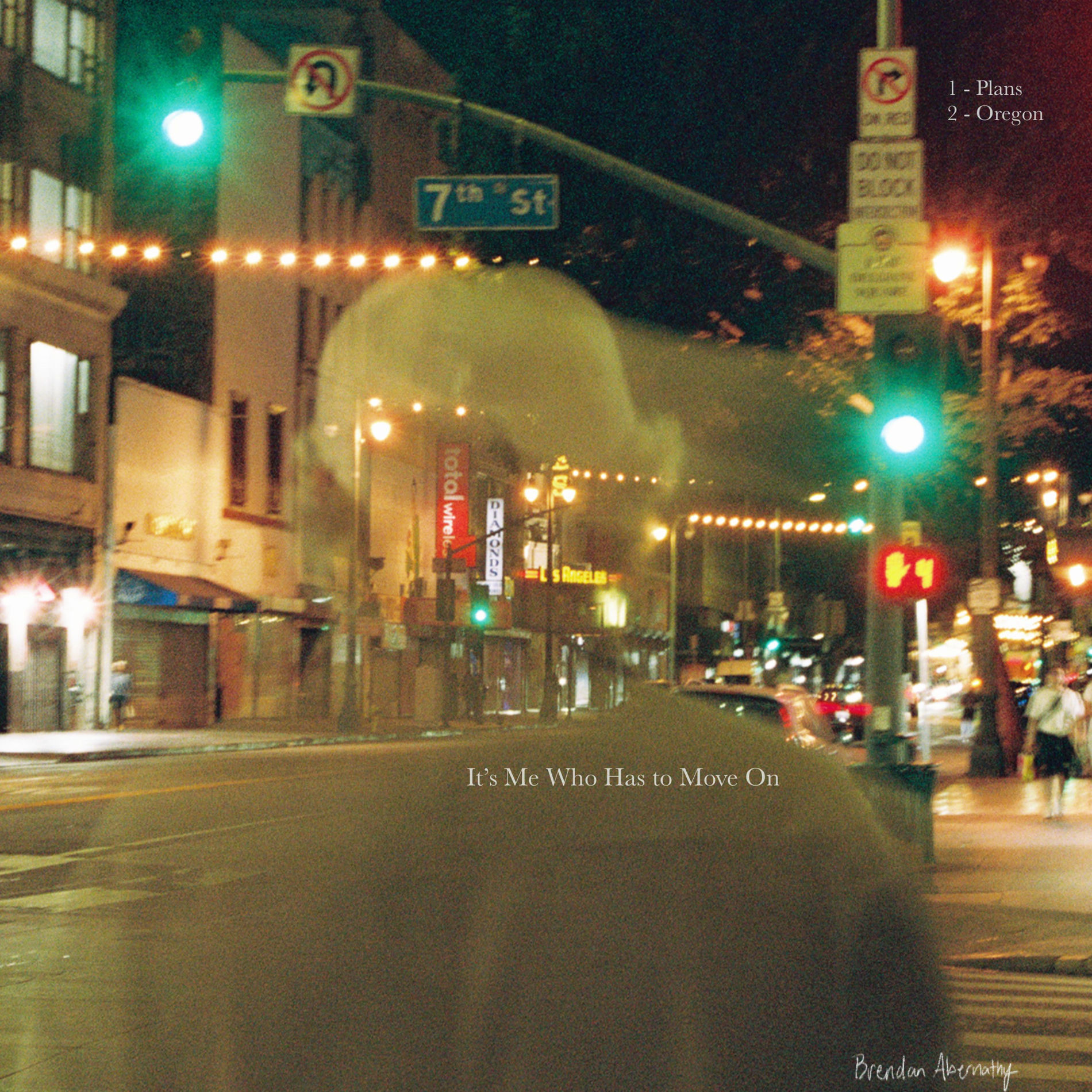
“Oregon,” Brendan Abernathy, 2026

Abernathy is a new indie-country-folk-pop artist out of Georgia who writes about “the fickle interaction of discontentment and hope,” as he describes it This song explores the challenge of trying to help a friend cope her way through a romantic breakup. “‘It’s not you, it’s me, I’ve got to spend time alone’… But it’s me who’s to drive his car across Oregon, it’s me who used to worry about moving forward again…”

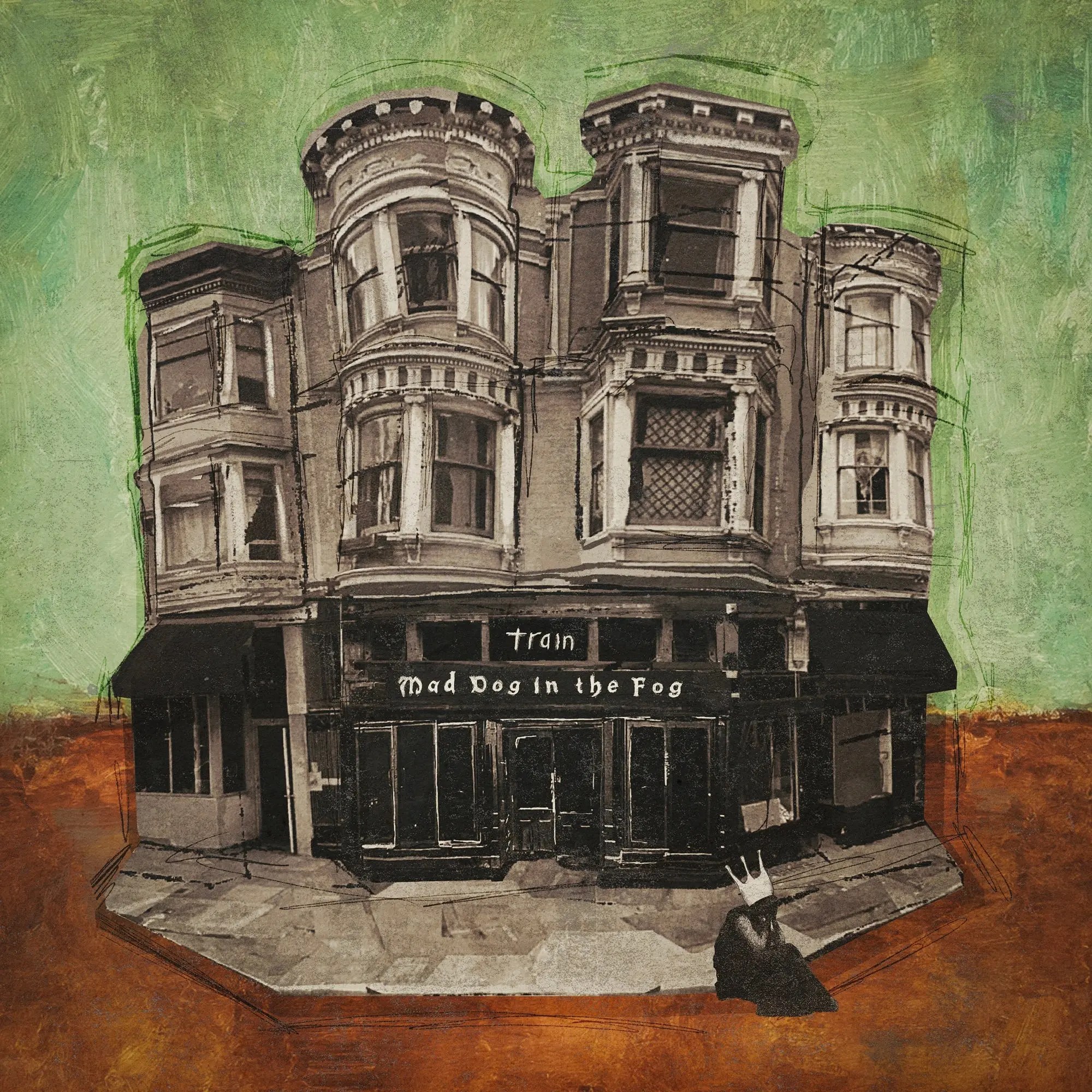
“Pennsylvania Turnpike,” Train, 2026.

Founded in San Francisco in the late 1990s, Train eventually became a very successful band across the country, with ten LPs between 1998 and 2026, six of which reached the Top Ten on US album charts. On their latest LP “Mad Dog in the Fog,” there’s a thought-provoking song called “Pennsylvania Turnpike,” about a troubled man driving in hopes of getting comfort from his friend: “I’m not in love, not even close, but I know you better than most, and I sure could use a friend, /Got a ring around the Rosie and a pocket full of dust, /The Pennsylvania turnpike and a heart that’s full of rust…”

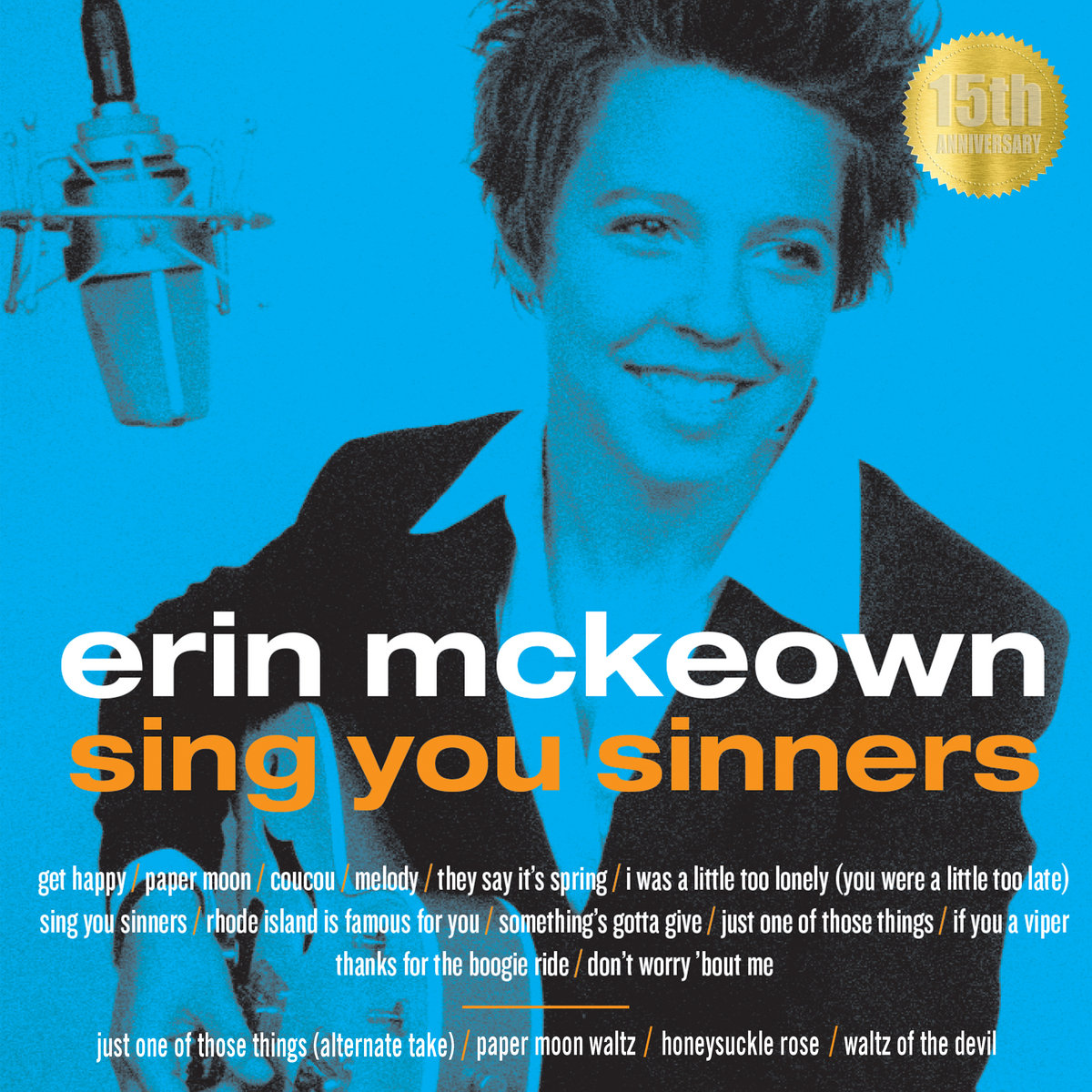
“Rhode Island is Famous for You,” Erin McKeown, 2006

McKeown is a non-binary multi-instrumentalist with a wildly eclectic musical pedigree, dabbling in pop, folk, swing, rock and electronic styles over a 25-year career. With a strong voice and innate sense of fun in the presentation, McKeown has entertained audiences and listeners internationally. The 2006 LP “Sing You Sinners” offers an exhilarating take on standards from the swing music era, most notably “Rhode Island is Famous for You,” a spirited 1940s tune that name-drops more than a dozen states before coming around to The Ocean State: “The wheat fields are the sweet fields of Nebraska, and Kansas gets bonanzas from the grain, /Ol’ Whiskey comes from Ol’ Kentucky, ain’t the country lucky? /New Jersey gives us glue, /And you, you come from Rhode Island, and little Rhode Island is famous for you…”

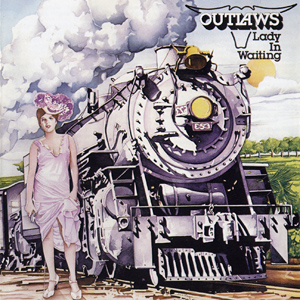
“South Carolina,” The Outlaws, 1976

Founded in Tampa, Florida in the late ’60s, The Outlaws have had an inordinate number of personnel changes over a half-century and are still performing today. In their mid-’70s heyday, they were one of the pre-eminent Southern rock bands, featuring ferocious dual-guitar interplay on tracks like “Green Grass and High Tides” and “There Goes Another Love Song.” From their popular second LP “Lady in Waiting” in 1976, guitarist-singer Henry Paul contributed “South Carolina,” a tribute to the state where he eventually settled down: “It’s time to pack up and get ready to go, things I think lately are things I used to know, /And I’ve been thinking, Carolina, we can find a way to be together every night, and I’ll have you every day, /South Carolina, stars in her eyes, Blue Ridge Mountain, home in the sky…”

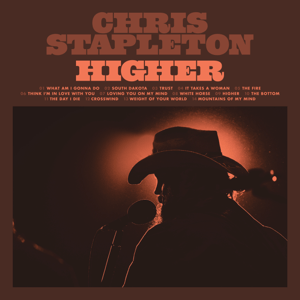
“South Dakota,” Chris Stapleton, 2023

Kentucky-born Stapleton was his class valedictorian who headed to Nashville to study biomedical engineering at Vanderbilt, but his love of country music pulled him toward songwriting and performing, and he’s become successful “beyond my wildest dreams,” he has said. In songs he has written for others and those he’s recorded himself, he has been partial to storytelling about hard-luck cases and lost love, and on his most recent LP, 2023’s “Higher,” his song “South Dakota” continues that trend: “Nights are long as the day is cold, staying alive is getting old, /Nothing is everything I got left, staring down the devil, but I’m scared to death, /I’m in South Dakota, I keep on staying behind, /I’m in South Dakota, trouble ain’t hard to find…”

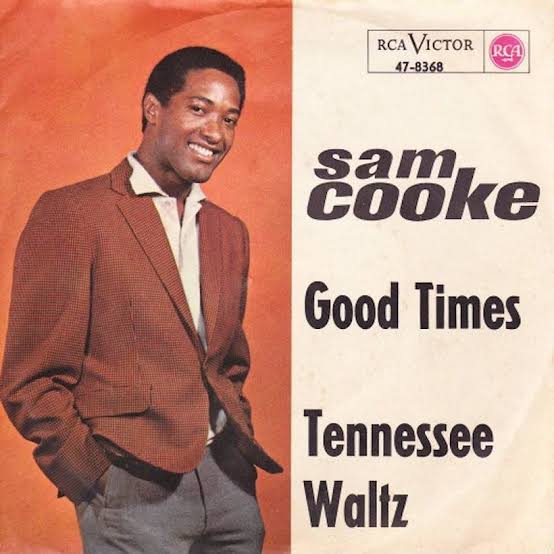
“Tennessee Waltz,” Sam Cooke, 1963

This timeless country classic, written in 1946 by Redd Stewart and Pee Wee King, is best known in traditional arrangements recorded by Patti Page, Patsy Cline, Anne Murray, Emmylou Harris and many others, but I was more intrigued by the double-time R&B version recorded by the great Sam Cooke in 1963. Puzzling, I think, that this song was so popular, seeing as how it’s about a guy’s best friend stealing his girlfriend: “I was dancing with my darling to the Tennessee Waltz, when an old friend I happened to see, I introduced him to my loved one, and while they were dancing, my friend stole my sweetheart from me…”

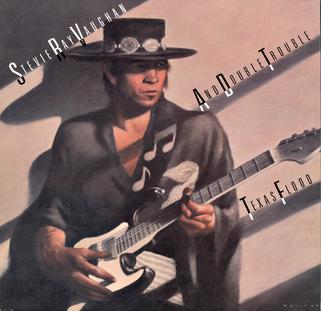
“Texas Flood,” Stevie Ray Vaughan, 1983

Bluesman Larry Davis wrote and recorded this superb slow blues tune in 1958, later re-recorded by other artists like Stevie Ray Vaughan & Double Trouble, who made it the title song of Vaughan’s 1983 debut. Davis, who wrote the song in California, used the news of a flood in Texas as a metaphor for his troubled relationship with his girl: “I’m going back home to stay, where there’s no floods or tornadoes, and baby, the sun shines every day…”

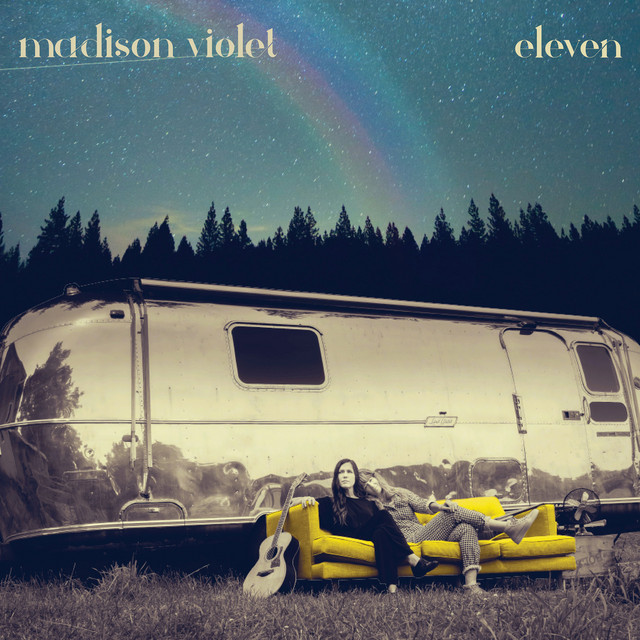
“Utah,” Madison Violet, 2022

Canadians Lisa MacIsaac and Brenley MacEachern each have roots in Nova Scotia but met in Toronto in the late ’90s and formed a duo they called Madison Violet, and have released nearly a dozen albums since their 2002 debut, making prominent use of fiddle, piano and mandolin in their music. Their voices blend well, and on their most recent LP, 2022’s “eleven,” they offer alternating earthy and lovely vocal interplay on tracks like “Utah”: “When I’m with you, you make it clearer in my mind, /You make the sun shine, Utah…”

“Moonlight in Vermont,” Billie Holiday, 1957

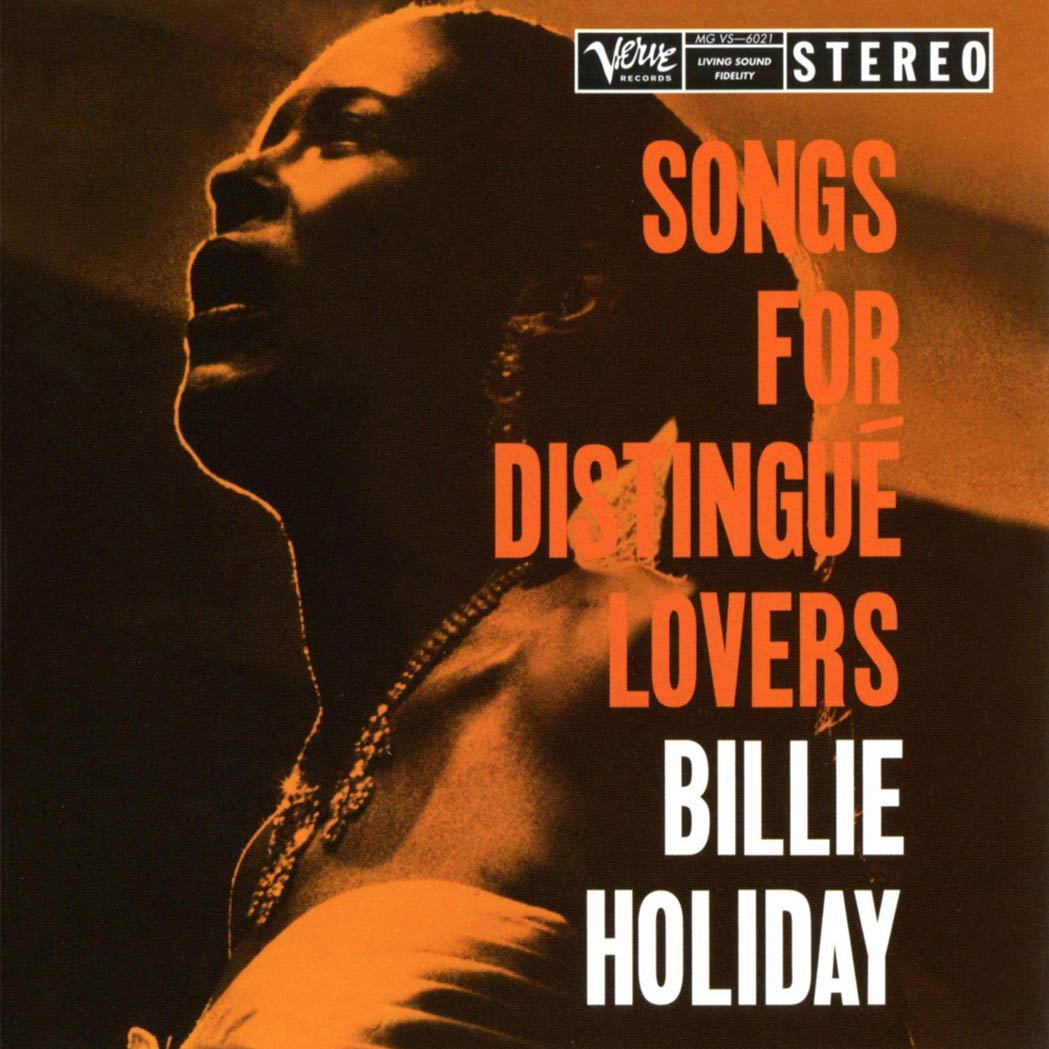
Back in 1944, the team of John Blackburn (lyrics) and Karl Seussdorf (music) collaborated on “Moonlight in Vermont,” which is the unofficial states song of Vermont. As Blackburn noted, the lyrics are unusual for their era because they don’t rhyme, although that wasn’t the intention when he started writing them. Margaret Whiting made the initial recording, followed by dozens of other artists in th ensuing years, including Jo Stafford, Ella Fitzgerald, Frank Sinatra, Sam Cooke, Bobby Womack and Willie Nelson. I’m partial to Billie Holiday’s 1958 rendition from her LP “Songs for Distingué Lovers.”

“Sweet Virginia,” The Rolling Stones, 1972

From the band’s epic double LP “Exile on Main Street” comes this loose, Gram Parsons-inspired country tune that could very well be about the state, but is more likely about a woman with that name who comes from horse country. Much as they had in their earlier “Wild Horses,” the Jagger-Richards songwriting duo tipped their hats to American country music traditions in the midst of their bluesy rock ‘n roll format: “Come on, come on down, sweet Virginia, come on, come on down, I beg of you, /Come on, come on down, you got it in you, got to scrape that shit right off your shoes…”

“Washington,” Jamie Grace, 2023

Born Jamie Grace Harper in Atlanta, Grace has developed into a fine singer-songwriter of primarily Christian-based songs since her 2011 debut. She has worked closely with widely respected Christian musician/producer TobyMac, who helped her evolve her singing and songwriting. Her most recent LP, 2023’s “Dreamers,” is perhaps her most consistently appealing work, including the charming, optimistic “Washington”: “I was in Washington on a West Coast run, it rained for days all over my face, my joy was gone, /But Washington, I see your sun, and I can almost hear the birds singing over me, /It’s time to be free…”

“West Virginia Rain,” The Wildwoods, 2023

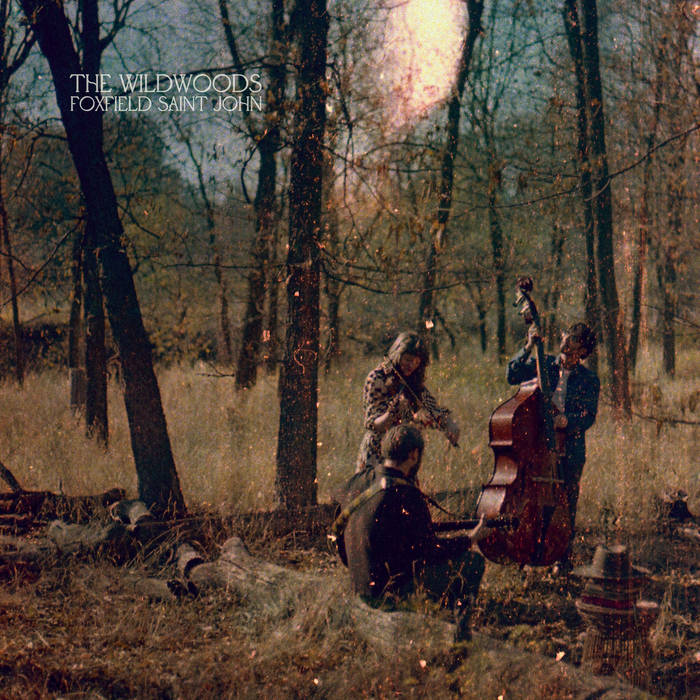
Hailing from the heart of Lincoln, Nebraska, The Wildwoods have grown into a folk/Americana trio rooted in rich harmonies and heartfelt storytelling. Formed by husband-and-wife duo Noah (guitar) and Chloe Gose (violin), and joined by longtime friend and bassist Andrew Vaggalis, the band crafts songs that feel both intimate and expansive — tales of home, hope, and the open road. From their 2023 LP “Foxfield Saint John” is the lovely “West Virginia Rain”: “West Virginia rain, misty mountains calling out my name, /West Virginia rain falling down to take away my pain…”

“Wisconsin,” Madilyn Bailey, 2020

Essentially a YouTube personality with strong songwriting talent, Bailey has released both original and cover songs mostly through online distribution, gaining notoriety and followers that have boosted her presence in recent years. Born in Wisconsin to a musical family with five siblings, Bailey has made numerous TV appearances in Europe and the US to perform. In 2020, she wrote “Wisconsin” as a loving reminder of her roots in that state: “Oh, Wisconsin, my old friend, I didn’t forget about you, /Do you remember when I was thirteen? I’d stay up ’til 3AM singing to no one, /You were listening, oh, Wisconsin, you were always listening…”

“Song of Wyoming,” John Denver, 1975

Henry John Deutschendorf became John Denver at age 18 because of his love for the Rocky Mountains, and he enjoyed a lengthy run at or near the top of the US pop charts on six albums and multiple singles in the 1972-1976 period. His 1975 LP “Windsong,” which reached #1 on the strength of hit singles “I’m Sorry” and “Calypso,” also included the serene closing track, “Song of Wyoming”: “Here comes that big old prairie moon rising, shining down bright as can be, /Up on the hill there’s a coyote singing a song of Wyoming for me…”

*******************************